Inspiration
Hiring runs on trust, yet résumés are easy to fake and slow to verify. Universities waste time confirming degrees, and employers deal with fraud and long verification cycles. We wanted a solution where credentials are instantly trustworthy and fully owned by the user.
What it does
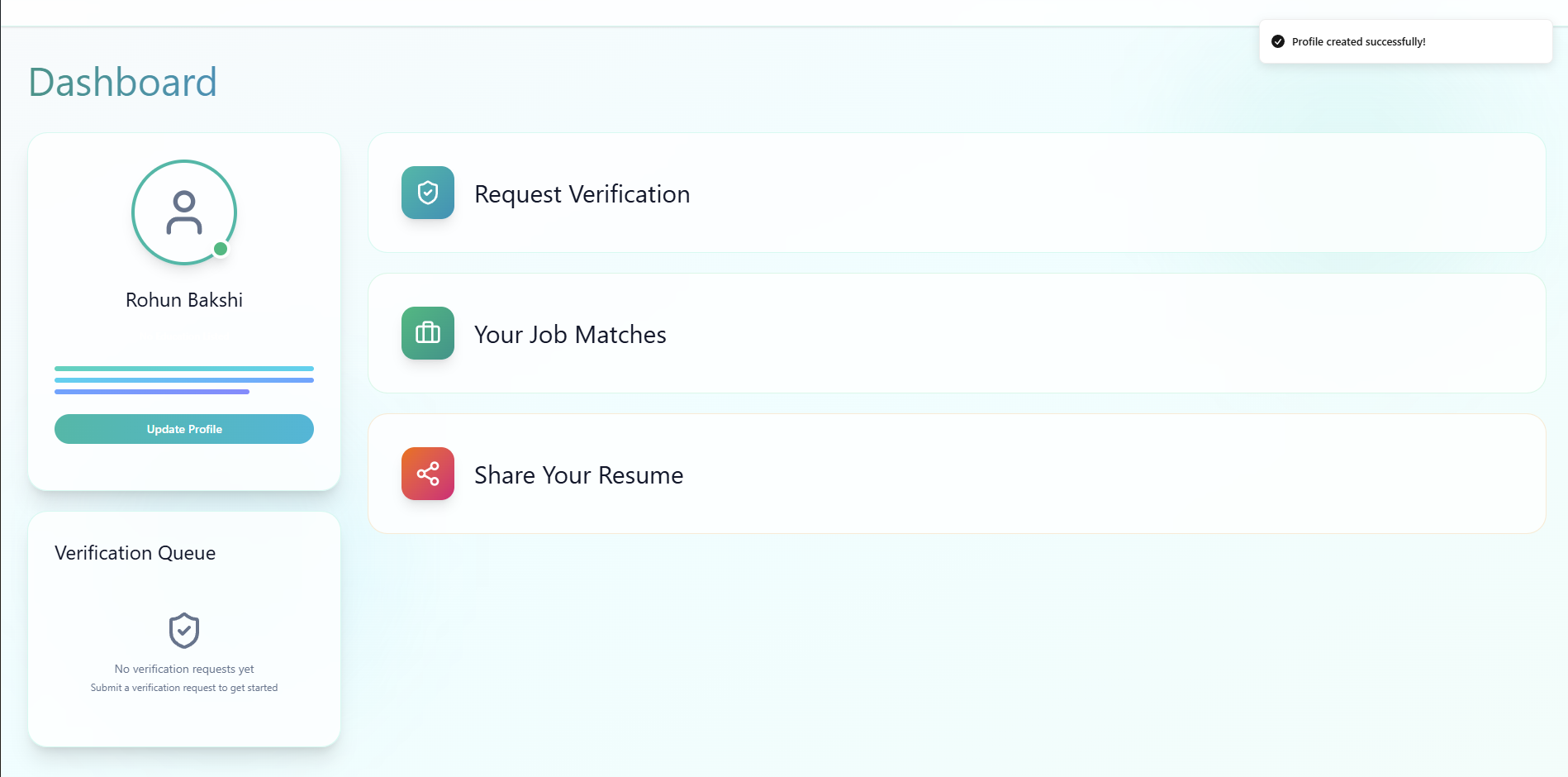
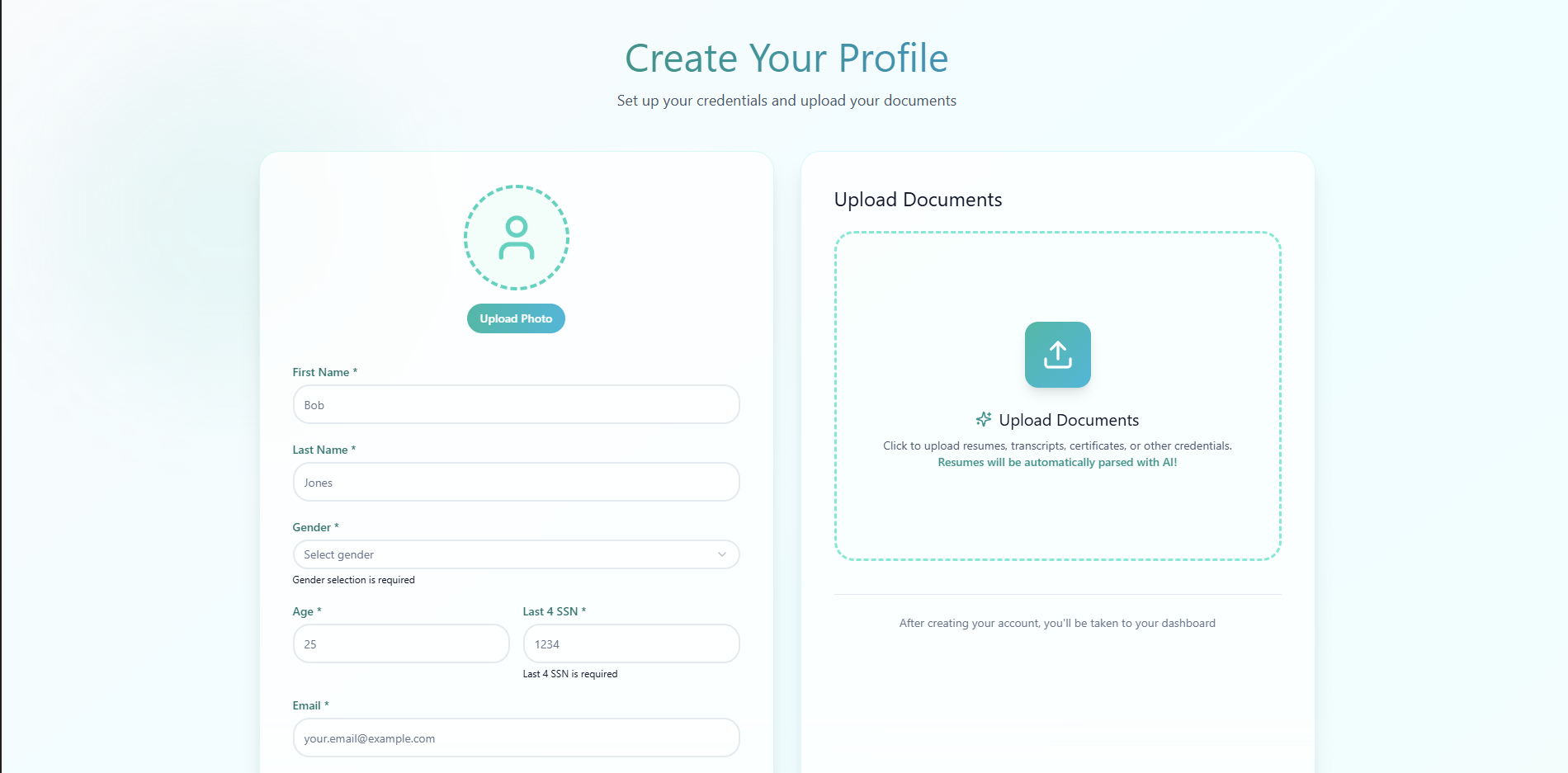
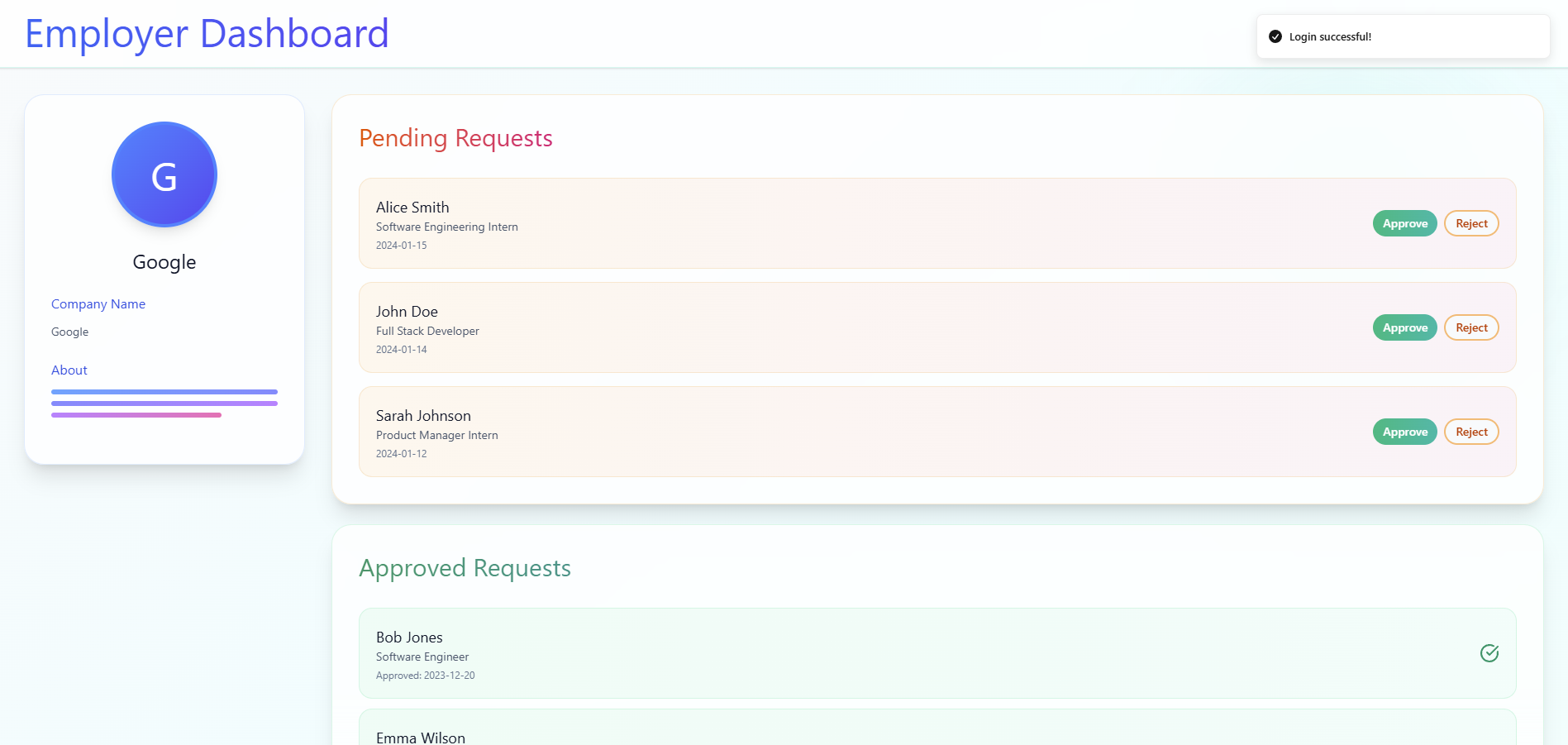
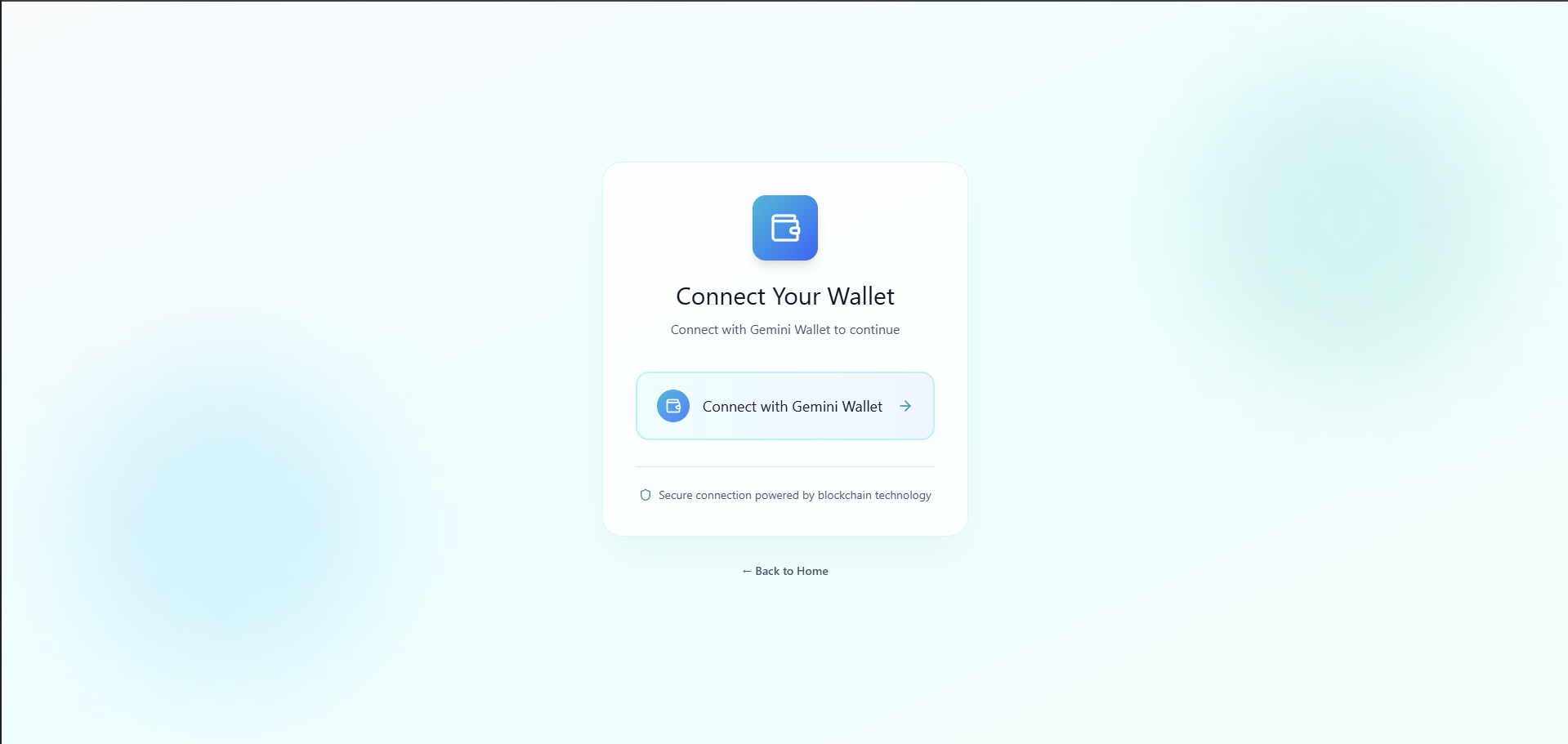
CredentialHub turns any résumé into blockchain-verified credentials: Users connect a wallet → get a decentralized identity Upload a résumé → parsed into structured credentials Universities approve items by signing them Solana stores credential hashes + institutional attestations Employers verify credentials instantly through a public check portal Everything is cryptographically verifiable, tamper-proof, and user-owned.
How we built it
Frontend: Next.js, Tailwind, Backend: Node.js, PostgreSQL/Supabase, Blockchain: Solana + Anchor storing credential commitments and attestations Verification Portal: Re-hashes credentials to confirm on-chain authenticity
Challenges we ran into
Designing a privacy-preserving yet verifiable credential model Making university signing simple but secure and incentivized to use Reliable résumé parsing under time pressure Coordinating off-chain data with on-chain hash commitments
Accomplishments that we're proud of
Clean university and employer portals Implementation of Solana smart contracts Smooth wallet-based identity onboarding Strong UX
What we learned
How to combine off-chain data with on-chain proofs Best practices for Solana + Anchor smart contract design UX design principles for decentralized identity systems
What's next for CredentialHub
SIS integrations with universities Employer ATS integrations Expanding to certifications, bootcamps, and skill-base credentials
Built With
- anchor
- express.js
- node.js
- postgresql
- react
- solana
- tailwind
- vite


Log in or sign up for Devpost to join the conversation.