-
-
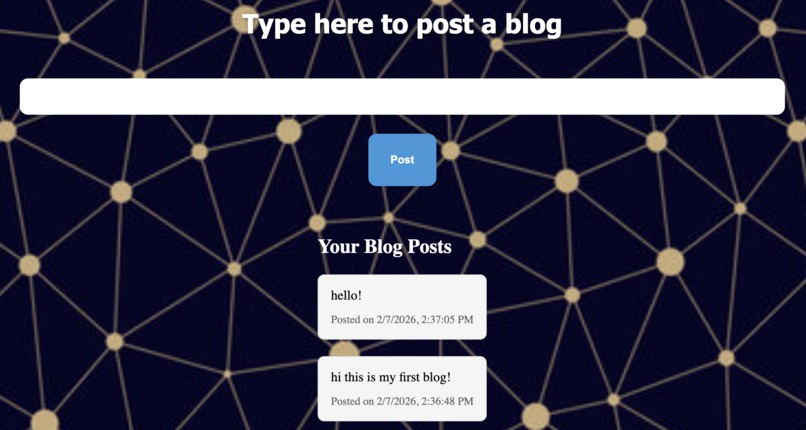
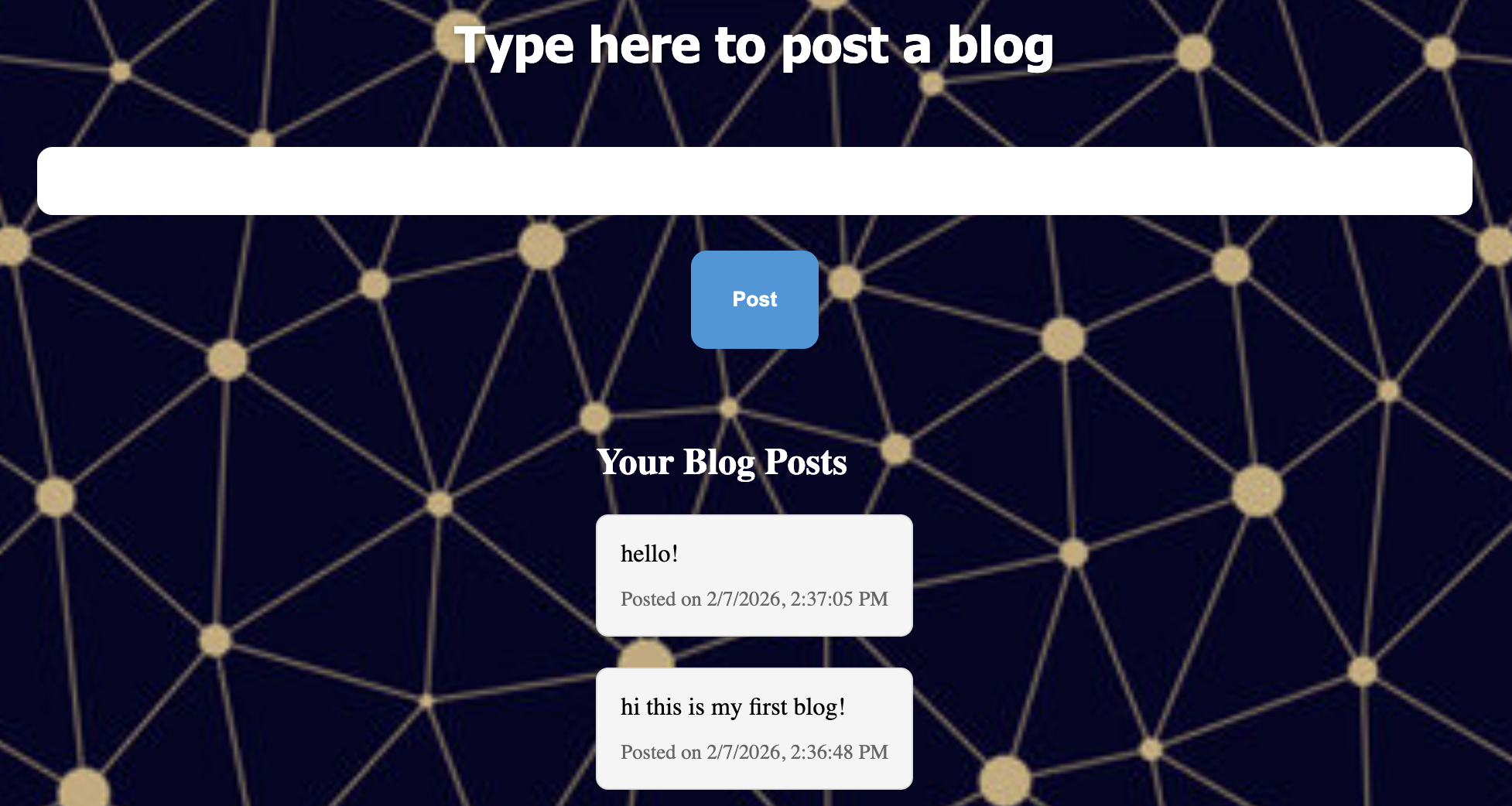
Showcasing adding to the blogpost
-
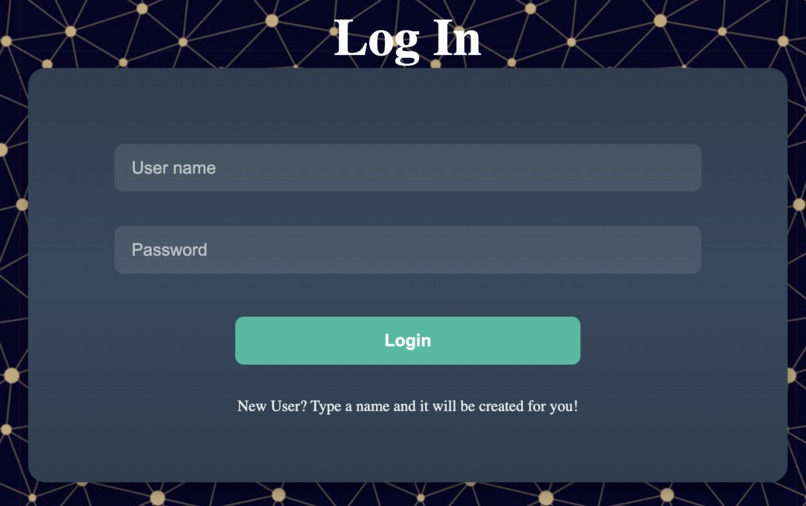
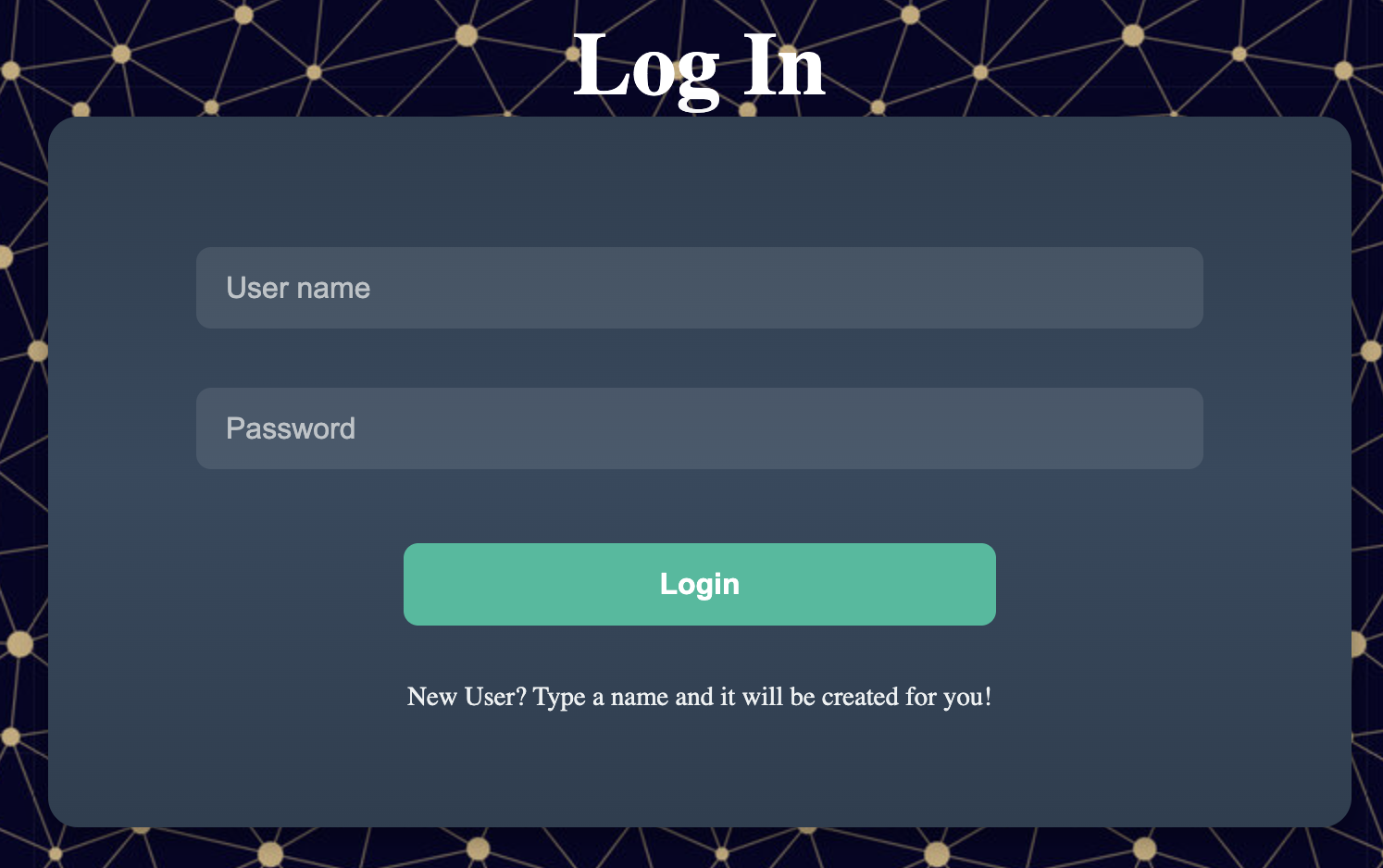
Login page
-
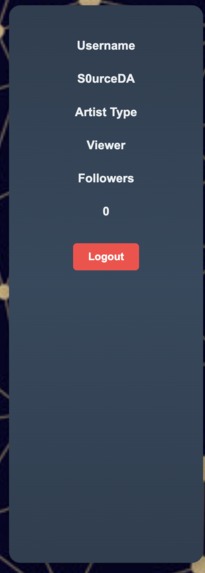
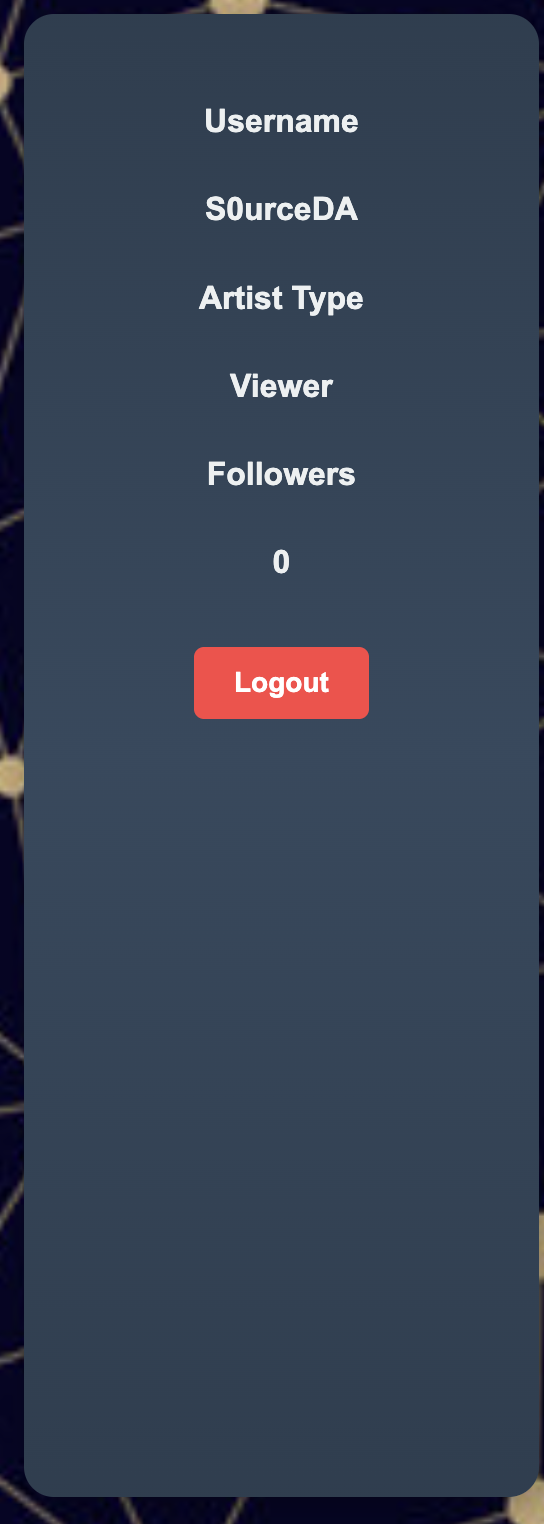
User stats
-
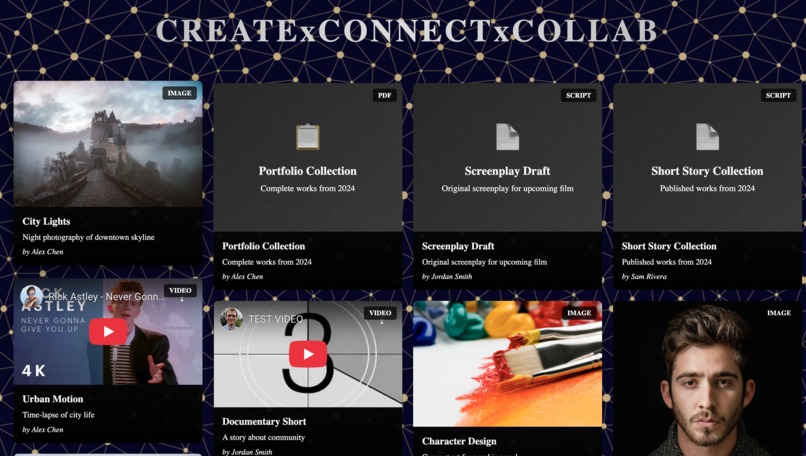
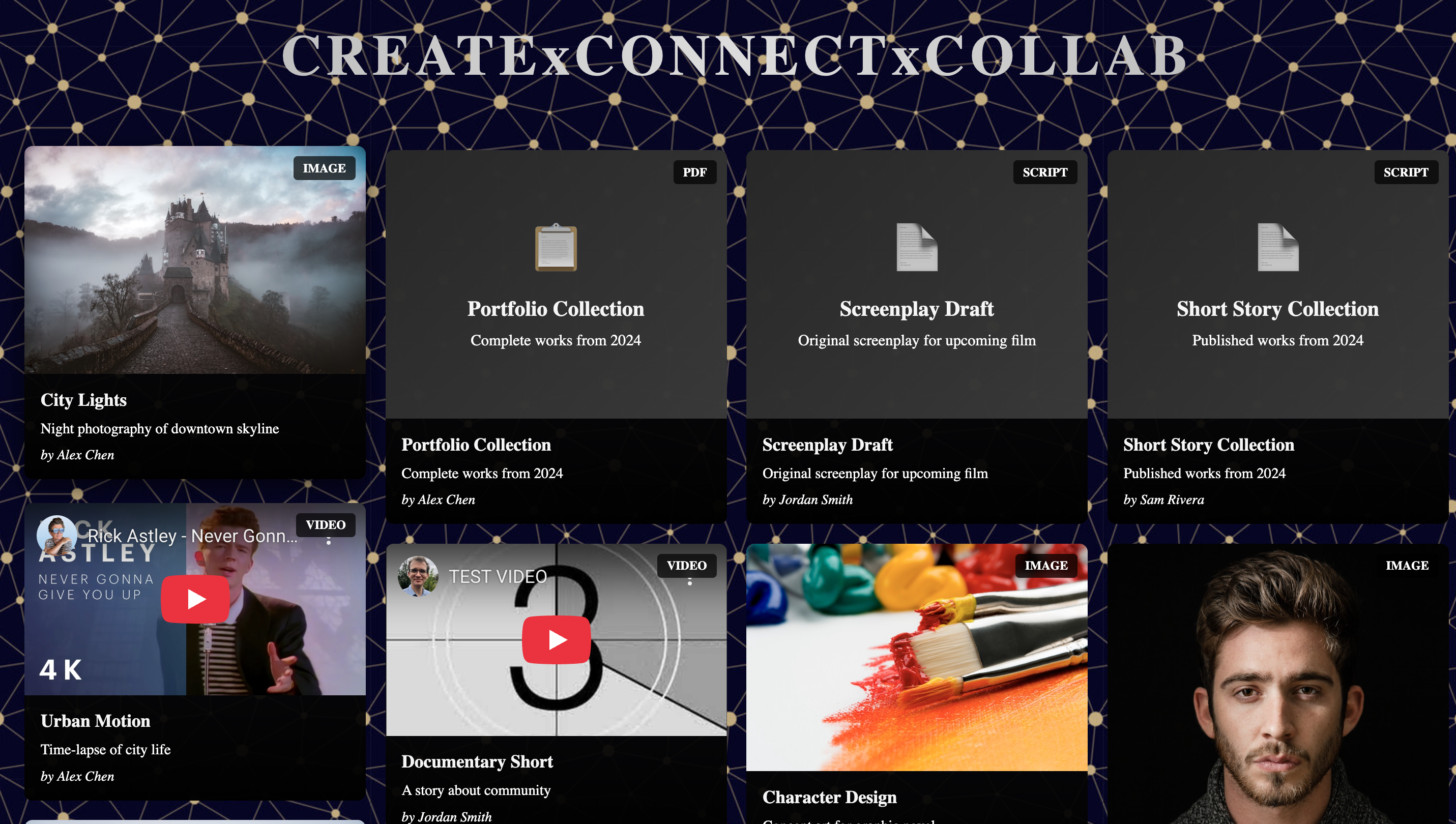
Home page
Inspiration
We were inspired by how YouTube helps small creators get discovered through organized channel pages where they can showcase all their content in one place. We wanted to create something similar but for all types of creative work - not just videos, but also images, scripts, PDFs, and more. Just like how YouTube channels let creators build a following, our platform gives artists a space to display their portfolios and connect with their audience.
What it does
Creator Bridge helps small creators get discovered by giving them a platform to showcase their work. Creators can build portfolios with multiple types of content (images, videos, PDFs, scripts) and post blog updates to share their creative journey. Other users can browse creators, view their portfolios, and follow the ones they like. Everything updates in real-time - when someone posts a blog or gains a follower, it shows up instantly for everyone without refreshing the page.
How we built it
We built the frontend using React and Vite to create a fast, responsive user interface. The backend runs on Python with Flask, and we use PostgreSQL to store all user data, portfolios, and blog posts. To make everything update in real-time (like blog posts appearing instantly and follower counts updating live), we used Socket.IO which creates a constant connection between the frontend and backend. This tech stack let us build both the visual interface and the real-time features we needed.
Challenges we ran into
Our biggest challenge was connecting the backend to the frontend. We ran into CORS (Cross-Origin Resource Sharing) issues because our frontend runs on port 5173 and our backend runs on port 5001, and browsers block connections between different ports for security. On top of that, getting Socket.IO configured properly for real-time communication took a lot of debugging. We eventually solved it by configuring both Flask-CORS for regular requests and Flask-SocketIO with the right CORS settings for the WebSocket connections.
Accomplishments that we're proud of
We're really proud of our authentication system that generates secure tokens for each user and stores everything in the PostgreSQL database. When users log in and post blogs, those posts stay saved in the database and persist even after they log out. The database automatically creates all the necessary tables when you first run the backend, which makes setup easy. We also got real-time blog posting working - when someone posts a blog, it appears instantly for all connected users without anyone needing to refresh. Everything is tied to user accounts so each creator owns their content.
What we learned
We learned a lot about team collaboration using Git - managing branches, handling merge conflicts, and working with multiple co-authors on commits. We also learned how real-time web applications work using Socket.IO and WebSockets, which was completely new to us. Plus, we got hands-on experience with database design, creating relationships between users, portfolios, and blog posts.
What's next for Creator Bridge
Our next step is to display all creators' blog posts on the homepage as a feed, so visitors can immediately see the latest updates from the community. We also want to add direct upload functionality for images and videos instead of requiring URLs. In the future, we'd like to add direct messaging between creators for collaboration and implement search and filter features to help users find specific types of creators or content.

Log in or sign up for Devpost to join the conversation.