-
-
Alexa, open Kindspace
-
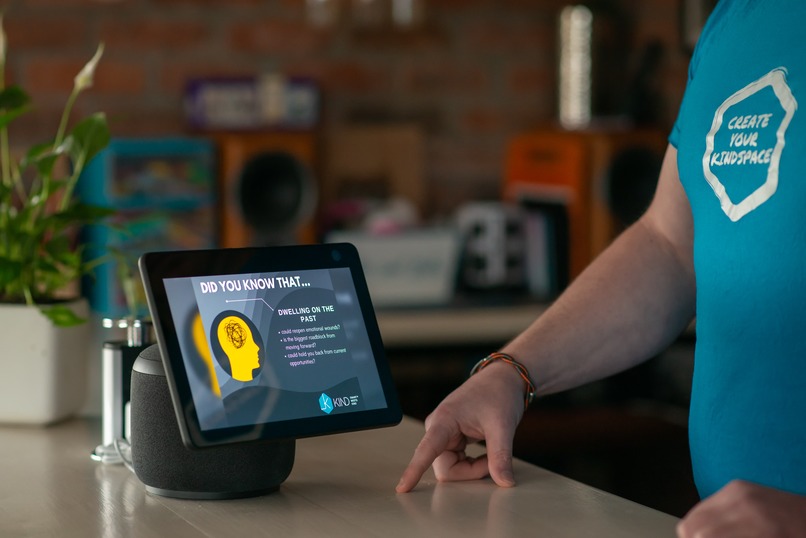
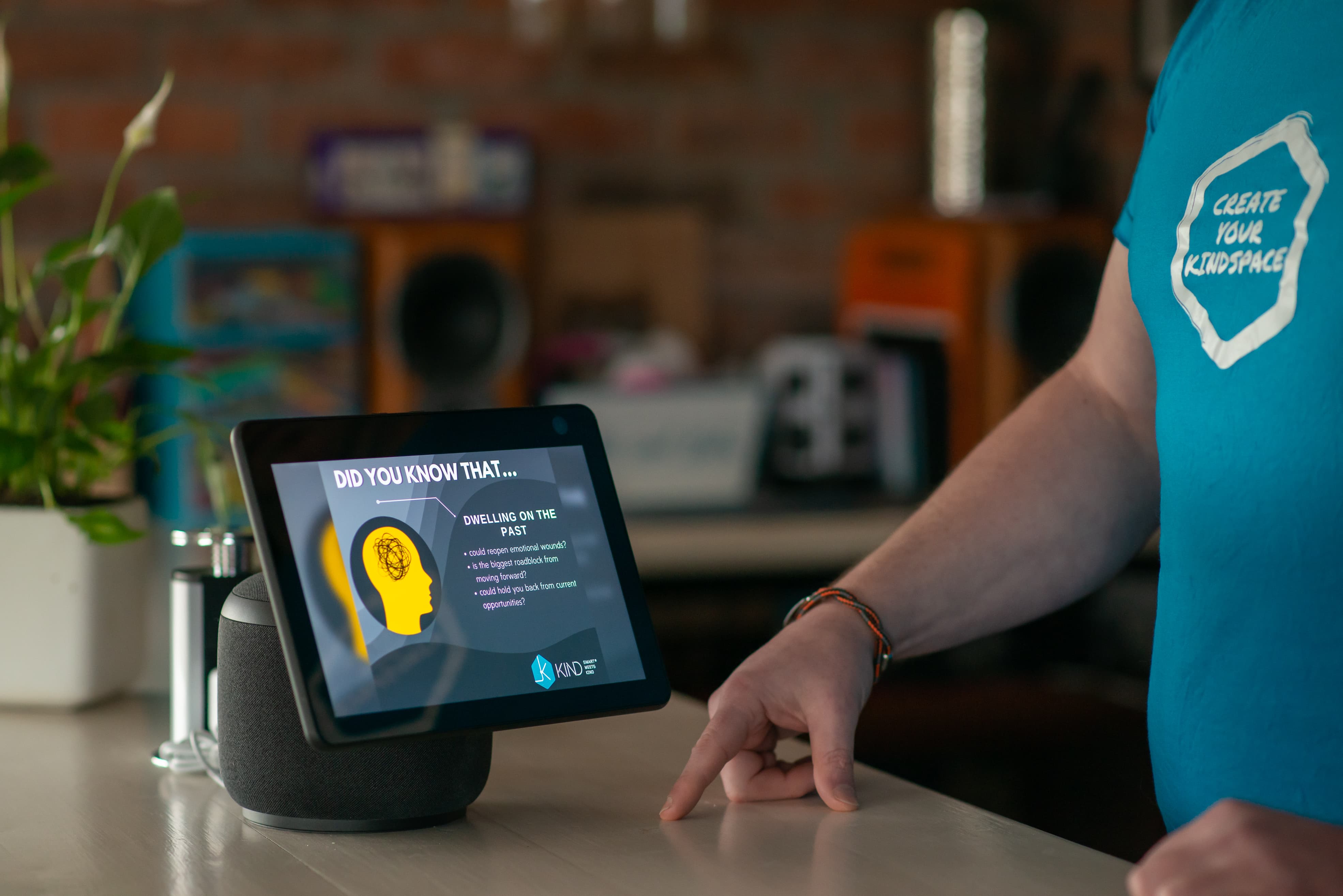
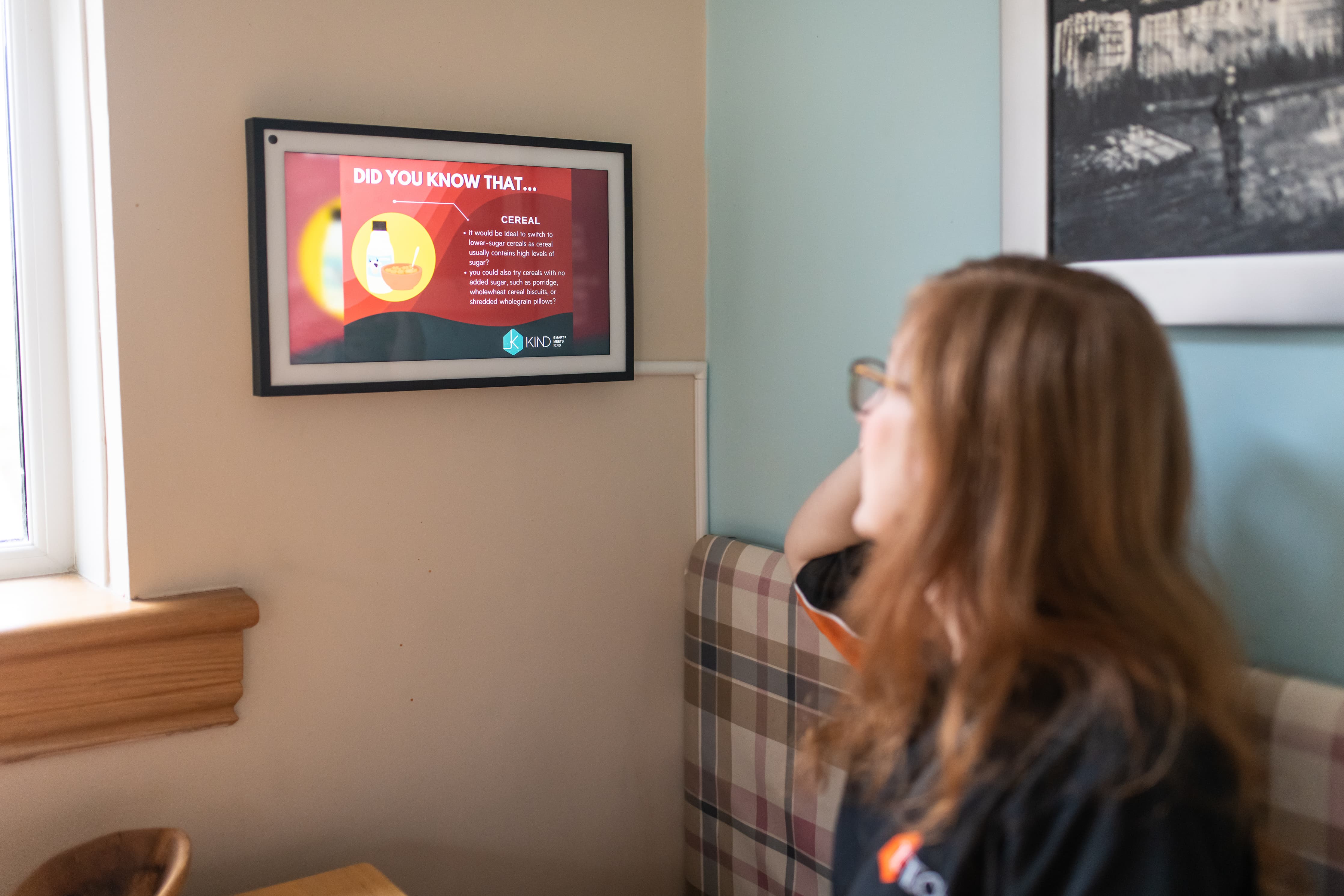
Show 10 Kindspace Tip
-
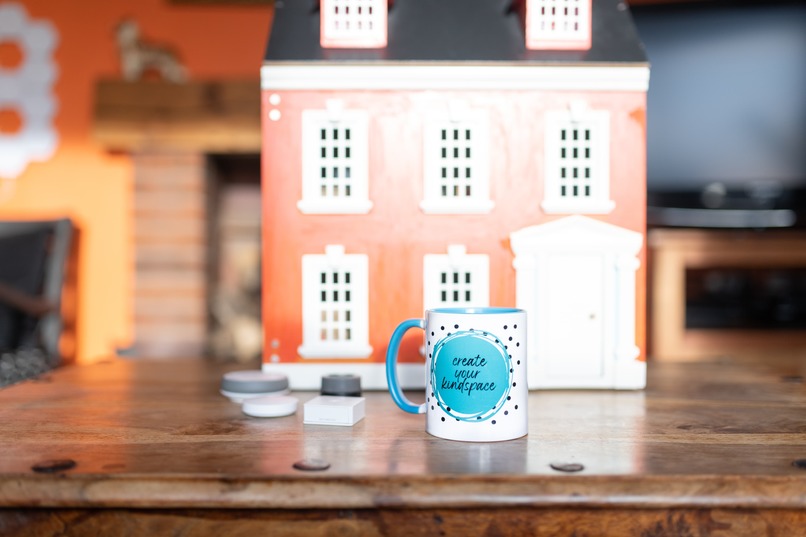
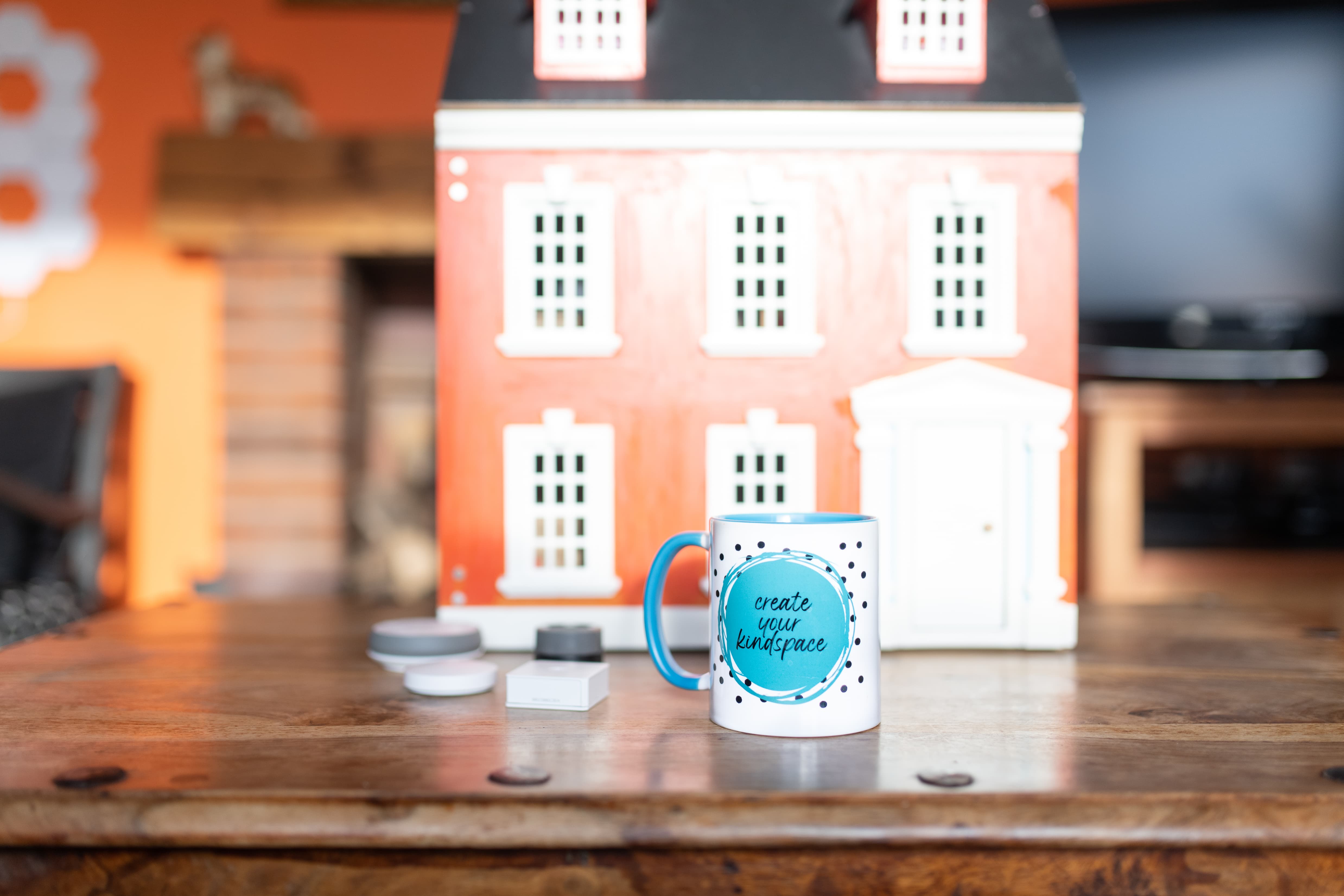
Smart Dolls House & Create Your Kindspace Mug
-

Show 15 Kindspace Tip
-
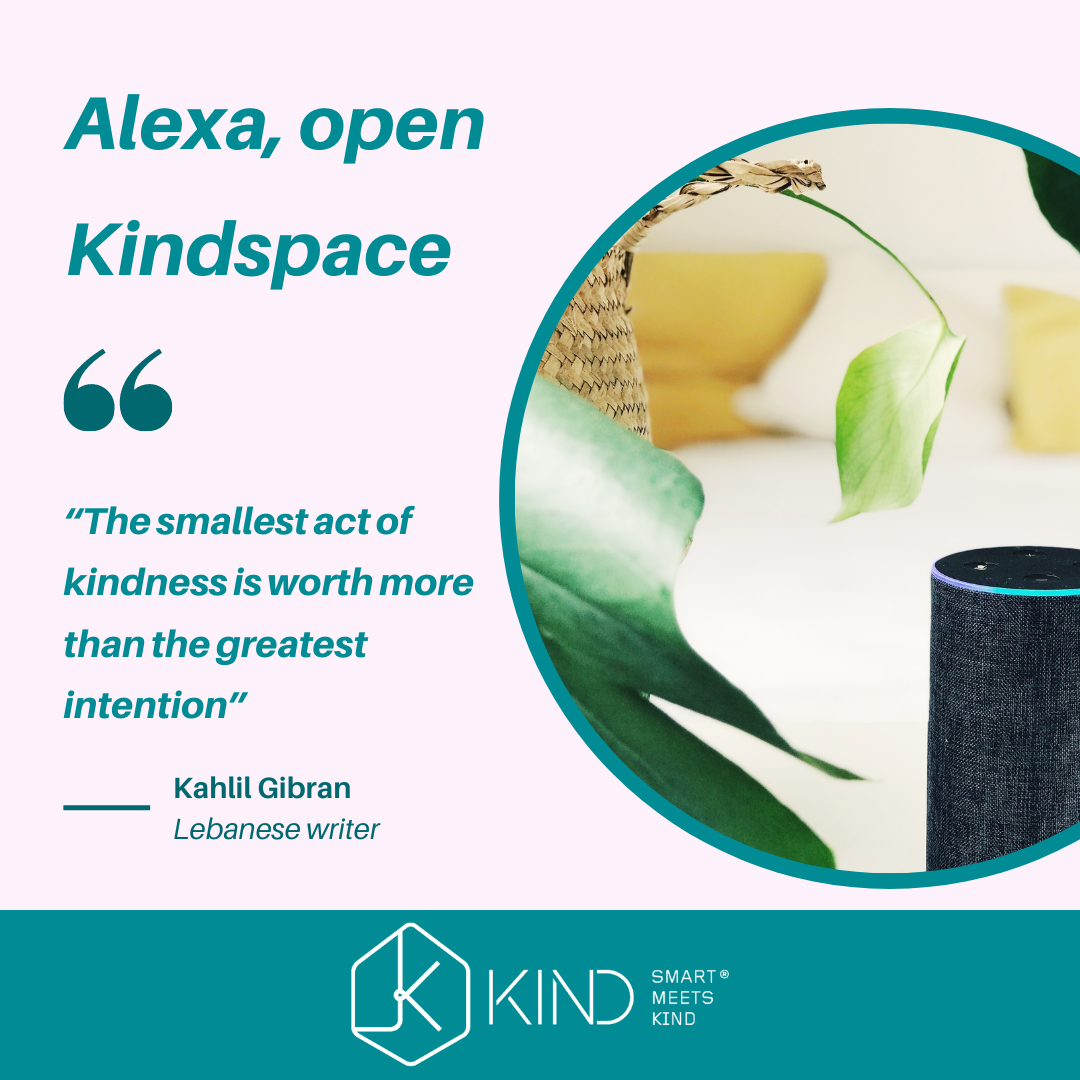
Alexa open Kindspace - kindness quote
-

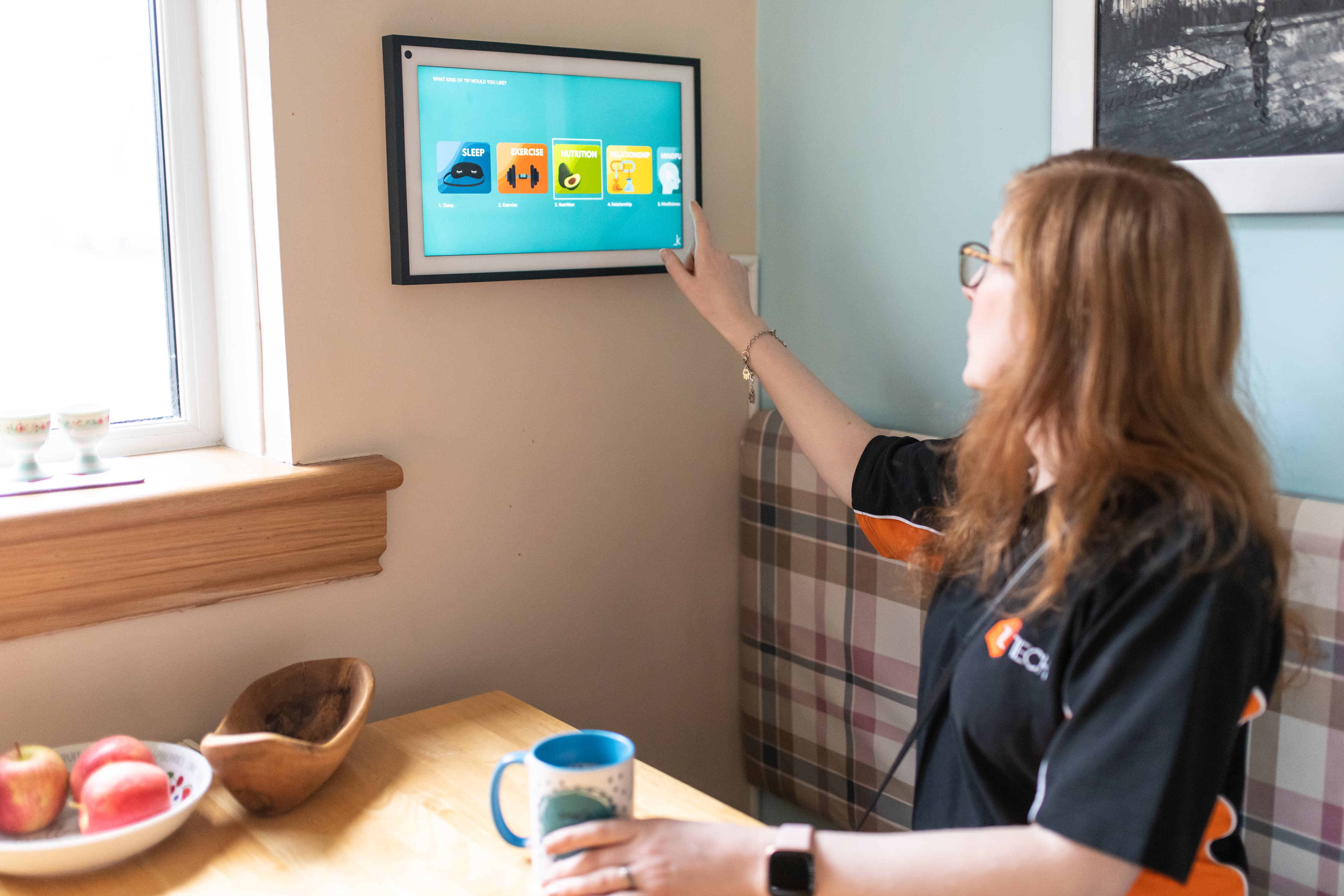
Show 15 Kindspace Tips Menu
-
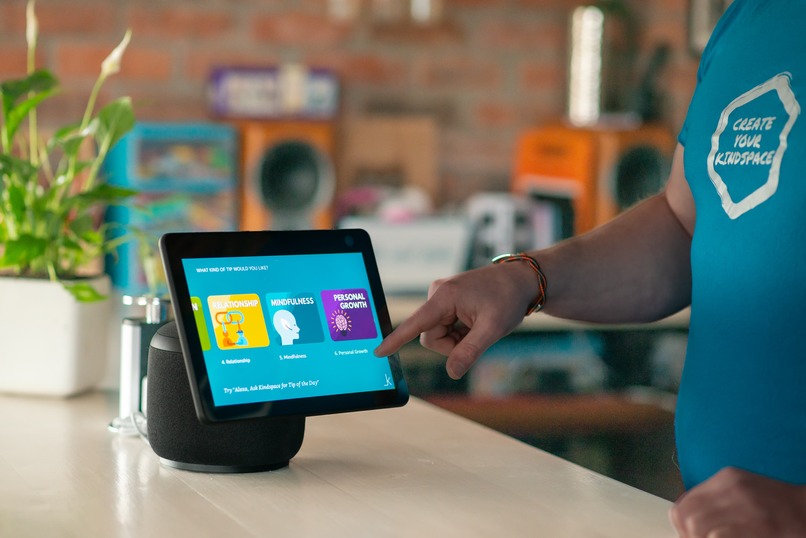
Show 10 Kindspace Tips Menu
-
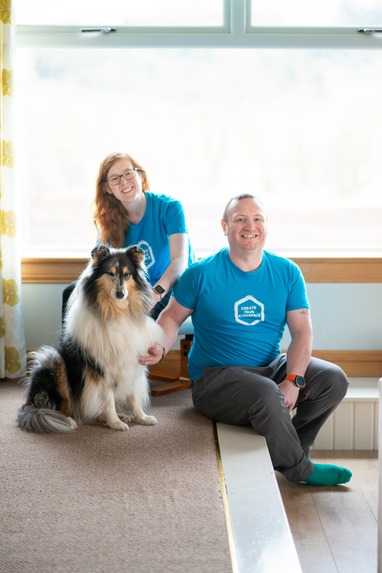
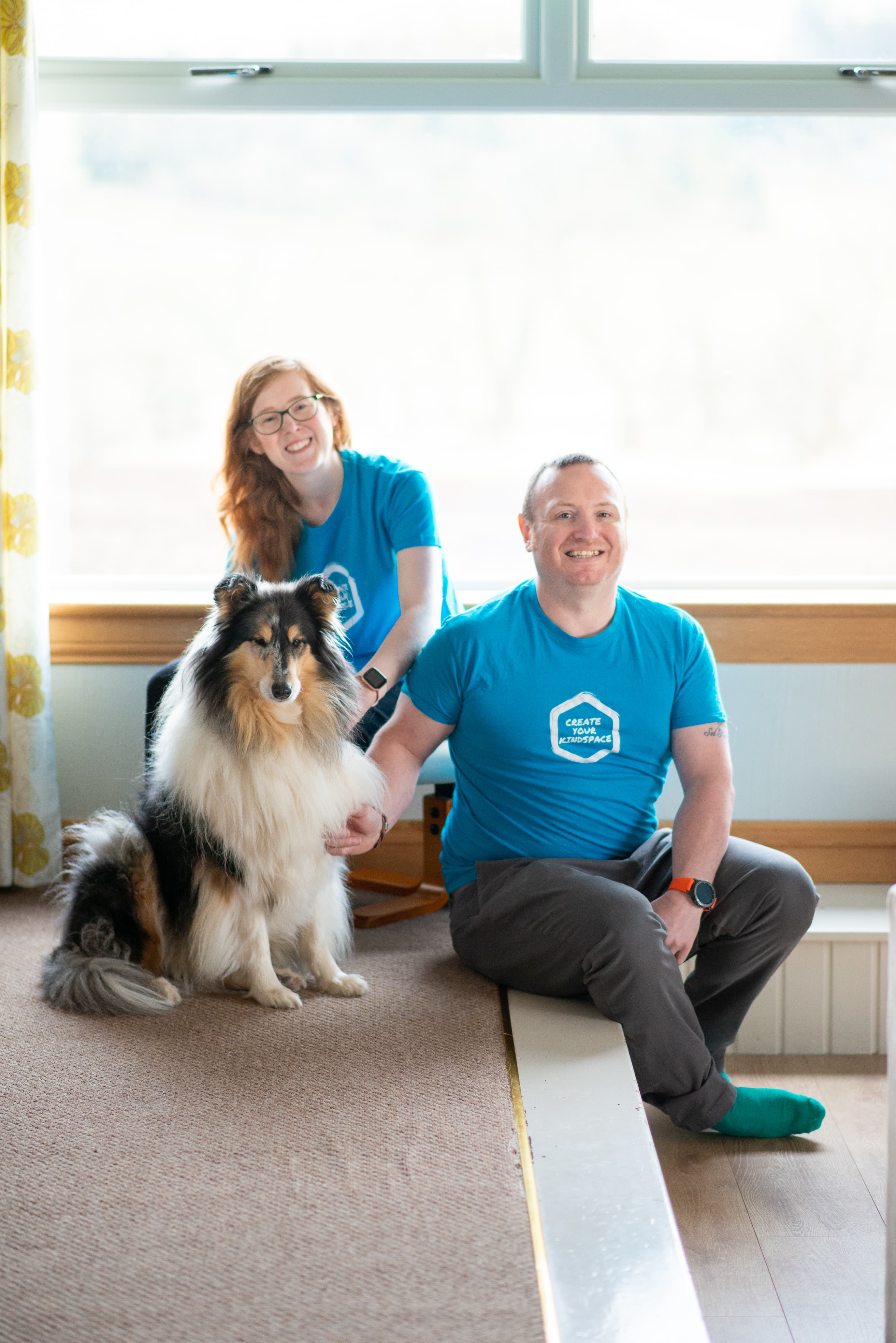
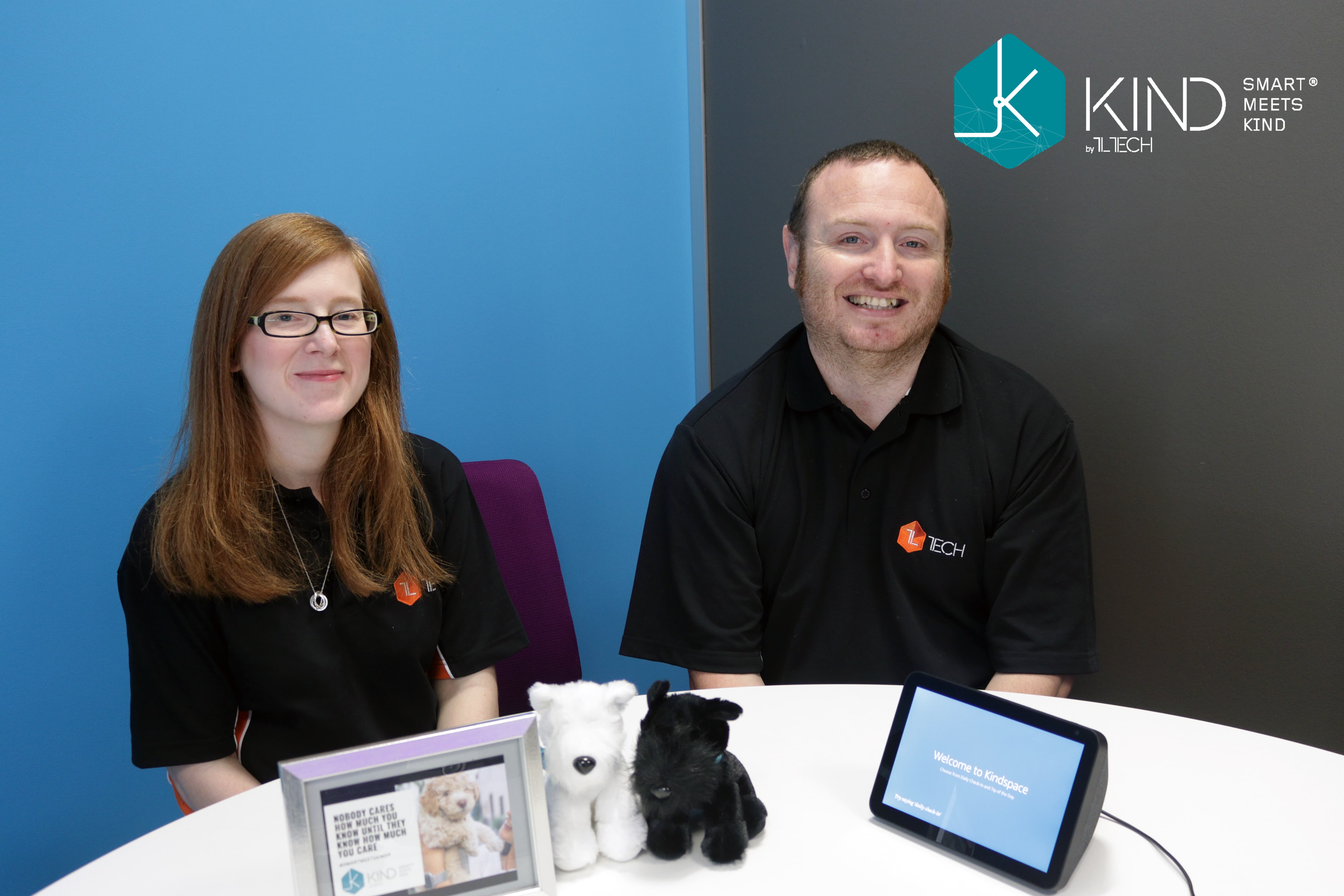
Thomas & Caroline
-
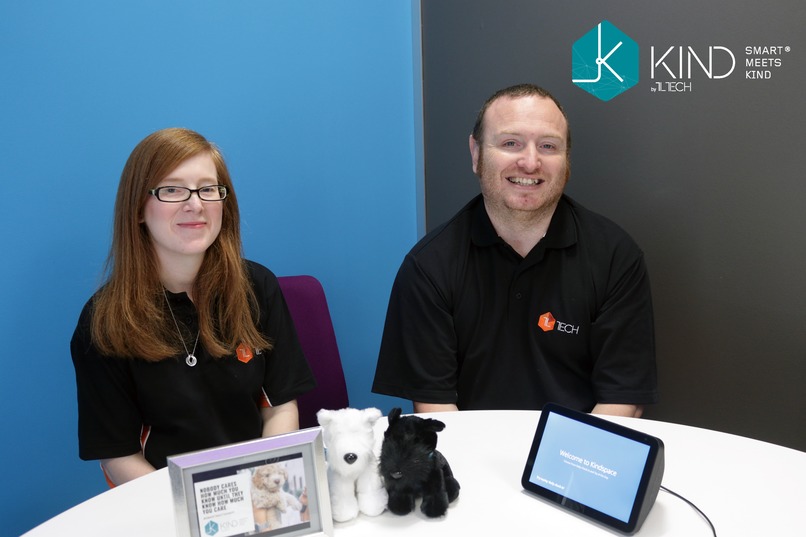
TL Tech Demo on Alexa Show 8
-
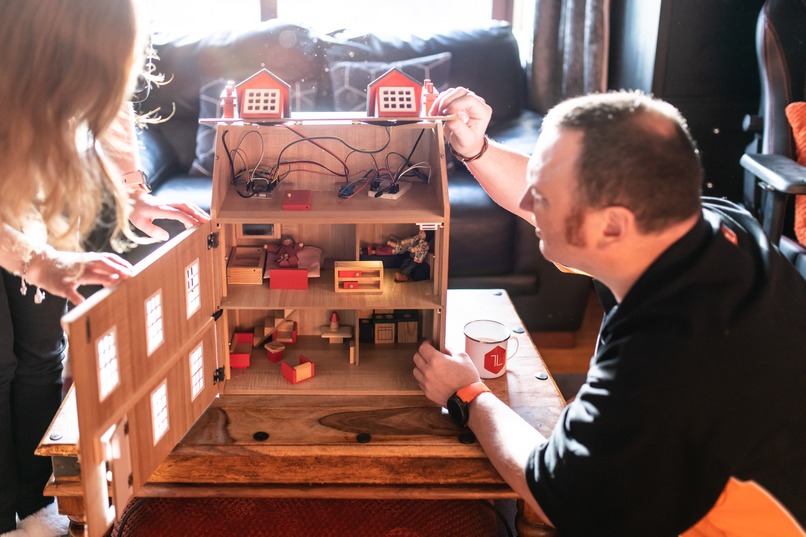
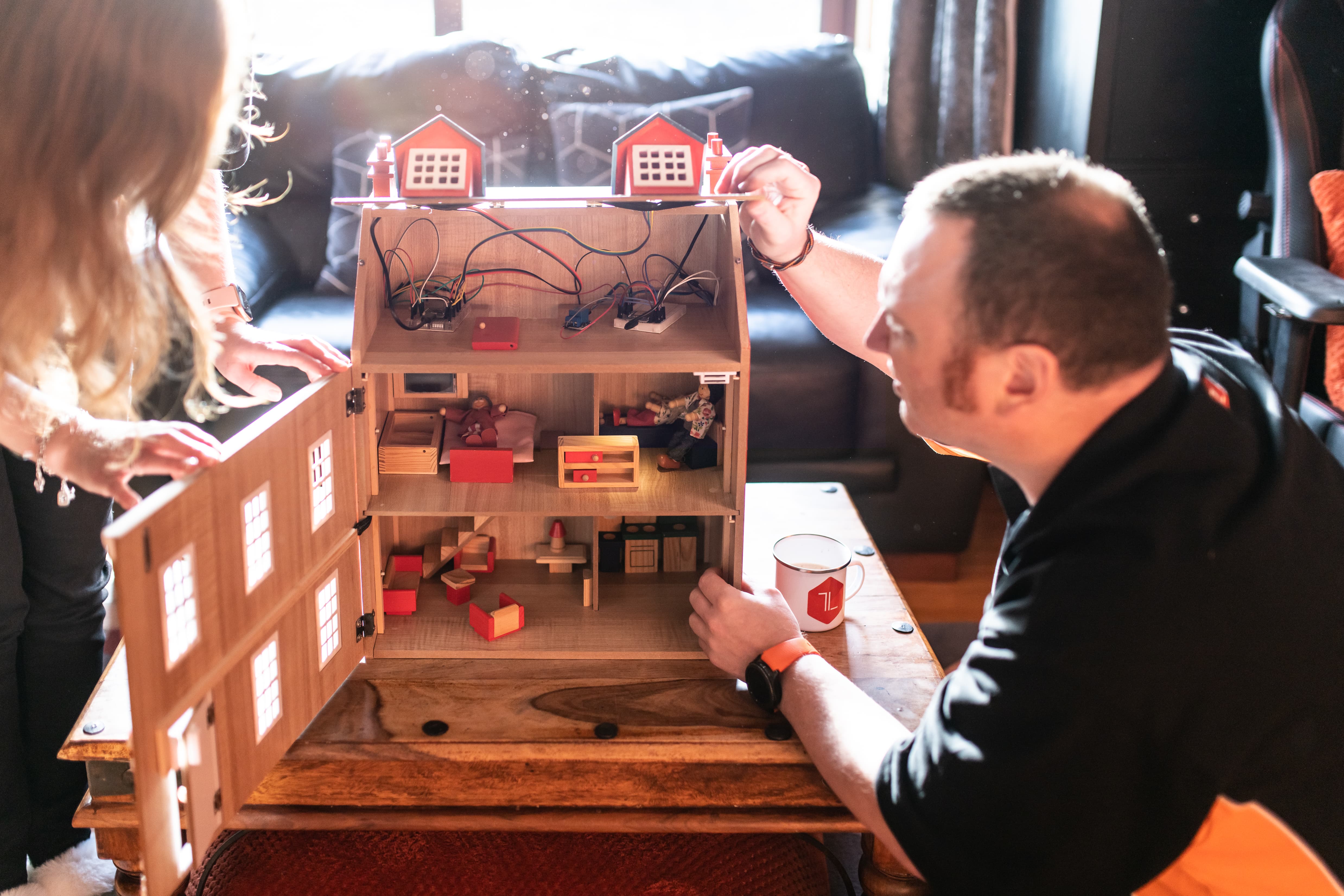
Smart Dolls House
-
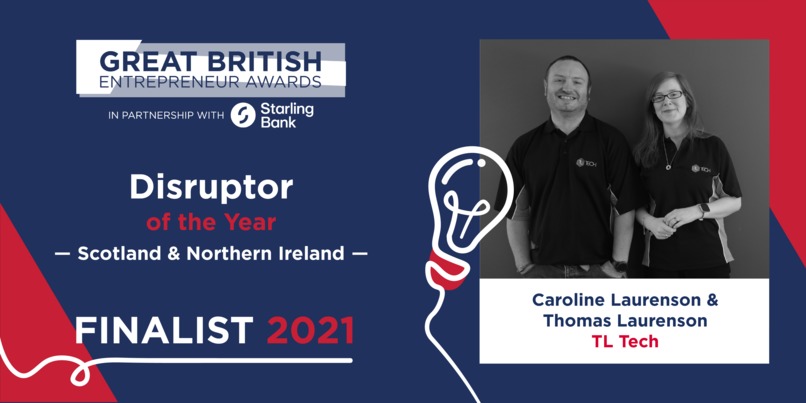
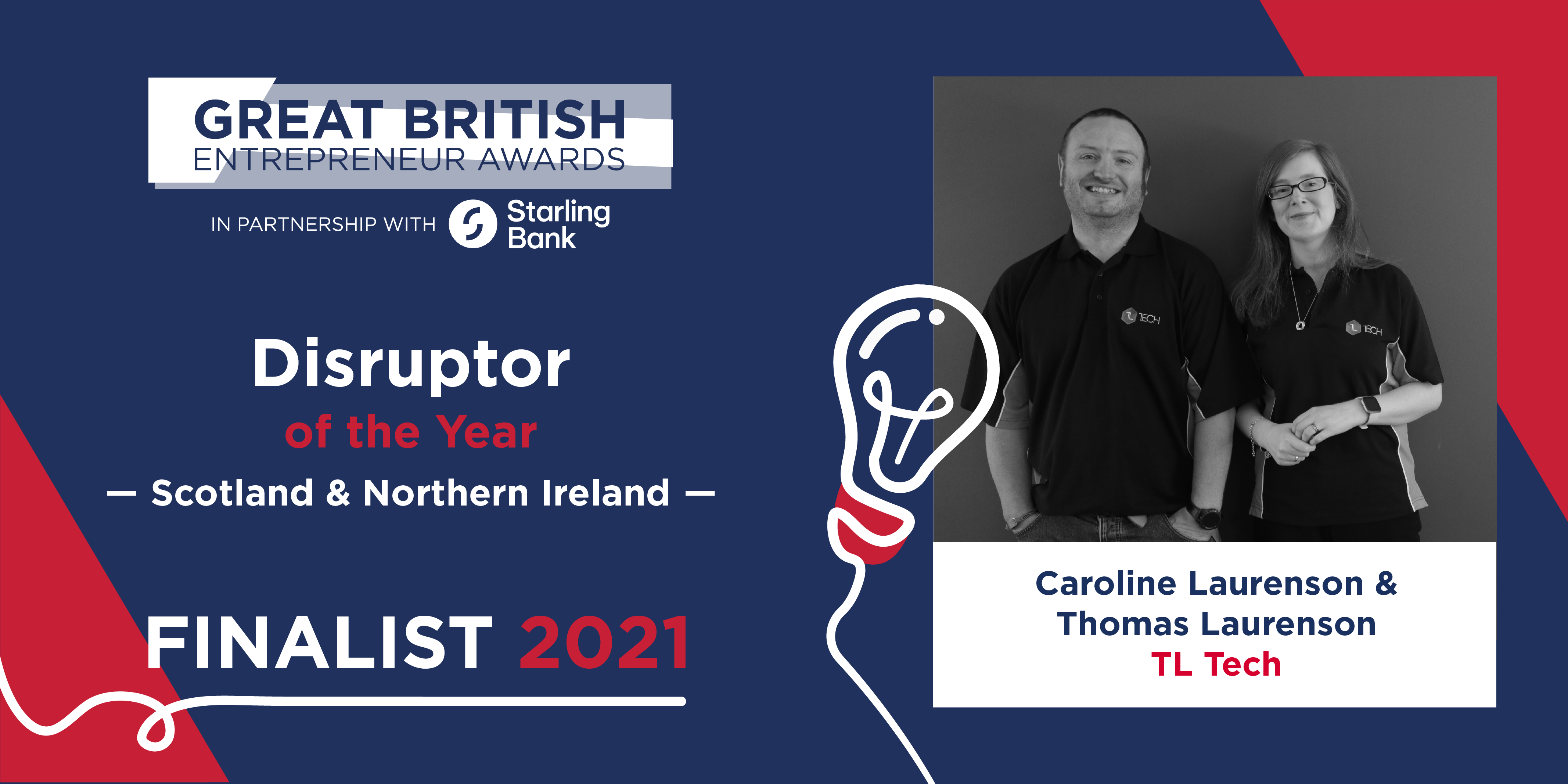
Great British Entrepreneur of the Year Awards - Disruptor Finalist 2021 - TL Tech
-
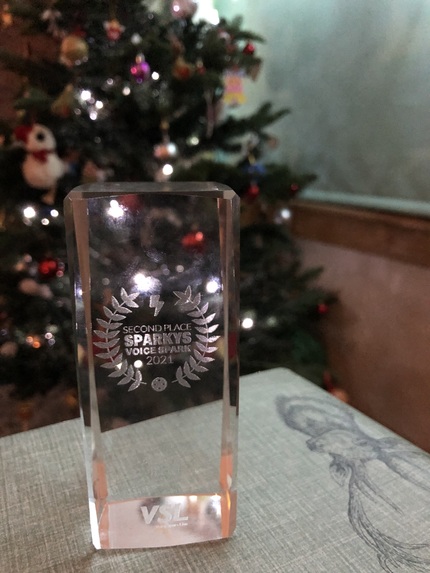
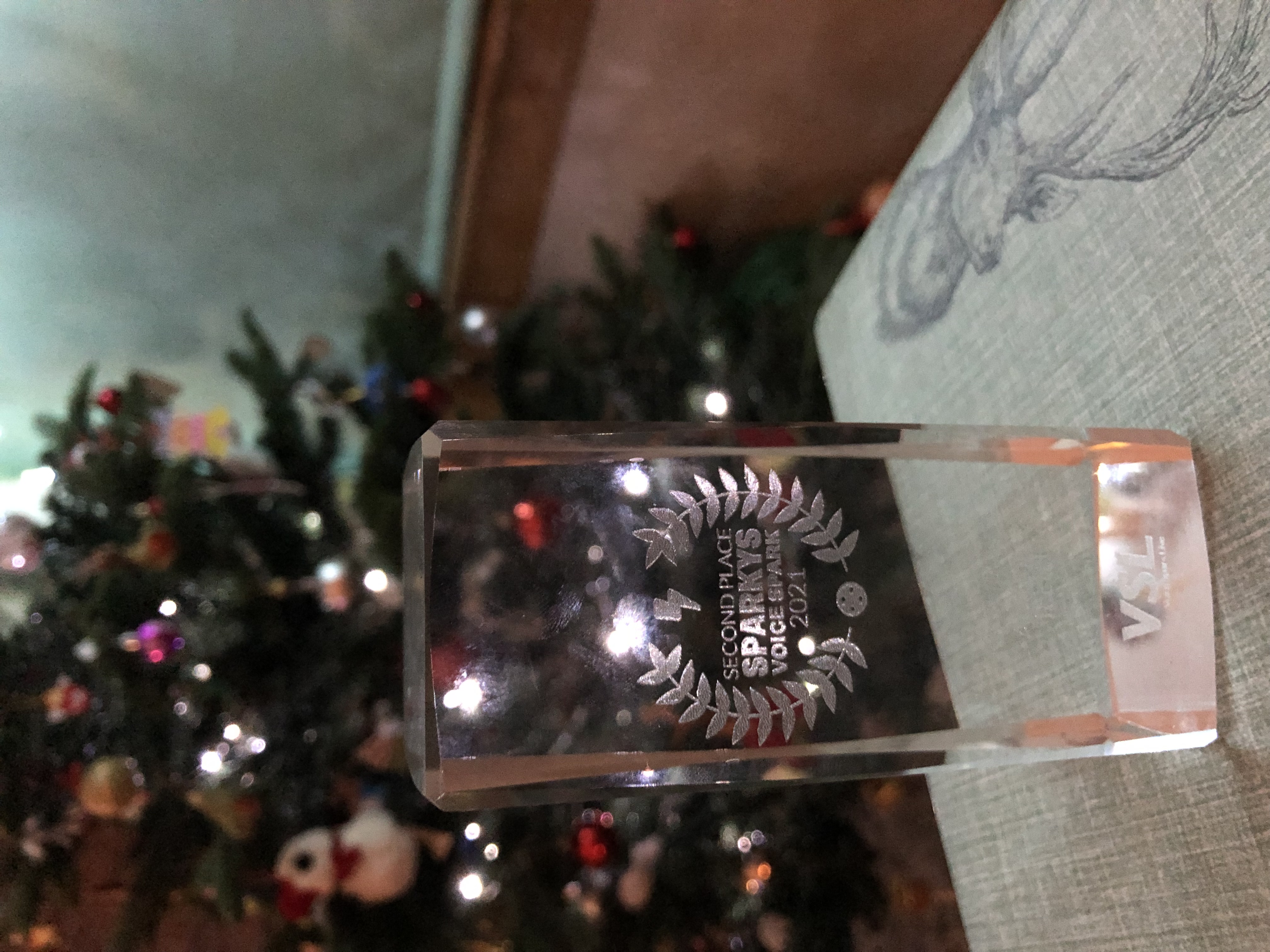
Sparky's Award


“Plumbers” turned “Coders”
When we started our smart homes business we thought we’d be like the plumbers of the smart home world. But we quickly realised that the people that can benefit the most from these technologies are the least likely to be able to access them. And so began our mission to create a world where Smart Meets Kind®. At the start of 2020, pre-pandemic, our biggest customer was a housing association, we did all their tech support, design, installation and maintenance. Then overnight the work was shutdown. We were stuck at home, because inherently the people we work with are older and vulnerable and needed to shield from the covid-19 virus.
Back then, our company TL Tech, was just two of us, Caroline and Thomas Laurenson, a husband and wife team. We love our customers and knew that they would be feeling lonely and anxious and missing family. Of all the tools in the smart home toolbox, the voice assistant is by far the most powerful. We had been using them in so many of our projects. So we started teaching people how to use Alexa remotely, showing up online each week so that people could learn how to use the video calling and drop in features on their smart speakers. We created a free resource library of guides to help people get started with Alexa. It was during this time that we realised that anyone can develop an app for Alexa.
We Got Used to Hearing No
Our number one challenge was funding. We wanted to create a support network to help people use smart speakers to stay in touch, particularly older people with low digital literacy and accessibility needs who might find smartphones, tablet devices and computers difficult to use. We applied for over half a dozen different funds and even spoke to SCVO who set up the Connecting Scotland programme that helped tens of thousands of people get online during the pandemic about the need for smart speaker technology as part of the support packages. When we didn’t receive funding, we decided to go ahead and create the resources ourselves and develop our knowledge in-house to be able to build our own Alexa skills. The last two years haven’t been easy, from managing with lower income, home schooling our two children and learning about a whole new technology and industry.
About the Kindspace Alexa Skill
Given our passion for helping our smart home customers, the skill we’ve built focuses on addressing the challenges of loneliness for older people and the stress that care givers can experience. Loneliness is a hugely impactful issue for individuals, affecting both mental and physical health. Care giving is an extremely challenging role that often falls to female family members, who find themselves juggling multiple responsibilities and their own wellbeing can suffer as a result. The Kindspace skill raises awareness of key wellbeing indicators through a one minute daily check-in, It supports wellness with interactive activities, like journaling, poetry and breathing exercises and signposts to other areas of support through a large library of tips and advice across a range of wellbeing related topics, like sleep, nutrition, relationships, finances, etc. Kindspace empowers people to better manage their self-care and helps to alleviate issues such as stress and anxiety. Above all, Kindspace helps people take a few minutes each day to focus on their needs and brings joy and creativity into their life.
Design Approach
The overall design was developed using the Google Design Sprint methodology. We gathered input from people about what functionality Kindspace should have and how it should feel to use Kindspace. One important piece of feedback we received was that users preferred “You” statements instead of “I” statements for the daily check-in questions. Our amazing testers also helped us to identify synonyms for misheard words. The Kindspace sonic branding is an element that we spent time developing to get the feel that we wanted, which is calming and uplifting. The sound uses our founder Caroline’s voice. Similar to our approach to development, we used polls on social media to see what kinds of sounds people liked best. The new interactive wellness activities that we have recently introduced have been purposefully designed to combine digital tech with analogue, tactile activities. Users can access complementary printable, digital download resources by visiting the Kindspace website. It is our intention to build on this further using the Alexa for Apps features. It is touches like this that we think really differentiate the Kindspace experience.
Build Features
Kindspace is a self-hosted custom Alexa skill. We utilise a number of AWS technologies to store our content, collect user data and monitor performance, including S3, DynamoDB and Cloud Watch. We‘ve set up a GitHub repository to manage our workflow and change control, this provides us with the ability to see the version history. We decided to use Node.js for the main programming language. We have an external spreadsheet based knowledge graph with over 500 wellbeing tips across a wide range of wellness related topics. This spreadsheet is reviewed and added to regularly and on a monthly basis we convert the data into a JSON and update the Kindspace code so that it can access the latest version. We’ve incorporated a number of the Alexa developer features and like to use the Slack channel to get advice and feedback. This was particularly useful when we were developing the Tasks feature and getting the drop down lists to work in the Alexa app. Kindspace can create a reminder for users to do their daily check-in, at the end of July 2022 we added in-skill purchasing with a subscription option for access to our library of breathing exercises. While we have used the standard Alexa voice in the conversation, we have used SSML to alter the pace and pronunciation of how Alexa speaks. We’re currently working on recording all the entries in the knowledge graph so that they have bespoke audio instead of using the Alexa text to speech. As well as enhancing the user experience, this will also allow us to launch the Flash Briefing version of our Tip of the Day, as SSML cannot be used in Flash Briefings. Kindspace uses the audio streaming feature to allow us to play our own custom designed dialogue and audio tracks. For the devices with screens we’ve used APL to provide further visual context and buttons for users to select options where relevant. Our welcome screen has seasonal holiday animations, i.e. snowflakes in Dec, eggs in Easter, etc. It is important to us that Kindspace is able to be used with only a basic smart speaker, as we know that the devices with the screens are slightly less affordable and we want to make sure that everyone gets a good user experience.
Support Network
We are blessed to have a great support network here in Scotland. On the business side we’ve had support from Elevator (who deliver Business Gateway support in Scotland), Scottish Enterprise, the Female Founder Squad, AccelerateHer and Imperia Global. We’ve also participated in two accelerator programmes, one funded by Opportunity North East (a local economic development agency funded by the government) and the other with Robert Gordon University (who have a very well respected entrepreneurial support team). There is a growing innovation ecosystem in Scotland, supporting research and development in data science and artificial intelligence. We have had support from CENSIS, The Datalab, ScotlandIS, Codebase, Barclays Eagle Labs and the Scotland 5G Centre.
Building Momentum
The journey we are on has been amazing. We’ve been growing our team, and have gained recognition in the business and healthcare worlds for our work with Kindspace and Alexa.
Today we are a team of four with backgrounds in project management, IoT, programming, music, graphic design and digital marketing.
Over the past two years we’ve had a number of award nominations, details of which can be found on the press page on our website Kindspace Press Page.
One nomination we’re particularly proud of is the Great British Entrepreneur Awards in 2021 when we were finalists in the Disrupter of the Year category and got to go down to London for the ceremony.
In November last year we won second place in the Sparky’s which is a competition run by Voice Spark Live for voice applications. In June of this year we won the UK hackathon for an Interreg Europe funded project called IT4Anxiety that has been looking to find digital solutions for diagnosing and managing anxiety and mental health. Following this award we will be teaming up with academic researchers to investigate the benefits of Kindspace and working alongside the NHS in the Western Isles to trial Kindspace with elderly people. We also recently won the Elevator awards in June and have been gifted £10,000 worth of airtime on STV which is the main TV channel in Scotland. We are working on the creative content for the ad and hope to launch the ad in November to align with Kindspace’s 2nd birthday and also World Kindness Day.
Future Plans
The skill is available in English only at the moment, but we would like to translate it for use in other geographies (French and Spanish speaking are a priority so that we can expand our reach in Canada and North America). During the development for launch in the US, Canada, Australia and India we updated our knowledge graph so that it contains country specific information, i.e. it signposts to products and services in that country rather than the UK. Our Managing Director, Caroline, is going on a trade mission to Montreal in Canada in November with Innovate UK to meet with experts in Artificial Intelligence and learn more about the provinces and culture in Canada. We have developed a public roadmap on Trello Kindspace Roadmap, which users can access to see what we’re working on and can get in touch with feedback and ideas.
Built With
- amazon-cloudwatch
- amazon-web-services
- dynamodb
- github
- google-spreadsheets
- jamboard
- json
- lambda
- node.js
- notion
- s3
- ssml
- trello
- wordpress


Log in or sign up for Devpost to join the conversation.