-
-
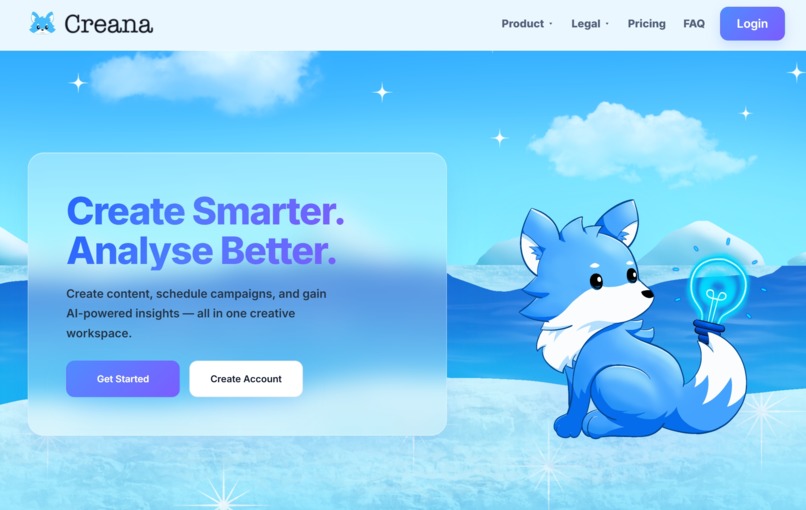
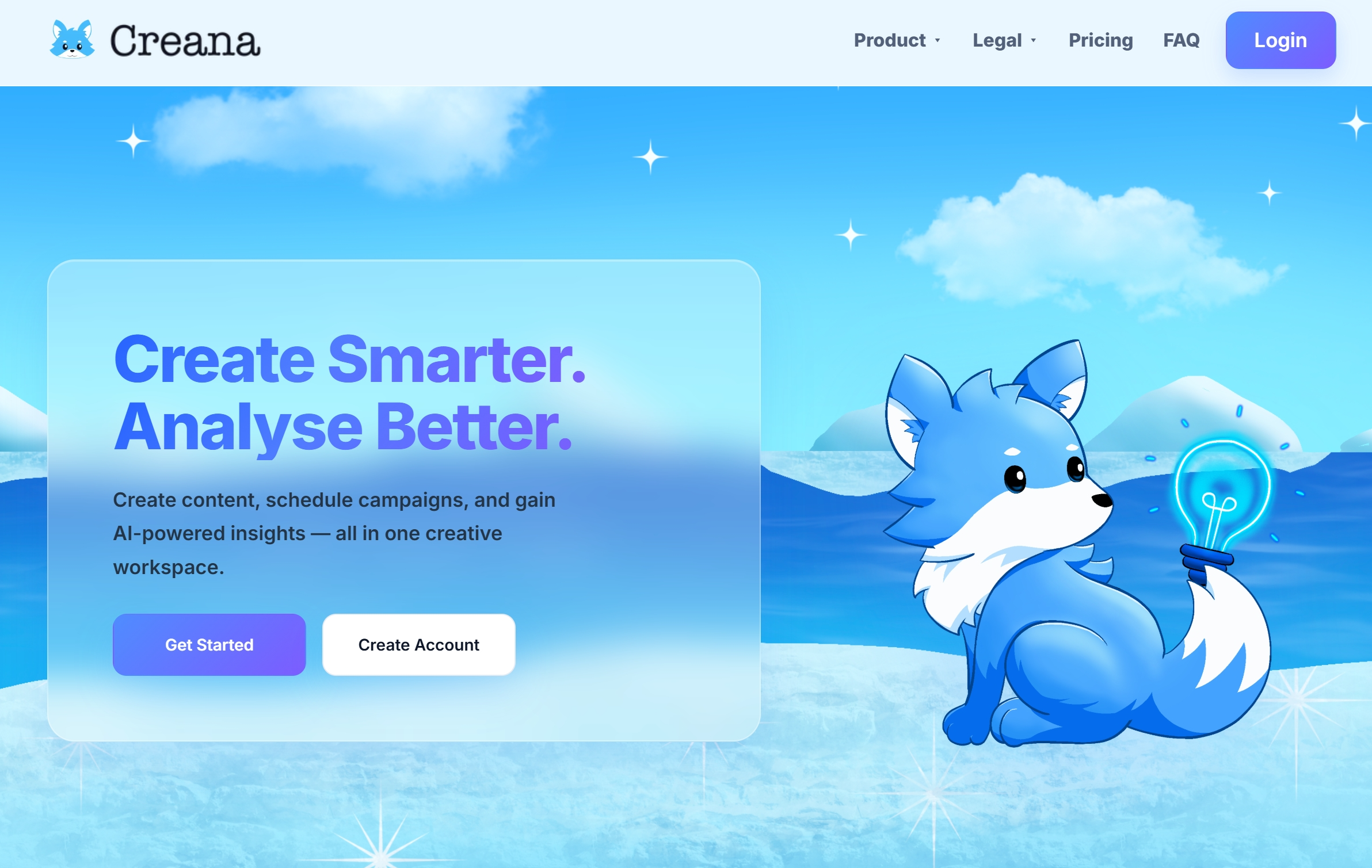
homepage
-
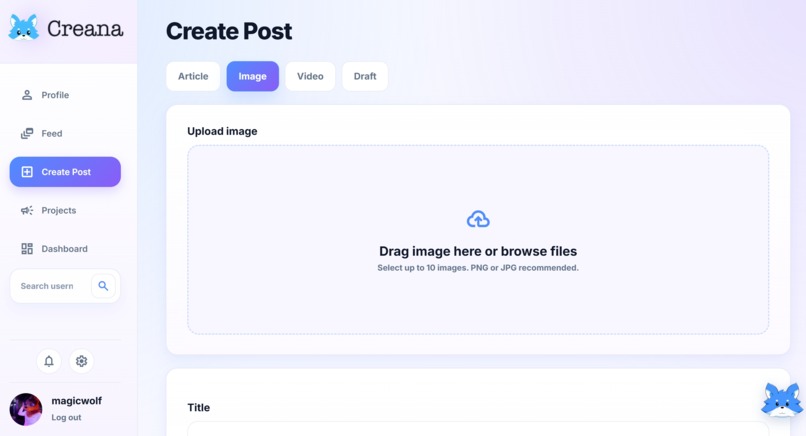
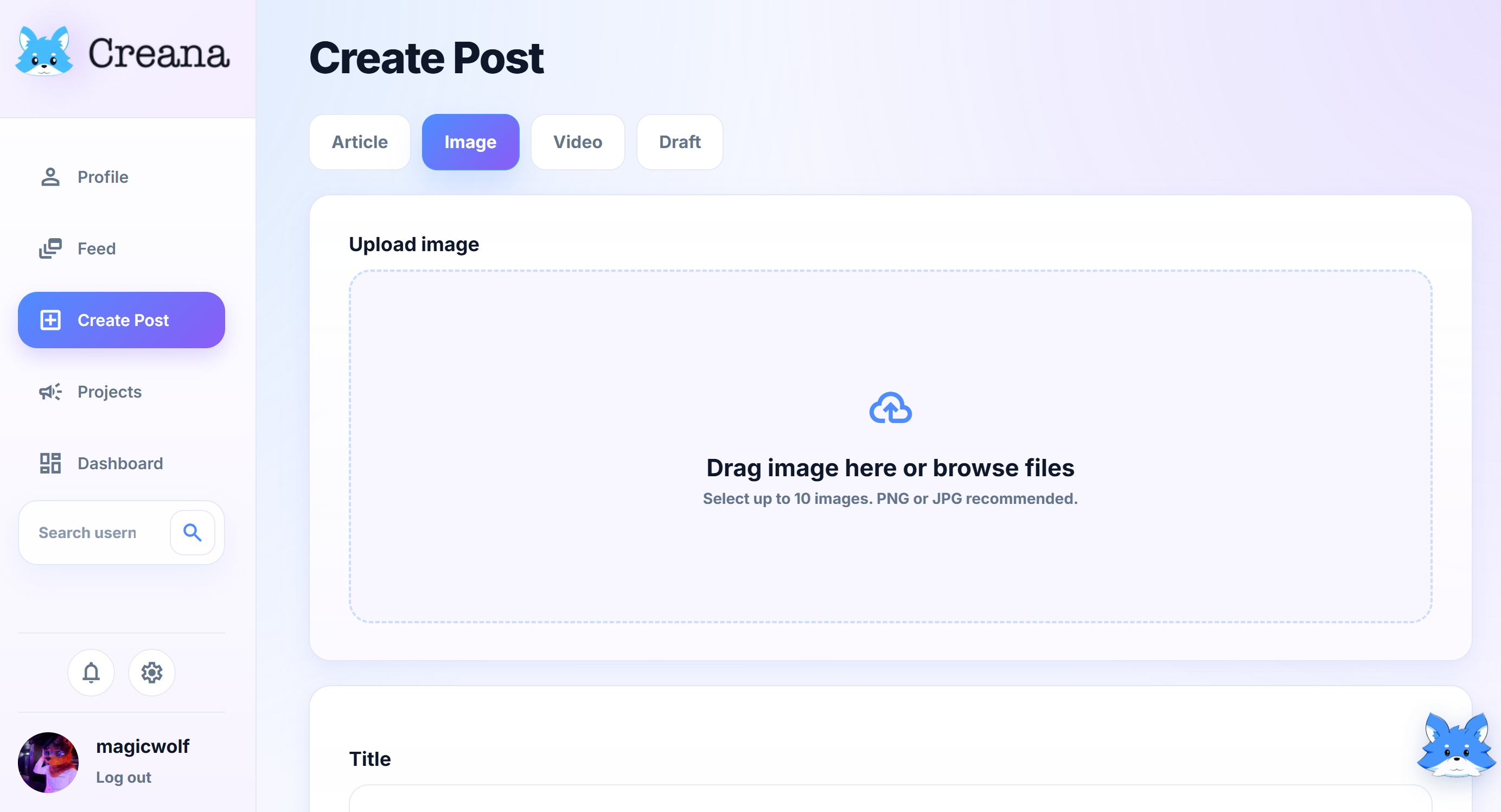
post page
-
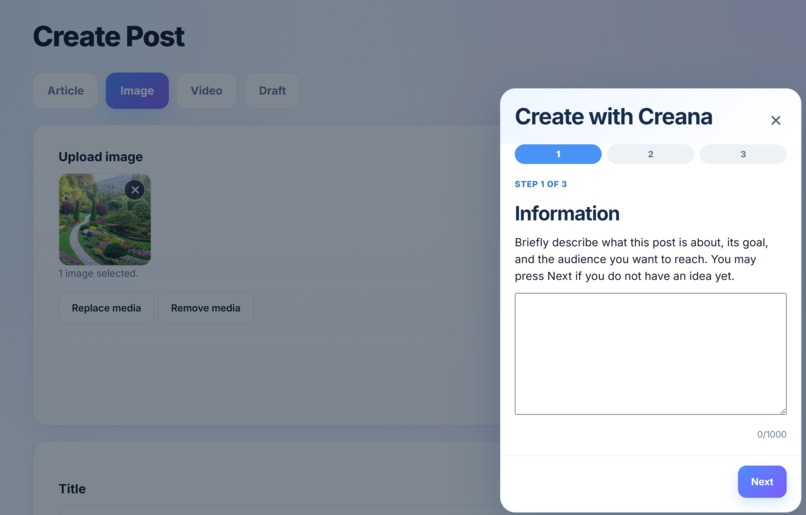
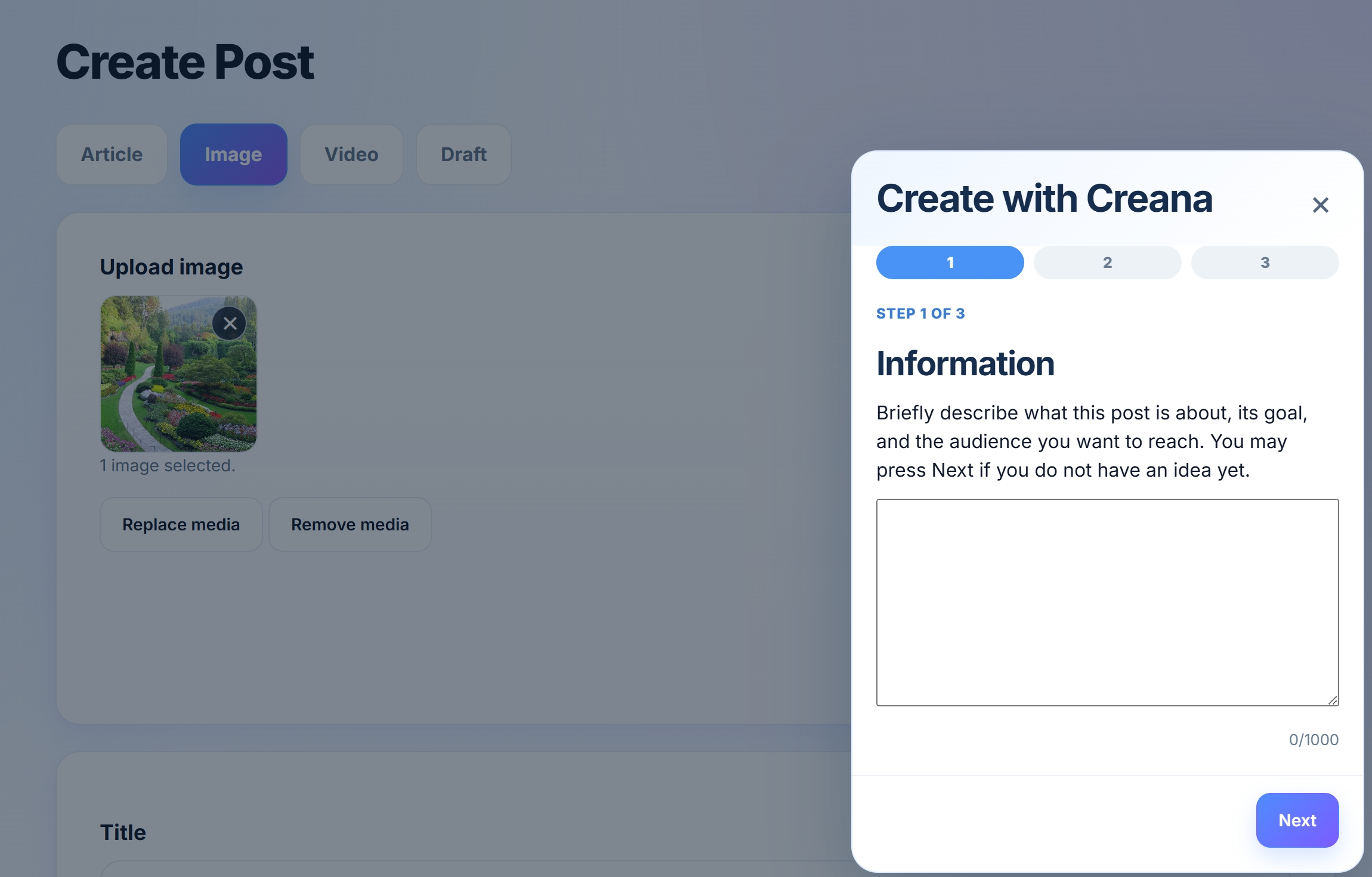
create content, start with adding information of the post
-
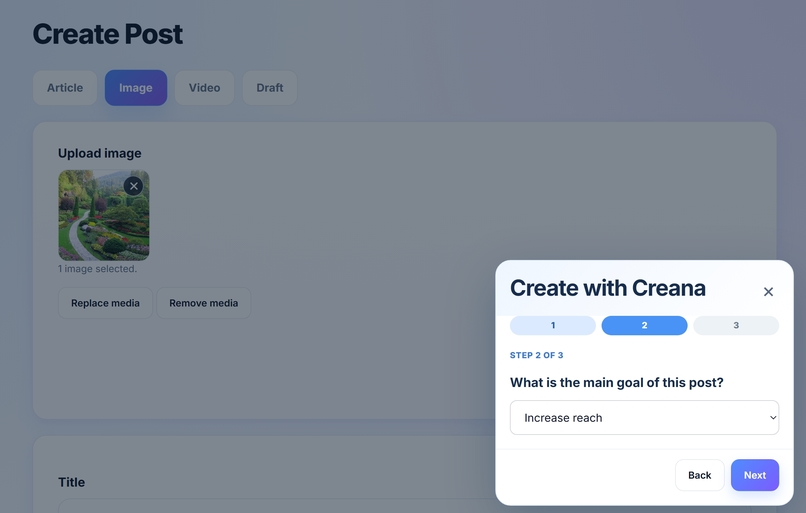
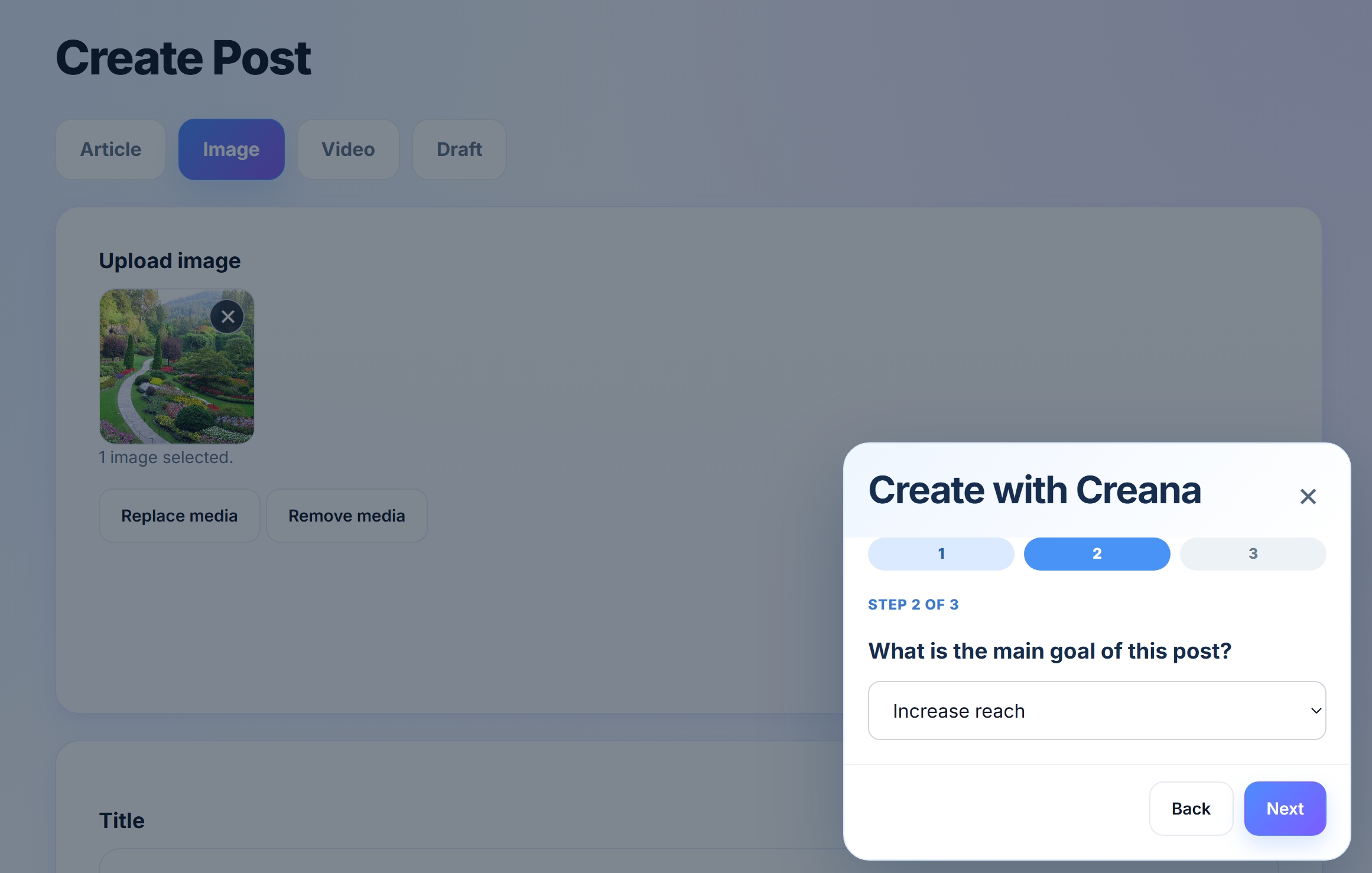
choose the goal of the post
-
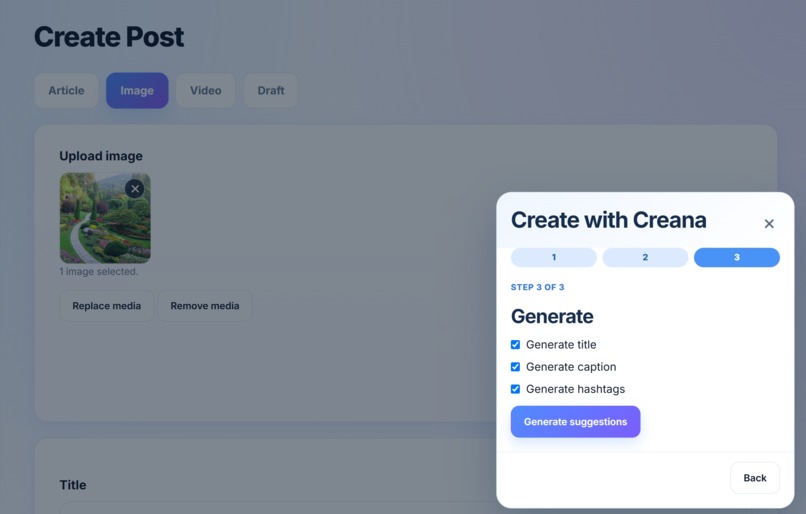
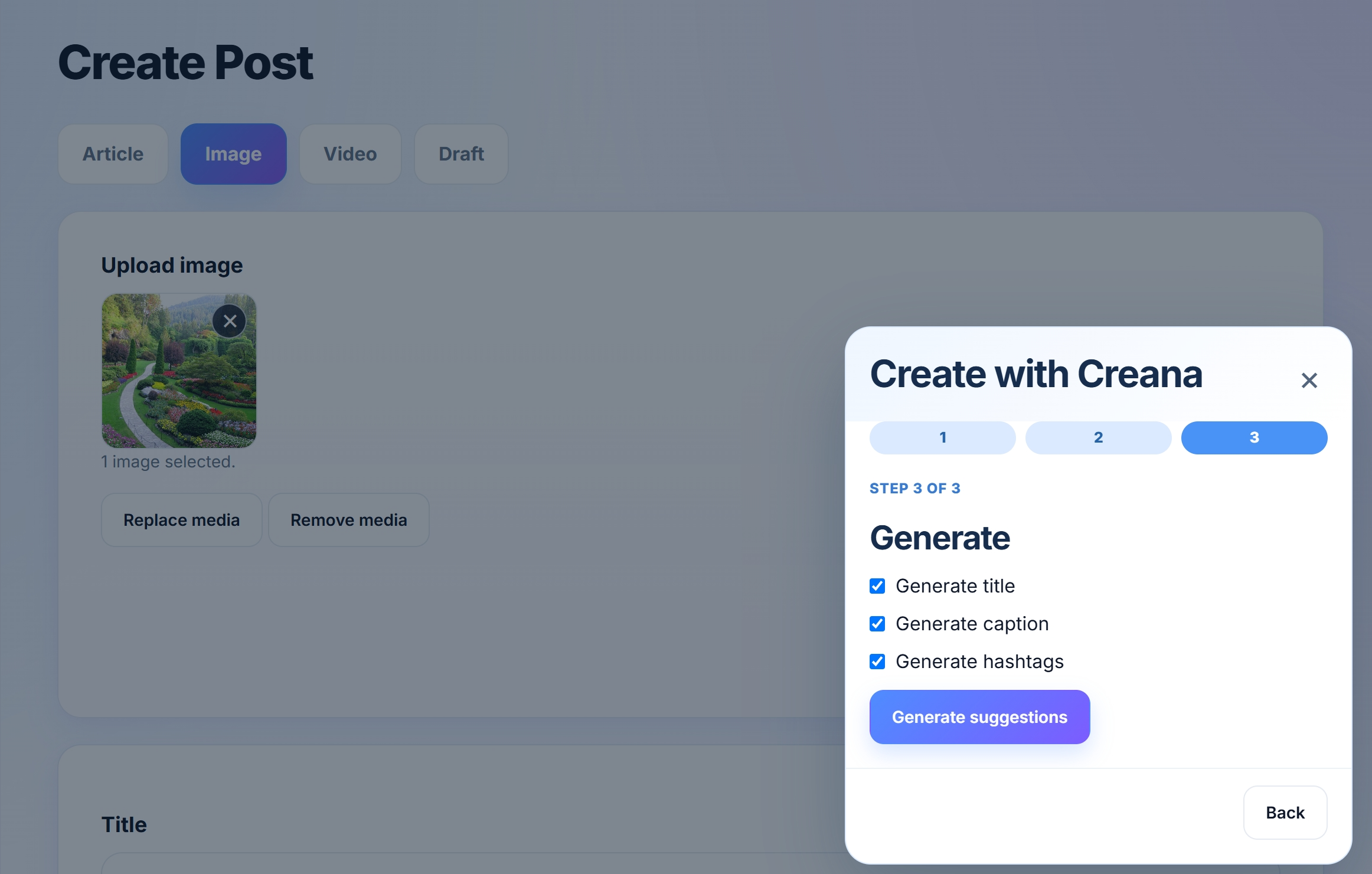
generate the title, caption, and tags
-
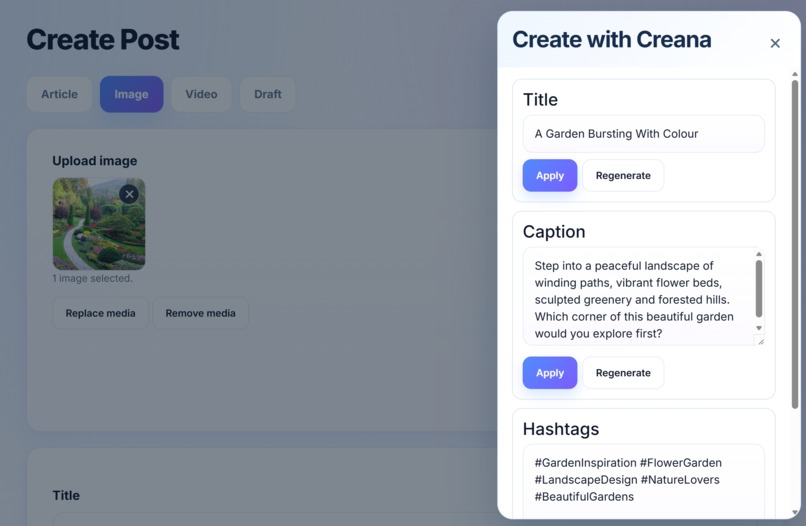
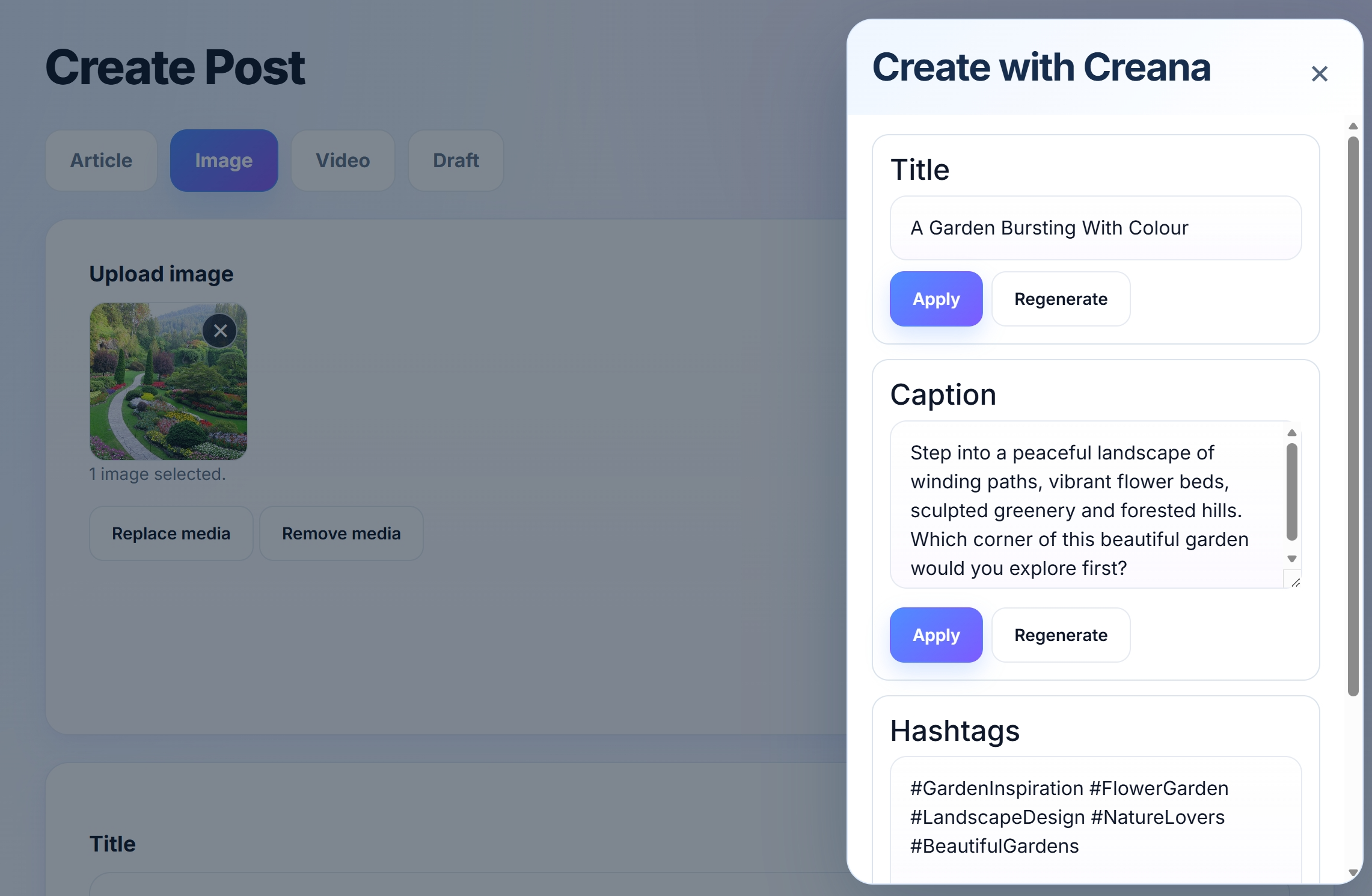
the outcome of caption, can apply to the post column
-
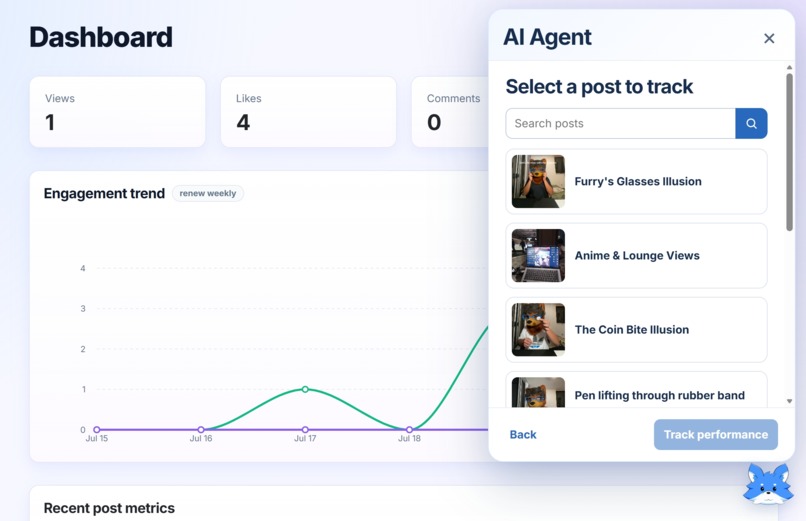
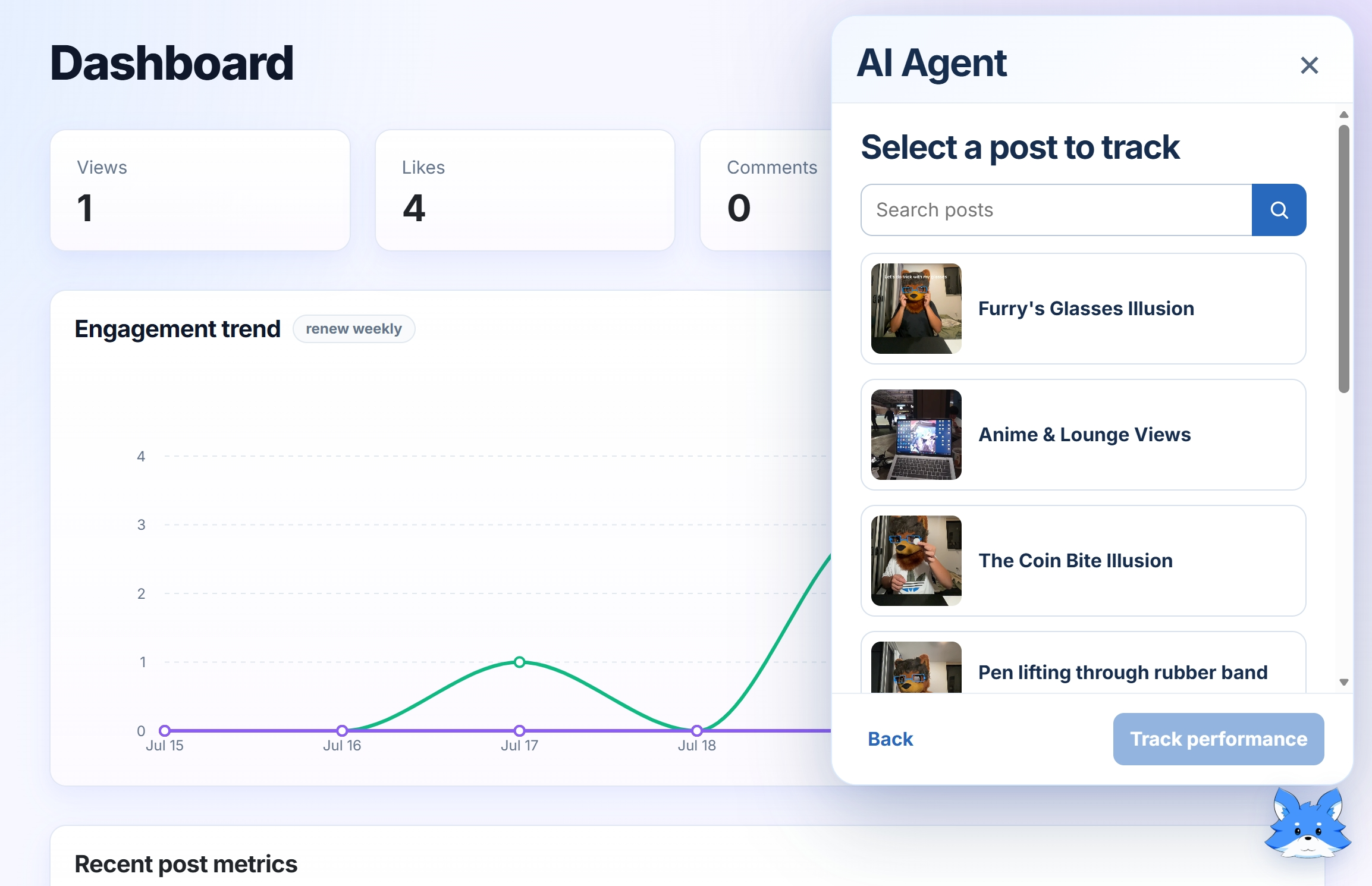
tracking post behavior
-
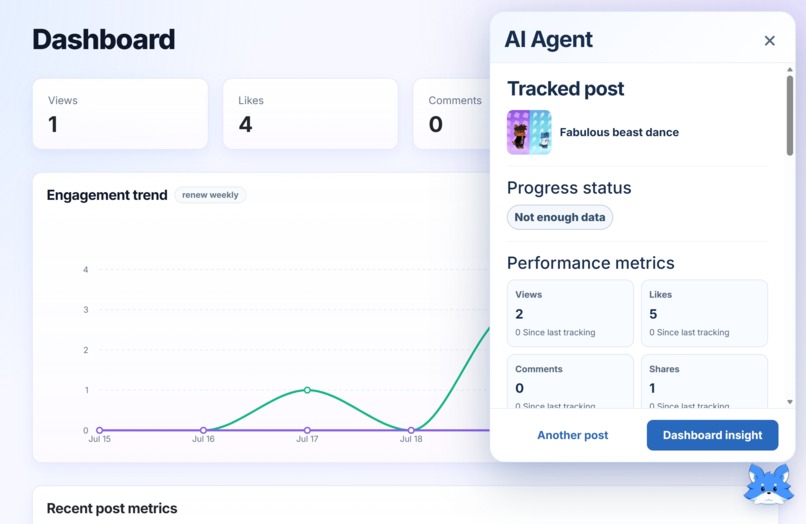
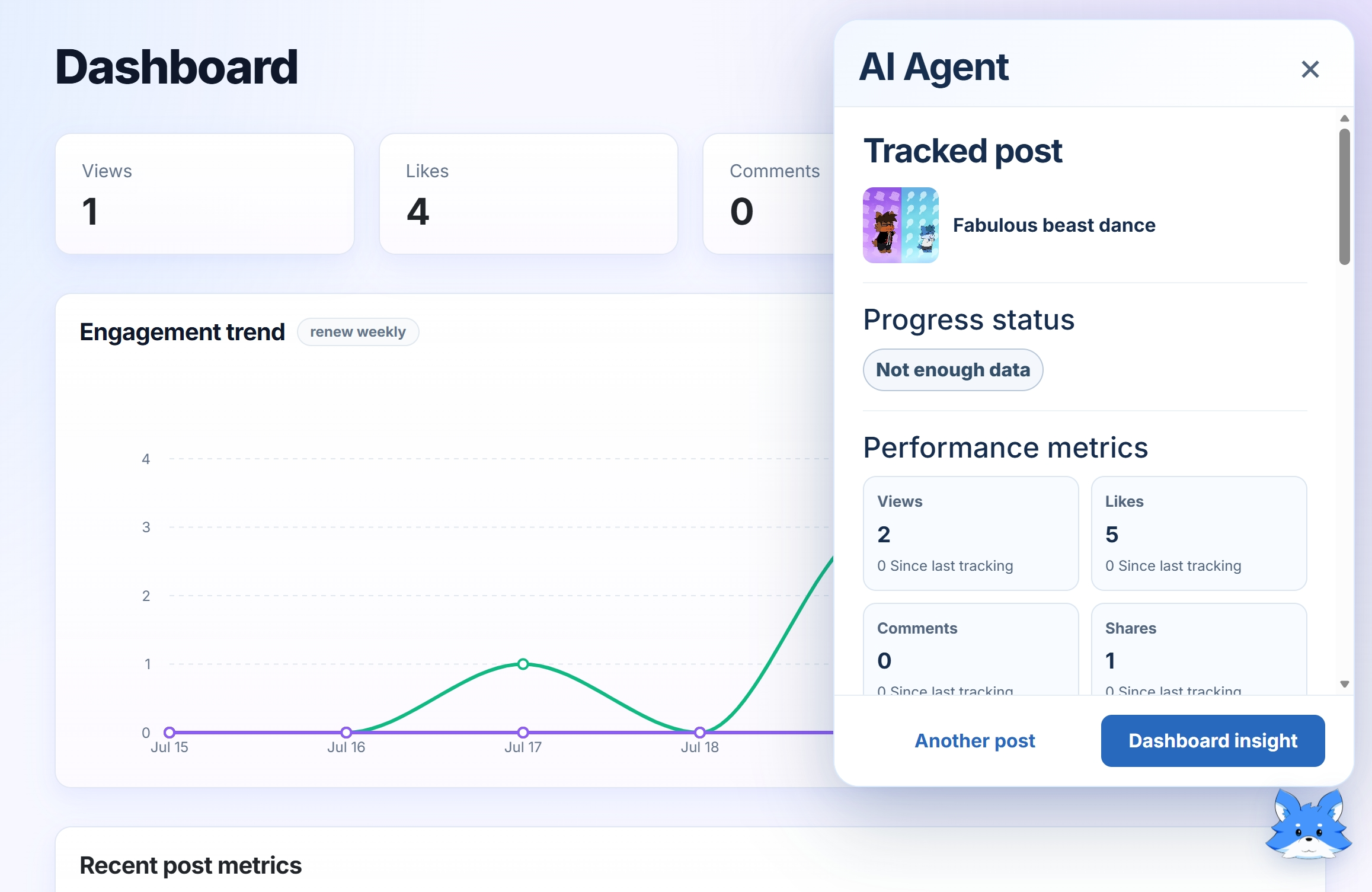
the tracking analyst
Inspiration
As a content creator, I regularly use multiple social media platforms and noticed that creating high-quality posts requires significant time and effort. Writing captions, selecting hashtags, analyzing engagement, and improving future content are often repetitive tasks.
I wanted to build a platform that could use AI to assist creators throughout the entire content creation process. My goal was to help users generate captions, receive AI-powered feedback before publishing, and gain insights from post performance such as likes, views, comments, and shares. These AI-generated reports can help creators continuously improve the quality of their content.
Another motivation came from my friends, many of whom are also content creators. I wanted to build a free platform that they could actually use and provide real feedback on. Their suggestions have played an important role in improving the user experience and guiding new features throughout development.
What it does
Creana is an AI-powered social media workspace that helps creators:
- Generate AI-assisted captions and hashtags.
- Receive AI feedback before publishing.
- Schedule and manage social media posts.
- Analyze post performance using engagement metrics.
- Generate AI reports based on likes, views, comments, and shares.
- Organize content through campaigns and workspaces.
Instead of switching between multiple tools, creators can manage their entire workflow in one platform.
How I built it
The project is built using:
- Django for the backend
- PostgreSQL for the database
- Google Cloud Storage for storing images and videos
- Google Cloud Run for deployment
- Gemini API for AI-powered caption generation, image analysis, video analysis, and content feedback
- HTML, CSS, JavaScript, and Bootstrap for the frontend
The application also includes authentication, media processing, campaign management, analytics dashboards, and responsive support for desktop, tablet, and mobile devices.
What I learned
Building Creana taught me much more than web development.
I learned how social media platforms are designed, how to integrate AI APIs into real-world applications, and how to prompt AI models to generate useful and consistent responses for creators.
One of the biggest learning experiences was deploying a production-ready application to Google Cloud. I gained practical experience with cloud deployment, databases, media storage, authentication, and maintaining a live application that other people can use.
Challenges I ran into
The biggest challenge was deployment.
Moving a project from a local development environment to Google Cloud introduced many unexpected issues. Differences between local and cloud environments required significant debugging and configuration, and deployment took much longer than expected.
Another challenge is data quality for AI analysis. Accurate AI insights require meaningful engagement data from real users. Since Creana is still a relatively new platform, the user base is currently limited. To address this, I am actively improving the platform's SEO and GEO visibility to attract more creators and generate richer engagement data, which will further improve the quality of AI-generated reports.
What's next for Creana
The next step is to expand Creana with more intelligent AI agents that can automate content planning, optimize publishing strategies, and provide personalized recommendations based on creator performance. My long-term vision is to make Creana an all-in-one AI workspace that helps creators spend less time managing content and more time creating it.

Log in or sign up for Devpost to join the conversation.