-
-
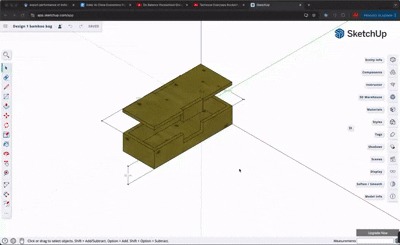 GIF
GIF
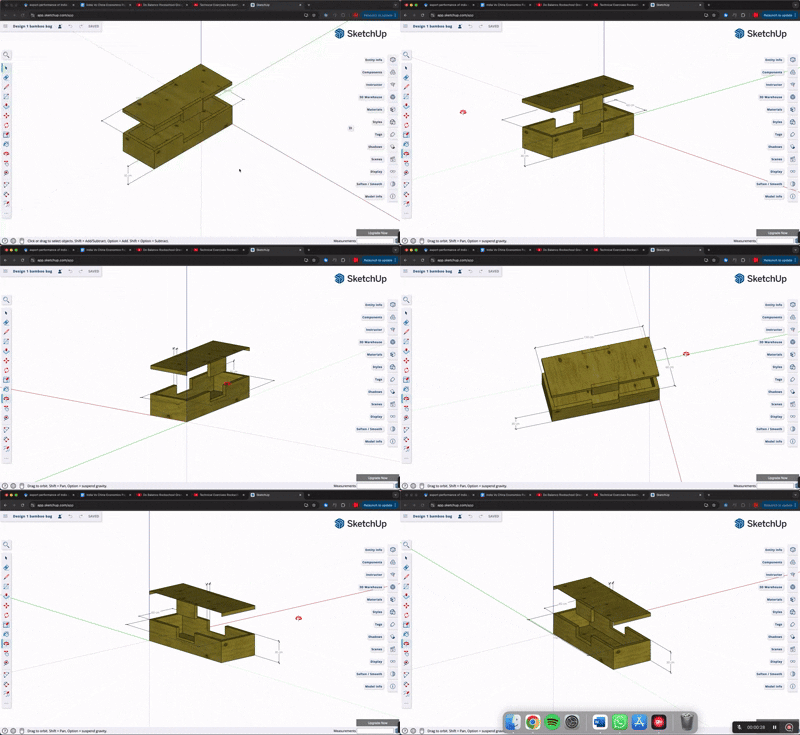
Our initial crate graphic design made on Sketchup.
-
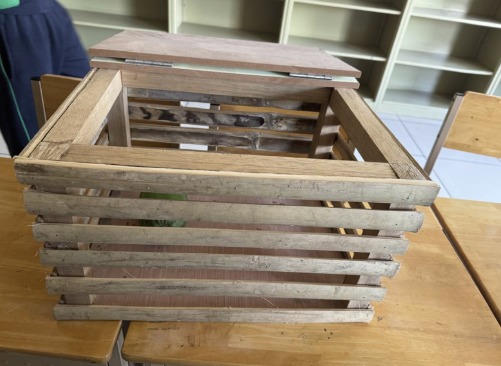
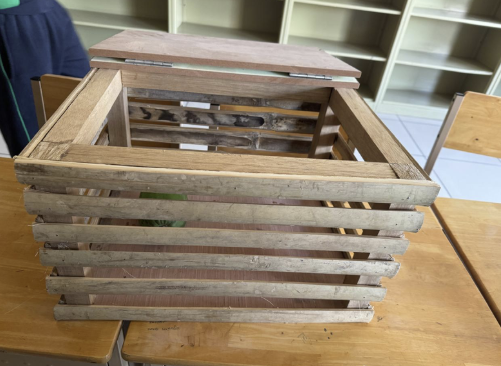
(Prototype Angle #1 - The Crate) Eco-friendly bamboo crate with ventilation, treatment packs, and protective cushioning.
-
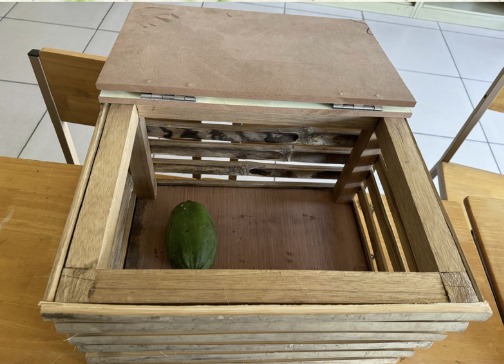
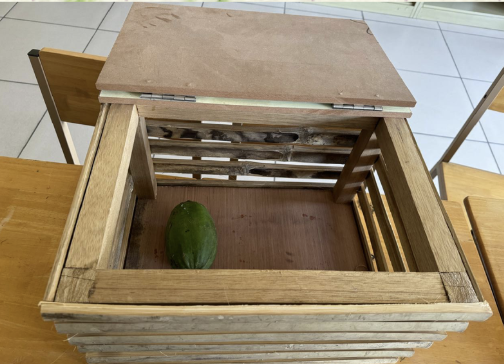
Prototype Angle #2 - The Crate with a Papaya
-
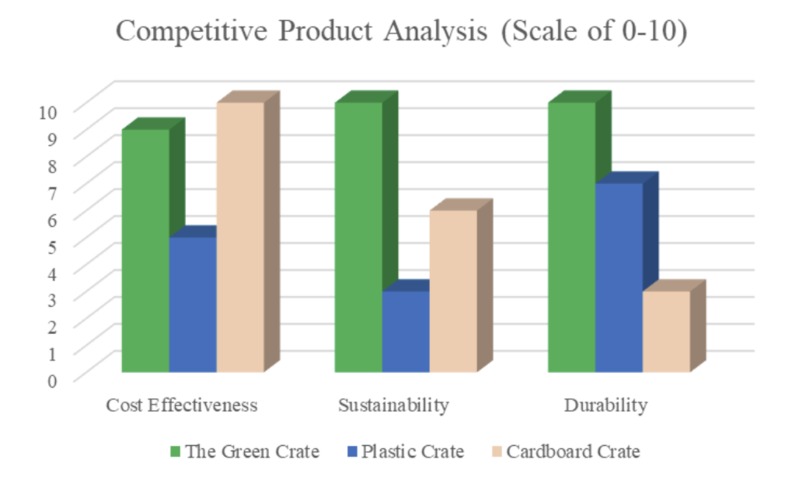
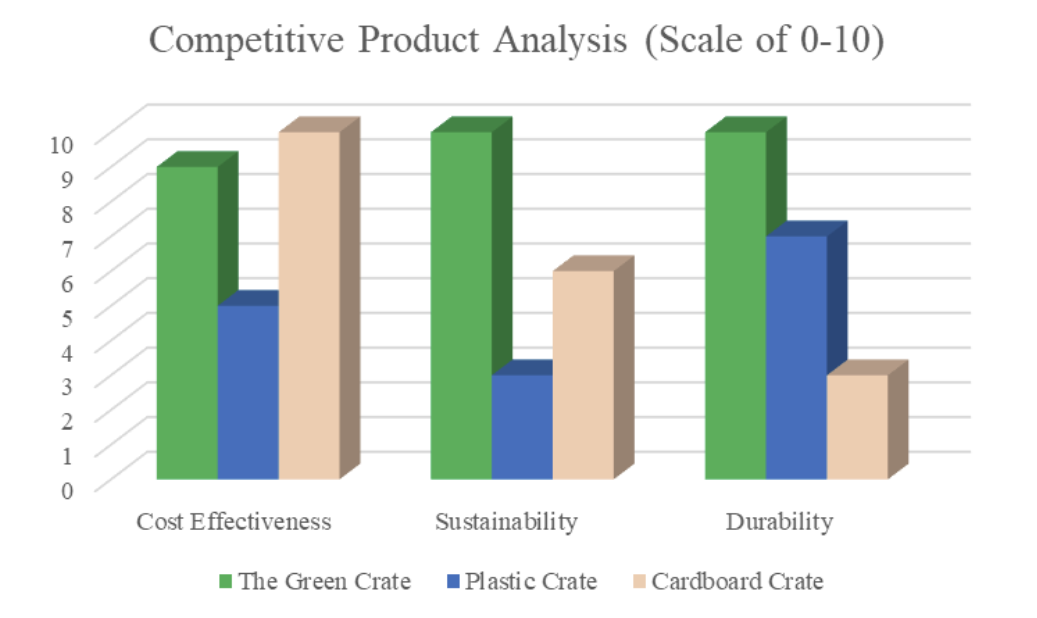
The Green Crate scores highest across cost, sustainability, and durability, making it the most balanced and effective option.
The Story Behind It
Globally, according to FAO (UN), over $1 trillion is lost annually across all food systems due to waste and spoilage. Fruit spoilage alone accounts for a significant portion of this, with small farmers in India losing 15–30% of their produce — wiping out daily income.
CrateMate began with a conversation that stayed with us long after it ended.
While buying fruit from a local vendor in Gurgaon, we learned that a noticeable portion of his produce spoiled before it could be sold. For many small vendors and farmers, those losses aren't just wasted fruit—they directly affect their income.
Instead of jumping straight into building a solution, we spent time speaking with more farmers and fruit sellers. Although their situations were different, the problem was the same: they had no simple way to monitor freshness, organize inventory, or know which fruits should be sold before they spoiled.
Fruit spoilage is driven by ethylene-induced ripening and microbial decay. Our bamboo crate reduces moisture and airflow to slow these processes, while our app predicts shelf-life based on storage conditions.
Initially, we thought a mobile app would be enough. But the more we listened, the more we realized technology alone wouldn't solve the problem. The physical way fruits were stored mattered just as much.
That led us to build CrateMate: a simple inventory management application paired with a bamboo-based storage crate designed to reduce moisture, extend freshness, and help vendors reduce unnecessary losses.
Rather than replacing the way farmers already work, we wanted to create something that fit naturally into their daily routine.
What it does
CrateMate helps farmers and fruit vendors reduce spoilage through a combination of better storage and simple digital tools.
Key Features Shelf-life prediction based on fruit type and storage conditions. Spoilage alerts to help users sell produce before it goes bad. Storage recommendations tailored to different fruits. Inventory management for tracking available stock. Support for multiple Indian languages to improve accessibility. A bamboo-based storage crate that works alongside the app to help extend fruit freshness naturally.
How we built it
The application was built using React, TypeScript, Tailwind CSS, Vite, and Supabase.
Supabase handles authentication, database management, and real-time updates, while the frontend focuses on keeping the experience clean and easy to navigate.
Alongside the software, we researched existing storage methods, compared different crate materials, and designed a bamboo-based crate that could improve airflow and reduce excess moisture. Throughout the project, conversations with farmers and fruit vendors influenced many of our design decisions, helping us focus on practical usability rather than adding unnecessary features.
Challenges we ran into
One of the biggest challenges wasn't technical—it was understanding the problem well enough before trying to solve it.
Finding reliable information on post-harvest losses at the local level was difficult, so we relied heavily on conversations with farmers and vendors to understand their daily challenges.
Designing and building a physical crate also involved plenty of trial and error. Without professional manufacturing equipment, we had to experiment with different materials and designs before arriving at something practical.
On the software side, integrating the frontend with Supabase and debugging issues during development required patience and repeated testing. Since we were working from different countries, coordinating our work across time zones added another layer of complexity.
Accomplishments that we're proud of
We're proud that CrateMate became more than just an idea. Instead of stopping at a software prototype, we built both the application and a physical crate designed to work together.
Real results, not just ideas. We conducted primary research and tested a coating of 1% lactic acid + 1% citric acid. The result? A 12.4% reduction in mass loss compared to untreated produce.
Sustainability built in. Our bamboo-based crate reduces carbon footprint by 60% compared to plastic crates — and we're using repurposed old furniture to build them.
Validated by the people we're helping. One local fruit seller tested our crate during his normal work and told us his fruits stayed fresh for longer than usual. Hearing that feedback reminded us why we started building CrateMate.
More than anything, we're proud that every major design decision came from conversations with the people we were trying to help.
What we learned
This project taught us that good solutions start with listening.
Talking directly to farmers changed our assumptions, influenced our design decisions, and reminded us that solving real-world problems often requires more than software alone.
We also learned the importance of balancing simplicity with functionality. Many of the people we designed for aren't heavy technology users, so every feature had to be easy to understand and genuinely useful.
Perhaps the biggest lesson was that meaningful impact doesn't always come from building something complicated. Sometimes it's about understanding a problem deeply enough to build something practical.
What's next for CrateMate
We're continuing to refine both the app and the crate based on feedback from the people who use them.
Our business model reaches break-even at ₹1.5L in 12 months with just 1,750 crates sold, proving this is a viable, scalable solution.
Our next steps include testing with more farmers across different regions, expanding language support, improving notifications, refining the crate for larger-scale production, and making the overall experience even simpler to use.
Our goal isn't just to build better software. It's to create a practical solution that can genuinely help reduce food waste and support the people who grow and sell our food.
Built With
- bolt.new
- entri
- github
- ionos
- javascript
- json
- jsx
- netlify
- react
- router
- supabase
- tailwindcss
- typescript
- vite


Log in or sign up for Devpost to join the conversation.