-
-
Game logo
-
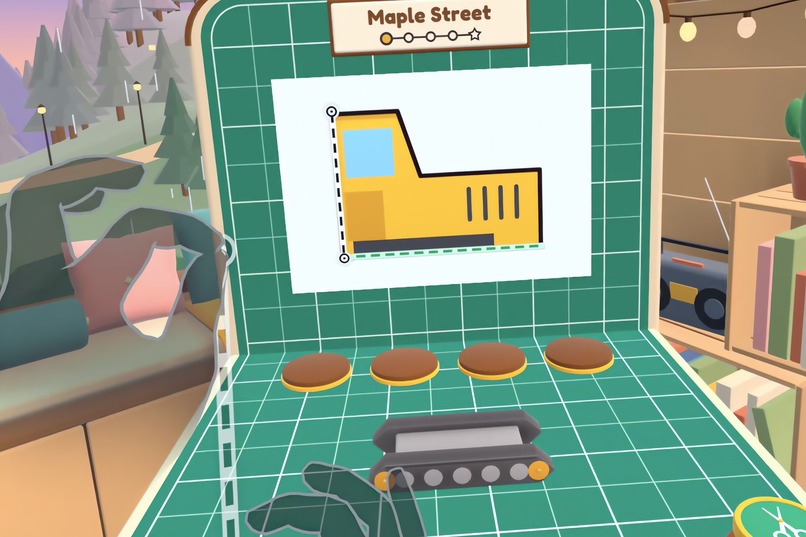
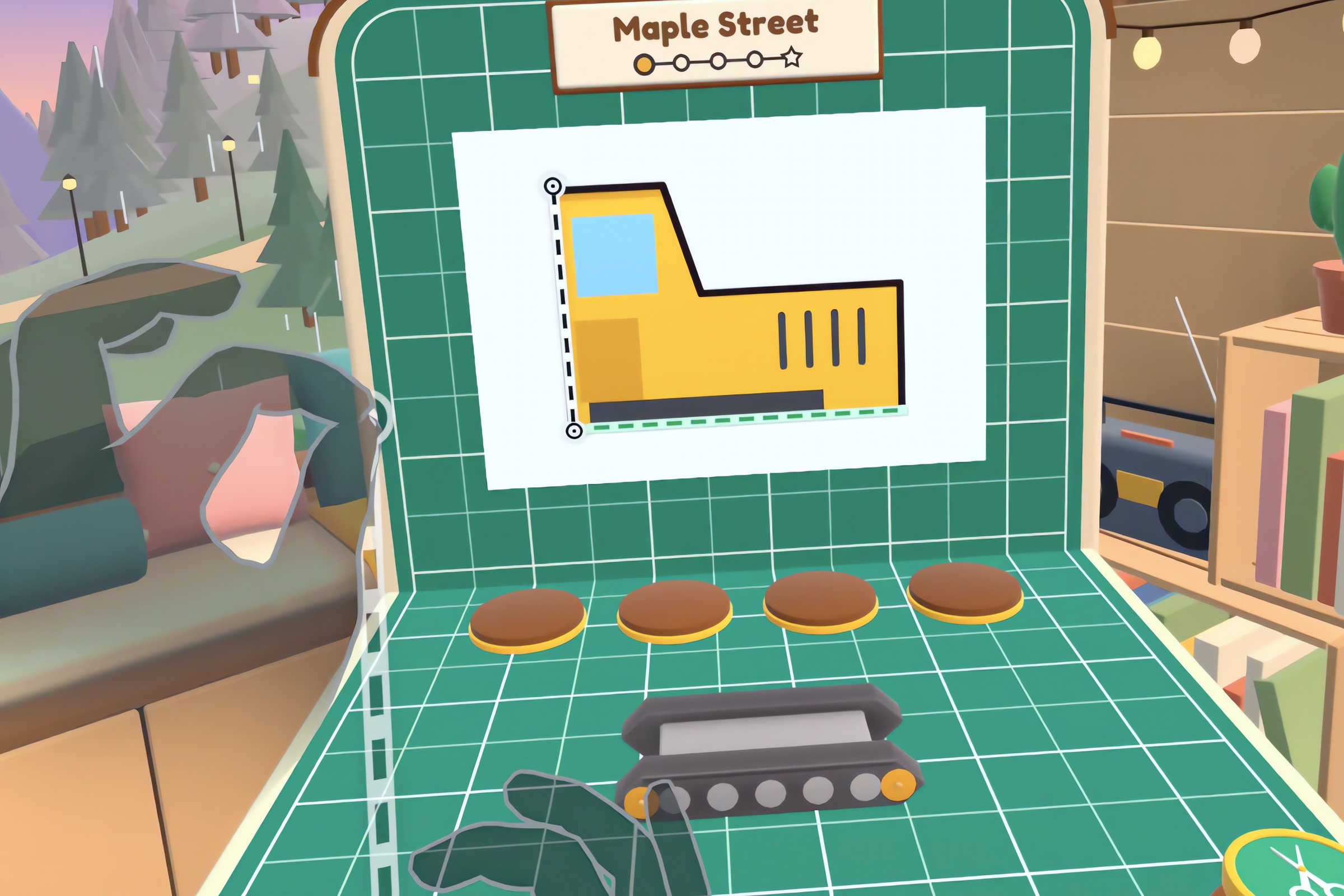
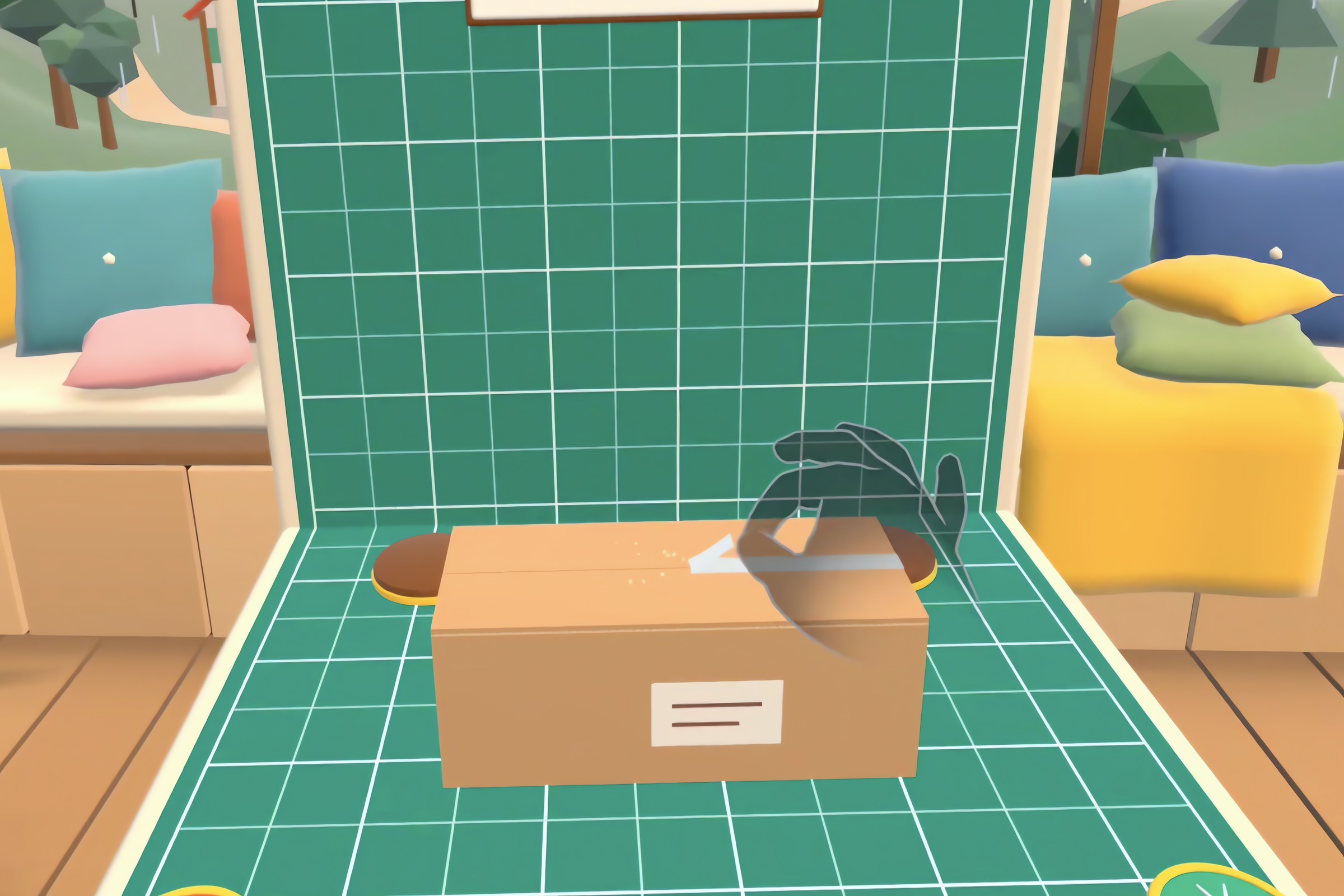
Cutting mechanic
-
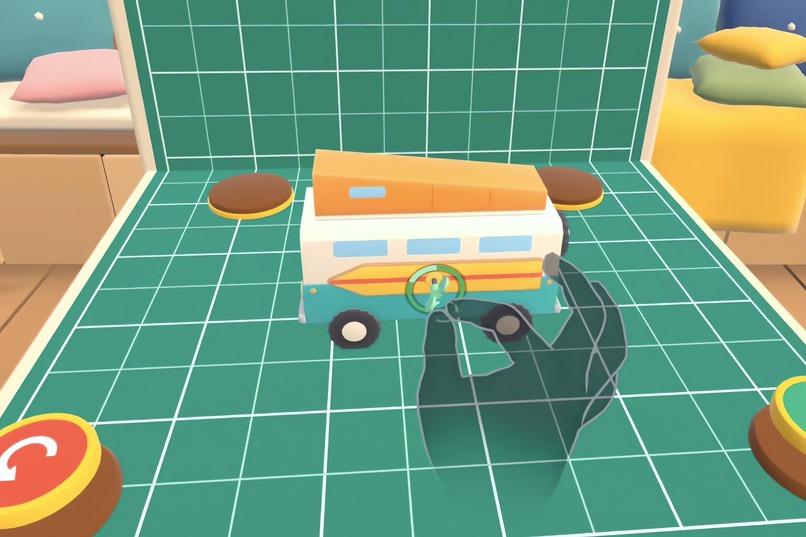
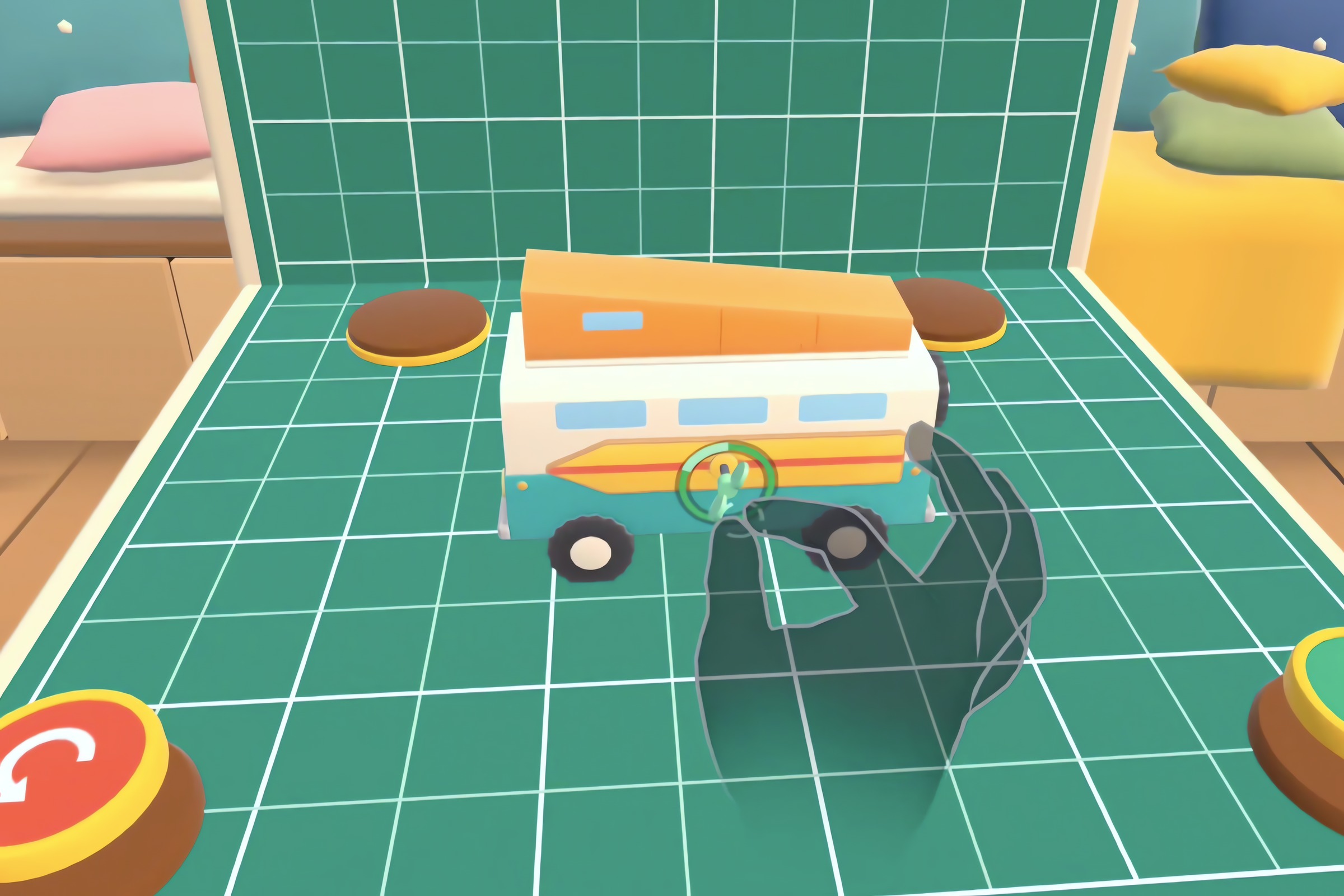
Assembly mechanic
-
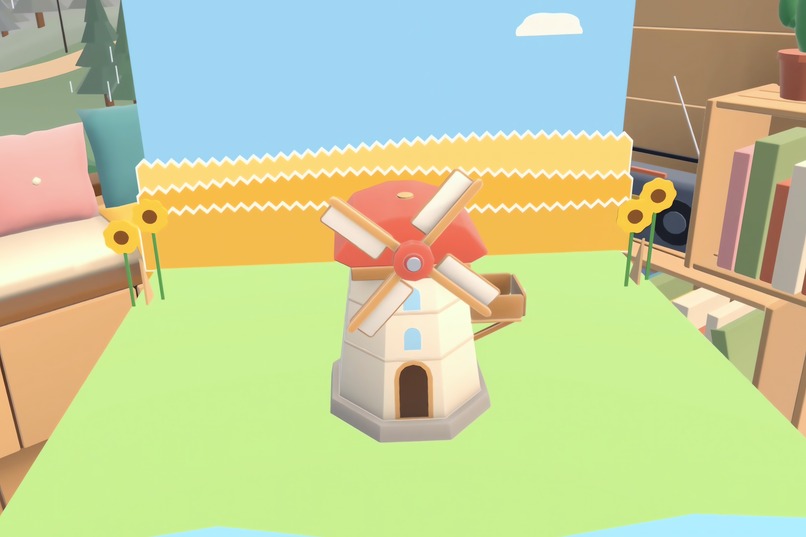
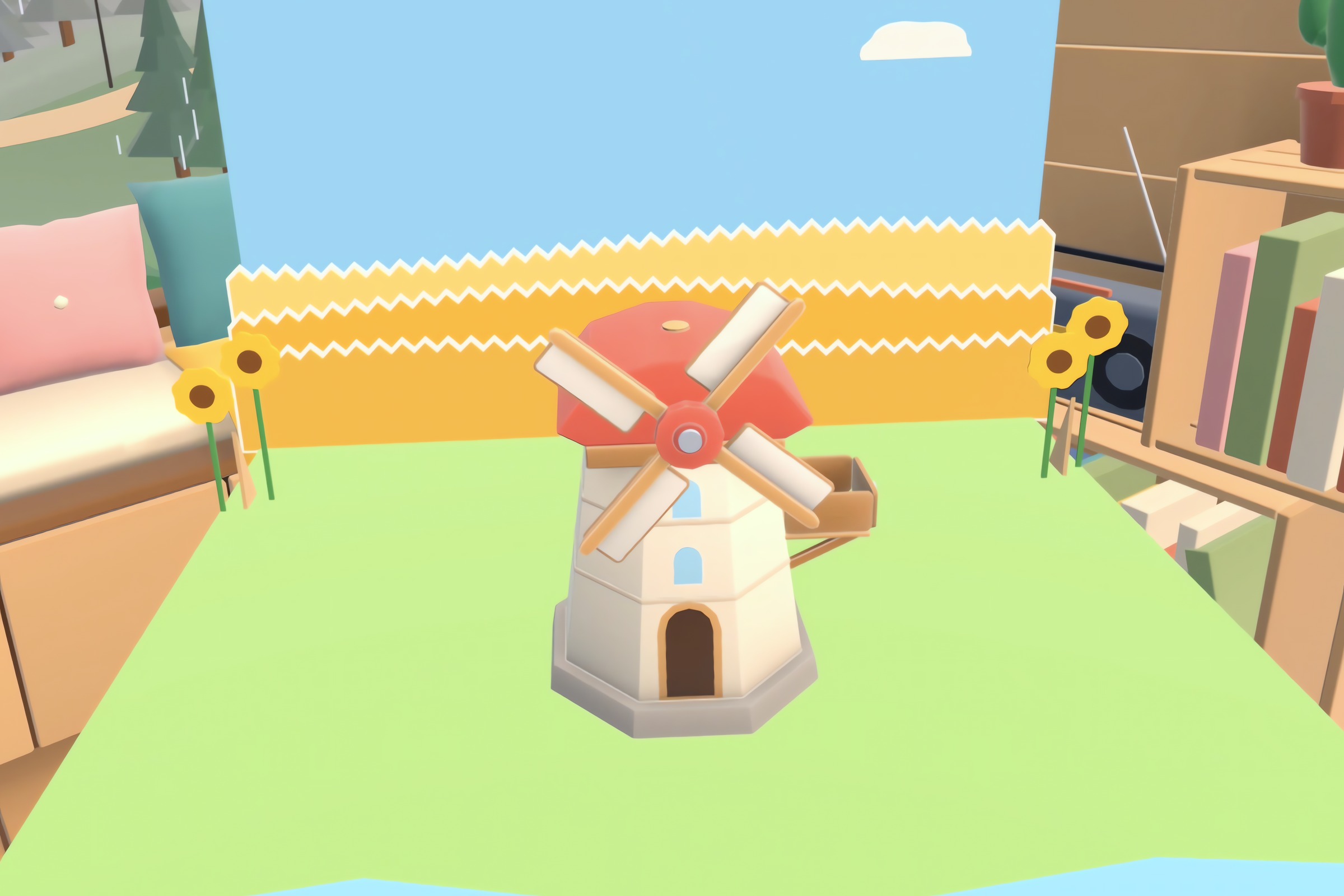
Windmill toy
-
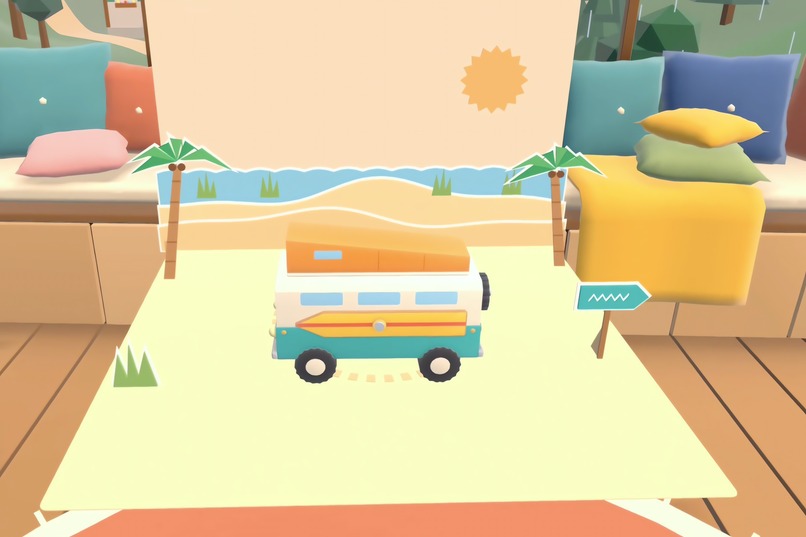
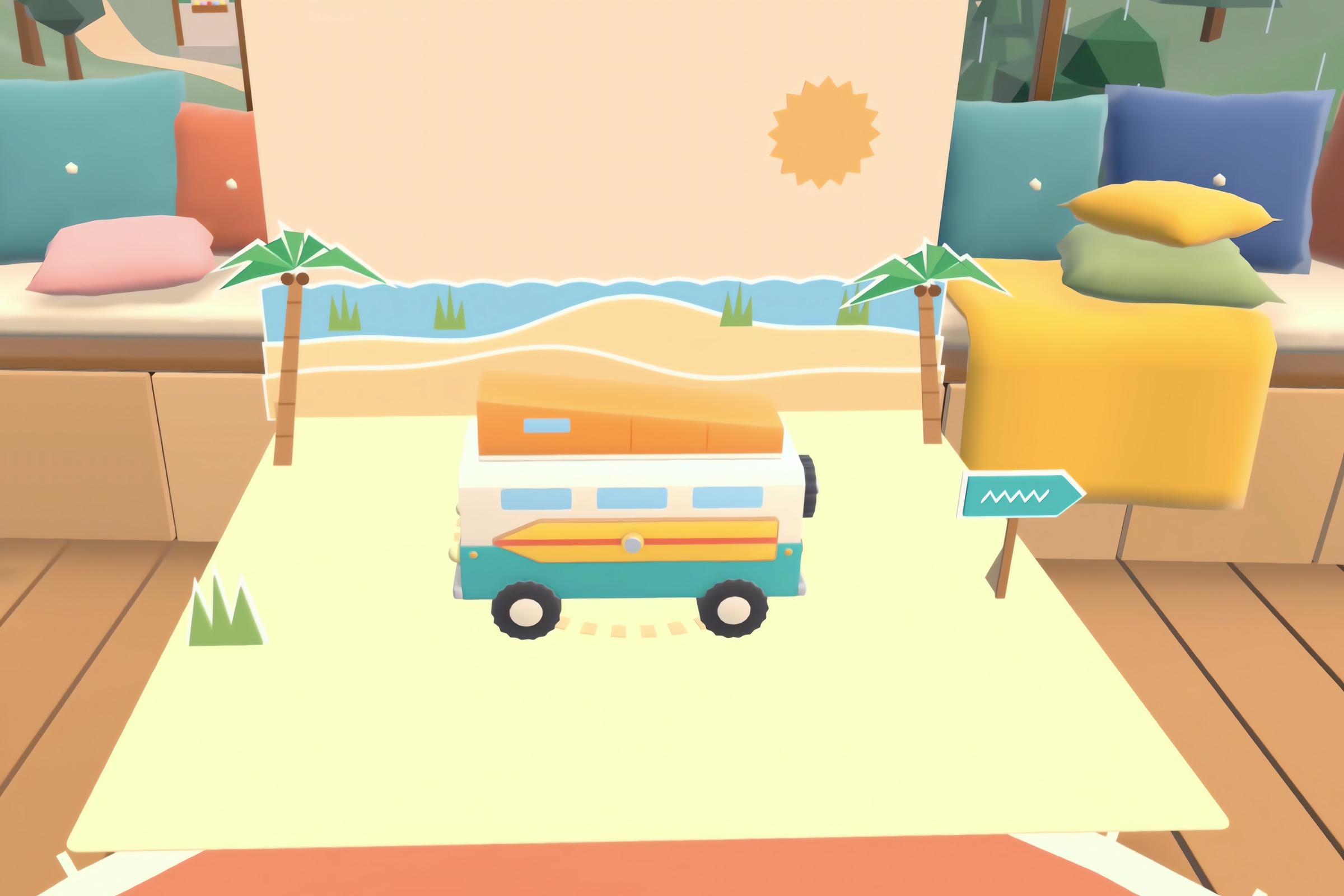
Bus toy
-
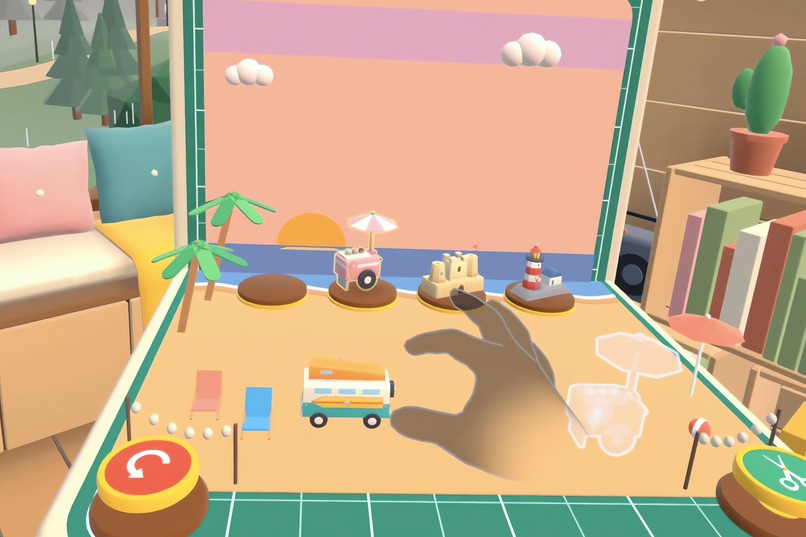
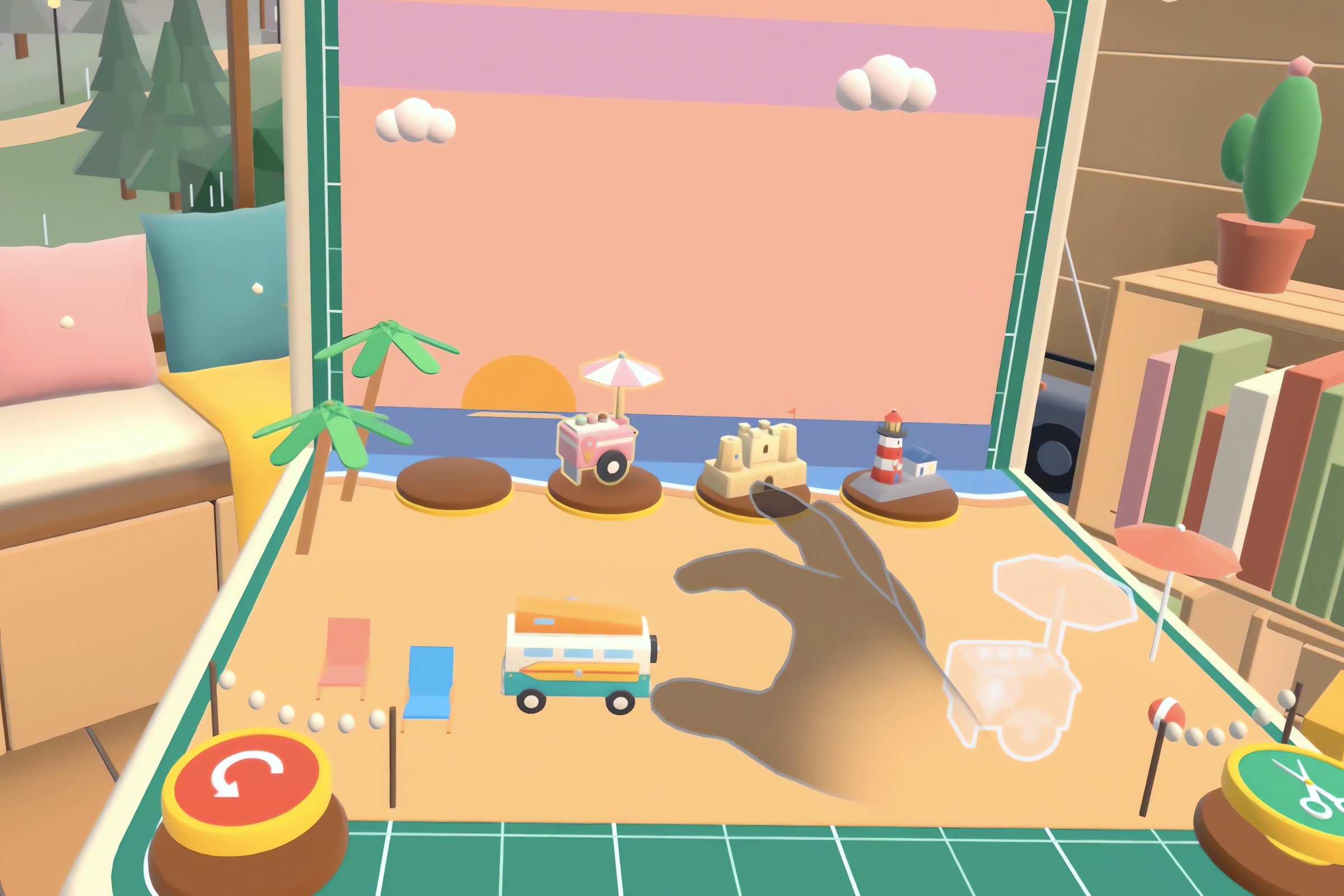
Beach Scene
-
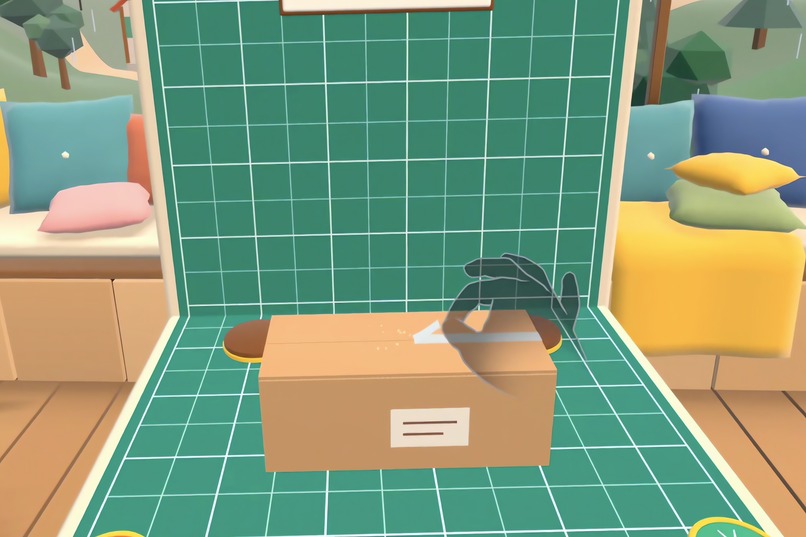
New story in every box
-
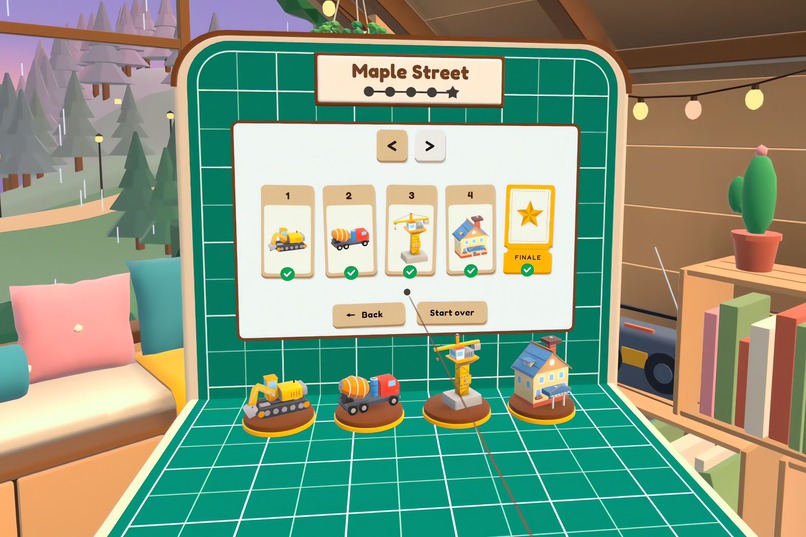
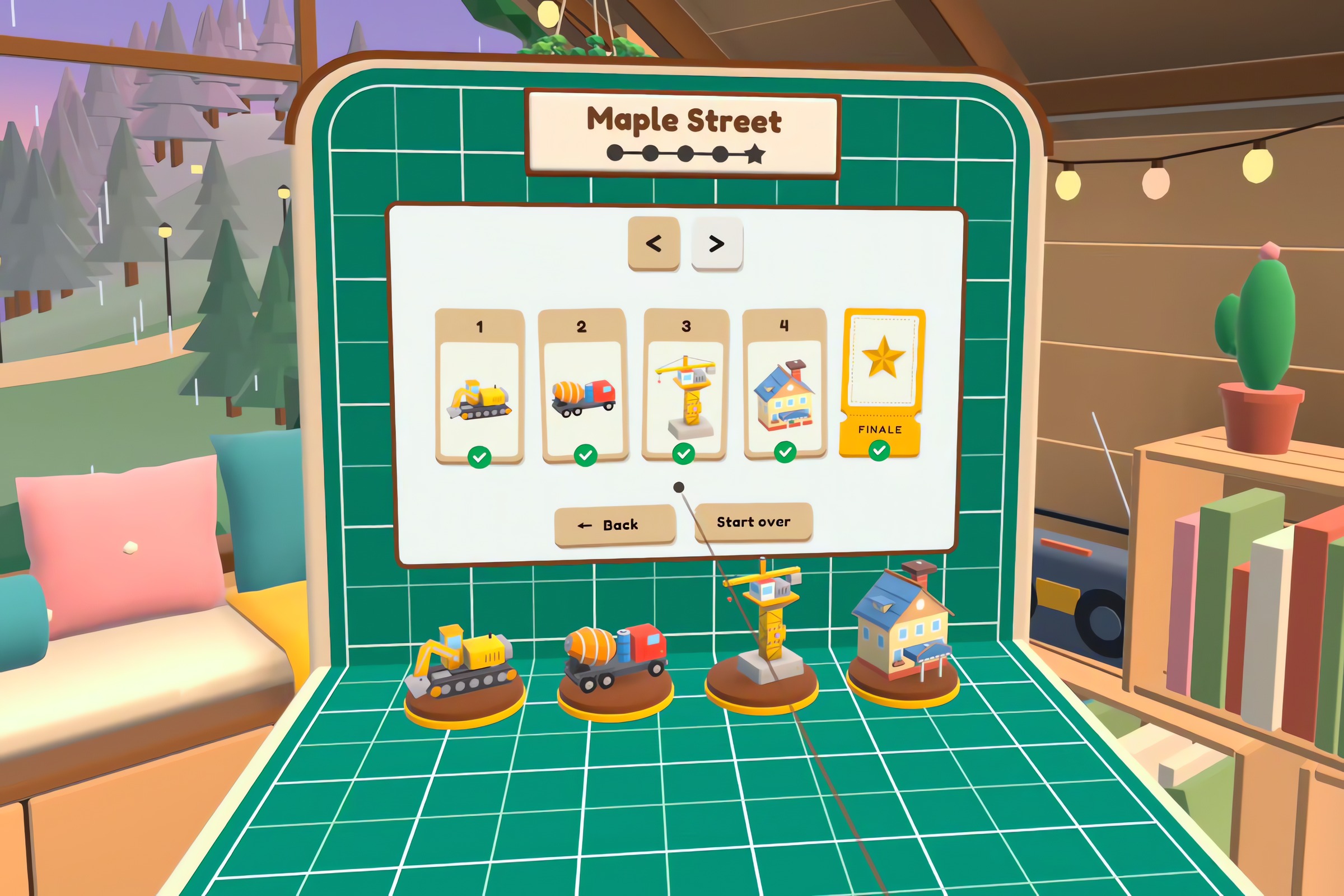
One story levels
Inspiration
You have ten minutes before boarding, or you're in a café waiting for friends. Put on a headset, no controllers, and finish one small craft right in your hands. Have a whole evening? Finish a whole cozy story.
The idea was to cut every bit of friction: no controllers to find, no menus to learn, no fiddly gestures. I wanted a hand-tracking game that is easy to pick up and never boring.
What it does
CraftCase is a cozy VR craft game played with bare hands. A small wooden suitcase floats in front of you and opens into a craft table. In each level you:
- cut paper parts out of a printed sheet,
- place them onto the toy's outlines,
- join them: tape down a seam, push tabs into slots, run glue along a groove, spin in wing screws.
You craft in a tiny treehouse loft with warm lamplight, string bulbs and rain tapping on the window. Or turn on passthrough and the suitcase opens right in your real world: on the kitchen table, on the train, or in a plane seat.
Every action is a pinch, and often two: hold a strip of tape between both hands and it feels like a real object.
How we built it
I found out about the competition late, so CraftCase is about five weeks of work by one developer: design, code, 3D models, sound and testing. Three stories, twelve toys and five hand mechanics in that time meant two rules: generate everything I could with scripts, and cut anything that didn't feel good in the headset.
- Unity 6 + Meta XR Interaction SDK, hand tracking only, no controllers.
- Blender + Python: every toy, part and paper scene is made by scripts, which also export the baked shading and the cut outlines.
- A cozy room that costs almost nothing: the treehouse's soft shadows and lamplight are baked right into the model, so it feels warm and still runs light on Quest.
- Passthrough as a simple On/Off switch, so the same craft table works in the treehouse or in your real surroundings.
- A one-command build script that builds the game, installs it on the headset, takes screenshots and collects logs, so every change was on my face within minutes.
- Performance for Quest: dynamic resolution, shader warm-up and a hunt for first-use stutters, so the first cut and the first glue feel as smooth as the hundredth.
- AI-assisted development: much of the code was written with Claude Code. I spent my time on design, testing and the feel.
Challenges we ran into
- Hand tracking precision. Fingers are not a mouse. Cuts had to be short and forgiving, and every outline edge long enough to follow comfortably. I ended up with strict rules: no more than 10 cuts per part, no very short edges, and no two neighbouring cuts that are almost a straight line.
- Input that feels honest. A pinch from both hands could count twice, and handles that snapped to the table jumped under your fingers. Small things like that ruin the feel, so each one was fixed or the feature was cut.
- Knowing what to throw away. Scissors, several cutting tools, a rope mode, a magnet-gantry puzzle and a whole story were built, tried in the headset and removed because they didn't feel good enough.
Accomplishments that we're proud of
- Two-handed pinch as the core feeling: you hold the line or the tape between your fingers and want to keep going.
- Five hand mechanics (cut, place, tape, glue, screw), each polished until it's fun by itself.
- Three full stories with four toys and a finale each, built and tuned by one person in about five weeks.
- A build that is ready to ship to the Meta Horizon Store.
What we learned
Pinch is the most precise and comfortable hand interaction, and two pinches are even better! When both hands hold a piece of tape, it feels real, and you want to continue and continue. I built everything around that. AI can write a lot of the code, but it can't feel the game for you. Most of the work was trying things in the headset, again and again, and tuning timing, sounds, sizes and feedback until they felt right.
What's next for CraftCase
- Release on the Meta Horizon Store.
- More stories and new ways to join parts that I did not have time for.
- Playtests with new players, especially people who have never worn a headset.


