Inspiration
Concrete walls are vital to the safety and durability of buildings, but cracks, internal defects and material variations are not often discovered during a simple visual inspection. Traditional inspection methods can be time consuming, subjective, or require specialist experience and equipment.
This inspired us to develop CrackAura – Concrete Wall Quality Monitoring System, an IoT-based prototype which explores the potential of controlled mechanical impact and vibration analysis for a more systematical and digitally recorded concrete wall quality assessment.
What it does
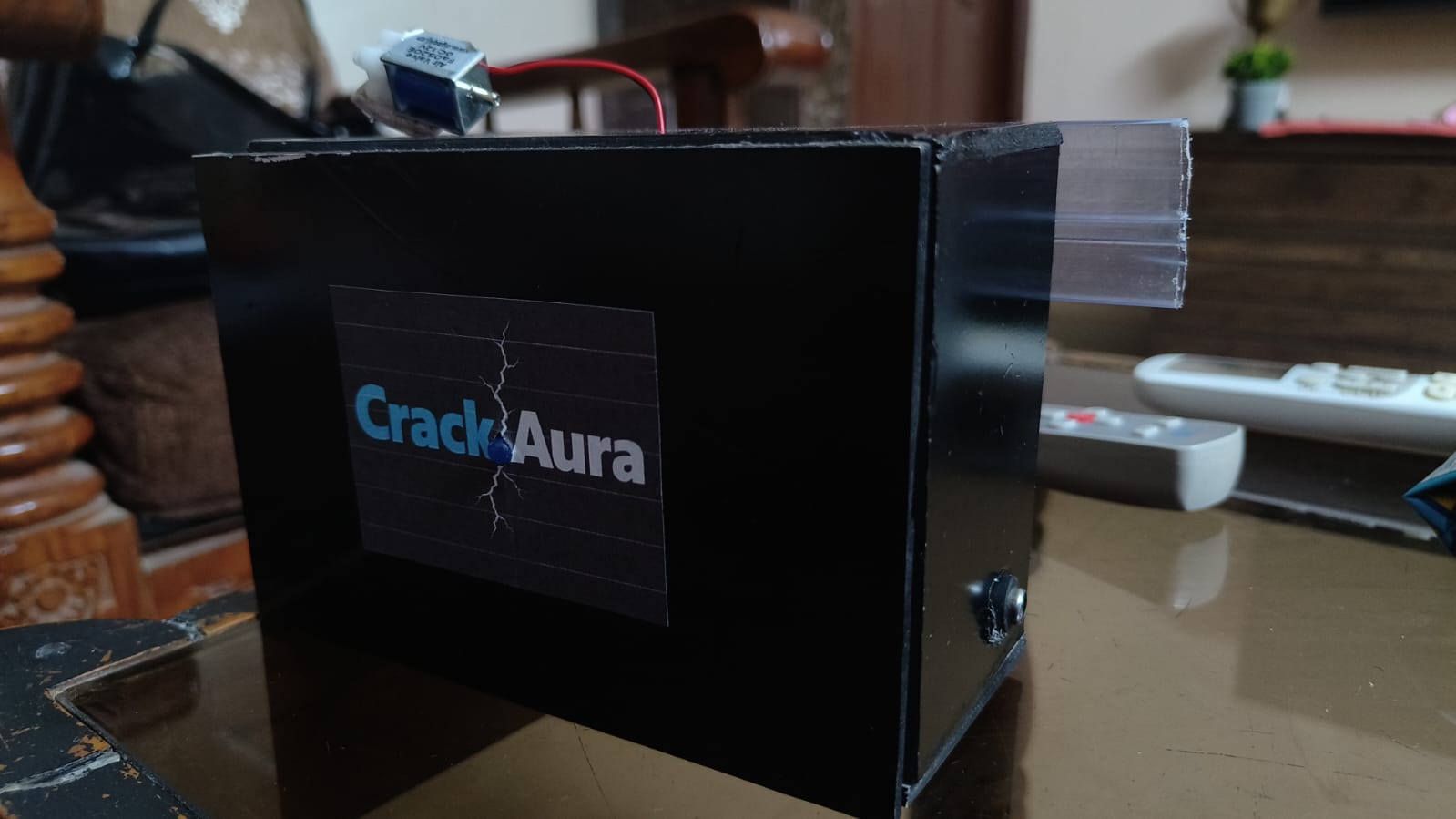
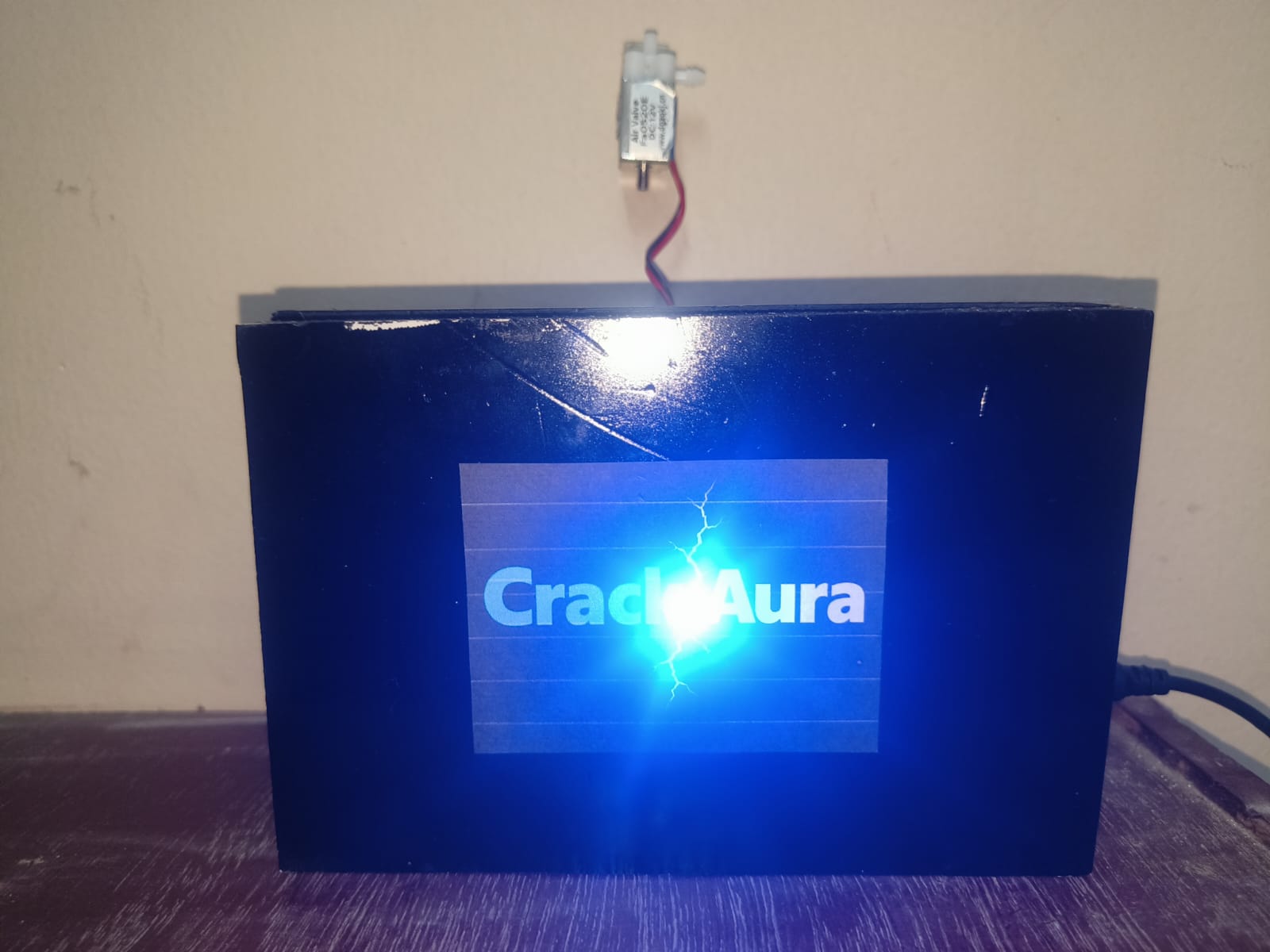
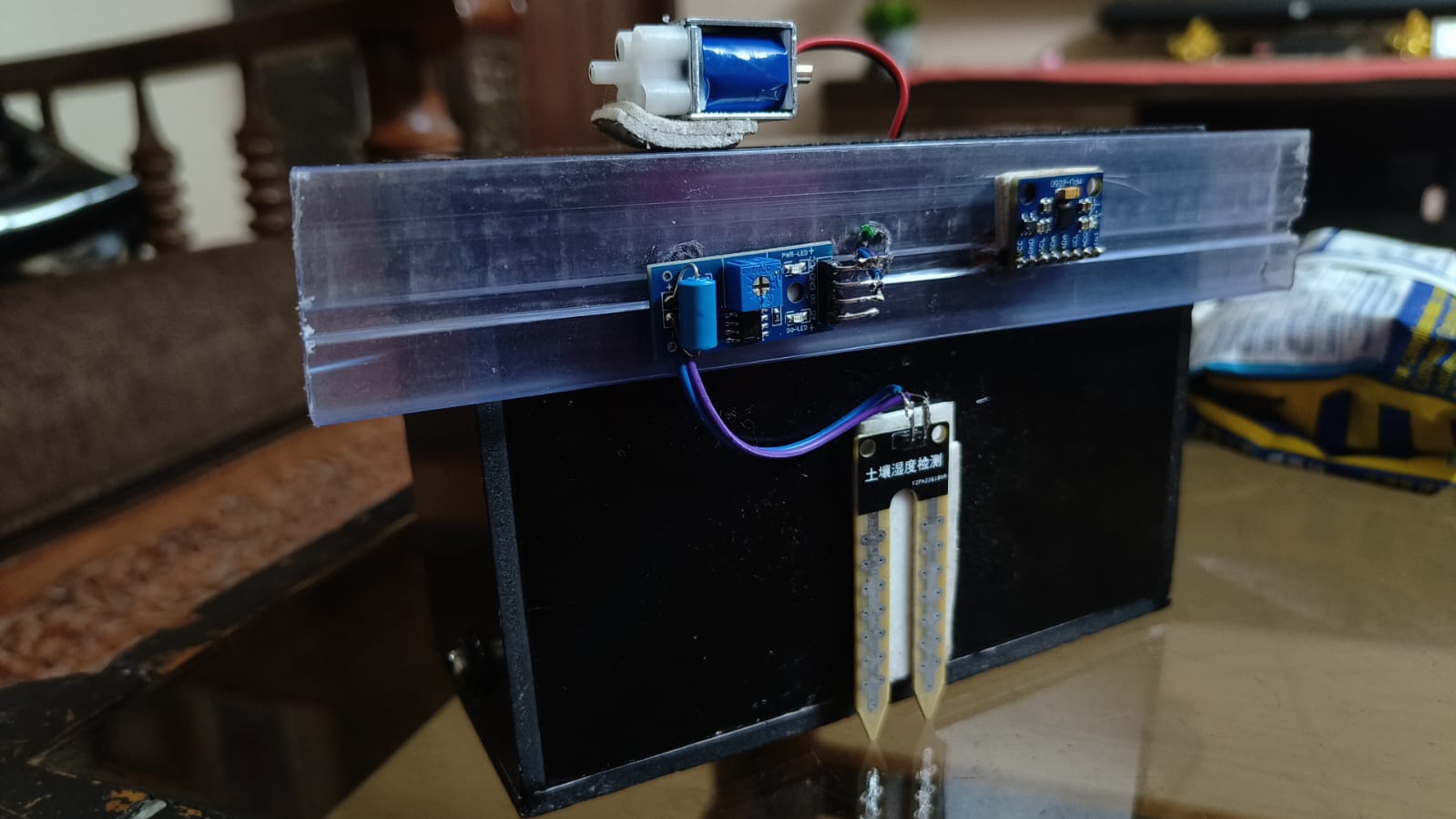
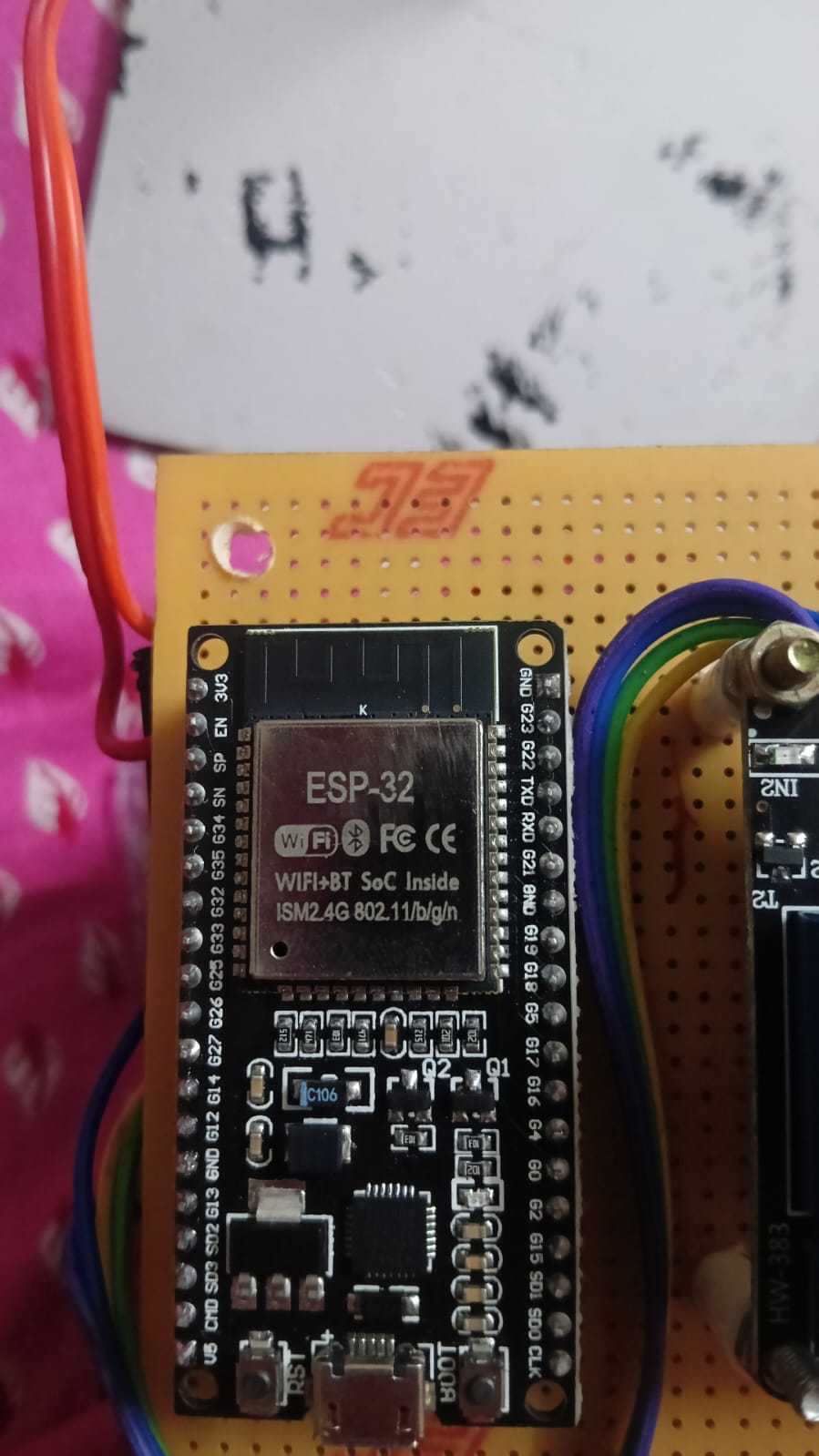
CrackAura creates a controlled mechanical impact towards a concrete wall using a 12V solenoid actuator and captures the resulting vibration with an ADXL355 accelerometer, with sensor data acquisition performed by an ESP32 microcontroller.
The signal processing pipeline makes use of the DC offset removal, a five point median filter, Hamming windowing, and a 1024-point Fast Fourier Transform (FFT). The prototype makes use of dominant frequency and magnitude features extracted from the frequency domain response for its grading logic which classifies a wall quality into categories of Poor, Fair, or Good.
The dashboard serves as a web interface and database for managing building and wall data, recording test results, viewing test history and reports.
How we built it
The prototype makes use of embedded hardware and vibration sensing, with digital signal processing and web dashboard for storing and retrieving of test data.
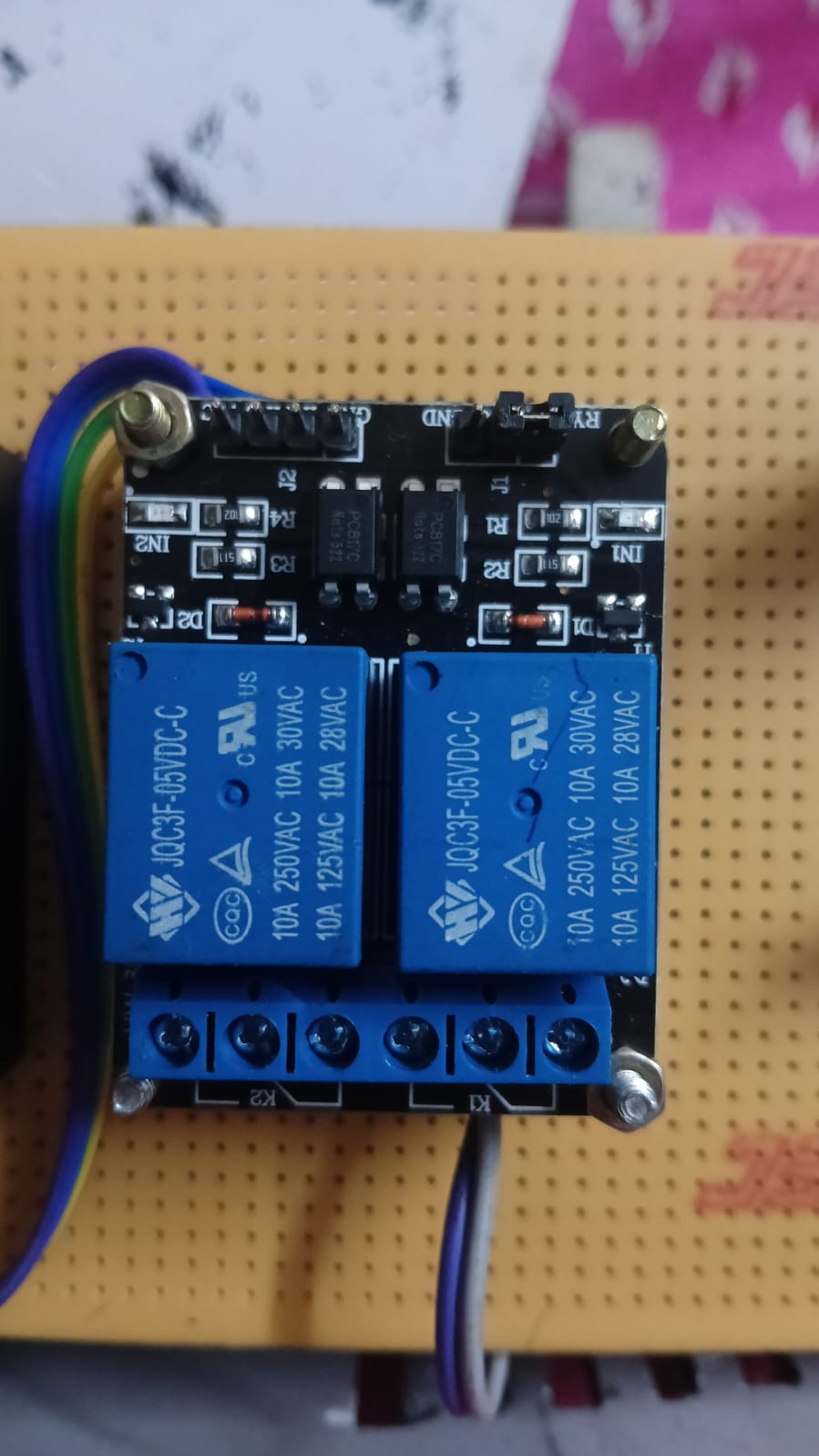
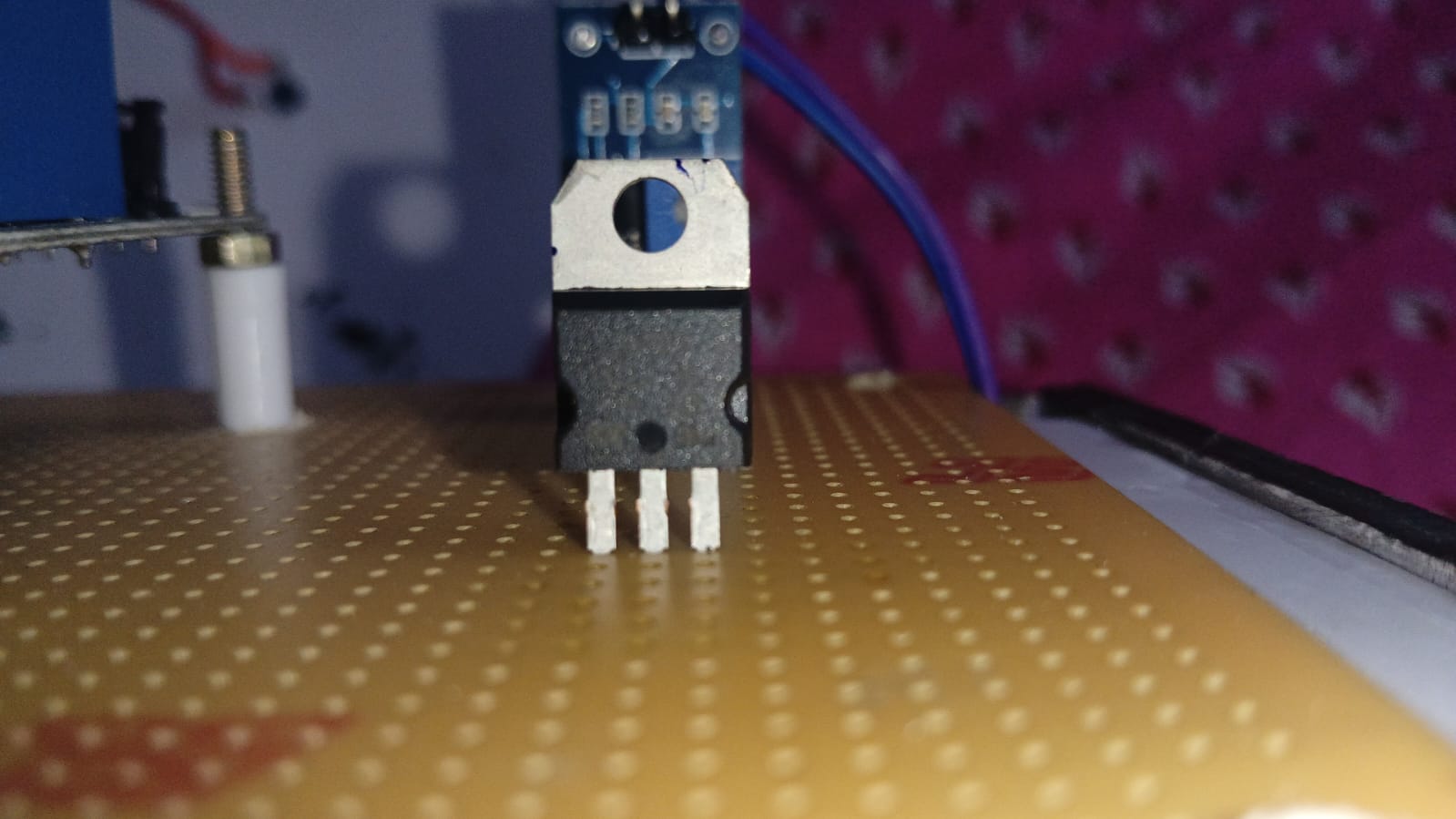
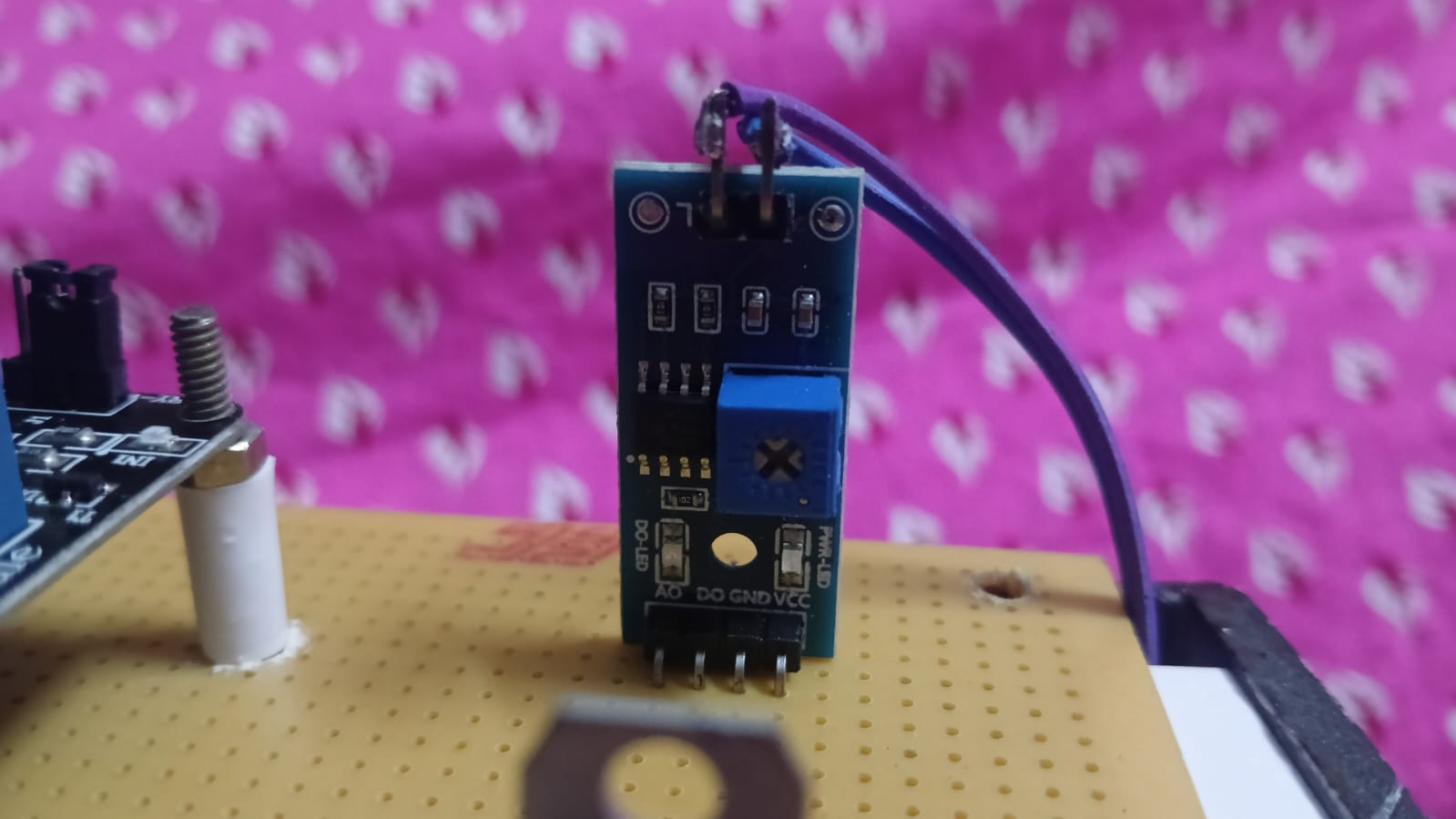
The key hardware components involved in the prototyping process include an ESP32, ADXL355 accelerometer, 12V solenoid actuator, relay module, and other electronic components. Sensor data is acquired by the ESP32 through the use of SPI protocol. The signal processing involves DC offset removal, median filtering, windowing, and FFT to extract frequency domain features of the captured vibration response. The features are then processed by the grading logic which performs a wall quality assessment based on an internal set of criteria.
The dashboard provides a way for the user to manage building and wall information as well as store and access test results with history view and report generation.
The FFT algorithm transforms the acquired signal from the time domain to the frequency domain:
$$ X[k]=\sum_{n=0}^{N-1}x[n]e^{-j2\pi kn/N} $$
where (x[n]) represents the sampled time-domain signal, (N=1024) is the number of samples, and (X[k]) represents the frequency domain representation.
A maximum of five subtests can be administered per wall with individual subtest results combined to determine the wall quality grade.
What it challenges us to think about
The integration of the actuator, vibration sensor, and microcontroller unit in a manner that allows for reliable signal acquisition presents a number of challenges. The electrical characteristics of the vibration sensor can be sensitive to external factors and interference.
These challenges were addressed through a combination of proper hardware integration, signal conditioning, and a standardized testing procedure. A further consideration involved the integration of the system's output with database storage and presentation components such as the dashboard, so as to enable effective comparison of results. Additionally, the identification of meaningful criteria for grading is an important consideration as the system's performance can be influenced by such factors as the mechanical properties of concrete, wall dimensions, sensor placement, and impact consistency.
What we learned
From working on this project, we obtained valuable insights into working with embedded hardware and sensors, with particular focus on SPI communication, signal processing, FFT, database design, and dashboard development. More significantly, we obtained a deeper appreciation for the various considerations in turning sensor data into meaningful information.
Impact and future scope
CrackAura allows for a more systematical and repeatable procedure for preliminary concrete-wall assessment, which should help streamline a number of processes. The dashboard enables efficient management of test records and facilitates comparison of results across walls and subtests.
An important feature to consider adding in the future involves cloud integration, enabling accessibility and remote management of test data. Similarly, additional sensors and environmental readings can be leveraged to further improve the reliability of the results. There is potential for additional automation which would enable more consistent actuation, further improving assessment repeatability. An alternative possibility for future work involves the use of machine learning algorithms for identifying patterns in the sensor data which can be leveraged to further improve result prediction and presentation. These approaches can be combined with further validation of the prototype's grading potential through a series of experiments.
Our vision for this project is to turn CrackAura into a concrete wall structural quality assessment support system by expanding the capabilities of the system and utilizing more sophisticated signal processing algorithms to make it a valuable tool in the field.
CrackAura is a prototype decision-support system; its quality grading capabilities require further validation and experimentation and is not a substitute for established concrete-wall inspection and assessment techniques.


Log in or sign up for Devpost to join the conversation.