-
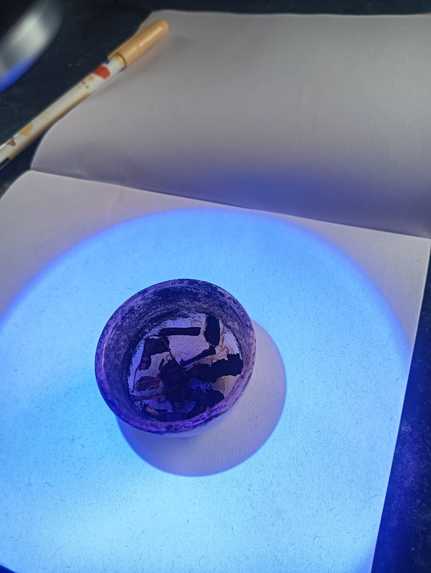
Visible carbon quantum dots
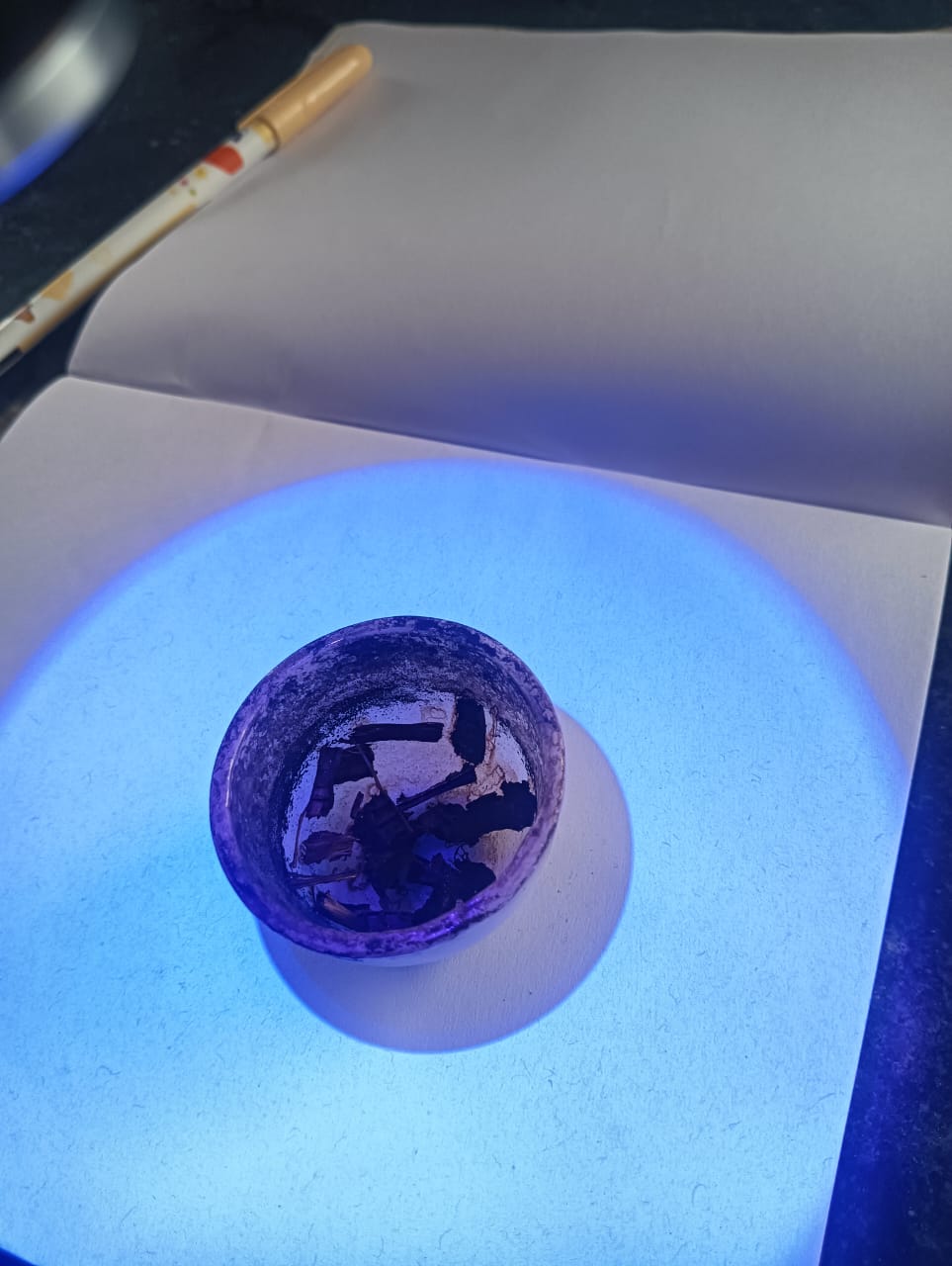
Inspiration
What it does
How we built it
Challenges we ran into
Accomplishments that we're proud of
What we learned
What's next for CQDs from Banana Pseudostem for Sodium-Ion Batteries
With fossil fuels running out and the need for better energy storage growing, sodium-ion batteries (SIBs) are becoming a strong alternative to lithium-ion batteries. Sodium is cheap, abundant, and has similar properties to lithium. But current SIBs have some problems like low efficiency and limited battery life. One way to improve them is by adding carbon quantum dots (CQDs), which are tiny carbon particles with excellent electrical properties and functional surface groups. CQDs help in better charge flow, suppress undesired reactions, and improve battery stability. However, producing CQDs is often expensive and complex. This project focuses on synthesizing CQDs in an eco-friendly and low-cost way using banana pseudostem – an agricultural waste left after harvesting bananas. Banana pseudostem is rich in carbon, structurally fibrous, high moisture content, and naturally contains beneficial chemical groups. Carbon dots were synthesized using banana pseudostems as an eco-friendly and cost-effective raw material. The pseudostems were first crushed and then filtered multiple times to remove impurities and obtain a clean extract. This extract was subjected to thermal treatment in a muffle furnace at different temperatures for four hours to promote carbonization. After heating, the sample was exposed to UV light using a UV torch. A green fluorescence was observed, indicating the successful formation of carbon dots. This method demonstrates a simple, sustainable approach for producing photoluminescent carbon dots from agricultural waste.
Built With
- iottechnology

Log in or sign up for Devpost to join the conversation.