-
-
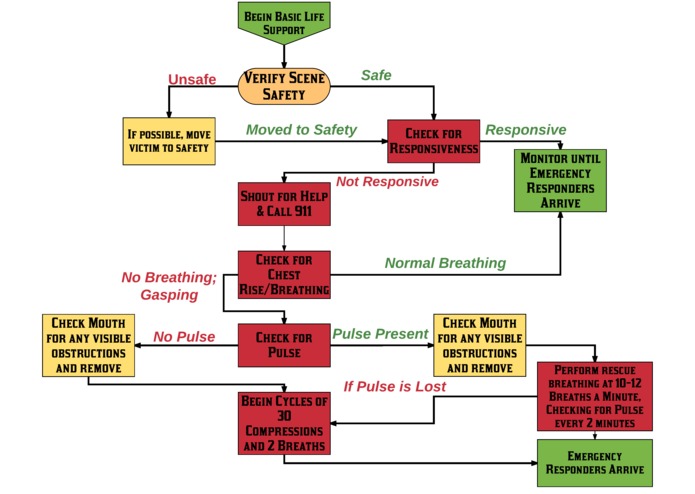
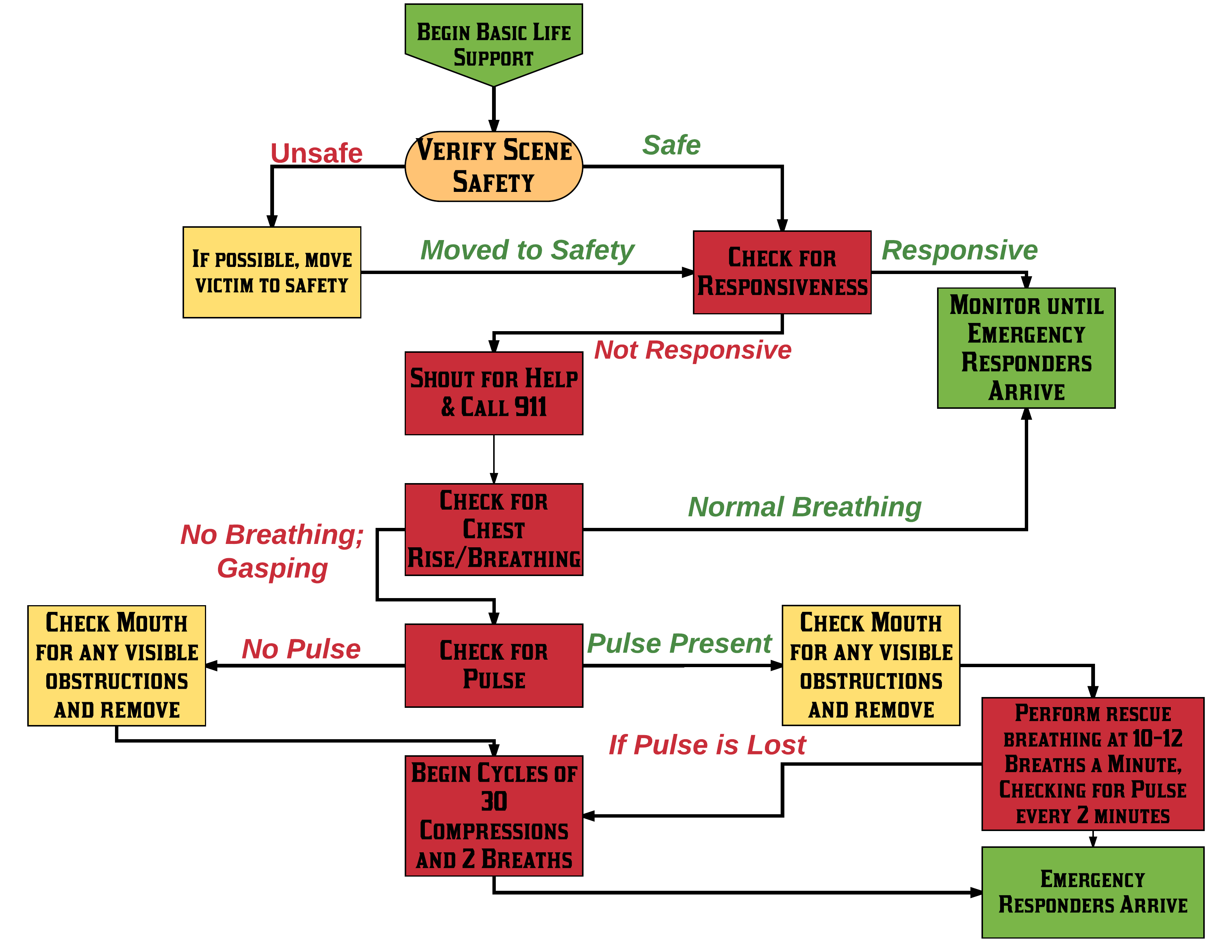
CPR Flowchart as per American Heart Association guidelines
-
Title Screen
-
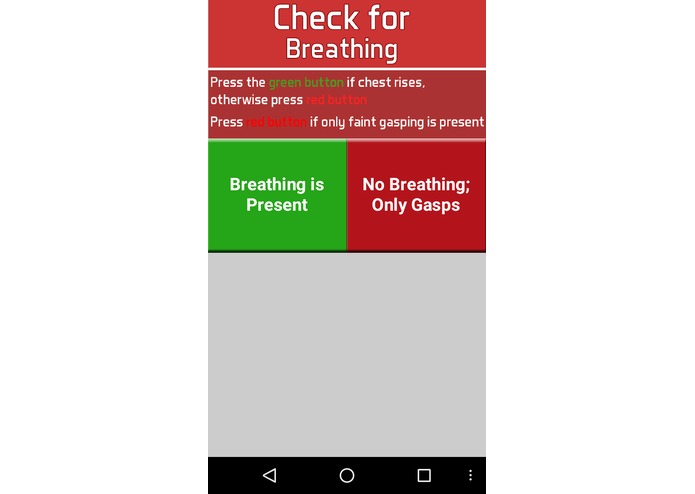
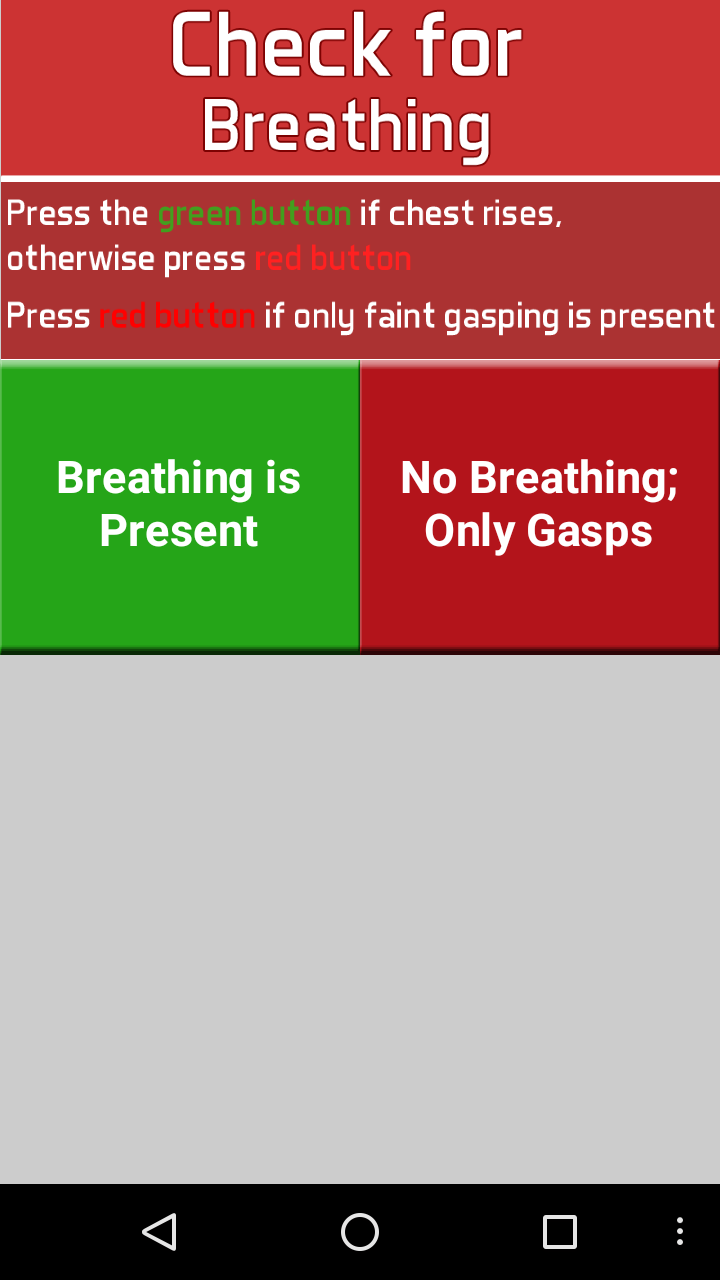
Check for Breathing
-
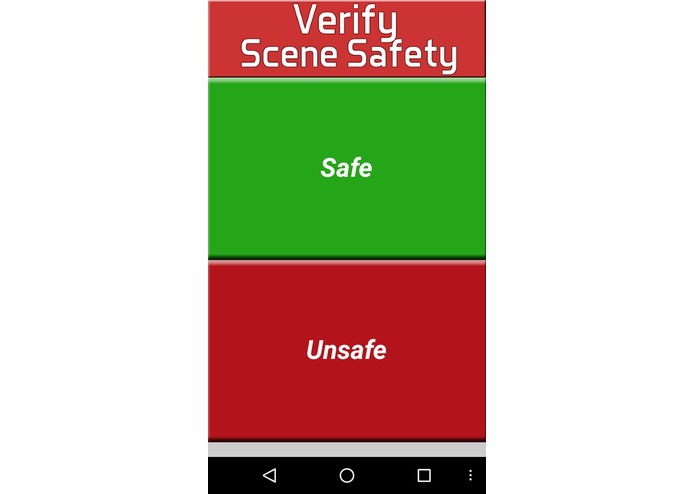
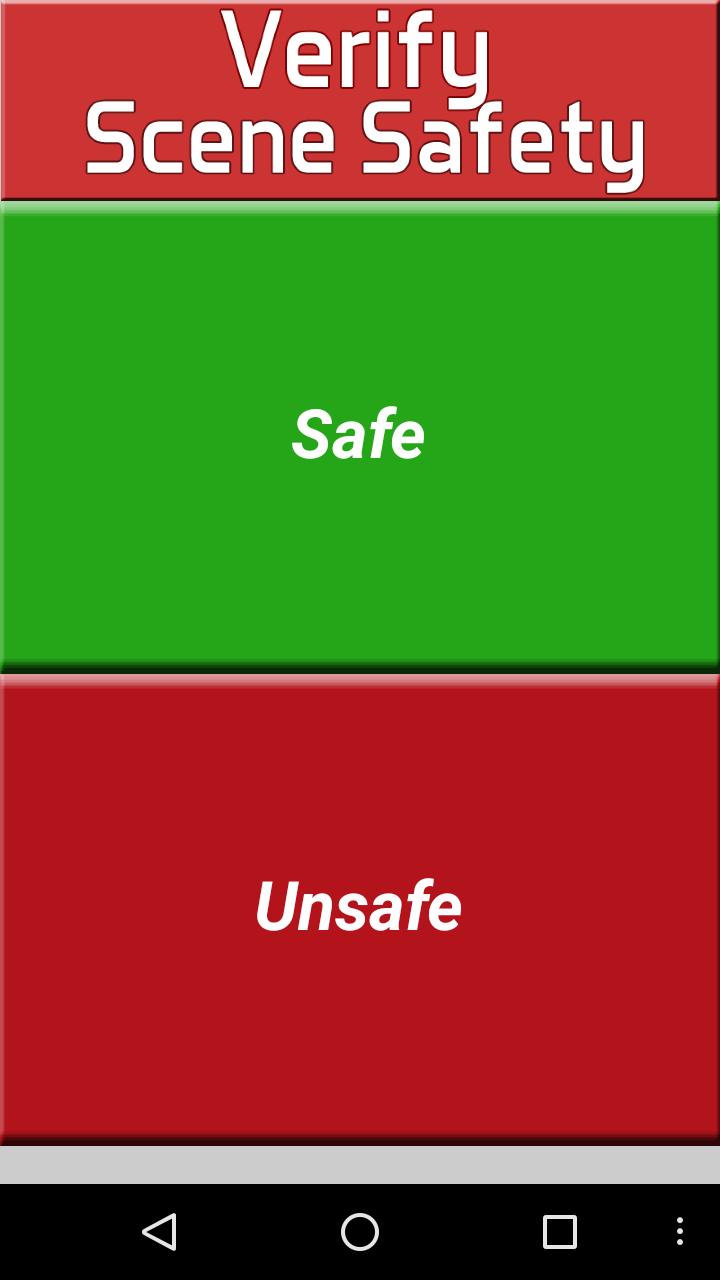
Prompts user to verify scene safety
-
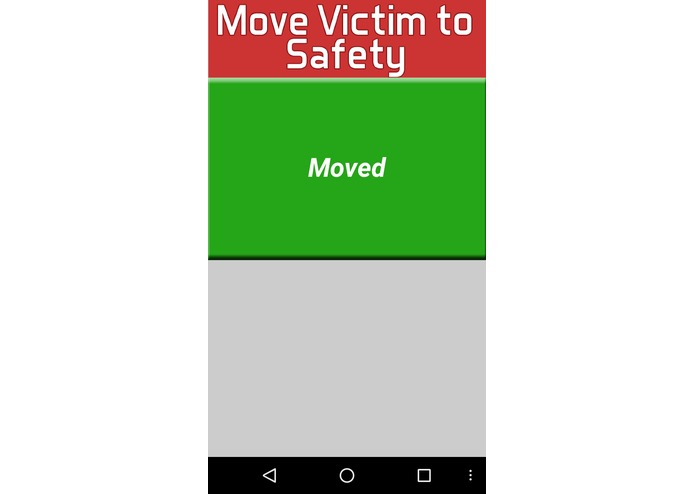
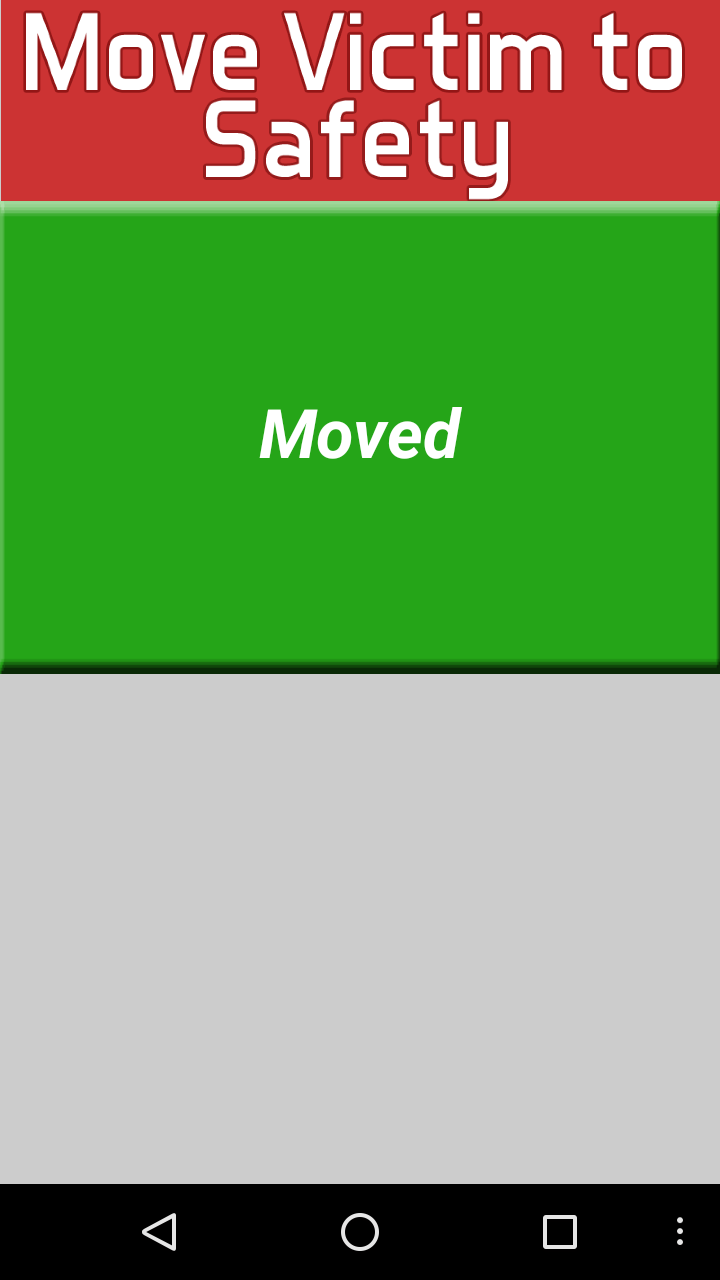
If scene is unsafe, prompts users to move victim to safety
-
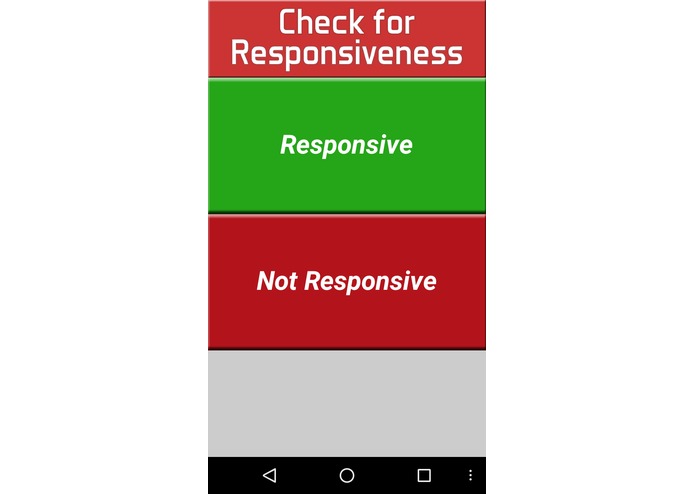
Check for Responsiveness
-
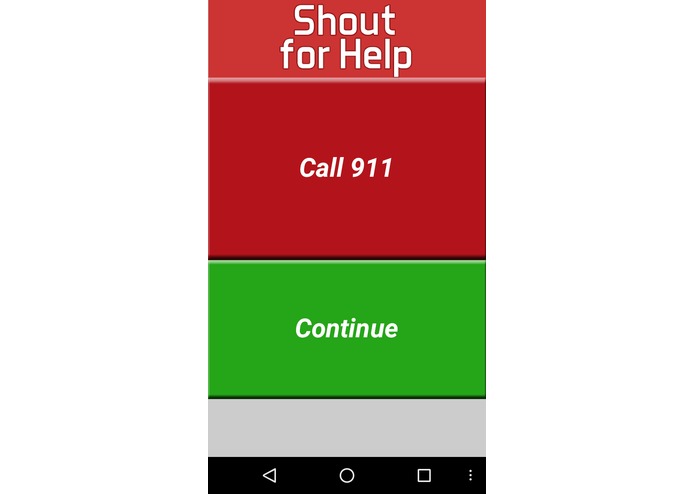
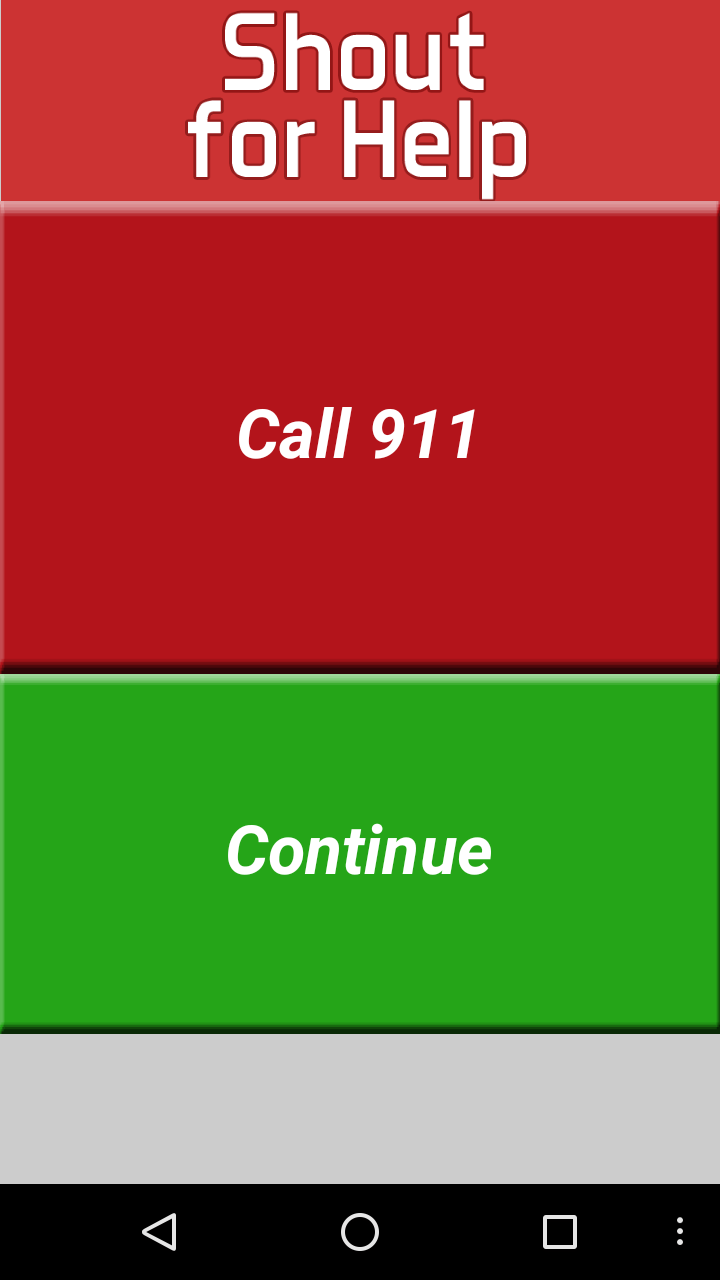
If not responsive, shout for help and ask someone to call 911. If no one is around, use the button to call 911. Then continue.
-
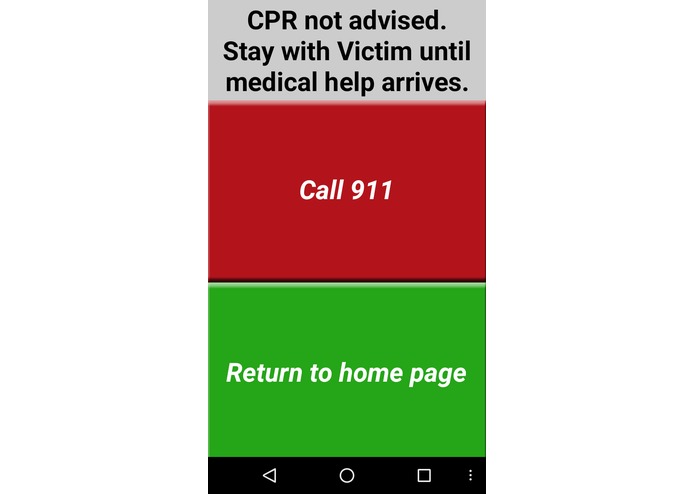
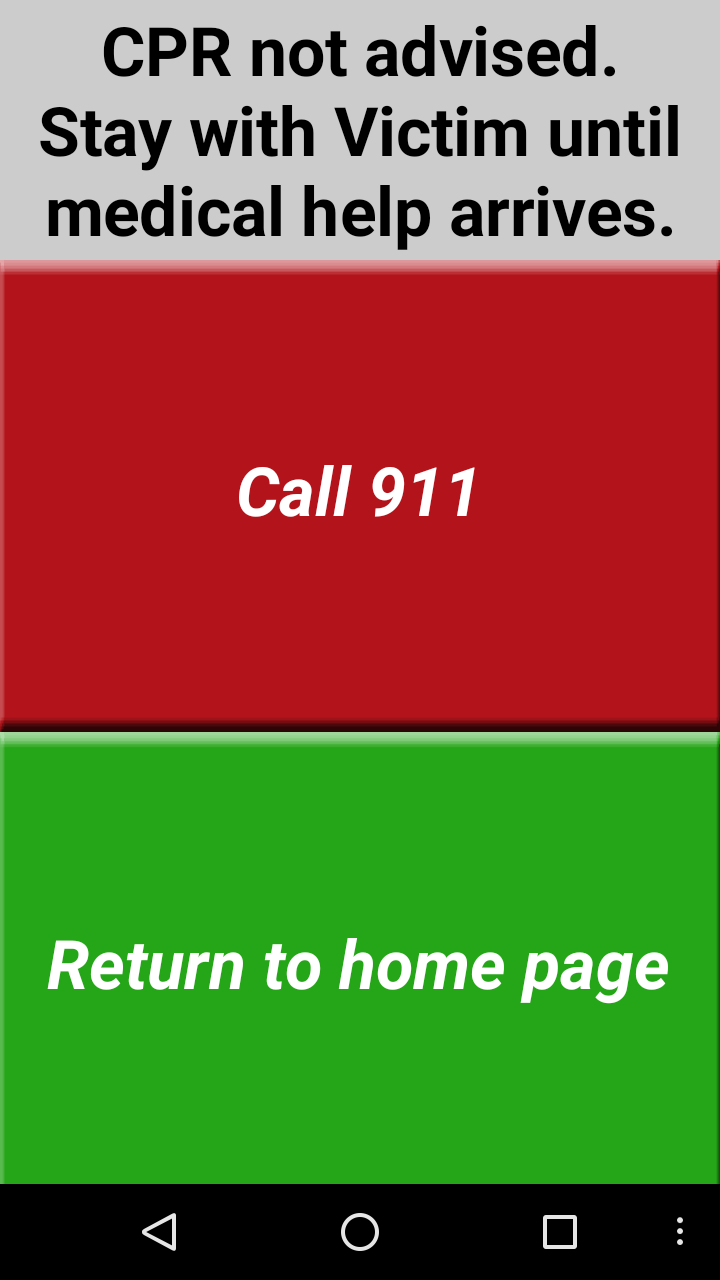
If Responsive, stay with victim until emergency help arrives
-
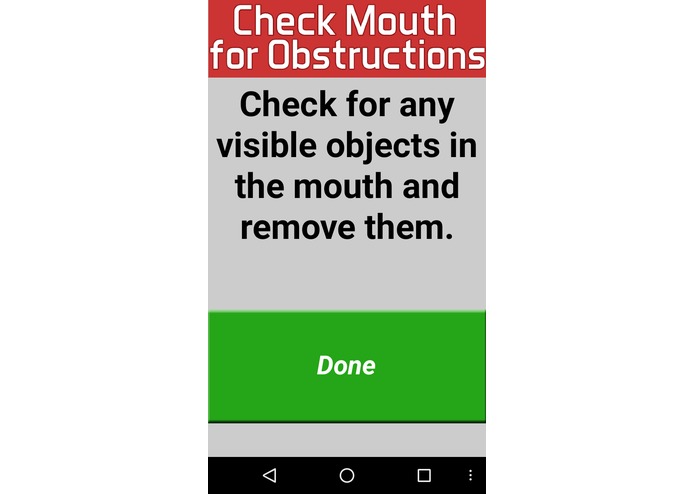
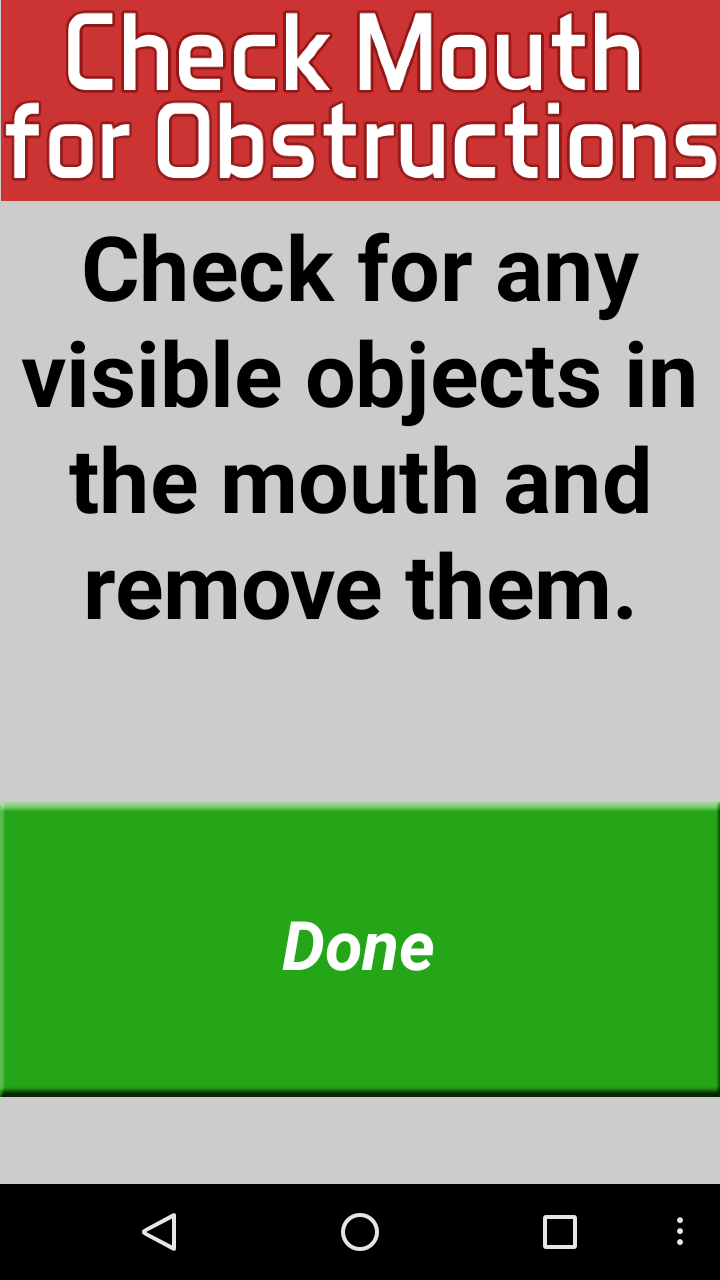
Check for Obstructions
-
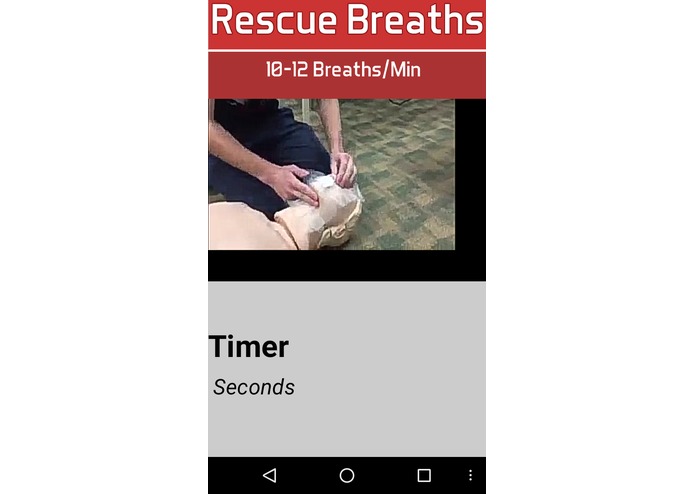
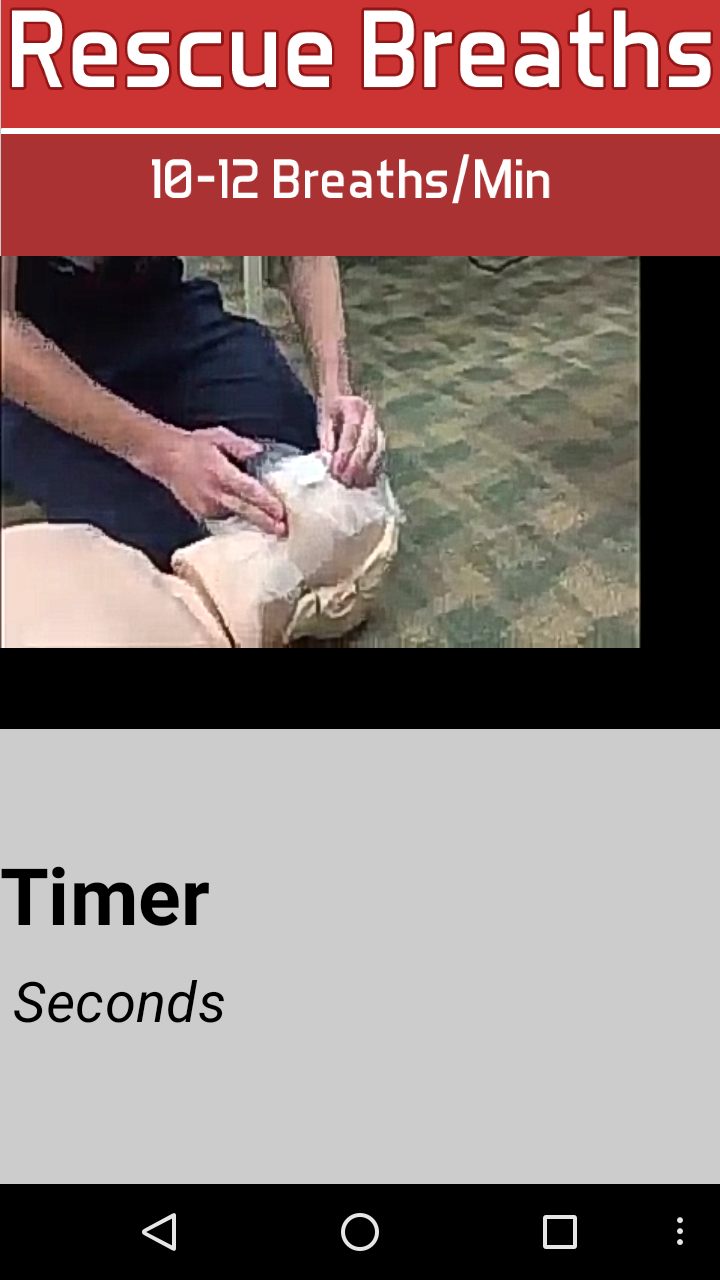
If pulse is present, perform safety breaths for 2 minutes
-
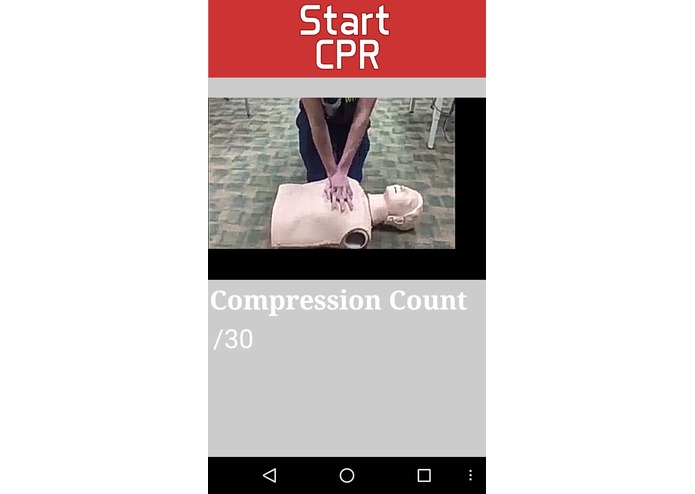
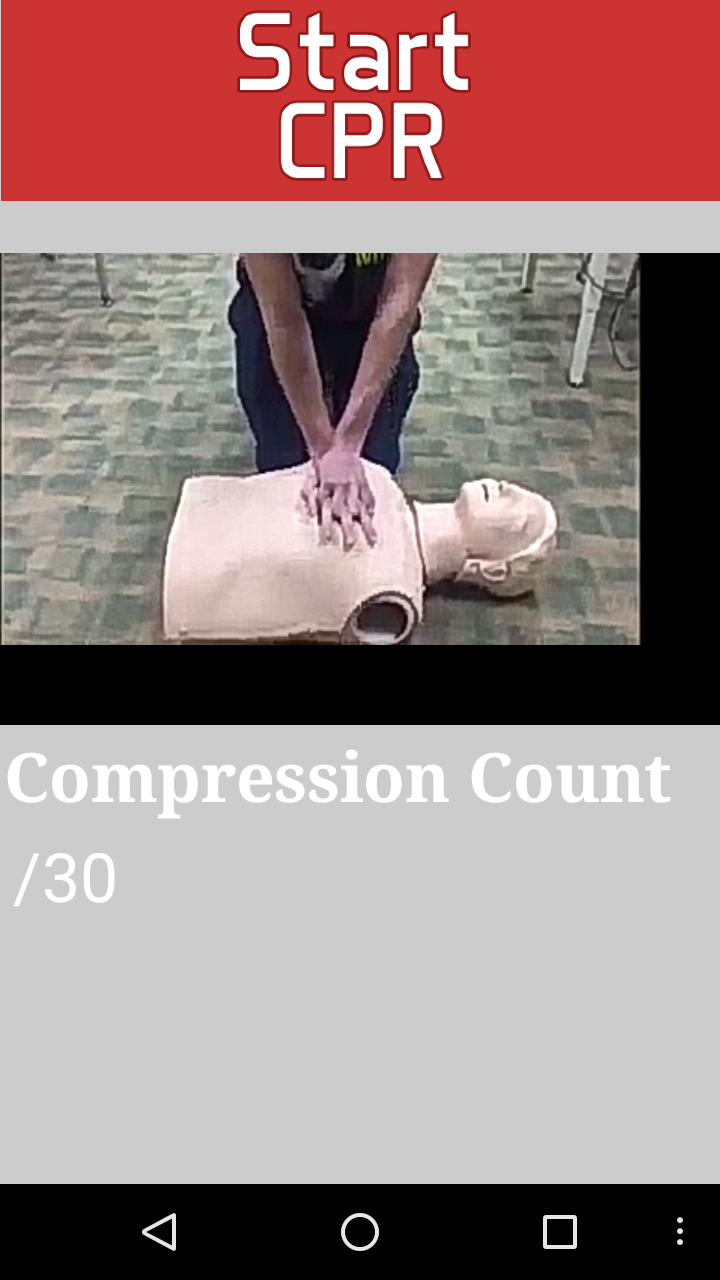
Begin CPR Compressions. It includes a metronome as well as a compression count.
-
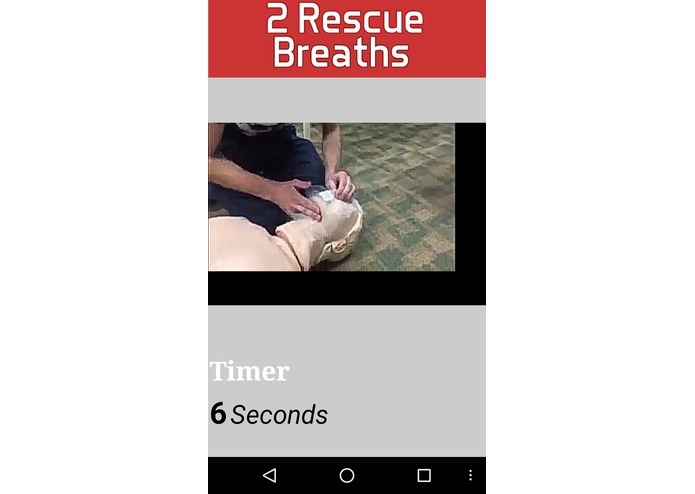
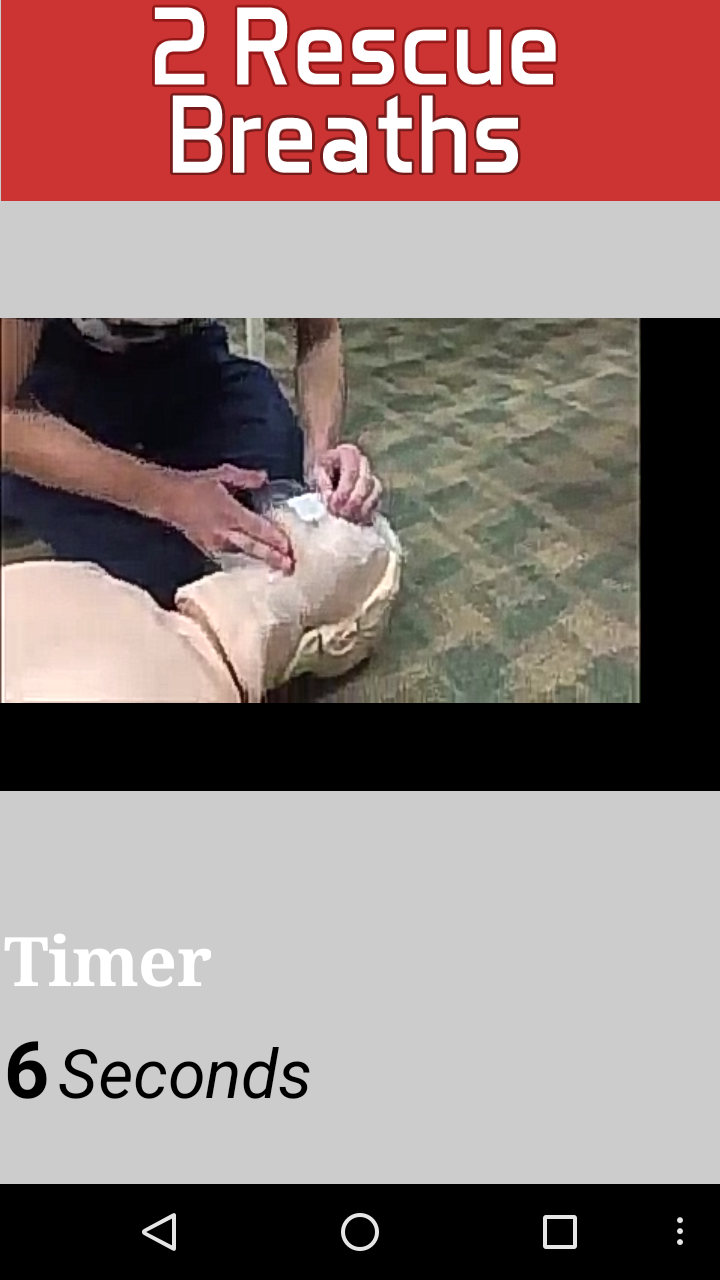
After 30 compressions, automatically moves to 2 rescue breaths
-
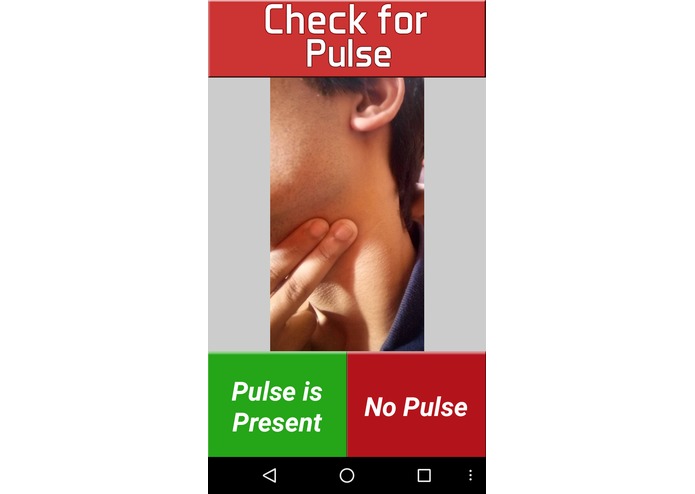
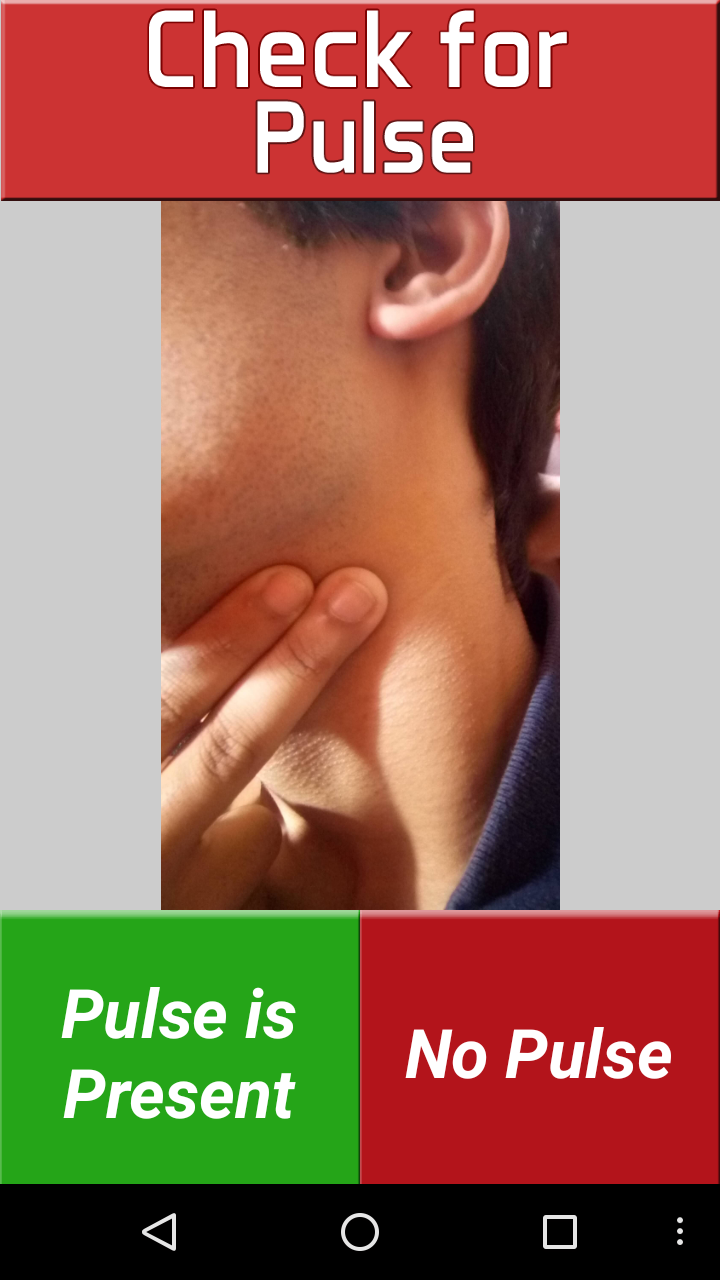
Check for Pulse
-
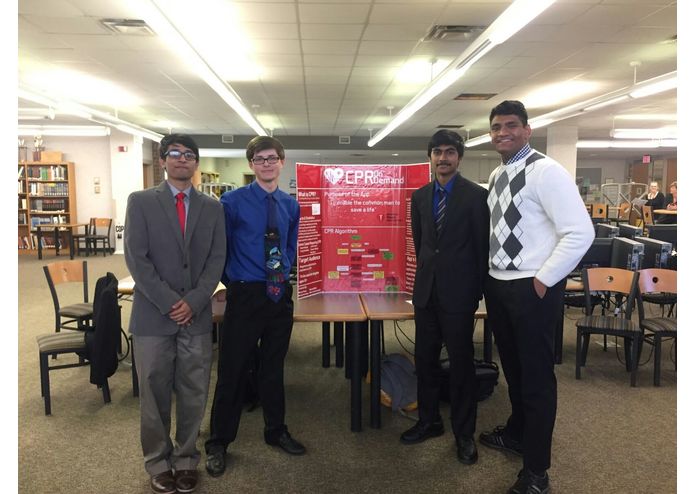
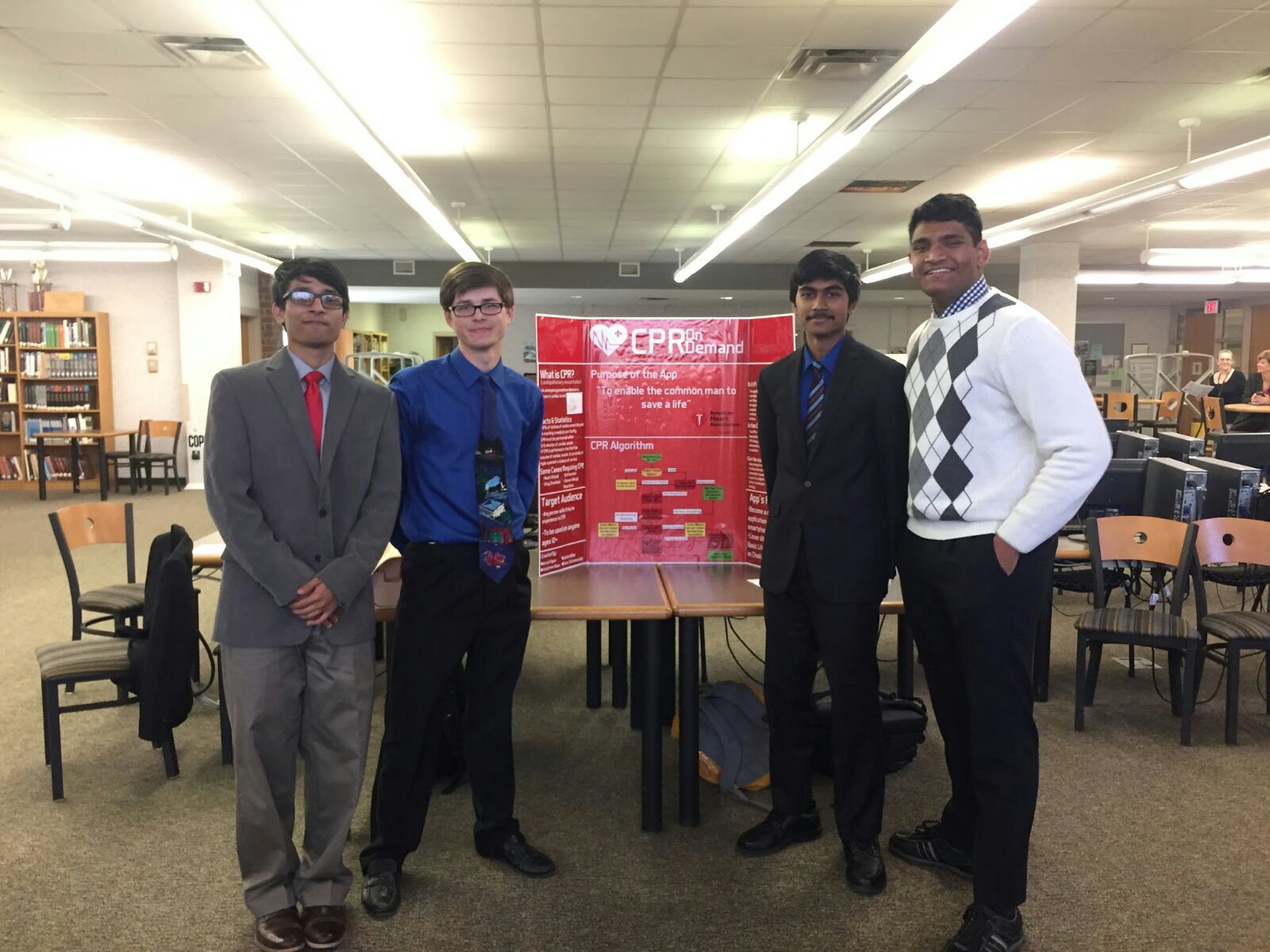
Vedatman Basu, Justin Miller, Arvind Rajan, and Guna Yarramareddy (Left to Right)

Inspiration
CPR is an emergency procedure that has the potential to save innumerable lives every year. In fact, the American Heart Association states that 90% of out-of-hospital cardiac arrests end in death, and performing high quality CPR within the first 5-6 minutes of cardiac arrest can double or even triple the odds of survival. But statistics do not tell the full story. When one our group members was 12, his grandfather collapsed as they were eating dinner. As a twelve year, old our friend felt that he had to do something but could not take any action. His grandfather was saved because a family member had fortunately been CPR certified. Unfortunately, everyone is not that fortunate. The helplessness that our group member felt was the impetus for CPRonDemand.
Our Solution
We strongly believe that it is always better to do something than it is to do nothing. Like our friend, countless Americans are faced with a family member that they know needs their help but they can do nothing. Our app is designed to ensure that we can extend Basic Life Support (BLS) to all that may need it: so, that you can always do something. Our app uses simple prompts, a helpful voice, and a straight forward Graphical UI to ensure that you are never left helpless when those in front of you are in need.
Challenges
From the beginning, we wanted our app to be medically related. We spent countless meetings juggling different ideas involving pharmaceuticals and health insurance, but we ultimately chose CPR because we recognized the immense importance of CPR in our society With regard to the CPR app itself, we faced quite a few obstacles in creating our app. None of the members of our team had much experience in programming, but through trial and error, countless YouTube videos, and guidance from our advisers, we put together our preliminary app. We then showed this initial app to our advisers, Ms. Deborah Massengill and Ms. Jennifer Ogren, to receive feedback. Using their critiques, we ultimately created CPRonDemand. We showed it to our advisers again to test it and we were excited to see them happy with the results. Our app ran smoothly through the MIT App Inventor. Our biggest problem was with the limited size of the application permitted by the App Inventor, but we adapted to this by compressing all files in our app to fit the confines. Furthering our challenges, we had to make sure our CPR algorithm followed the most up to date process of CPR passed by the American Heart Association. If even a bit our algorithm was off, our app would lose its credibility and not aid in saving a victim’s life. We made sure our algorithm fit American Heart restrictions and had the app tested by a former child respiratory nurse.
Next Steps
Our plans for CPRonDemand is to make our app a default application pre-installed onto every smart device akin to the clock app or the calendar app. This method of distribution would increase the range of the app and therefore allow us to help more people by giving them the tools they may need. The default downloading would also make sure that everyone has the app when they need it; it would be detrimental if a person didn’t have the app downloaded 24/7 because cardiac arrest and heart failures occur sometimes with no symptoms or precursors. The app must be downloaded and functional at the time of the cardiac arrest. The default application would guarantee that the app would be ready to use at any given time.
Another avenue of growth for our app is to expand the types of emergency procedures that we make available. HemleichOnDemand, CPRWithAnAED, and BabyCPR are some avenues we have explored and would like to expand on, either adding it to our current app or making more apps.
Lessons Learned
We live in a technological world. Every day the world proves that “innovation never stands still”. Given this rapid pace, learning to code and create software is essential to a prosperous career no matter what field you become involved in. However, coding is intimidating. The utility of coding is often shrouded by the acronyms and field specific jargon that leaves many hopelessly outclassed. However, the MIT App Inventor cuts through the technical lingo and complex structures, presenting coding in its most basic form: logic. By effectively simplifying coding into logic this project has enlightened us to the possible fun that can come from coding and has led us to strongly consider careers in medical technology in the future.
Created by Arvind Rajan, Vedatman Basu, Justin Miller, and Guna Yarramareddy Enloe High School Academy of Health Sciences, Raleigh, NC.

Log in or sign up for Devpost to join the conversation.