-
-
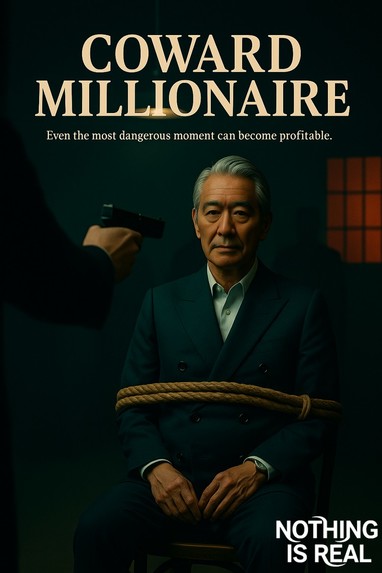
Movie Poster
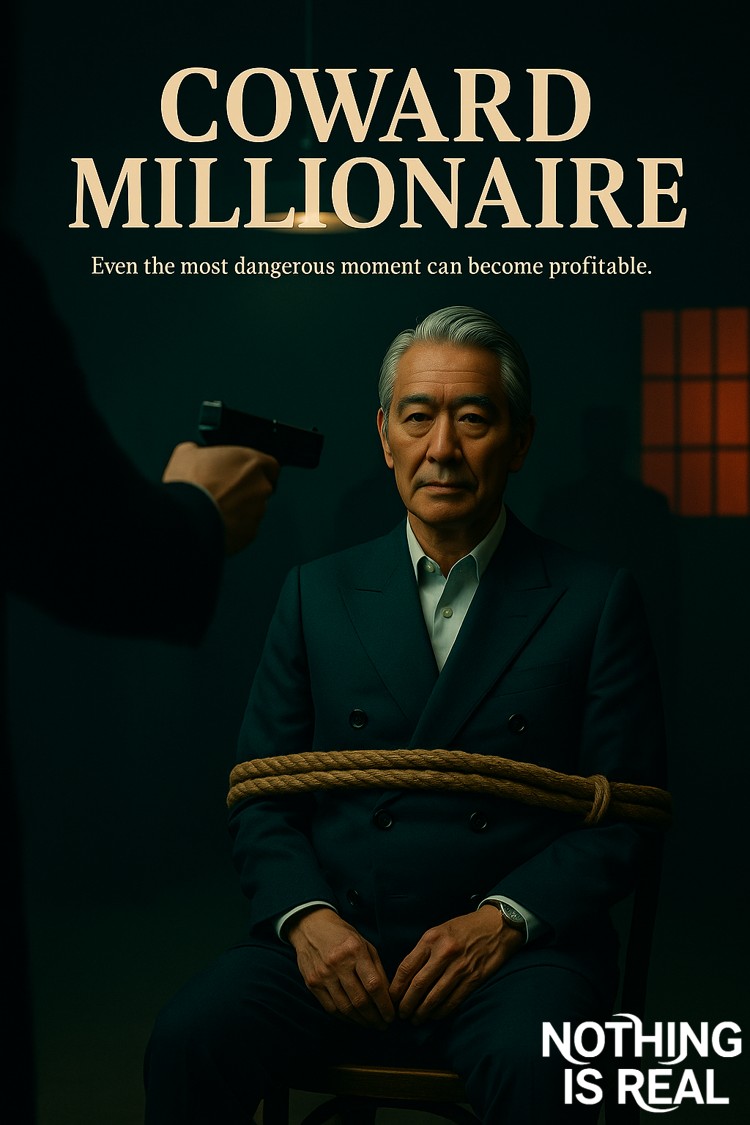
Inspiration
The inspiration for "COWARD MILLIONAIRE" emerged from my 12 years of experience in traditional film production and content development. I'd witnessed how high production costs and technical barriers prevented countless stories from being told. When AI image generation tools reached cinematic quality levels, I saw an opportunity to democratize visual storytelling. The narrative itself was inspired by psychological thrillers that explore the fragility of constructed identities. I wanted to create an homage to Hongkong new wave noir-style story about a wealthy protagonist who reveals the coward beneath the millionaire exterior. This concept became the perfect vehicle to test whether AI could capture not just beautiful images, but the psychological tension essential to thriller narratives.
What it does
"COWARD MILLIONAIRE" is a short psychological thriller film created entirely using AI image generation and editing tools. The film tells the story of a wealthy individual whose carefully constructed life unravels during an intense interrogation sequence.
The project demonstrates: -Narrative coherence: A complete story arc with beginning, middle, and end -Visual consistency: Maintaining character identity across multiple scenes -Cinematic language: Proper use of shot composition, lighting, and editing principles -Emotional depth: Conveying psychological tension through AI-generated imagery -Professional production value: Quality sufficient for international film festival submission
The film proves that AI tools can be used to create legitimate cinematic experiences when wielded by someone with deep understanding of traditional filmmaking principles.
How I built it
1)Pre-Production Screenplay Development: I wrote a traditional screenplay but adapted it specifically for AI production constraints—simplified character designs, limited locations, emphasis on close-ups and medium shots rather than complex wide shots. Visual Planning: Created a comprehensive shot list with Chat GPT for every scene.
2)Production Workflow Image Generation Process: Generated shots using Google Whisk Used various AI tools to maintain consistency Applied character reference images for continuity Iteratively refined prompts based on generation results
Character Consistency Strategy: Created detailed character description templates Used successful generations as image prompts for subsequent scenes Maintained distinctive features (hairstyle, clothing, accessories) as anchors Edit the images for consistency
Generated videos using Kling AI (Image to Video)
3)Post-Production: Applied effects like blur or step printing for dynamic sequences Integrated sound design and musical score Color grading to enhance noir aesthetic Final editing with attention to pacing and rhythm
Challenges I ran into
Character Consistency: The biggest challenge was maintaining the same character appearance across scenes. AI models generate different facial features with each prompt. I solved this by Midjourney's edit system and face swap tools like Picsi Narrative Flow: Individual AI images don't naturally form cinematic sequences. I addressed this by applying classical film editing principles, using transitional elements, and embracing a more impressionistic visual style that allowed for acceptable variation. Technical Iteration Time: Each generation cycle required time and multiple attempts. I tired various prompts for more accurate generation, and created a feedback loop to continuously refine my approach. Industry Perception: Traditional filmmakers questioned whether AI films constitute "real" cinema. I let the storytelling quality and festival recognition speak for themselves.
Accomplishments that I am proud of
Festival Recognition: The film was selected in various film awards world wide, and received three awards, validated that the project achieved professional quality and industry recognition. Technical Innovation: Successfully maintained character consistency across an entire narrative film—a significant achievement given AI's limitations in this area. Cinematic Quality: Proved that AI-generated imagery can achieve genuine cinematic aesthetics when combined with traditional filmmaking knowledge—proper composition, lighting theory, and editing rhythm. Complete Narrative: Created a film with full story arc, emotional depth, and thematic coherence, not just a series of pretty images. Workflow Development: Established a repeatable production methodology that I'm now applying to new projects Breaking Barriers: Demonstrated that someone with filmmaking vision but limited budget can create festival-quality work using AI tools.
What I learned
AI is a Tool, Not a Replacement: The technology handles visualization, but the filmmaker must provide vision, emotional truth, and narrative structure. My 12 years of traditional production experience were essential to the project. New Skills Required: AI filmmaking demands expertise in prompt engineering, iterative selection, understanding AI's capabilities and limitations, and curation over traditional direction. Consistency is Everything: In narrative filmmaking, maintaining visual continuity is paramount. This remains AI's greatest challenge and requires creative problem-solving. Classical Principles Still Apply: Shot composition, 180-degree rule, lighting theory, pacing, and editing rhythms—all traditional filmmaking fundamentals remain crucial in AI cinema. Embrace Happy Accidents: AI generates unexpected results that can be more powerful than what you originally envisioned. Flexibility and openness enhance creativity. The Director's Vision Matters More Than Ever: With infinite generative possibilities, the ability to select, curate, and shape material becomes the core creative skill.
What's next for Coward Millionaire
Festival Circuit: Continue strategic submissions across international film festivals to maximize exposure and gather feedback from diverse audiences and industry professionals. Distribution Exploration: Investigate potential distribution channels for AI-generated films, including streaming platforms, online festivals, and emerging AI cinema venues. Case Study Development: Document the complete production process as a resource for other filmmakers exploring AI tools—technical workflows, prompt strategies, and lessons learned. Technology Evolution: As AI tools improve (especially in character consistency and motion generation), explore creating an enhanced version or extended cut with updated capabilities. Applied Learning: Most importantly, apply all lessons learned to my current projects in development
Built With
- chatgpt
- claude
- elevenlabs
- kling
- midjourney
- udio
- veo
- whisk
