-
-
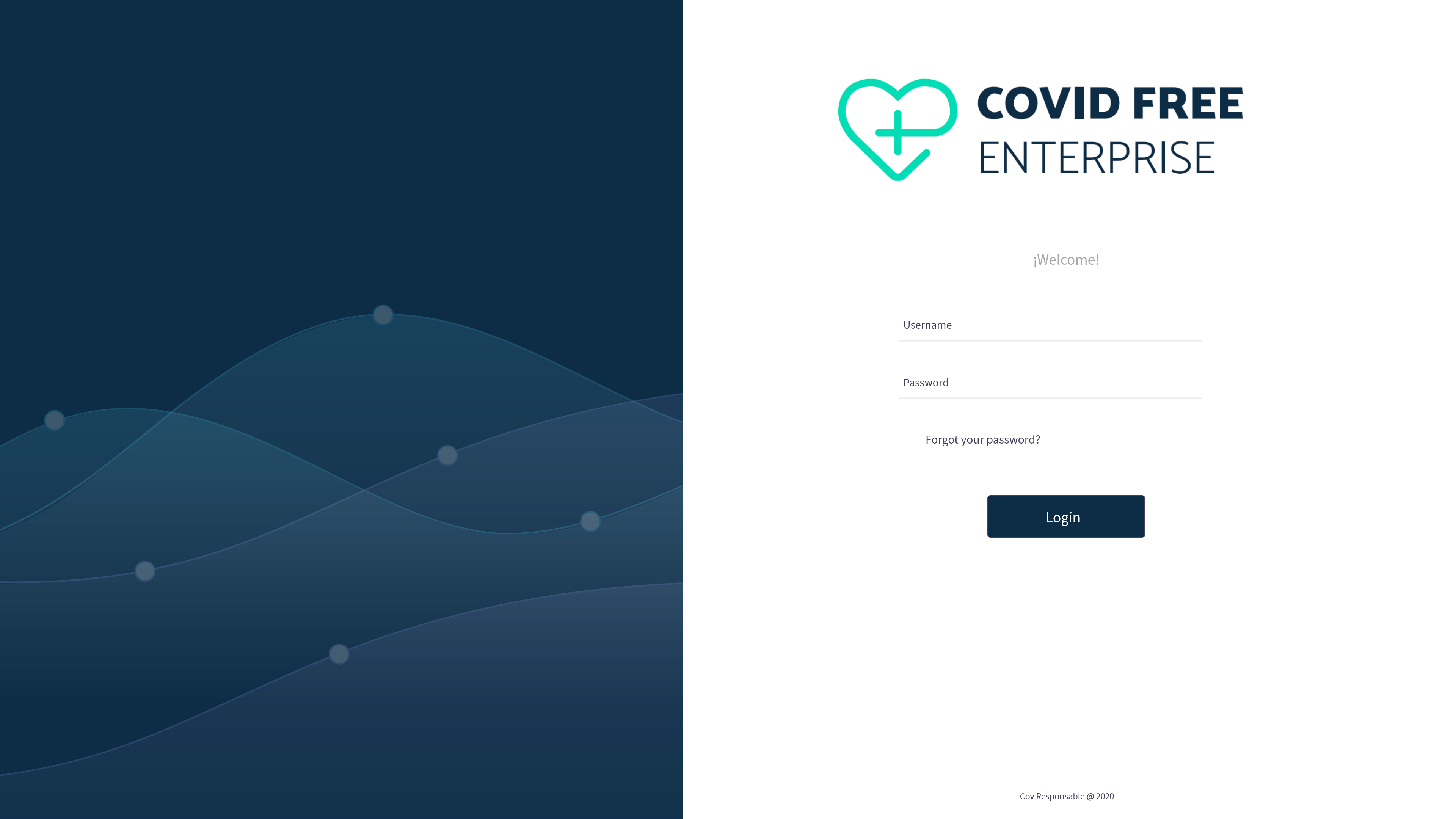
Web - Login
-
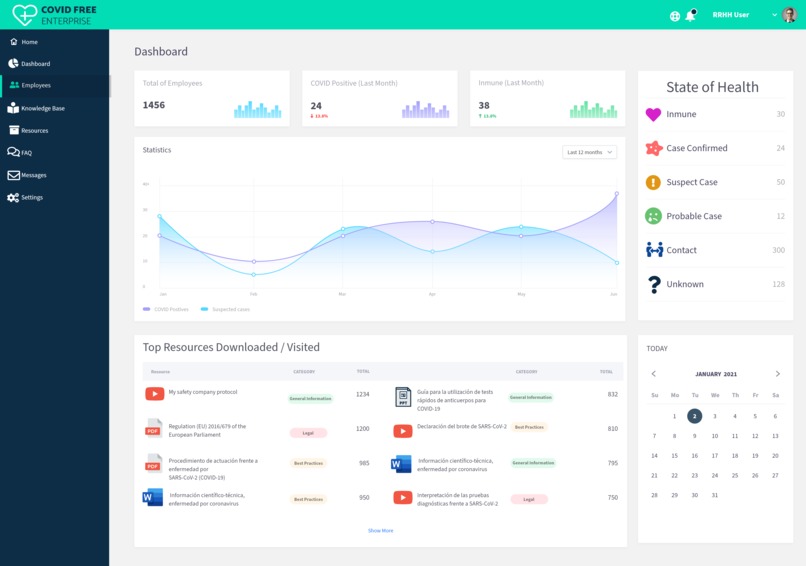
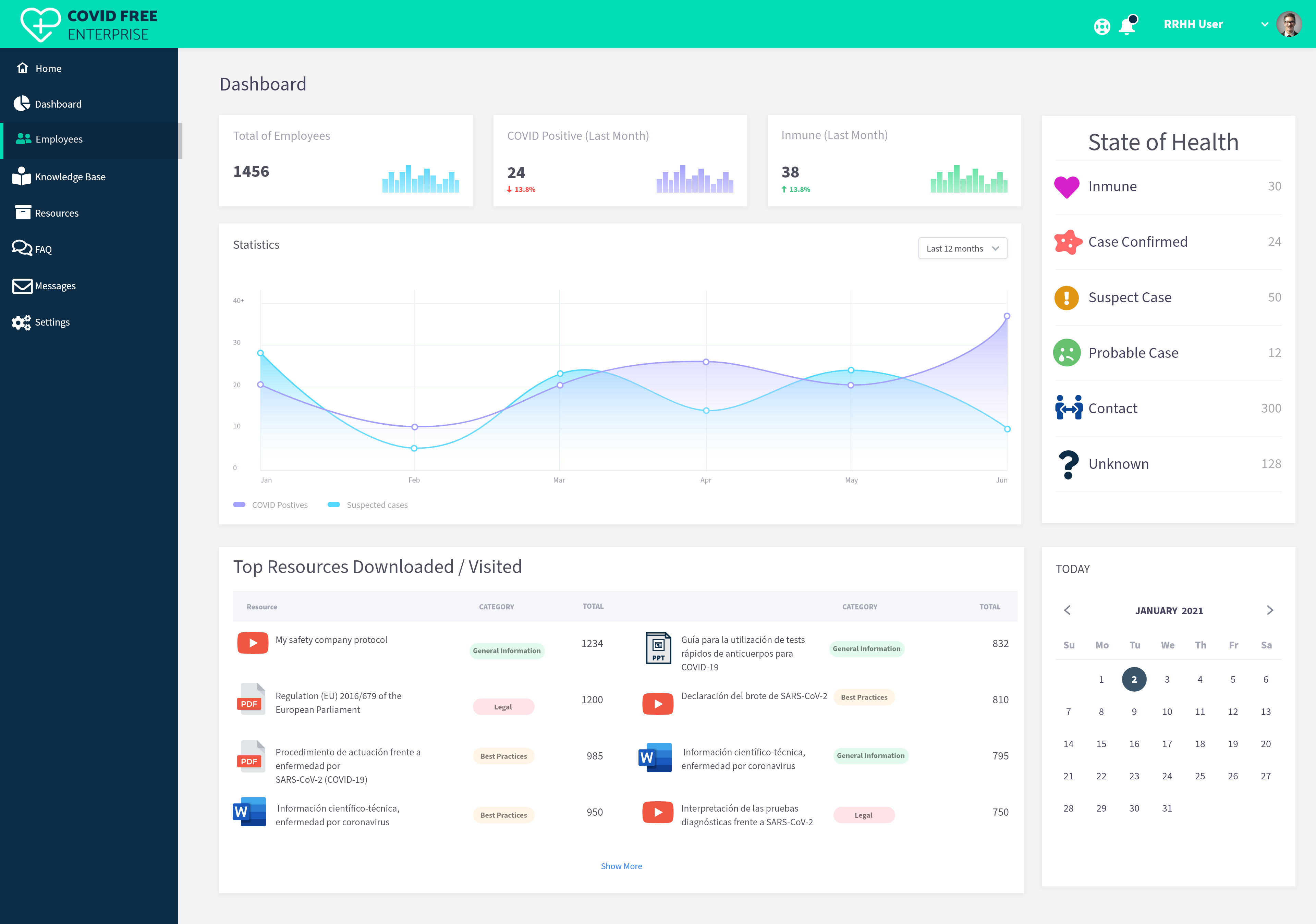
Web - Dashboard
-
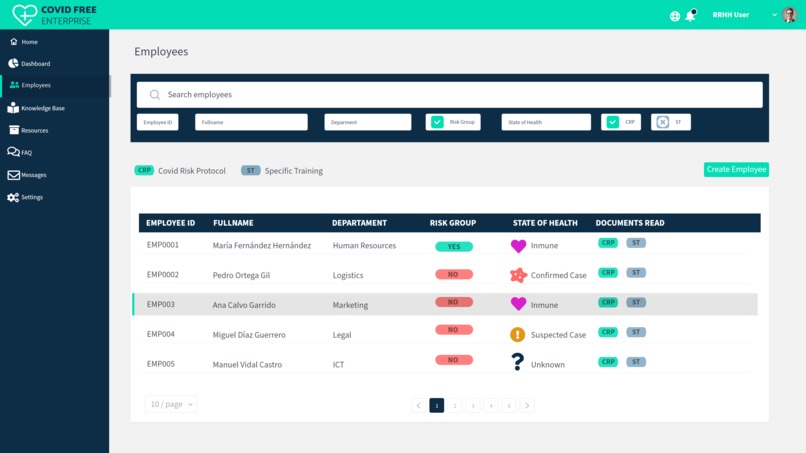
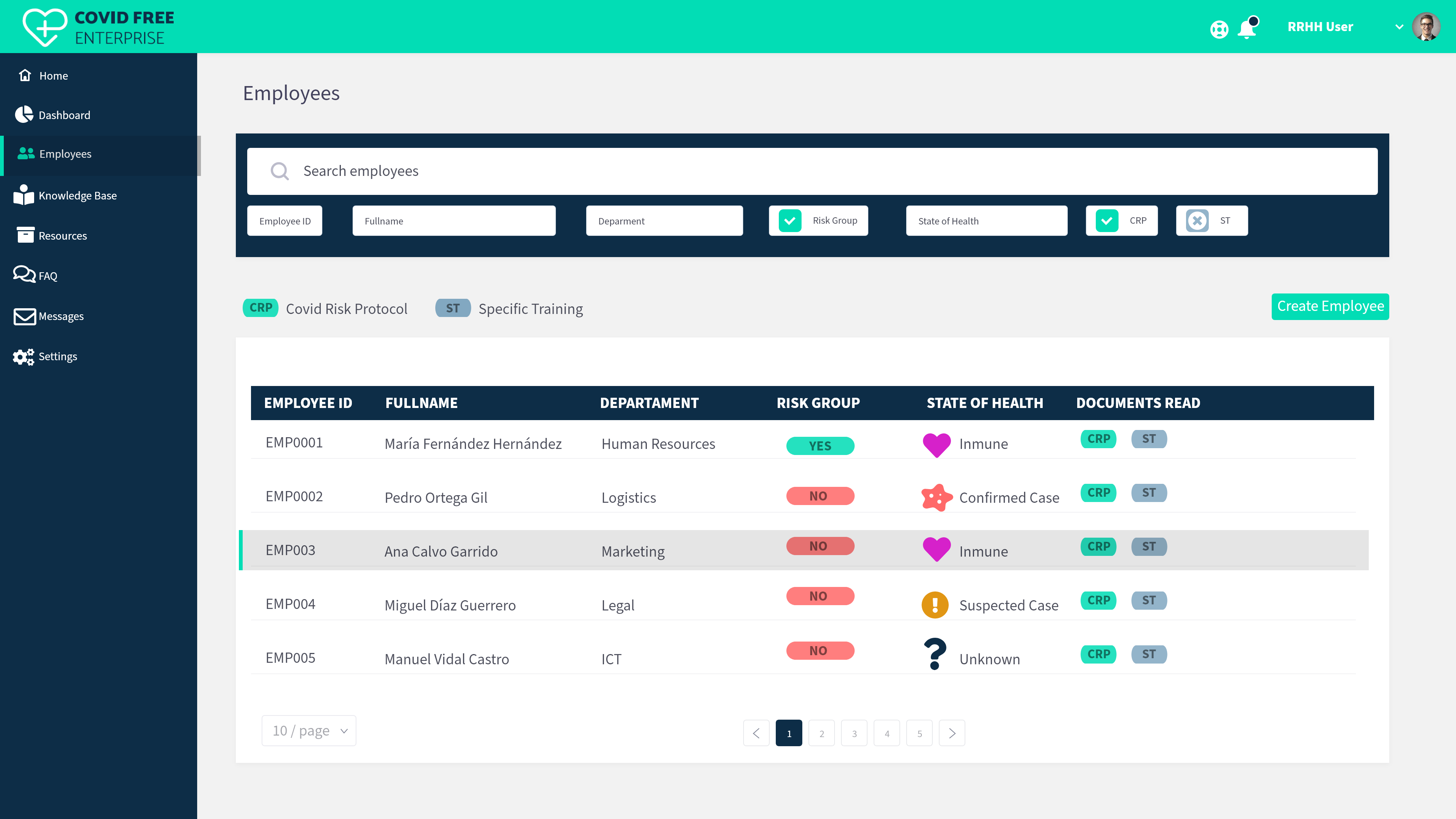
Web - Employee List
-
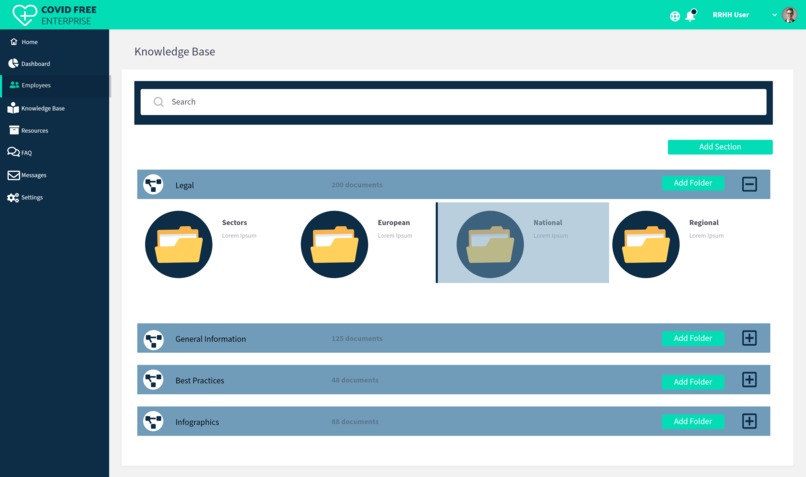
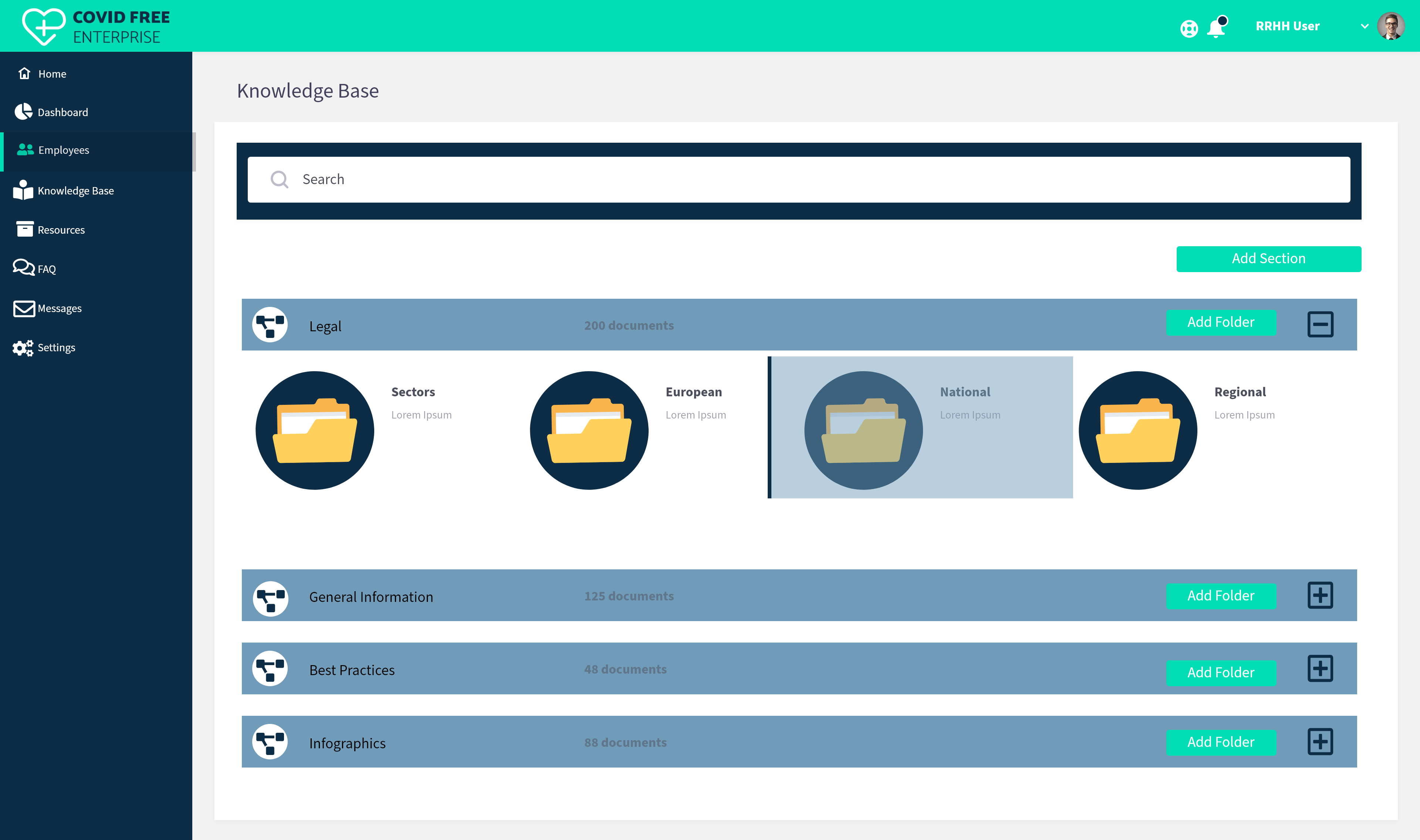
Web - Knowledge Base
-
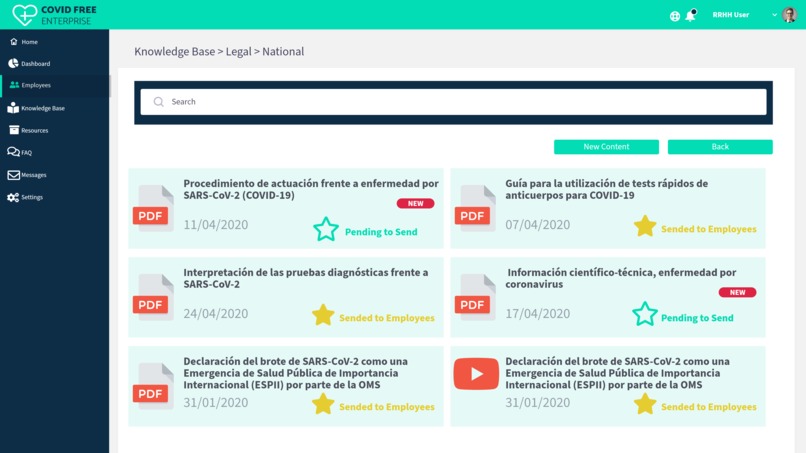
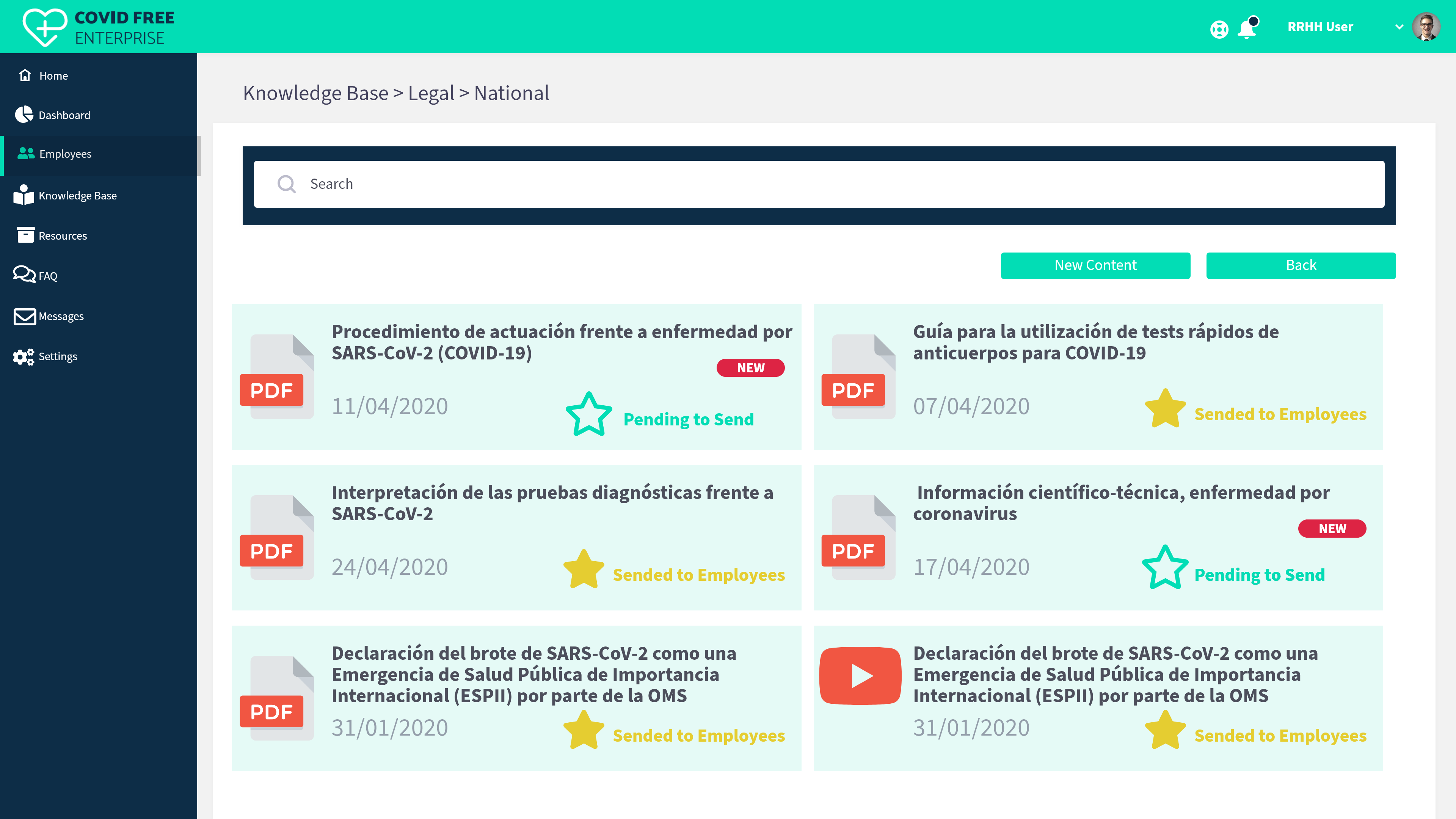
Web - Knowledge Base Detail
-
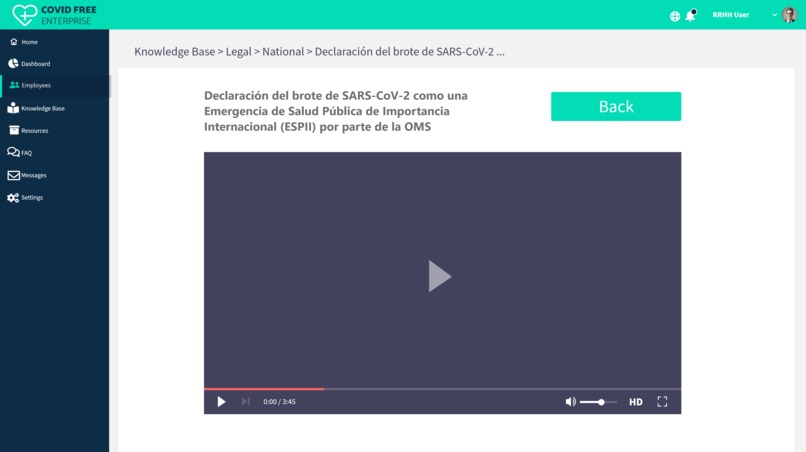
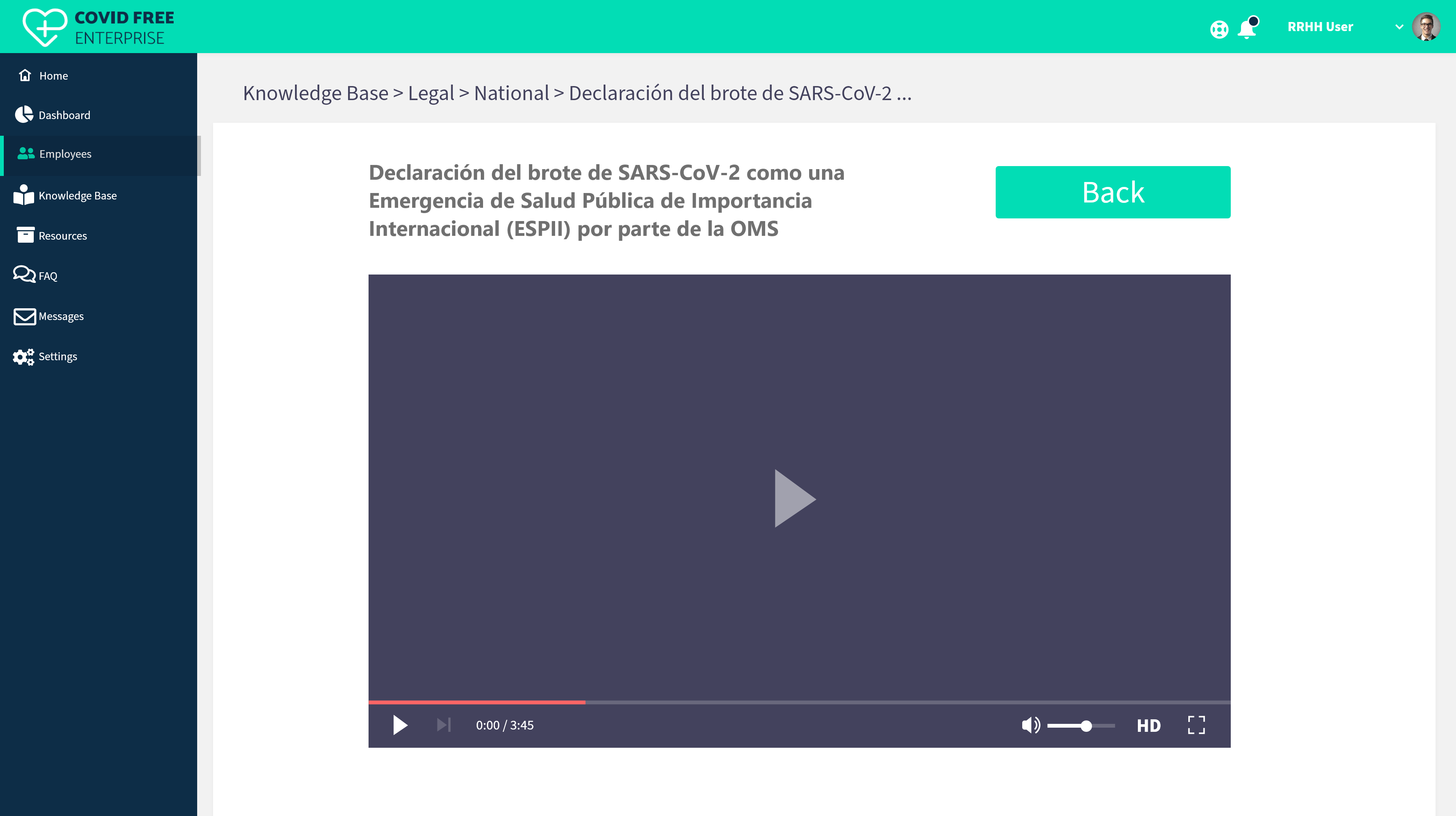
Web - Knowledge Base video detail
-
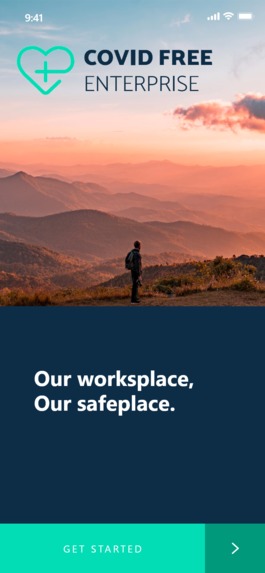
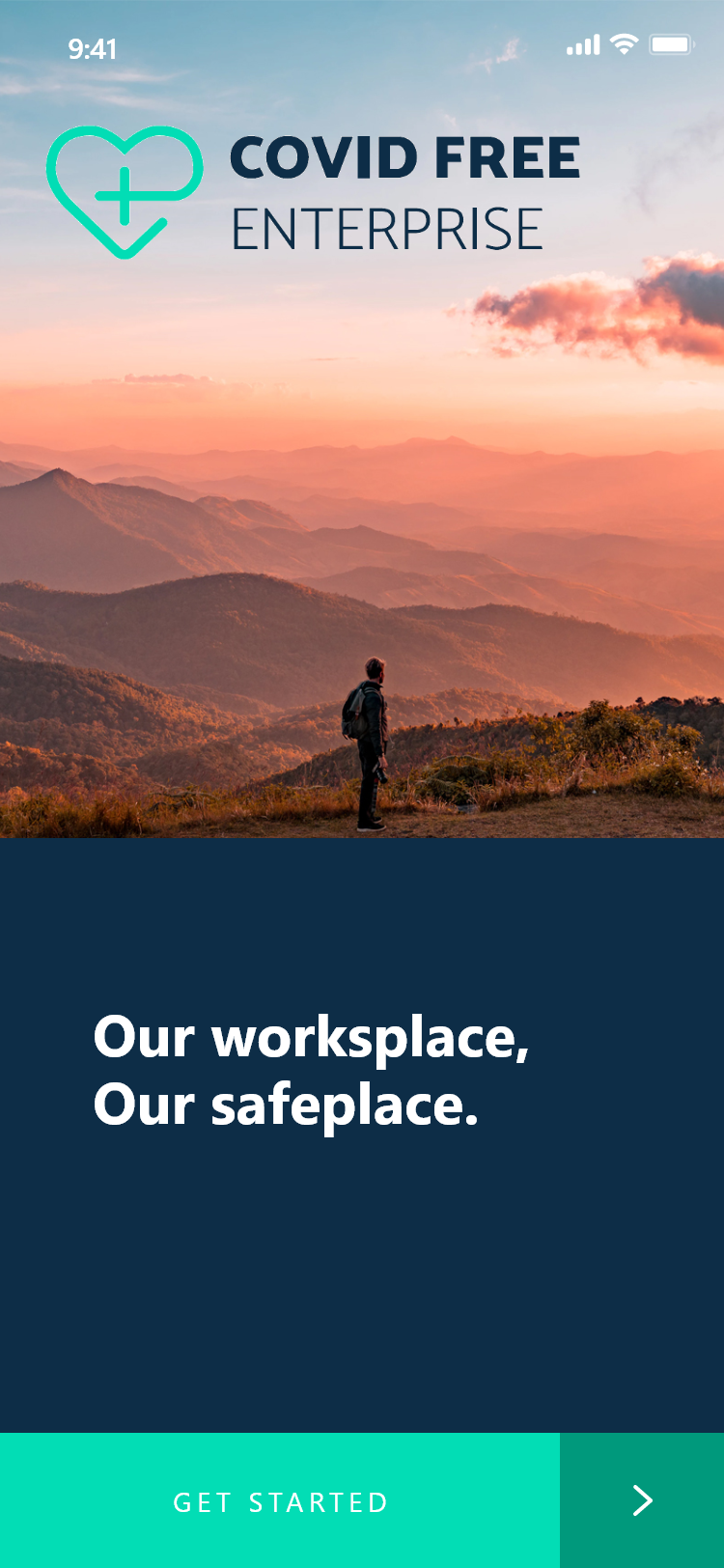
Mobile - Get Started
-
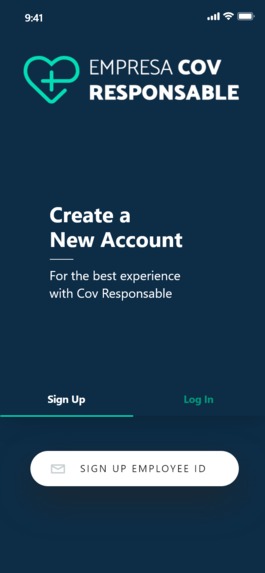
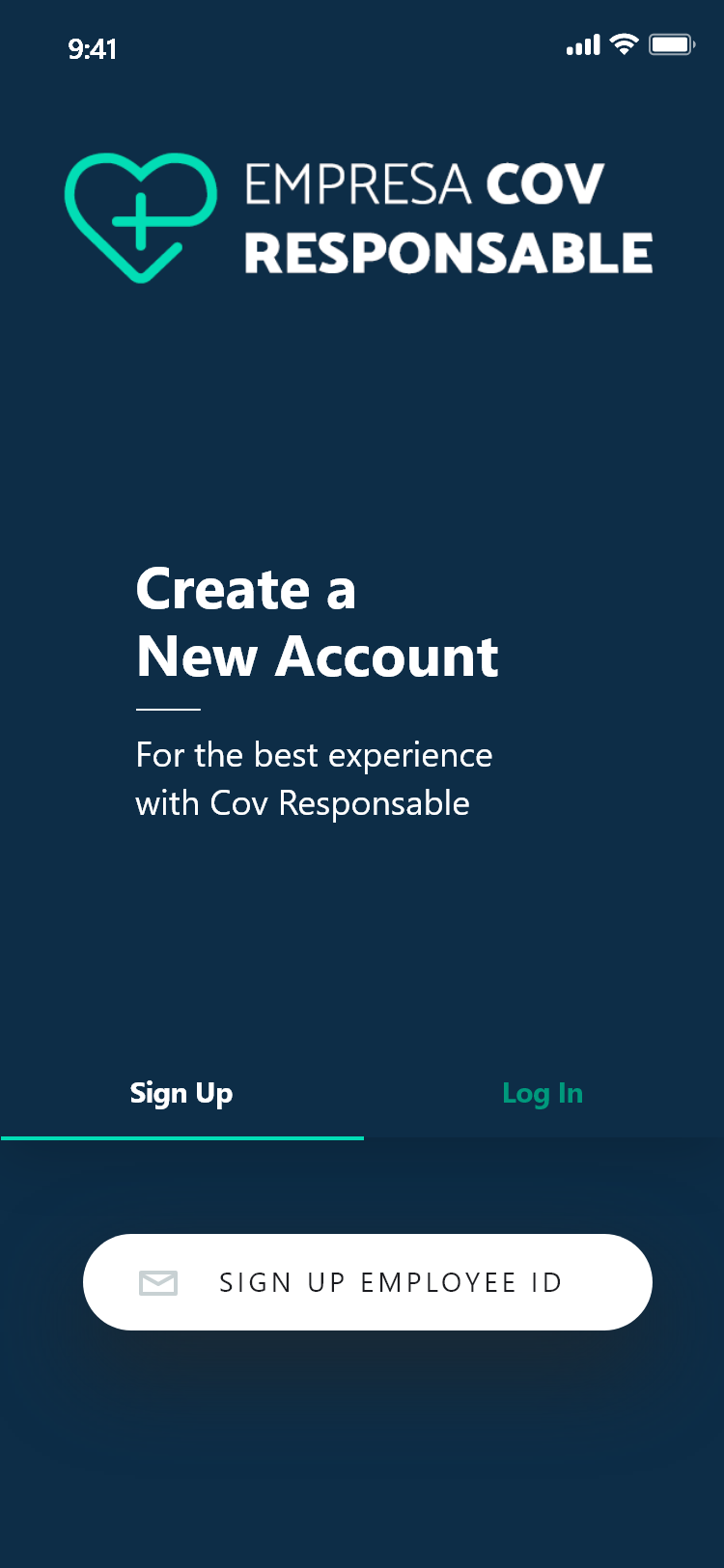
Mobile - Login
-
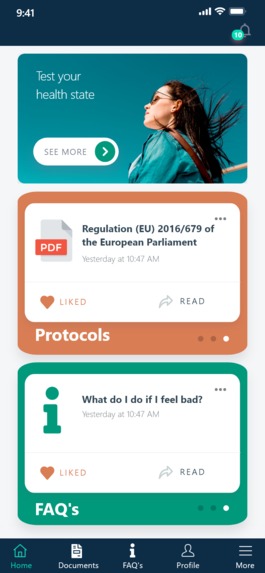
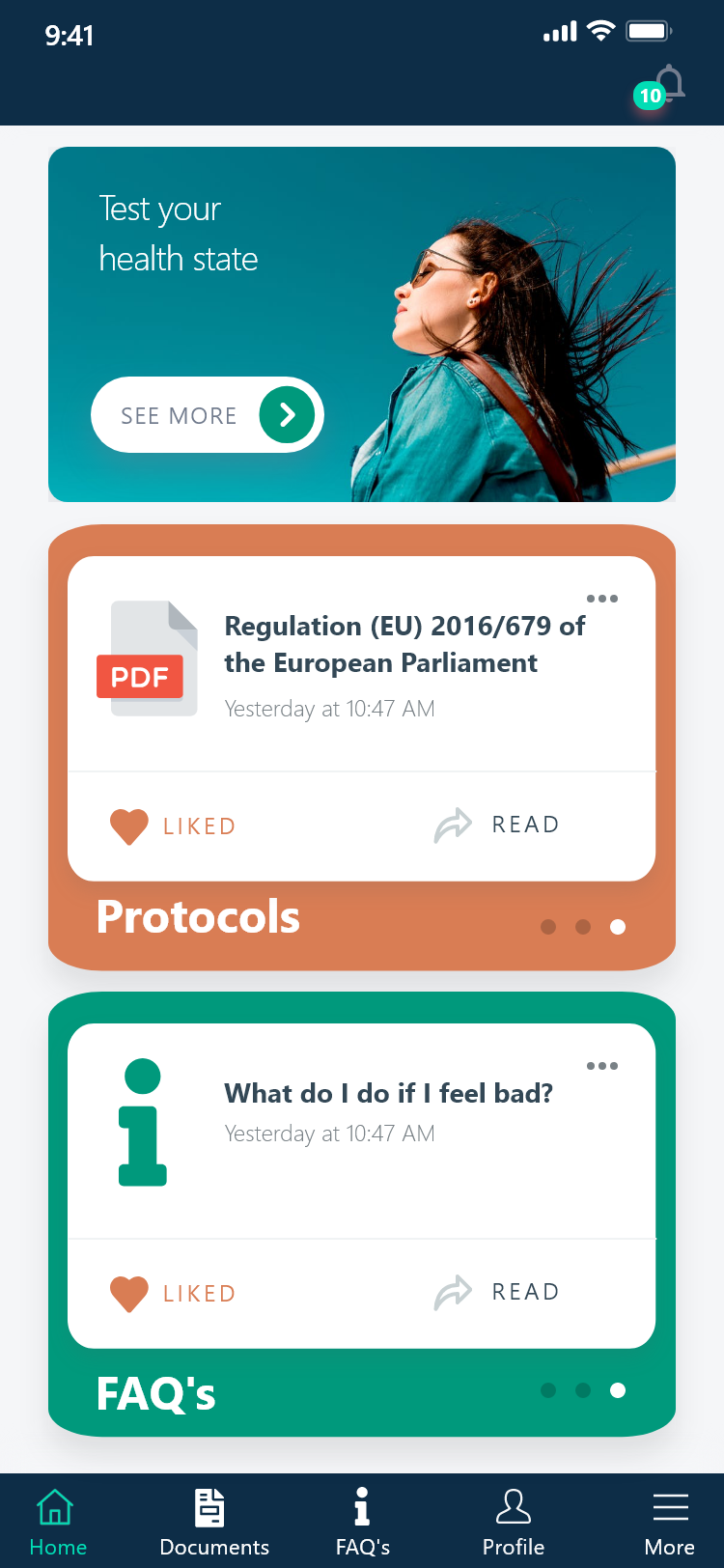
Mobile - Home
-
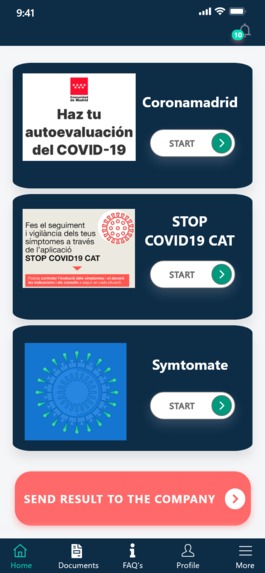
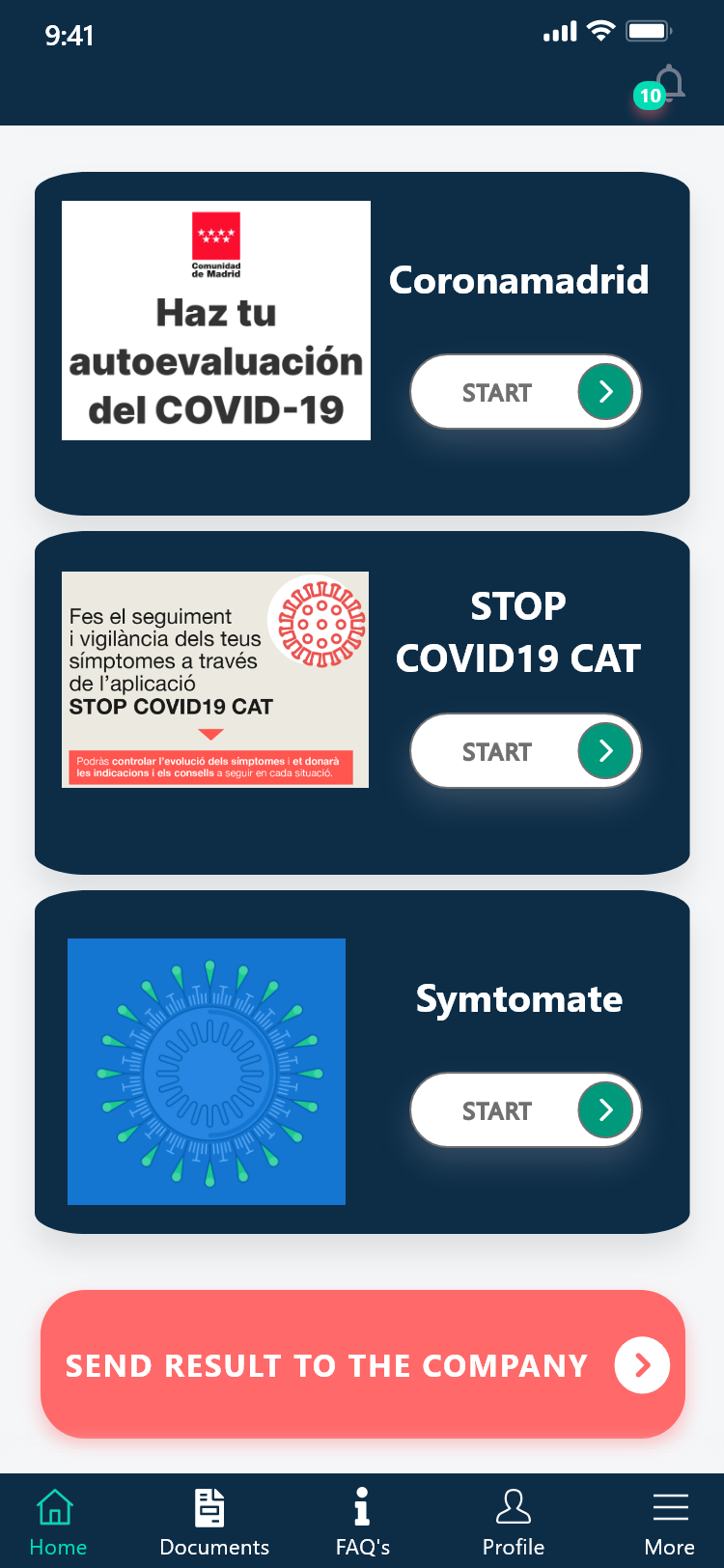
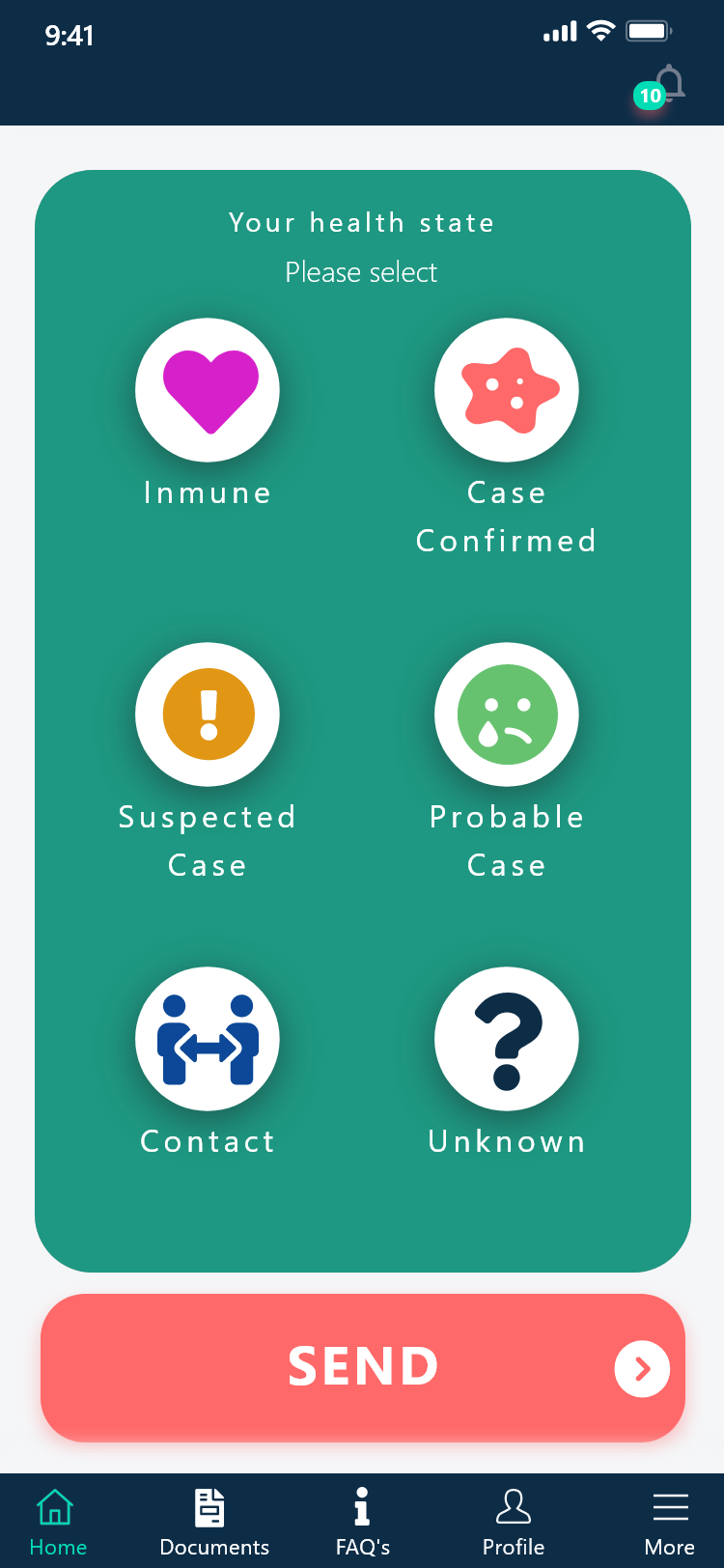
Mobile - Test your health state
-
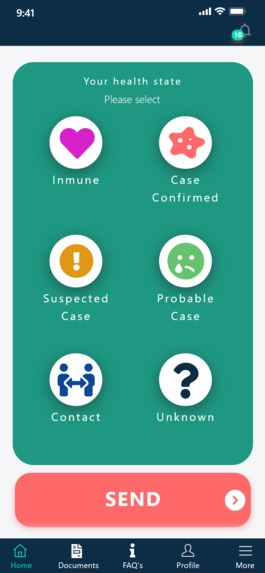
Mobile - Send yout new health state
-
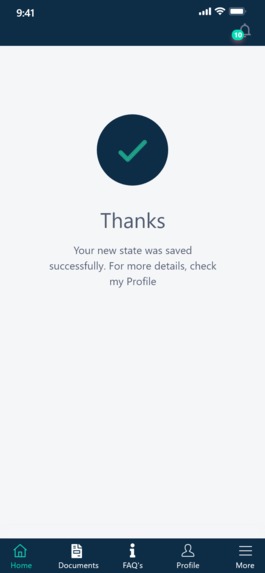
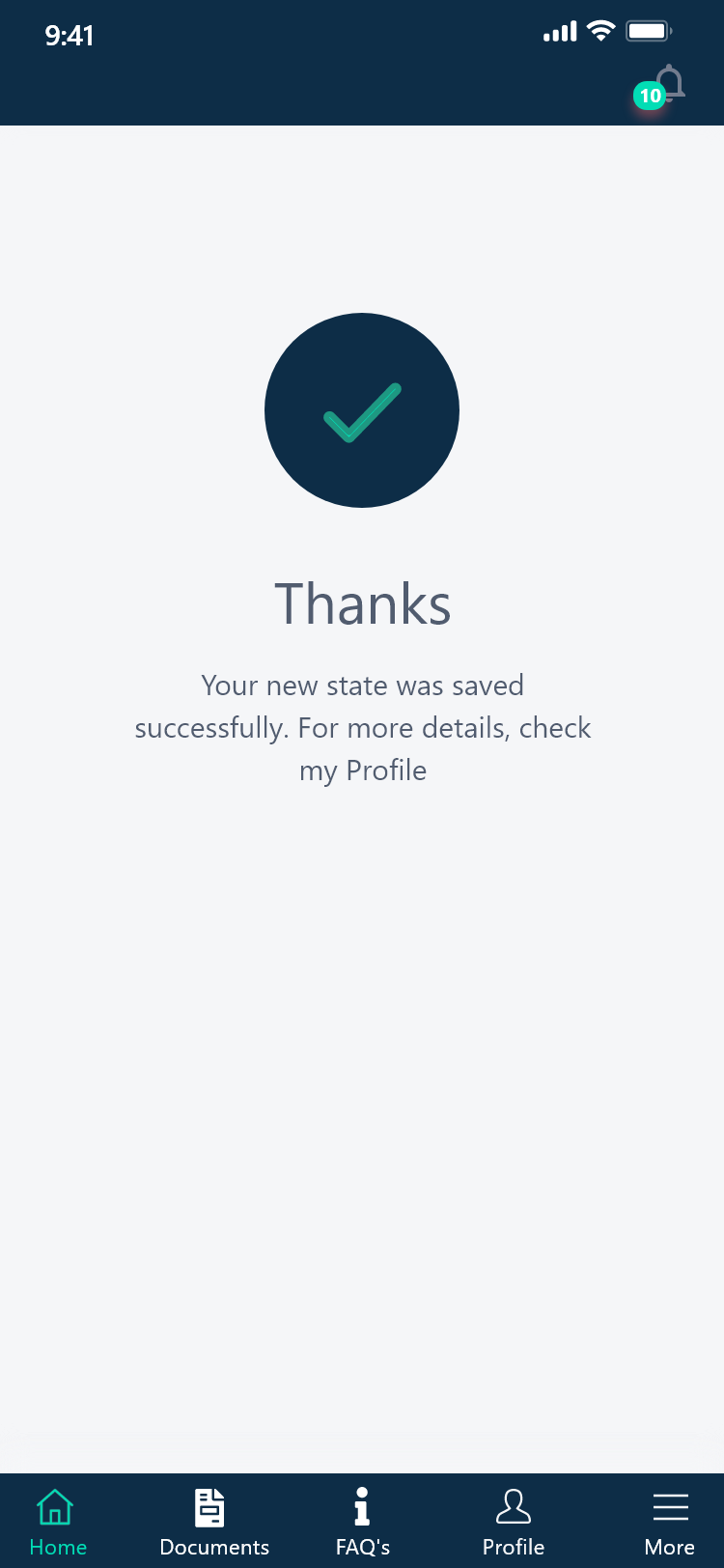
Mobile - Thanks, your new state is saved
-
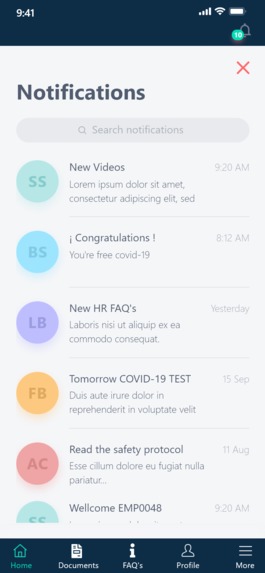
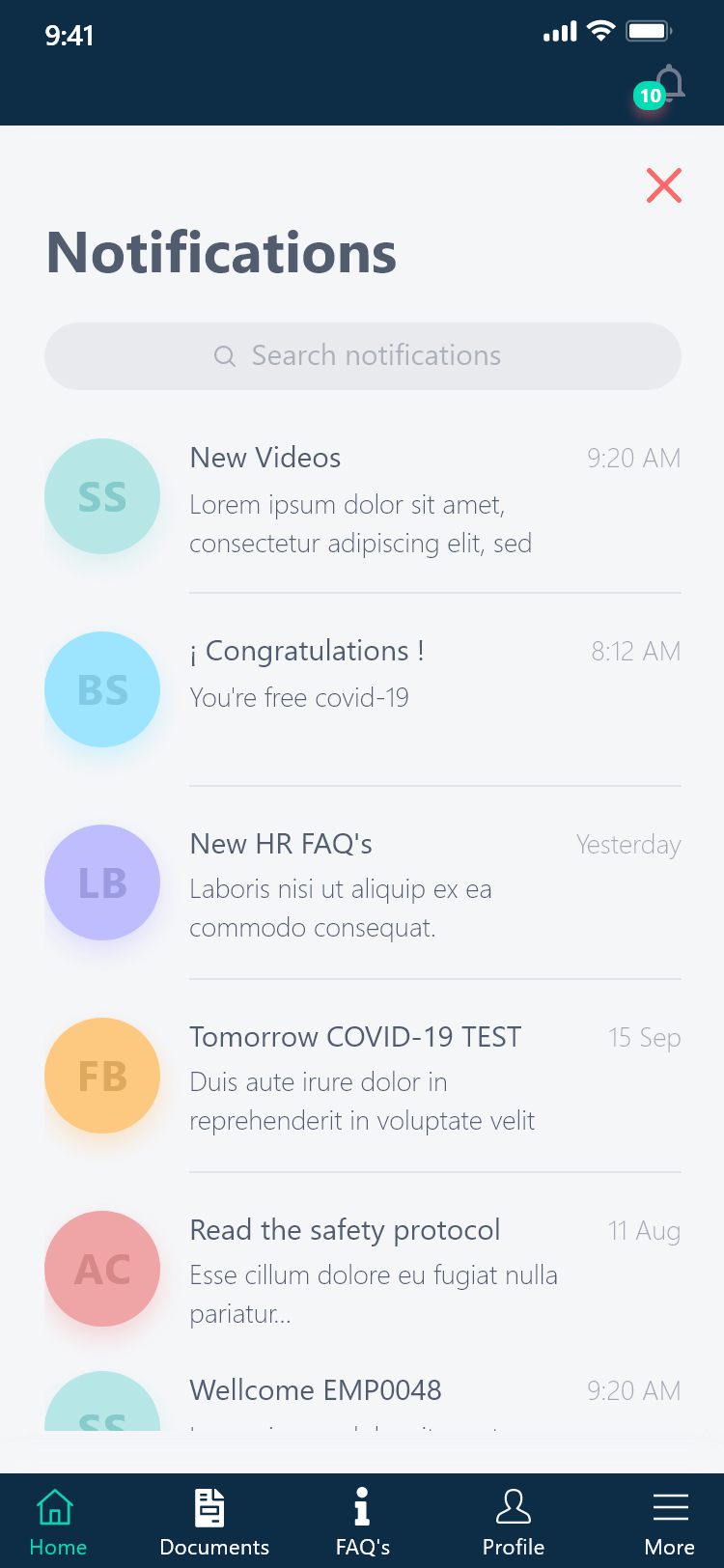
Mobile - Messages
-
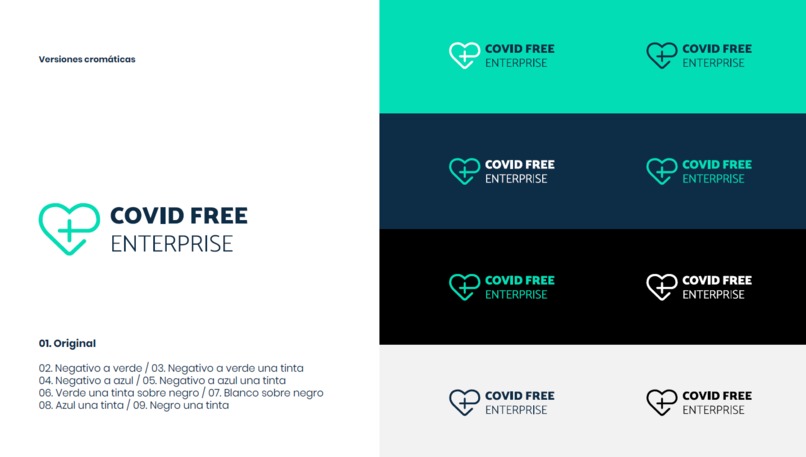
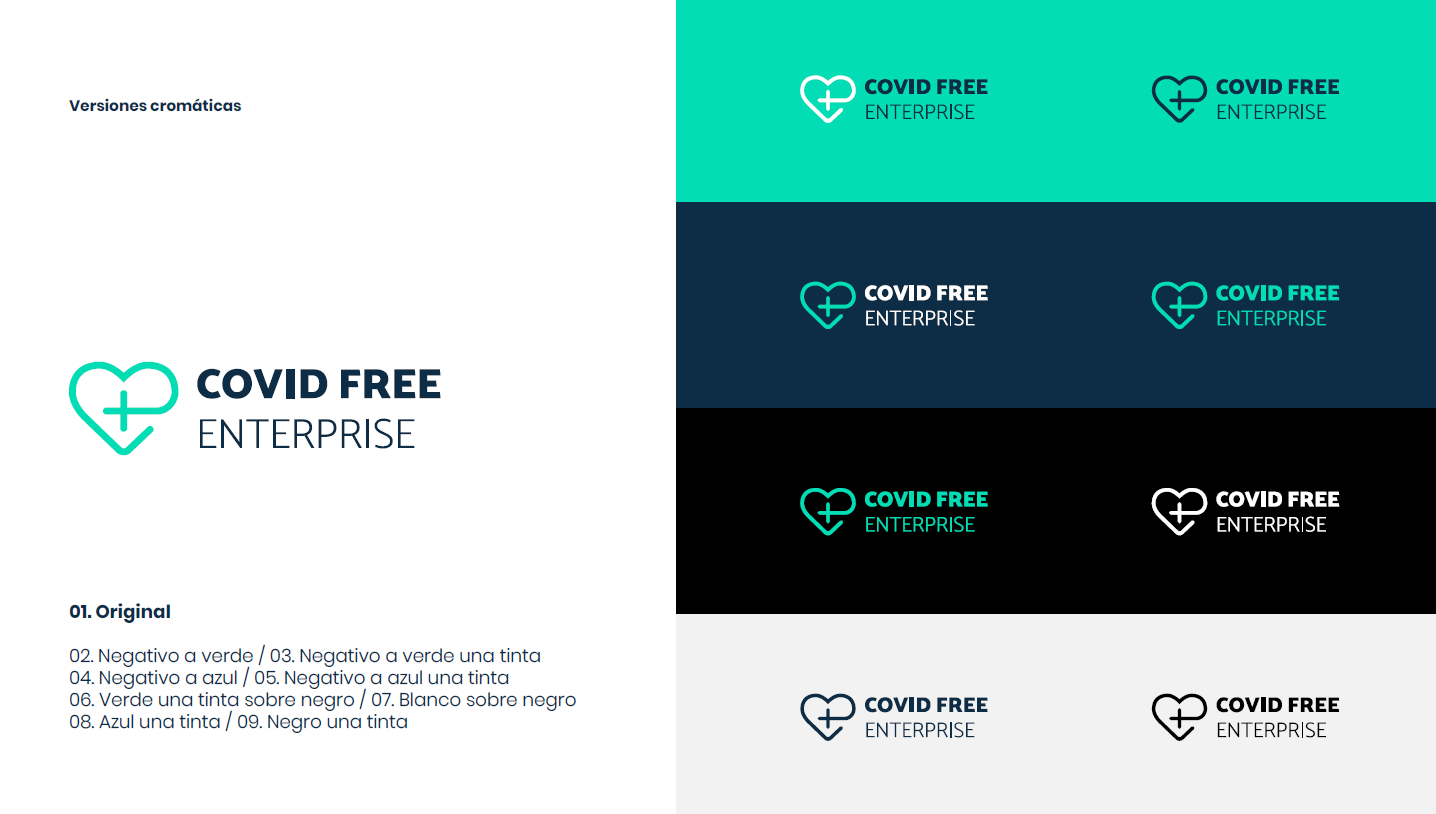
Guide Style
Inspiration
3 weeks ago, a friend living in the US shared with Jorge Gonzalez a presentation of a Chinese provider of his. That document detailed the safety measures they were putting in place to protect their employees and customers. That presentation generated trust that it was safe to do business with them, and it was also an excellent marketing tool.
When Jorge saw the Chinese presentation it was a true ´eureka´ moment! Forget about doing things in coordination with health authorities, they are super busy dealing with the emergency, better focus on what is going to come next (the relief of the lock-out) and what to do to avoid the rebound while supporting the economy.
This defined the challenge: avoid and manage COVID infection in a laboral context.
So Jorge started to recruit the complementary skills to create a powerful solver team. The first people were his colleagues at the legal department from the local university. If the solution was not ´legal-by-design´ it will fail sooner and later. He then recruited experts in Prevention of Labour Risks, in IT development, in Healthcare and in Communication. A local public authority (Fundación Integra) will host the digital solution, to generate confiance in the end users over the custody of the data.
Together we have been working in defining the concept of the Minimum Viable Product, basically scaling down initial functionality (geolocalization, tracking of employees) and going beyond the legal requirements to truly generate trust on our expected end users in order to promote massive take up.
Our project has the following objectives:
- Share state-of-the-art content and information (e.g. legislation), resources (protocols) and best practices to help companies to create their own COVID security plans.
- Deliver digital tools to share the security plan and exchange relevant information with the staff.
- Launch an attractive communication campaign to explain the solution and maximize its acceptance. We follow an employee empowerment approach.
We target companies or any organization with staff. Labour legislation favours measures to prevent infections among the personnel (that are easier to enforce than with general citizens for example). Our primary focus are Small and Medium Enterprises -more numerous but with less resources than the big ones- to support a quicker economic recovery across Europe.
We did a survey to validate our hypothesis (see https://ec.europa.eu/eusurvey/runner/COVIDEMPRESA in Spanish) and review the answers coming from 8 SMEs from different sizes and sectors. As an example, to the question ´how likely it is that your company adapts the solution from 1(impossible)-5 (very likely)´ the average score was 4. We also realized that the companies were very sensitive to data protection and privacy (we removed the compulsory sharing of name and email after comments from their side). That encouraged us regarding our initial approach of legal by design.
What it does
Partners cooperate to build a solution based on these pillars:
Pillar 1.- Provision of templates for companies to create their own COVID security plans based on best practices and lessons learnt. The generic protocols will be adapted to concrete industries (industry, construction, hospitality) or roles in companies (eg. production, clerk work). An editable proposal of FAQ explaining the plan for easy understanding by the staff will be also made available. Besides, legal and regulatory documentation relevant for Human Resources (HR) and/or Labour Prevention Services (LPS) are compiled and continuously updated, together with training resources and infographics after validation by experts.
Pillar 2.- Make accessible digital tools to help companies to quickly and effectively share and monitor their safety plan.
- Tool 1: On-line panel for the HR/LPS to register, access the resources of Pillar 1 and adapt them to their specific needs. It also helps to monitor the voluntary reporting of employees about their covid-state. It allows them to send corporate messages to their staff.
- Tool 2: An app for the workers to easily access the company safety plan, FAQ and training resources; voluntarily report its health status, and receive updates.
Pillar 3.- Set up a communication campaign to explain the solution, and maximize voluntary take up at Spanish first and then at EU level.
We will not follow a control-based approach, but an employee empowerment one. The objective of the latter is to increase the employee's trust in the solution, and therefore in its compliance with the corporate COVID safety plan. It should lead to a greater degree of employee commitment to organizational goals since employees can take some degree of ownership in the decisions made toward goal achievement. It is expected that individual and overall company productivity increases as a result.
A project corporate identity will be created that is fit for purpose for this approach; and that it is easy to adapt to any European country. The ultimate goal is that the project becomes a ´brand´ so that companies can add the initiative logo in their web sites, shopping windows, etc to generate trust in their customers and multiply the visibility of the brand. We will support companies in their communication campaigns to their customers by providing them templates that can be customized to be shared with the market about their efforts to establish COVID safety plans to generate trust in their business operations.
IMPACT
Our expected impact is to reduce infections in the workplace; while helping companies to resume business as soon as possible. In particular because:
- There are less infections in the companies that implement COVID safety plans guided by our solution. The workers´ relatives and customers also infect less.
- Reduction of anxiety in staff because they know how to proceed in case of infection, and that the company is putting in place best-of-breed practices.
- Customers feel more safe to interact with these companies, and less reluctant to resume business transactions with them. In fact, well communicated to customers, it can become a competitive advantage over non-EU companies that do not implement state of the art covid protocols.
- If the number of infectious workers decreases, overall productivity increases. That companies quickly resume activity should mitigate the economic downturn.
- The provided information will help companies to better comply with regulations, avoiding them from being penalized if they are inspected.
- As an indirect benefit it helps to free resources from the healthcare system, to be devoted to other population at risk (eg. the elderly).
As a reference, in 2017 (latest data we have had access) the EU's business economy was made up of almost 27.5 million active enterprises, with more than 150 million persons employed (73.1% of the active population in the EU-28). That year, almost 4 million jobs were created from 2.7 million newly born enterprises in the EU. [statistical sources: https://ec.europa.eu/eurostat/home]
The KPIs we will use to track the success are:
- N. of companies that register in the panel.
- N. of companies that access the panel at least 2 times per week.
- N. of EU countries with companies that register in the panel
- N. of employees that register in the app.
- N. of employees that access the app at least 1 time per week.
- N. of employees that report their covid status per week
- N. of companies that access the panel at least 2 times per week.
- Comparison of infection rates with a control group not using our solution, in collaboration with a Prevention of Occupational Hazards organization.
- We will study overall deviation in the rate of infection, and segmented by type and size of companies.
How I built it
Agile methodologies are being used for the management of the project, in particular SCRUM. This methodology is not only used in technical development but also in the work of the whole team, to deliver in short deadlines and provide quick feedback in legal, communication and project management.
The technologies used in the IT development are:
During prototyping, we used Adobe-XD
During the technological development:
- Mongo-DB as a non-relational database manager, which makes it much easier for us to manage unstructured information, as may be the case here given the use of document-type resources.
- Spring-Boot as the base technology for the development of the Back-End of the panel
- Angular v.8, as a development framework for the Front-End of the panel.
- Ionic is the SDK that is used for the agile development of the App.
Challenges I ran into
The main challenges we have come across do not come from the technological side. Actually, the proposed first version of the solution may look ´simple´ in terms of functionality. This is not due to the lack of imagination of the promoters, but rather to the de-escalation process we have followed to be fully trust-worthy both by companies and their personnel.
Therefore, though the labor legislation enables reporting measures that are stricter for employers than for regular citizens, we have strictly followed ´ethical and legal by design principles´ to maximize the involvement of the employee, and with the objective of building a solid relationship of trust. To this end, it has been considered essential to go beyond mere compliance with the law, especially regarding the fundamental right to the protection of personal data.
In fact, in the strategy to combat COVID-19 in Europe, a broad social debate has arisen in relation to the threats to privacy, above all due using data regarding tracking and geopositioning. Although most solutions are trying to offer services with more ambitious objectives, we have adopted an innovative business approach and decided to strengthen the value of trust. As a result, not only have we rejected more popular options based on intensive data exploitation, but also privacy by design requirements have been reinforced with choices inspired by the minimisation of data used and pseudonymisation in access and management.
Another challenge, at least in the current context, is that there is an overload of changing information from a plurality of sources, especially from public entities. Therefore it is essential to be updated almost on a daily basis with regard to work conditions. By centralizing this effort by our experts and rapidly sharing with the companies using our solution, we can contribute that the latest information reaches all that need to know it, together with recommendations and advice from trusted sources.
Accomplishments that I'm proud of
We have managed to bring together different backgrounds and cultures (IT, risk prevention, legal, design, communication, project management) to effectively and efficiently work together in spite of not knowing each other.
In particular during the hackathon, the involvement of partners has been outstanding and we have even managed to have a great time, laughs included.
Even if we do not win, we have all learnt a lot and never forget the experience.
All these in a record time!
What I learned
The diverse team composition has enabled us to adopt a wider approach in the application design, and thus face the challenge of how to improve the prevention of occupational and health labour risks in the context of the COVID-19 by integrating protocols based on trust and strict regulatory compliance. Having legal experts on board from the very beginning has inspired the main choices in terms of the design and development of the tool (legal by design). This has helped us to save time by not developing functionalities that could have not been feasible in the long run.
We could condense this idea by saying: less is more. That is, as it has been necessary to give up more technologically complex functionalities based on geo-positioning and tracking of workers. We decided to focus on greater confidence both on their side and on the company's one. Consequently, it was agreed not to incorporate additional functions such as the communication of medical data to health services nor to offer complementary alternatives to those already being promoted by the Public Administrations.
We learned the importance of a multidisciplinary team looking for an easy to use technological solution, able to solve the complexity of a new paradigm in the working relations, for any country in Europe. This solution can also be tailored for every occupation, company, business area and country.
This increases our overall potential impact because the number of companies adopting our solution is then almost universal.
What's next for CovidFreeEnterprises
The aim is to openly launch the first public version of the solution within 3 weeks. During these weeks, we will engage with the market, generating leads and agreements. We start in our national market -Spain-, and when enough commercial traction is generated we will internationalize into other (EU) countries.
Next week (29th of April) we are organizing 3 end user interviews to validate the prototype, and focus group with 7+ end users to do the refinement of the functionality and front end design. In the following week, we will release for a reduced number of beta-testers to provide feedback for last ajustments before the open release.
Our concrete next commercialization steps are:
- We are currently negotiating with the regional public administration for getting economic support (from ERDF and CRII+ funding ). If this funding is obtained, we will make available the first version free of charge till the end of 2020.
In parallel, we will validate different commercial options by exploring:
- Agreements with POH Companies- Prevention of Occupational Hazards (POH) companies get contracted to support the management of occupational risks by companies of all sizes. We will negotiate agreements to distribute our solution through their channels, as a differentiator of their competition. New functionalities may be provided through this option, including the provision of certifications or other.
- Customization and consulting services.- In case some companies want to go beyond our standard functionality, we will offer the possibility of creating ad hoc developments and/or consultancy.
- Channel partnerships.- We will approach potential channel multiplicators like employers' associations, business associations, chambers of commerce or similar to investigate the possibility of launching joint procurements from their side or, at least, referrals.
Once traction at national level is reached, the best strategies will be replicated to the international level through the presence of one of the partners (Plexus Technologies) in the following markets: Germany, Portugal, UK, Colombia, Chile, Mexico and USA (Miami). Other countries will be addressed via partnerships with local re-sellers with connections facilitated by the partner Ticbiomed, who has a vast network of companies and intermediate organizations at European level.
Other secondary commercialization options are:
- Premium access to specialized functionalities or content eg. by industry, by company size.
- Commercializing to Public Administration. like City councils, Local Administration and Regional Administration.
Once the solution is ready we will do a sound dissemination campaign:
- Leverage the partners´ networks eg. Cluster associations and other intermediates.
- Social media: Linkedin (24k+ followers) and twitter (2.5k+followers)
- Specialized press, mainly targeting Prevention of Occupational Hazards companies.
- Webinar, inviting current and potential customers
- Traditional media: in press and TV.
- Contact employer organizations, trade unions and other labour related organizations.
- Search Engine Marketing.
Obviously, being a winner at EUvsVirus will greatly increase the visibility of our solution and, more importantly, the impact we aim to have across Europe by improving covid-safety in enterprises and supporting the economic recovery..
Built With
- adobe-xd
- angular.js
- bootstrap
- ionic
- kanban-tool
- mongodb
- node.js
- scrum
- swagger
- visual-studio-code


Log in or sign up for Devpost to join the conversation.