-
-
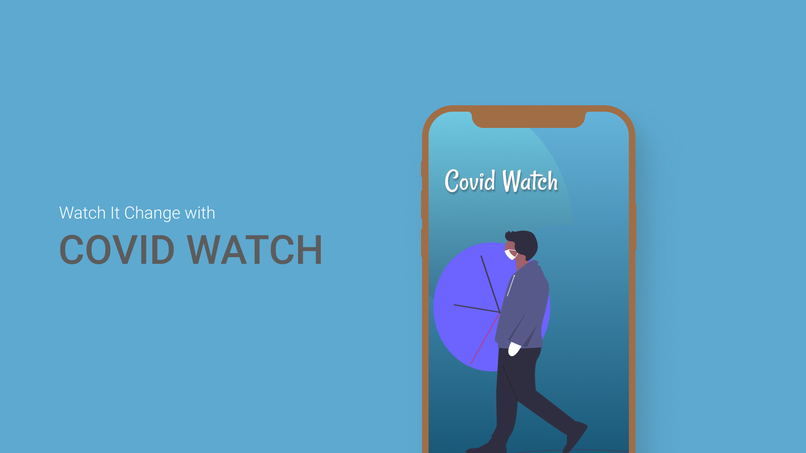
Covid Watch
-
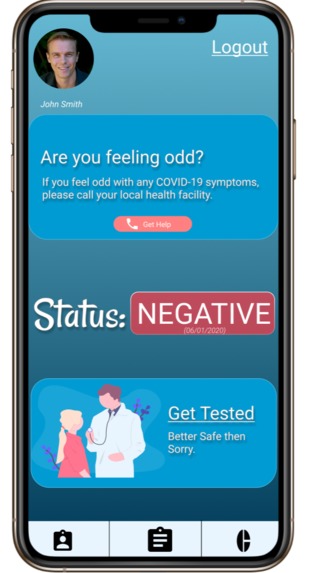
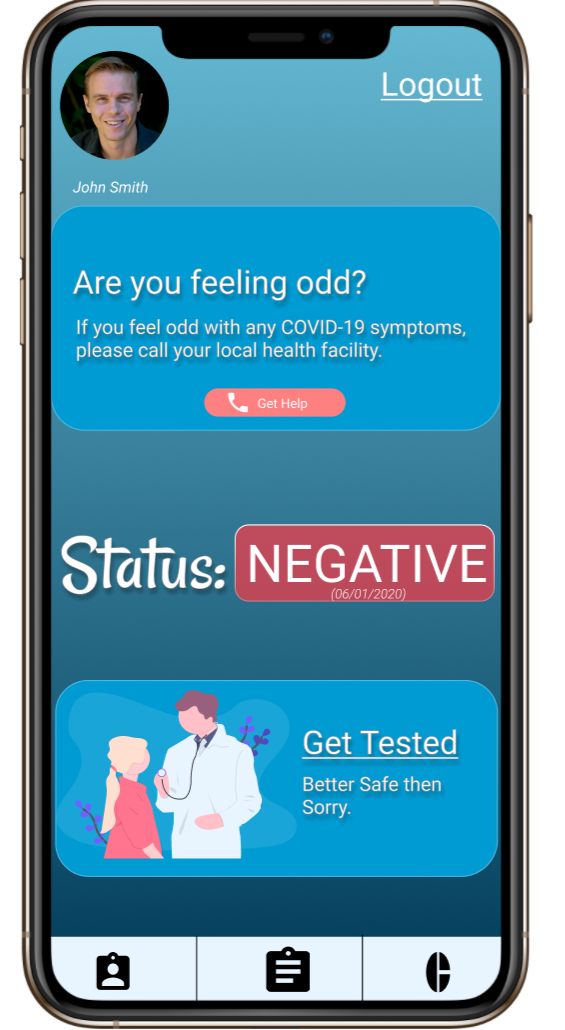
User Dashboard
-
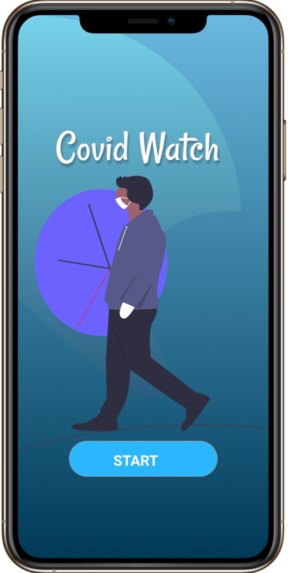
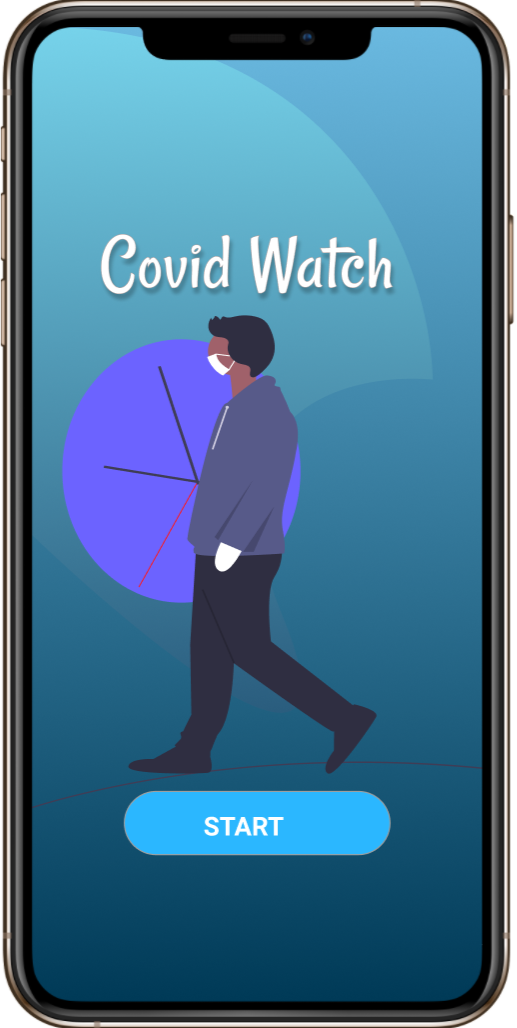
Landing Page
-
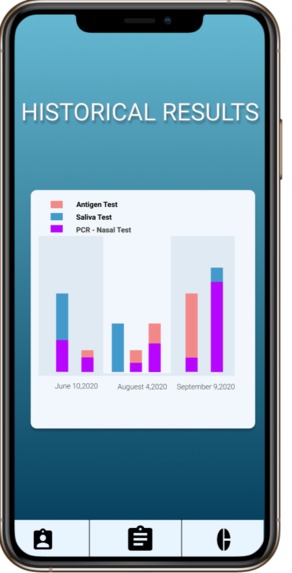
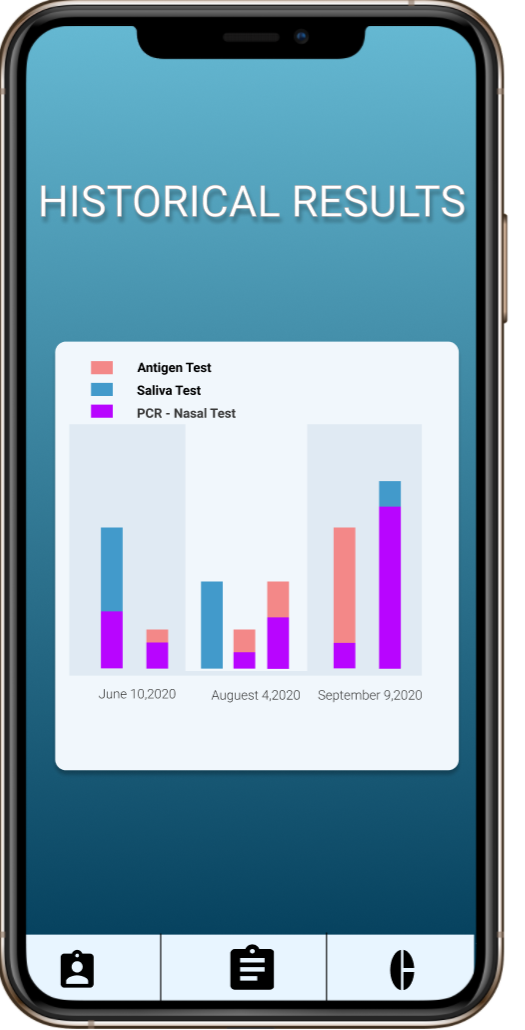
The Historical Result Section
-
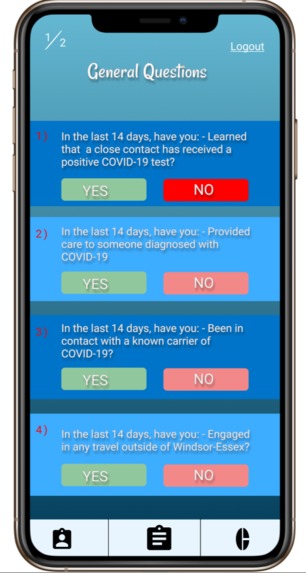
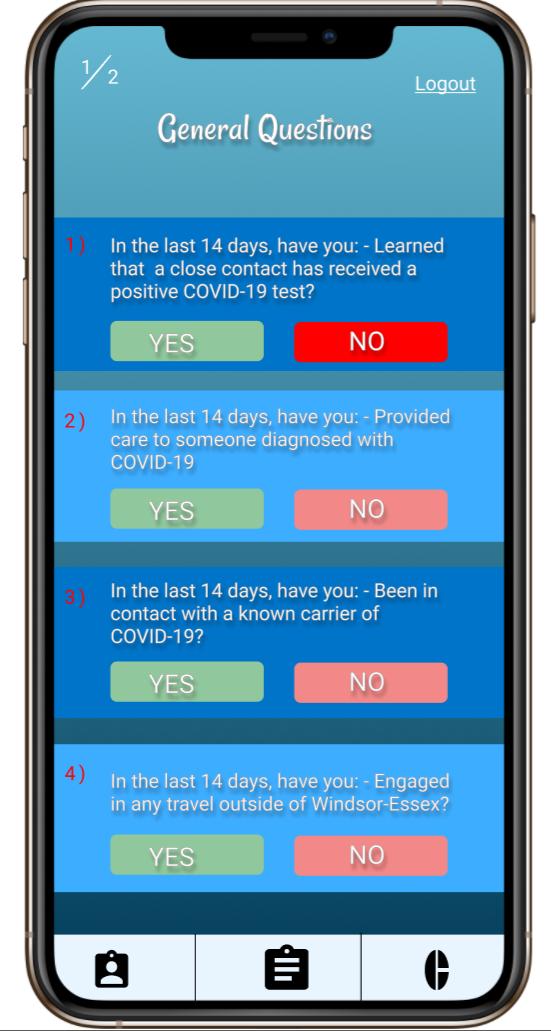
Testing Patients
-
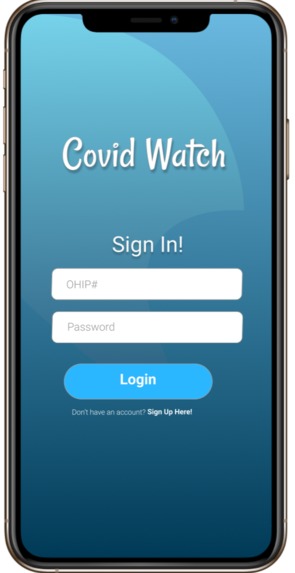
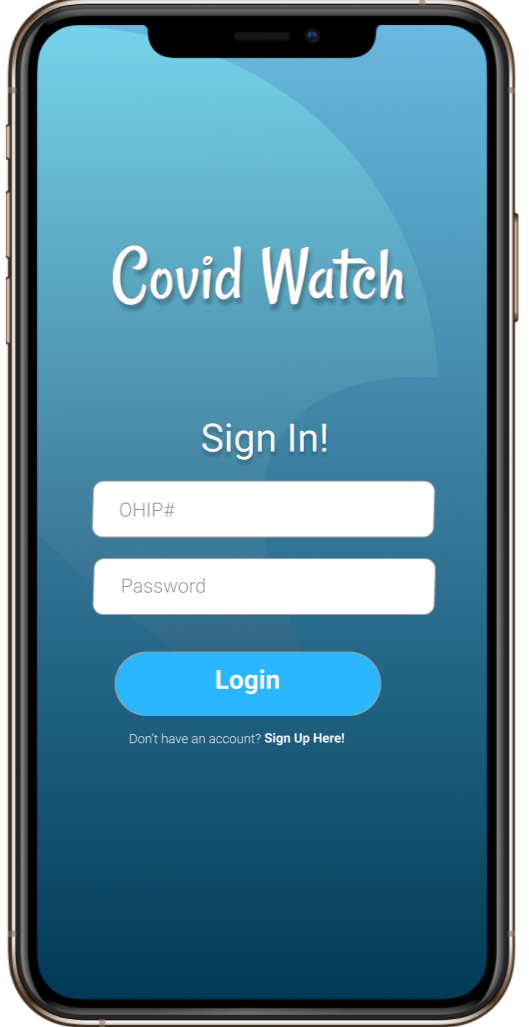
Login Page
-
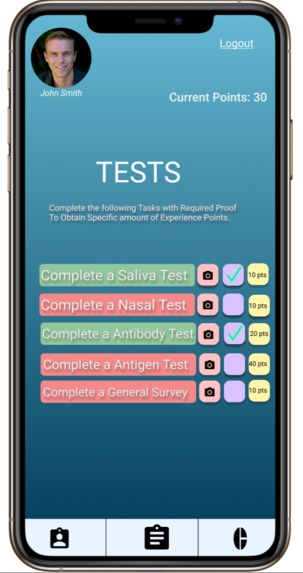
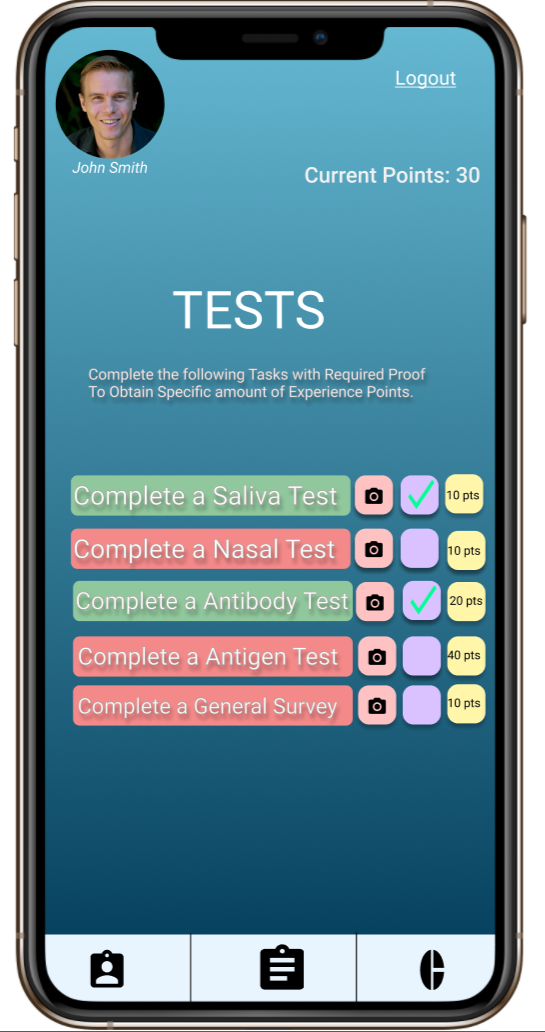
The Incentives gained from testing
Inspiration
The idea came from one of the challenges we found most interesting in the 2020 BorderHacks hackathon; an innovative way to track and authenticate COVID-19 exposure. We approached this challenge knowing it would force us to learn new things. In under 24 hours, we familiarized ourselves with the tools we would use: Figma, Flutter, Android Studio and Firebase.
We found the concept especially beneficial these days as more and more people are going to get tested whether it's out of curiosity or because of something that requires it such as traveling, making a doctors appointment or even going to your workplace sometimes require you to have tested yourself for COVID-19 and have the results on hand for anyone that needs it to see. We also wanted a way to lower people's frustration over having to get tested, by adding some fun incentives for people who get tested when needed and follow the guidelines properly.
There is something similar already implemented here in the Windsor, Ontario but there are some issues with it, as it does not notify you when you get your results, you need to input all of your personal information in every time whenever you want to see your results, and sometimes if either side (Testing Centre or User) puts in the wrong info, you will need to call in, have to wait on hold for a while to have someone send you your COVID-19 test results after you fill a form giving them permission to.
What it does
COVID Watch is a mobile application that allows users to easily access their COVID-19 test result status and exposure history, it also gives incentives\rewards for people who get tested when needed and follow the guidelines properly. The app is fully set-up once you register an account with your personal information and health card number (or its counter part in the states), that way instead of going to the government or hospital website and having to put in your information every time, you will have your information easily accessible from the comfort of your smartphone.
How we built it
We started by designing the application in Figma, a collaborative interface design tool. Once we had a good idea of what it would like, we moved on to the technical aspect of the project. The application was built using Flutter, a mobile UI framework and Android Studio. In order to test our code, we emulated the prototypes directly on our devices.
Challenges we ran into
Since we had little to no experience with the above tools; practically every step was a challenge. Our end goal was to at least expose ourselves to new technologies and we welcomed the challenge. We still fell for common programming pitfalls regardless, including but not limited to: obscure syntax errors, drive space faults and improper formatting.
Accomplishments that we're proud of
We entered this hackathon as a challenge for ourselves to see how far and how much we could do in a small amount of time. In the span of under 24 hours we managed to learn how to use two new tools through LinkedIn Learning and implement our strategy with the acquired knowledge. We were also able to attend a good number of the workshops and learned quite the bit from industry veterans. All-in-all, it was quite a fruitful experience.
What's next for COVID Watch
Having worked on only one key component, the next logical step is to implement the other two key components. We also hope to expand on it by adding some quality of life features such as supplementary material on how to correctly follow COVID-19 guidelines and fun activities for users to complete to keep them invested in staying safe.


Log in or sign up for Devpost to join the conversation.