-
-
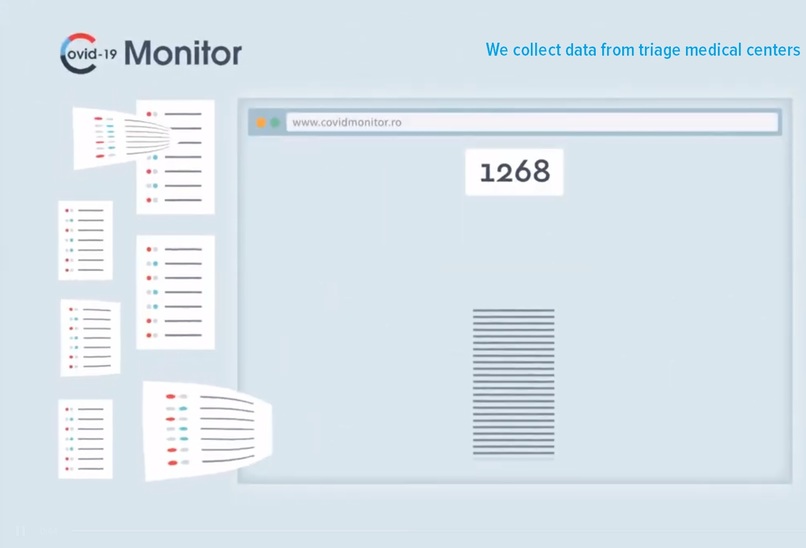
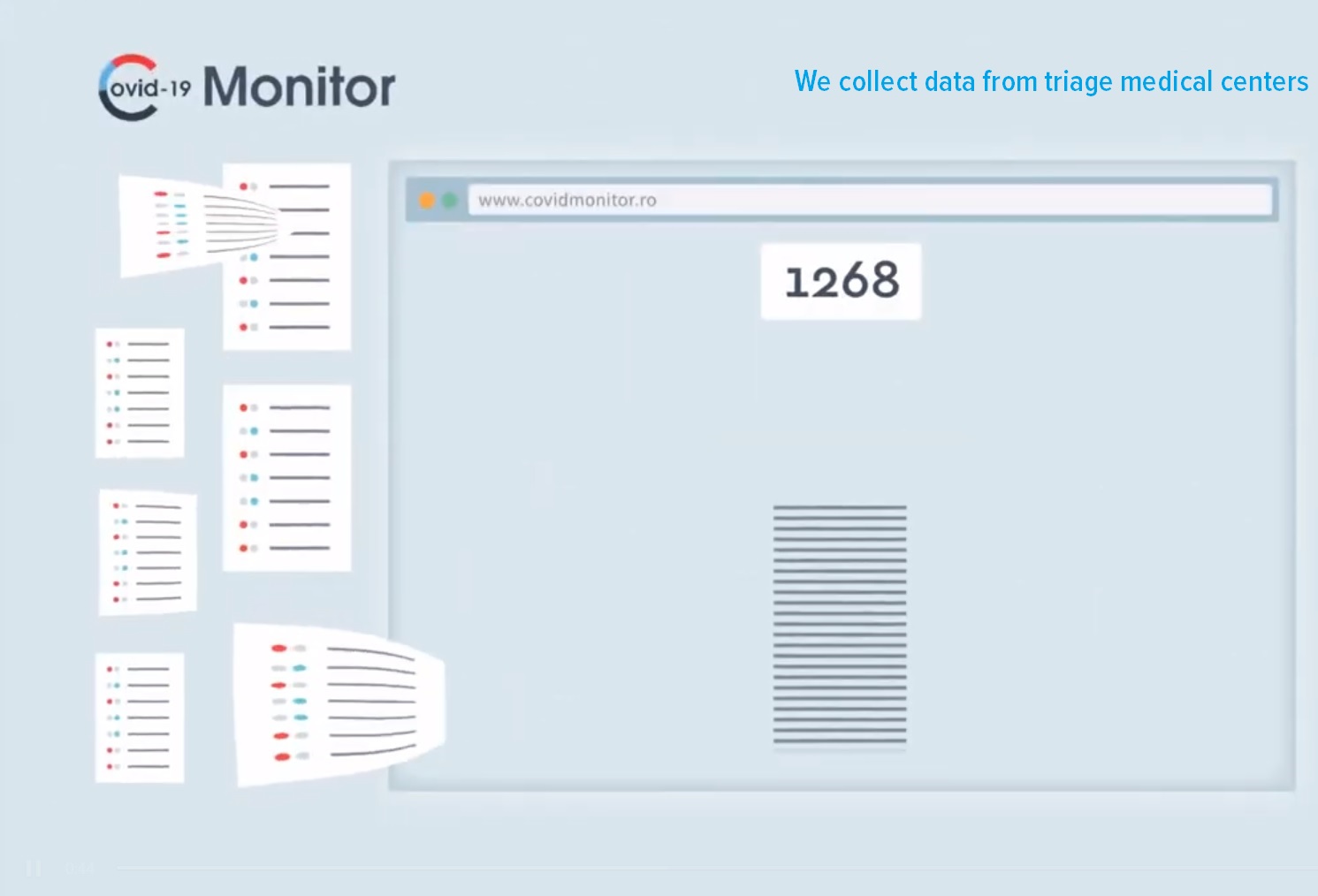
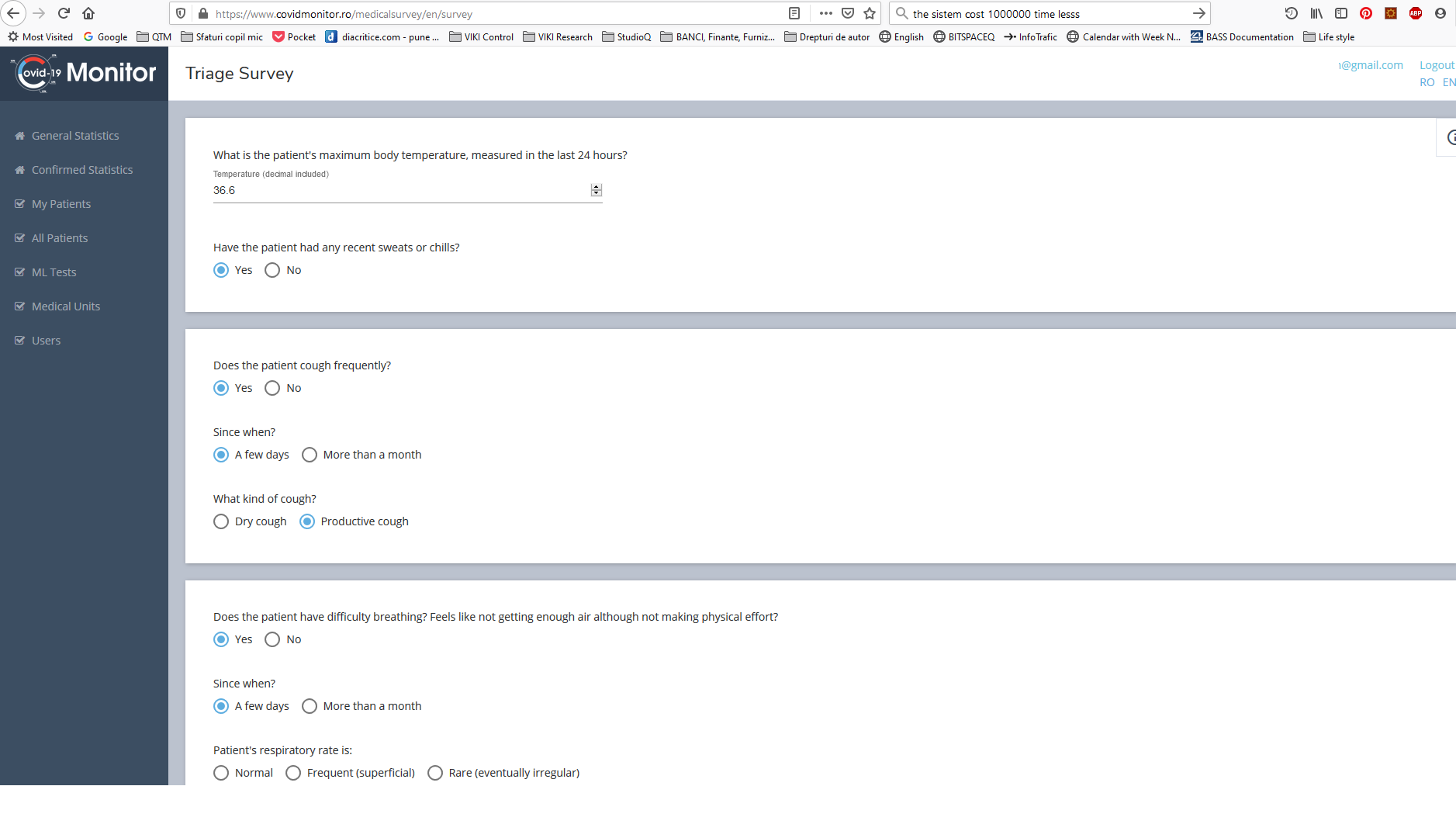
We collect data from triage medical centers (evaluation sheet in triage, medical diagnosis and testing of COVID-19
-
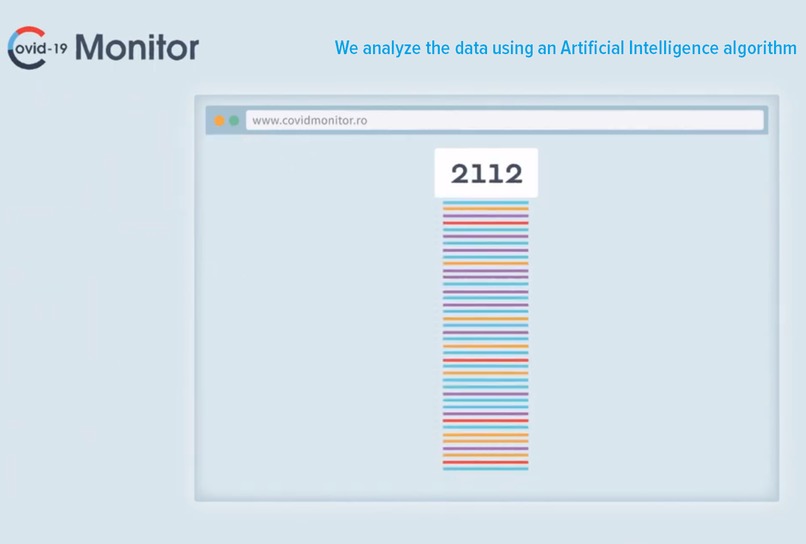
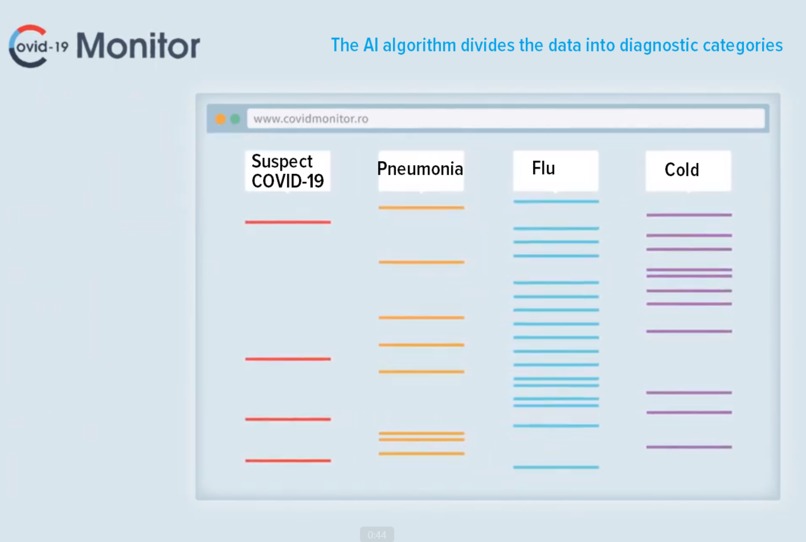
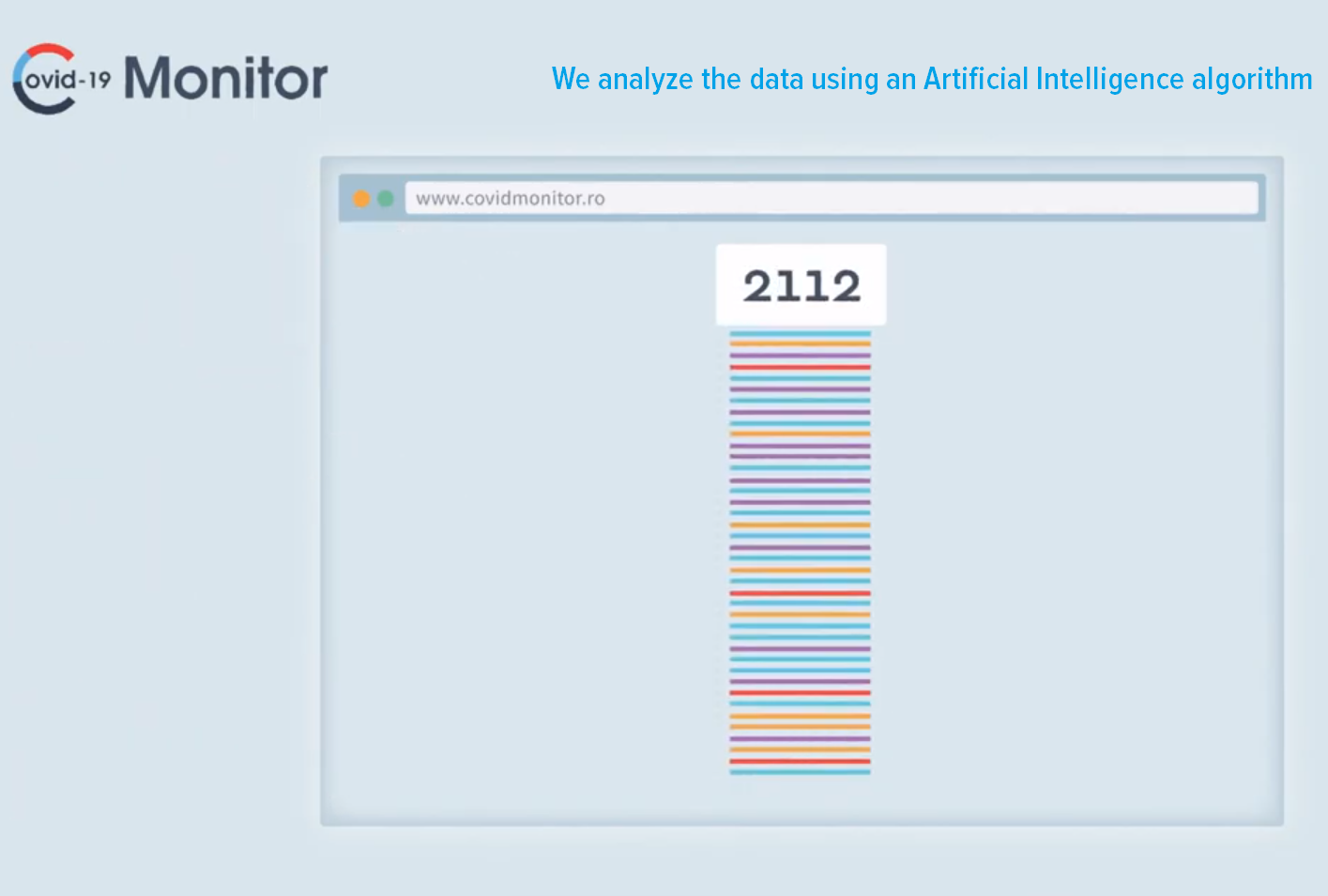
We analyze the data using an Artificial Intelligence algorithm and we generate a heuristic function (profile) of the COVID-19 suspect
-
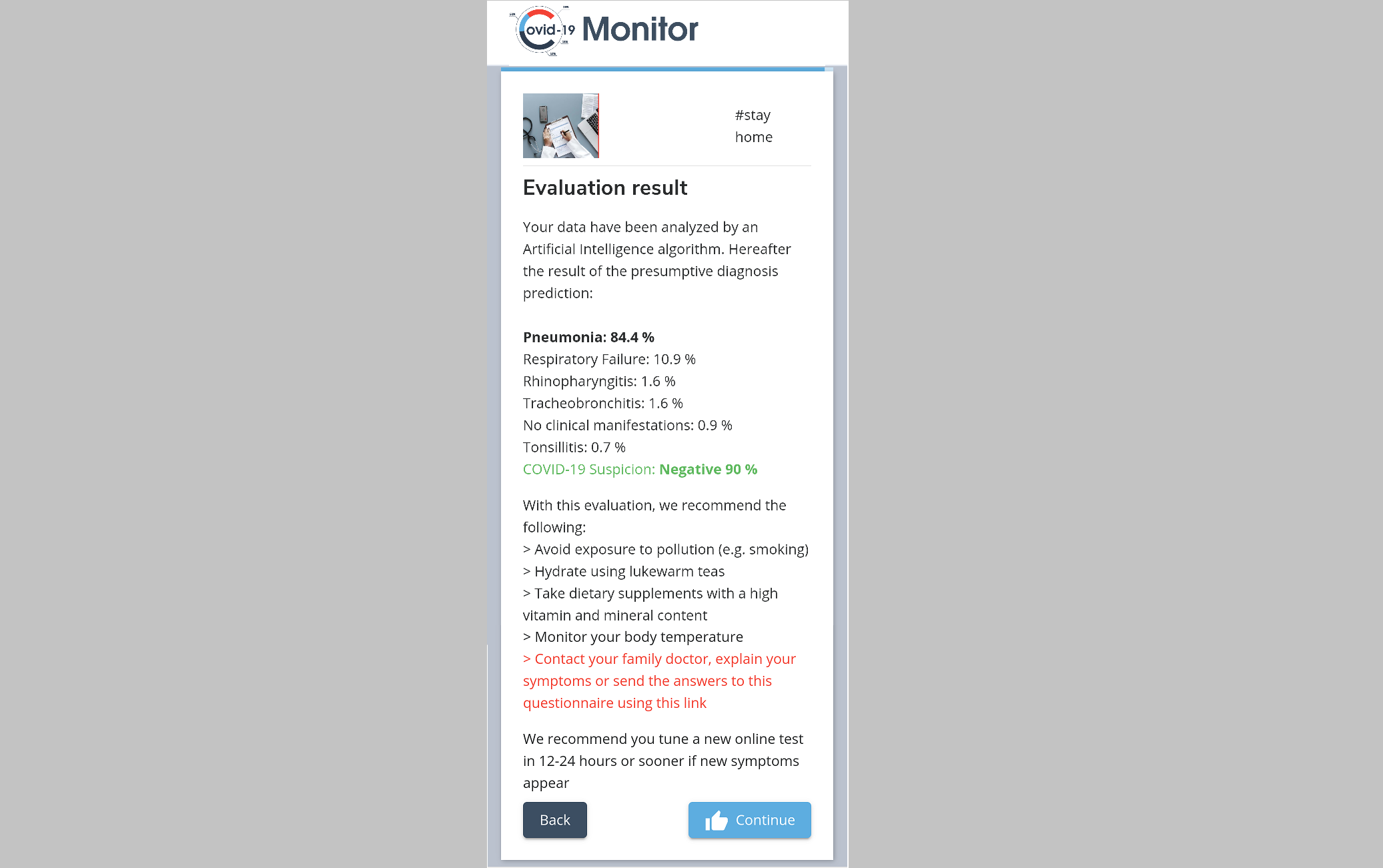
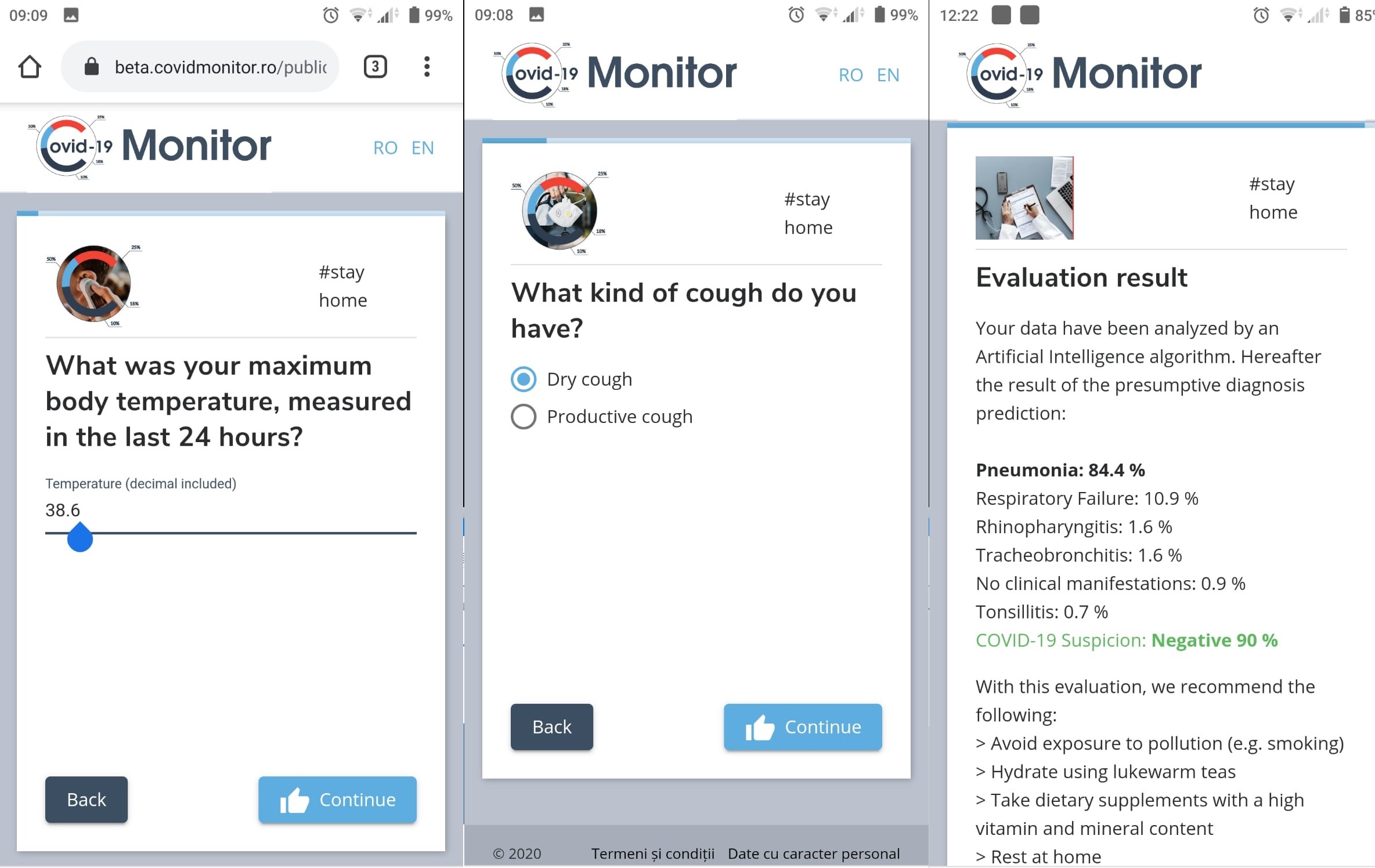
For each online user we calculate a presumptive diagnosis and a risk score of developing a severe disease associated with COVID-19
-
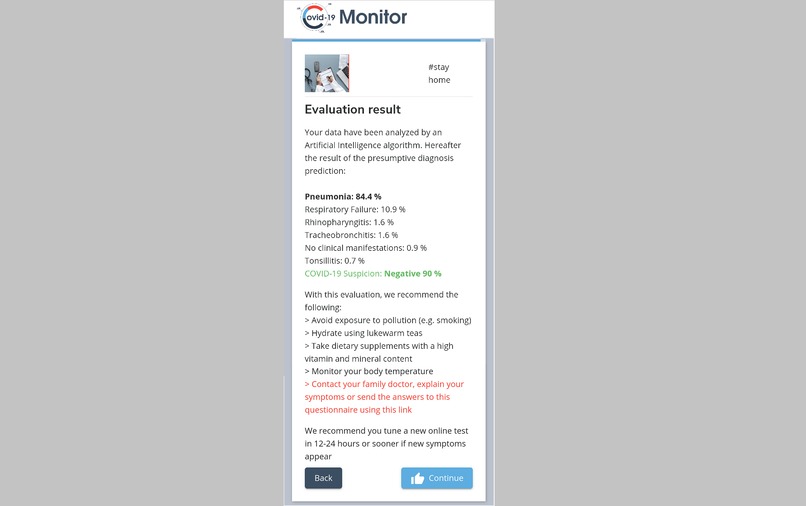
Following the AI evaluation, COVID Monitor offer a personalized set of recommendations to follow in accordance with his state of health
-
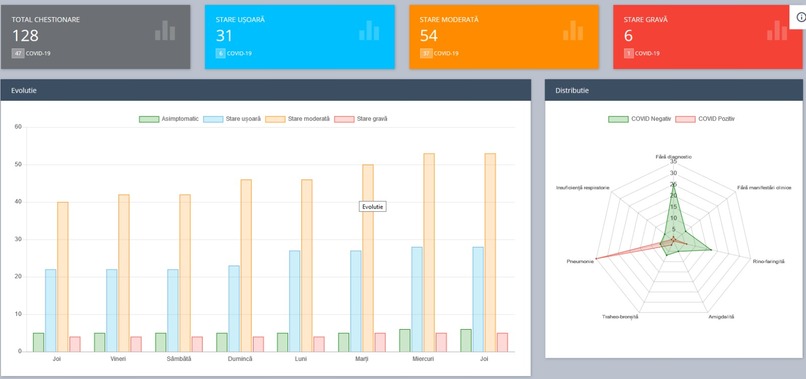
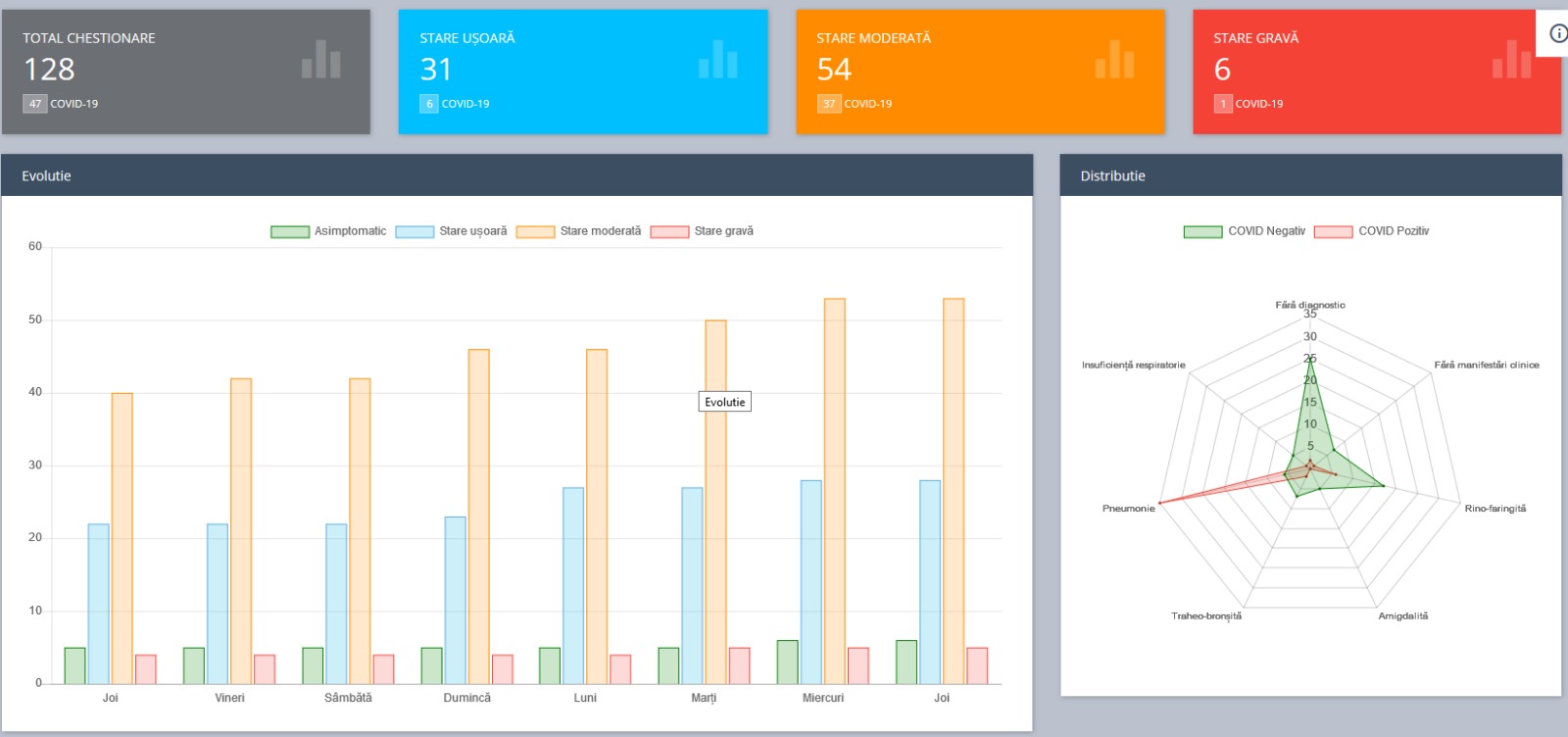
Statistical data available based on confirmed medical information
-
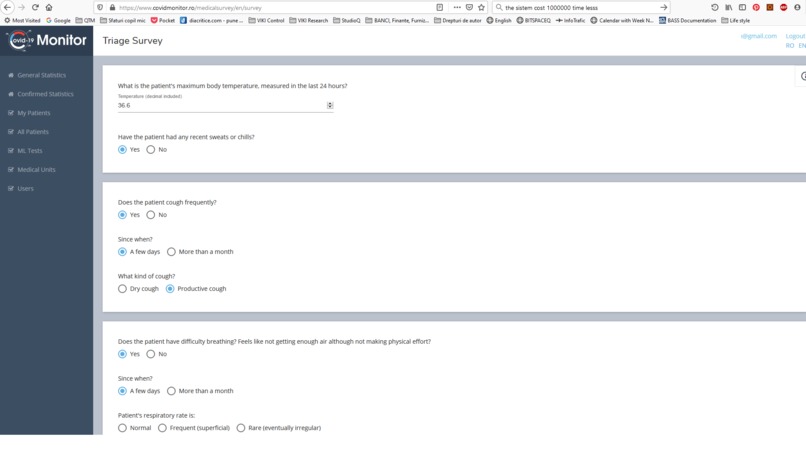
Capture from the medically confirmed data collection interface
-
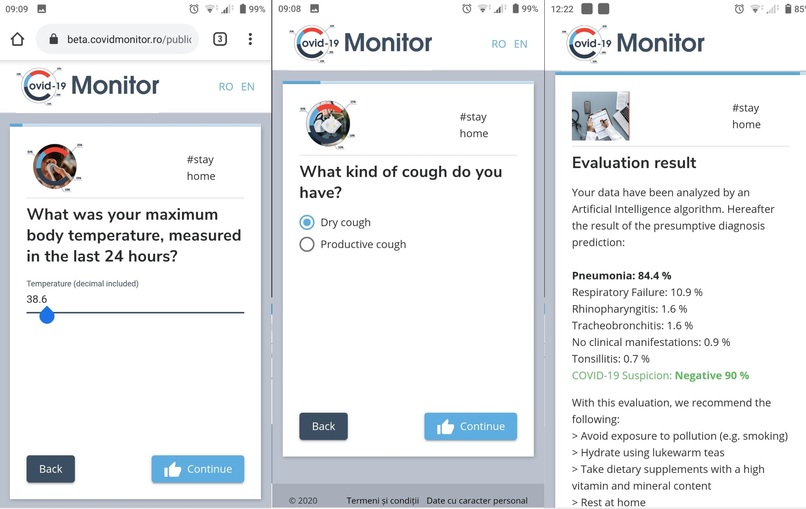
Data collection interface accessible to the general public
Inspiration
In all countries of the world the medical system has been under huge pressure from the COVID-19 pandemic. The lack of rapid testing facilities, necessary equipment or real-time updated medical information about SARS-CoV-2 led to unnecessary illness and avoidable deaths. All these painful realities have prompted us to design an Artificial Intelligence algorithm that allows online identification of high-risk suspects to develop respiratory complications associated with COVID-19. Any patient who has symptoms associated with COVID-19 will be able to self-evaluate his health and the risk of his symptoms in less than 5 minutes by doing an online test on www.covidmonitor.ro
What it does
COVID Monitor collects in a database a large amount of medical information from the triage centers of hospitals that test COVID-19, targeting the primary symptomatology of respiratory diseases that can be evaluated without sophisticated medical equipment. Based on the data collected, we update an artificial intelligence algorithm that generates a predictive function (profile) of the COVID-19 suspect and associated respiratory diseases. Users who opt to anonymously self-evaluate complete, in an online questionnaire, their symptoms, the epidemiological situation or risk factors, describing their health status. This data is uploaded to the COVID-19 prediction function generated by the Artificial Intelligence (Machine Learning) algorithm. Following the computer analysis, the online user receives a risk score and a set of recommendations regarding the steps to be followed given the state of health declared.
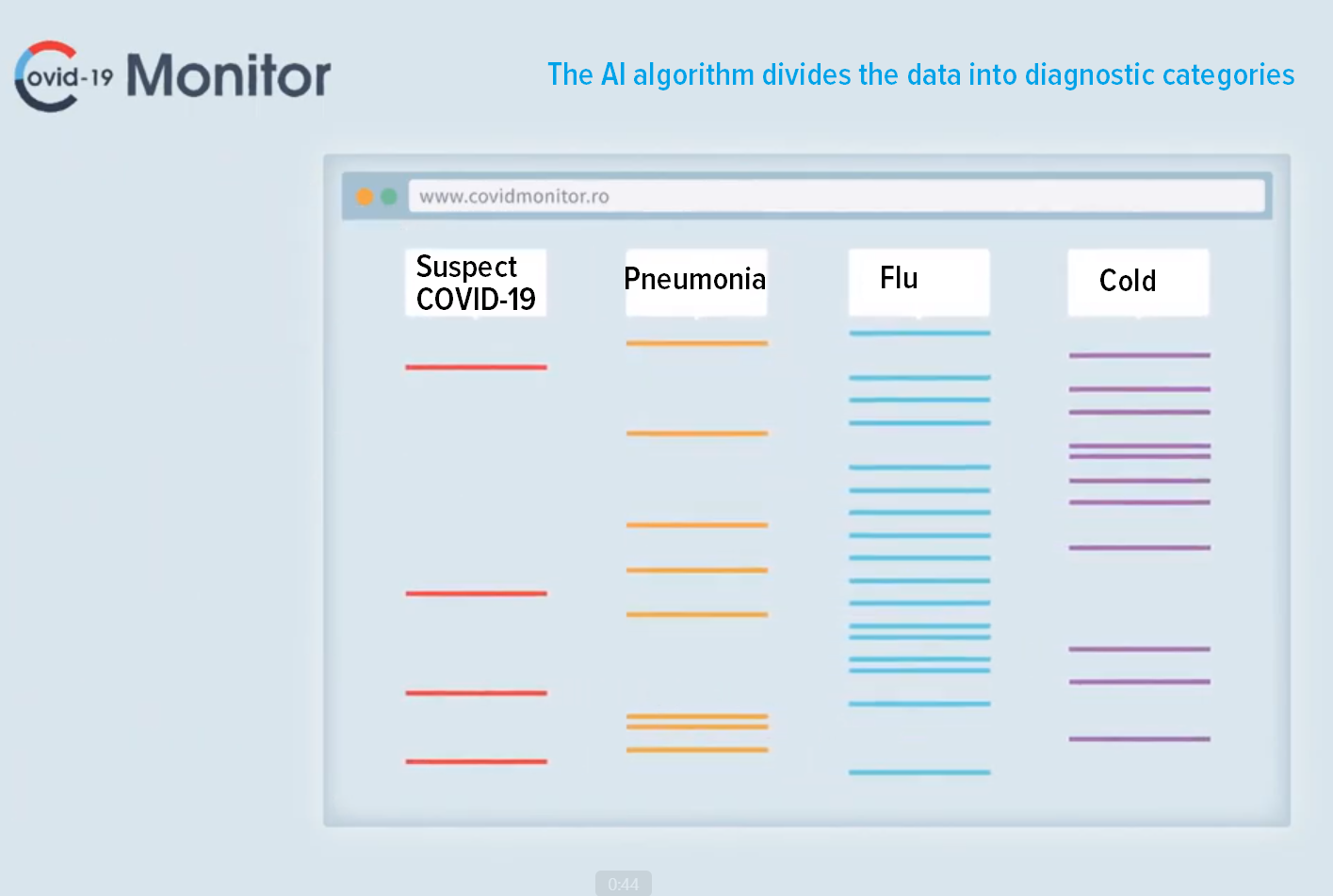
The Artificial Intelligence Component (Machine Learning) makes an automatic classification of the particular symptoms introduced by each individual online user, placing it in a diagnostic category (common cold, tonsillitis, bronchitis, pneumonia, respiratory failure etc.), depending on the similarities and differences identified in the training data consisting of triage records from experienced physicians.
In addition, medical personnel have access to real-time statistics by processing data entered by doctors from all over Europe, specialists or family doctors using this system. Doctors can consult the Artificial Intelligence algorithm on a presumptive diagnosis or at any time search the COVID Monitor database for cases with symptoms, epidemiological situation or risk factors similar to those of their patients.
How we built it
We spoke to more than 30 doctors to identify symptoms of respiratory diseases at risk of being associated with COVID-19 positive. We have implemented a data collection system from triage centers and a query system for the general public. We have developed an Artificial Intelligence algorithm that "feeds" daily with verified medical data, constantly learns from the experience of new cases added and applies the prediction model for each user who self-evaluates online.
The application is an Angular web application calling ASP.NET Core Web APIs. TypeScript and C# languages have been used for the application development. The artificial intelligence component was developed using ML.NET machine learning framework. Data is stored in an Azure SQL Server database accessed using Entity Framework Core framework. The web application is hosted in Microsoft Azure Cloud Services.
Challenges we ran into
In order for the Artificial Intelligence algorithm to improve the accuracy of its predictions, it takes as much medically confirmed data from triage centers as possible. We need constantly updated medical know-how about the symptoms that need to be evaluated by the algorithm, so that every specific COVID-19 detail is included in the medical questionnaire.
Accomplishments that we're proud of
Although the solution is online for less than 2 weeks, in Romania, more than 400 doctors have created accounts and gave us feedback regarding the functionality of the application. There are doctors who have uploaded anonymized triage files (over 160) from which the Artificial Intelligence algorithm has started to learn the risk criteria for the evaluation requested by online users. At the moment we have a version of the algorithm that can distinguish between (cold, tonsillitis, bronchitis, pneumonia, respiratory failure) and calculate a risk score for suspicion of COVID-19. Of course, the algorithm can be improved.
What we learned
It takes a joint effort and close collaboration between doctors, software developers and the general public to transform medical data into useful and real-time information so that users are properly informed about their health.
What's next for COVID Monitor
By Sunday 27, April the application will be available in English We improve the prediction of the Artificial Intelligence Algorithm by collecting a large number of triage files from partner hospitals in the EU. We add new parameters to the Artificial Intelligence algorithm, coming from the know-how of doctors across Europe We are developing a data collection interface dedicated to physicians, with an additional section of laboratory analysis storage to provide improved prediction solutions for physicians with the help of AI. We develop a set of filters on the existing cases in the COVID Monitor database, so physicians can use the application to find cases similar to those of their pacients.
Built With
- .netcore
- angular.js
- azure
- c#
- efcore
- materialui
- ml.net
- sqlserver
- typescript


Log in or sign up for Devpost to join the conversation.