-
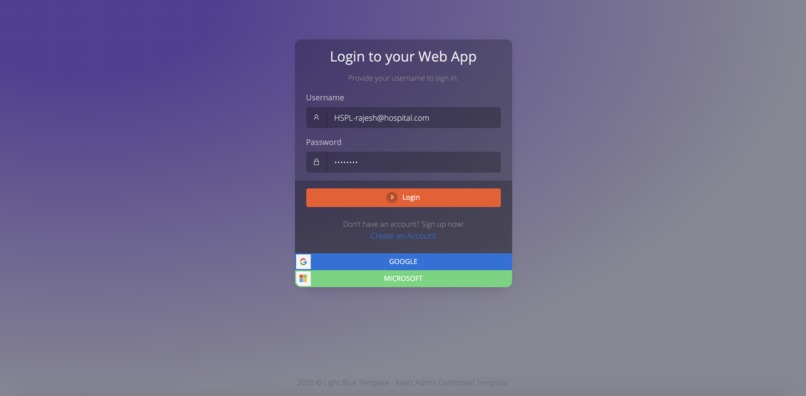
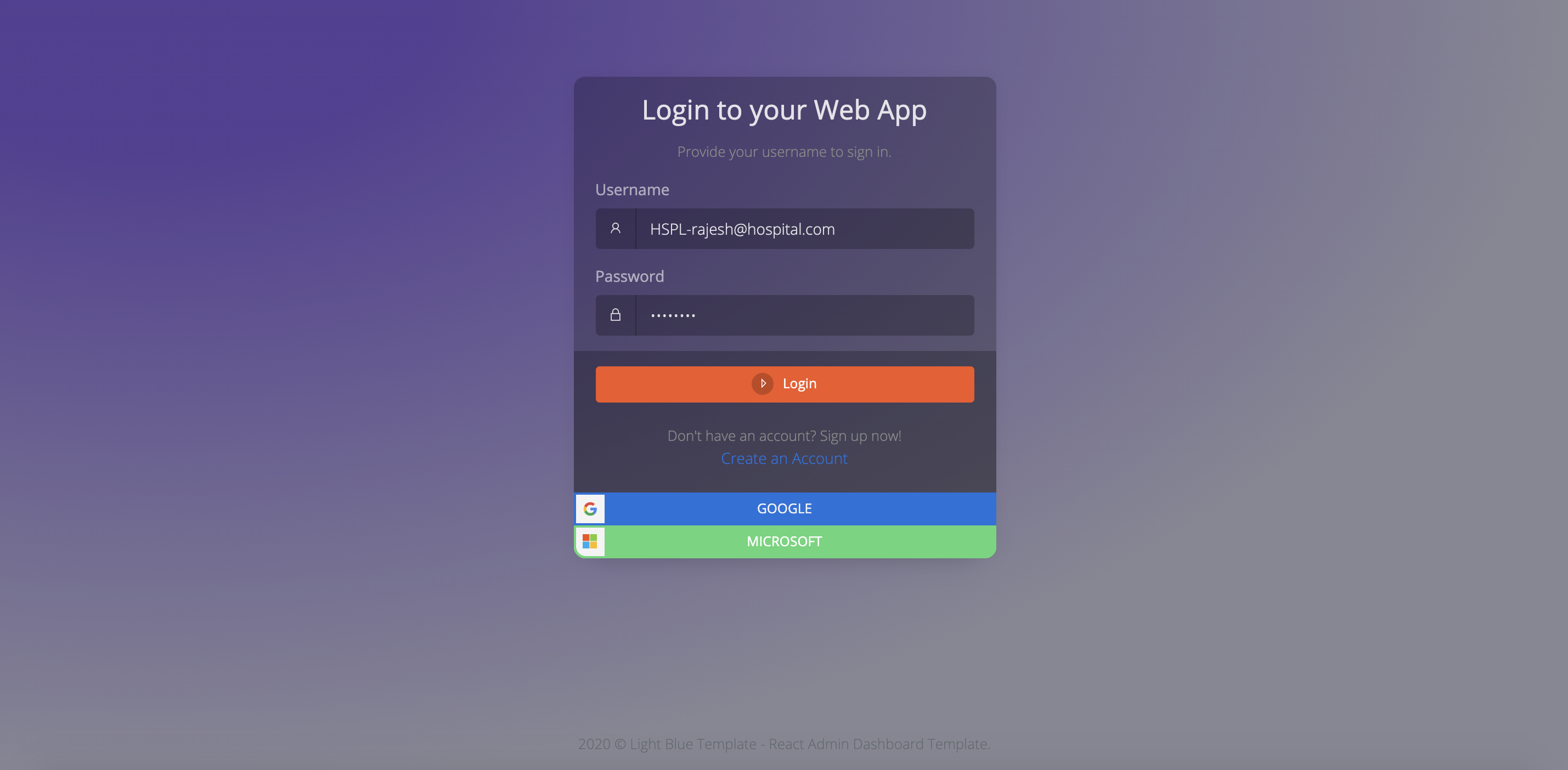
Login Screen
-
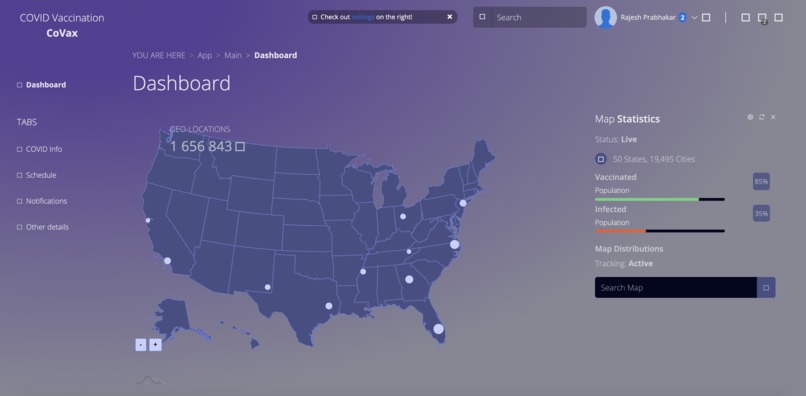
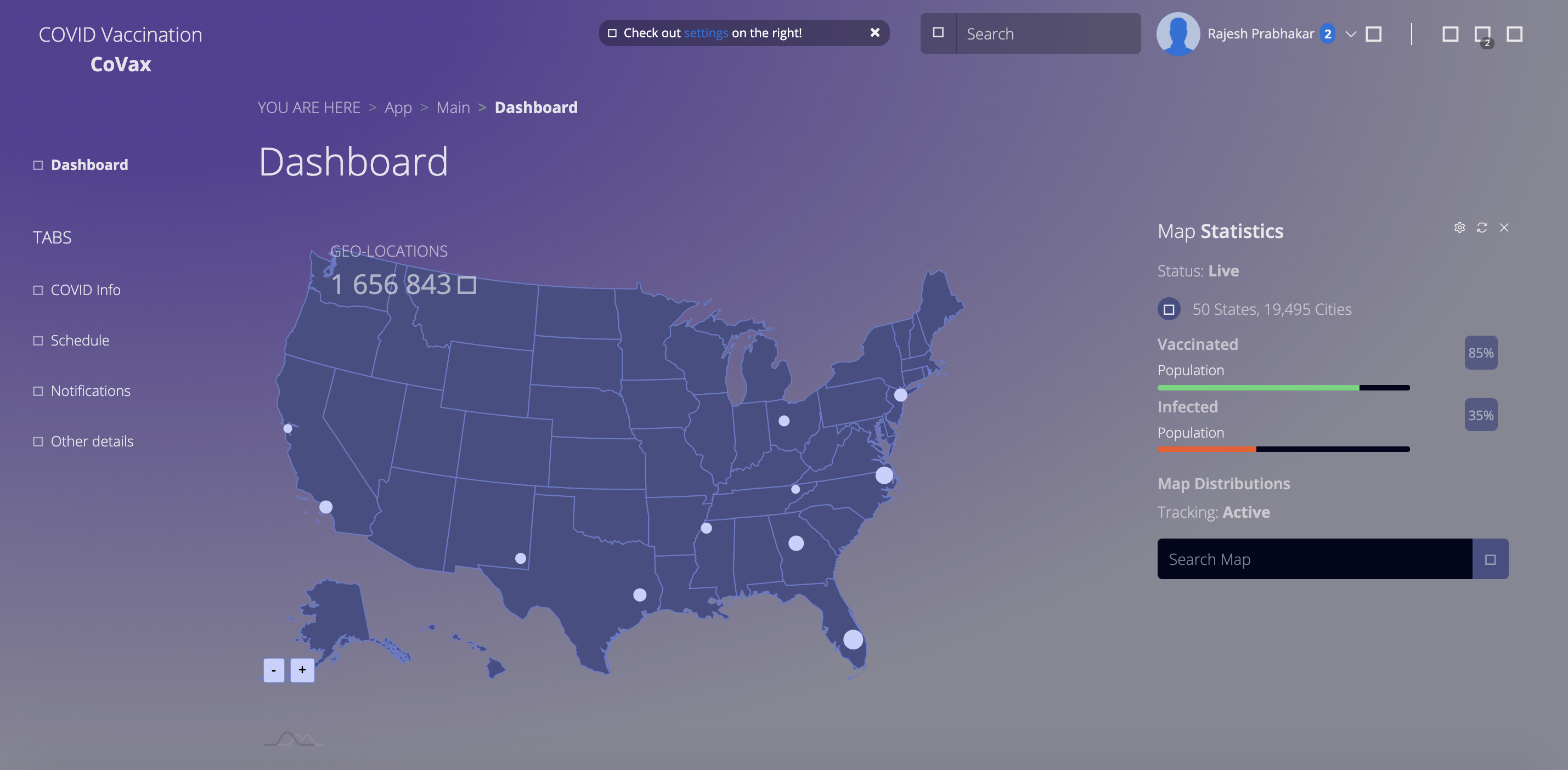
Landing page Dashboard
-
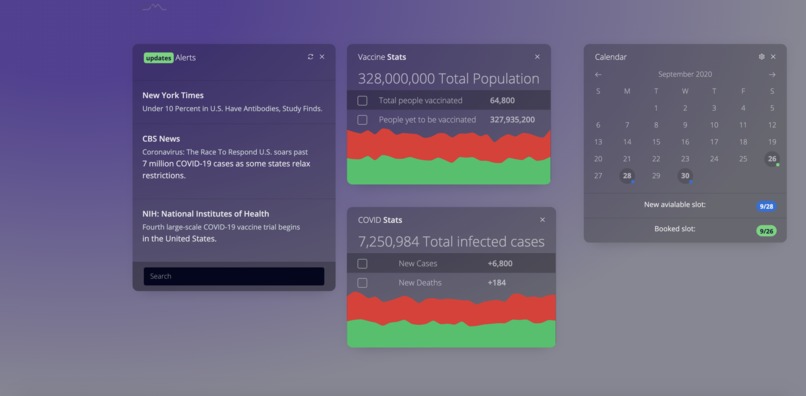
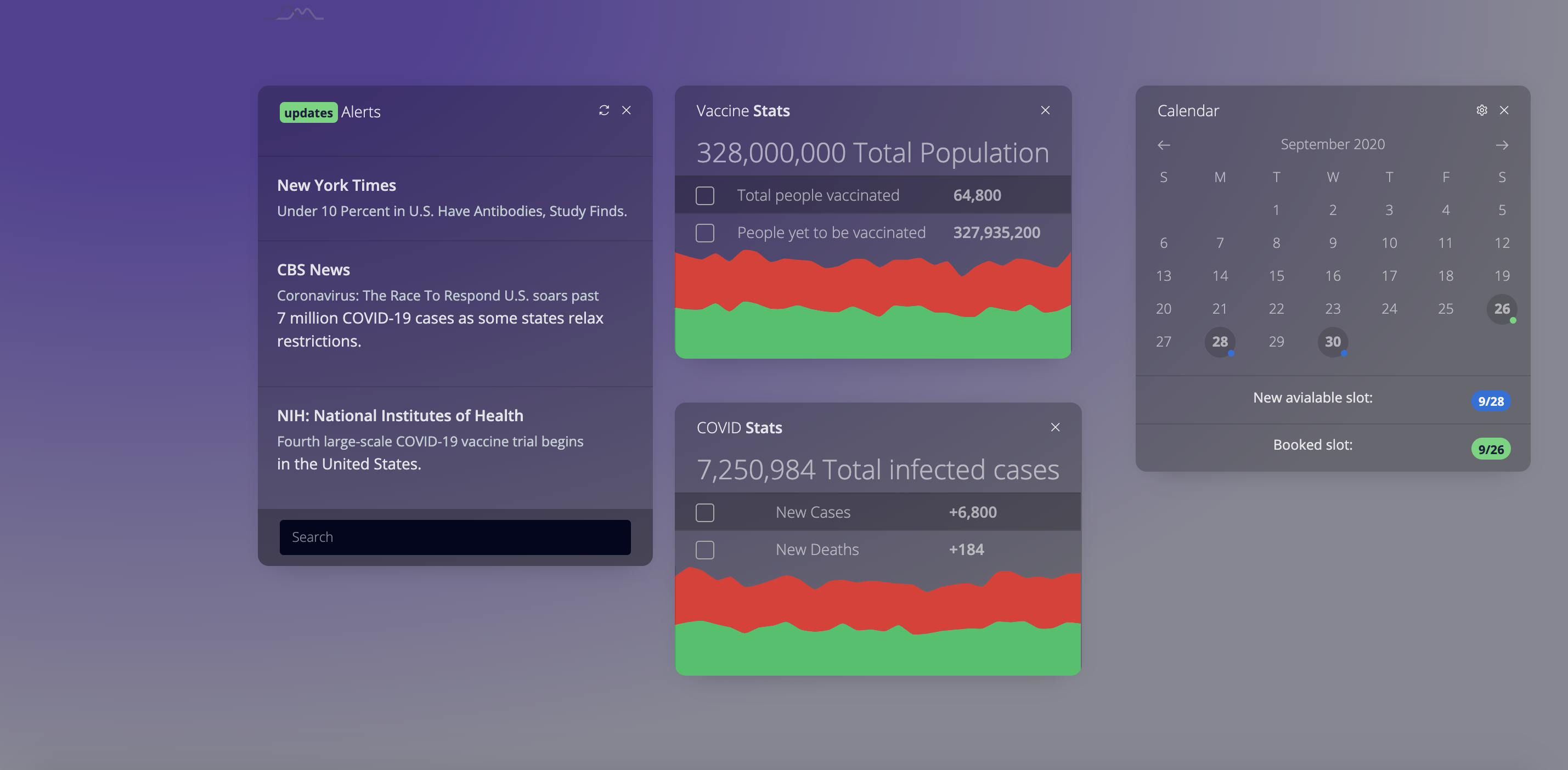
Vaccination trends, Covid trends, and appointments schedule
-
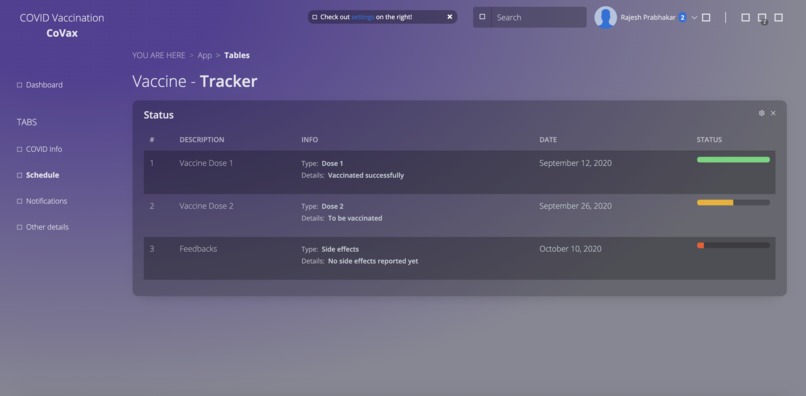
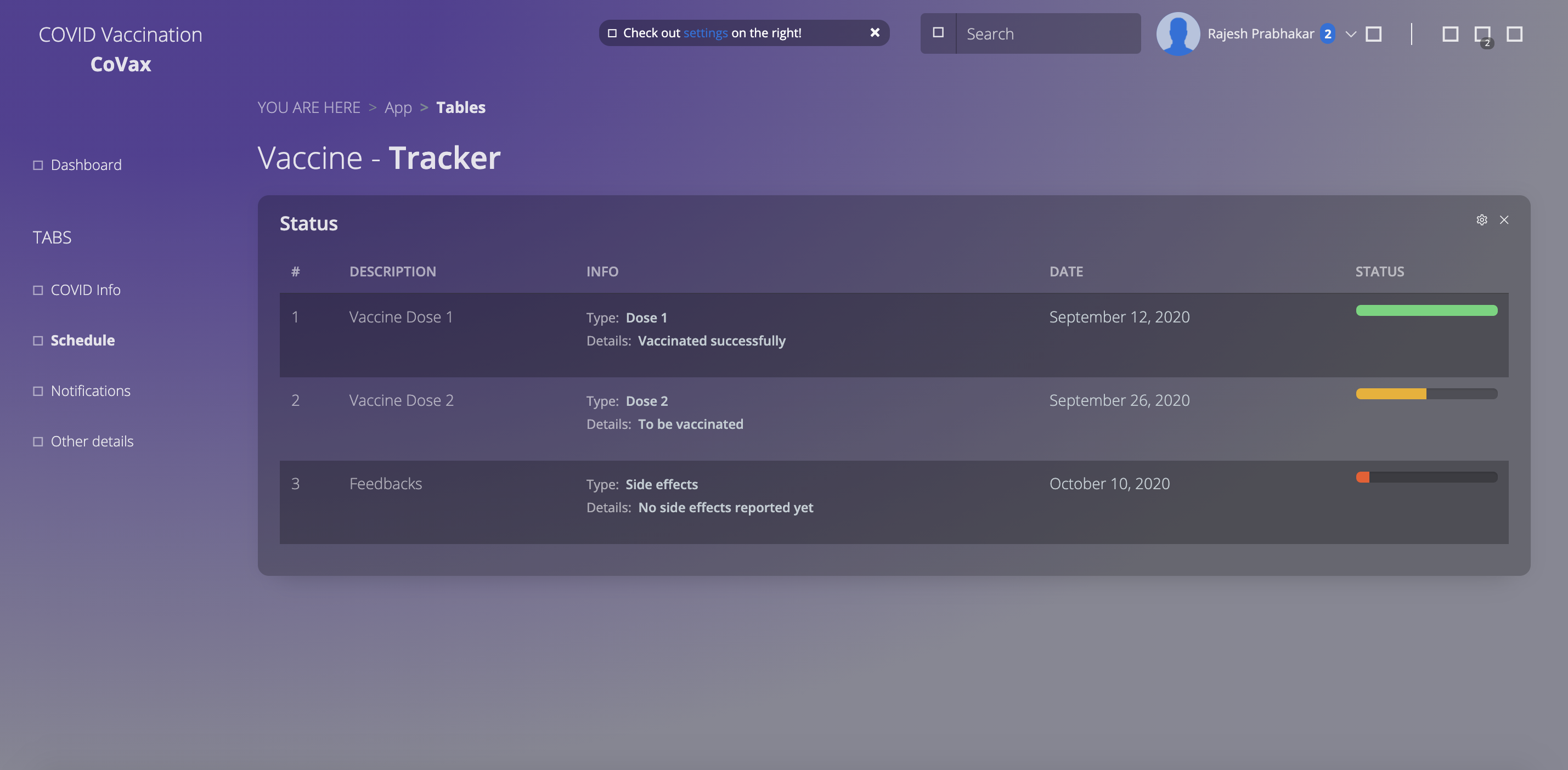
Schedule page
-
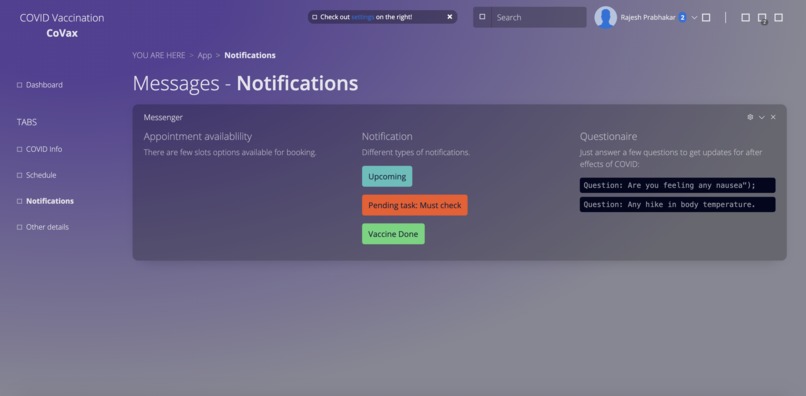
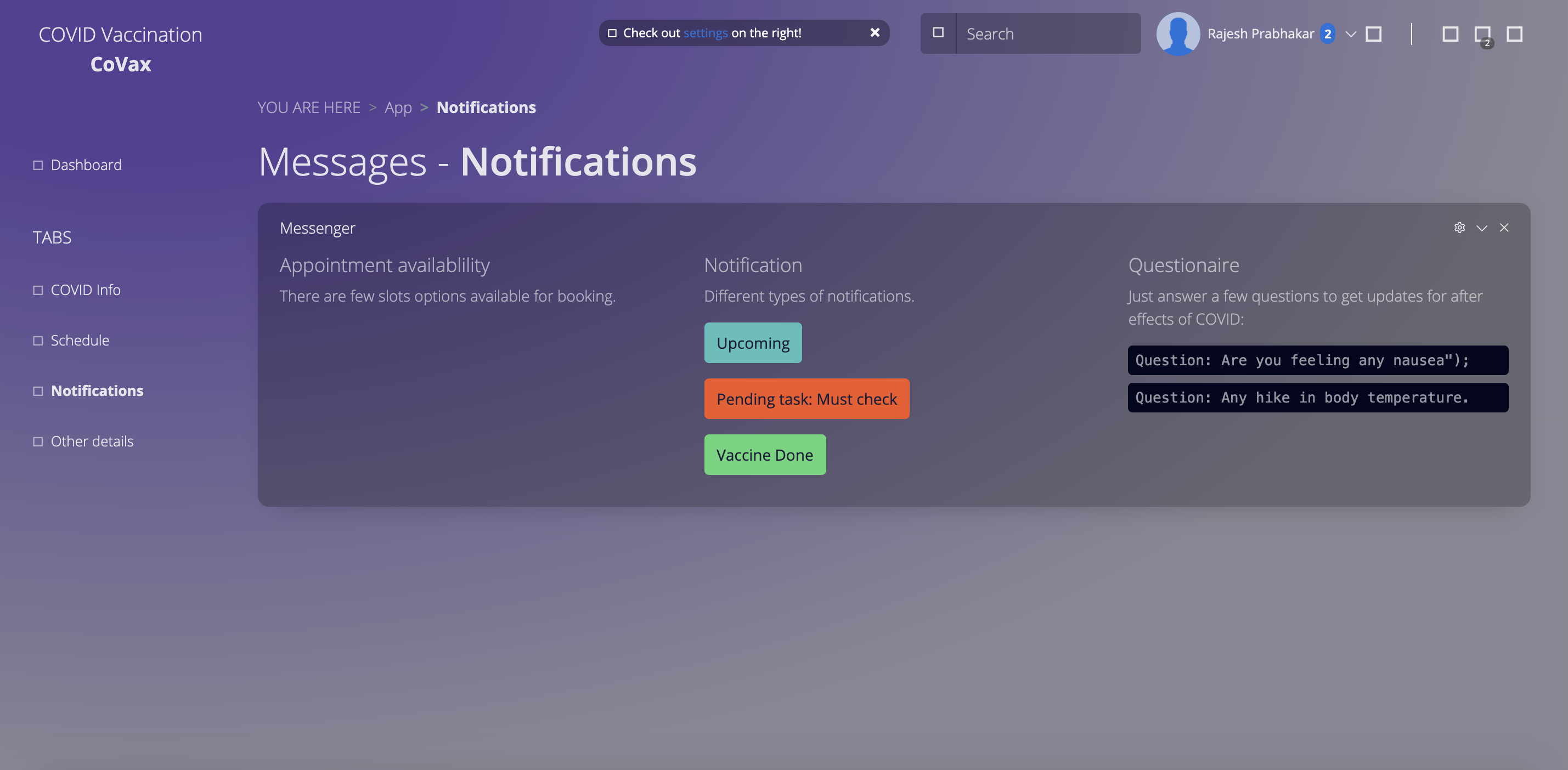
Notifications page
-
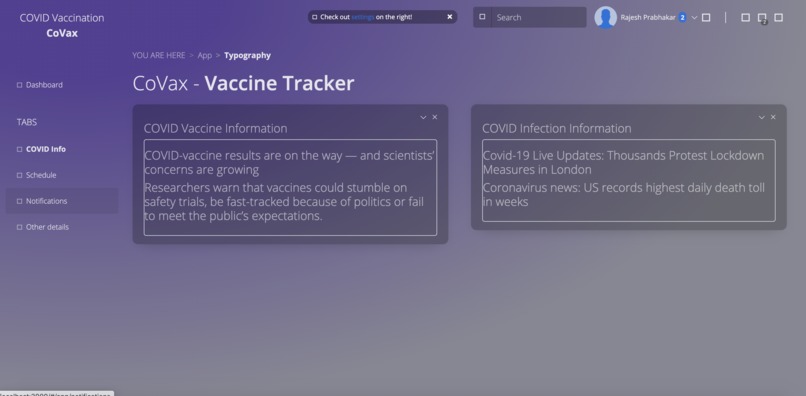
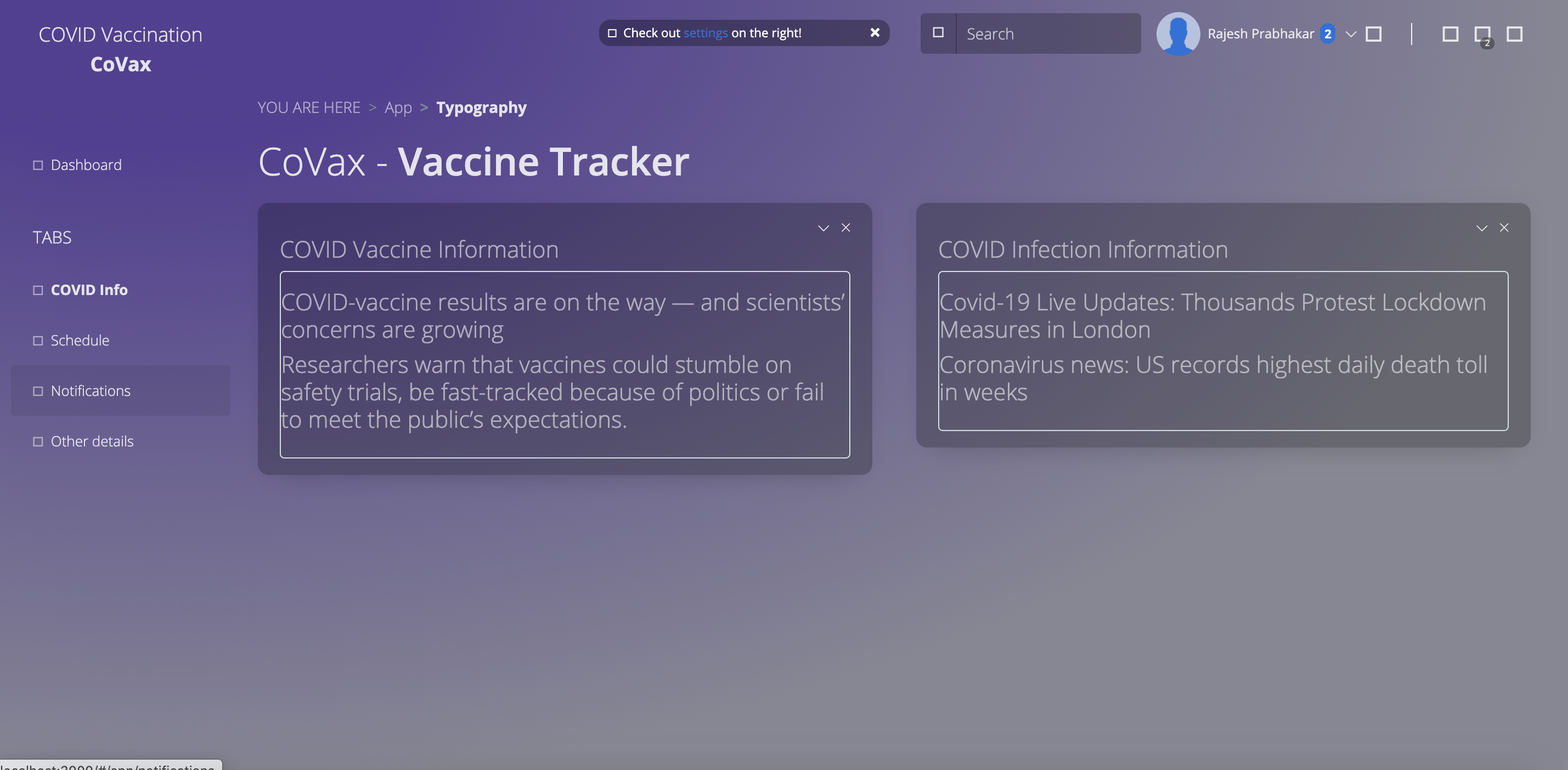
Covid and Covid Vaccine updates
-
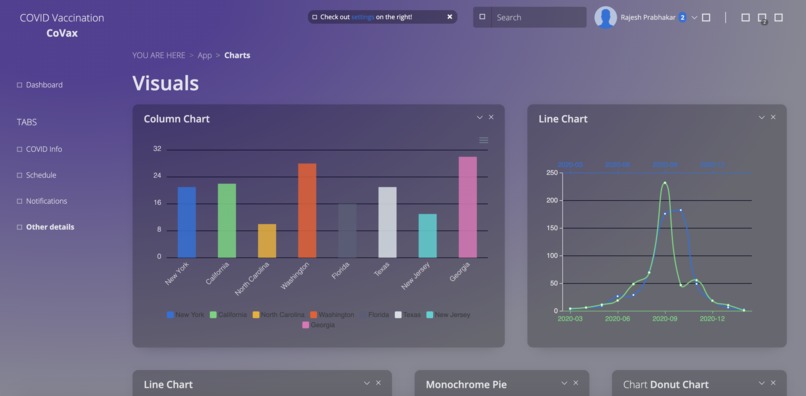
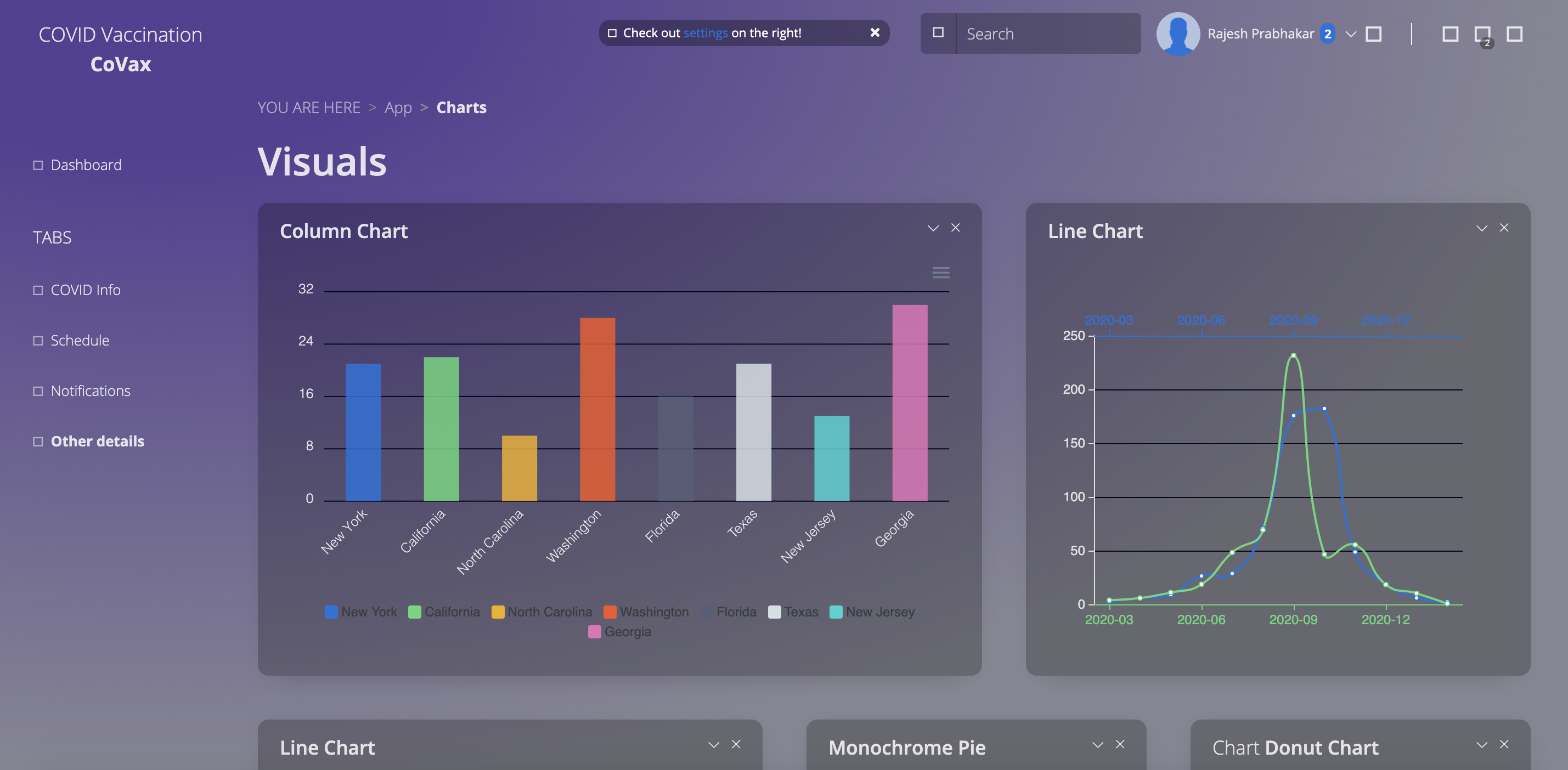
More Visualization for Vaccinations - Part 1
-
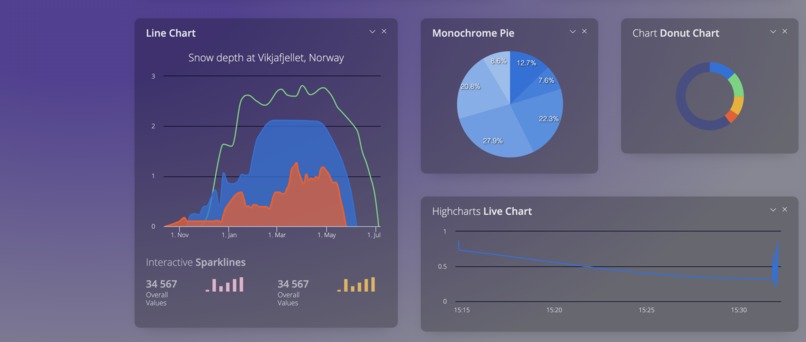
More Visualization for Vaccinations - Part 2
-
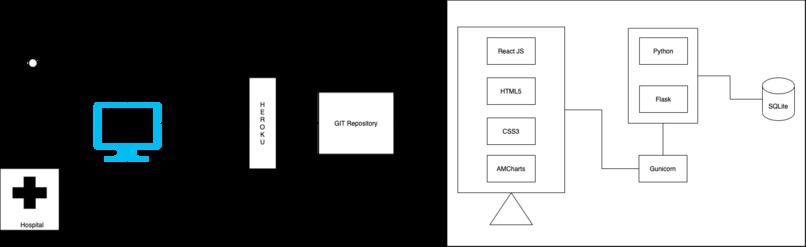
Architecture
Inspiration
COVID-19 has changed the world in more ways than we realize. As many COVID vaccine candidates reach the final stages of tests, we are hopeful that we will soon have a vaccine. This pandemic is so severe that our health care system has been pushed beyond its limits to contain the spread and treat the infected. As the vaccine trials are already underway it won't be long until an approved vaccination is ready. Because of the morbid nature of the Corona Virus, everyone needs to be vaccinated to prevent subsequent pandemic waves. As everyone is waiting for the vaccine approval we are expecting a definite frenzy over getting vaccinated and it can be too overwhelming to handle for our already worked out healthcare system to handle. To support our healthcare professionals in managing and administering the vaccines in an orderly fashion we want to leverage our technical capabilities in developing a solution.
What it does
So, we propose the COVID vaccine portal "CoVax" - a one-stop destination for all the information related to the vaccine. The portal aims to provide the following:
- the total number of people who got vaccinated in a locality(zip code), state
- the total number of people vaccinated, yet to be vaccinated,
- the total number of people recovered COVID,
- the total number of active COVID positive cases,
- book an appointment with the nearest/desired healthcare facility to get vaccinated,
- the current updates about COVID and vaccines
- additional information regarding vaccine administration, its side effects, etc.
Our portal can also serve as a tool to decide which region or county should be prioritized for vaccine administration. Healthcare facilities can utilize the information on the portal to keep track of patient health. For example, if there are two regions, one where 70% of the people are already infected and the other where only 30% of the people are infected then the vaccine can be catered first to the region which has only 30% infected as this would reduce the further spread of the virus. We think that this information will also drive more people to get vaccinated as they see their neighbors are getting vaccinated(domino effect).
How We built it
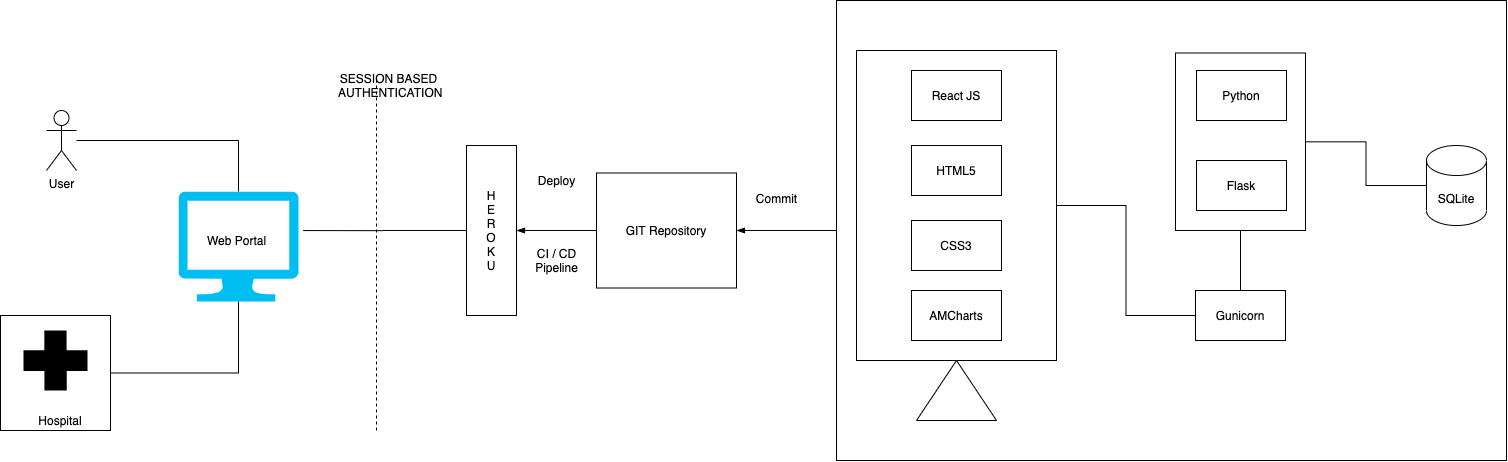
The web User Interface was developed using React and JS, HTML5 and we used Python, Flask to expose REST endpoints to handle backend services and we have utilized the SQLite database through SQLAlchemy object-relational mapper to store information about patients, hospitals, vaccination details, and other data for statistical analysis. Our application has session-based authentication to ensure the security of our users. We have used Git for collaborating and for version control. Our git repository has been integrated with the Heroku cloud platform for deploying our web application.
Challenges We ran into
Because of the virtual nature of this competition, collaborating with other team members was a bit challenging. Some of our team members were participating for the first time in a hackathon and partnering with other team members for debugging issues related to development, integration, deployment was one of the major challenges everyone has faced. Many of us took upon challenging tasks that are new to us and developing a full-fledged working application in a short span of 24 hrs was very difficult specifically for some of our team members who are participating in a hackathon for the first time. In terms of technical challenges, it was both challenging and time consuming to develop the dashboard for our users with all the charts and geo maps.
Accomplishments that we are proud of
Despite the virtual nature of the hackathon, we successfully achieved our goals and developed a usable working application in a very short duration of less than 24 hours. We are also quite impressed with the way we planned everything, the way we collaborated with others, and everything was so organized that we never felt we were out of line. The motivation behind this idea is to help our health professionals with vaccine administration and contribute our part in restoring the world to normality. It will enable people to easily book appointments for vaccination and easily track the after-effects of the vaccine for health researchers and schedule for people.
What We learned
One of our aims of participating in this hackathon was to learn new technologies. So every one of our team members has taken at least a task which was new to them. Some of our learnings are: using amcharts for visualization aspects of the dashboard, developing frontend with ReactJS, using SQLite database through SQLAlchemy ORM, session-based authentication, integrating our git repository with Heroku platform, and setting pipeline for auto-deployment. Apart from these, collaborating in a virtual environment, project planning, and time management.
What's next for CoVax
Currently, this has information only related to the US. In the future, this can be scaled to cater to all nations of the world. We can also develop a mobile application (Android/iOS) and provide a more tailored analysis. We can also incorporate some intelligence into our application for vaccine distribution, management, and administration like based on the infection patterns provide a schedule or a road map for vaccine administration. A plugin or an extension that can be easily integrated into existing patient management software of hospitals. This application can be extended for the management and administration of other vaccines.


Log in or sign up for Devpost to join the conversation.