
💡 Inspiration
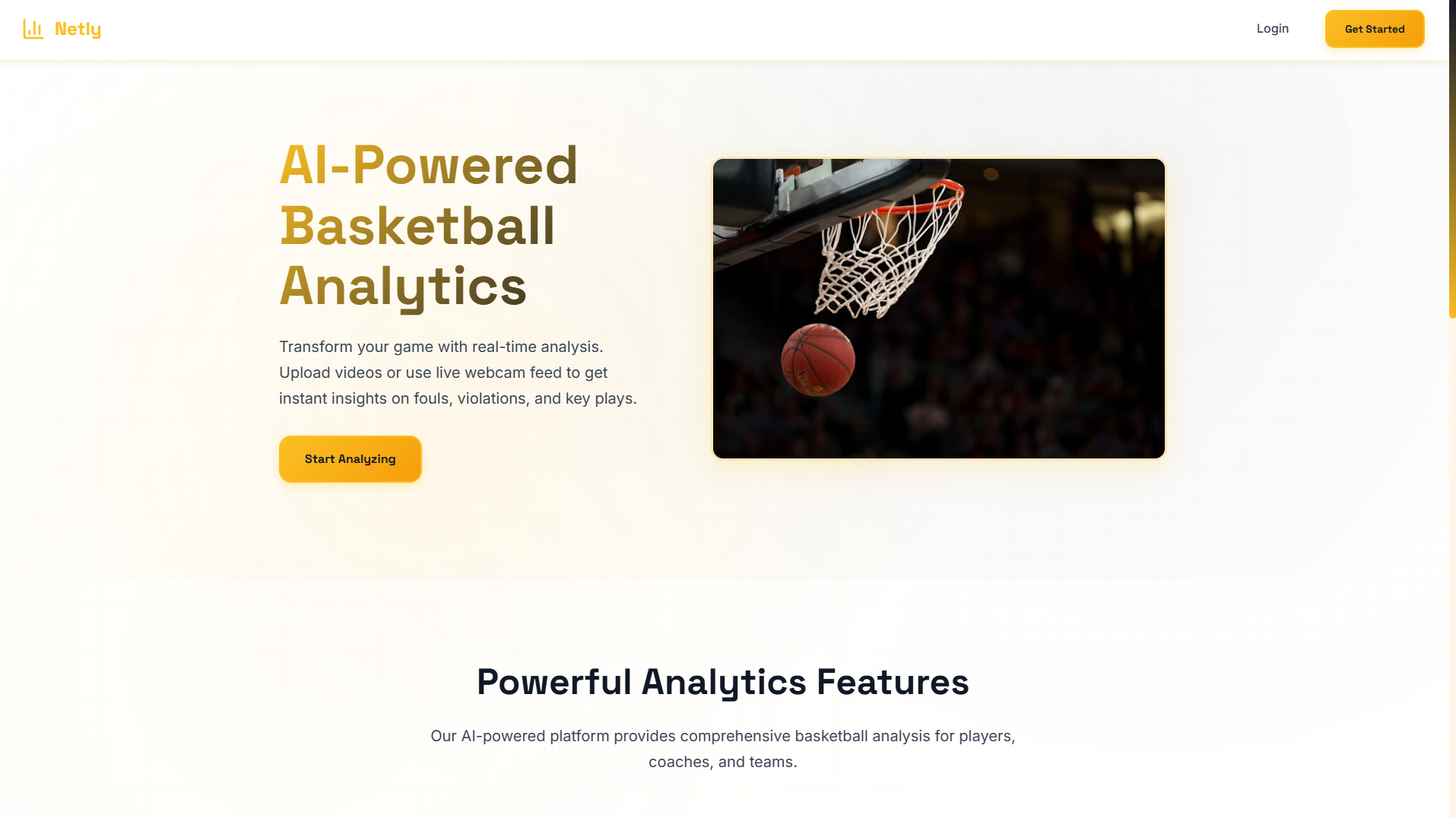
We drew inspiration from the frustration players and fans face when referees make biased calls. Bad calls on fouls, double dribbles, and travels often decide games unfairly. We saw referees miss obvious violations or penalize clean plays. These mistakes ruin momentum, kill fairness, and spark unnecessary controversy. We decided to solve the problem.
We built a system that tracks movement, detects violations, and flags errors with speed and precision.
🧠 Our goal is clear: remove subjectivity, enforce the rules, and restore integrity to the game using machine learning and computer vision.
We refuse to let bias control the scoreboard.
🎯 What it does
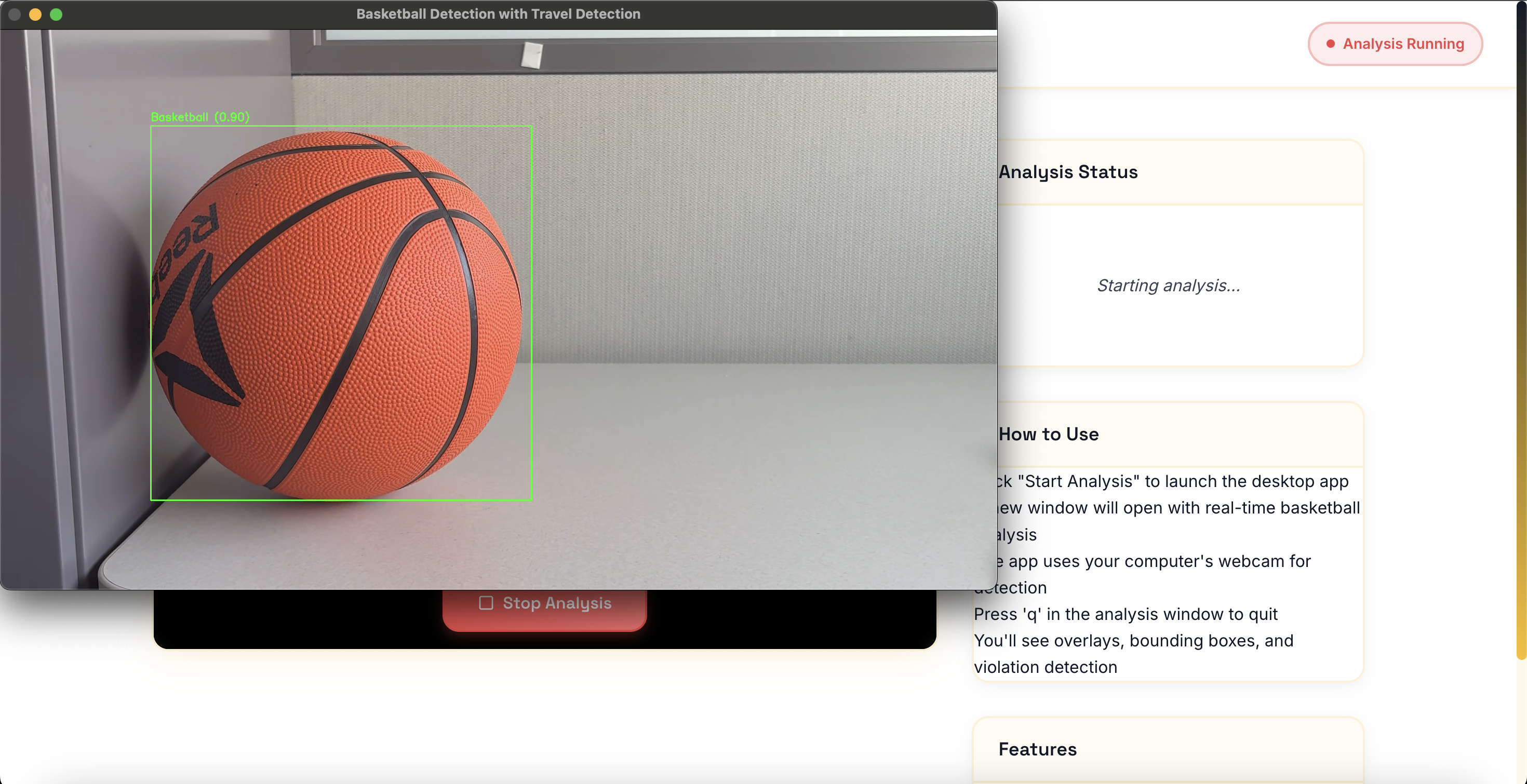
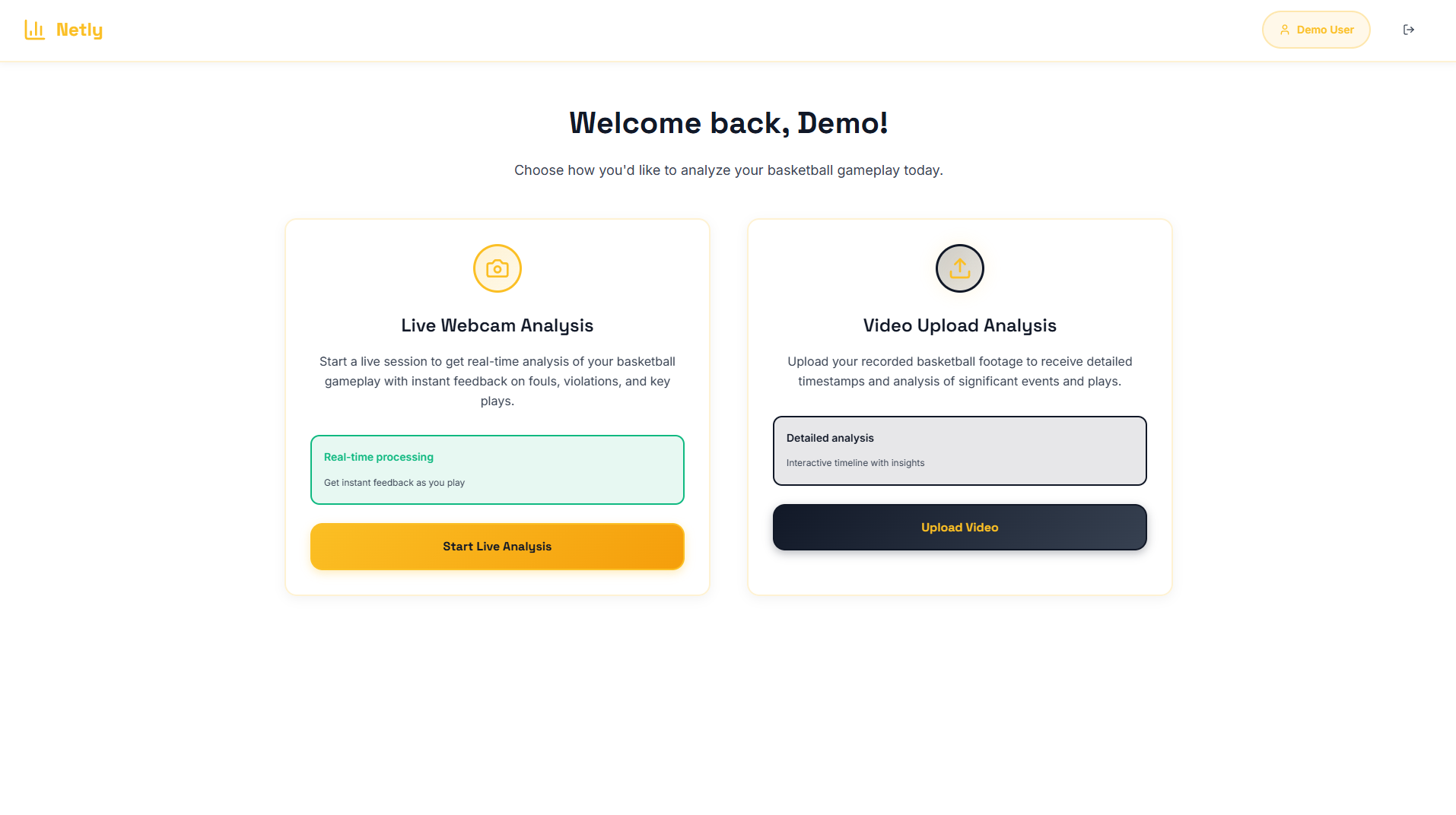
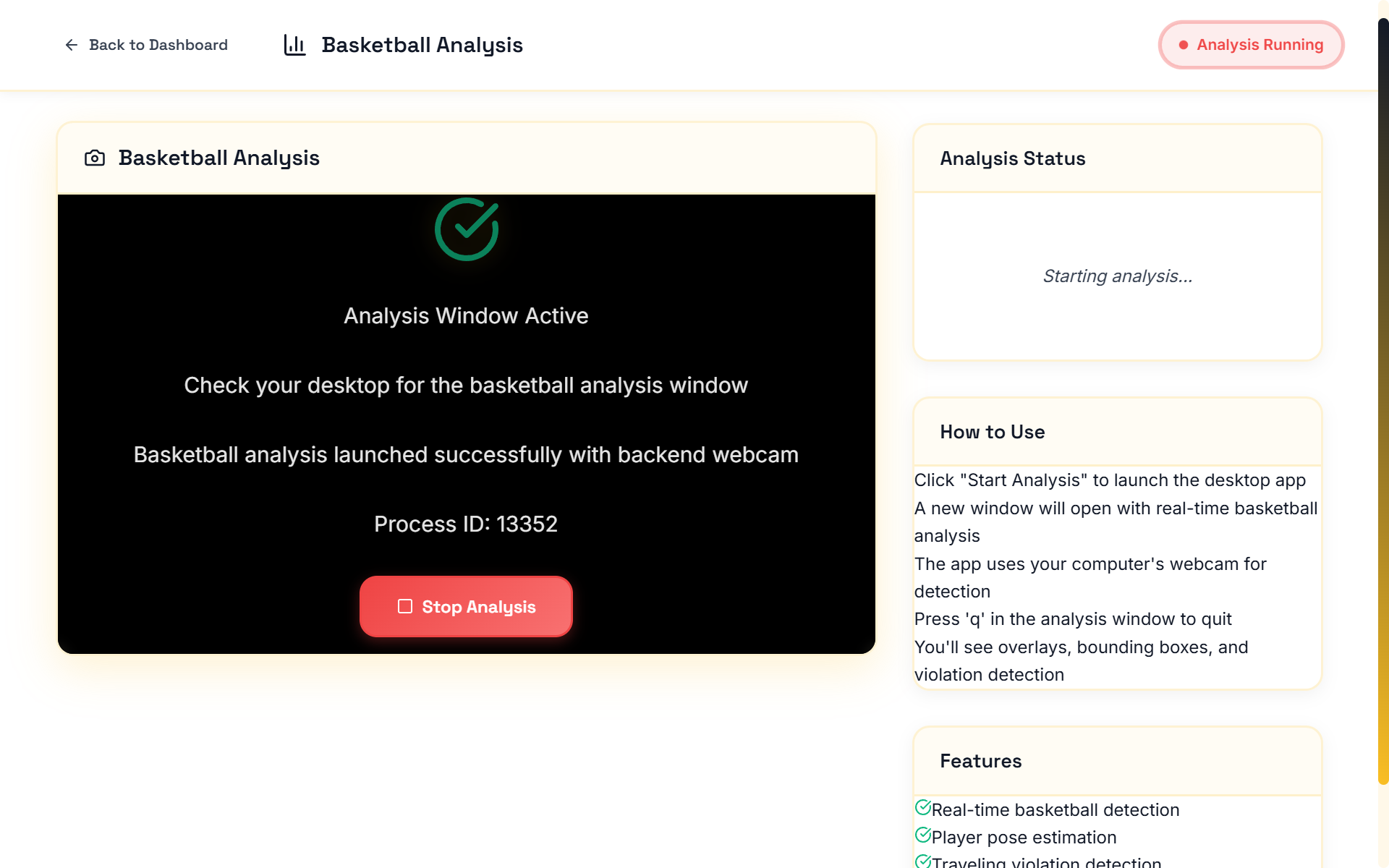
At its current state, our live webcam detects travels with real-time precision. It watches player movement, checks for possession, and flags violations without delay.
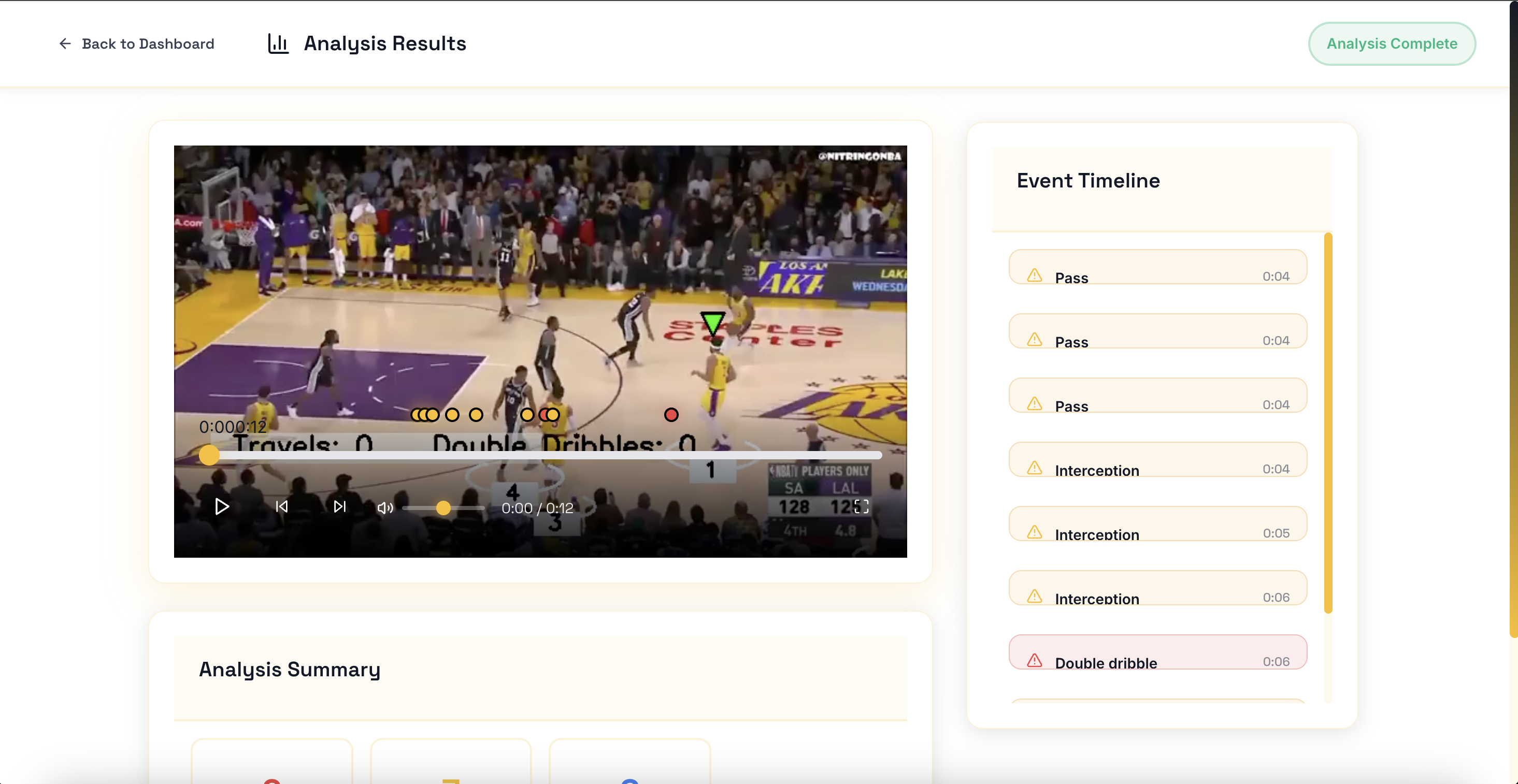
Our video processor:
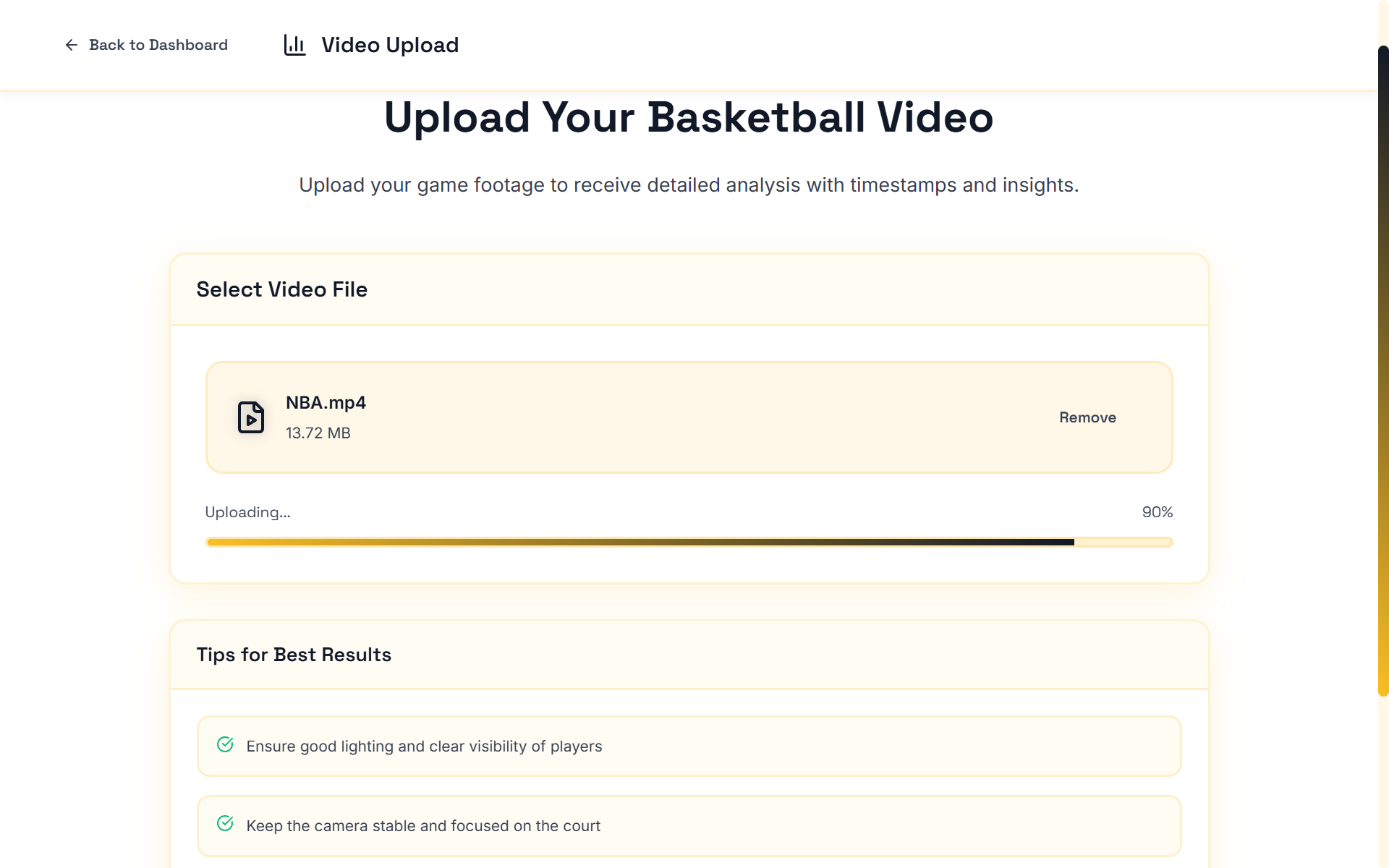
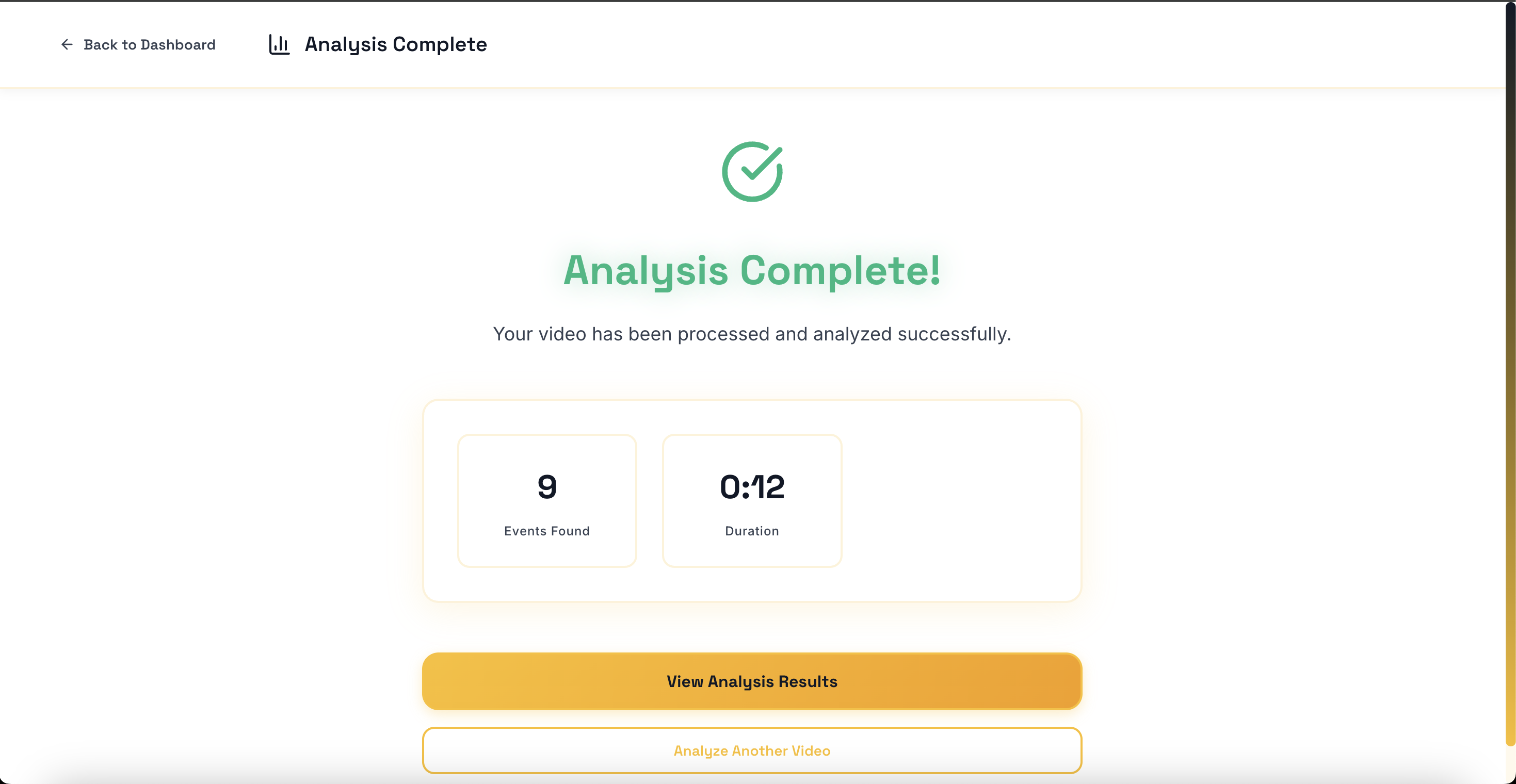
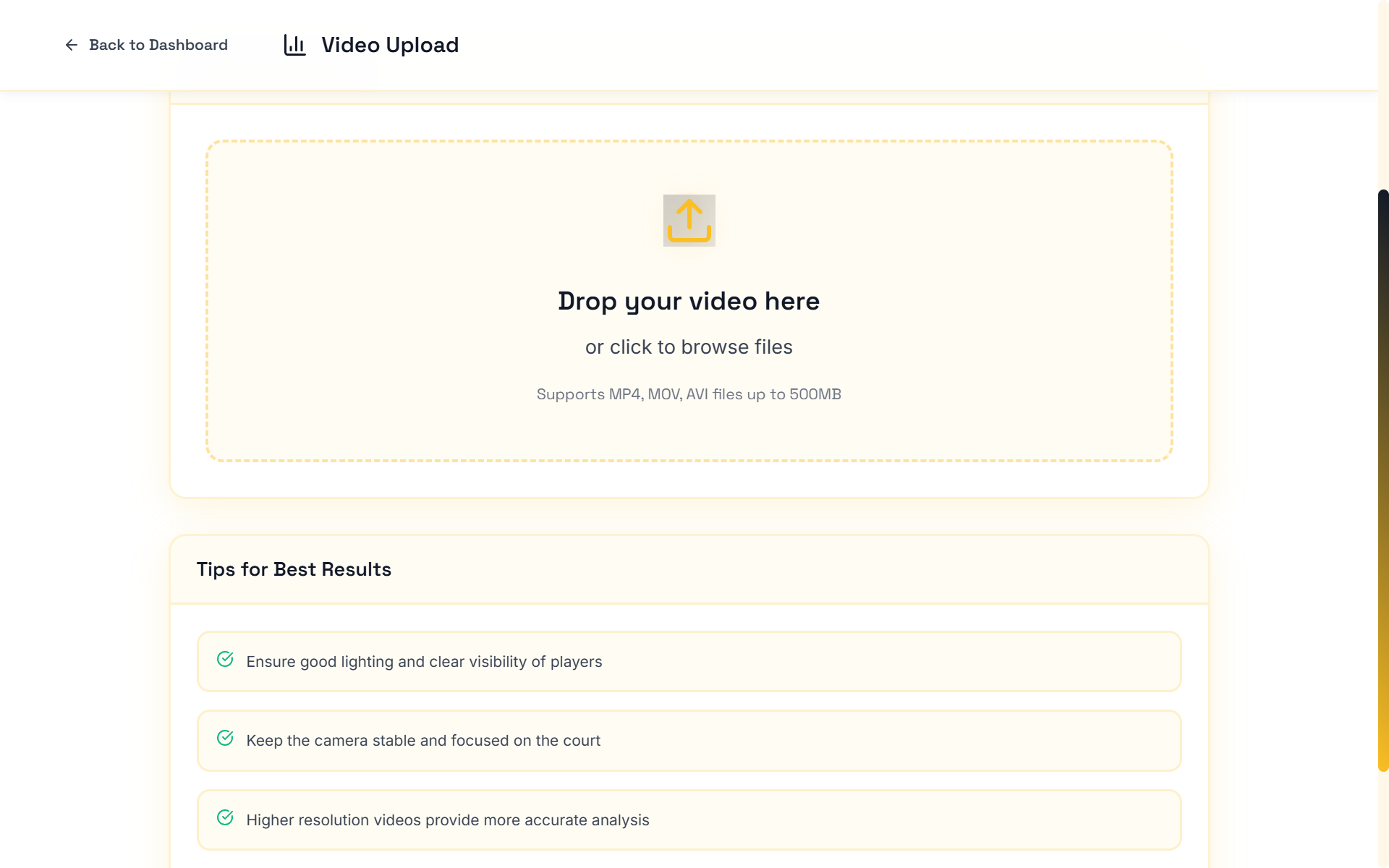
- Takes full games
- Scans every frame
- Inserts exact timestamps at key moments
It highlights:
- 🟥 Travel violations
- 🔄 Shifts in possession
- ⚡ Pivotal actions that demand attention
📣 Coaches can review clips instantly.
📣 Analysts can extract patterns.
📣 Referees can double-check calls with evidence.
We built this system to capture the truth and eliminate doubt in every play.
🛠️ How we built it
We built the front-end using Typescript and React with help from Cursor, which gave us speed and flexibility. We created the web page in under an hour, giving us a functional base quickly.
That speed freed us to focus on:
- 🧠 Training models
- 📹 Integrating video feeds
- 🧮 Engineering logic for travel detection
Every hour saved on making the website gave us more time to fine-tune accuracy, solve possession tracking, and push the limits of real-time analysis.
💪 Cursor helped us move fast, but our backend made the project powerful.
🧩 Challenges we ran into
A major challenge we faced was fine-tuning the model.
We:
- Spent hours adjusting parameters
- Tested outputs to match real game behavior
Eventually, we switched to a pre-existing dataset to improve detection of the basketball.
Once we had reliable ball tracking, we:
- Built logic to detect possession
- Zeroed in on identifying travels
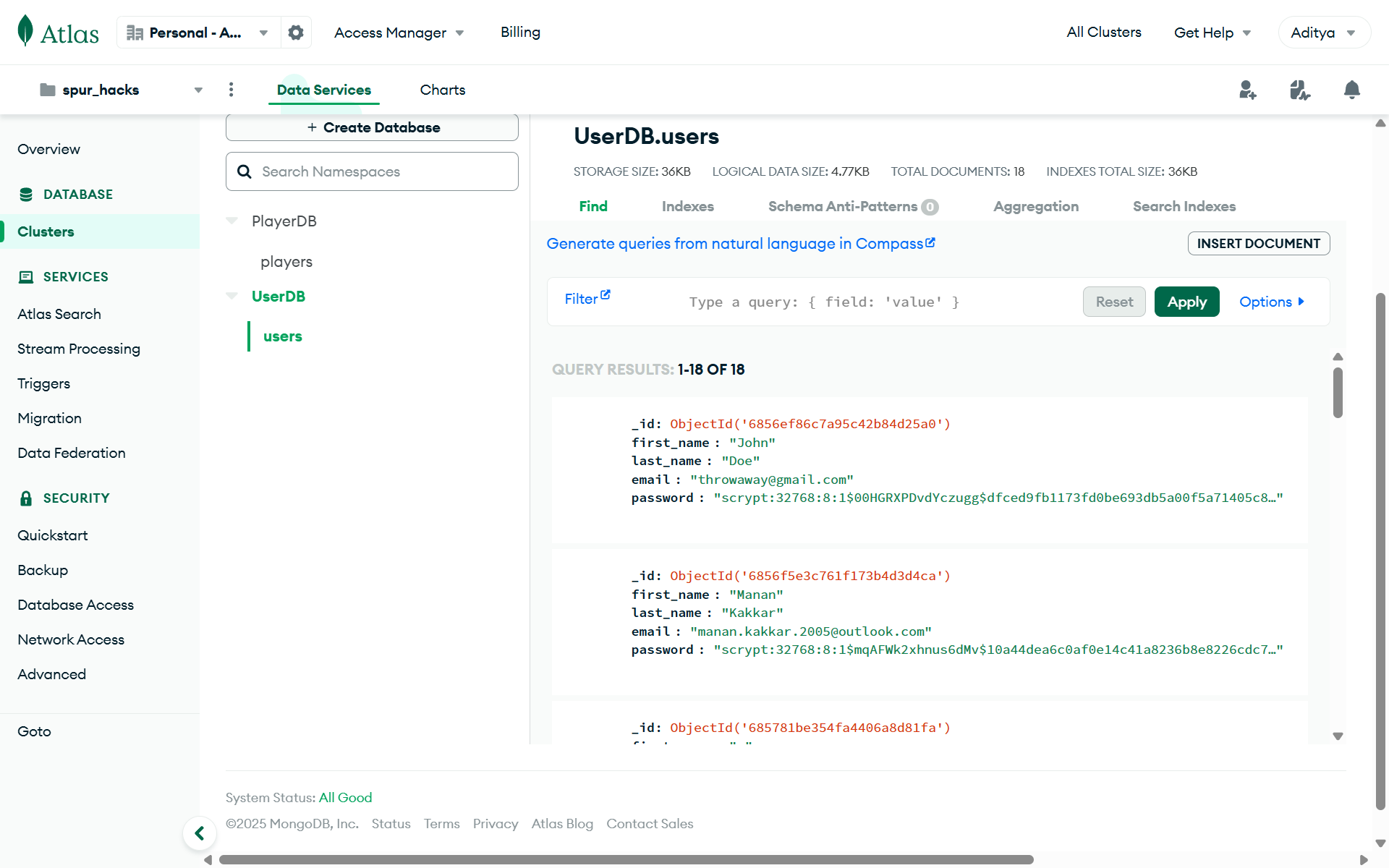
We also tackled user authentication, which introduced its own bugs and edge cases.
🏆 Accomplishments that we're proud of
We felt proud of the webcam detection, especially since we had never used OpenCV or Ultralytics before.
Our inexperience showed at first, but we:
- Pushed through it
- Tested relentlessly
- Iterated quickly
- Improved with every attempt
As the system came together, we saw its potential grow.
Given more time and resources, this product can scale into a powerful tool for professional basketball.
That vision became clearer the deeper we went into development.
📚 What we learned
We quickly realized that poor task management and weak planning create real problems.
At several points, we:
- Stalled because no one knew the next step
- Burned valuable time debating tasks instead of building
We also learned the value of:
- ✅ Regular Git commits
- ✅ Version alignment
Near the end of the hacking period:
- Each team member had slightly different versions of the code
- Merge conflicts caused last-minute debugging chaos
🚀 What's next for Netly
We plan to:
- Improve detection accuracy
- Expand detection to include fouls
- Track passes, shots, turnovers, and more in real time
This data holds real value for:
- 🏀 Teams negotiating contracts
- 📊 Players improving performance
- 💰 Sports betting platforms automating stat-based wagers
Netly unlocks deeper insight, real-time fairness, and smarter decisions for the game of basketball.
![Aditya Sen [Student]](https://lh3.googleusercontent.com/a-/AOh14GgSyi9DYvqC0S8pzwvCF_LYHay0gVqLjWlIEHHY=s96-c?type=square "Aditya Sen [Student]")


Log in or sign up for Devpost to join the conversation.