-
-
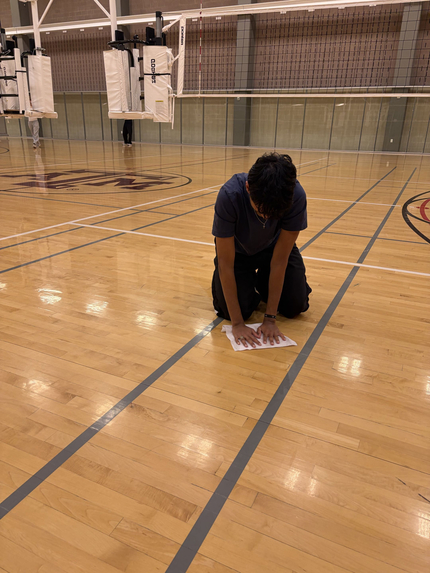
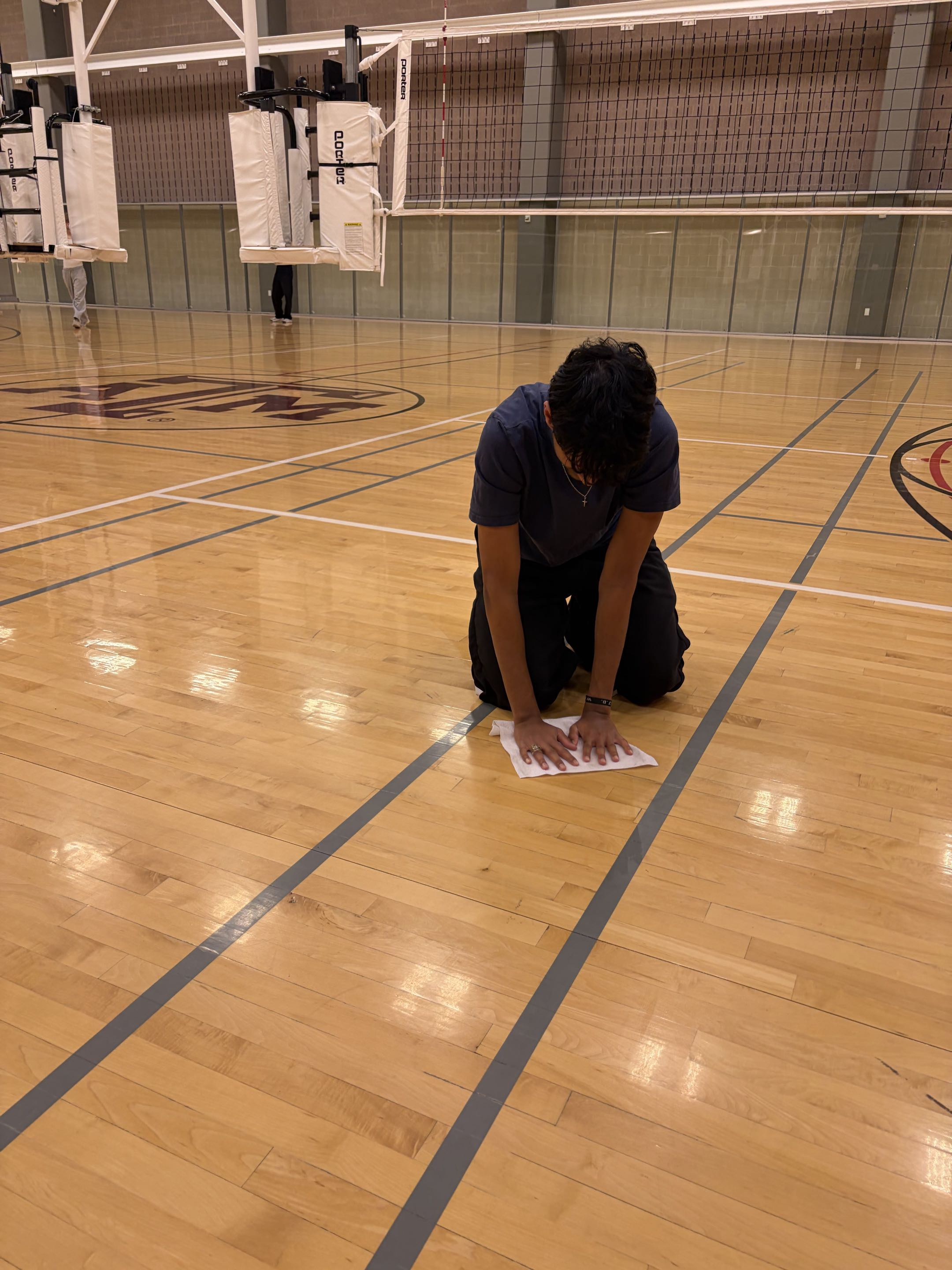
Viddy collecting dust data
-
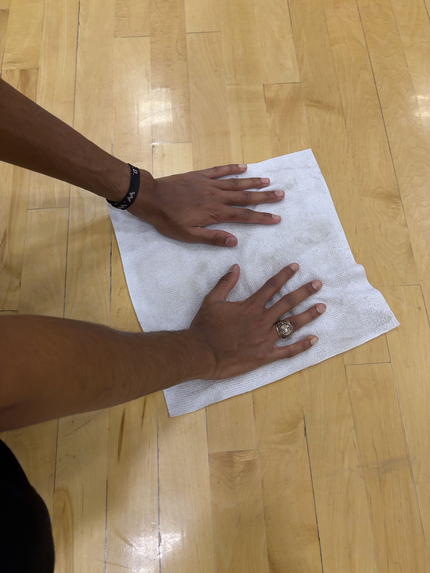
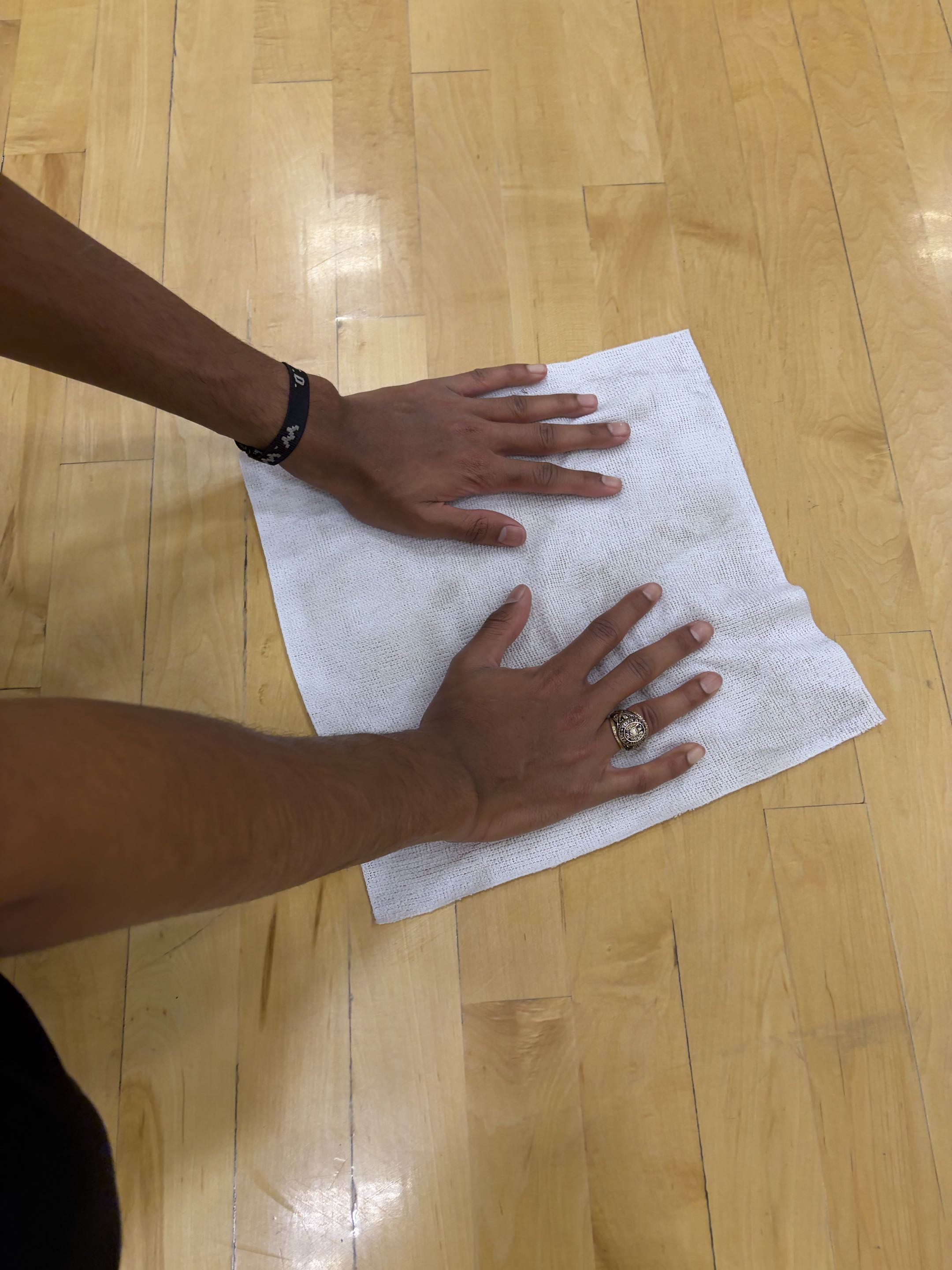
collecting dust close-up
-
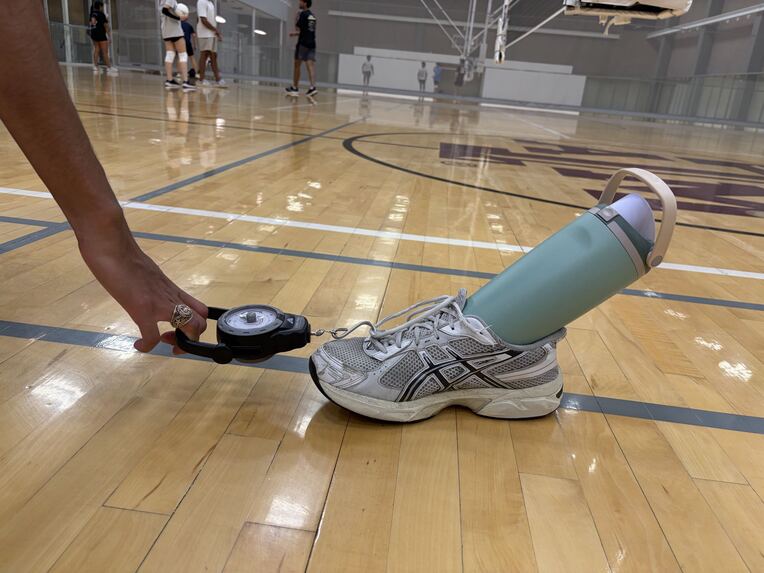
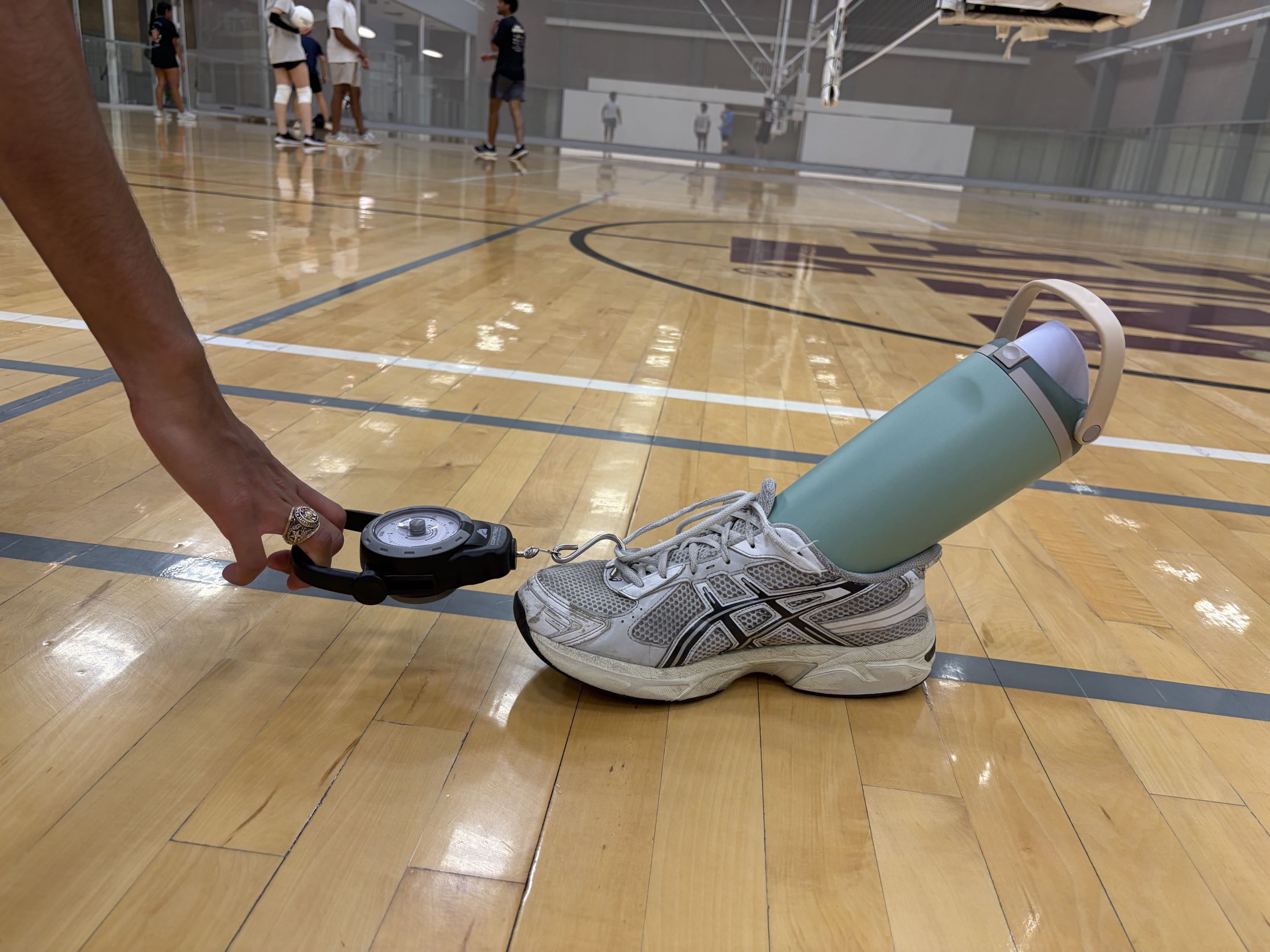
shoe dragging data
-
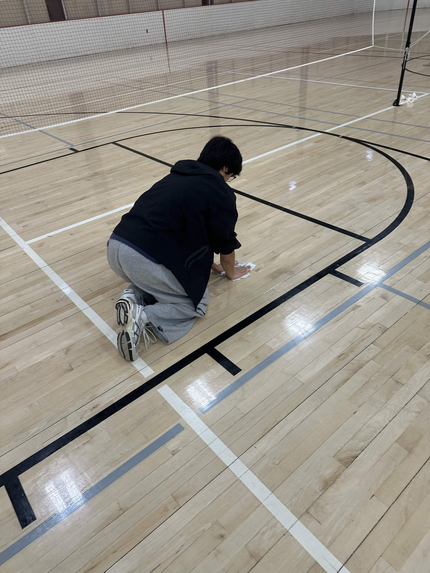
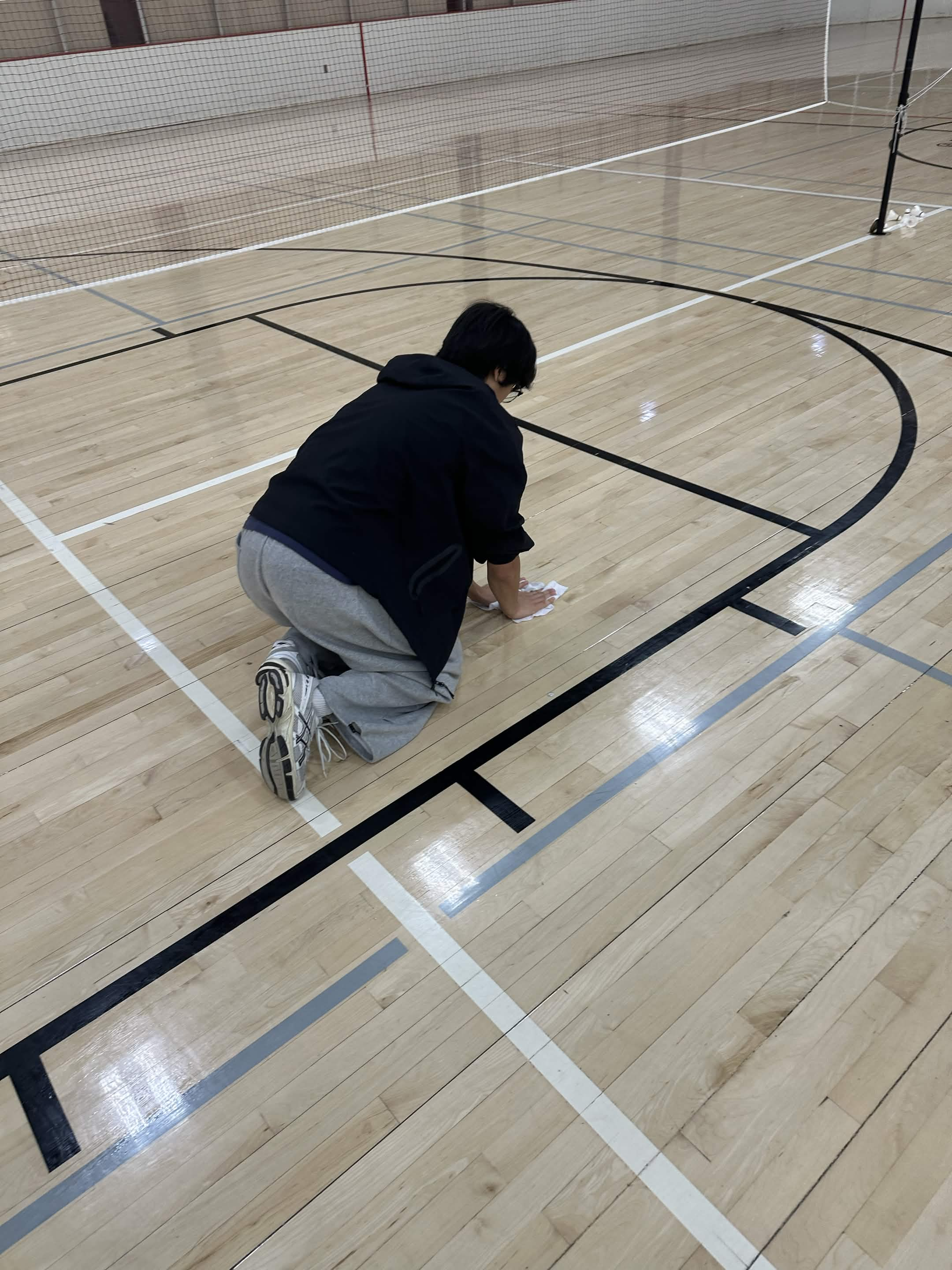
Joseph collecting dust data
Inspiration
Have you ever tried to stop or change direction on an indoor court, only to slip because the floor was dusty? As recreational athletes, we've experienced how frustrating poor traction can be, especially knowing that slipping can lead to injuries that keep people away from the sports they love.
We created CourtCheck to help athletes better understand their playing environment and make recreational sports more enjoyable.
What it does
CourtCheck helps students find their court and find their time.
Our interactive website uses real measurements from Texas A&M's Student Recreation Center to compare surface residue and shoe traction across courts.
For recreational athletes, CourtCheck provides court comparisons, estimated grip levels, and time-based scenarios to help them make more informed playing decisions.
For Rec Center workers, it highlights courts with greater measured residue and lower traction to help prioritize inspections and cleaning attention.
The website also features interactive court details, data visualizations, photographs, and our experimental methodology.
How we built it
We collected data across 16 indoor courts grouped into six court configurations, measuring surface residue and shoe traction.
Instead of randomly selecting locations, we used our personal sports experience to identify high-activity areas. For less familiar sports, including badminton and soccer, we asked recreational players, "What area of the court are you most active in?" Their responses helped us select relevant sampling locations.
Surface residue: We collected 42 microfiber cloth samples from selected court areas. Using Python and OpenCV, we compared photographs of used and clean cloths to calculate a discoloration index based on CIELAB lightness.
Shoe traction: We pulled the same 3-pound weighted basketball shoe across court surfaces using a spring scale, measuring the force needed to initiate sliding and estimating the coefficient of friction.
Our measurements were taken around 4 PM. We also developed projected 7 PM and 10 PM scenarios based on the initial measurements and assumptions about court usage and cleaning.
We built the website using Python, Streamlit, HTML, CSS, and JavaScript, with NumPy and pandas for data processing.
Challenges we ran into
Our biggest challenge was collecting meaningful measurements with limited equipment and time. We had to identify relevant sampling locations while keeping our experimental procedures consistent.
Lighting differences also complicated our computer-vision analysis.
Another challenge was translating technical measurements into information people could easily understand while clearly distinguishing actual observations from projected scenarios.
Accomplishments that we're proud of
We initially expected basketball courts to have the most residue because of their popularity. Surprisingly, pickleball had the highest measured discoloration index (7.22).
Shared court usage and everyday sneakers potentially tracking dirt indoors may help explain this result, although further investigation is needed.
We also found a strong negative correlation (r = −0.98) between cloth discoloration and measured shoe traction across our six court groups.
We're proud that CourtCheck turns these findings into practical information for both athletes and Rec Center workers.
What we learned
We learned that meaningful engineering doesn't always require expensive equipment or enormous datasets. Simple tools and thoughtful experimental design can reveal interesting patterns.
Most importantly, collecting data is only half the challenge. Interpreting it responsibly and making it understandable and useful to real people is equally important.
What's next for CourtCheck
We hope to collect actual measurements across multiple times and days, investigate how cleaning affects court traction, and test different footwear.
We also want to collaborate with Rec Center workers to explore how our measurements could support maintenance decisions.
Ultimately, our goal is to help athletes focus on the sports they love, not what's under their feet.
