-
-
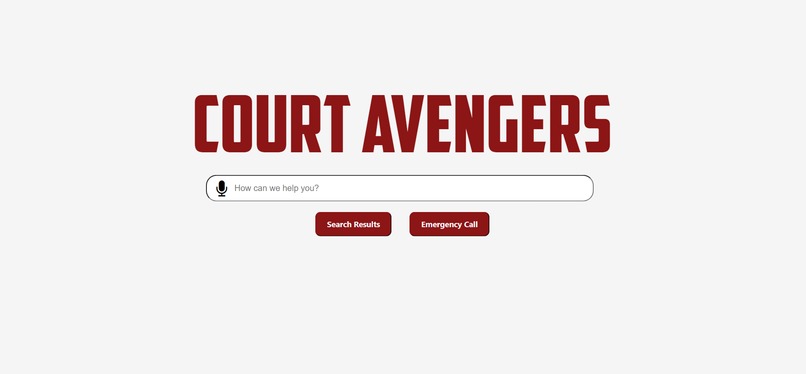
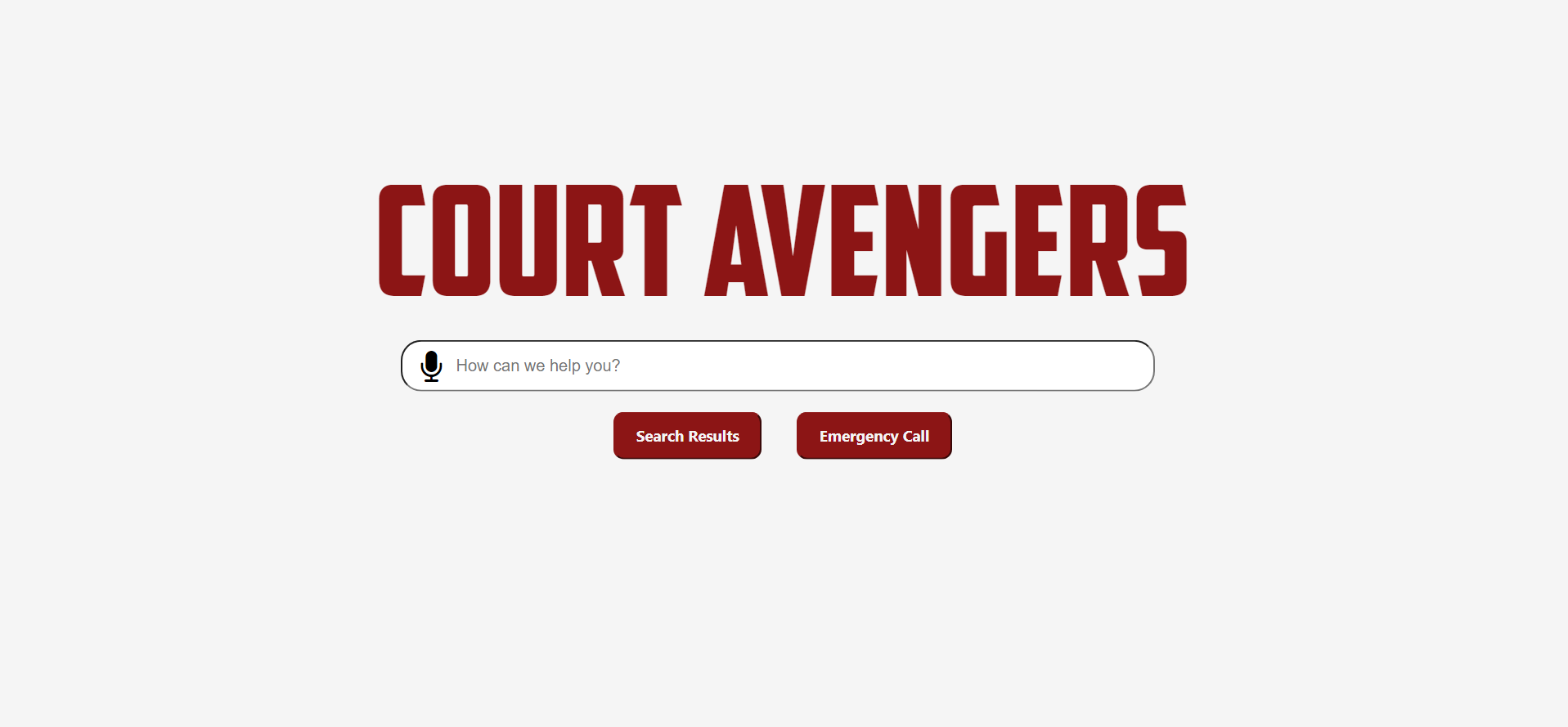
The landing page of our website
Inspiration
Minority groups in the US and in the world bear the brunt of so much discrimination, hate, harassment, and unfair treatment. The longstanding issues of racial profiling, as well as the rising Asian resentment that is triggered by the ravaging global pandemic, tell us exactly why these groups need strengthened layers of legal protection. But the lack of provisions is only one part of the problem; the lack of knowledge on the part of these minority groups on the ways they can legally defend themselves is a more pressing concern. Several acts of discrimination happen so blatantly in the day of light, yet the victims are forced to keep it all to themselves due to the financial hassle of consulting a lawyer, or just knowing whether a legal pursuit is practical in their situation. Our team figured that there is an extreme need to create a platform where members of minority groups can explore their rights and the feasible paths of legal action while eliminating concerns that prevent them from doing so. With this product, we hope to empower minorities in their fight against the world's inherent oppressions.
What it does
Our website acts like a typical search engine, except that it displays results of existing laws and past case precedents depending on the user's search inquiry. These displayed provisions are extracted from the Harvard Case Law Access Project, which was built precisely to fuel the development of legal apps and technologies. The results are also summarized in layman terms so that it is easily understandable for our readers of all backgrounds. Additionally, our website includes an Emergency Call feature, which the users can use in inevitable circumstances that they may require immediate help. This will redirect them to the closest authorities who can attend to their needs.
How we built it
The interface of our website was designed using Bootstrap, and the data regarding the laws and cases were accessed in the backend using Flask in Python. We used the CaseLaw-API to access our source of provisions to show in the search results. We also used AssemblyAI to operate the audio feature of our search bar, and Twilio to implement our Emergency Call feature.
Challenges we ran into
HackHarvard coincides with the midterm period of some of our team members, so juggling our academic duties while performing our best in this hackathon was our biggest hurdle. It was difficult to cohesively collaborate as a team since we were in different time zones and had non-overlapping schedules. We faced some issues while integrating the backend.
Accomplishments that we're proud of
The resulting output is still remarkably complete considering our wavering time commitments, and it is a product that we all could proudly look back to. We are simply enthusiastic at the potential of our product to empower minorities.
What we learned
Doing our prior research and user studies, we have come to realize where our idea stands in the startup scene of legal AI bots and technologies. It was amazing how technology has grown to automate trivial legal tasks and assist ordinary people in their legal cases. We also learned a lot in the 36 hours of working as a team; given our individual obligations, it is more important to follow a stricter regimen and timeline to ensure steady progress throughout the hackathon.
What's next for Court Avengers
We hope to expand the scope of our product to include other issues that minority groups face. We also would like to implement these across all the states in the US, since from our understanding some states may have different provisions. We also plan to deploy this product in other translated languages, and hopefully grow its use to other countries and continents.


Log in or sign up for Devpost to join the conversation.