-
-

Thumbnail
-
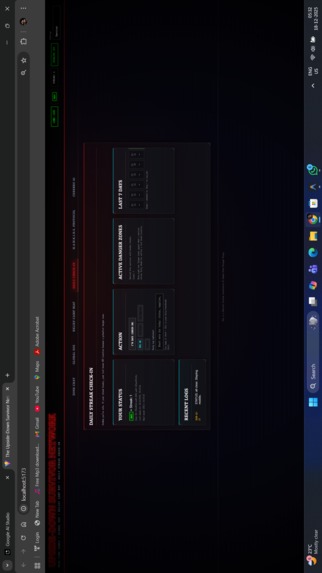
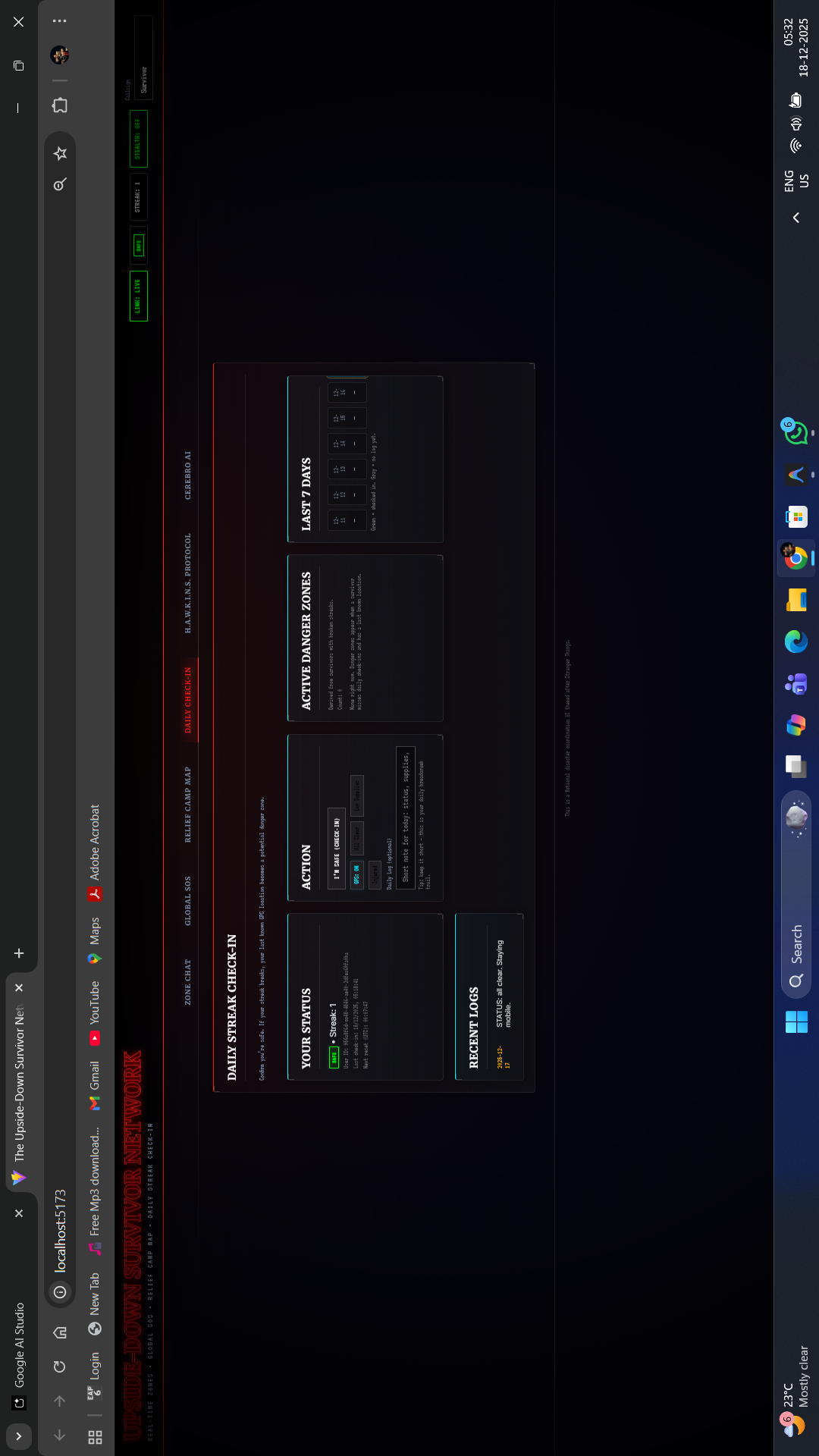
Daily Checkin
-
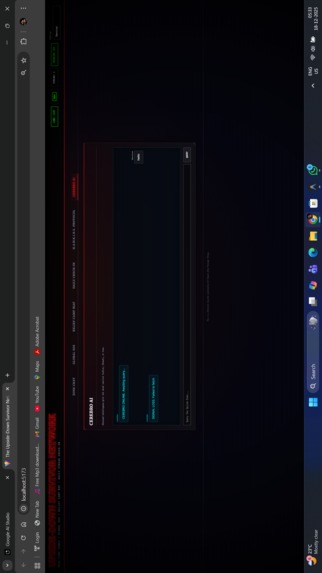
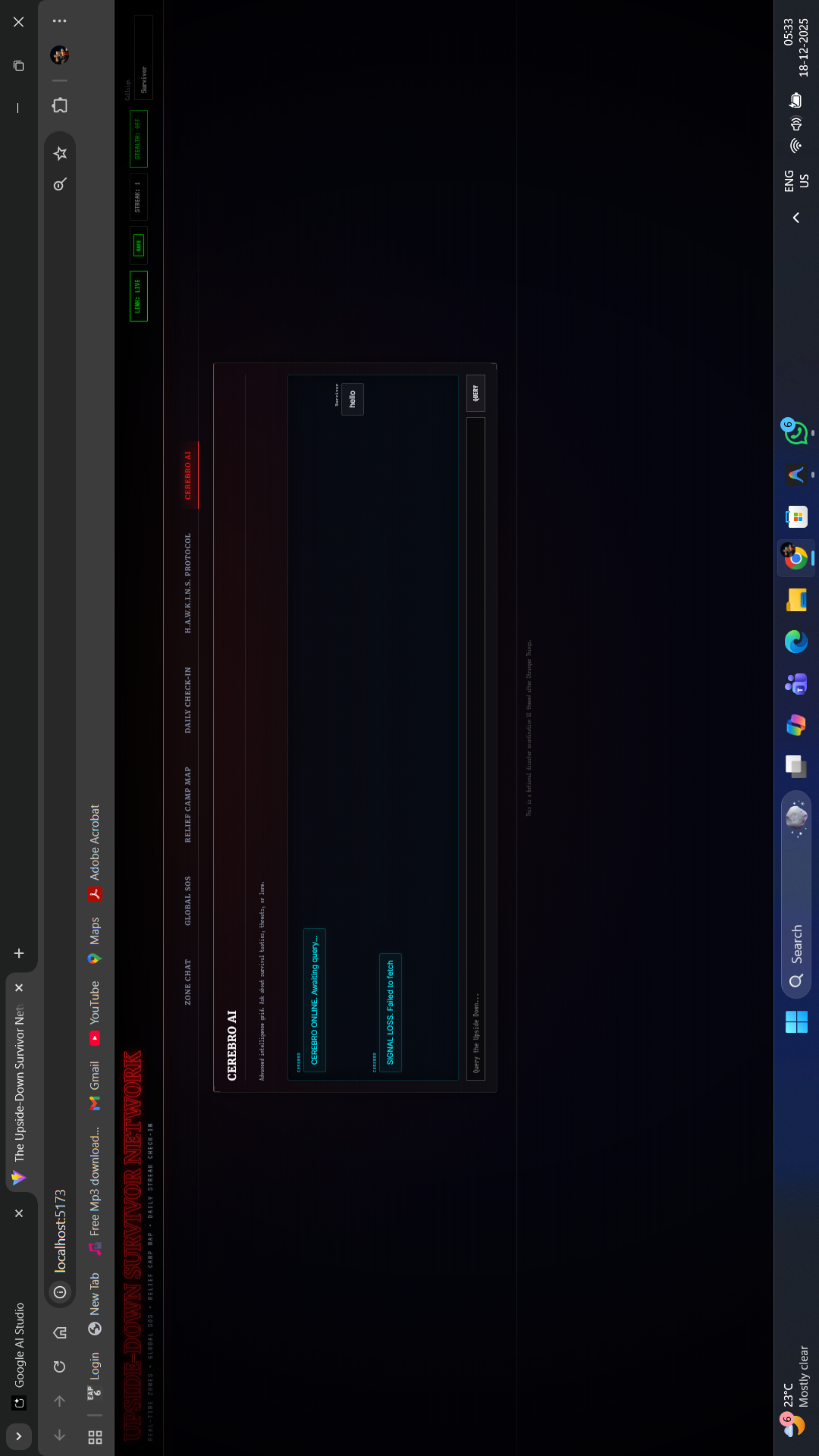
Cerebro AI
-
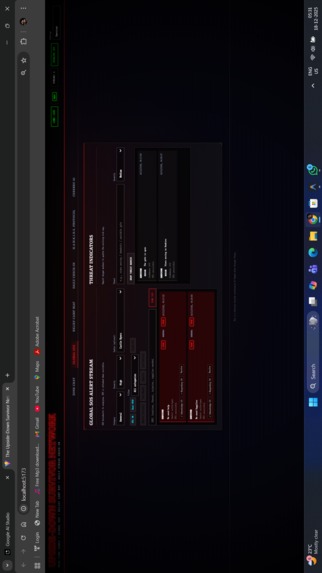
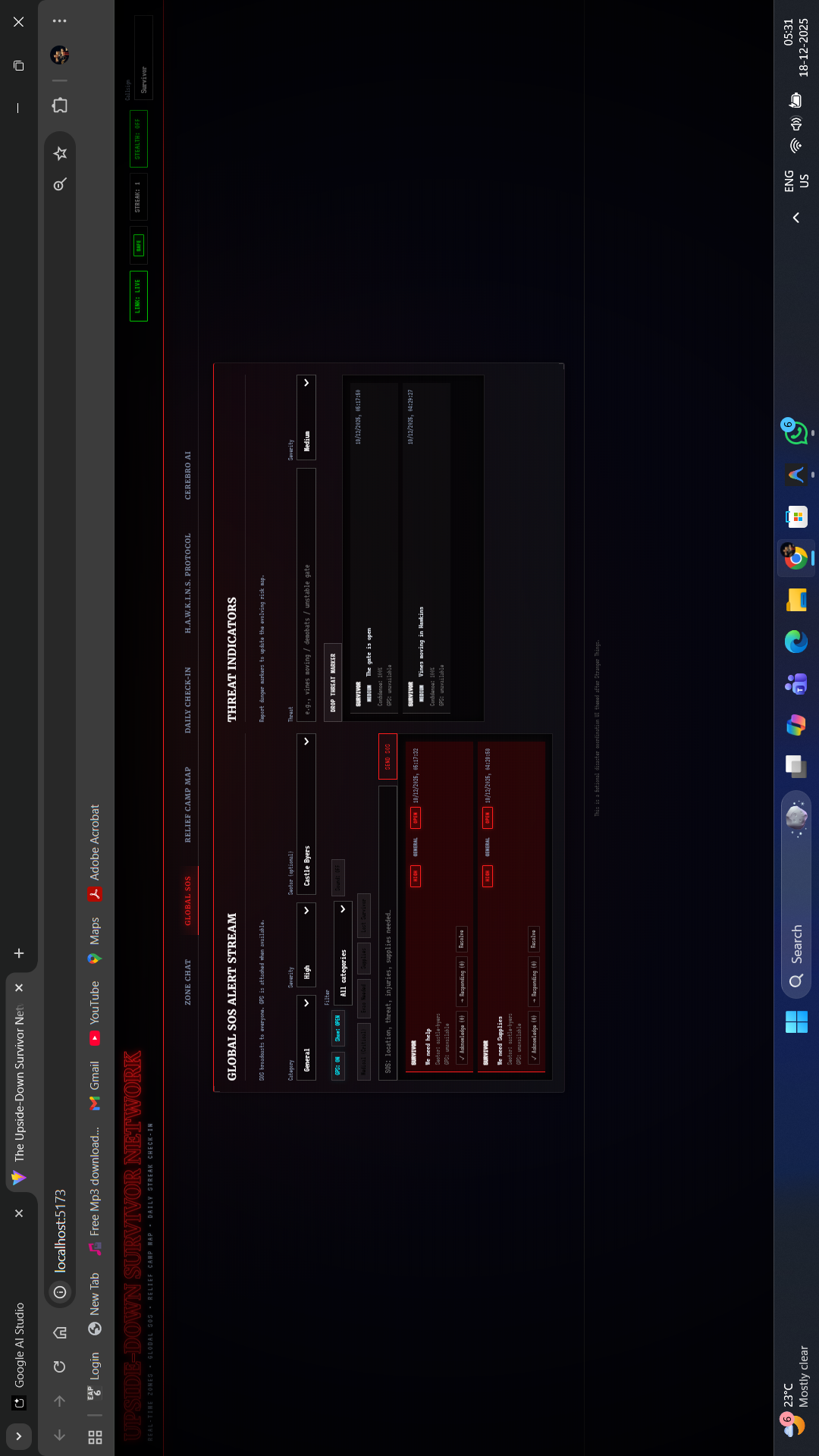
Global SOS
-
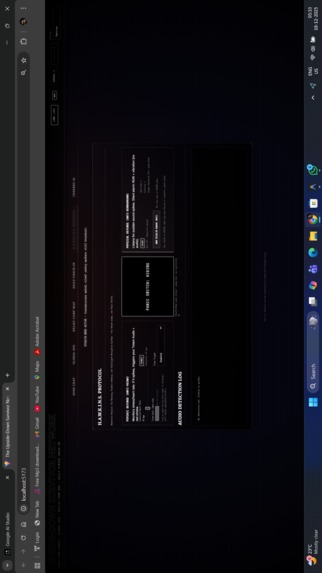
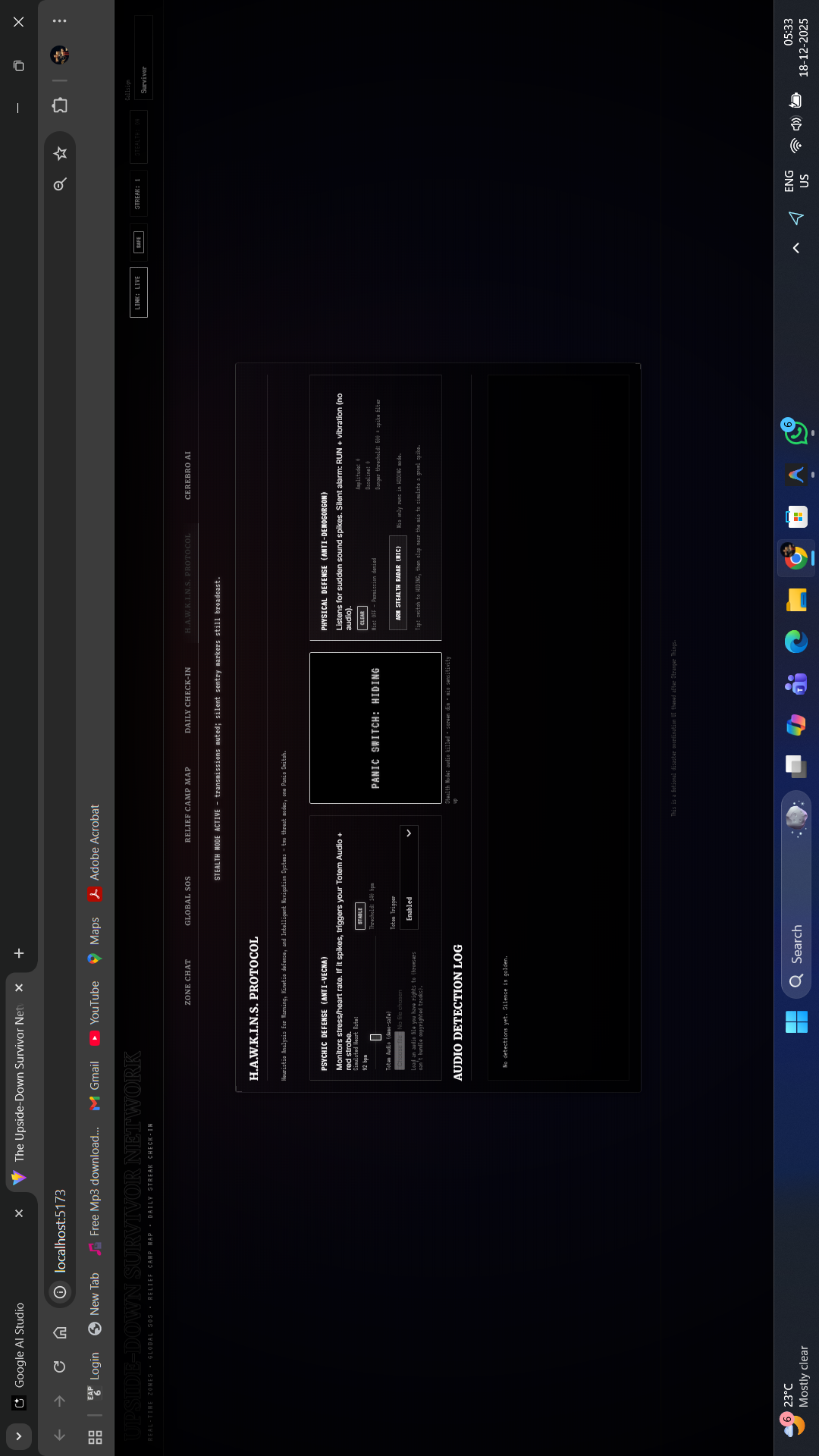
Hawkins Protocol
-
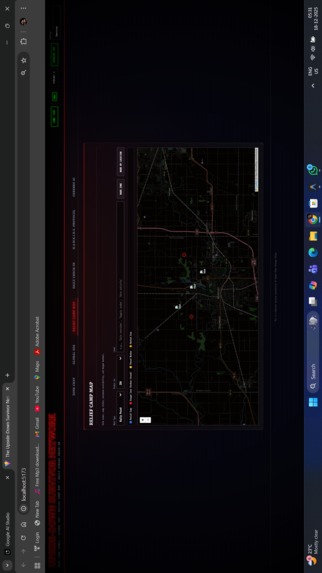
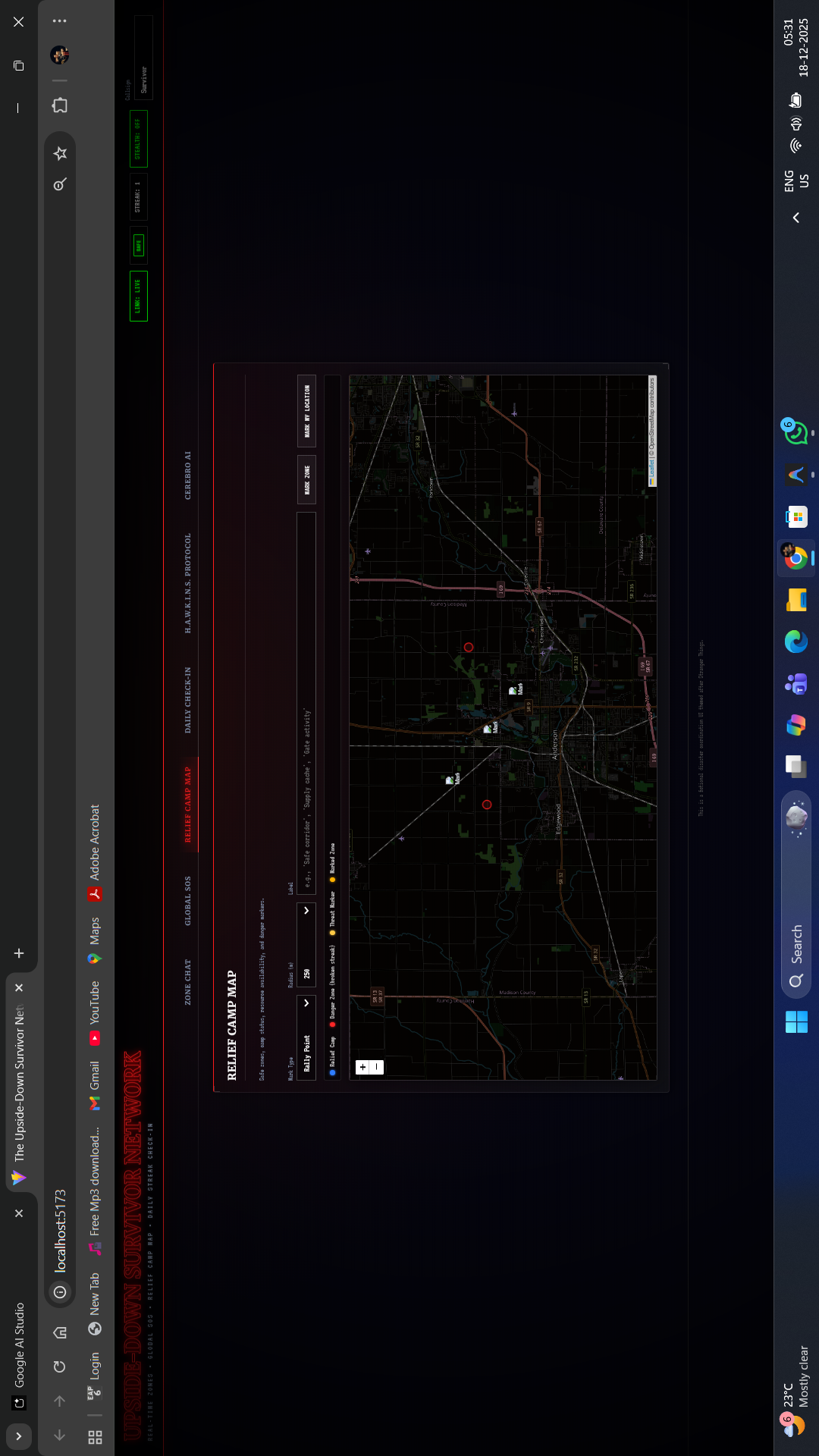
Relief Camp Map
-
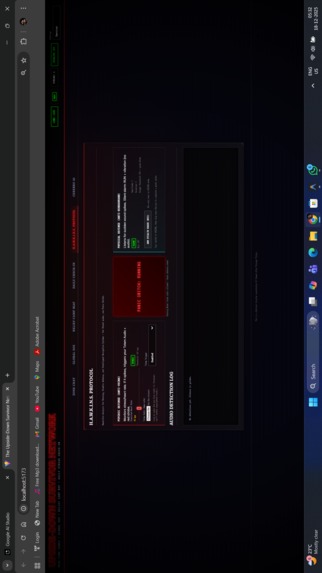
Hawkins Protocol
-
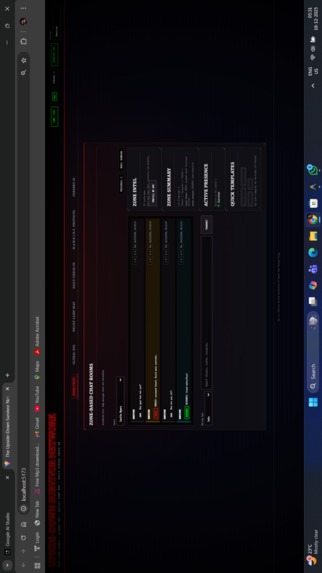
Zone Chat

Inspiration
The core idea for CounterHive came from the Stranger Things universe, especially the Mind Flayer’s hive-mind network. We asked ourselves: “What if humans could build a hive mind too — not through control, but through connection?”
The Upside Down presents unpredictability, danger, and isolation. Real disasters in our world show similar patterns: missing people, misinformation, weak communication channels, and emotional uncertainty.
This project became our attempt to flip the dynamic — to turn silence into signal, fear into awareness, and individuals into a network.
What it does
CounterHive is a human survival communication system that combines:
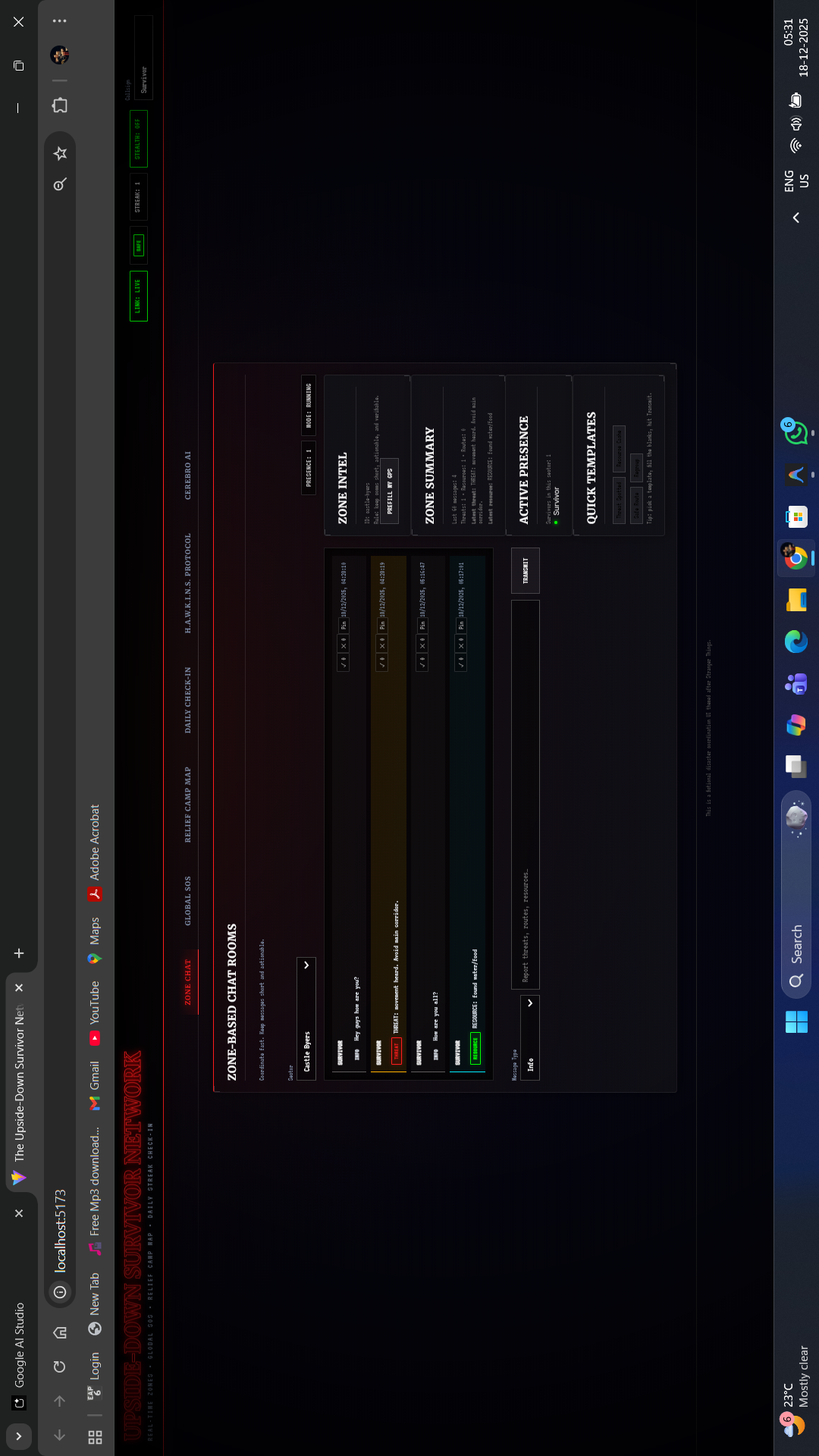
- zone-based chat rooms
- a global SOS stream
- interactive relief camp mapping
- daily safety check-ins
- automated danger-zone alerts
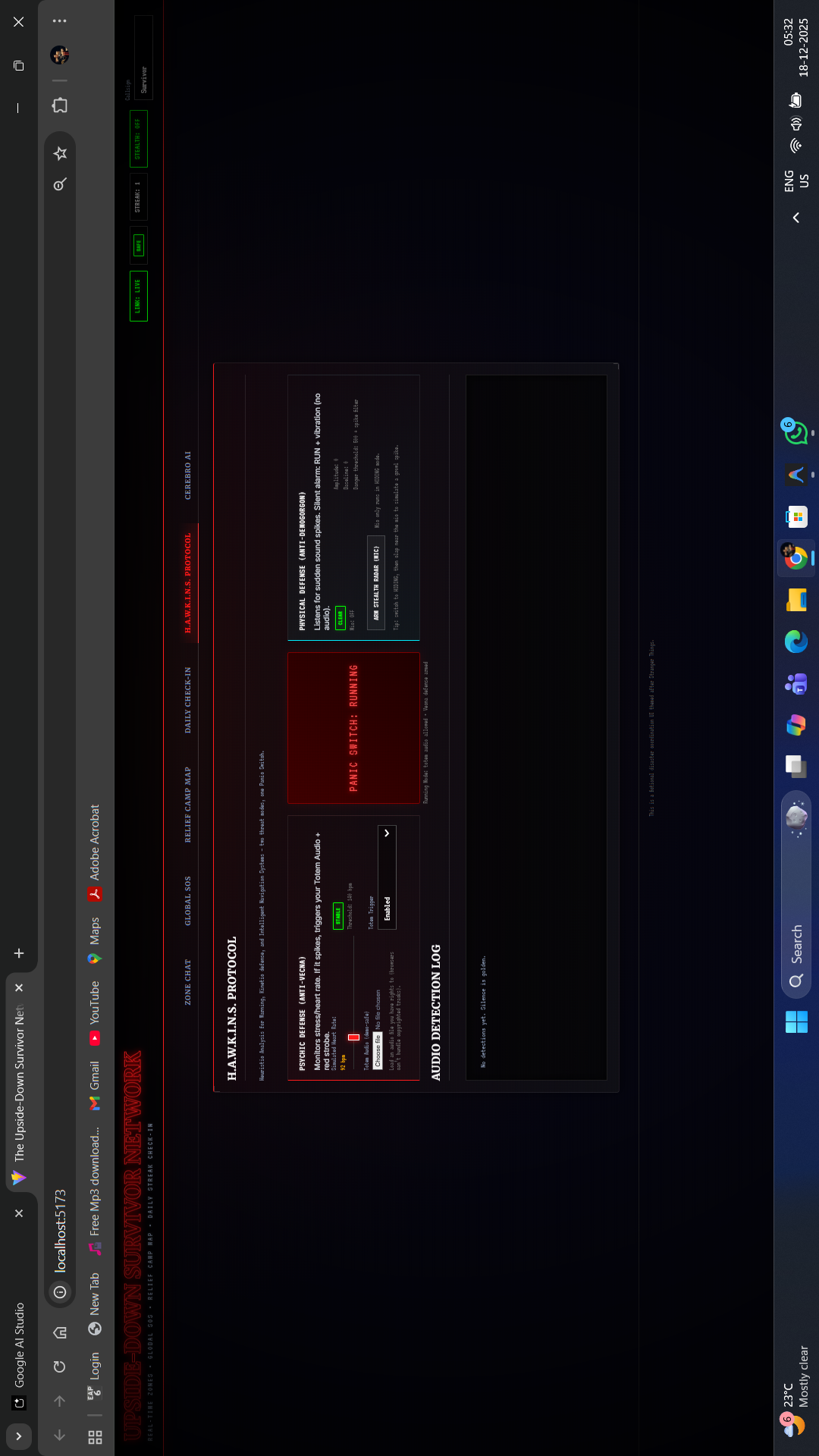
- heart-rate and altitude–responsive music
- microphone-based screech detection
- a Gemini-powered survival assistant
These features create a real-time awareness network that helps people make faster and clearer decisions during crisis.
How we built it
We structured the platform into functional layers.
Frontend: Built using React, featuring responsive map views, live chat and alert feeds, and visual safety indicators.
Backend: Handles location and streak tracking, danger scoring logic, and SOS event pipelines.
Sensor and music logic: Heart-rate and altitude data are treated as signals. For example: ( HR_{spike} = HR_{current} - HR_{baseline} ) If the spike is above a threshold, calming music plays.
Screech detection: Microphone audio is analysed to detect certain high-frequency patterns linked to threat events.
Gemini API integration: We used the Gemini API to interpret system data, answer questions, summarise map/alert output, and reduce confusion. We did not build a chatbot model ourselves — our challenge was to use Gemini in the most meaningful way possible.
Challenges we ran into
Sensor noise: Heart-rate and altitude signals fluctuated, so we had to add filtering and thresholds.
Screech detection: Environmental noise made audio pattern recognition difficult, leading to early false alerts.
UI overload: Too much data overwhelmed users; too little reduced value. Finding balance took multiple iterations.
Gemini prompt engineering: Designing prompts that were helpful, context-aware, and reliable required experimentation.
Time constraints: Integrating maps, alerts, sensors, and AI under a deadline demanded fast decision-making.
Accomplishments that we're proud of
- We built a functioning survival coordination network.
- We integrated the Gemini API intelligently.
- We turned a fictional concept into a technical reality.
- We implemented automatic danger detection.
- We demonstrated real use cases for multi-signal inputs.
What we learned
We learned about:
- real-time mapping
- audio recognition
- sensor logic
- prompt engineering
- fear-state UX design
Most importantly, we learned that technology is most powerful when it strengthens human connection rather than replacing it.
What's next for CounterHive
Future improvements include:
- better audio pattern detection
- stress prediction using sensor data
- AR navigation overlays
- deeper Gemini context handling
- cross-zone coordination
- offline peer-to-peer communication
CounterHive is a foundation — a counter-hive built through people, signals, and shared awareness.
Built With
- concurrently
- css3
- express.js
- geolocation-api
- google-gemini-api-(gemini-2.5-flash)
- html5
- in-memory-fallback-store
- javascript-(es6+)
- leaflet.js
- node.js
- nodemon
- postgresql
- react
- react-leaflet
- socket.io-client
- socket.io-server
- supabase
- vibration-api
- vite
- web-audio-api

Log in or sign up for Devpost to join the conversation.