-
-
thumbnail
-
thumbnail
-
thumbnail
Inspiration
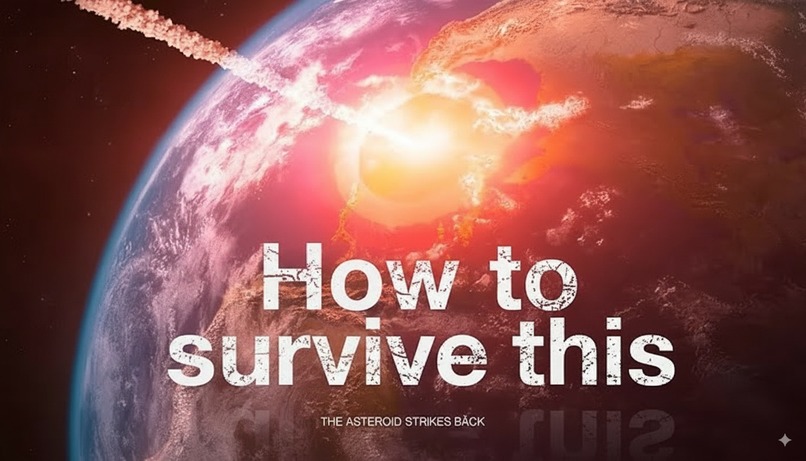
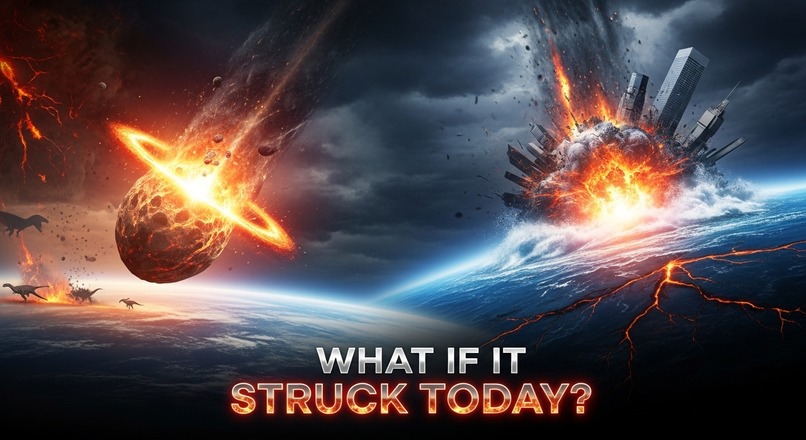
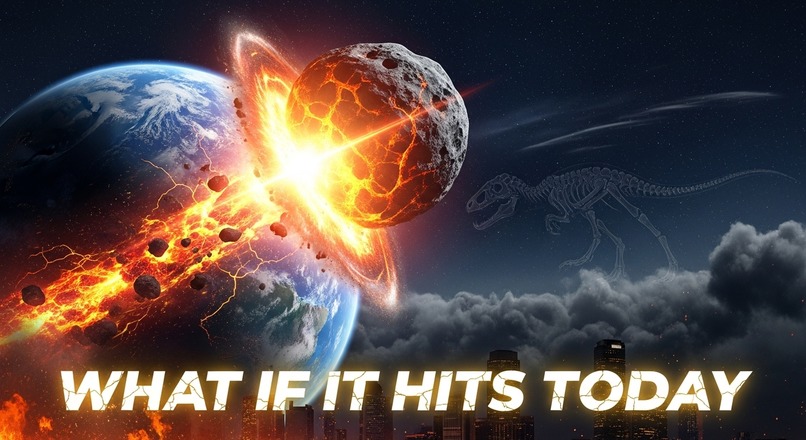
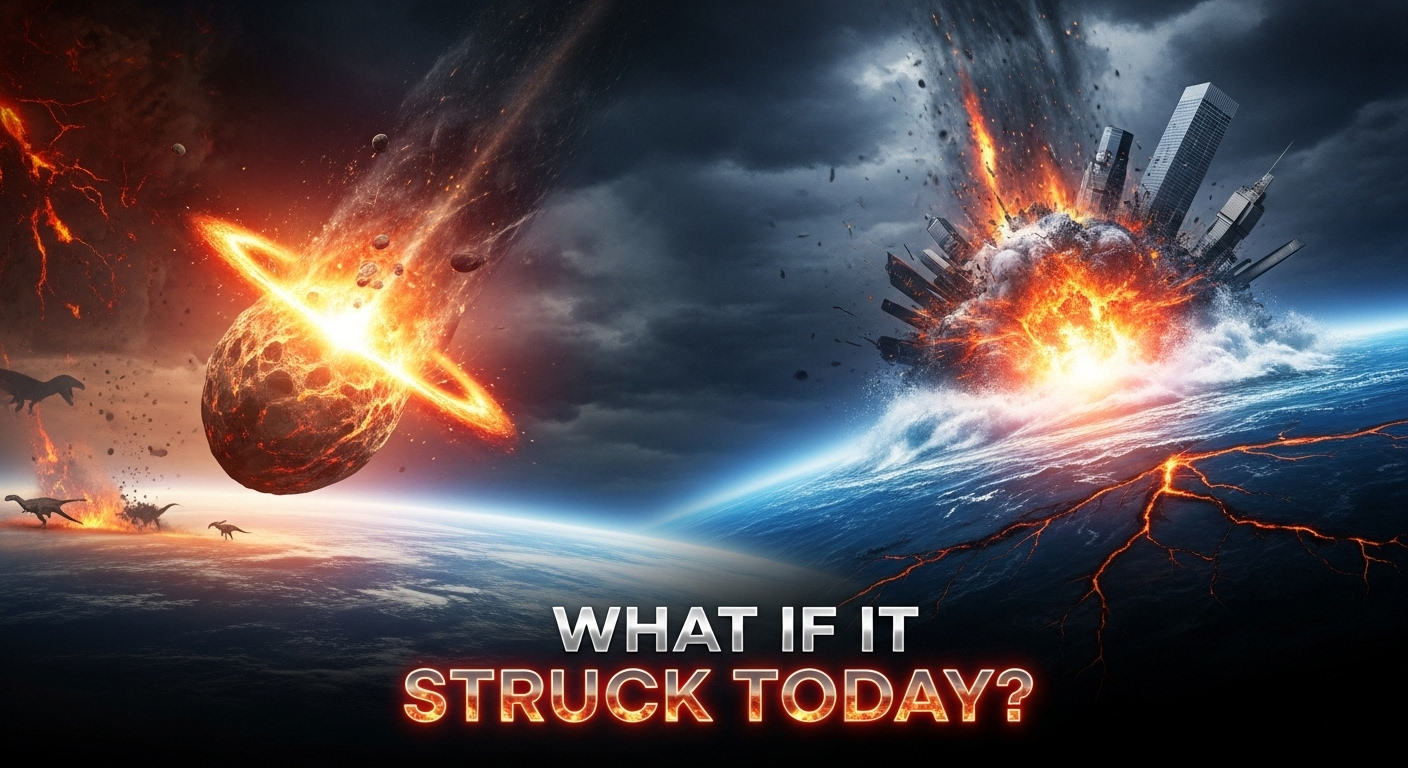
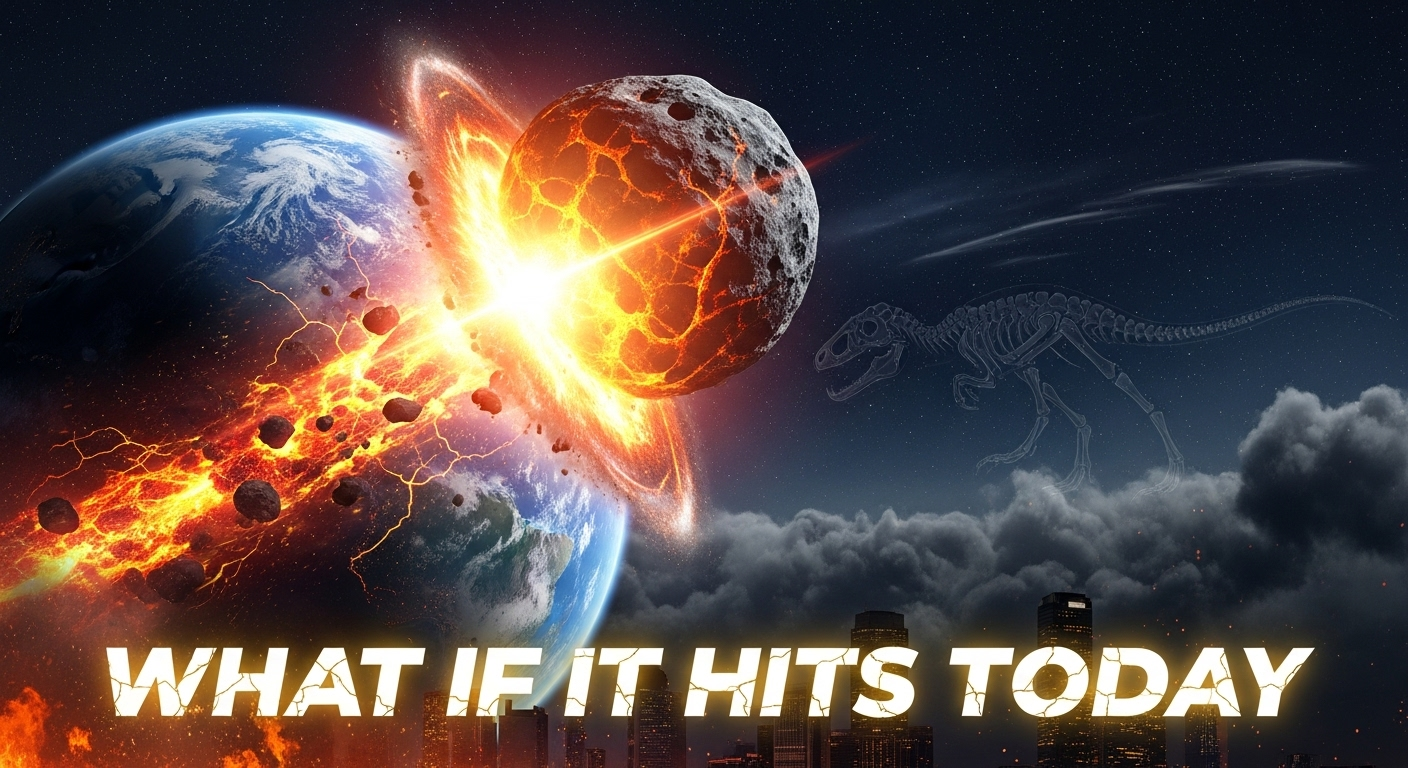
The inspiration came from one of the most dramatic events in Earth’s history — the asteroid impact that ended the reign of the dinosaurs 66 million years ago. I was fascinated by the question:
What if the same asteroid struck Earth today?
This “what if” sparked curiosity about survival strategies, planetary defense technologies, and the resilience of humanity in the face of extinction-level events.
What it does
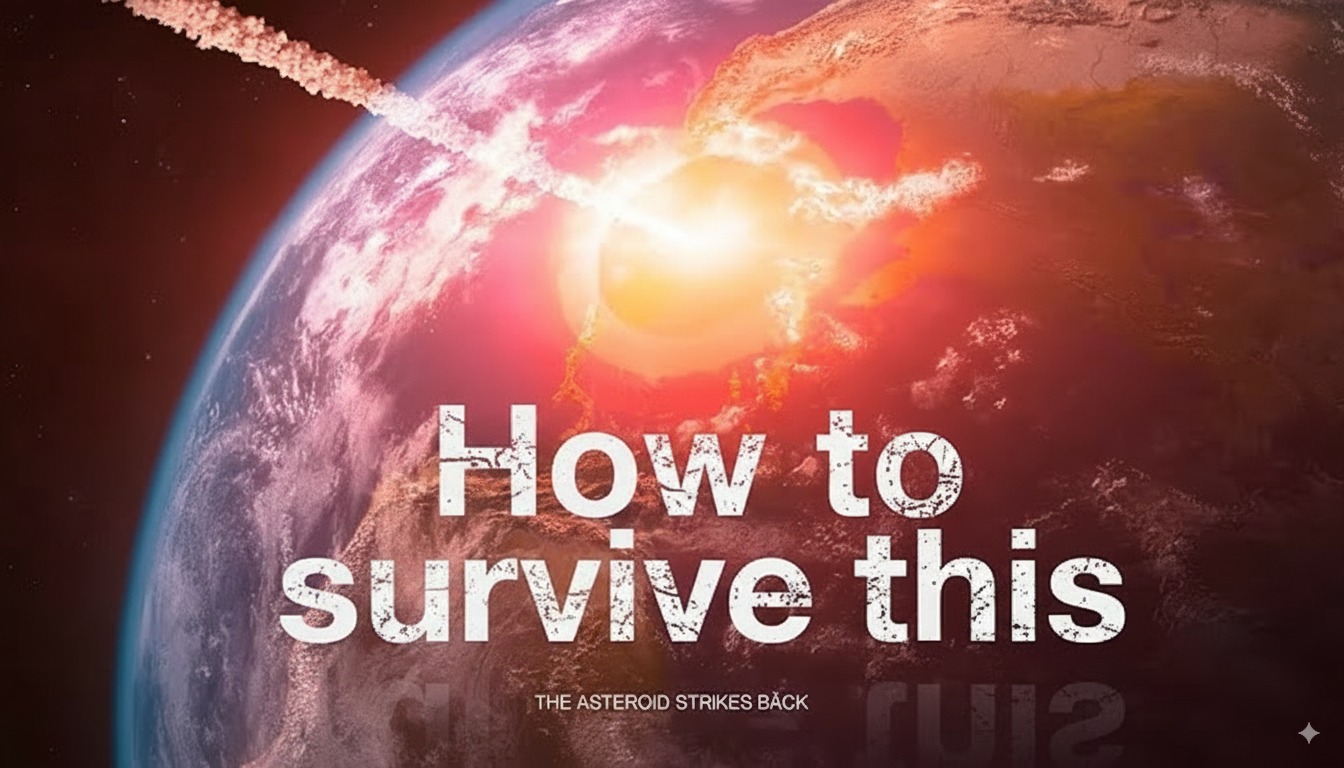
This project recreates one of the most catastrophic events in Earth’s history — the asteroid that wiped out the dinosaurs — and asks the ultimate question: Could humans survive if it struck again today?
The video combines science, storytelling, and cinematic visuals to simulate the impact, explore survival strategies, and highlight NASA’s planetary defense efforts. It’s designed to educate, inspire curiosity, and spark conversation about humanity’s preparedness for cosmic disasters.
How we built it
We built the project using a combination of AI-powered creative tools and professional editing software:
Leven Labs – for generating realistic voiceovers.
Veo 3 – for cinematic video generation and animations.
Think Sound & AudioX – for immersive sound design and effects.
DaVinci Resolve – for editing, color grading, and final production.
Open-source resources – to integrate scientific visuals, simulations, and supporting assets.
The workflow involved scriptwriting, generating visuals and narration with AI, layering soundscapes, and editing everything into a cohesive and engaging documentary-style video.
Challenges we ran into
Tool Integration – syncing outputs from multiple AI platforms into one smooth narrative.
Scientific Accuracy vs. Storytelling – simplifying complex science without losing credibility.
Rendering & Editing – working with high-quality AI-generated assets required heavy processing and optimization.
Audio Balancing – ensuring narration, effects, and background soundscapes worked together without overwhelming the viewer.
Accomplishments that we're proud of
Successfully merging AI technologies with human storytelling to create a professional, cinematic experience.
Crafting a video that is both scientifically grounded and emotionally engaging.
Demonstrating the potential of AI in content creation while keeping a strong creative vision.
Building a project that raises awareness about real planetary defense challenges.
What we learned
How to harness multiple AI tools in a collaborative pipeline for video production.
The importance of pacing, narration, and visuals in storytelling-driven science communication.
Technical skills in sound design, editing, and visual composition.
A deeper understanding of asteroid science, survival strategies, and NASA’s defense missions.
What's next for Could Humans Survive the Dinosaur-Killing Asteroid
Expanding the concept into a series exploring other extinction-level scenarios (supervolcanoes, gamma-ray bursts, black holes).
Enhancing realism with custom 3D simulations and more advanced AI-generated visuals.
Adding interactive elements, like VR/AR experiences, so audiences can “live through” the asteroid impact.
Collaborating with scientists and educators to make the project a valuable teaching resource.
Built With
- audiox
- da-vinci-resolve
- eleven-labs
- english
- open-source-sfx
- open-source-video
- simulations
- think-sound
- veo3


Log in or sign up for Devpost to join the conversation.