-
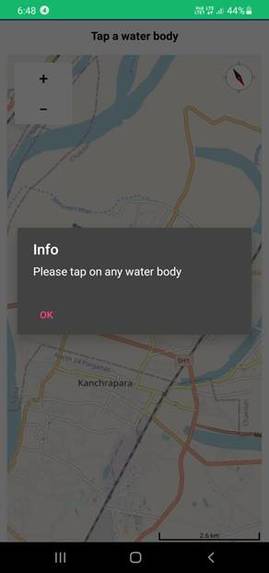
LULCC application- interface 3
-
LULCC application- interface 1
-
LULCC application- interface 2
-
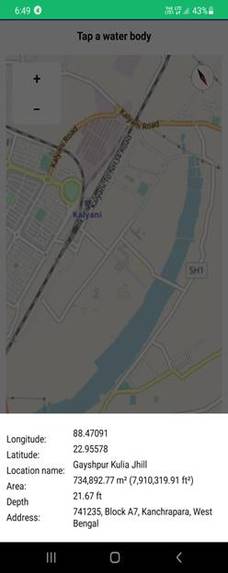
LULCC application- interface 5
-
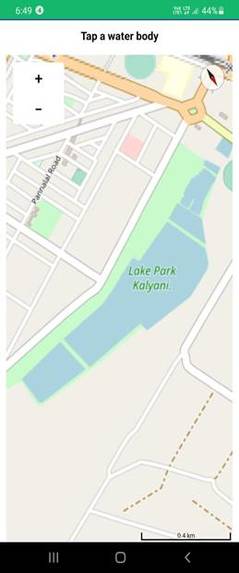
LULCC application- interface 4
-
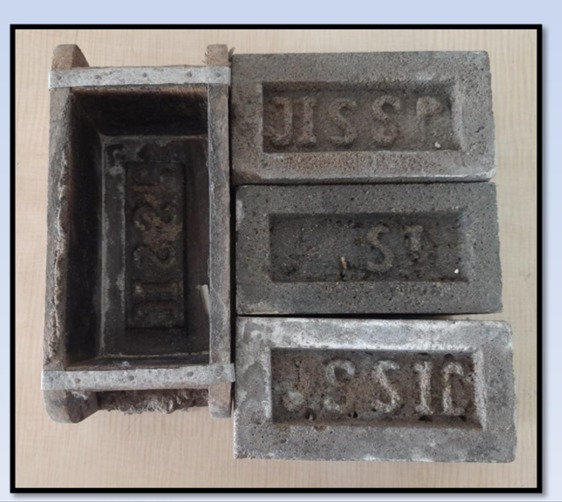
Plastic brick with mold
-
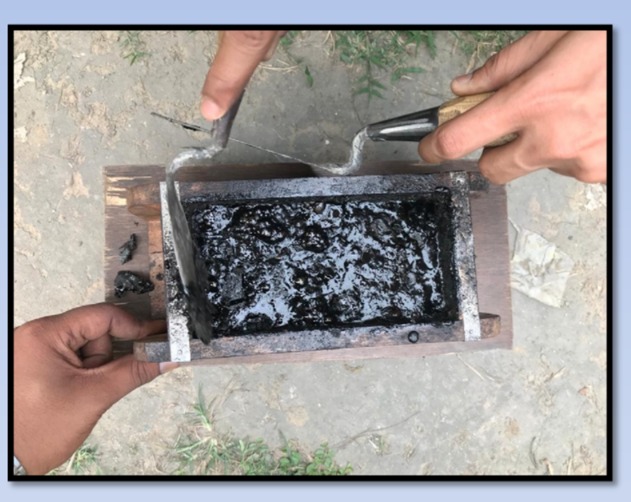
Manufacturing of plastic Brick


Inspiration
For the water treatment plant we need to focus on various things. The whole procedure of water treatment will be cost effective, Environment friendly procedure and also find out the location the waste waters.
What it does
In the rural areas there are so many waste waters and we have to find all the water bodies and this also a part a water treatment procedure. Next we have to maintain the costs for that we can use plastic bricks in the treatment procedure. Plastic brick is also eco-friendly and it can be used as waste management also. So with focusing the treatment of the water we can also reduce plastic or wastes to save our environment.
How we built it
Raw water:- Raw water is water found in the environment that has not been treated and does not have any of its minerals, ions, particles, bacteria, or parasites removed. Raw water includes rain water, ground water, water from infiltration wells, and water from bodies like lakes and rivers. Raw water is generally unsafe for human consumption due to the presence of contaminants without treatment; raw water can be used for farming, construction or cleaning. Screening:- wastewater screening is the forest unit operation in all wastewater treatment plants. Screen is the device used to retain solids found in the influent wastewater to the treatment plant. The main purpose of screening is to remove solid materials that cloud- Cause damage to other process equipment. Cause reduction in efficiency of the whole system Contaminate waterways. The materials that are removed using screens are called screening. The screen is placed in 45-60 degrees in order to increase the effective surface area of the screen. Aeration: - Aeration is the process by which air is circulated through, mixed with pr dissolved in a liquid or substance. Aeration brings water and air in close contact in order to remove dissolved gasses and to oxidize dissolved metals, including iron, hydrogen sulphide, and volatile organic chemicals. This process is typically the first major process at drinking water treatment plants, and occurs in the secondary treatment process of activated sludge treatment in wastewater treatment plants. Plane sedimentation: - After the process of aeration the raw water goes to the plane sedimentation tank. Where the water rests for 4-10 minutes. After the rest of 10 minutes. After the detention period heavy particles are sedimented. Sedimentation with coagulation with the help of flocculation: - After plane sedimentation the raw water goes to the next tank where we manually add alum and mith the alum with the help of flocculator. And separate the suspended solids portion from the water. Filtration:- After all the above process the raw water goes to the filtration tank. In the tank there are three bed sand, charcoal and stone chips to filter the water. Disinfection:- After the process of filtration water goes to the disinfection tank. Where we manually add zeoline to remove the bacteria. Distribution tank: - After all the process the fresh water goes to the distribution tank. Then the fresh water goes to the required places. In the method we have to look various things. For treatment the water we have to locate the water bodies. The process is called Land under Land cover change. In the method we say trace the water bodies by mobile application with the help of the past conditions of the water bodies. Through an application development we can store data about land cover under land change of water bodies to make close observation about the current condition of water bodies in their locality, which will be possible from their honest input through the application and basic question and answer, which will be inbuilt in the application. After assessing all the inputs we can arrange awareness camps physically (if possible) or by auto generated reply through the application by assessing the data. We can also link this with our official college website from where people can directly find the information and suggestion by depending on their inputs. The input will be stored for the needful of the Government. The type of outcome can be canaling, harvesting of land. Even the storage of rain water can be used for different types of daily activities after proper treatment. Now we have to consider about the storage of the treated water. In this case we can use the bricks made of plastics. Plastic is very pollutant material and it also increases the wastes in the environment. So if we can use the plastics as a construction material we can also control and pollution as well as wastes. In the water treatment procedure we can use plastic bricks as a storage bed instead of using traditional construction materials. In this way we can reduce the costs of the treatment procedure in one way and can maintain the waste management. The following process we can make an plastic brick: • First of all, we need to collect plastic waste by separating it from other wastes. • We have to use dry plastic wastes and for that if the waste is wet, we have to dry the plastic waste to clear or remove the moisture content. • Then we have to crush the plastic wastes into small particles. • Then crush the small particles into fine size particles. • The ratio of plastic and stone dust is 3:7. • By using sieve analysis the stone dust is sieved in less than 4.75mm. • Then heat the stone dust on a furnace. • Fine particles are also heated in the furnace until it becomes liquid form. • Then add the stone dust into the melted plastic. • Then mix both properly and make a perfect mix. • Then pour the mix into molds. • Then keep the mold for dry and demolds it on the next day. The weight of the brick is 2.5kg.
Challenges we ran into
When we built this model we could not find our necessary thing to built it in the COVID-19 scenario.
Accomplishments that we're proud of
As the project is interdisciplinary we are proud to make this successful.
What we learned
An interdisciplinary project can be effective for human beings for their welfare.
What's next for Cost Effective waste water Treatment
We can use the water to maintain the green and clean campus.
Built With
- autocad


Log in or sign up for Devpost to join the conversation.