-
-
App Logo
-
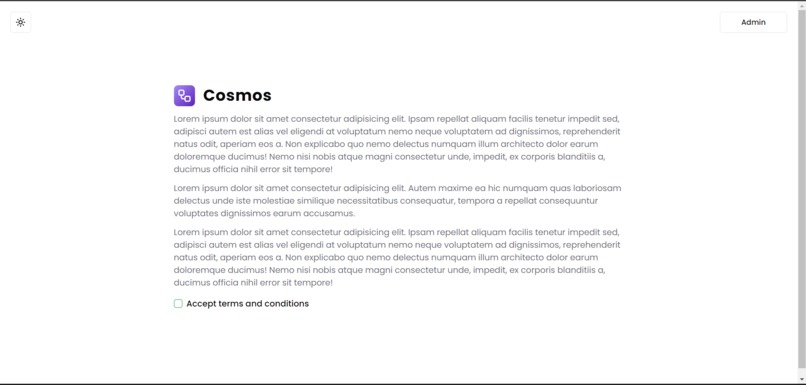
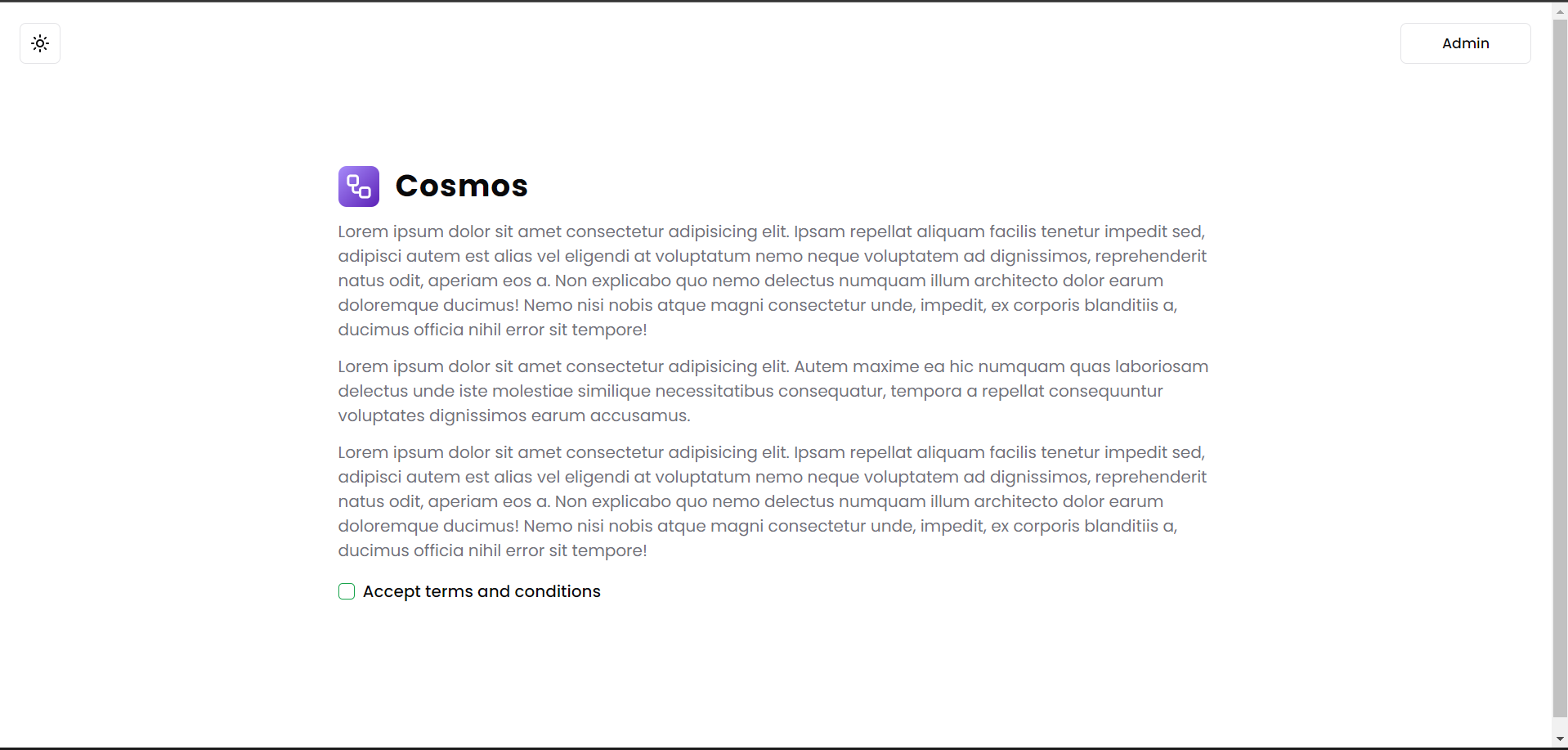
Onboarding Page
-
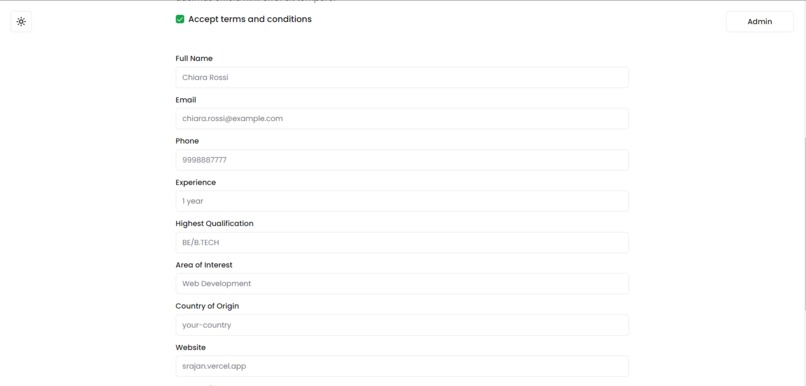
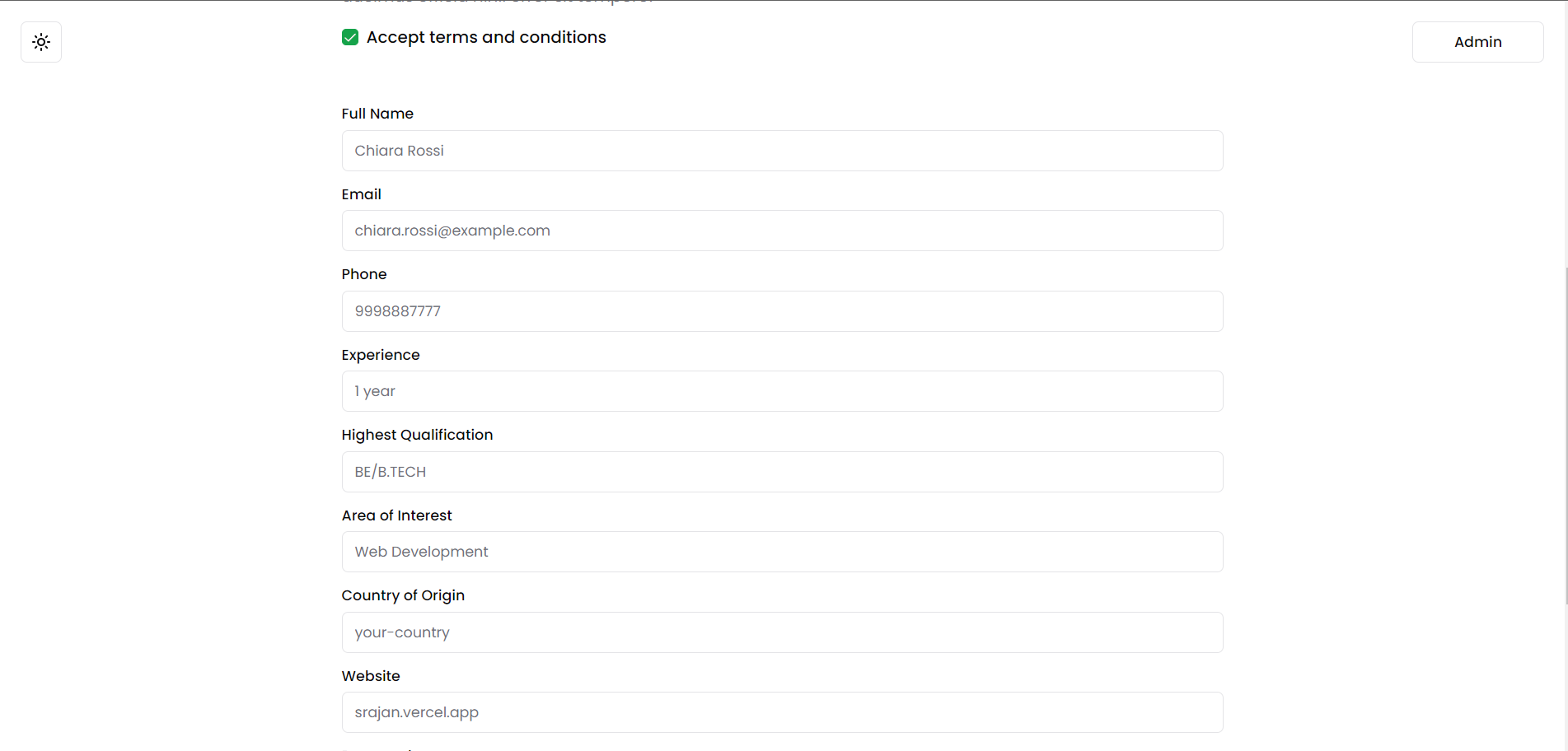
Onboarding Application part
-
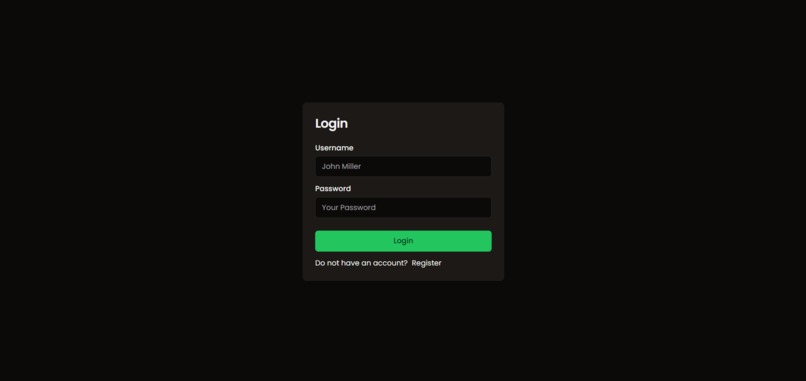
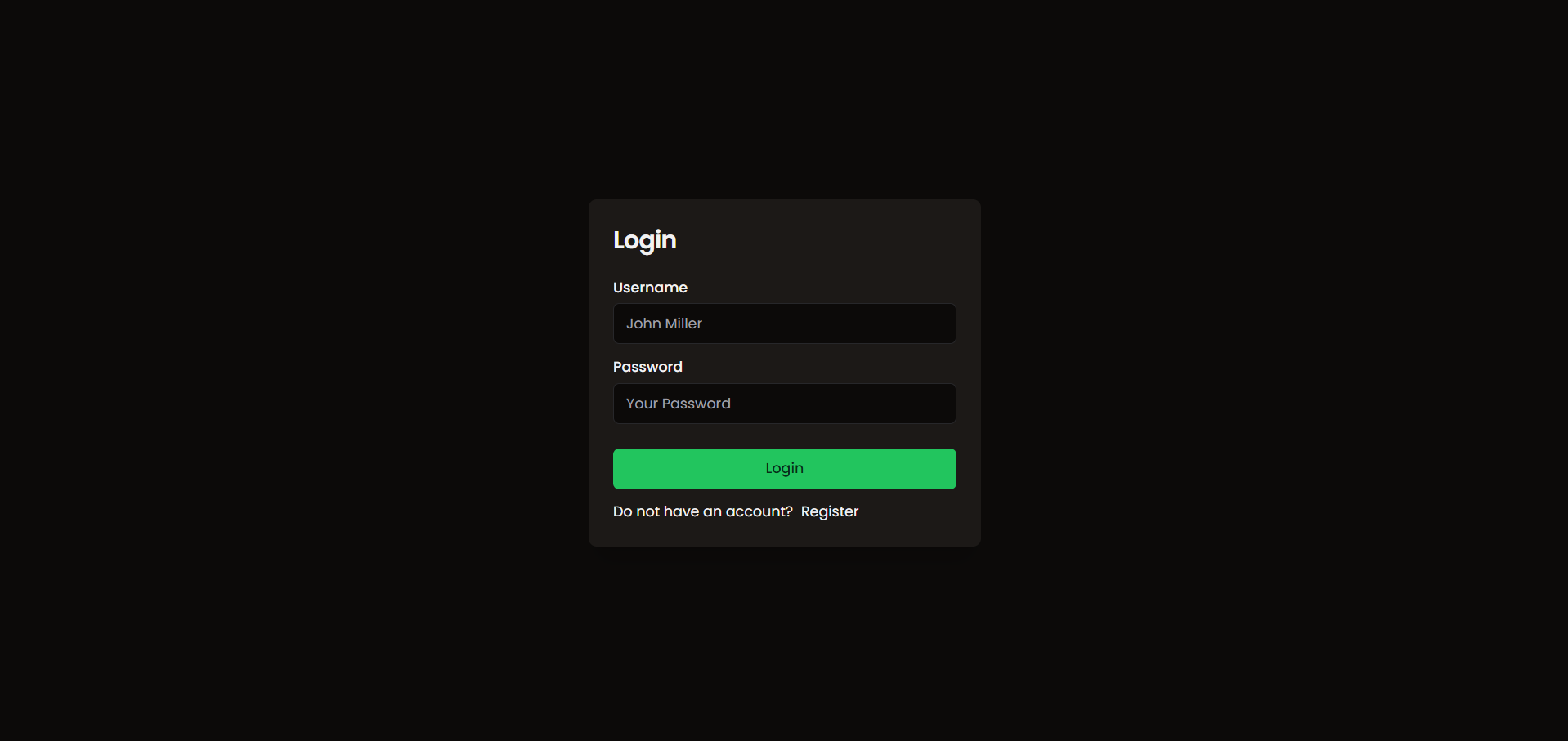
Admin Login
-
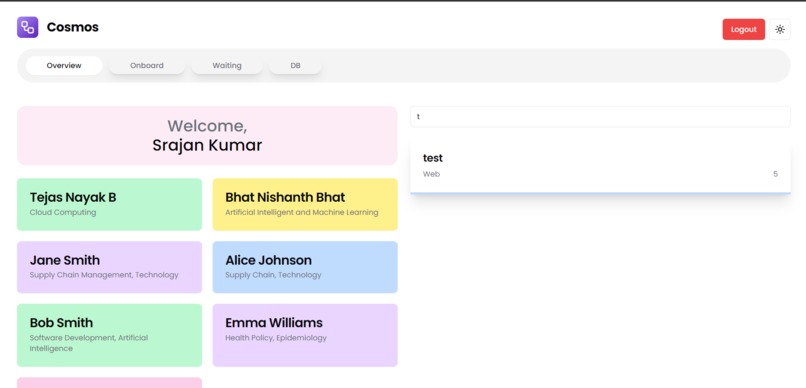
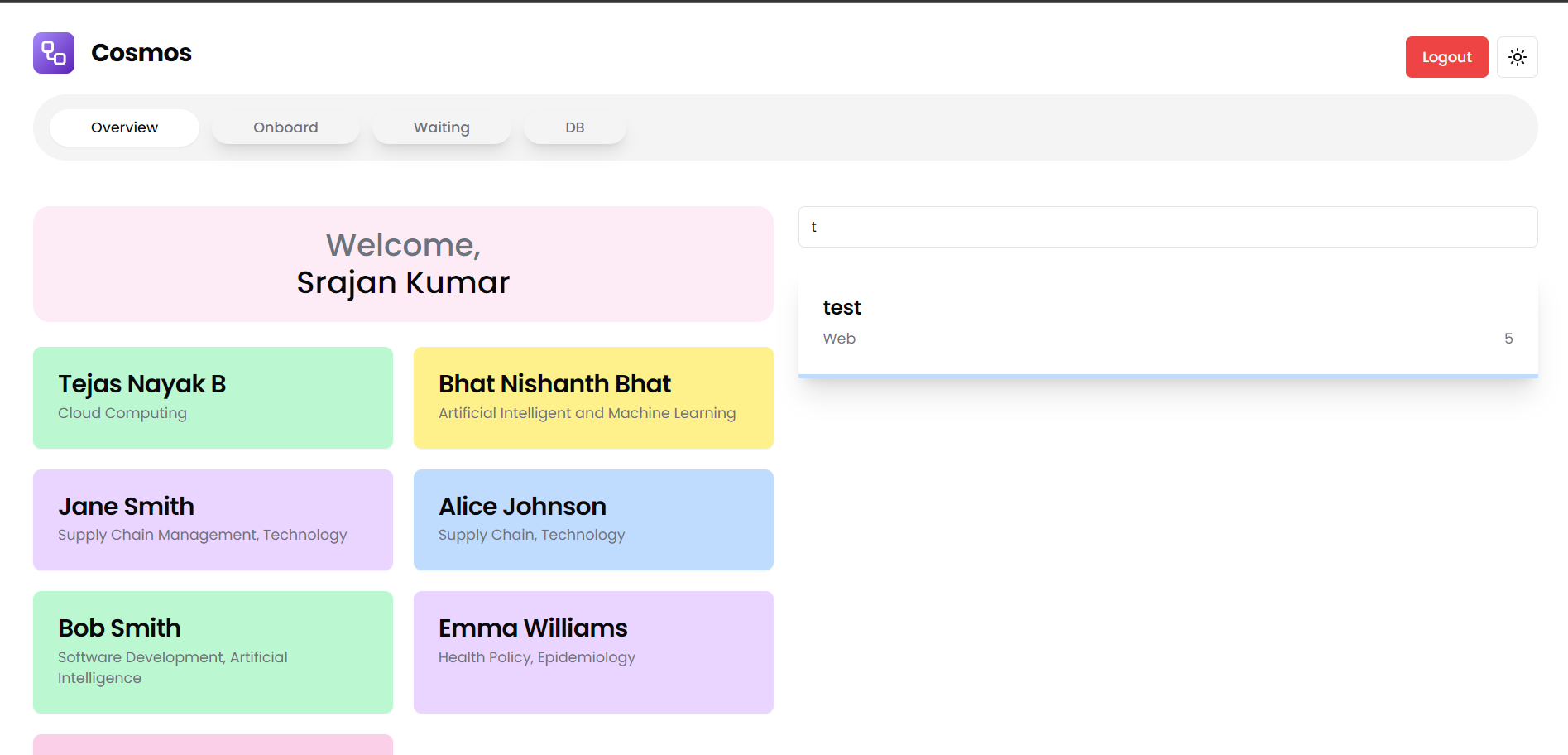
Admin Dashboard
-
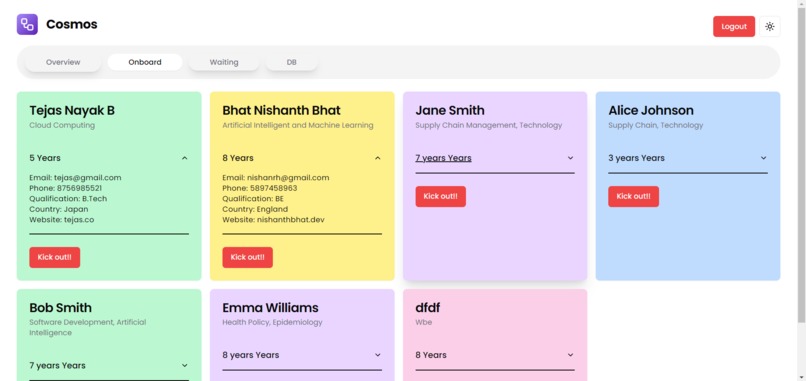
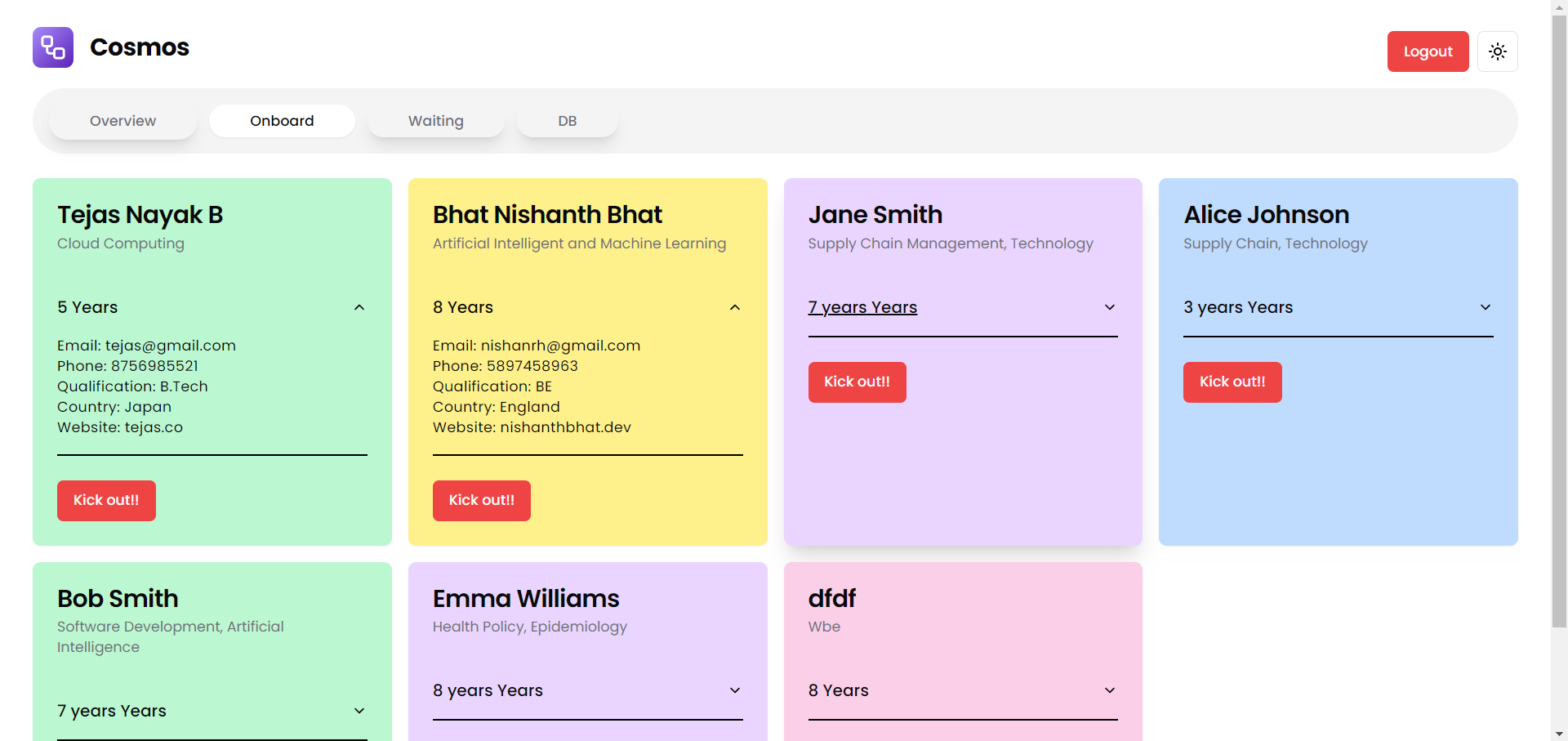
Onboard Page
-
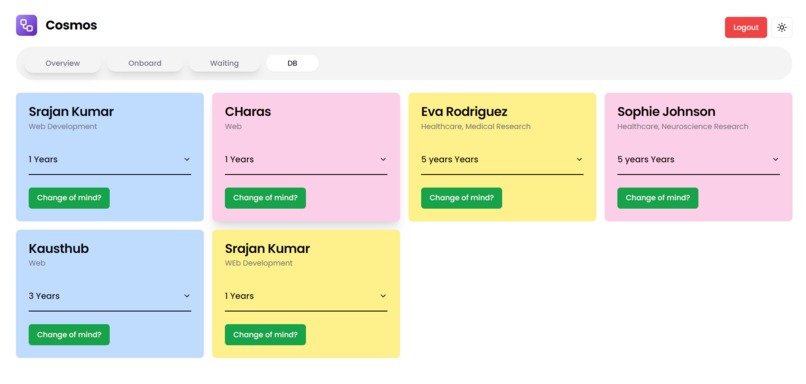
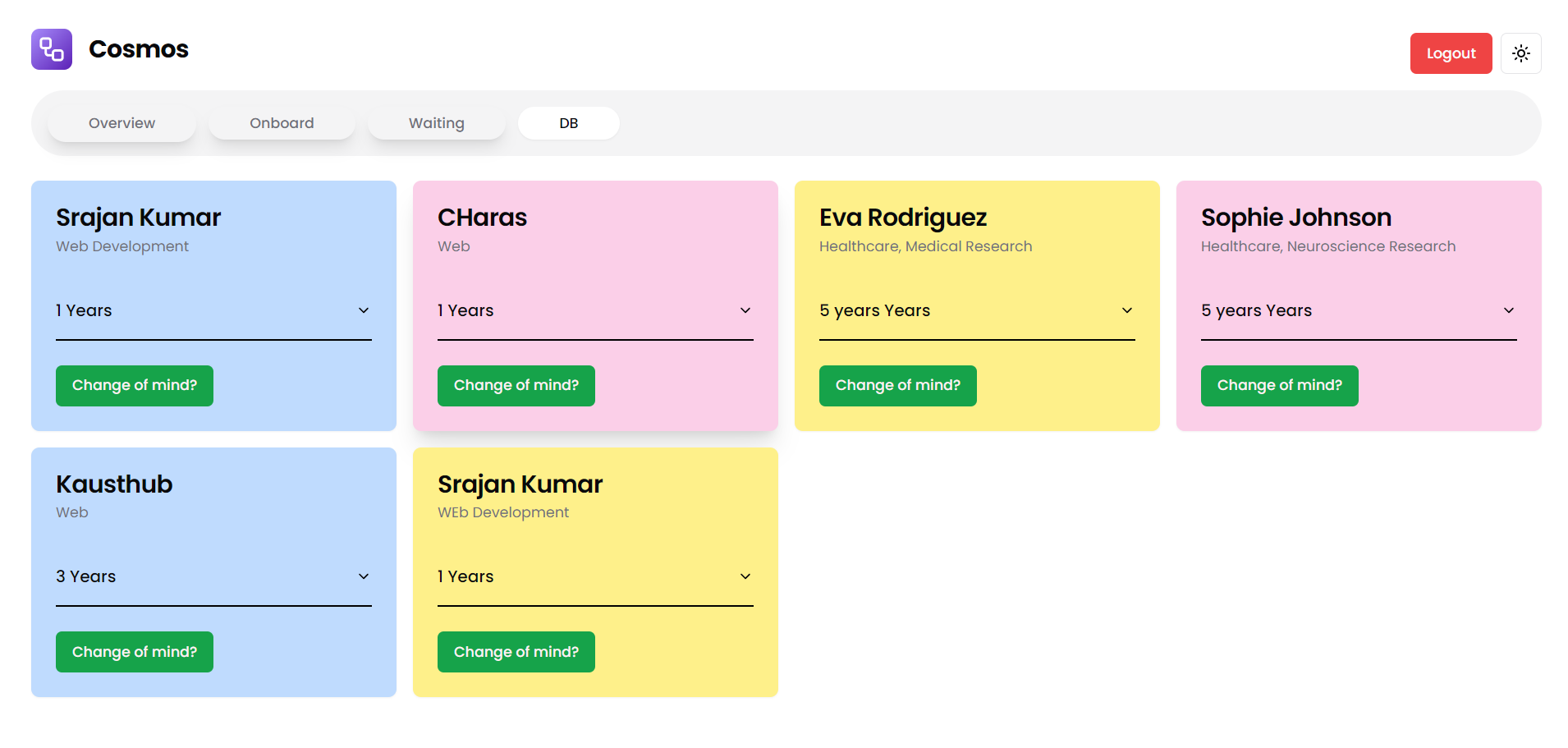
People who got rejected .
-
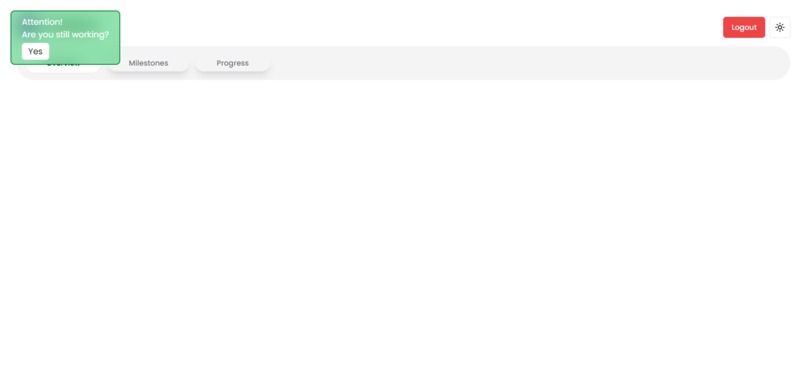
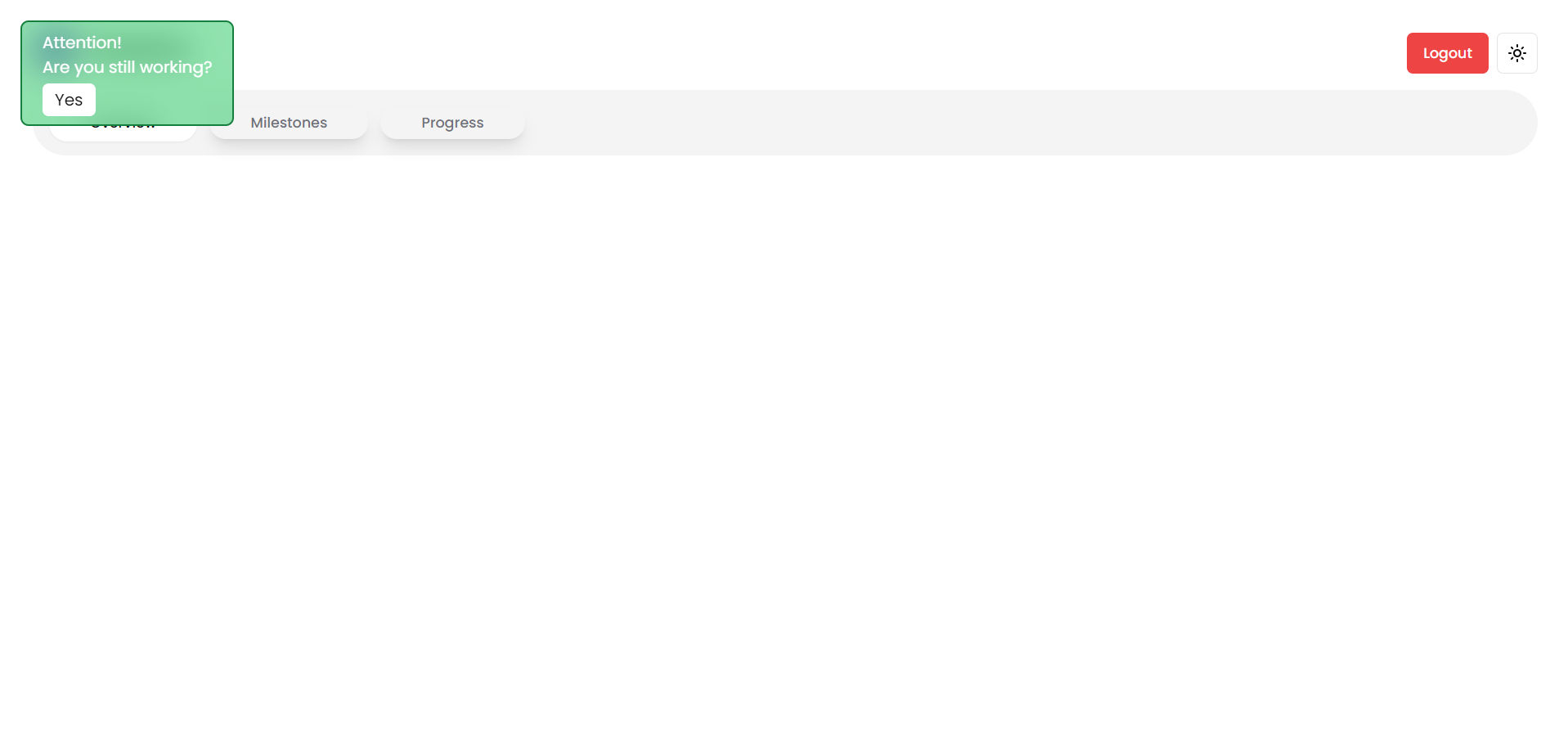
Pop up feature
-
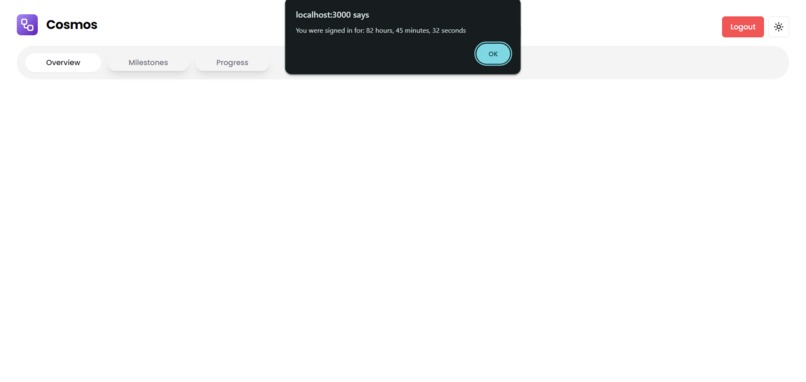
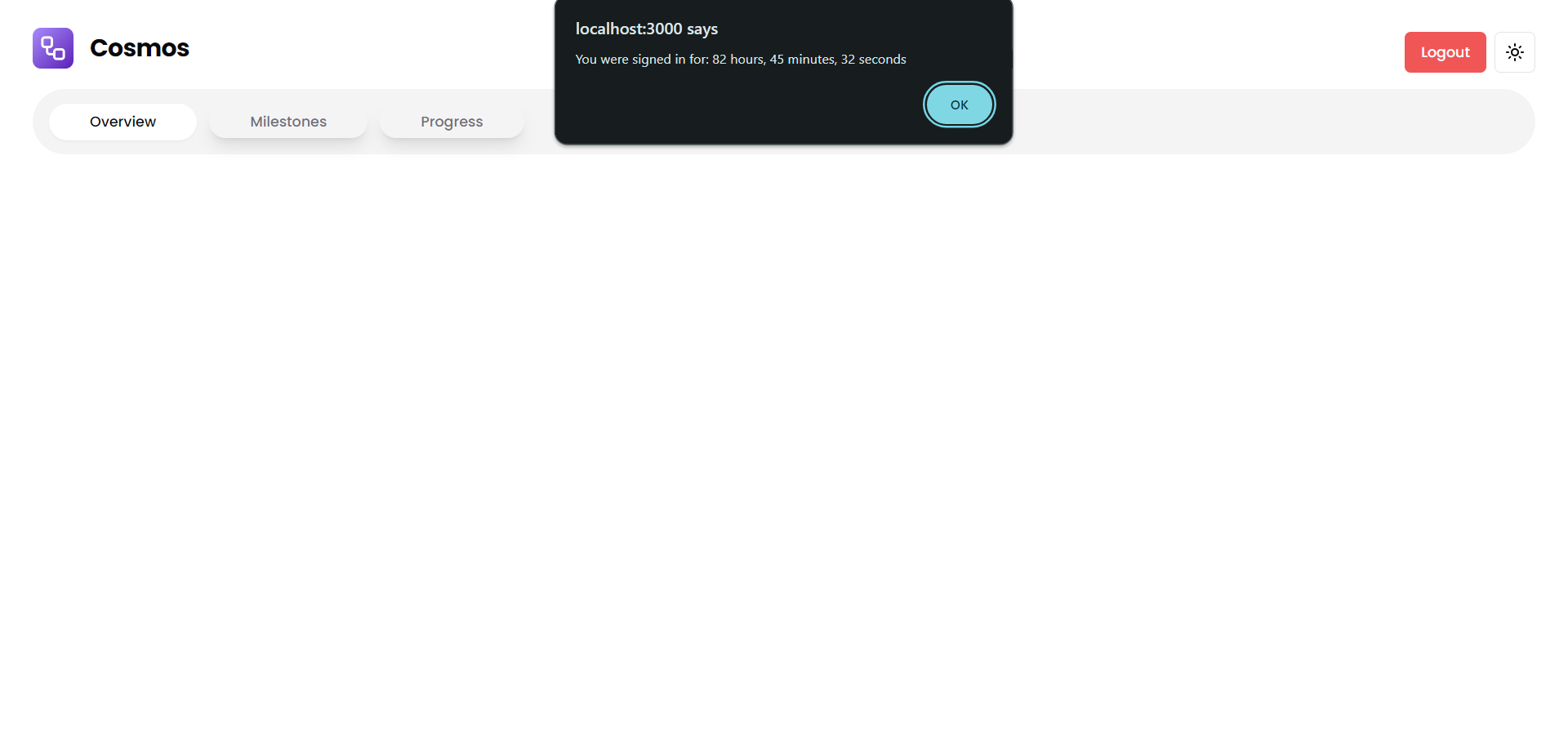
Timer Feature
Inspiration
We were applying for so many internships and found out that most of the recruitment applications were on the same website. So we thought, why not create one of our own?
What it does
Steamlined onboarding / recruiting process, which sends the user data to the HR, directly to his database, without the third-party accessing any of the data, user-friendly user interface, and efficiency management to give a special touch.
The efficiency of the employees are mostly an issue for the recruiters / HR's. So, we thought of tracking the efficiency of the screentime / work the employee is online. We have introduced a pop-up feature, which appears on screen at random times where the employee have to agree, else the user is logged out.
The second efficiency tracking feature is on tracking the screentime. Where the screentime of the employee is tracked when he loggs in and stops when he's logged out manually.
How we built it
In crafting our application, we meticulously selected a robust tech stack to ensure a seamless and feature-rich user experience. Leveraging the power of Next.js and TypeScript, we built a dynamic and type-safe frontend, offering both intuitive navigation and a strong foundation for code reliability.
To enhance the visual appeal and responsiveness of our user interface, we employed Shadcn-UI and Tailwind CSS, resulting in a sleek and modern design. Our choice of MongoDB as the database solution, coupled with Node.js and Express.js on the backend, provided a scalable and user-friendly infrastructure for data management.
For efficient communication and automated email services, we integrated EmailJS into our system. To validate and test our APIs, we relied on Postman, ensuring the reliability and functionality of our backend processes.
Throughout our development journey, we critically evaluated various options, initially considering Supabase as an alternative to Firebase. However, technical challenges led us to pivot towards MongoDB for its ease of use and effectiveness in handling our data.
In addressing the complexities of implementing employee efficiency tracking, we explored advanced features like face detection and eye tracking. Acknowledging potential user limitations, we creatively introduced a pop-up feature, demonstrating our commitment to user accessibility and innovative problem-solving.
Challenges we ran into
Initially, we considered using Supabase, an open-source alternative to Firebase that utilizes PostgreSQL under the hood. However, we encountered difficulties in sending data to the backend, leading to complications. Subsequently, we opted for MongoDB, finding it to be a more user-friendly solution compared to Supabase.
While developing the employee efficiency tracking feature, we contemplated implementing face detection or eye tracking. However, we recognized that many users might not have access to a face cam. Consequently, we innovatively incorporated a pop-up feature as an alternative solution in our application.
Accomplishments that we're proud of
Seamless Onboarding: Our application revolutionizes the onboarding and recruiting process. It ensures user data is securely sent directly to HR databases, eliminating third-party access. The user-friendly interface enhances the overall experience, complemented by an innovative efficiency management system.
Pop-Up Efficiency Boost: Addressing HR concerns about employee efficiency, we introduced a pop-up feature. This random appearance prompts employee acknowledgment, fostering engagement. Non-compliance results in an automatic logout, optimizing productivity.
Screentime Tracking: Our app introduces a robust screentime tracking feature. It records an employee's online presence from login to manual logout, providing valuable insights into work patterns. This dual efficiency tracking system marks a significant accomplishment in workforce management.
What we learned
In our collaborative efforts, we brought to fruition a multitude of features that exemplify our technical prowess. The integration of MongoDB Atlas served as a cornerstone, enabling us to master CRUD operations seamlessly via the Fetch API. The dynamic routing capabilities of Next.js facilitated a smooth and intuitive application flow, showcasing our proficiency in web development.
The marriage of Tailwind CSS and Shadcn-UI elevated our UI design, resulting in an aesthetically pleasing and responsive interface. The adoption of TypeScript further fortified our codebase, enhancing its readability and robustness.
Beyond the coding realm, our collaboration flourished on GitHub, where we leveraged its capabilities not only for collaborative development but also as a version control system. GitHub meticulously tracked our progress, reflecting our commitment to transparency and teamwork.
In essence, our project stands as a testament to the convergence of cutting-edge technologies and collaborative excellence, showcasing the immense potential of tools like GitHub and MongoDB Atlas in the realm of web development.
What's next for Cosmos
We are planning it take to another level by adding following features
- Gamify our app so that employee's interest remain in it.
- Add feature on our onboarding to take resume in and display it in HR/Admin panel.
- Combine our Pop up feature with the timer feature so that if the employee doesnt respond to the pop up and gets logged out the timer also stops for him.
- The data of time he was working to be fetched from database and display in admin panel.
- Adding tasks for employee to finish using admin panel.
- Depending on their work and consistency a salary prediction using AI.
Built With
- css
- email.js
- express.js
- git
- github
- javascript
- mongodb
- nextjs
- node.js
- postman-api
- shadcn-ui
- tailwindcss
- typescript


Log in or sign up for Devpost to join the conversation.