-
-
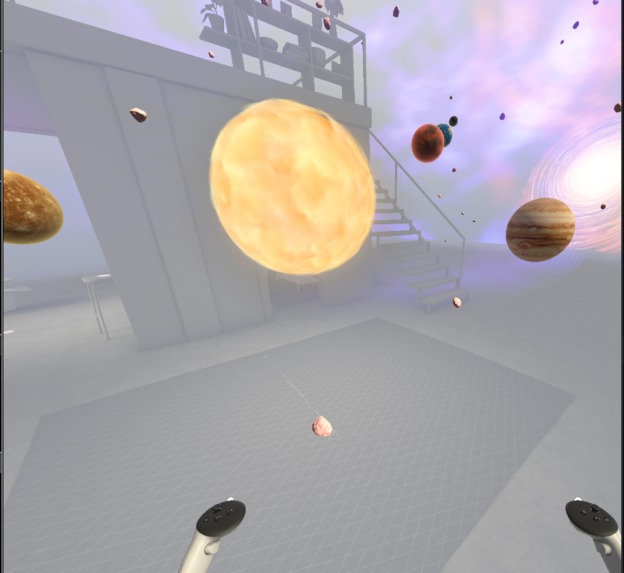
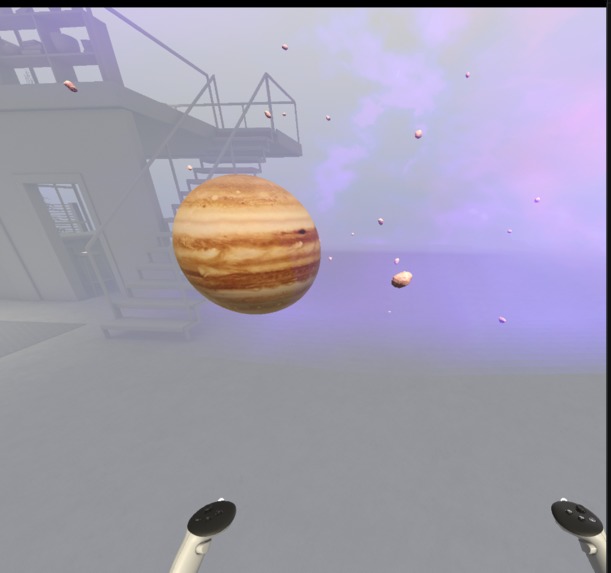
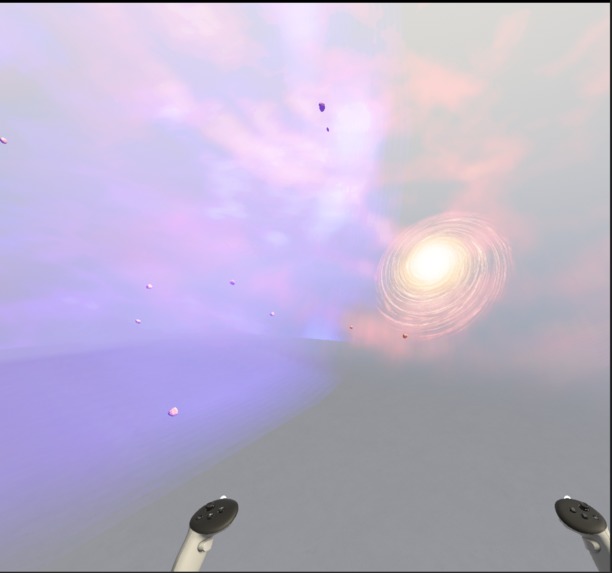
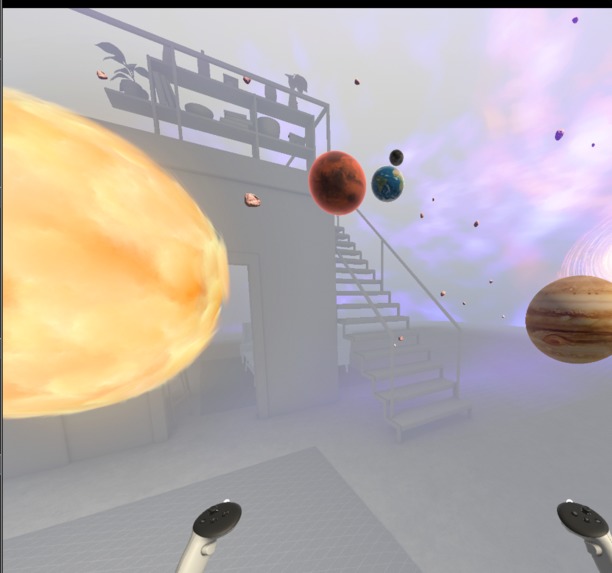
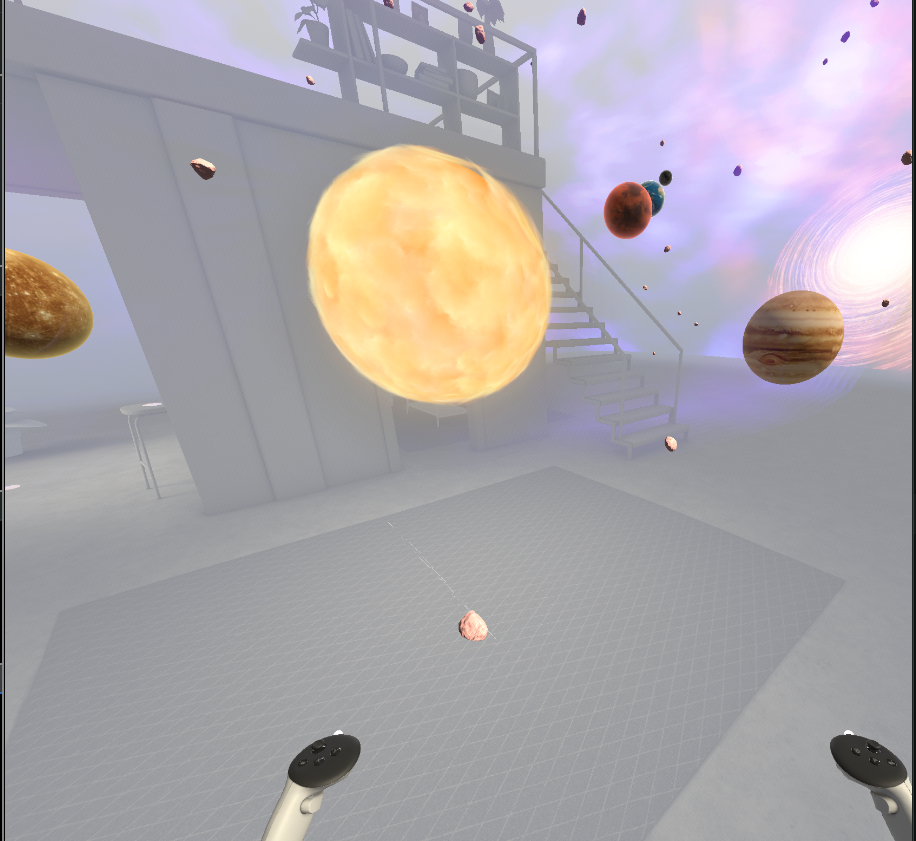
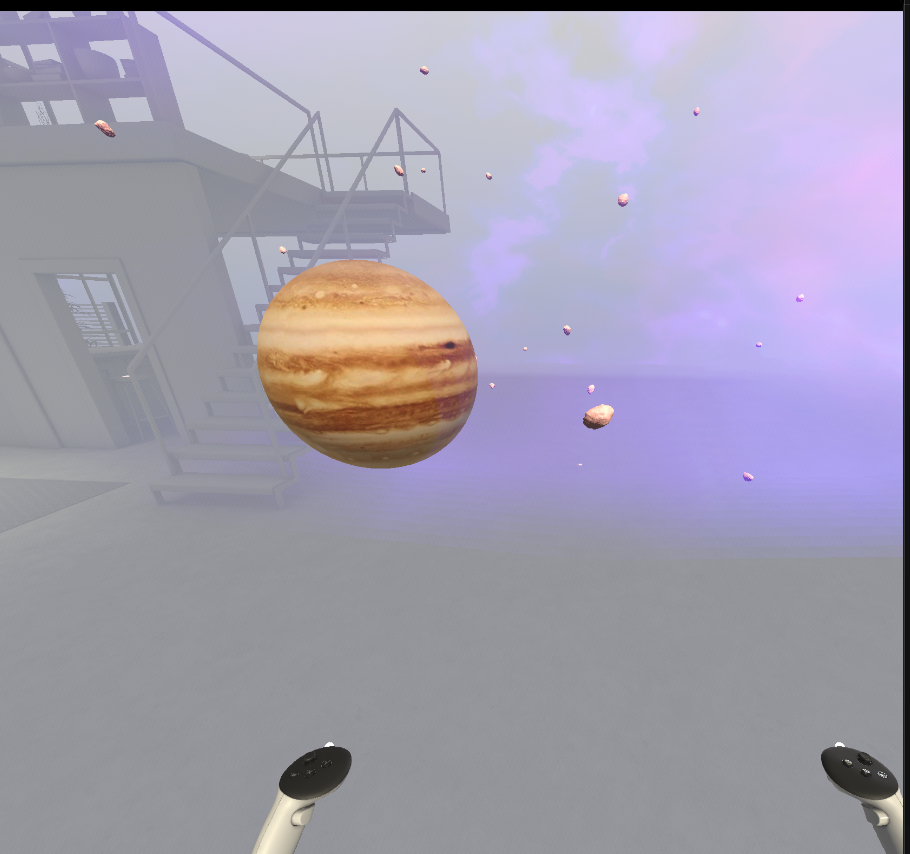
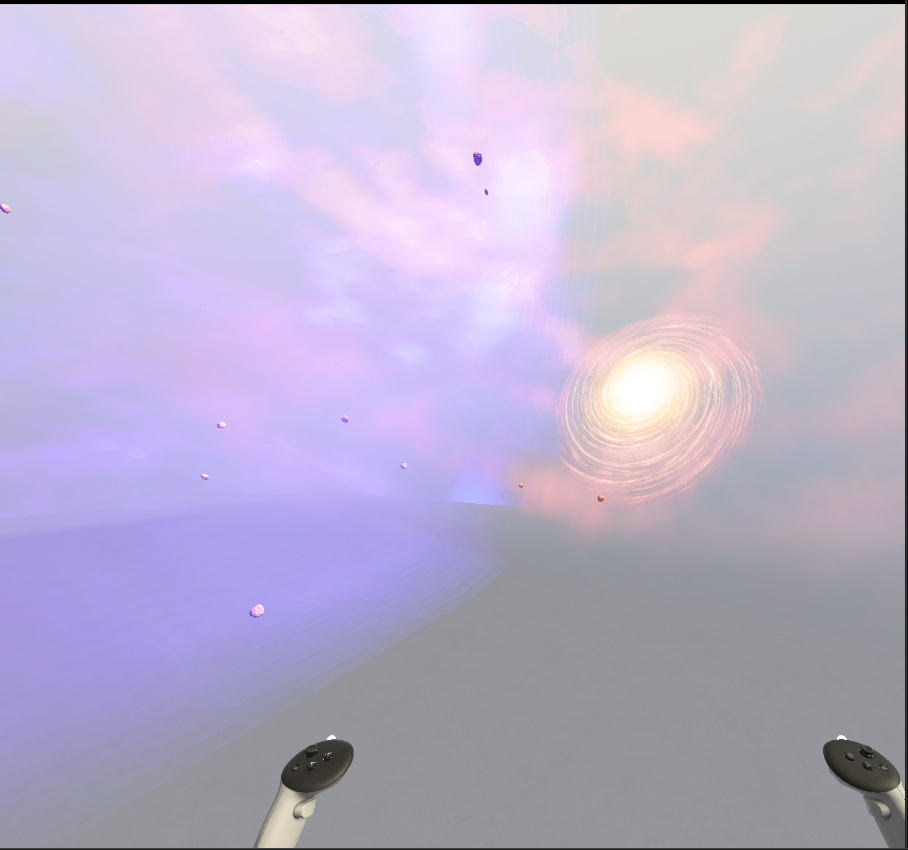
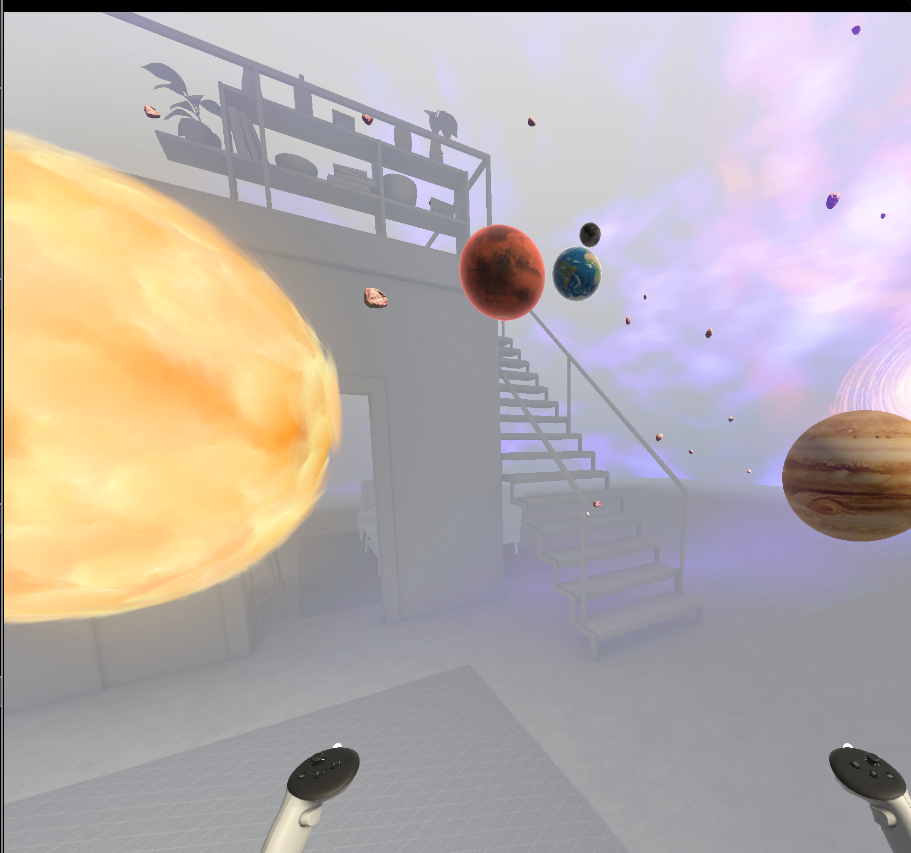
Screenshots of running apk in simulator
-
-
-
Inspiration
I grew up learning about space and mankind's exploration of the vast unknown through books, paper, screens, which can limit comprehension and fail to capture the true scale and majesty of the cosmos. This project seeks to address this gap by offering a novel, immersive learning experience.
What it does
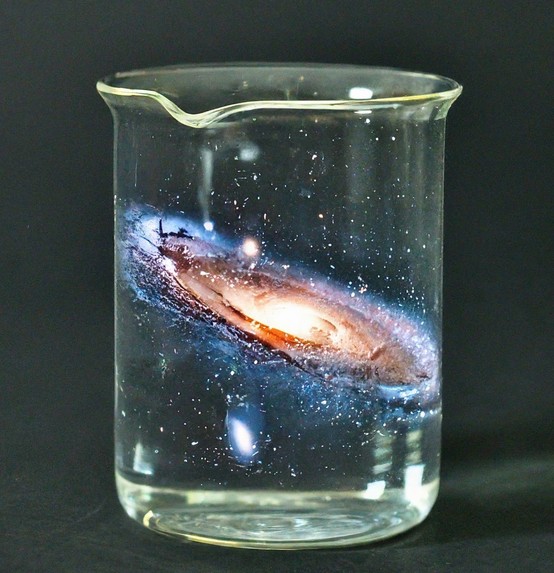
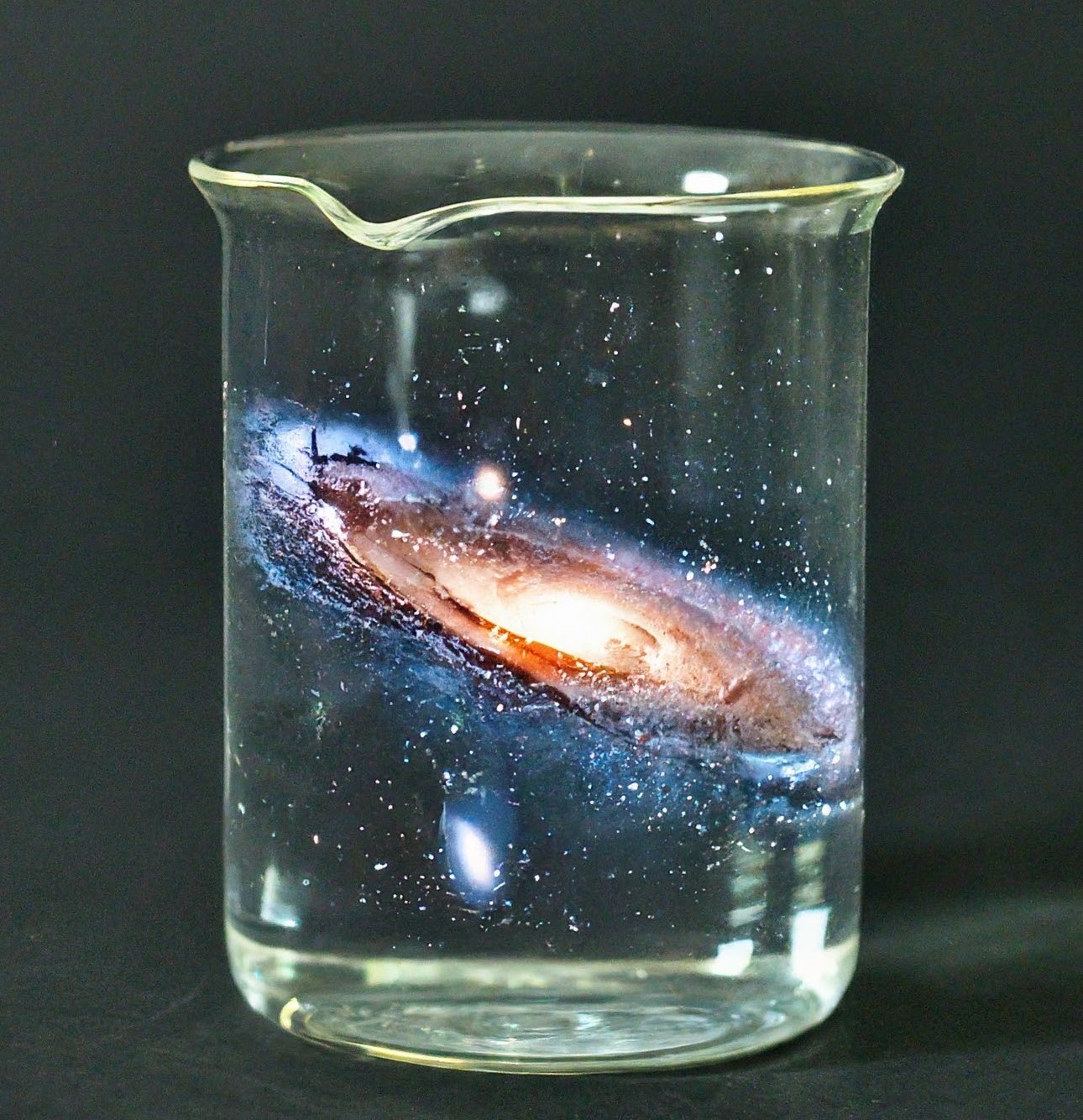
The project leverages Mixed Reality (MR) technology to create a 3D blueprint of the observable universe. This blueprint utilizes accurate data from reputable organizations like NASA, translated into a user-friendly, room-scale format. Users can explore planets, stars, galaxies, and other celestial bodies in stunning 3D, fostering a deeper understanding of their characteristics and relative positions. Additionally, upon focusing on a specific object, users receive detailed information powered by a generative AI, capable of incorporating new discoveries as they arise.
How we built it
The application is being built using industry-standard tools: Unity for app development, Blender for 3D modeling, Meta XR SDK for MR integration, and C# for coding and animation.
Challenges we ran into
A key challenge lies in accurately scaling the vast distances of the universe to a room-sized format while maintaining fidelity with real-world data. Converting light-years into a user-friendly, yet scientifically accurate, representation is an ongoing process.
What we learned
The project has provided valuable experience in building MR applications and has fostered a deeper understanding of space, celestial bodies, and our place within the universe.
What's next for Cosmo Jar
to incorporate real-time data from free APIs to showcase the dynamic nature of the cosmos. This includes the current positions of celestial bodies like the International Space Station (ISS), satellites, moons, and asteroids. Additionally, the app may be expanded to visualize phenomena such as solar flares, eclipses, and newly discovered planets and black holes.


Log in or sign up for Devpost to join the conversation.