-
-
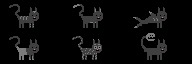
Some Cat Patterns
-
-
Inspiration
Back in the late 90's, there was a little pet called the 'Tamagotchi', a virtual keychain pet you could care and nurture for wherever you went. Today, we have rebooted this idea to include a bit more user-to-pet interaction with the Cosmo Kitten, a space-themed wearable pet you can take anywhere!
What it does
Your Cosmo Kitten, along with being cute and adorable, will track your steps and help you keep track of your food and water intake throughout the day. Clip it onto your belt or carry it along in your bag to take it along with you wherever you go! Bring it back to base at the end of the day to charge them up and get ready for your next big adventure!
How we built it
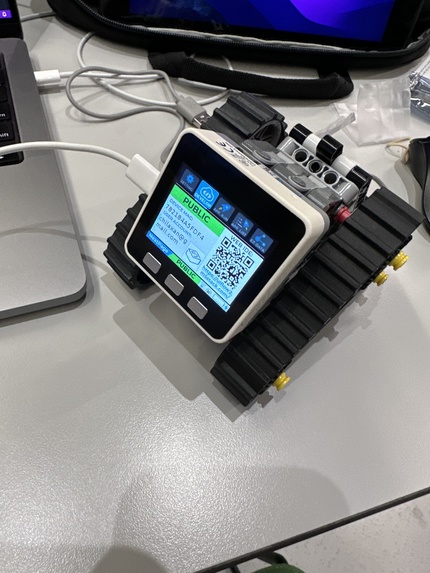
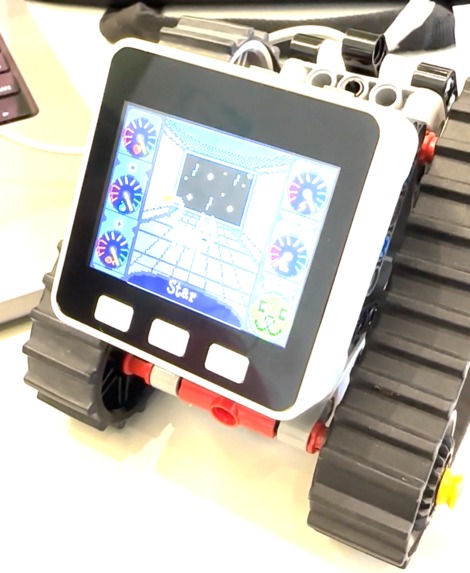
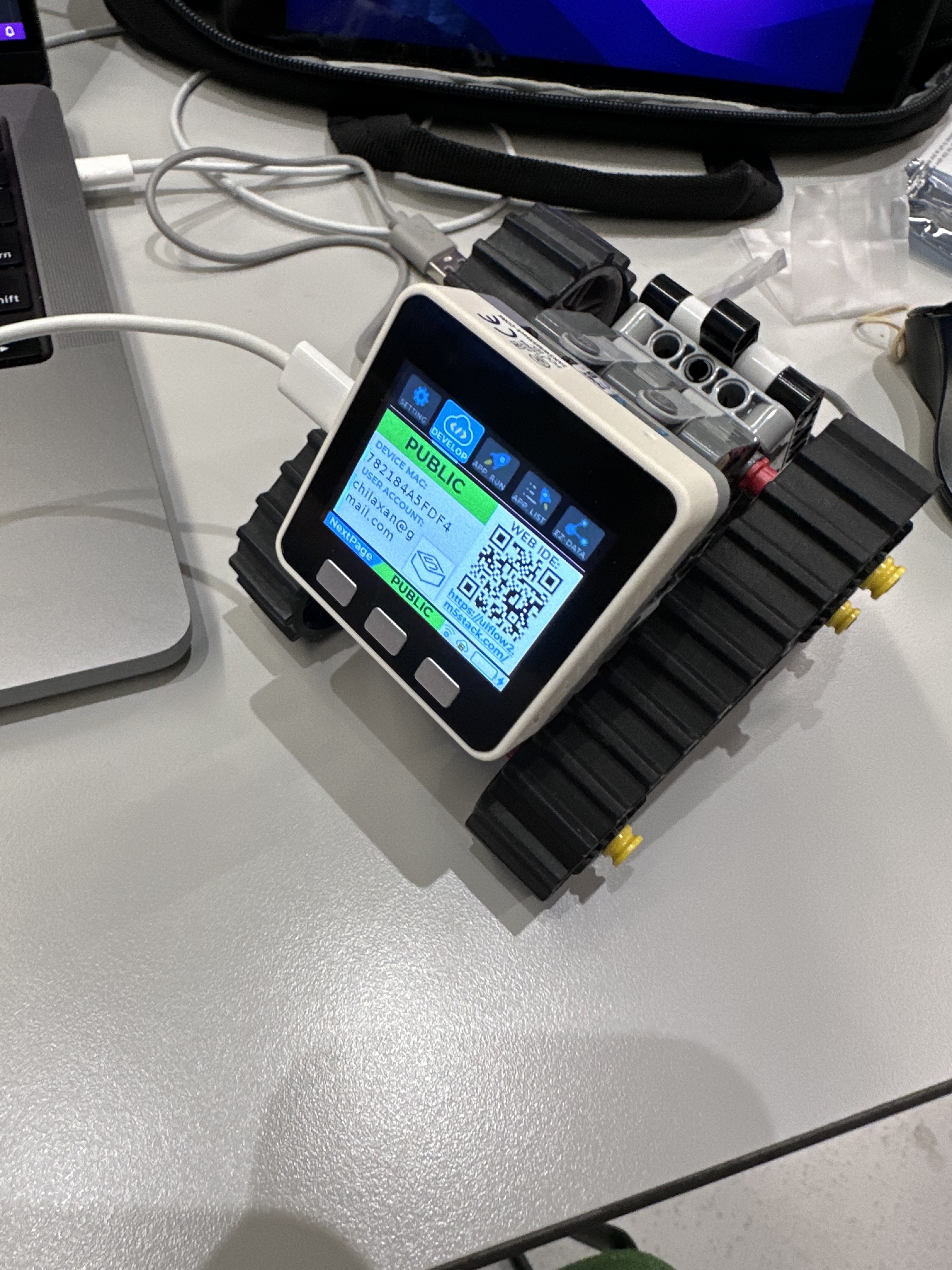
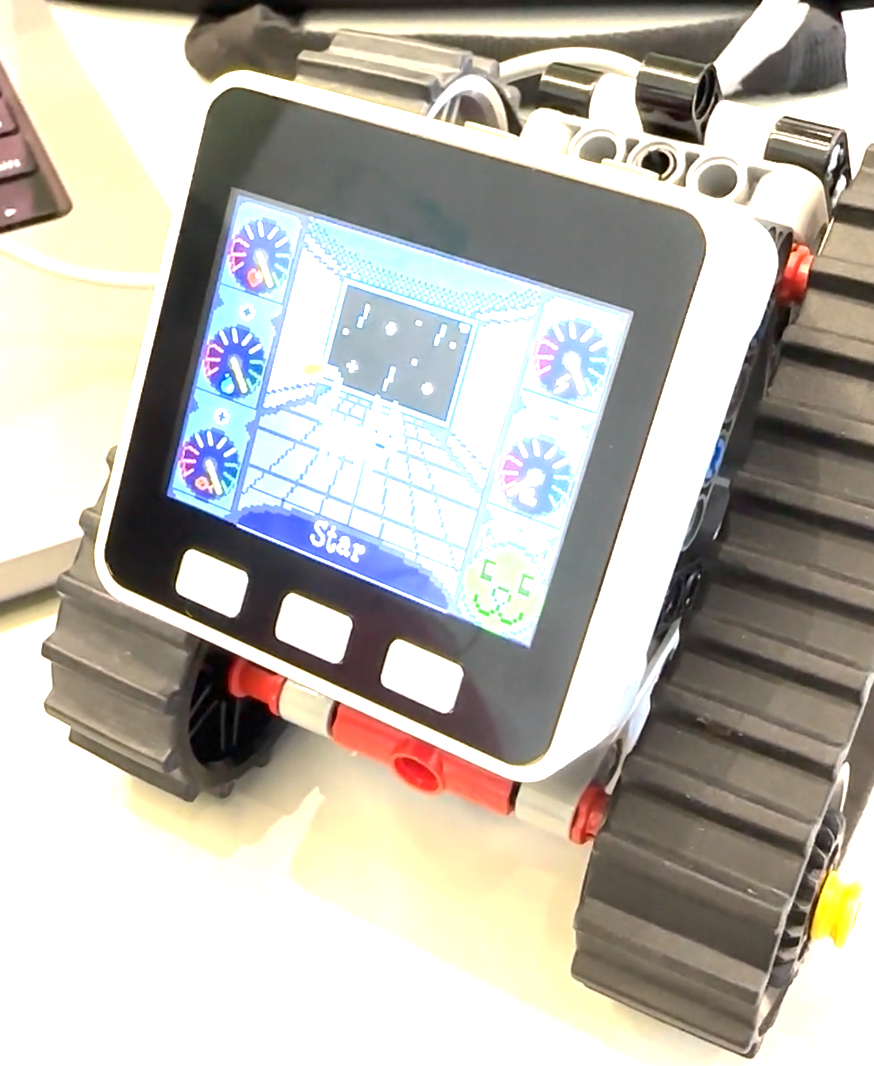
- We used a piece of hardware called an M5GO to build our physical device. It had a display, internet access and a variety of useful sensors. We had to do a lot of research, as the device has very little to no public documentation. -For our GUI and graphics we used a pixel art software called Aseprite, where we made the magic happen to bring the brains of the Cosmo Kittens to life, both on our intuitive website and wearable. -To charge the device, we built a docking station out of Lego EV3 and NXT parts to create a space-age charging area for the Cosmo Kitten.
Challenges we ran into
- When working with the physical device, we needed to modify the firmware to allow for using framebuffers to gain animations without screen tearing. This was extremely difficult and took a significant amount of our time. We also had to deal with limited memory when making web connections.
- Ran into some strange issues when scaling sprites in Aseprite. Learning to use and creating our own pallets and swaps was a new experience, and it was made both fun and difficult attempting to use a new software and creating pixel art.
Accomplishments that we're proud of
- We are really proud of how well the hardware works now, as it took a lot of work to get it this far. The graphics alone were several hours of intense research.
What we learned
During the development of the backend, I had to learn how to use Python tooling such as SQLalchemy to manage the SQLite database, and learn the format of FastAPI which allowed the generation of the documentation page and assisted in accelerating development time around the API.
A big challenge during the development of the API backend was needing to deal with the needs of both the front end and the hardware, which consumed different API endpoints and focused on syncing data between them. Another challenging point happened when we decided the backend would dynamically create the images for the Cosmo Kittens, as opposed to having the cat patterns stored and generated on the hardware itself. We learned a lot about working with third party firmware and reversing documentless code.
What's next for Cosmo Kittens
On the journey to create our vision, the challenges set us back from achieving everything we wanted, as well as the 24 hour timeline. However, our next steps would be to transfer the program onto a more stable and supported portable device, such as using an Arduino with a mini LCD Screen. Another goal of ours was to include a more high-definition, yet still pixel, version of the Cosmic Kitty on the website to interact with when you feed and water your bet.

Log in or sign up for Devpost to join the conversation.