-
-
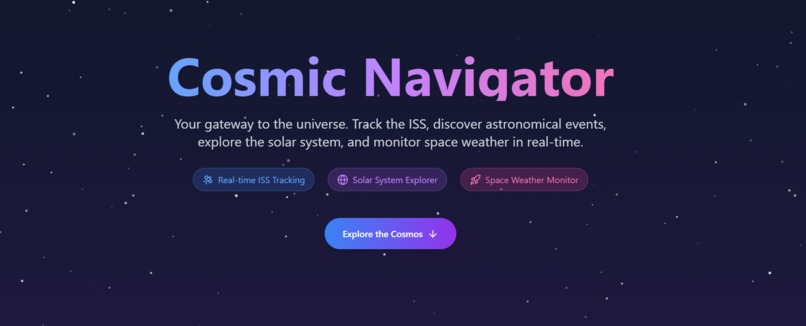
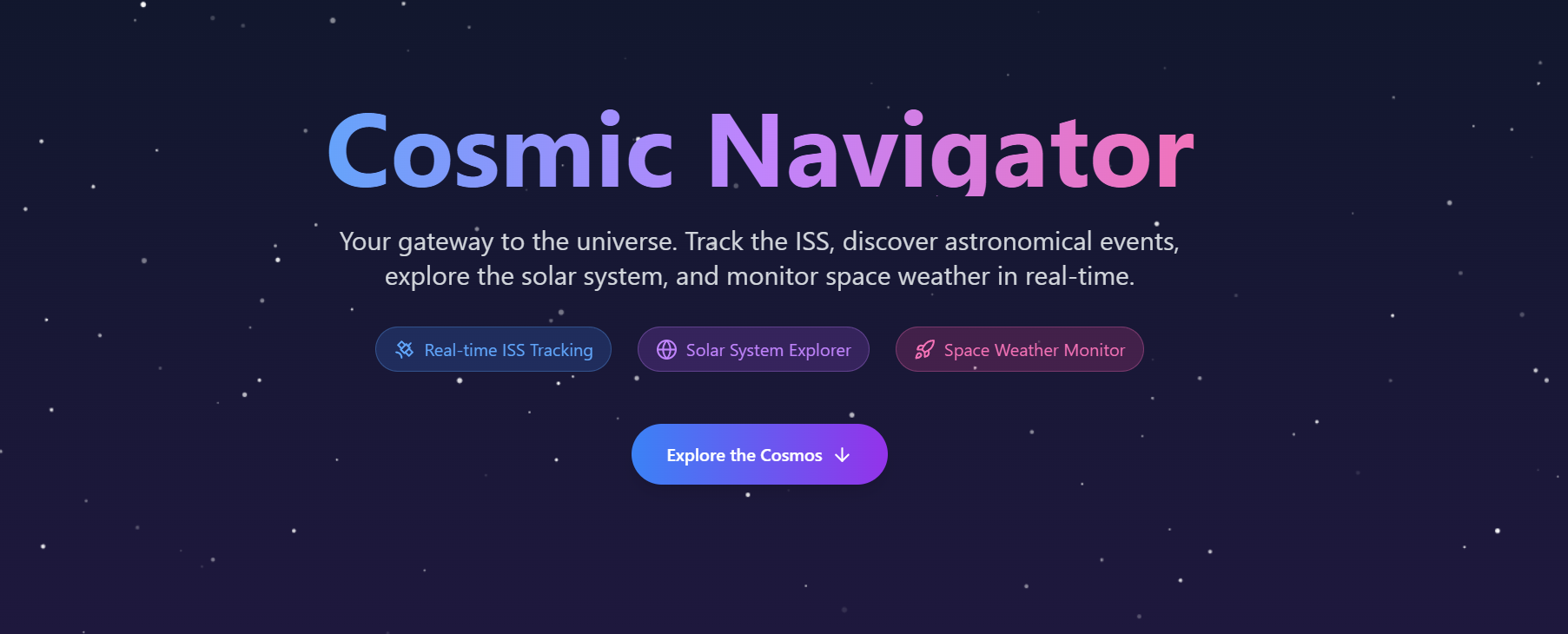
Homepage hero highlighting key features with clear visuals, intuitive layout, and a focus on user-first functionality.
-
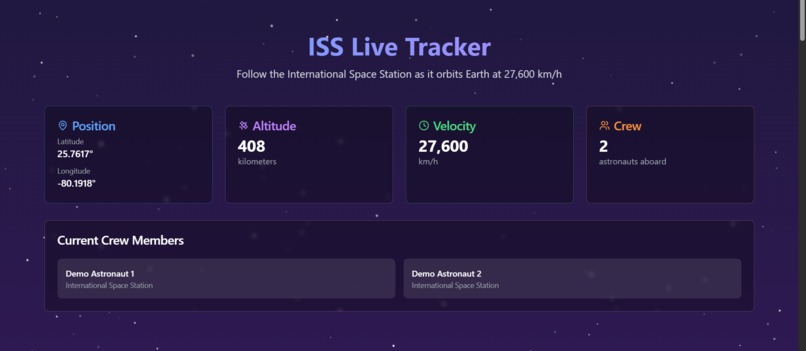
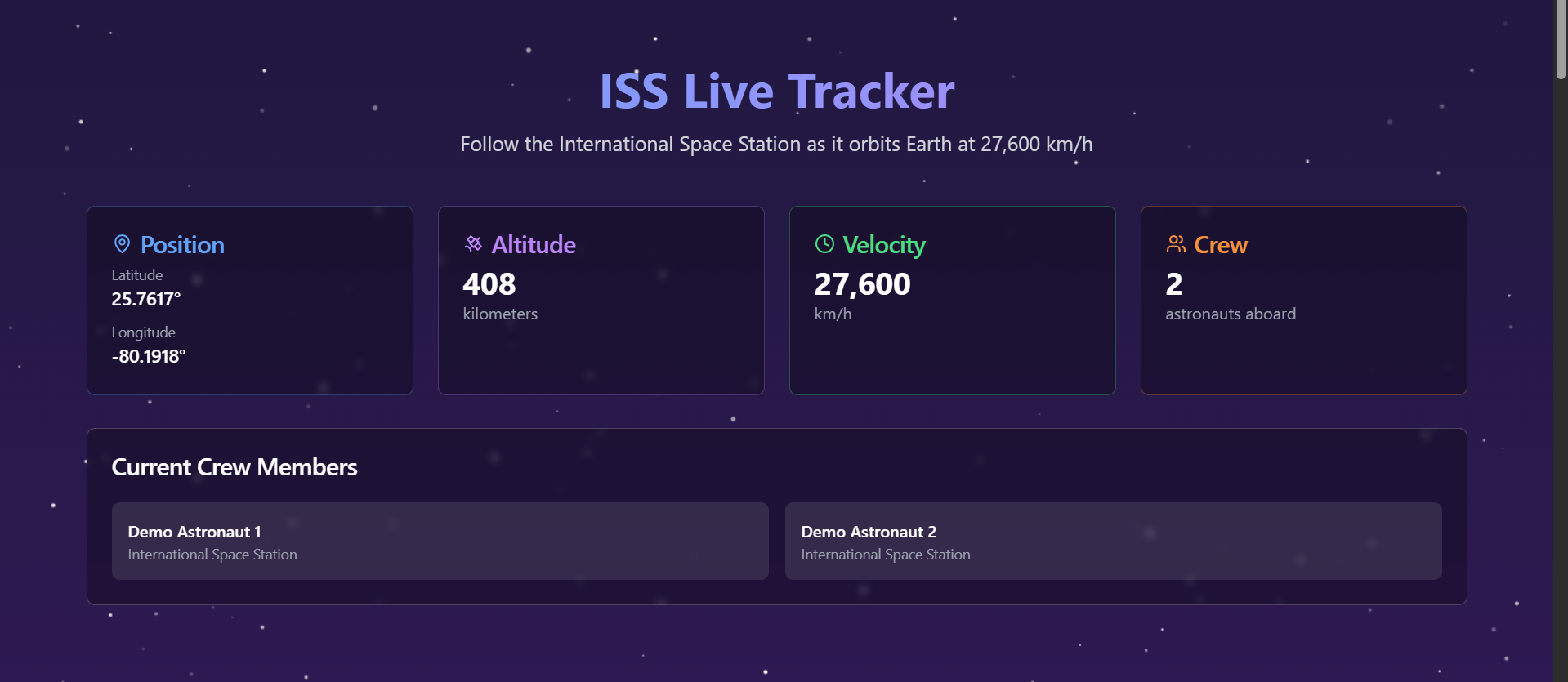
ISS live tracker with real-time updates every 5 seconds, ensuring accurate and up-to-date satellite positioning
-
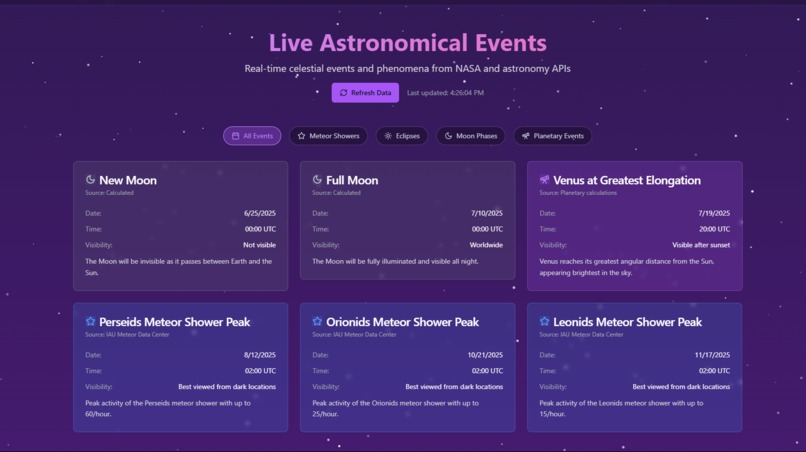
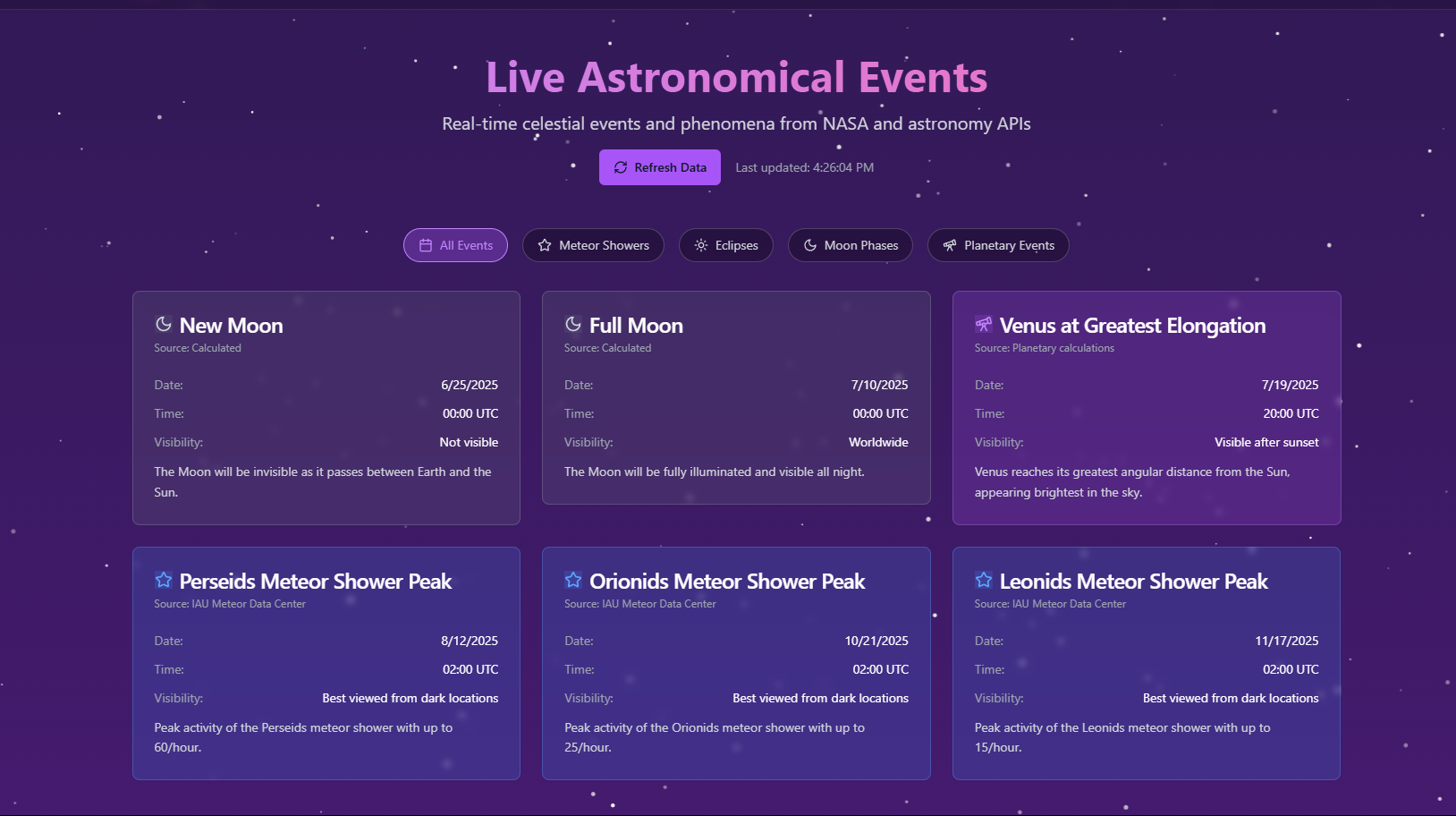
Live astronomical events updated every 30 mins, with manual refresh option for real-time skywatching accuracy.
-
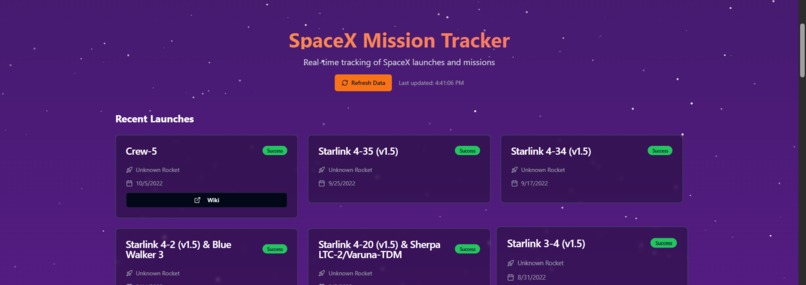
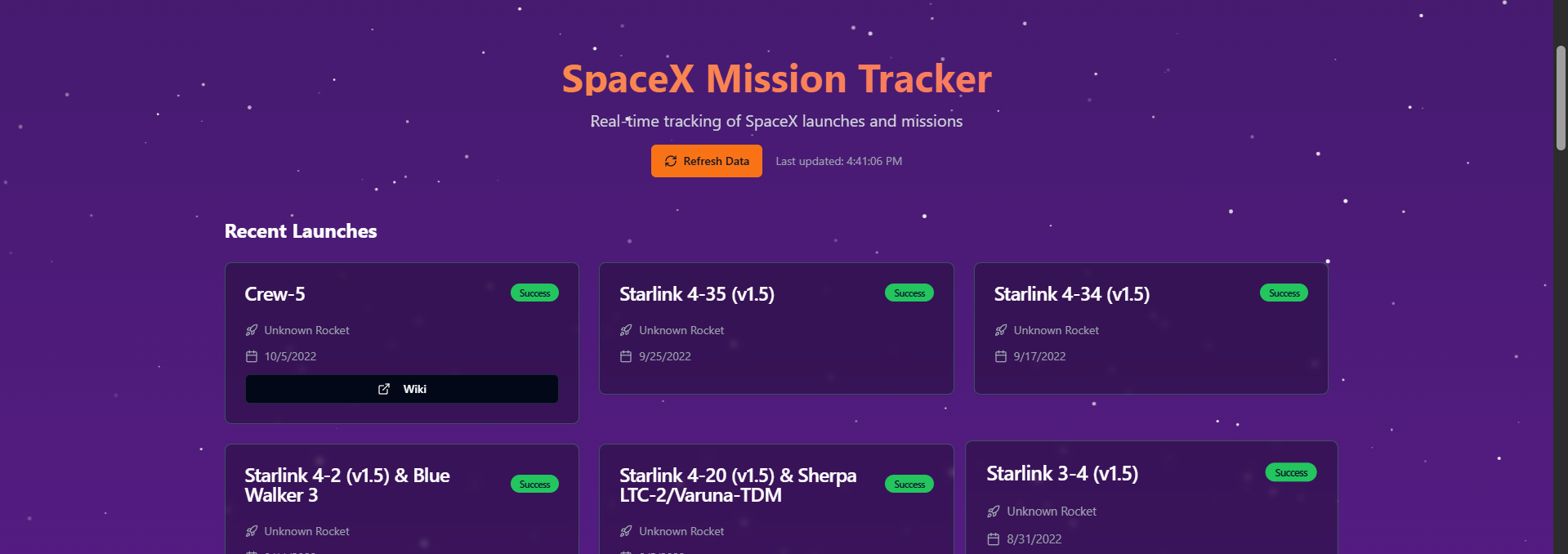
Using SpaceX official API — currently down due to API issues. Monitoring and will resume once service is restored
-
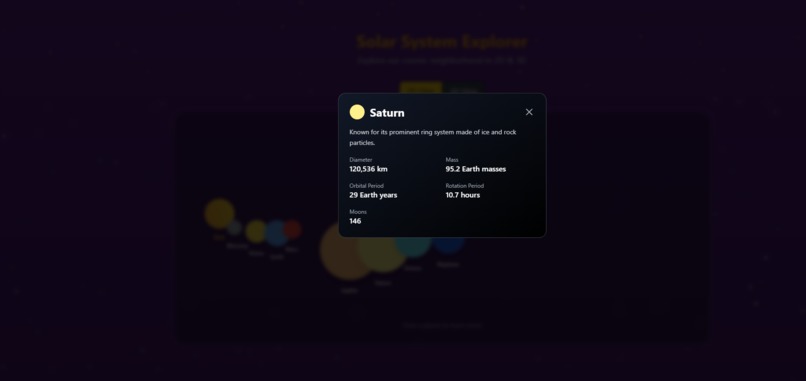
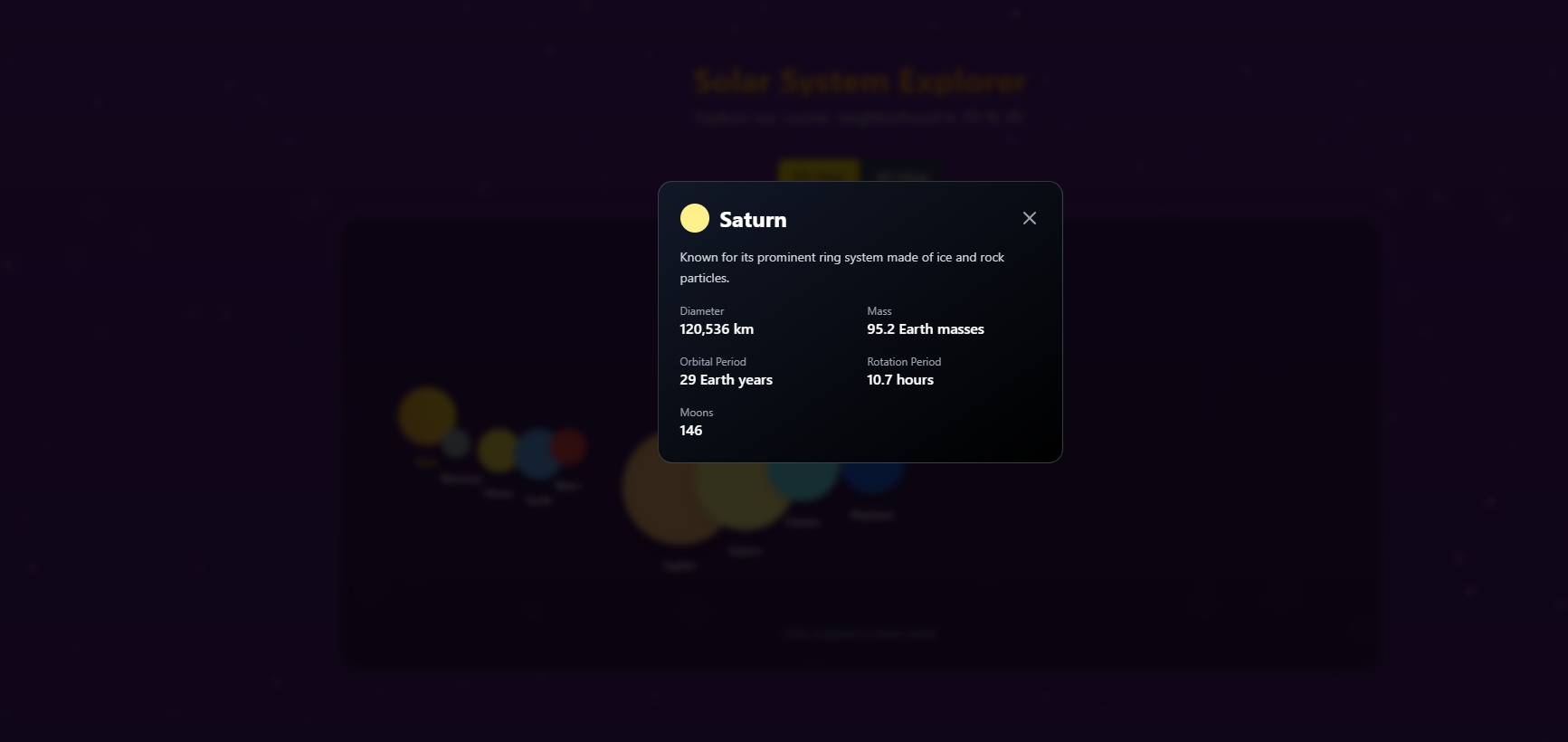
Interactive 2D view of planets — click on any planet to explore detailed information and key facts.
-
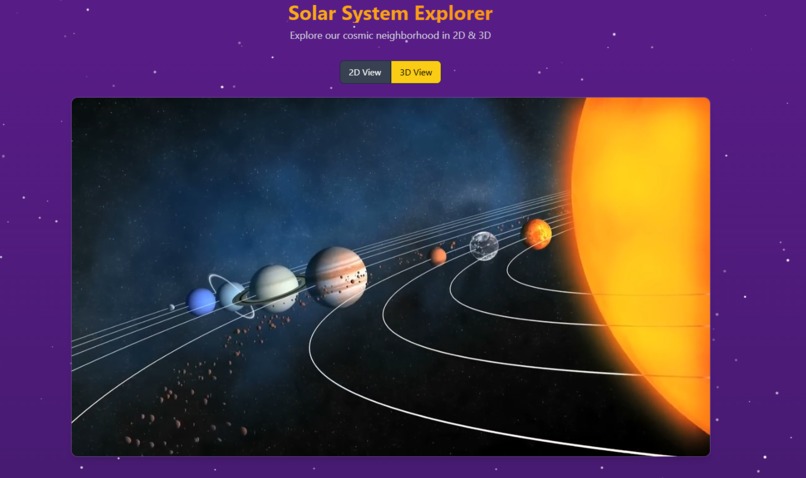
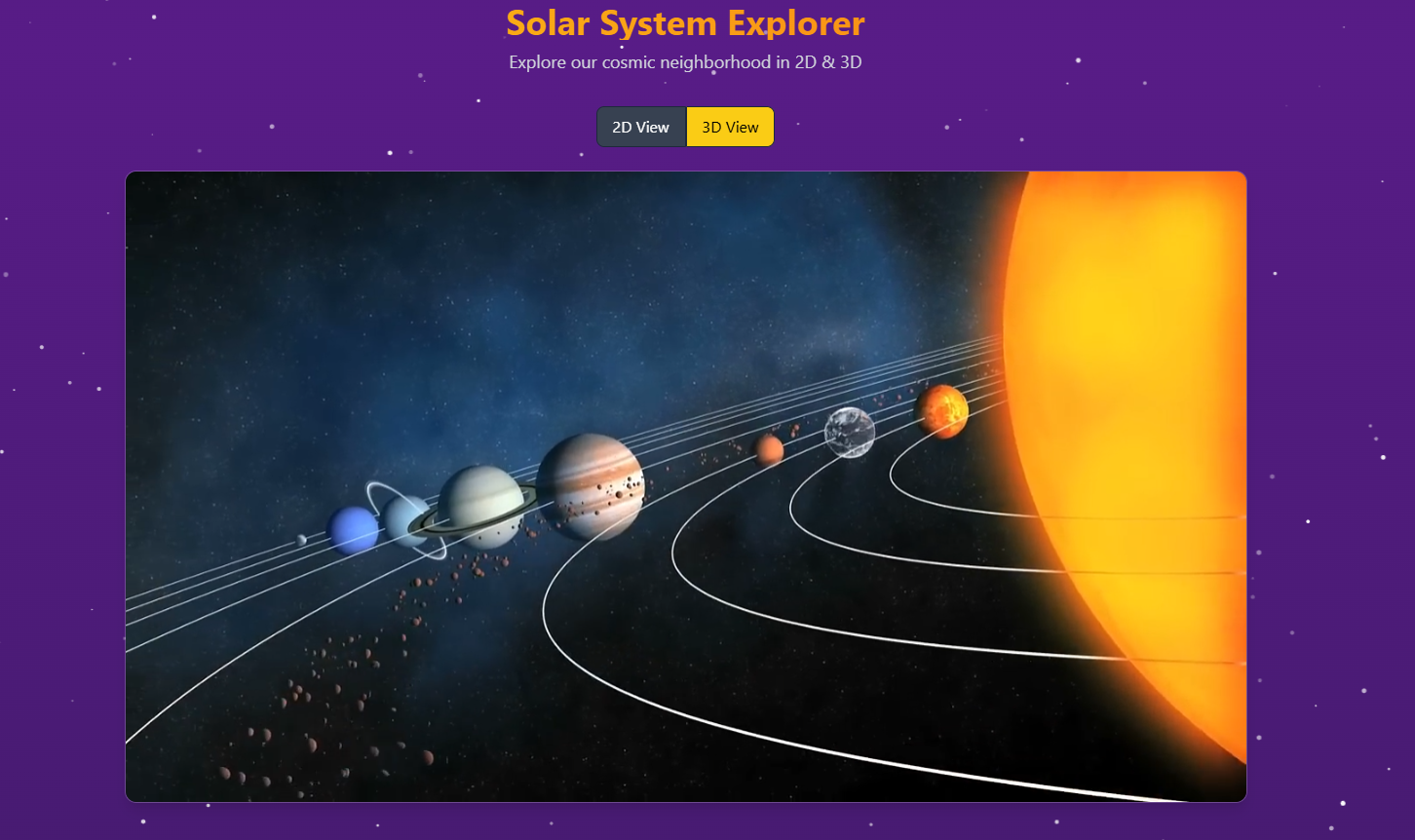
Explore a non-interactive 3D view of the solar system with accurate planetary positions and scale.
-
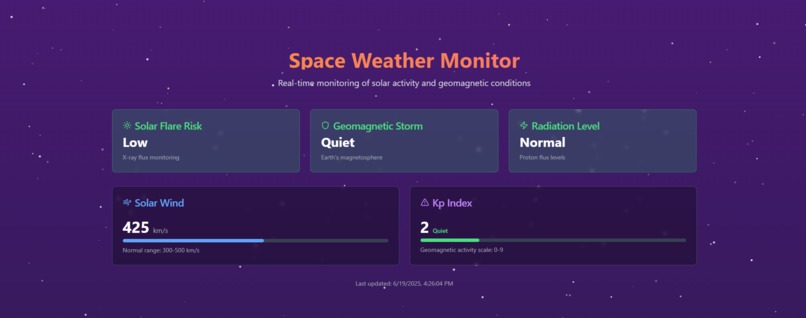
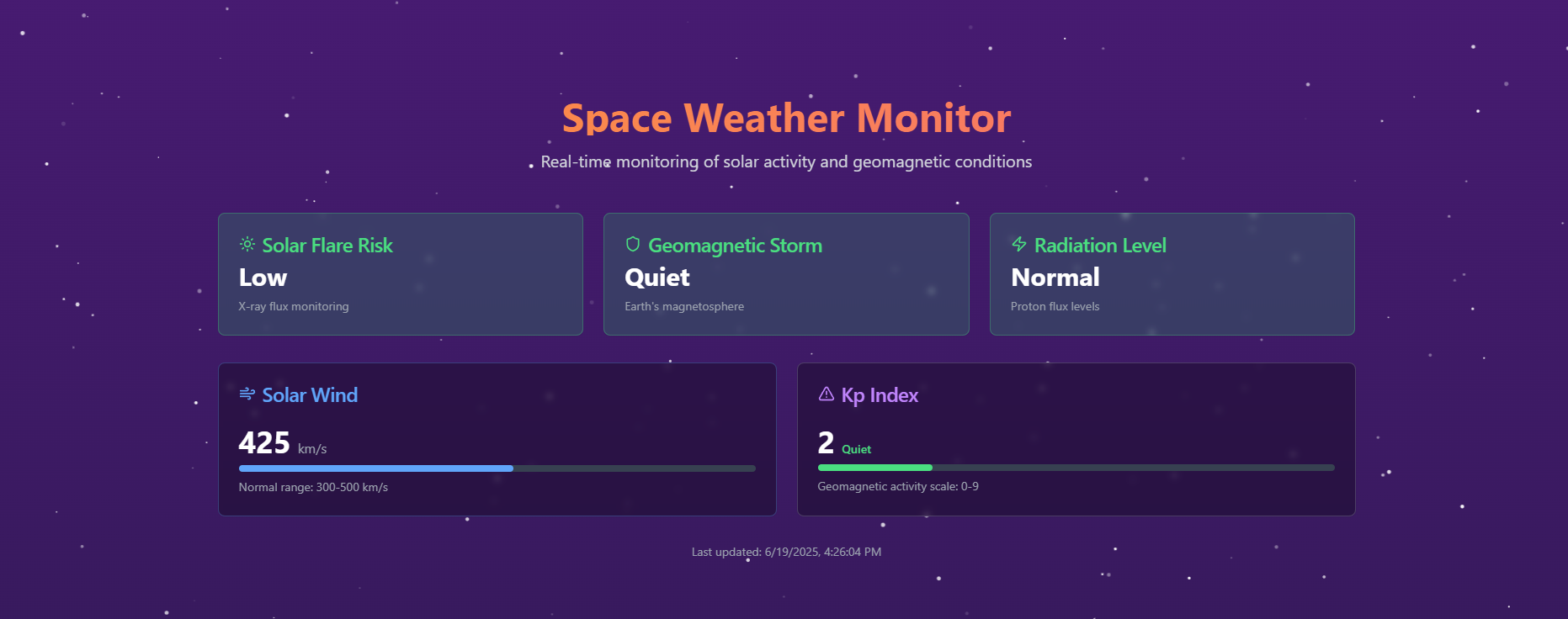
Live space weather monitor displaying solar activity, geomagnetic data, and real-time alerts.
-
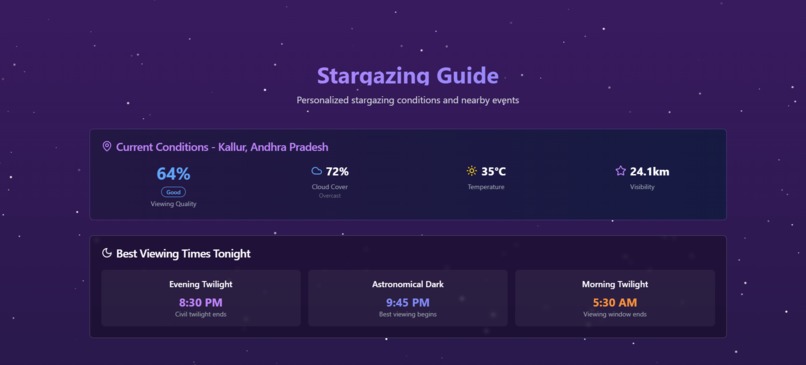
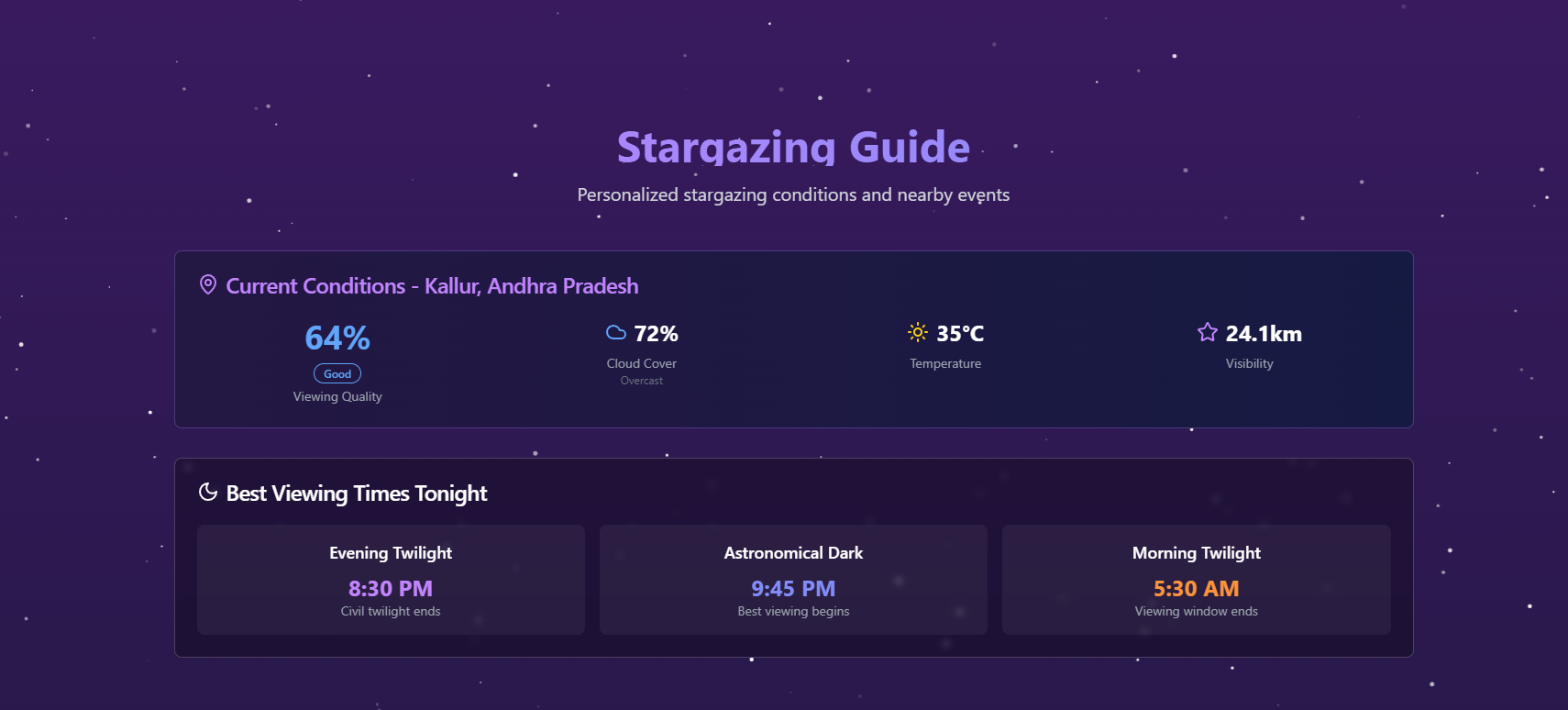
Stargazing guide based on your location — get local weather, visibility, and best times to observe the night sky.
-
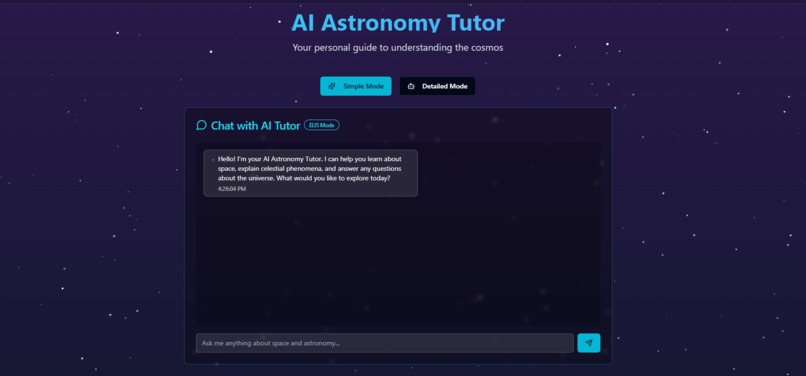
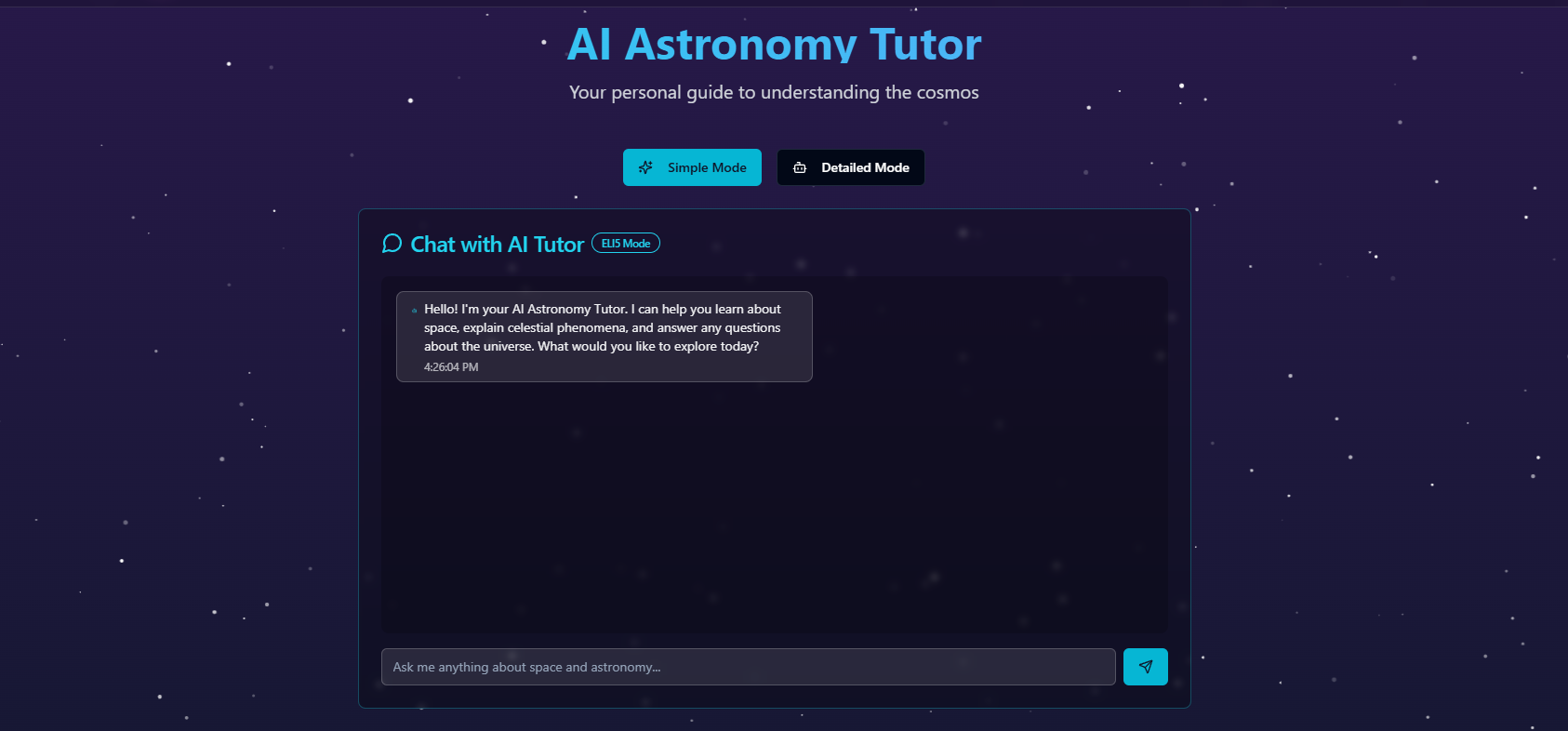
AI astronomy tutor with Simple & Detailed modes — responds only to space-related queries for focused learning.
-
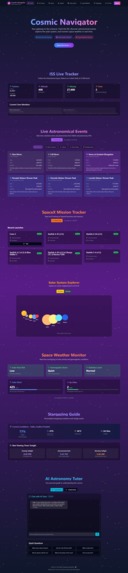
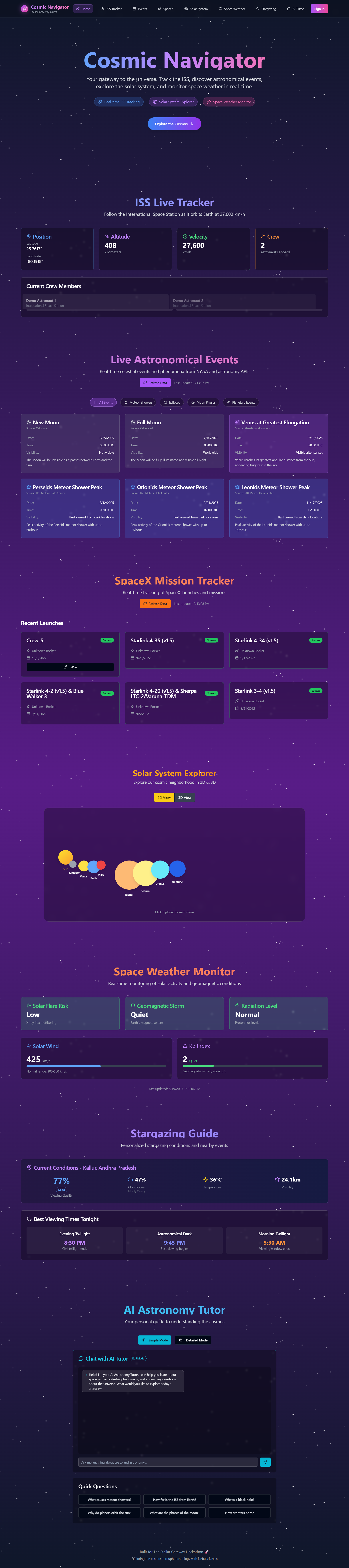
Full webpage overview showcasing all astronomy tools, features, and real-time data in one seamless interface."
🌌 Inspiration
From the first time I saw the International Space Station glide across the night sky, I was hooked. I wanted everyone to feel that same spark of wonder—without needing a telescope or a PhD. The Stellar Gateway Hackathon challenge ignited my drive to build a single platform that brings live space data, stunning visuals, and an AI tutor together in one place.
🚀 What It Does
Cosmic Navigator is your real‑time portal to the universe. After signing in with Google or GitHub, you land on a personalized dashboard where you can:
- Track the ISS: Live latitude, longitude, altitude, velocity, and current crew.
- Explore Astronomical Events: Upcoming meteor showers, eclipses, moon phases, and planetary alignments—instantly updated from NASA and IAU feeds.
- Monitor Space Weather: Live Kp index, solar wind speed, radiation levels, and geomagnetic storm alerts from NOAA.
- Browse SpaceX Missions: Historical and recent launches with mission status and quick reference links.
- Plan Your Stargazing: Location-aware sky conditions, cloud cover, visibility forecasts, and best viewing times.
- Learn with AI: Ask astronomy questions in Simple, Detailed, or ELI5 mode—powered by the Gemini API tutor.
🛠 How We Built It
- Frontend: React + Vite + TypeScript deliver a lightning-fast, type-safe user interface. Tailwind CSS and shadcn/ui ensure a clean, responsive design.
- Backend: Supabase handles Google/GitHub OAuth authentication, real-time data subscriptions, and user favorites.
- Data Integration: REST APIs from ISS, NASA, IAU, SpaceX, and NOAA are combined via a lightweight data layer with caching and fallback UIs to ensure continuous updates.
- AI Tutor: Gemini API powers an adaptive assistant that explains concepts in multiple formats—engineered with carefully crafted prompts.
🧹 Challenges We Ran Into
- API Reliability: Some endpoints throttled or returned stale data. We built local caching, retries, and fallback interfaces to keep everything responsive.
- OAuth Edge Cases: Issues like token expiration and popup blockers were resolved with automatic refresh and fallback login flows.
- UI Complexity: Presenting rich data in a beginner-friendly layout took multiple design passes and real user feedback.
🏆 Accomplishments We’re Proud Of
- Seamless Real-Time Data: Each module updates live with minimal latency—even under API rate limits.
- AI-Powered Astronomy Tutor: Adapts to any level—casual stargazers to aspiring scientists.
- Solo Full-Stack Build: Every line of code, from concept to deployment, built by a single developer within the hackathon timeframe.
📚 What We Learned
- Robust Data Integration: Building around unreliable APIs reinforced the value of smart caching and UI resilience.
- Advanced Auth Workflows: Navigated the edge cases of OAuth with multi-provider support and secure token handling.
- Prompt Engineering: Designing effective Gemini prompts sharpened our skills in guiding AI for educational outcomes.
- Human-Centered Design: Testing with real users helped us prioritize clarity over complexity when visualizing scientific data.
🌠 What’s Next for Cosmic Navigator
- User Accounts & Custom Alerts: Let users follow their favorite celestial events and get notified in real time.
- Mobile App: Build native iOS/Android versions with push alerts for ISS passes, meteor showers, and more.
- Community Features: Let stargazers share images, track sightings, and exchange tips.
- Expanded AI Guidance: Fine-tune Gemini for deeper, domain-specific learning experiences in space science.
- Educational Partnerships: Integrate into classrooms and planetariums with curriculum-aligned content and live demos.
Cosmic Navigator was built to inspire a deeper connection with the cosmos—by making space data beautiful, personal, and interactive. Here's to aiming higher, reaching farther, and bringing home that 1st place trophy! 🌟
Built With
- gemini-api
- github-oauth
- google-oauth
- ip-geolocation-apis
- nasa-open-apis
- noaa-space-weather-apis
- open-notify-api
- react
- shadcn/ui
- spacex-api
- supabase
- tailwind-css
- typescript
- vercel
- vite


Log in or sign up for Devpost to join the conversation.