-
-
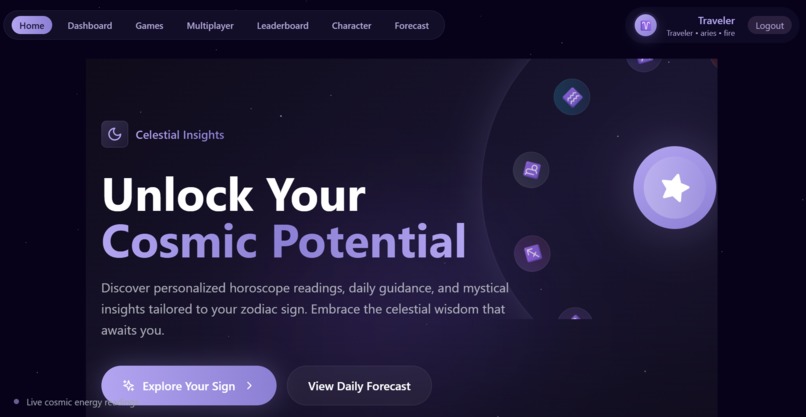
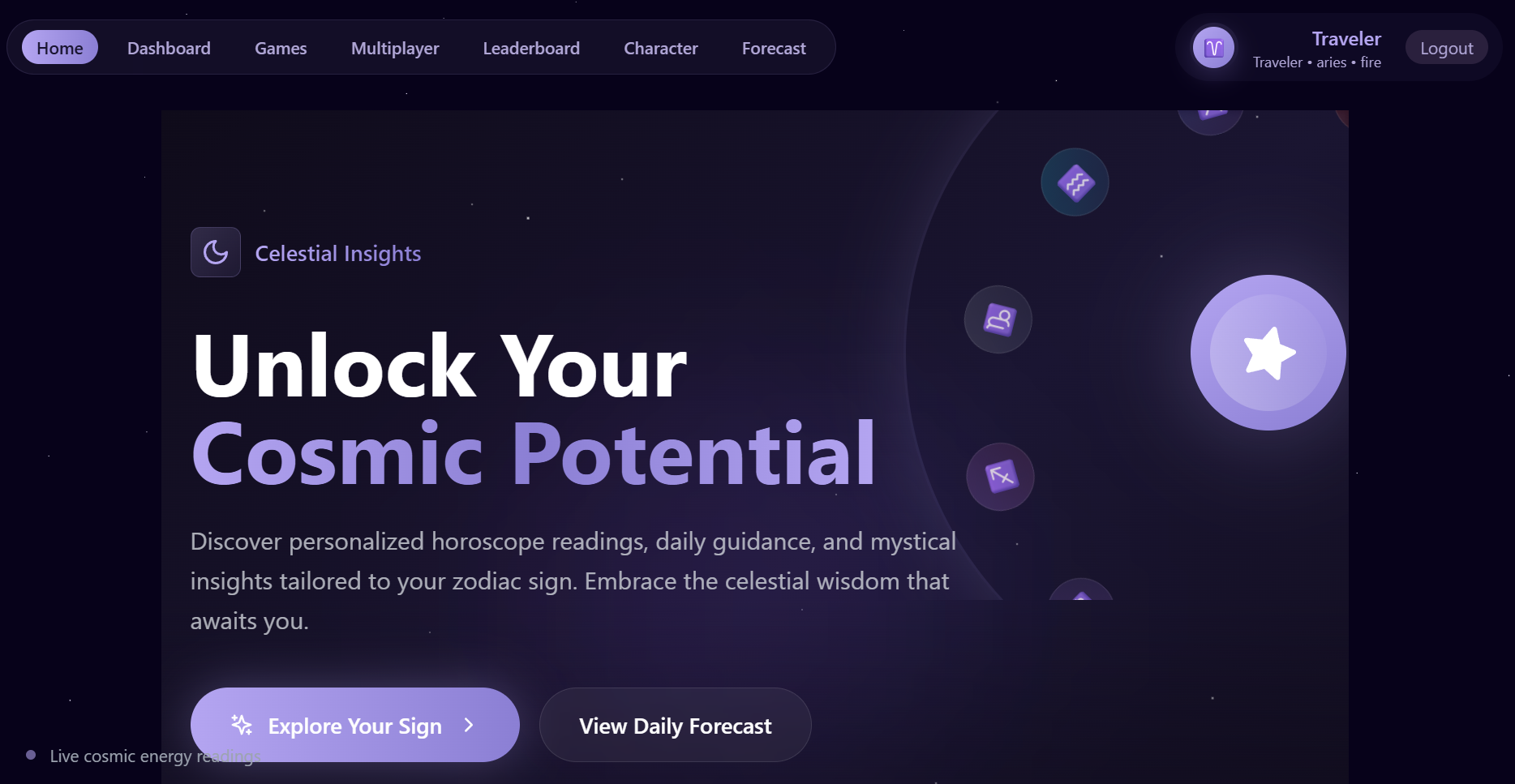
Home page
-
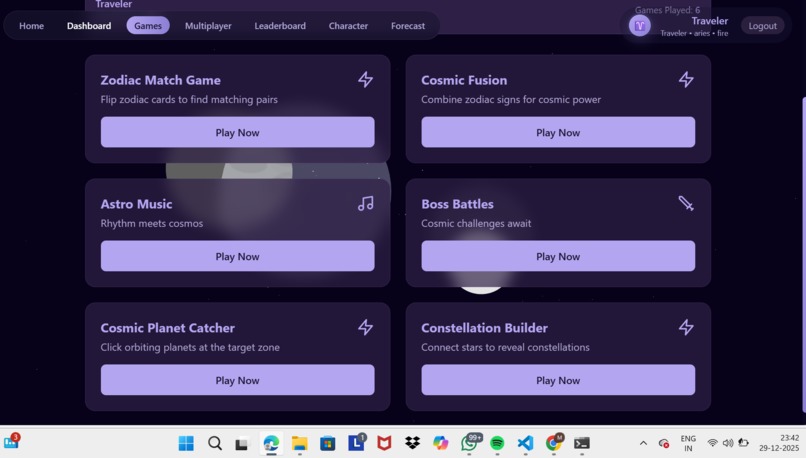
Game Page
-
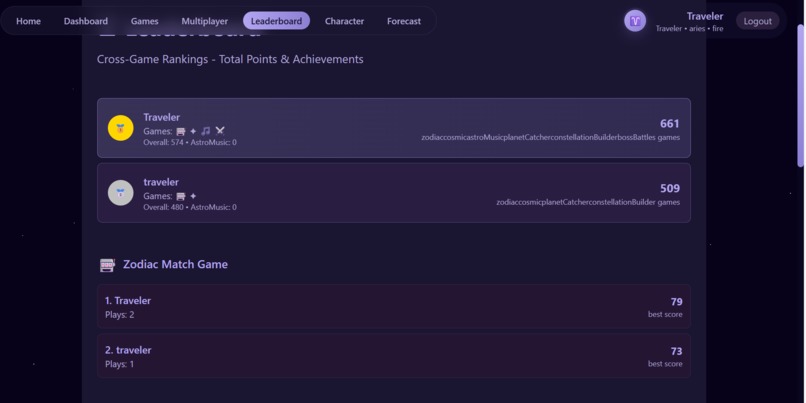
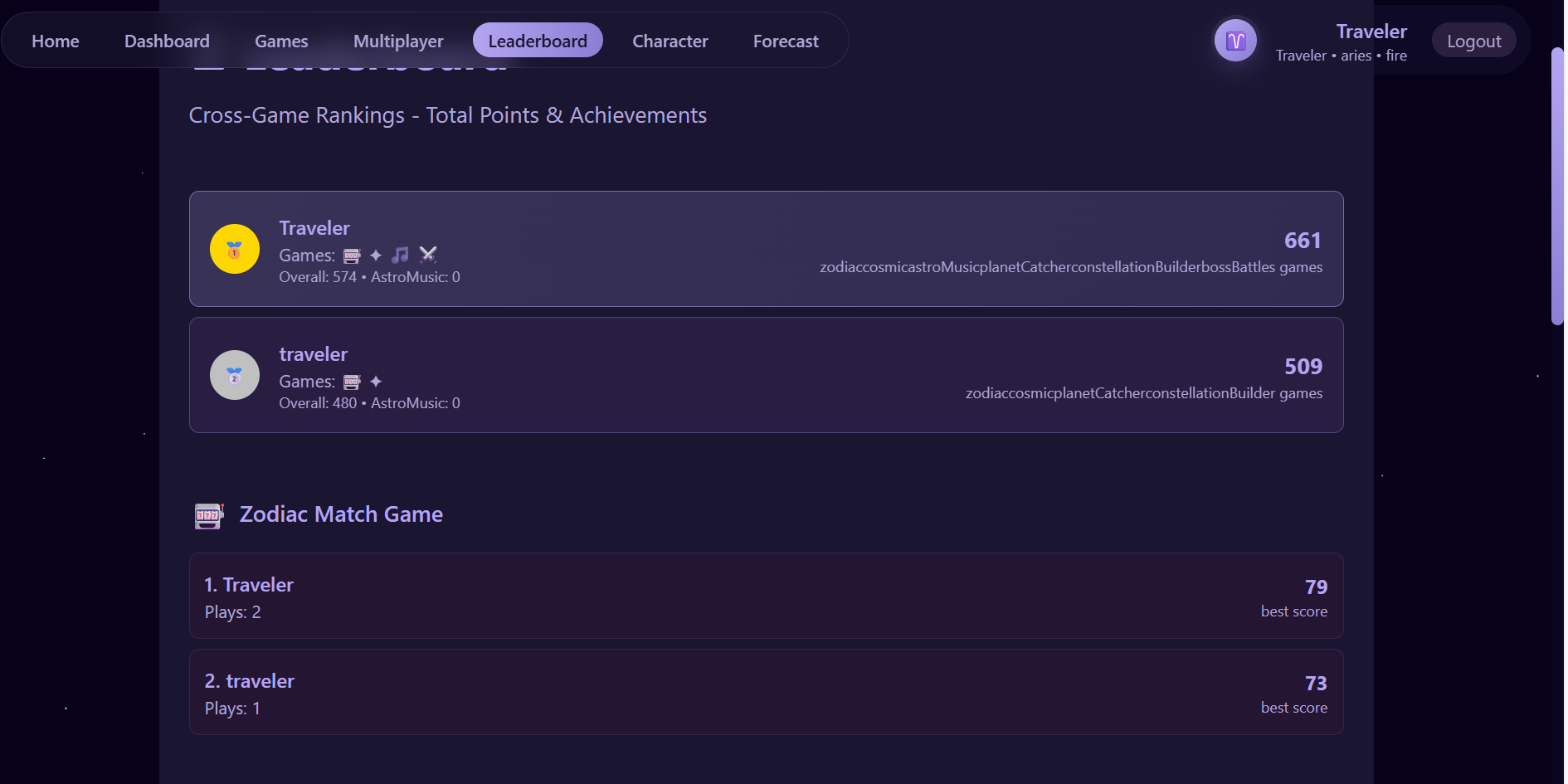
Leaderboard Page
-
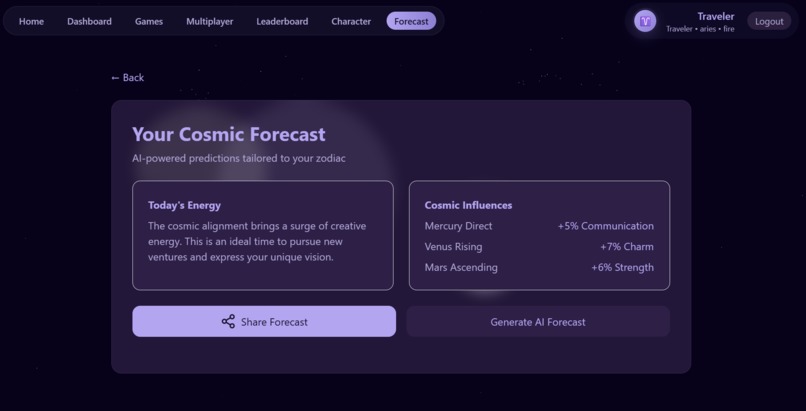
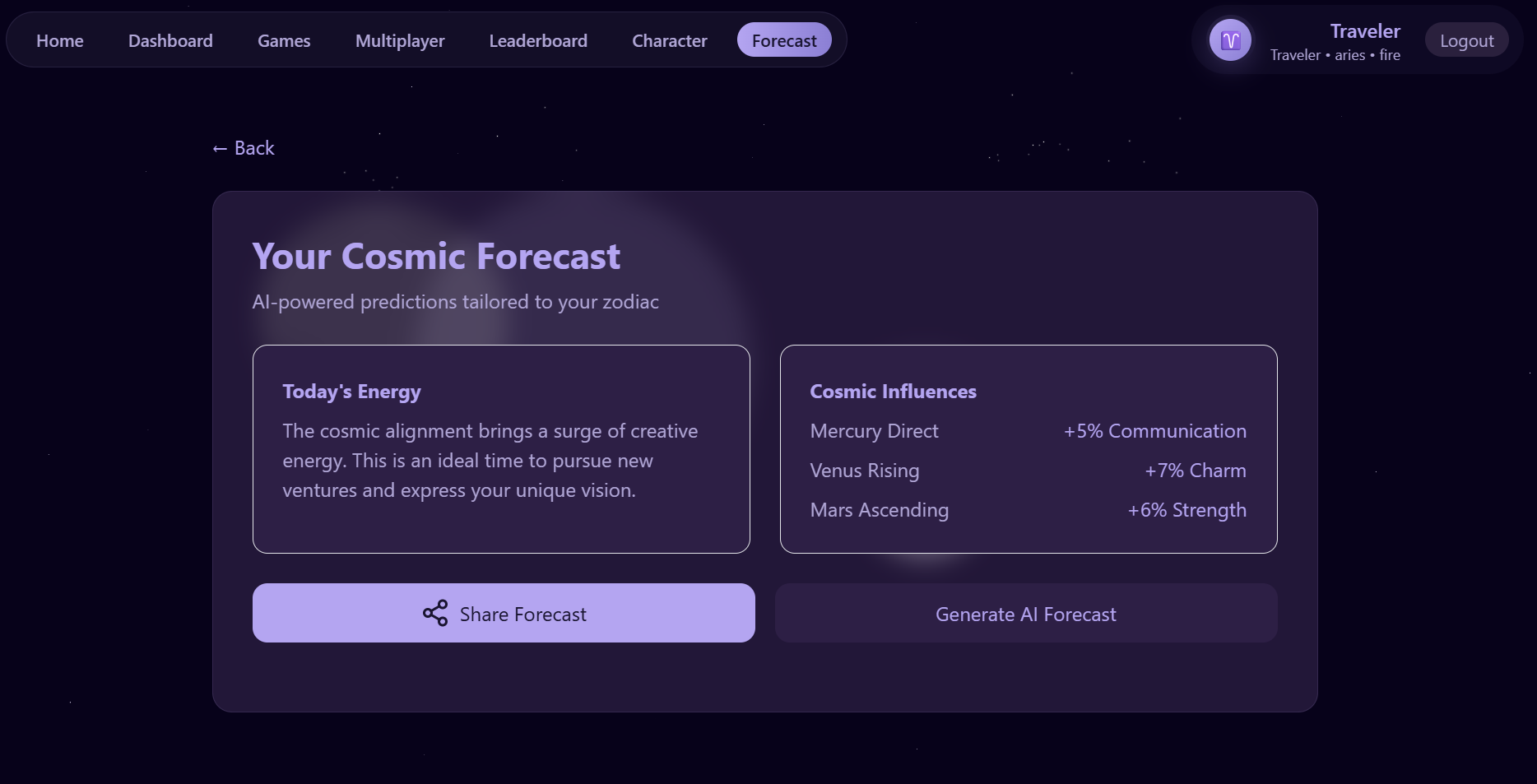
Forecast Page

What inspired us It wasn’t a hackathon prompt or a tech blog that gave us this idea. It started in the unlikeliest of places: a bustling jewellery shop.
I was there with my mom—who, like many Indian mothers, has a soft spot for gold and an even softer spot for the future. We ran into a fortune teller (a Baba) right there in the shop. My mom, unable to resist, asked him to read my life.
The Baba looked at me, looked at his charts, and said something that shook me. He knew about my relationship. He looked me in the eye and said, "You need to leave your boyfriend to achieve the life you want. If you stay, you will remain stuck on a basic salary. If you let go, your career will soar."
It was harsh. It was specific. And... it turned out to be true. I took the leap, focused on myself, and landed a perfect internship shortly after.
That got me thinking. I watched the Baba flipping through his worn-out books, calculating planetary alignments. I realized he was processing specific data points to give advice.
I went to my best friend and said, "If a Rishi can learn these patterns, why can't AI? Why can't we build a 3D immersive world to digitize this experience?"
And just like that, Cosmic Destiny was born.
📚 What we learned Building this wasn't just about calling an API; it was a deep dive into full-stack development and 3D graphics.
Mastering 3D in React: We moved beyond standard 2D websites. We learned how to integrate 3D libraries in React to create an immersive, mystical atmosphere. Learning to manipulate cameras, lighting, and meshes directly in the browser was a huge learning curve.
Node.js Architecture: We learned how to build a robust backend using Node.js. We moved from simple frontend logic to understanding how to structure server-side code that can handle API requests and serve our application efficiently.
The Power of Prompt Engineering: We learned that the Gemini API is incredibly powerful, but it needs the right instructions. We had to learn how to contextually prompt Gemini to act like a Vedic astrologer—empathetic, wise, and slightly mysterious—rather than a generic robot.
🛠️ How we built it We combined modern 3D web technologies with the intelligence of Google's Gemini.
The Oracle (Gemini API): Instead of writing thousands of lines of astrological logic from scratch, we leveraged the Gemini API. We feed the user's details into the model, which we have carefully instructed to analyze the data and output the advice in a "human" storyteller format.
The World (React + 3D): We didn't want a boring flat website. We used React along with a 3D library to render an interactive environment. This serves as the visual layer where users feel like they are entering a mystical space.
The Spine (Node.js): The backend is built on Node.js. It acts as the bridge, securely managing the communication between our 3D frontend and the Gemini API, ensuring data flows smoothly.
The Playground (Games): To keep users engaged, we integrated mini-games into the platform. This makes the experience fun and interactive while the "stars" (and the API) are aligning.
🚧 The Challenges we ran into Rendering 3D on the Web: Making 3D models look good without lagging the browser was tough. We struggled with performance optimization—ensuring the animations were smooth while React managed the state updates.
Taming the AI: At first, the API was too generic. It sounded like a Wikipedia article. We struggled to fine-tune the prompts to make Gemini sound like that authentic Baba from the shop—personal and direct.
Connecting the Full Stack: Integrating the Node.js backend with the 3D frontend presented CORS issues and data handling errors that we had to debug specifically for this architecture. Challenges we ran into Accomplishments that we're proud of What we learned What's next for Cosmic Destiny


Log in or sign up for Devpost to join the conversation.