-
-
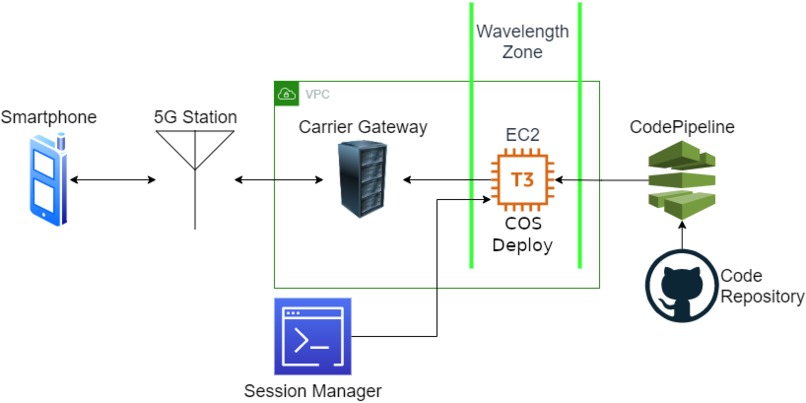
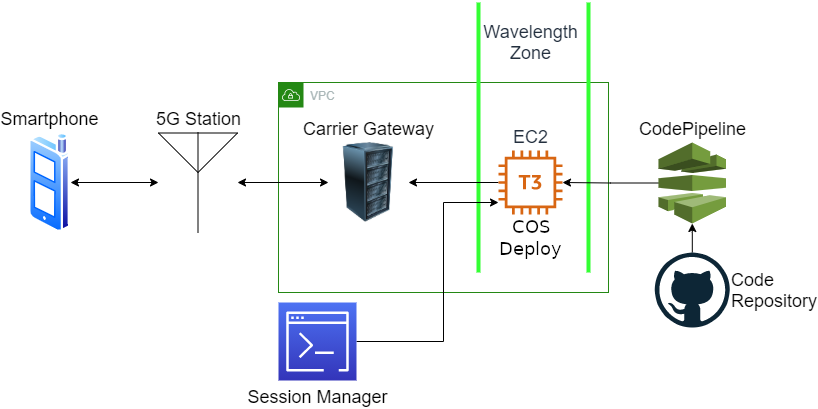
AWS wavelength connection diagram
-
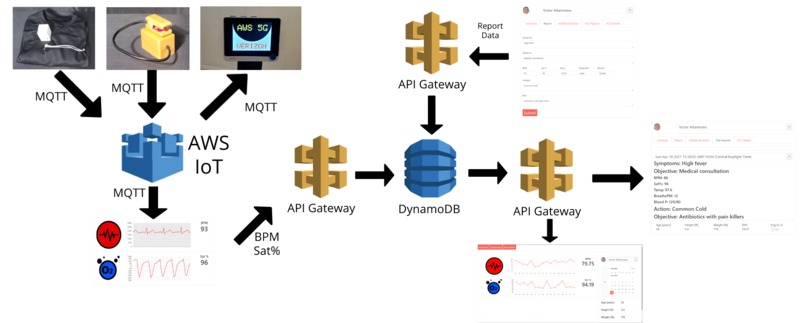
System's architecture
-
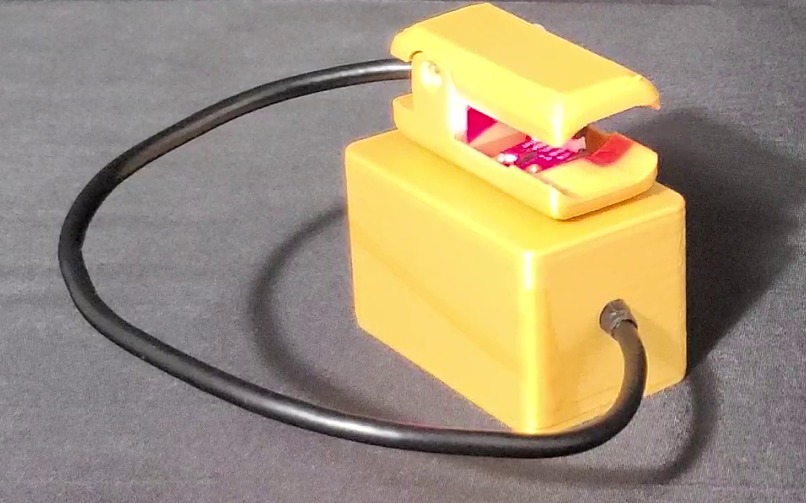
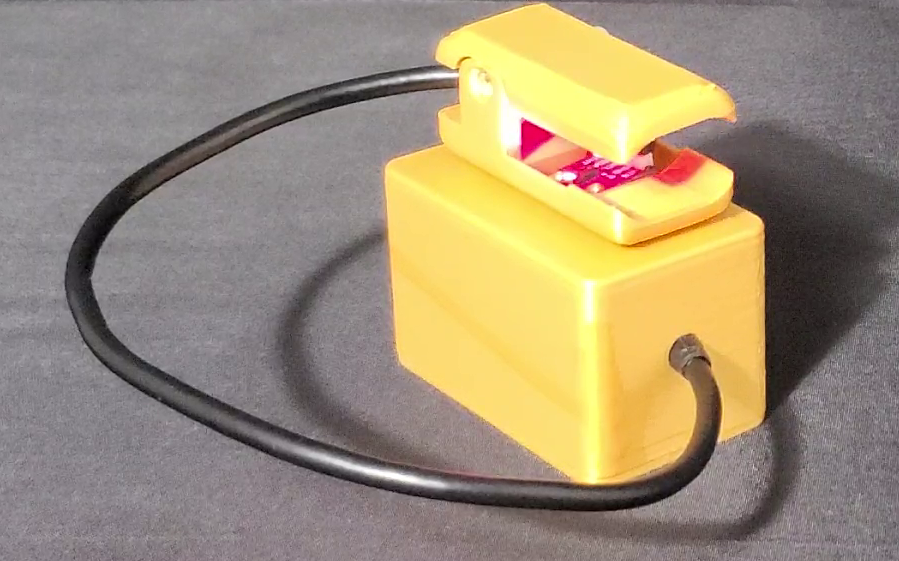
Oxygen Saturation Thimble
-
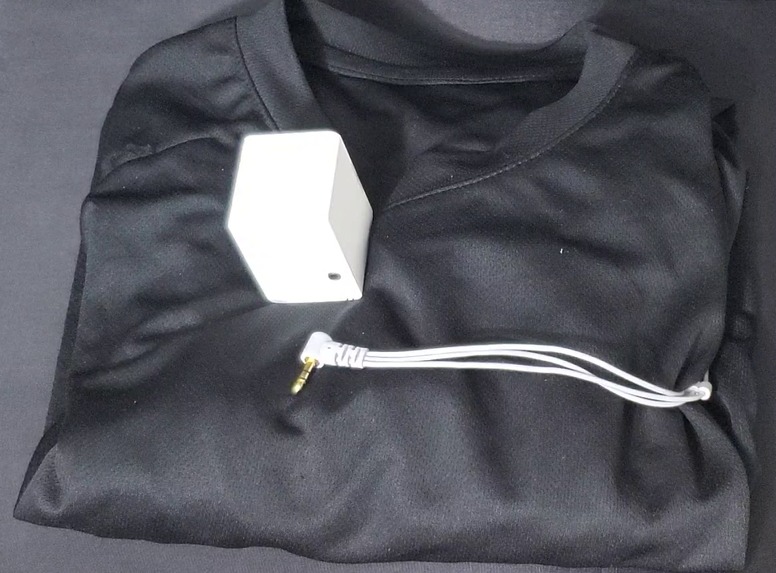
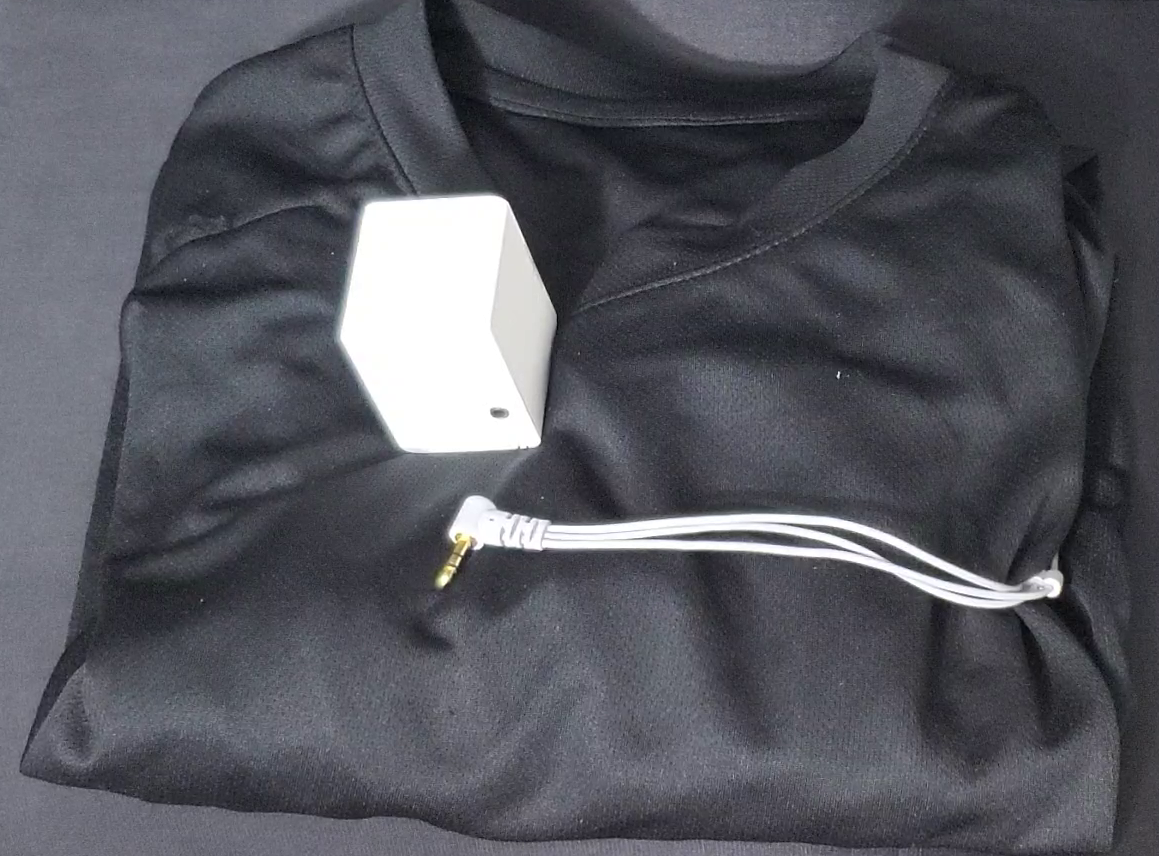
ECG sensor (electrocardiogram)
-
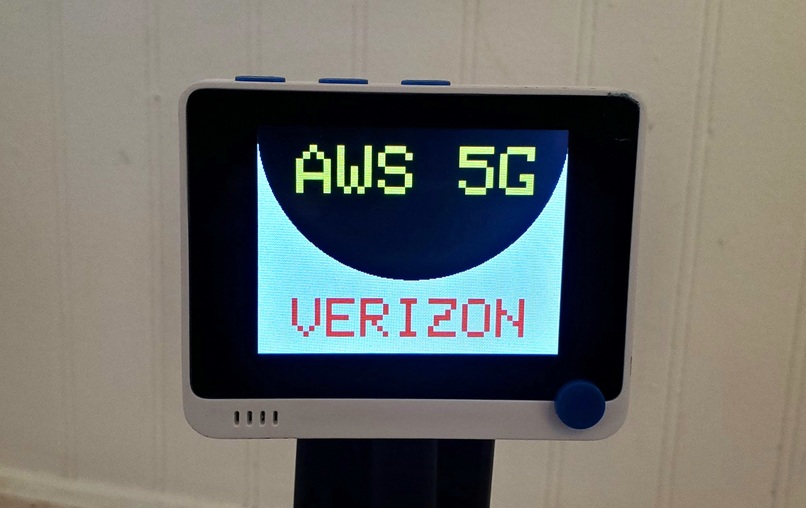
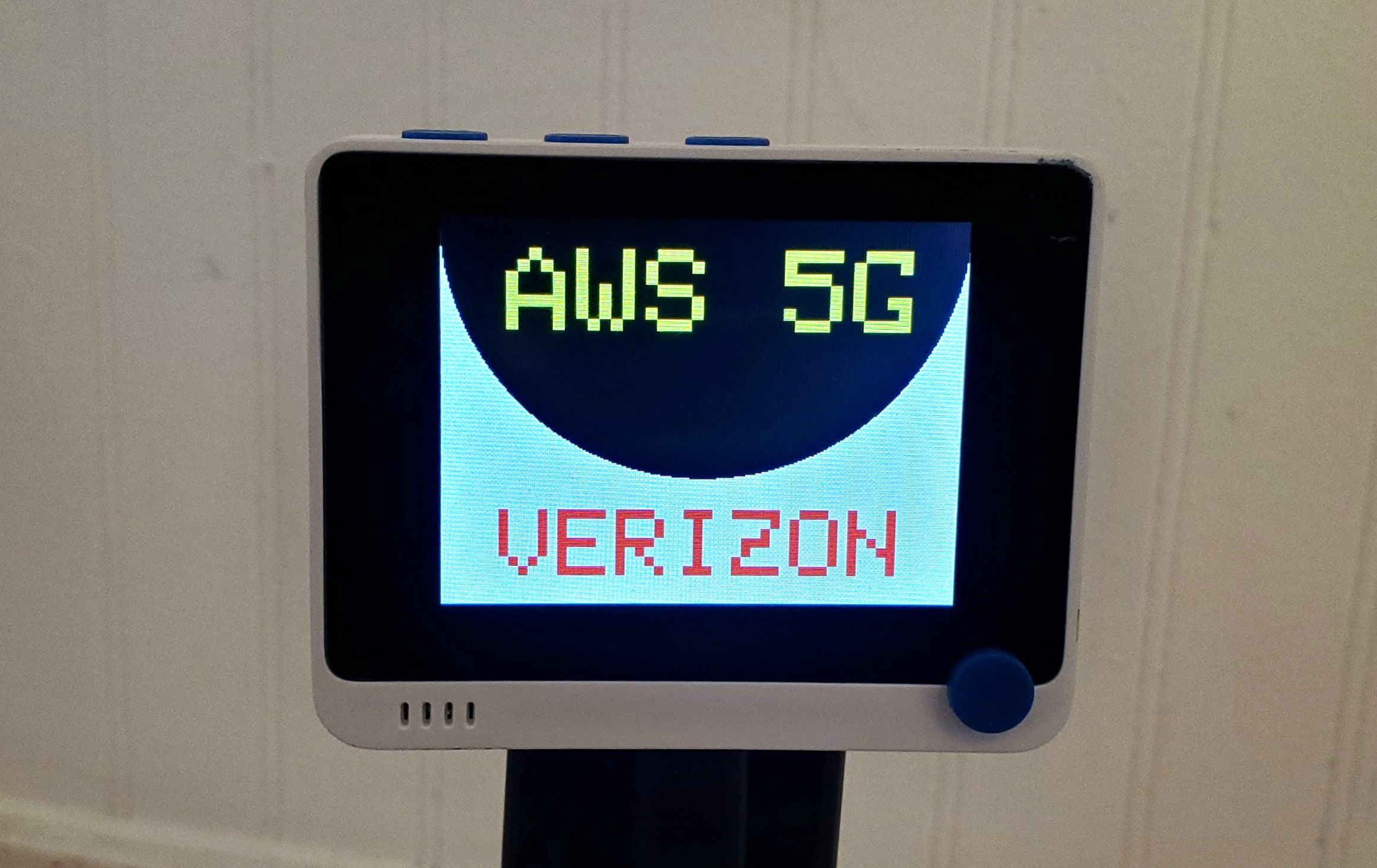
WIO-based monitor.
-
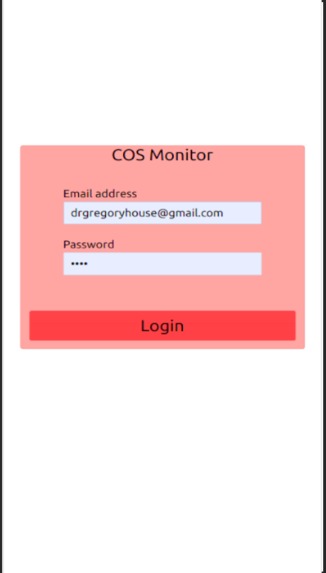
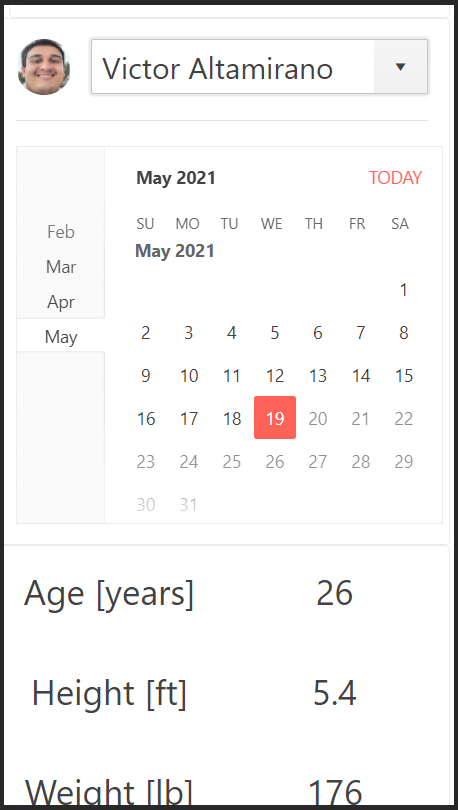
Login
-
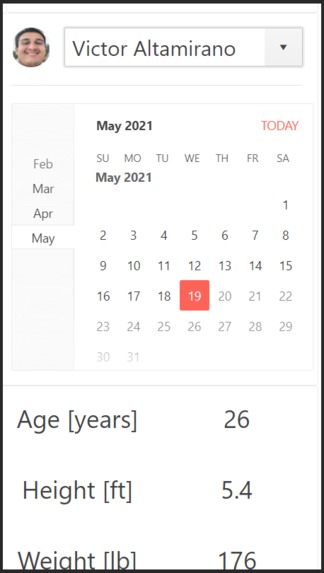
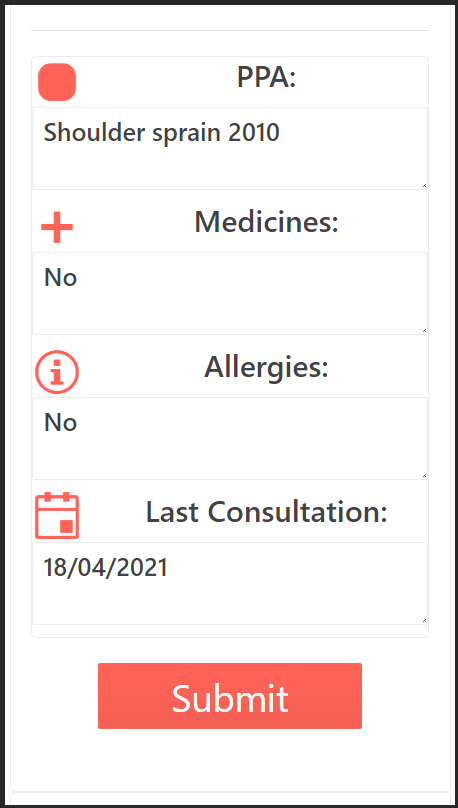
Historical tab
-
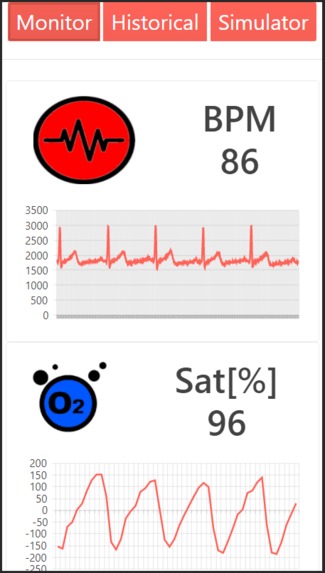
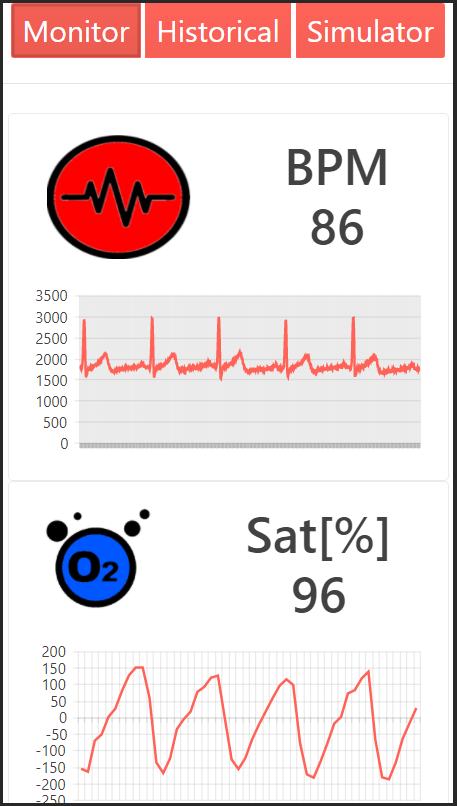
Sensor data
-
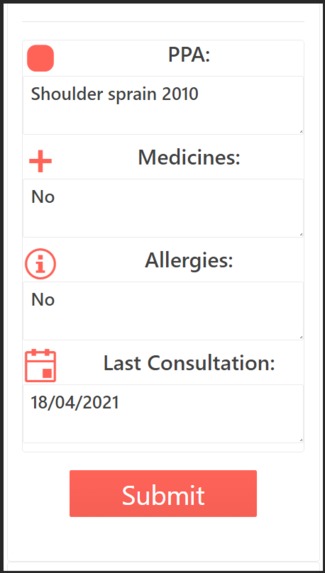
Summary


DISCLAIMER: This application is used for demonstrative and illustrative purposes only and does not constitute an offering that has gone through regulatory review. It is not intended to serve as a medical application. There is no representation as to the accuracy of the output of this application and it is presented without warranty.
Introduction, Inspiration and Problem
The Current COVID-19 pandemic changed everything. From the way we do business, congregate, transport and most specially the way we go to the doctor and take care of our health. This made Telemedicine one if not the way to move forward regarding simple patient care.
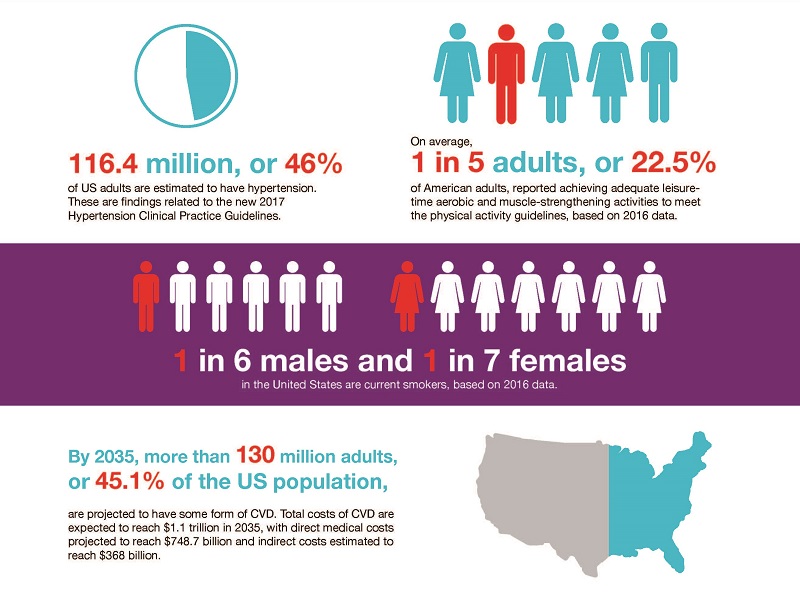
Additionally we have to make and important mention on Cardiac disease. Many factors of daily life can affect cardiac function such as sedentarism, diet full of salts, alcoholic intake, smoking, high blood pressure and obesity among others. Some predictions by the AHA (American Heart Association) say that by 2035 half of the population in the US will have some form of CVD (cardiovascular disease). In 2016 that costed the US, $555 billion dollars and by 2035 that will TRIPLE. CVDs are the leading cause of death reaching 38% of the causes.
Sometimes telemedicine software is offered as a standalone platform, but these days it's not unusual to find it also provided within existing medical practice management (PM) software. Even standalone telemedicine platforms will often easily integrate with other medical software, such as for Electronic Health Records (EHR) or to make it easier to work with patient histories, making it easier to diagnose or treat medical conditions. (1).
But that's the main problem. The sophistication of a system does not matter if few people are using it (at sometimes prohibitive costs) and it has no reach to zones where it was intended to operate. Also, most systems are way too cumbersome to use, have very old UI's and are not adaptable to modern needs. Even though we have several, very sophisticated systems they have not reached mass market, are too hard to use and do not provide useful data.
And that's the second problem, the current meeting apps do not meet the healthcare needs regarding just taking Biometrics or following up patients and self care.
Second Problem This brings us to the second problem that is quite basic, most EKG machines whether they are Holter's or Rest EKGs use gel-based electrodes. These are completely unusable in an athletic environment i.e. Athletes trying to measure themselves during activity. For these reasons we will try while developing the IoT device, to develop at the same time Dry electrodes.
But what if we can change that? And offer a 5G system for cardiac monitoring for patients and self care.
Why 5G?
5G has grabbed the attention of people everywhere (both good and bad), but most people only have heard of its promises at giving more speed, better coverage and reduce congestion. But 5G is much more than just fast downloads; its unique combination of high-speed connectivity, very low latency, and ubiquitous coverage will support smart vehicles and transport infrastructure such as connected cars, trucks, and buses, where a split-second delay could mean the difference between a smooth flow of traffic and a 4-way crash at an intersection. This of course, is vital for Telemedicine applications.
5G will enable us to control more devices remotely in applications where real-time network performance is critical, such as remote surgery. To be fair for the IoT promise to become a reality it needs of 5G and mesh networks which is the only other viable option for the billions of devices that will be connected to the internet in the coming years.
So, in essence we have two main problems for this application nowadays, scalability and congestion of 4G networks and both are solved with 5G networks.
Solution
COS (Cardiac Operating System) is a Smart telemedicine platform, based on IoT devices that provide Vital signs and historical values. This to transform the way telemedicine is provided and solve the biggest problem in relation to distance check-ups, which is taking biometrics. Our current version consists of an Oxygen Saturation Thimble and an ECG sensor that can send real time information. This allowing distance consultations and follow ups to become more seamless and to grab a real biometrics and vital signs while doing them.
How we built it
This is the main diagram of the system:
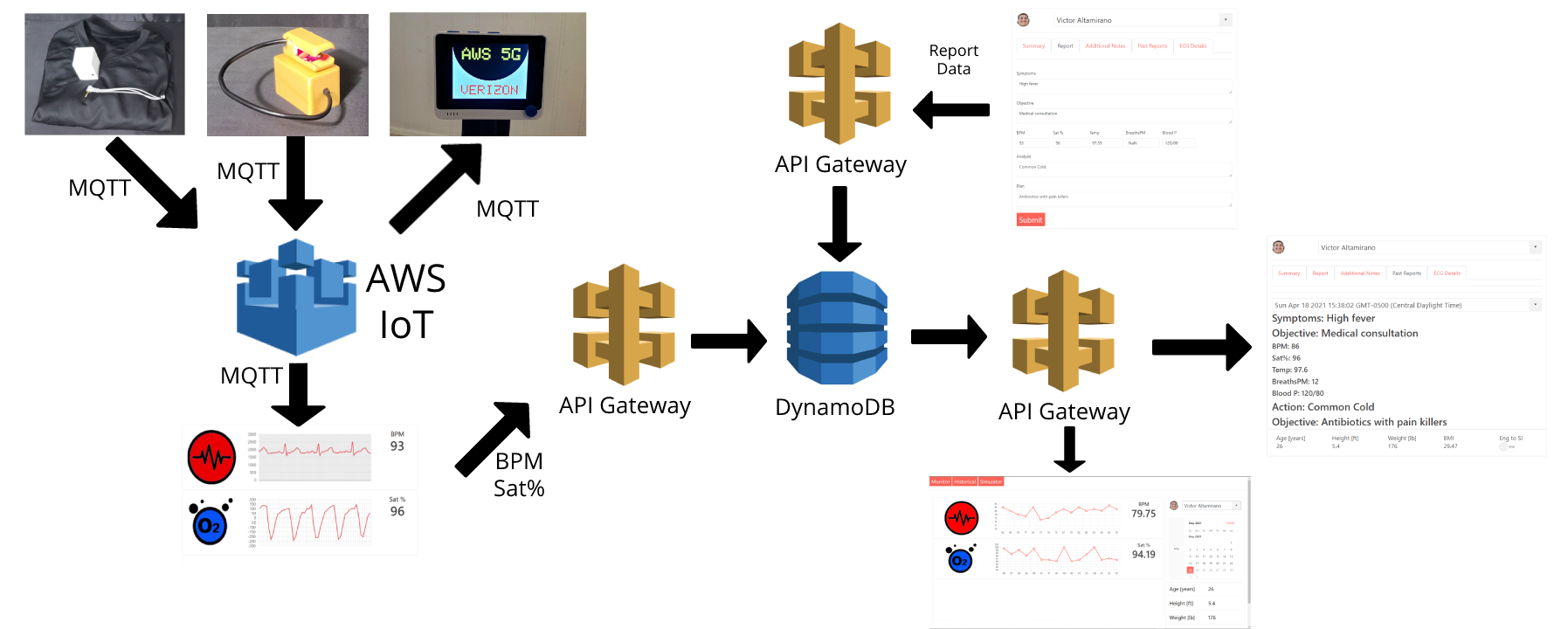
Through several cloud services we can get important biometric data from the patient. First through MQTT and AWS IoT we are collecting the sensor data that is sent through an AWS API to a Database. Then though another couple API's we are using that data and filling the required slots on our webapp.
This is the Architecture of the system at a "server" glance:
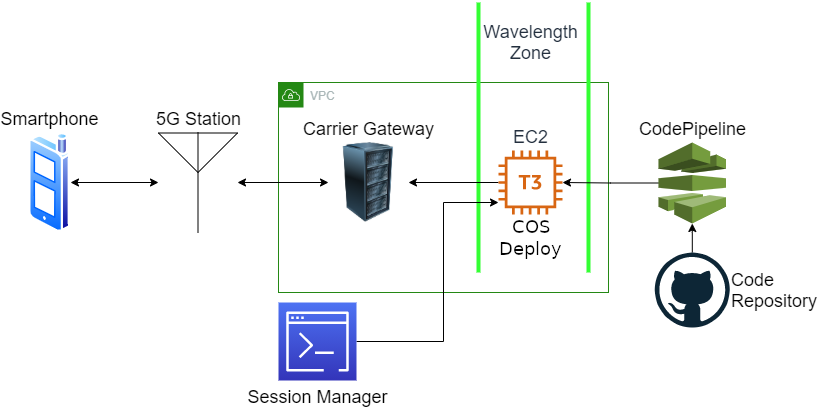
All the code from our webpage is in our Github repository, this goes through a code Pipeline and then it will directly deploy it in our EC2 instance. To access the EC2 machine we used the AWS session manager. The only way to access the webpage is through the verizon carrier in the US, others will not work.
If you want to go much deeper into our deployment check this part of our repository:
https://github.com/altaga/COS/blob/main/README.md#aws-setup
Regarding the IoT components (ECG sensor and Oxygen saturation thimble) they are both done by us with off-the-shelf components and 3D printed cases (also our designs).
In the case of the Thimble it uses a MAX30100, an ESP32 microcontroller, a Lipo Battery and the 3D printed case. (this one looks great if I might add)
The ECG sensor is much more complicated as we continue developing a past project: https://www.hackster.io/386896/ehm-electrocardiography-holter-monitor-06a4f3
The innovation we are bringing to the table regarding this sensor is the use of Dry electrodes and integration into everyday clothing, making it indeed much easier to use and very comfortable.
What's next for COS
Testers gave us ideas about the next devices we could integrate to COS’s Application. We are thinking of adding blood pressure smart devices. It is the last primary measure for vital signs and there are some other medical devices we can continue adding. By now the public's emotions towards telemedicine is that it is somewhat useless (in some regards) and not well focused.
5G is essential for the future of applications such as this as the current 4G infrastructure and even other kind of networks is not up to par with the number of devices that several industries will be asking of them in the coming years.
We envision a future in which Healthcare is invisible and seamless, where you are getting the attention of experts but only engage if necessary. Using Machine learning and IoT to monitor symptoms to a condition with every process improving so it becomes error-free. With emphasis on the preventive side and with the patient as the point of care, YOU become the point of care.
References:
(0) https://www.ncbi.nlm.nih.gov/pmc/articles/PMC4193577/ (1) https://www.techradar.com/best/best-telemedicine-software (2) https://doxy.me/en/ (3) https://www.amchealth.com/ (4) http://swymed.com/software-cloud-server/ (5) https://www.teladochealth.com/ (6) https://www.mendfamily.com/ (7) https://www.advancedmd.com/patient/telemedicine-software/ (8) https://www.acetiam.eu/acetiam-solutions/telemedicine/ (9) https://mdlnext.mdlive.com/ (10) https://physicianvisit.com/ (11) https://www.thera-link.com/pricing/ (12) https://www.theraplatform.com/ (13) https://www.sofiasalud.com/ (14) https://www.ncbi.nlm.nih.gov/books/NBK207146/ (15) https://telemedicine.arizona.edu/blog/7-telemedicine-concerns-and-how-overcome-them (16) https://docs.aws.amazon.com/wavelength/latest/developerguide/get-started-wavelength.html (17) https://www.youtube.com/watch?v=rp4ELaaodCU
Built With
- amazon-ec2
- amazon-web-services
- aws-iot
- aws-wavelength
- react



Log in or sign up for Devpost to join the conversation.