Inspiration
We were inspired by our struggle to find housing for the next academic year. While searching the web, we noticed that many websites listed vastly different housing options in the same area, making it difficult to see all available choices. We also ran into the issue of false advertising, where some houses claimed to be furnished when they were not. This experience inspired us to create Corvo Cribs, which has a "no BS policy" where we use AI to check the images to ensure they match the claims made in the listings.
What it does
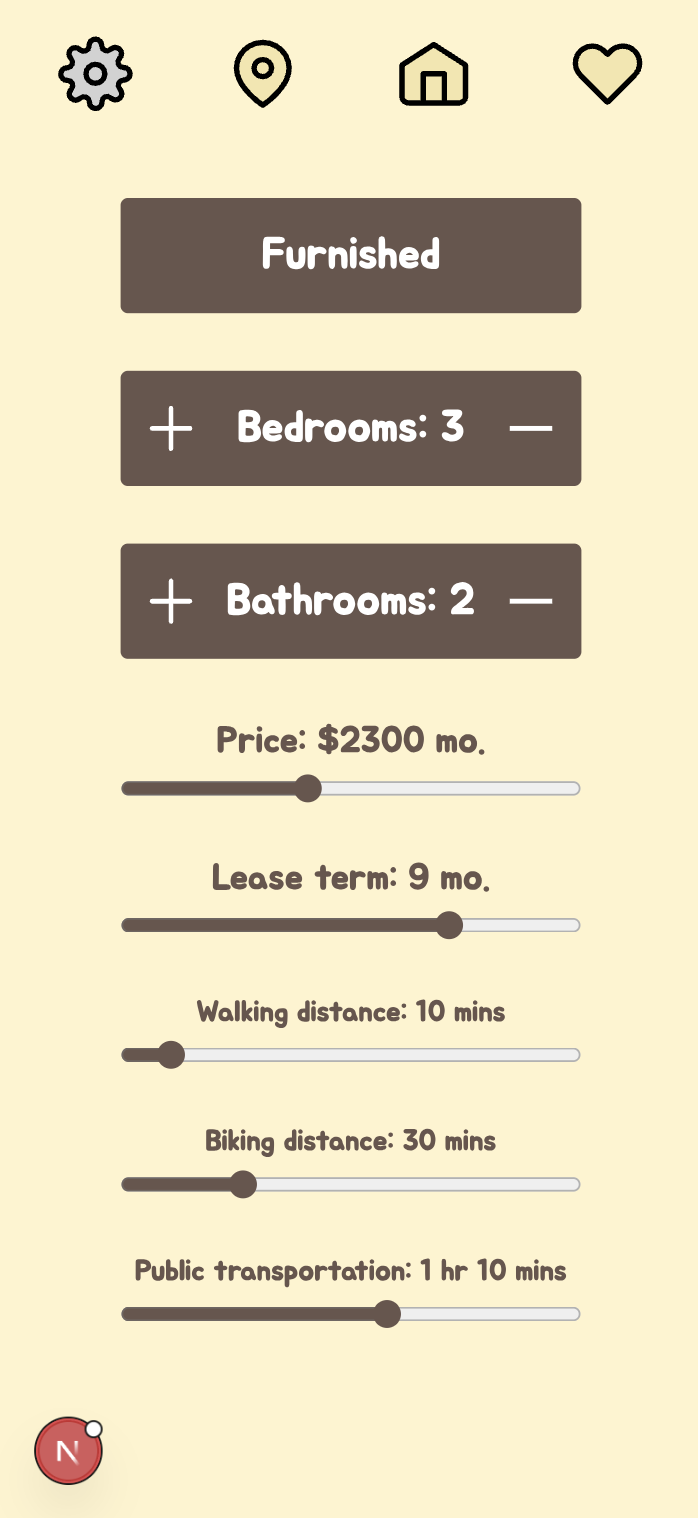
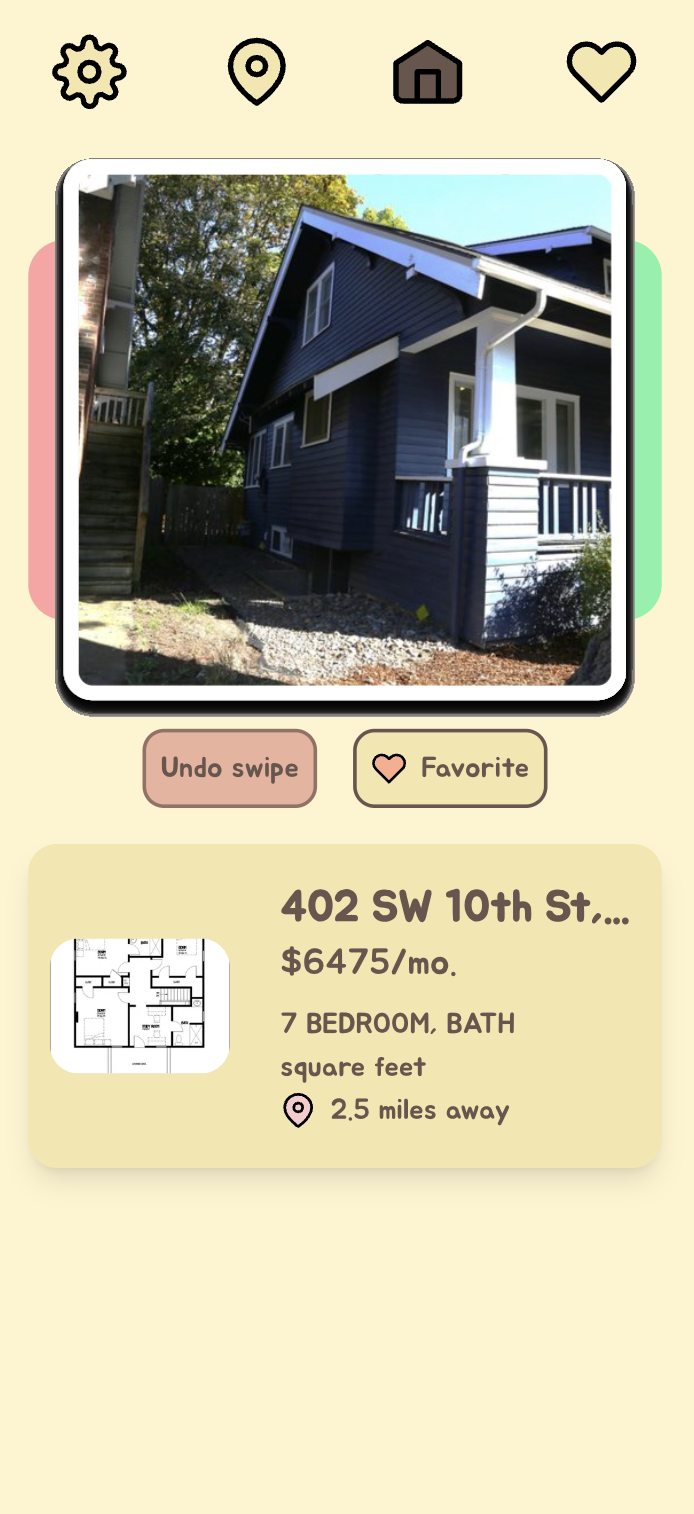
Corvo Cribs is a web application designed to help students find accurate housing listings. Users begin by going through our onboarding process, where they enter their preferences, such as price, walking distance, bedrooms, bathrooms, etc. We then gather data from other housing websites like Zillow and Craiglist and filter through them until we find houses that match the user's criteria. From there, we show the user images and information based on the home and use Grouq to check to ensure the listing information matches what the images display. Users have the ability to swipe left to reject a property or swipe right if they like it. Additionally, they can favorite homes, which adds them to a dedicated favorites page where they can view more detailed information about the properties they’re interested in.
How we built it
We used Next.JS for the frontend and Express for the REST API backend. We needed a dynamic front end to account for many apartment listings, and a backend that would allow for the server side to do the scraping and AI analysis to not slow down the front end.
Challenges we ran into
The biggest challenges that we ran into while creating Corvo Cribs was getting local storage to work as expected and working with Zillow's API. First, working with local storage was difficult because we had problems with ensuring that it updated properly. We faced issues where data would be set in local storage, but it would not update fast enough, leading to issues between the saved preferences and what was displayed on the UI. With Zillow, we had issues with getting different information back from different pages, which made it difficult to standardize the information and display it correctly.
Accomplishments that we're proud of
We are most proud of our AI-backed image verification system that ensures that the listing information matches the images provided. This was a key feature because it addressed one of the biggest issues that we faced, which was false advertising when searching for apartments. Another feature we are proud of is prioritizing the newest listings first in our search results. This is great because it ensures that the users have access to the most up-to-date housing options. Both of these features are unique to our app design, and we're very proud of how they differentiate Corvo Cribs from other housing platforms.
What we learned
One of the key lessons we learned while developing Corvo Cribs was how to balance time between front-end and back-end work. We spent a large chunk of time working on the design of our application in Figma and neglected our back-end work until later into the timeline. This made it a bit more challenging to integrate the front and back ends smoothly. From this learned that prioritizing both the front and backend from the start is essential to prevent running into time constraint issues. Additionally, we learned the importance of early back-end development, especially when working with third-party API's such as Zillow, which require proper setup and a lot of testing to avoid delays later in the process.
What's next for Corvo Cribs
The next step for Corvo Cribs is to add a map feature where the user can scroll through a 2d map, similar to Google Maps, to view pins representing homes that meet their preferences. This feature would allow the user to see the exact location of the property in relation to the campus and give them a visual representation of the area they would be living in. When the users click on the pin, a modal would apear with additional information about the home. The next feature that would be added is a rating page for landlords. This page would allow users to give their landlord a rating on a scale from 1 to 5 stars and leave comments based on their experience. Adding this feature will help users make more informed decisions by providing valuable insight into the landlord's.
Built With
- express.js
- next
- react


Log in or sign up for Devpost to join the conversation.