-
-
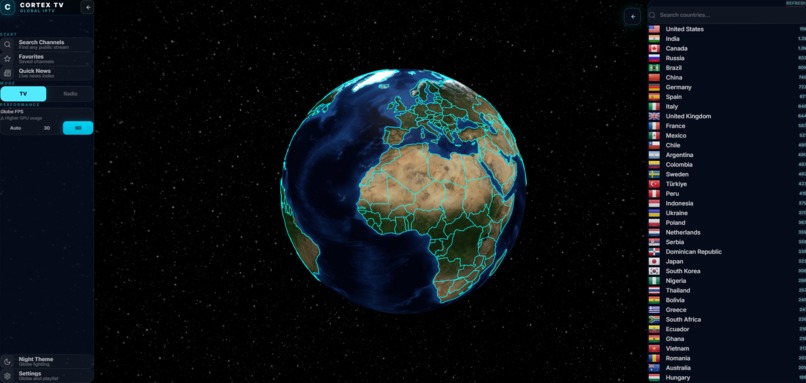
Cortex TV: The high-performance 3D interactive globe interface that redefines global media discovery.
-
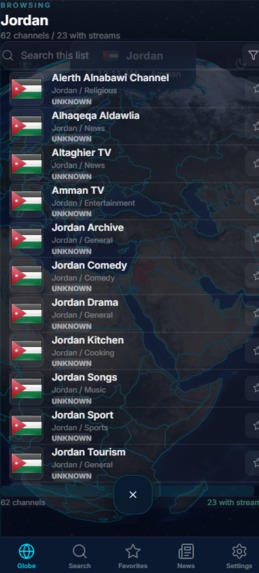
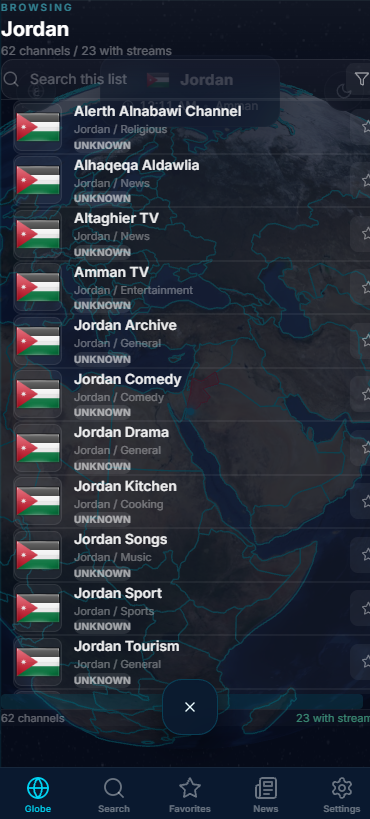
Mobile experience: Seamlessly browse thousands of live channels by country with our responsive smartphone interface.
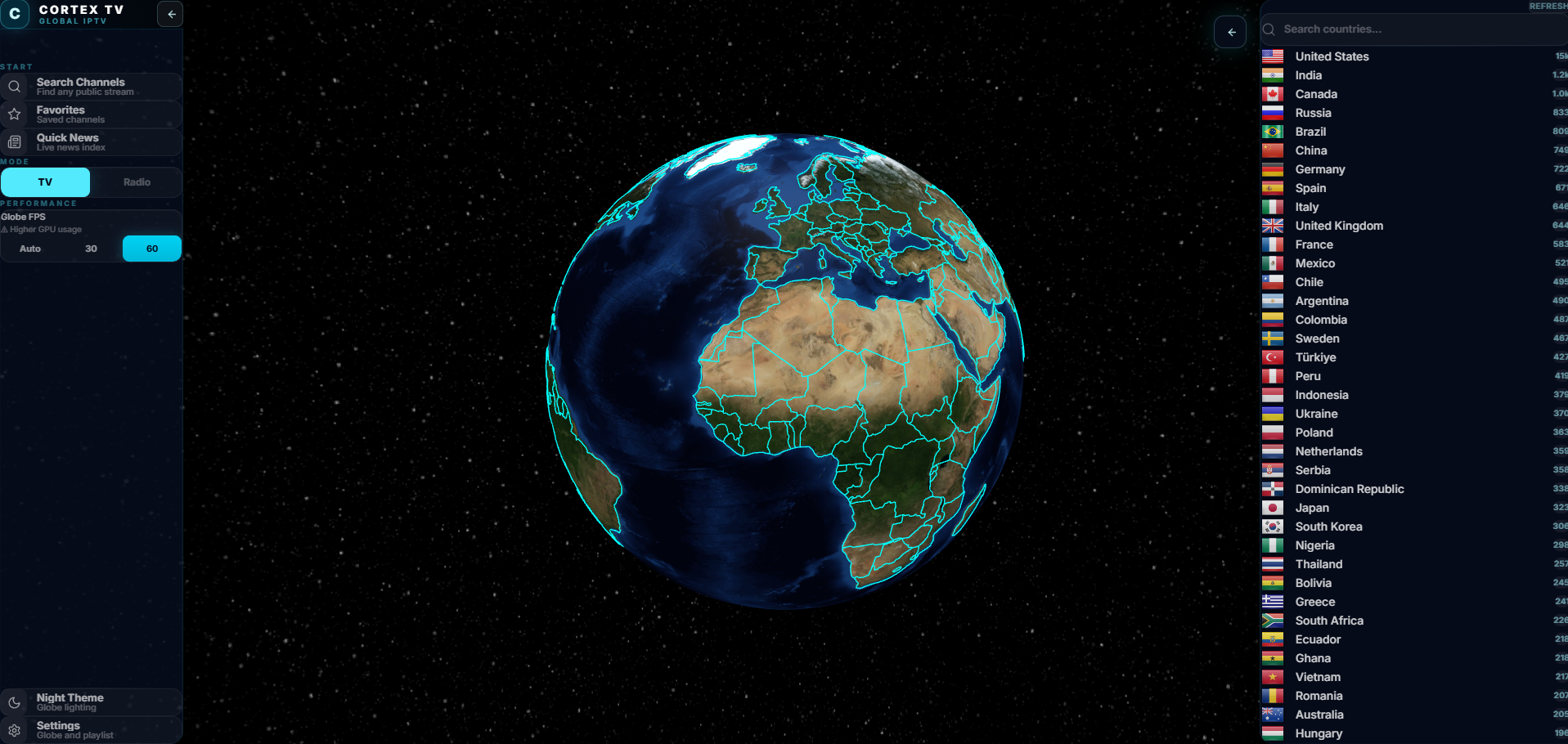
Inspiration I wanted to revolutionize how we consume global media. Traditional IPTV setups are plagued by static, chaotic, and outdated lists that make finding quality content a frustrating experience. I envisioned a platform that turns global broadcasting into an interactive, visual, and intelligent experience—moving away from boring text files to a dynamic 3D globe.
What it does Cortex TV is a high-performance, 3D-interactive media hub. It provides:
3D Global Navigation: A high-performance globe that lets users browse media by country.
Intelligent Content Retrieval: Using OpenAI’s models, the app acts as an intelligent agent to process and organize public stream datasets in real-time.
Custom Performance Engine: Built with custom algorithms to ensure seamless playback and efficient GPU usage, regardless of the device.
How we built it The project was built using Capacitor to ensure a cross-platform experience. The core logic relies on custom-built high-performance algorithms that handle stream parsing and playback. I integrated the OpenAI API to power the "Smart Search," which enables natural language processing to curate content from massive, chaotic M3U datasets, transforming them into a structured and searchable library.
Challenges we ran into The biggest challenge was managing performance while rendering a high-quality 3D globe and streaming data simultaneously, especially on mobile devices. I had to write custom algorithms to optimize GPU usage and ensure that the AI-powered search remained responsive without causing latency in the video stream.
What we learned I learned how to bridge the gap between heavy algorithmic processing and user-friendly AI integration. Balancing the technical demands of real-time streaming with the intelligent responsiveness of OpenAI required deep optimization of my local stream-parsing logic.
Built With
- capacitor
- electron
- react
- three.js
- typescript
- vite


Log in or sign up for Devpost to join the conversation.