-
-
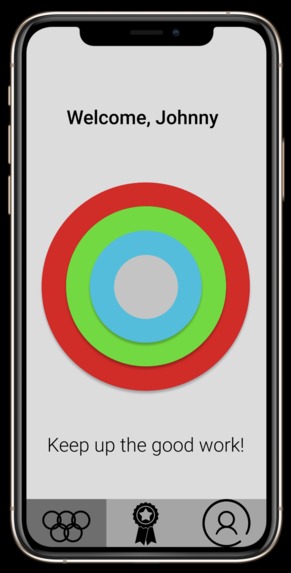
Activity
-
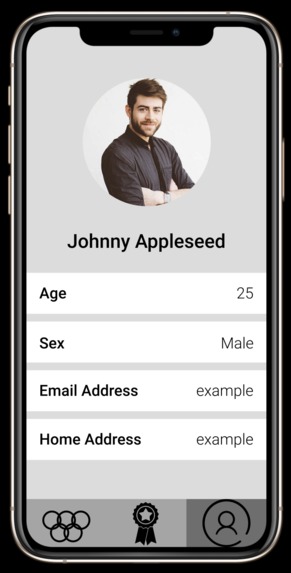
Profile
-
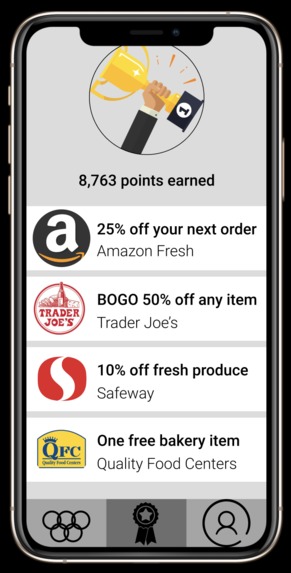
Rewards


Inspiration
Social distancing is hard. In these challenging times, we have all been tempted to go out, meet our friends and family, and be around other people. However, as hard as it is, staying home is now more important than ever. That's why I decided to gamify social distancing by rewarding users for safe behavior.
What it does
CoronaCare gamifies social distancing by rewarding people for staying home. By tracking the user's location (with permission, of course), the app knows when the user has left home and has potentially broken their streak of being socially distant. The main page of the app has three activity rings for users to close on a daily basis. The first ring tells how many hours the user has stayed home and practiced social distancing, the second ring tells how much progress the user has made toward their next reward, and the third ring tells how much progress the user has made toward their own social distancing goal. When the user has earned enough points, they may redeem points for incentives provided by our partners.
How I built it
I built this project using Figma. I developed a high-fidelity mockup that acts like the product I wish to build, but of course, everything is hard-coded for elements shown in my demo. There was very little code written on my part – a decision I made in order to increase my efficiency and make the most of my strengths in the limited time I had.
Challenges I ran into
Because of my irregular and unpredictable schedule during this weekend, I chose not to work with a team this year. This, however, meant the work of the project was entirely on my shoulders. I knew I wouldn't be able to create a working prototype of my project in such a short period of time, so I instead chose to build a high-fidelity mockup of my idea. This enabled me to spend more of my time thinking about the experience of using the product, rather than on writing the code behind it.
Accomplishments that I'm proud of
I'm proud of the quality of the mockup I was able to create. The app looks realistic and professional, and it adheres to the design and interface guidelines of the major platforms used by consumers around the world. I am also proud of what I was able to accomplish on my own in such a short period of time, as I came into the hackathon with no concrete idea of what I wanted to build, and I had to work on my project somewhat sporadically.
What I learned
The biggest learning experience for me was working with Figma. This is a design tool I have used previously for smaller projects, but CoronaCare was the most ambitious product I have ever attempted to create with it. I learned a lot about Figma's advanced capabilities, and I became more comfortable with a tool that will undoubtedly come in handy for future projects as well.
What's next for CoronaCare
There are many safe and healthy activities outside the home for people to participate in, such as exercising, and I would like for CoronaCare to support and even encourage these activities. As such, the first feature I would like to add to the app is support for leaving the home in an "exercise" mode so that people are not penalized for safe activities like this. I would also like to enable users to compete with their friends and family, as I believe a feature like this will increase engagement and further incentivize safe behavior.
Built With
- figma

Log in or sign up for Devpost to join the conversation.