Inspiration
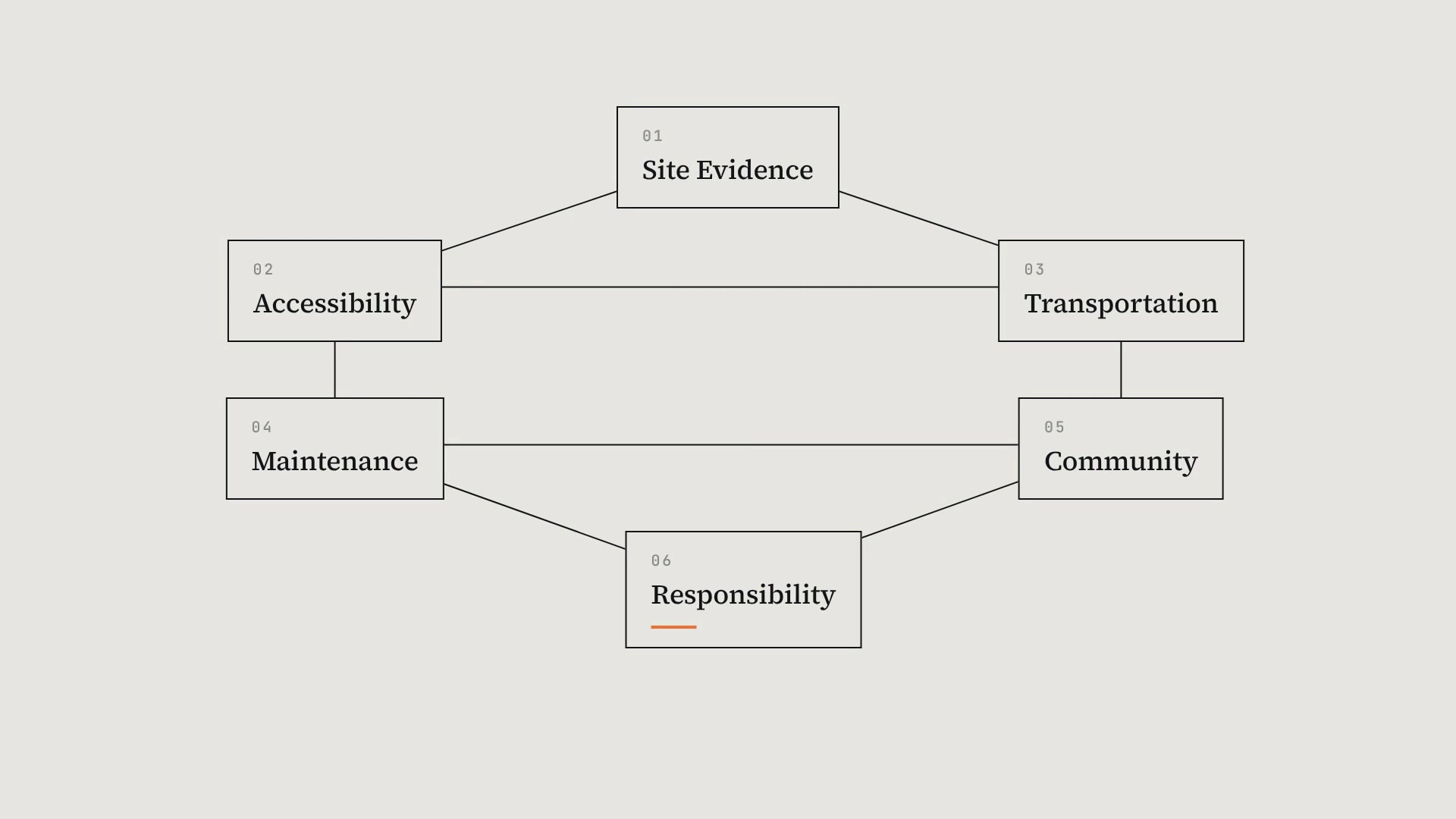
Places shape dignity, belonging, mobility, safety, and joy long after an early design meeting ends. Yet architects, engineers, planners, public agencies, and communities must reconcile site evidence, accessibility, lived experience, maintenance, public trust, aesthetic intention, and professional constraints across fragmented handoffs. Under time and budget pressure, the human consequences can become implicit or arrive as a late checklist.
COR began with a question: can an AI agent learn the disciplined attention found in art and criticism without imitating artists or replacing people? Our thesis is: Art is not COR's product. Art is COR's education. COR's product is an auditable early concept-review record that helps people shape better human places.
What COR does
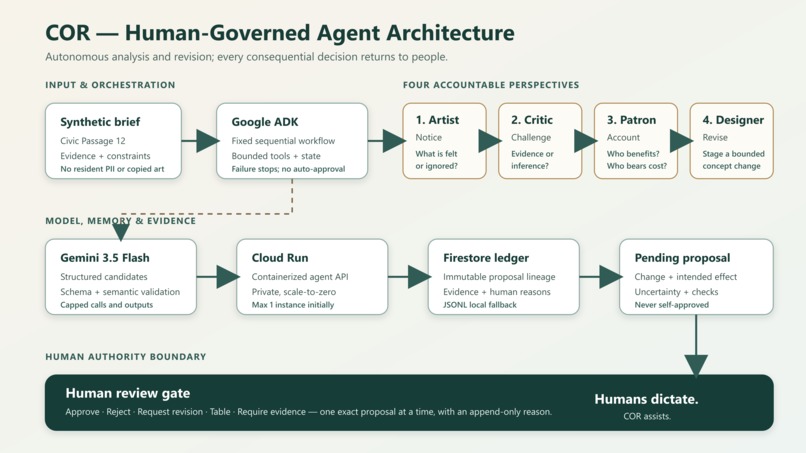
COR is a human-governed Taskmaster agent that completes a bounded early human-experience review of a place concept. One human start triggers a fixed four-perspective workflow:
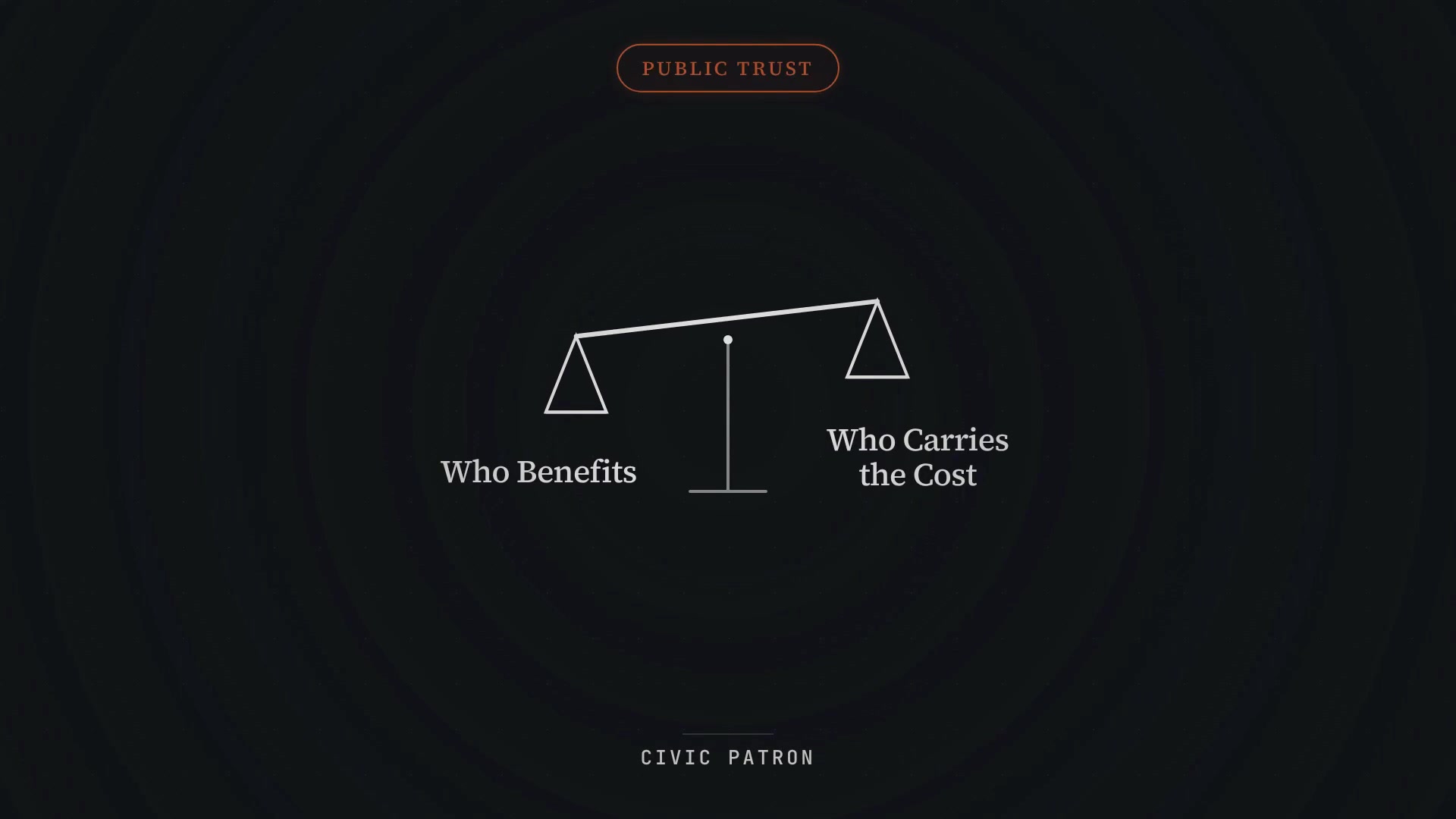
Artist observer — notice: what becomes perceptible, hidden, felt, or ignored? Design critic — challenge: which claims are evidence, inference, exclusion, contradiction, or false beauty? Civic patron — account: who benefits, who bears cost, and what does public trust require? Human-experience designer — revise: what conceptual change follows, what evidence caused it, and which professional checks remain human?
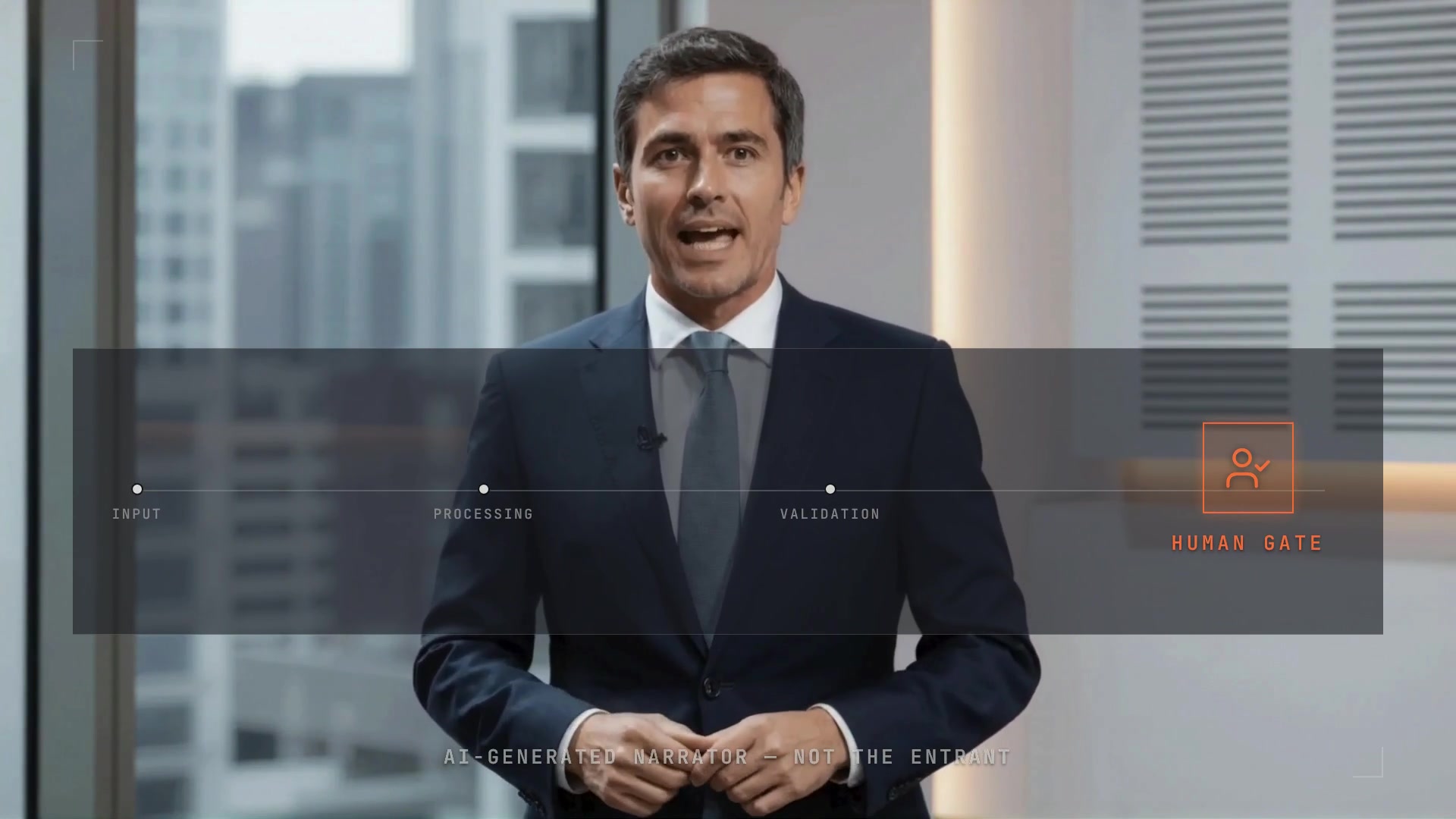
The workflow turns a synthetic brief into auditable proposals that keep evidence, intended human effect, confidence, uncertainty, and professional checks together. Every proposal stops at a human authority gate. A person may approve, reject, or request revision for exactly one immutable proposal at a time. COR cannot approve its own work, overwrite history, certify engineering or accessibility, procure anything, or deploy a physical intervention.
Demonstration
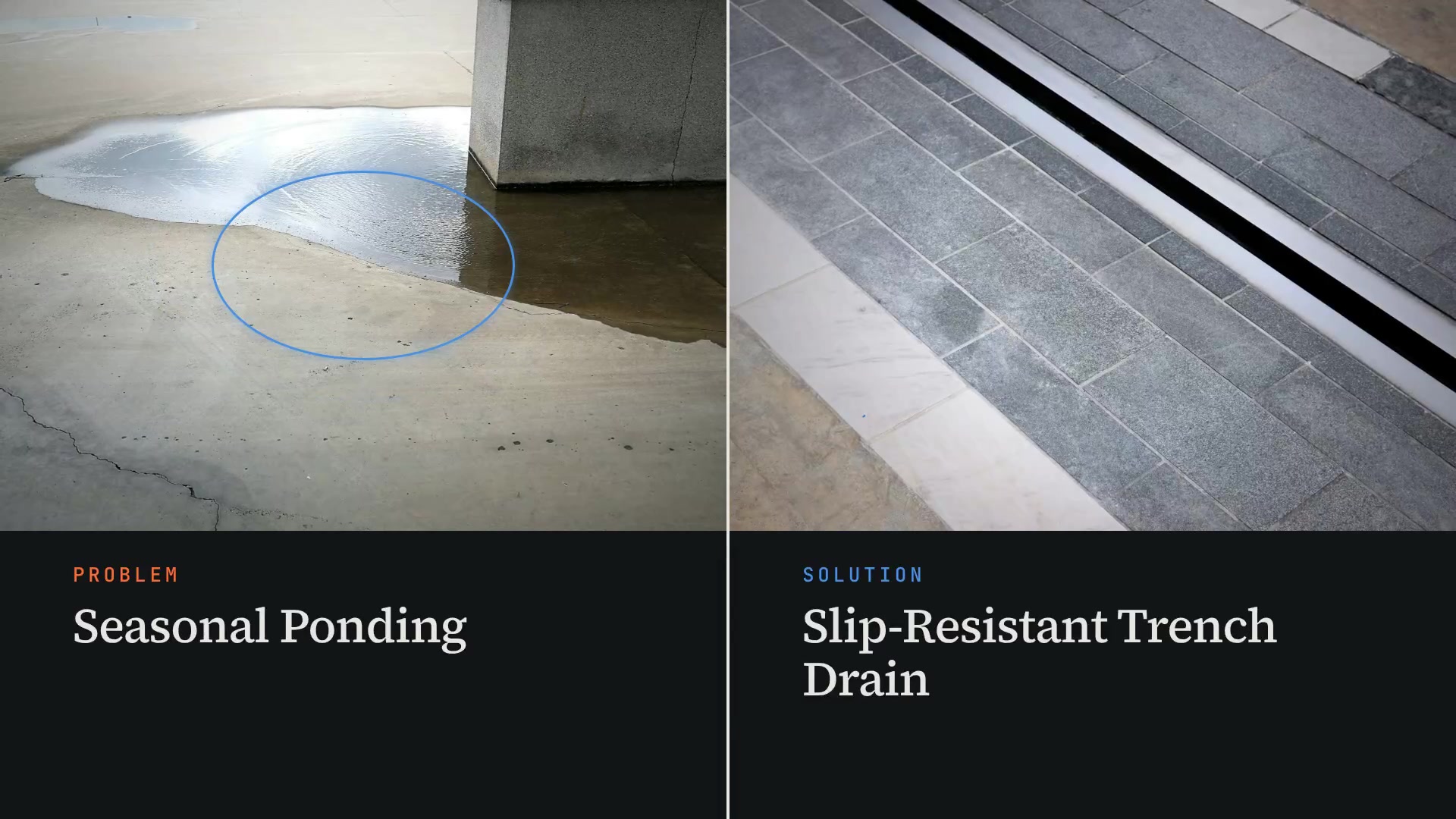
The demonstration uses Civic Passage 12, a fully synthetic pedestrian and bicycle underpass. It preserves realistic human, environmental, budget, drainage, maintenance, and accessibility constraints without using real resident testimony or protected data.
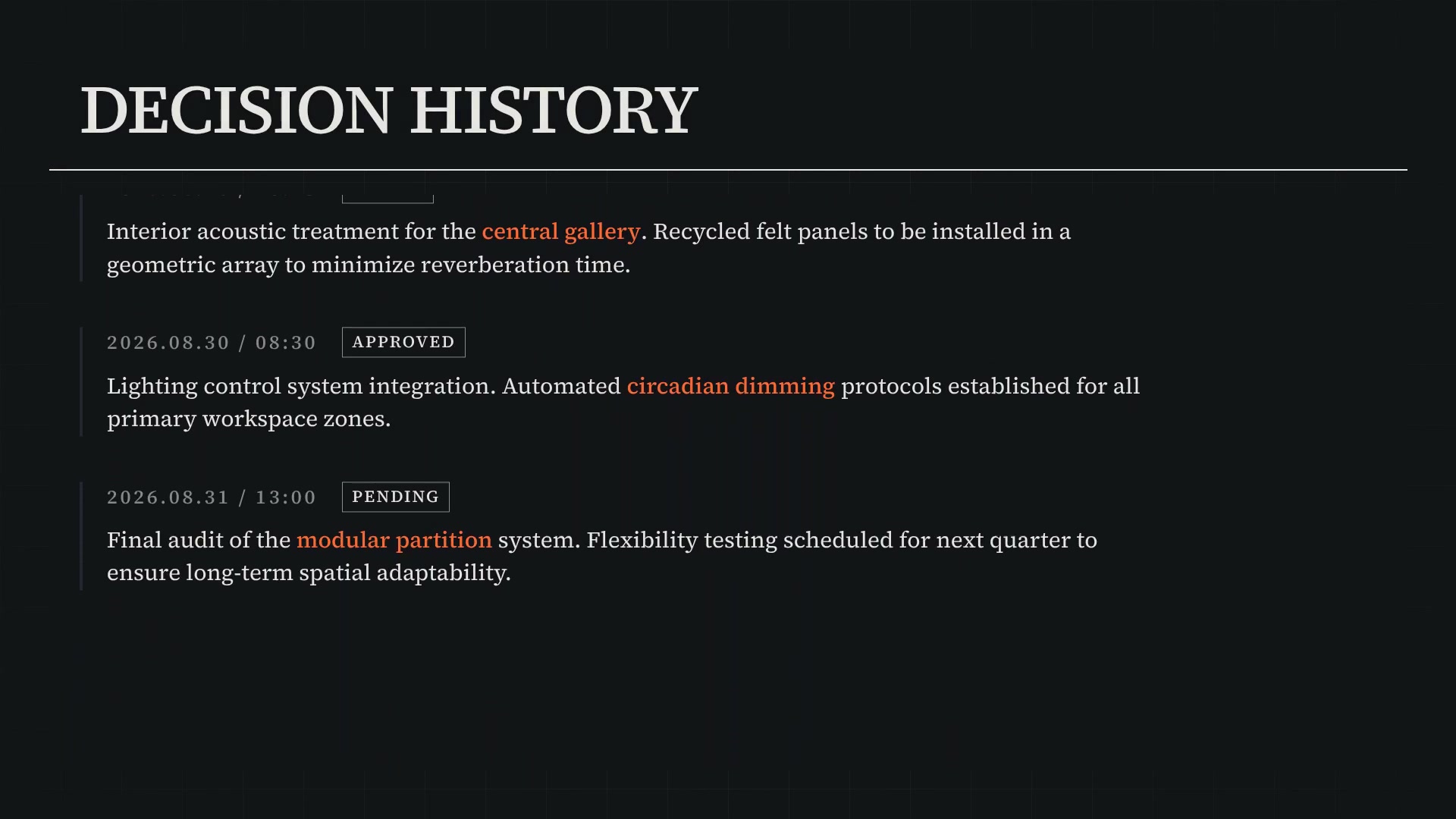
The human reviewer did not simply accept the model's answers. One original proposal was rejected, two were returned for revision, both first revisions were returned again, paid and accessible community co-design was required, transportation-spillover evidence was requested, and a lighting direction was tabled pending study with people affected by photosensitivity, low vision, and night blindness. COR preserves disagreement as productive state rather than polishing it away.
How we built it
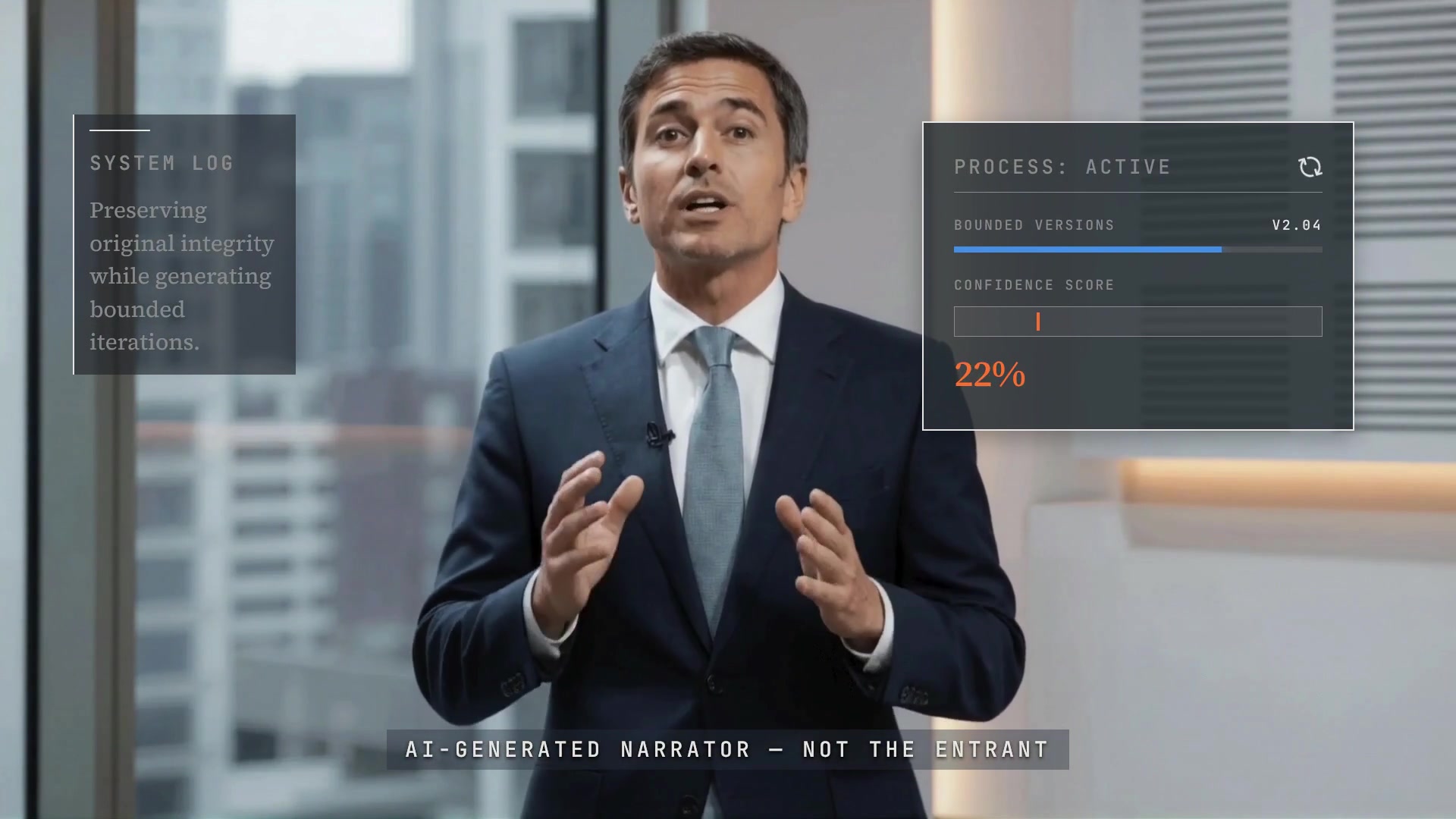
Gemini 3.5 Flash contributes bounded interpretation and structured revision candidates. Google Agent Development Kit (ADK) 2.6.3 fixes the Artist → Critic → Civic Patron → Designer order and role boundaries. Python and FastAPI provide the supervised review interface and deterministic host controls. Cloud Run hosts a private, scale-to-zero proof deployment with a dedicated runtime identity, maximum one instance, and concurrency two. Firestore stores the cloud proposal ledger transactionally. Host code validates evidence coverage, lineage, scope, confidence, and unsupported approval language before anything can be staged. Short-lived, single-use human grants are bound to one exact proposal digest. Malformed model output is quarantined and recorded as an evaluation failure rather than silently repaired or staged.
A bounded authenticated cloud journey returned HTTP 200, ran the ordered ADK specialists with Gemini 3.5 Flash, wrote four pending Firestore proposals, and left zero human dispositions and zero approved-memory records. The local completed review and the separate cloud proof are intentionally identified as different runs.
Architectural discipline
COR separates nondeterministic interpretation from deterministic authority. Gemini can propose; only host code can validate, stage, and preserve records; only a human can dispose of a proposal. Immutable identifiers, content digests, append-only dispositions, revision parents, and replay protection preserve why every material change occurred.
Execution is bounded by fixed workflow order, single-turn roles, output ceilings, temperature zero, a maximum model-call count, schema and semantic validation, and zero approval/deployment/browser/email/procurement tools. The prototype is private by default and scales to zero to control cost.
Findings and learnings
A dependable agent needs deterministic authority around nondeterministic judgment. Structured output is necessary but not sufficient; semantic validators need regression tests too. More persuasive language should not create confidence. COR lowers confidence when affected-user, transportation, glare, or community evidence remains incomplete. Human disagreement is valuable memory. Revision creates a new immutable record rather than rewriting history. Art can function as a critical-attention curriculum without copying artworks, storing article text, or imitating a living artist or critic.
How Codex helped
Codex helped turn an interdisciplinary thesis into a narrow, testable agent: scope, PRD, architecture, implementation, evaluations, security review, documentation, evidence packaging, and GitHub delivery. The work was iterative and human-directed; Jose Luis made the consequential product and design decisions, and Codex preserved those decisions and the disagreements behind them.
Release b946211 passes 67 automated tests and Ruff locally; the same commit is pushed to both main and codex/cor-infrastructure. The README contains reproducible local setup and verification instructions.
Limitations
COR is a hackathon prototype and conceptual-review tool—not an engineering, accessibility, building-code, life-safety, procurement, or construction certification system. The demonstration is synthetic and does not represent community consent or real public engagement. The local review interface is single-user and the cloud service is a private proof deployment; public multi-user identity, authorization, abuse controls, formal load testing, and asynchronous recovery remain future work.
Humans dictate; COR assists. COR does not decide what gets built. It helps people remember whom every place is for.
Demo & production-readiness evidence
The public 3:13 English demonstration shows COR’s Civic Passage 12 workflow, the four accountable perspectives, evidence-linked proposals, human review and revision lineage, and the system’s non-automatic approval boundary. The AI-generated narrator is explicitly disclosed; the entrant is not represented by the narrator.
The repository makes the implementation reproducible: it includes step-by-step local setup, a no-credential local review interface using sanitized fixtures, automated tests and lint, an architecture diagram, and a sanitized record of one bounded authenticated Google Cloud proof. That proof returned HTTP 200 from a private, scale-to-zero Cloud Run revision, executed the ordered ADK specialists with Gemini 3.5 Flash, wrote four pending synthetic proposals to Firestore, and preserved zero human dispositions and zero approved-memory records. GitHub Actions succeeded on release b946211. COR is accurately presented as a private prototype proof—not a public production service—and retains human authority at every consequential decision.
Built With
- cloud-run
- fastapi
- firestore
- gemini-3.5-flash
- google-agent-development-kit
- python
- vertex-ai

Log in or sign up for Devpost to join the conversation.