-
-
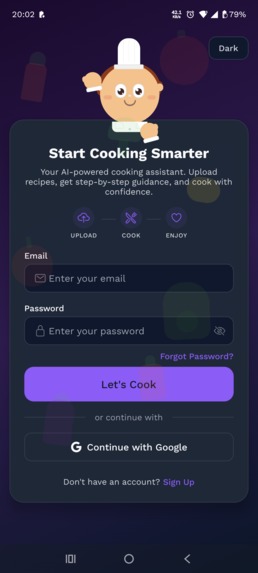
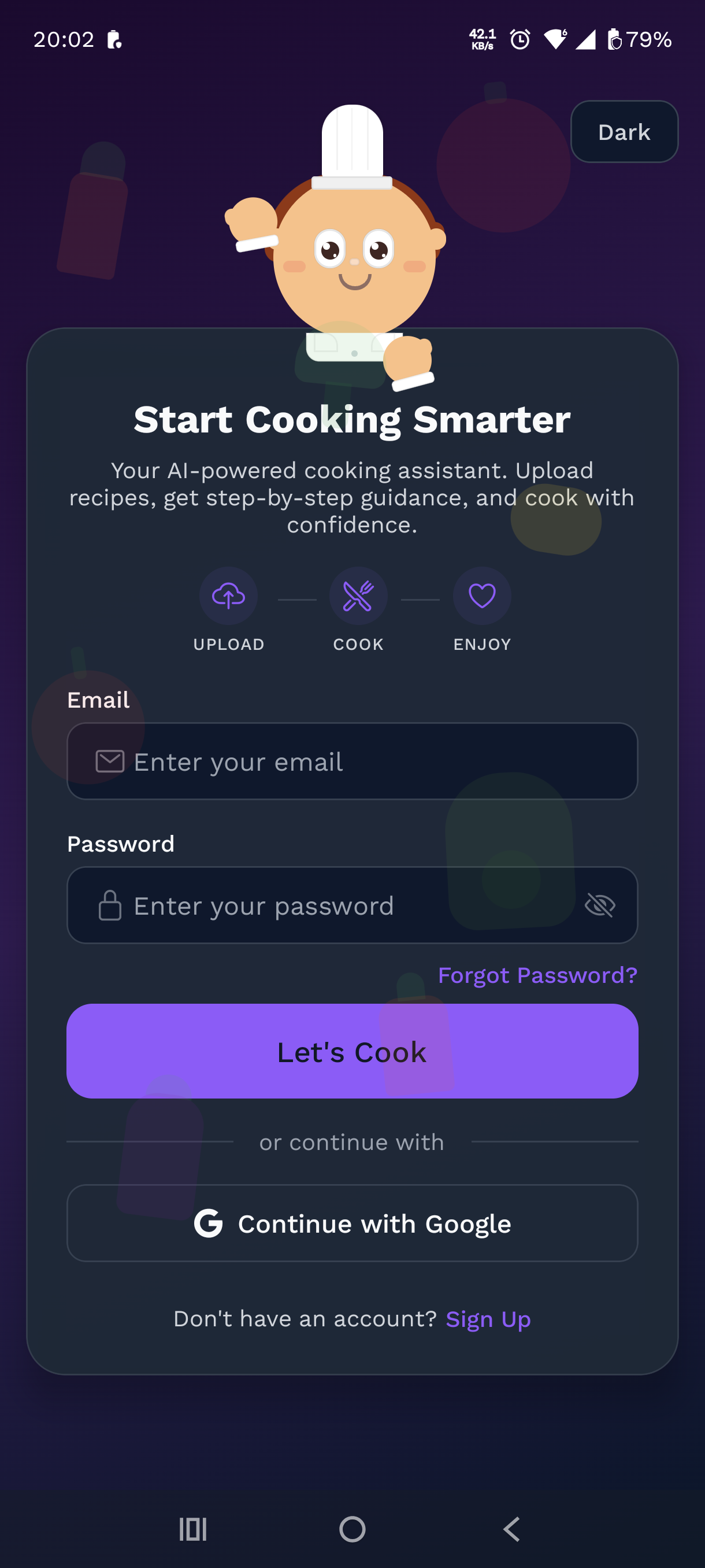
signin
-
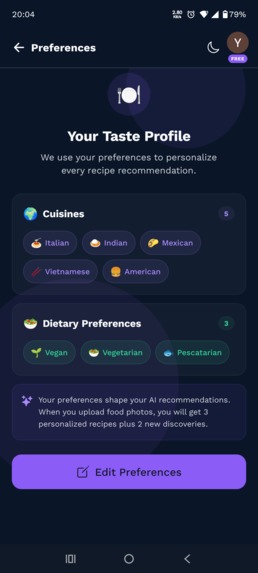
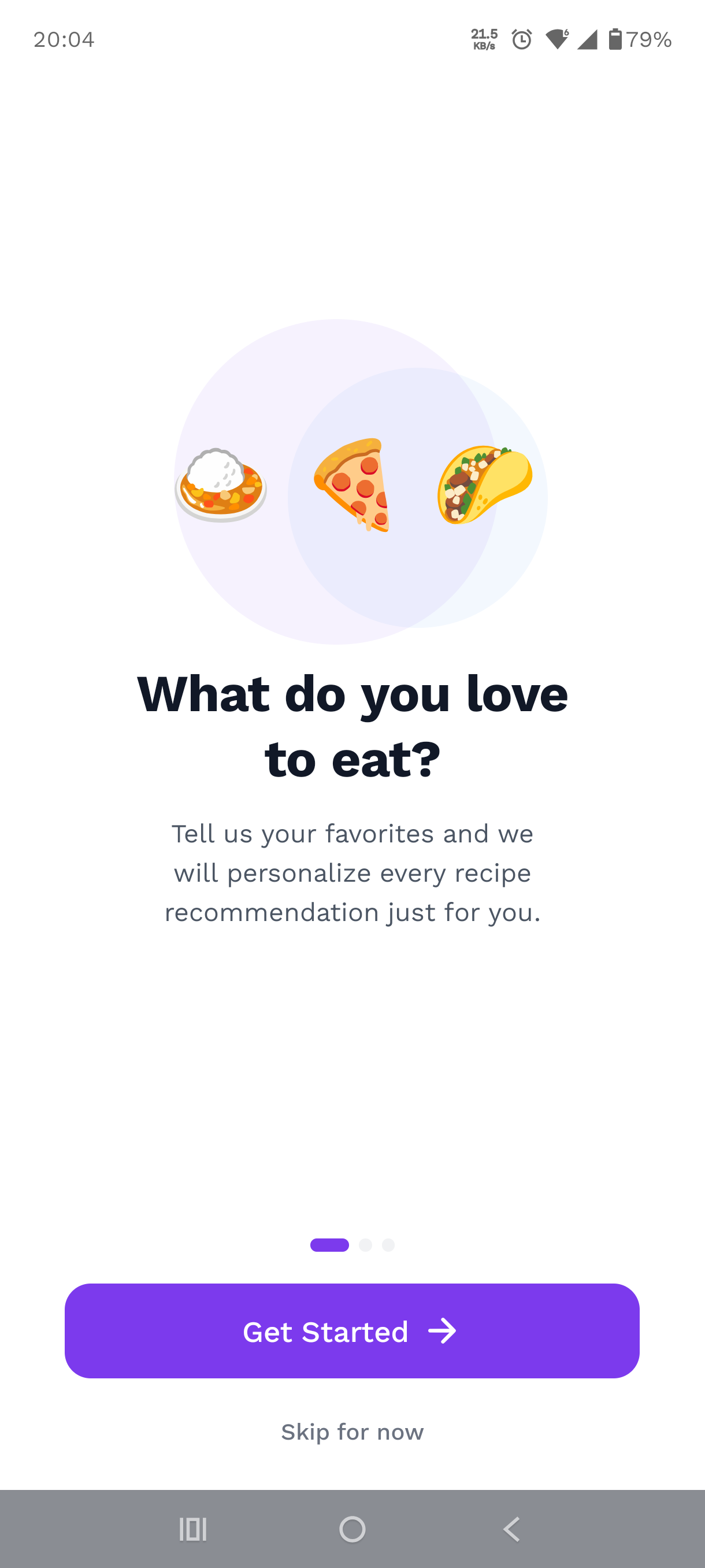
onboarding
-
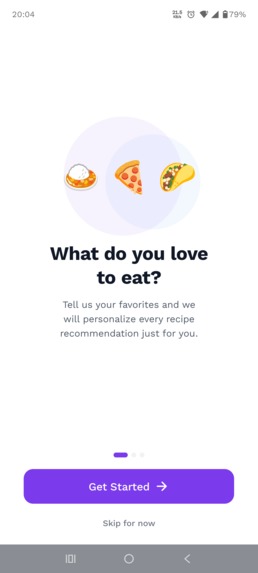
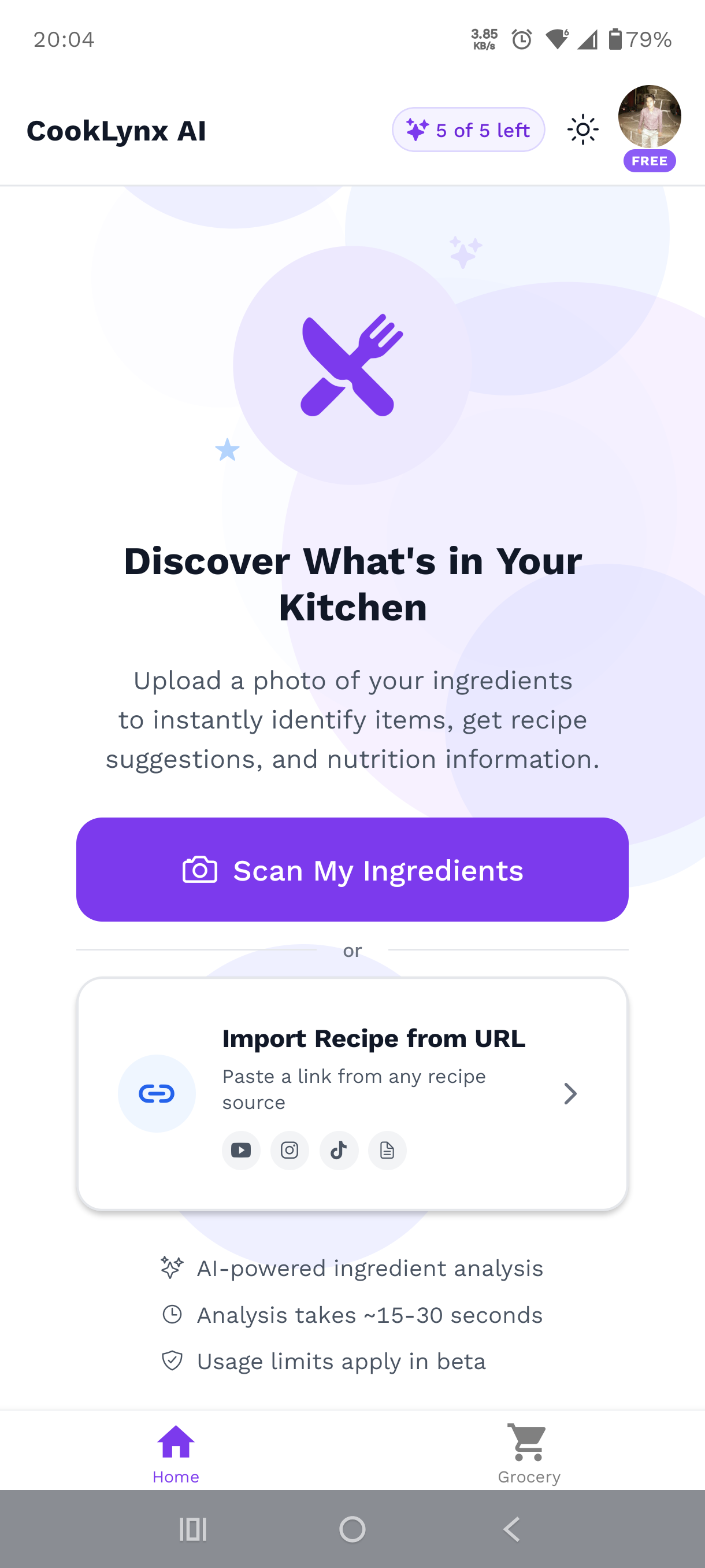
light theme - empty dashboard 0
-
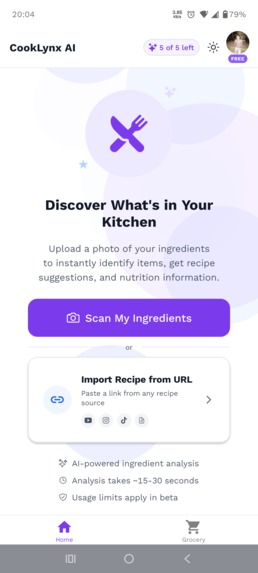
light theme - empty dashboard
-
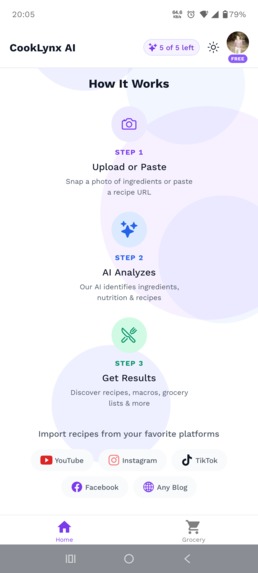
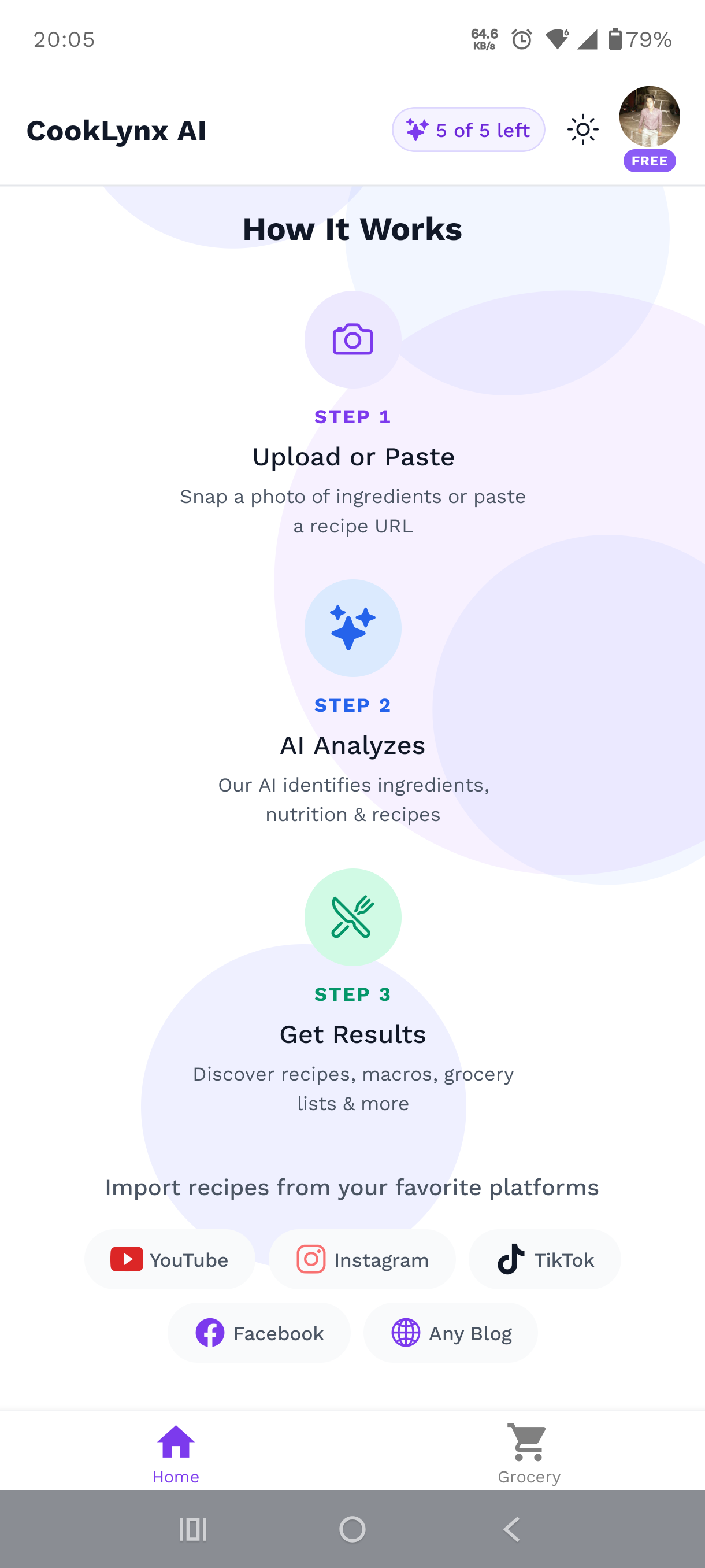
light theme - empty dashboard 2
-
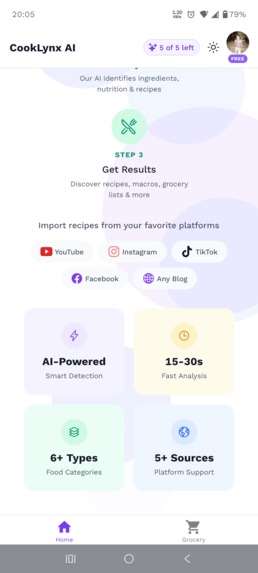
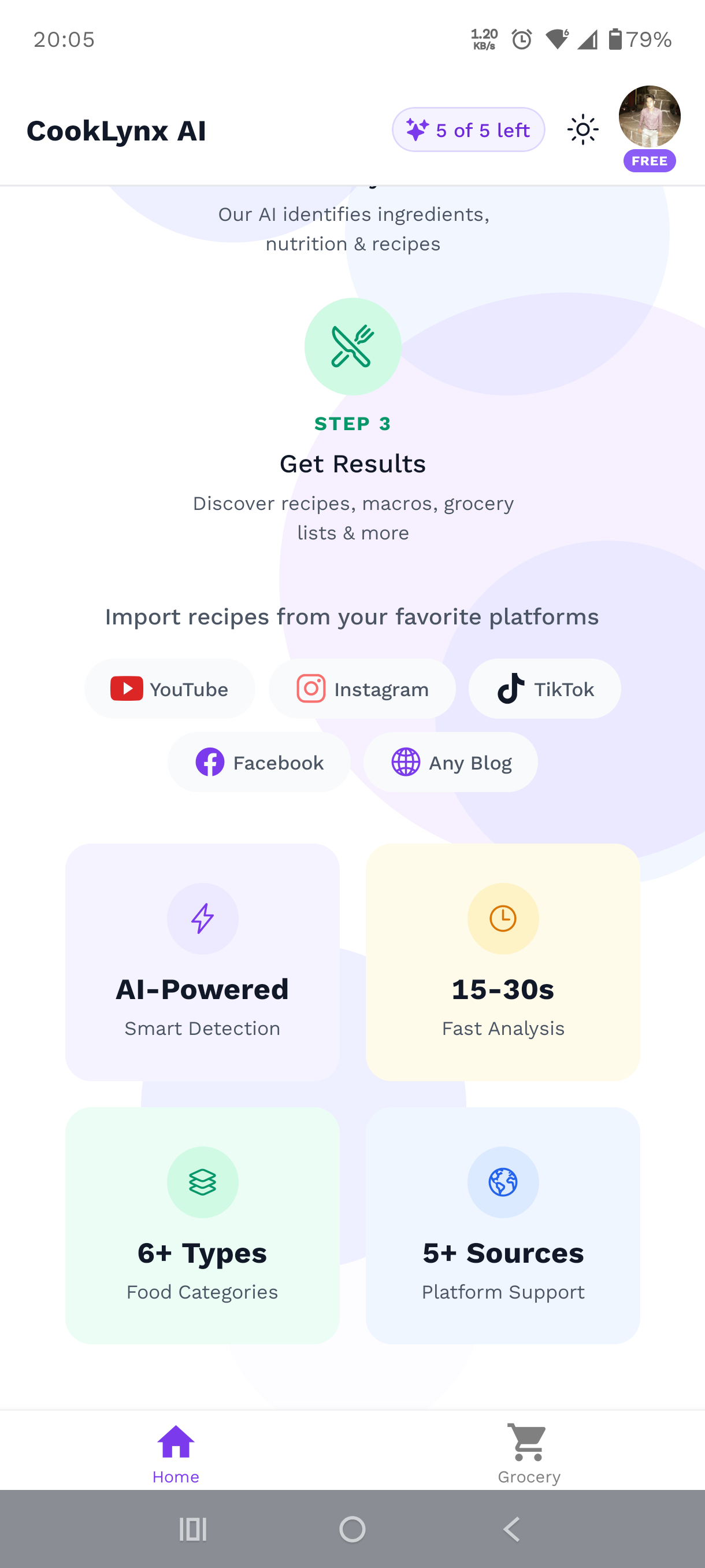
light theme - empty dashboard 3
-
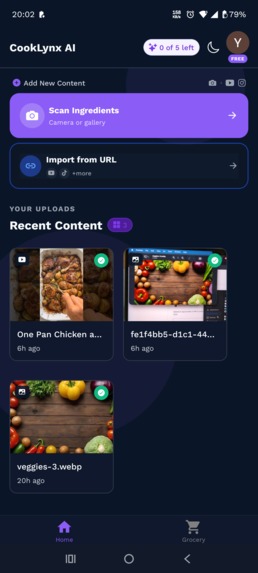
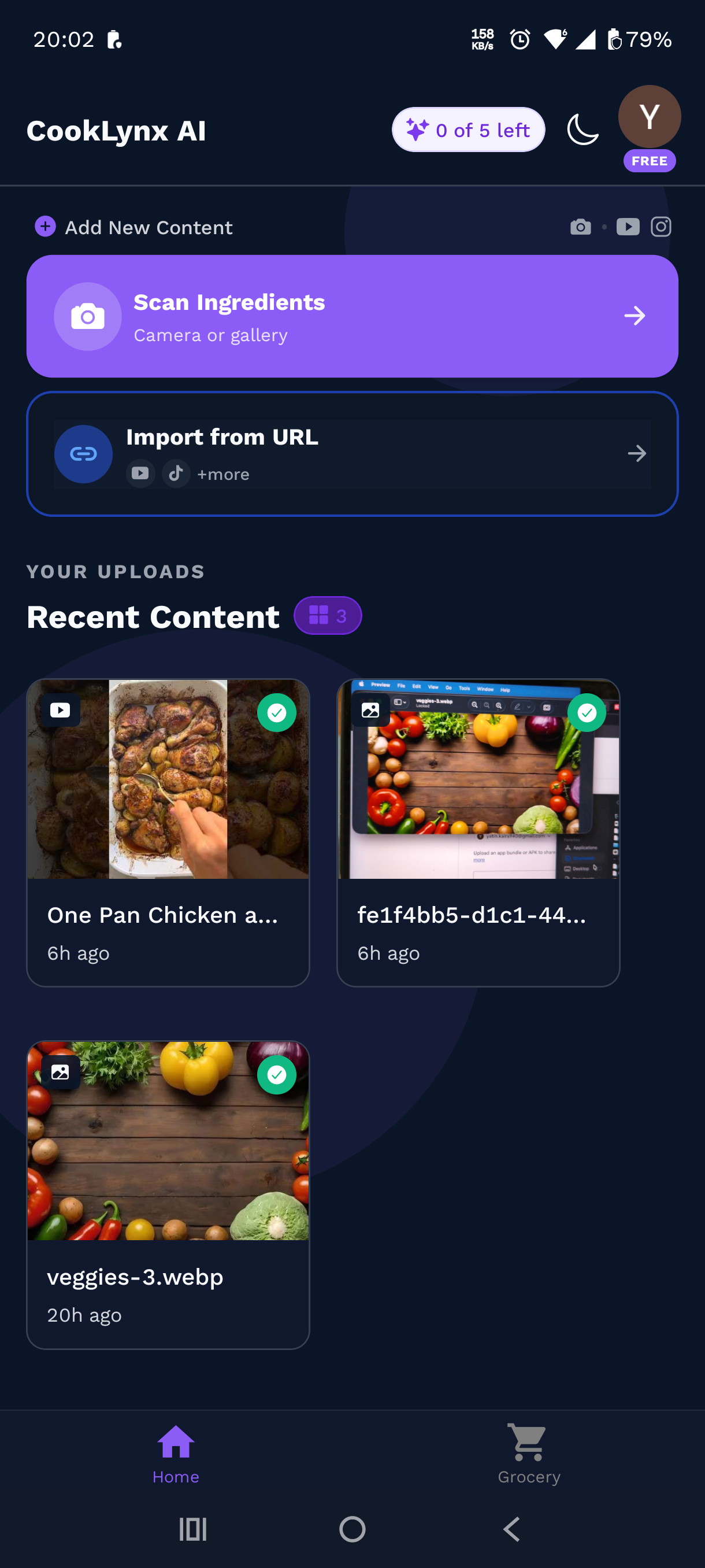
list of images and url
-
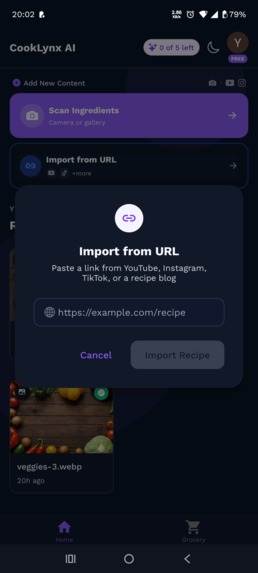
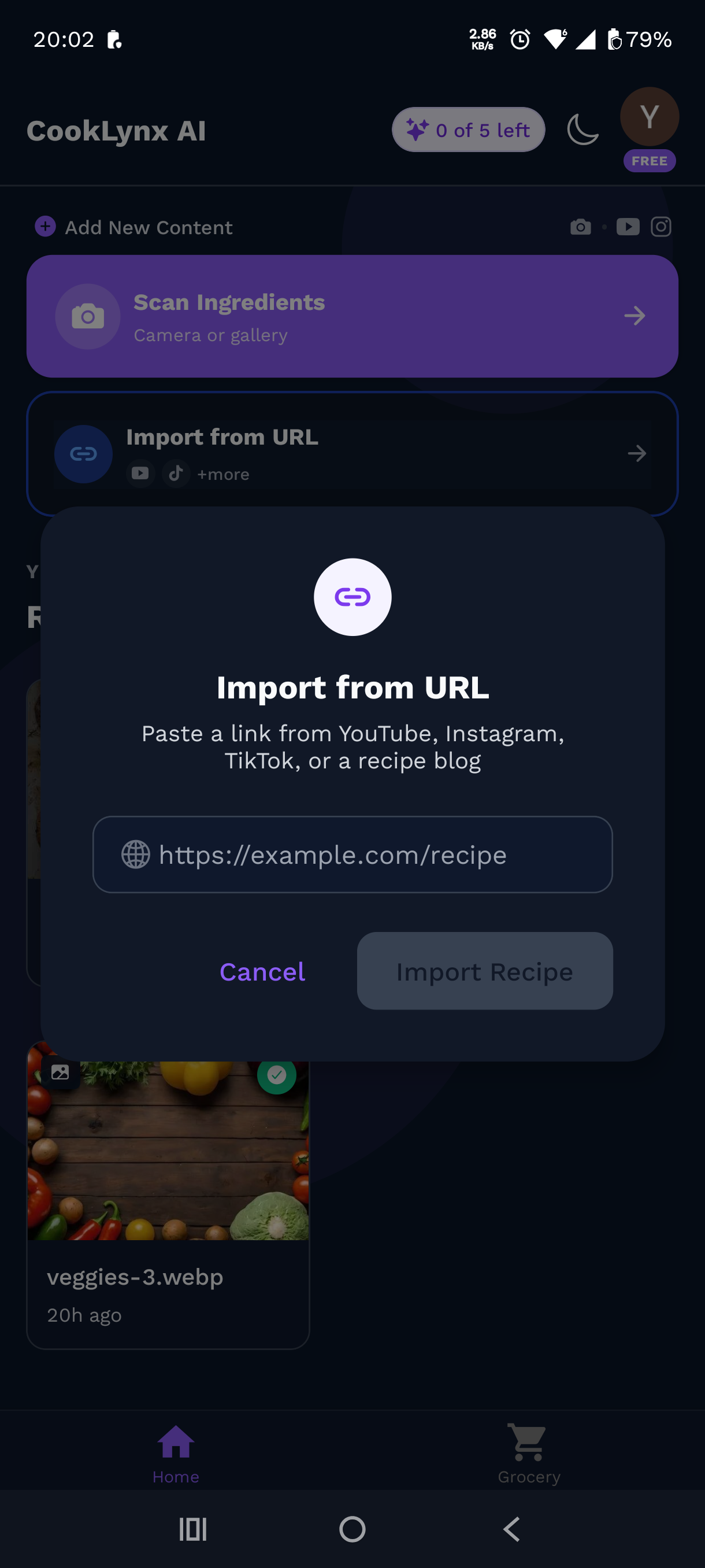
upload url
-
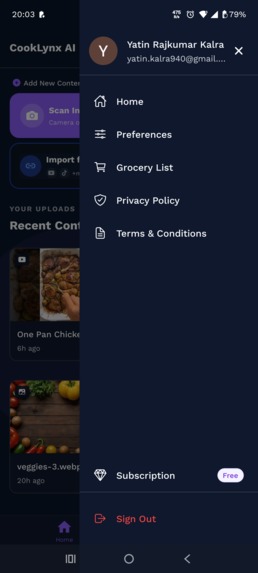
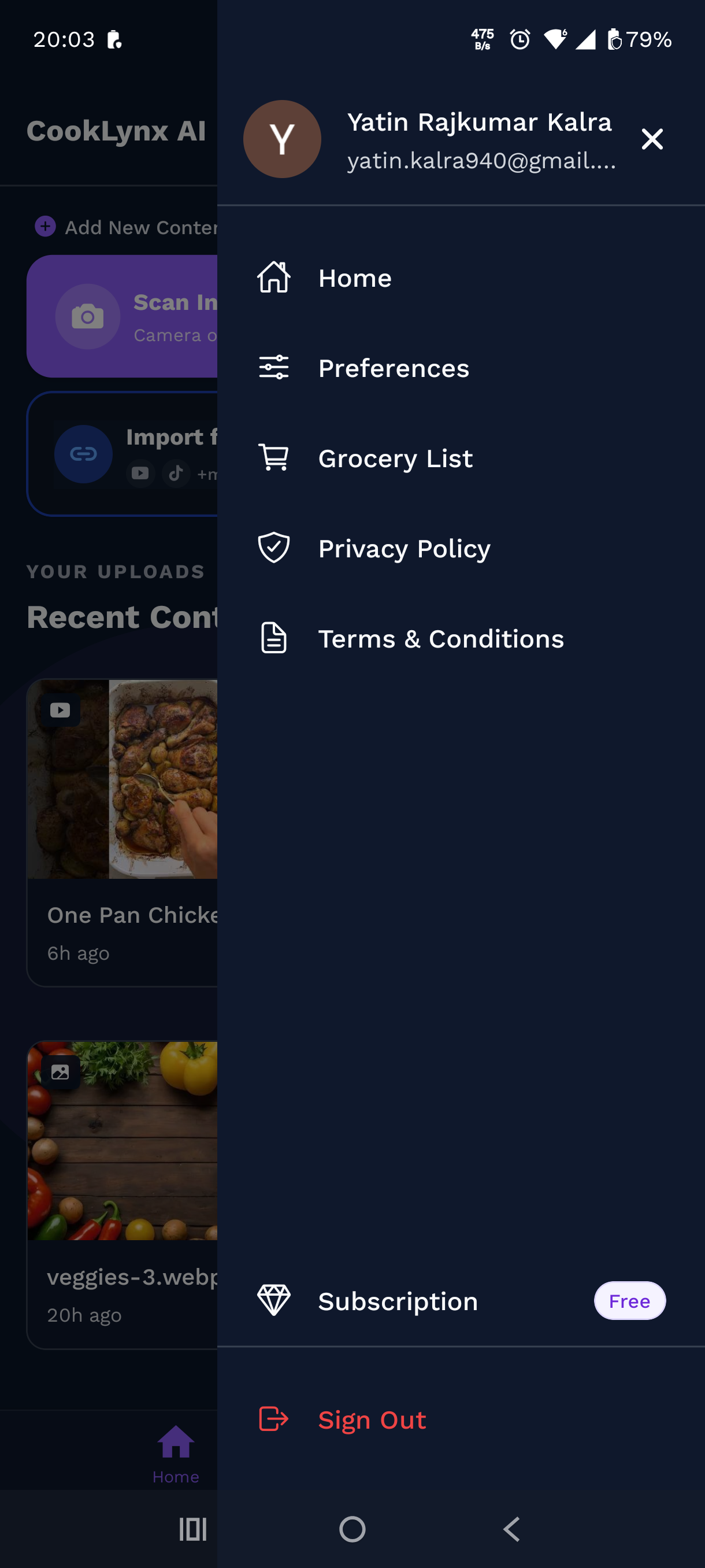
drawer
-
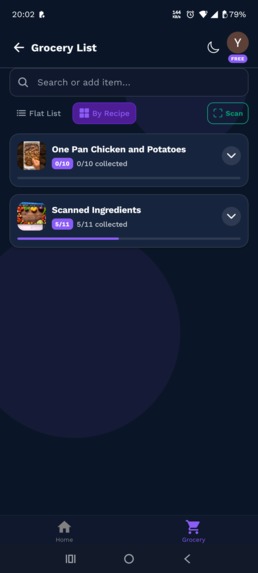
-
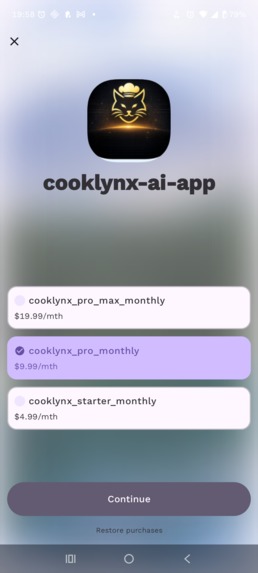
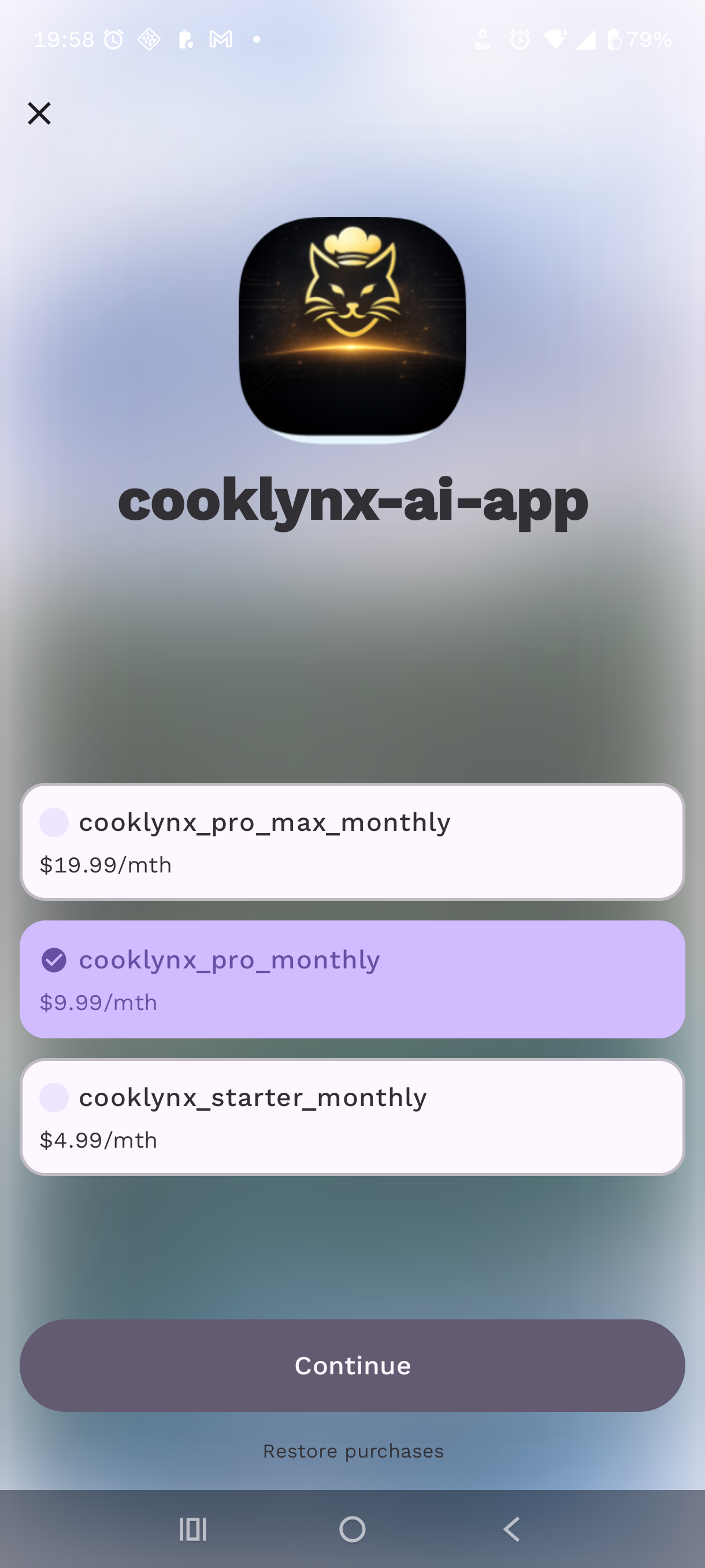
payment
-
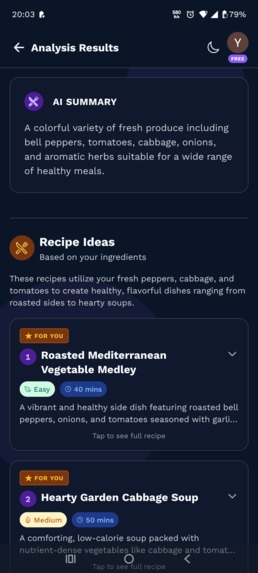
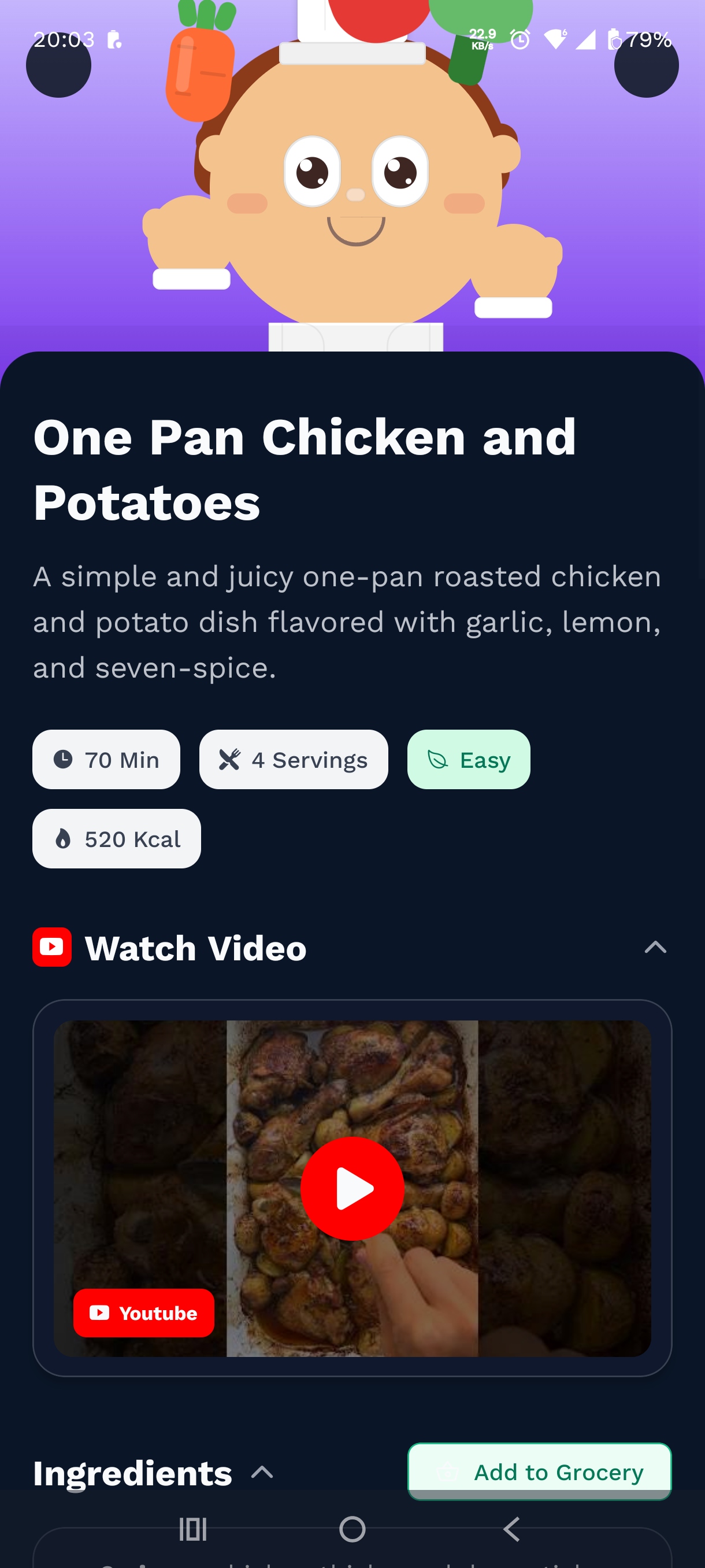
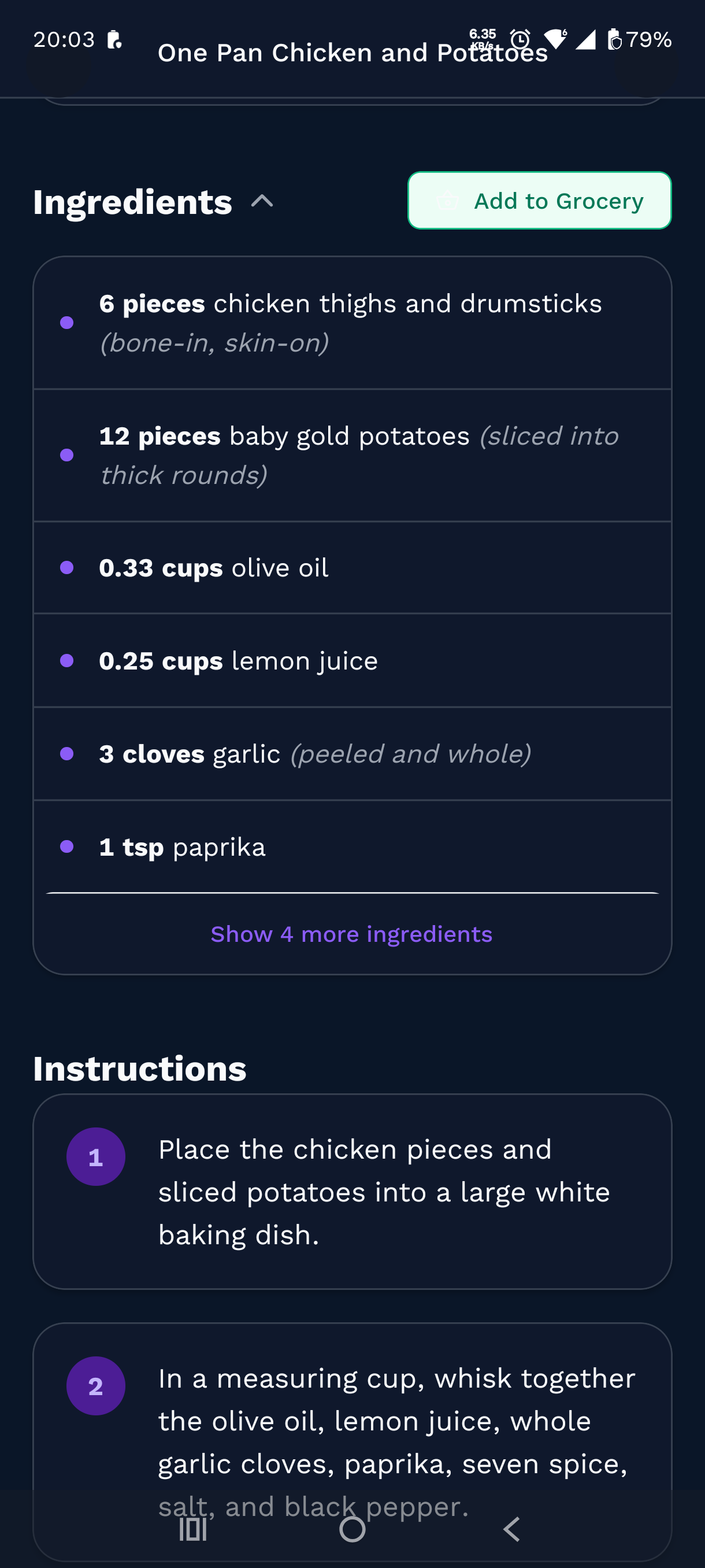
receipe page
-
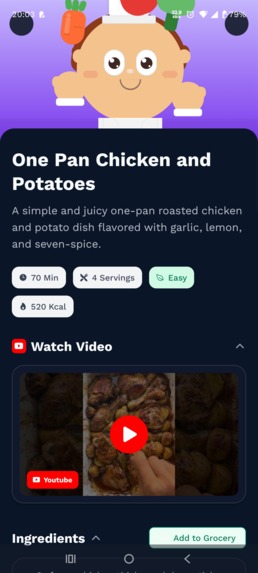
individual video screen
-
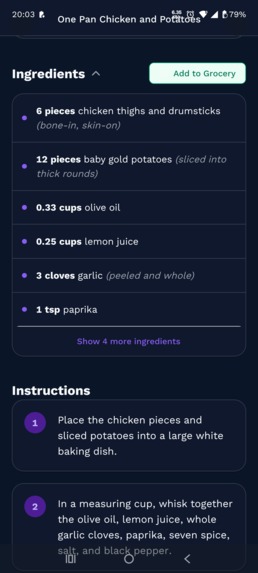
calories
Inspiration
Food inspiration is everywhere today - on Instagram reels, YouTube shorts, and food photos shared by friends.
However, most of the time we see a dish and think, “That looks amazing, but what ingredients do I actually need?”
We wanted to solve the gap between food inspiration and real cooking.
CookLynx AI was inspired by the idea of turning food visuals and links into something practical- ingredient lists and grocery plans that people can actually use.
What it does
CookLynx AI helps users understand food content instantly.
- Users can upload a photo of a dish and get a clear list of detected ingredients
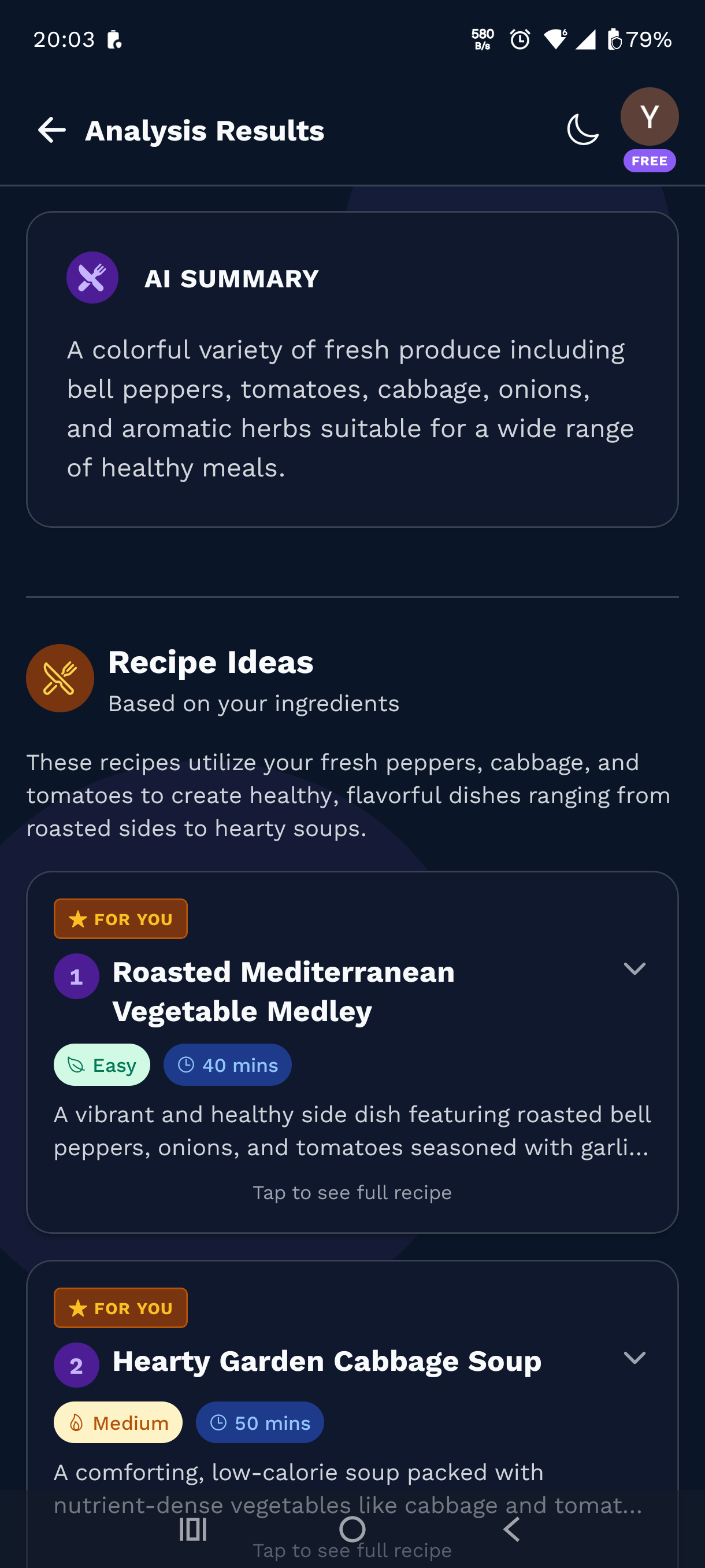
- The app provides 3 recipe recommendations based on the ingredients
- Users can share a food reel or recipe URL and extract the ingredients from it
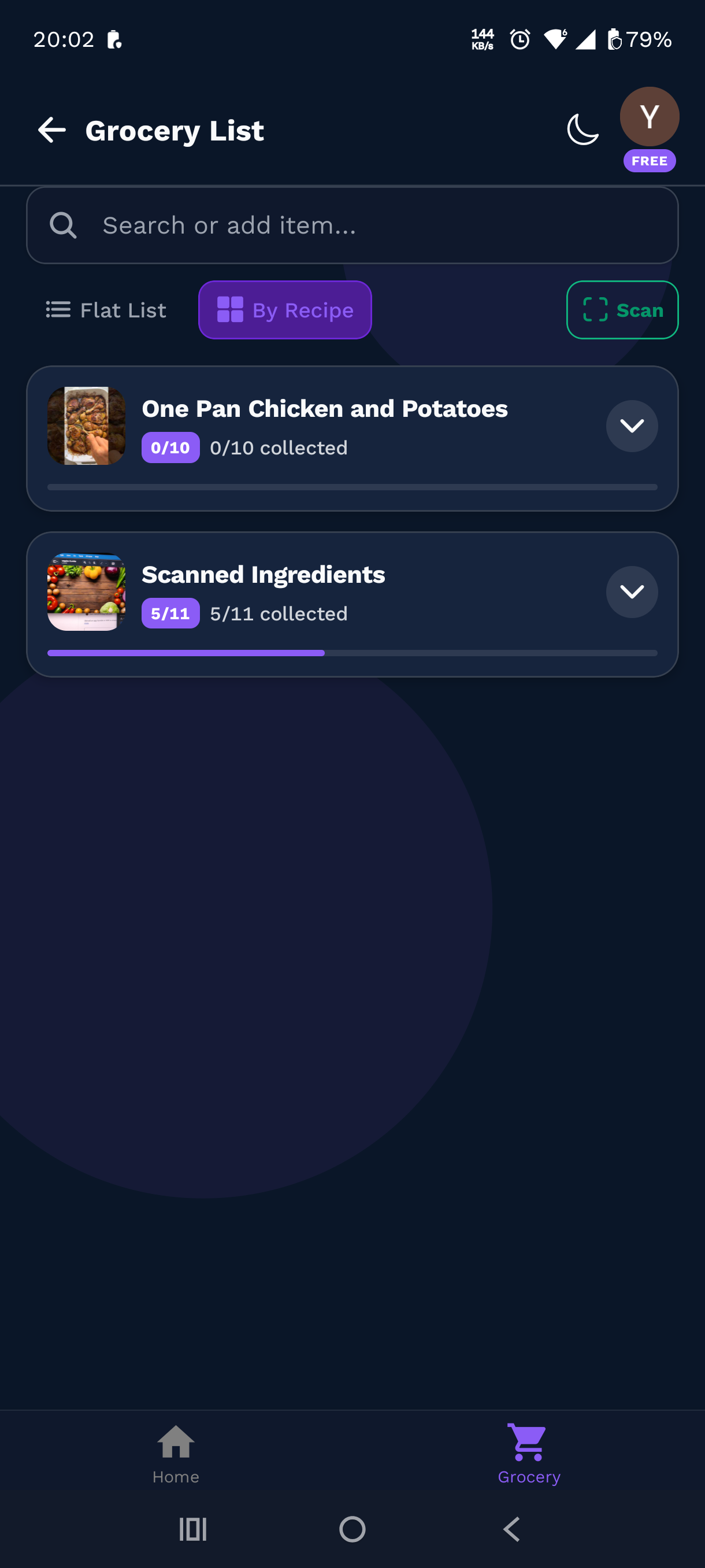
- Ingredients can be converted into a grocery list for easy shopping
- Ingredient lists can be shared with others using a simple link
The goal is to make cooking easier, faster, and more accessible.
How we built it
The frontend is built using Expo for a smooth cross-platform mobile experience.
The backend uses Node.js with Cloud Functions and Express to handle image uploads, URL processing, and AI requests.
We use AI models to analyze food images and content, extract ingredients, and generate recommendations.
RevenueCat is integrated to manage subscriptions and usage limits, allowing us to control AI costs while offering a fair freemium model.
All access checks and usage limits are handled securely on the backend.
Challenges we ran into
One of the biggest challenges was converting shared URLs into accurate ingredient lists.
Food reels and short videos often do not clearly mention all ingredients, and the information is spread across captions, comments, and visuals.
Other challenges included:
- Handling different image qualities and unclear food photos
- Controlling AI usage costs while keeping the app useful
- Ensuring accurate ingredient detection for complex dishes
- Designing a simple experience that does not overwhelm users
These challenges required careful prompt design, backend validation, and smart usage limits.
Accomplishments that we're proud of
- Successfully extracting ingredients from both images and shared URLs
- Building a clean end-to-end flow from inspiration to grocery list
- Secure backend verification for subscriptions and usage
- A simple and intuitive user experience suitable for everyday users
What we learned
This project helped us understand the importance of cost control when working with AI-powered features.
We also learned how important backend verification is for subscriptions and usage-based systems.
Most importantly, we learned how small usability improvements can make a big difference in real-world apps.
What's next for CookLynx AI
In the future, we plan to:
- Add cookbook and chef-based recipe recommendations
- Improve ingredient accuracy for regional and complex dishes
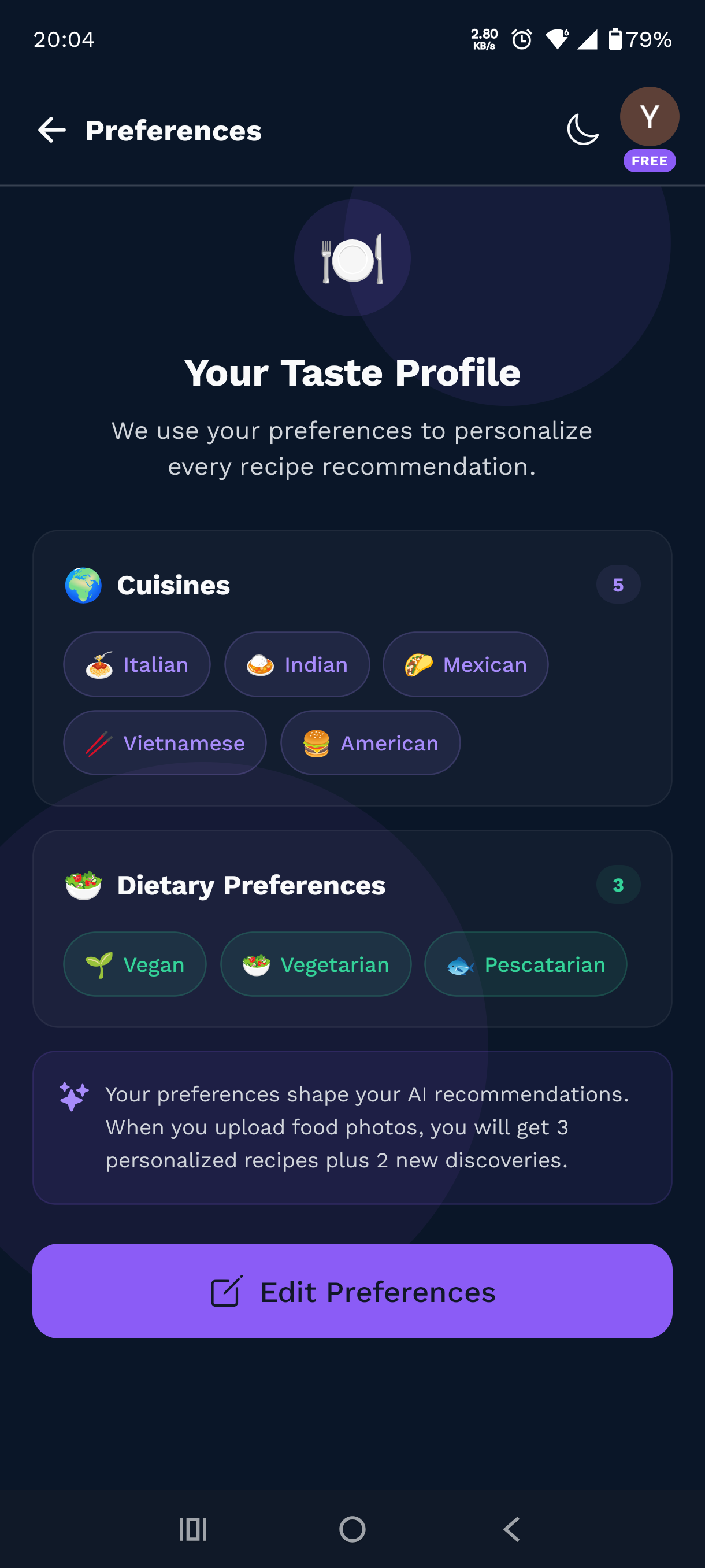
- Introduce nutrition and dietary filters
- Support meal planning and weekly grocery lists
- Expand support for more food platforms and content types
CookLynx AI has the potential to become a daily companion for food lovers.
Built With
- cloud-functions
- expo.io
- express.js
- firebase
- firestore
- gcp
- gemini
- gemini-ai
- node.js
- pubsub
- react
- react-native
- realtime-database

Log in or sign up for Devpost to join the conversation.