-
-
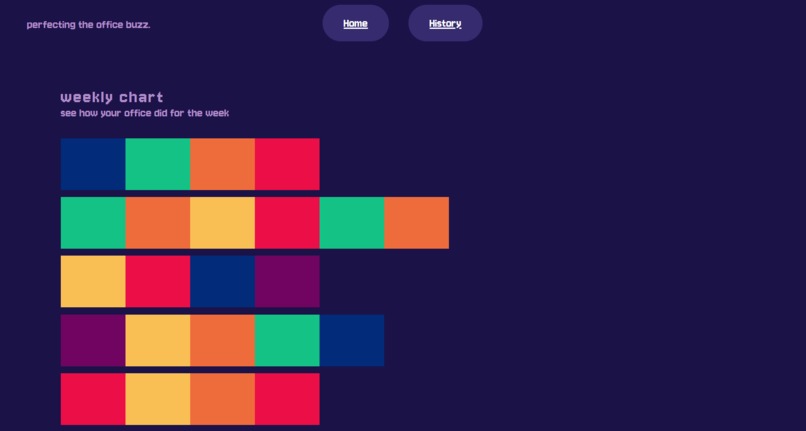
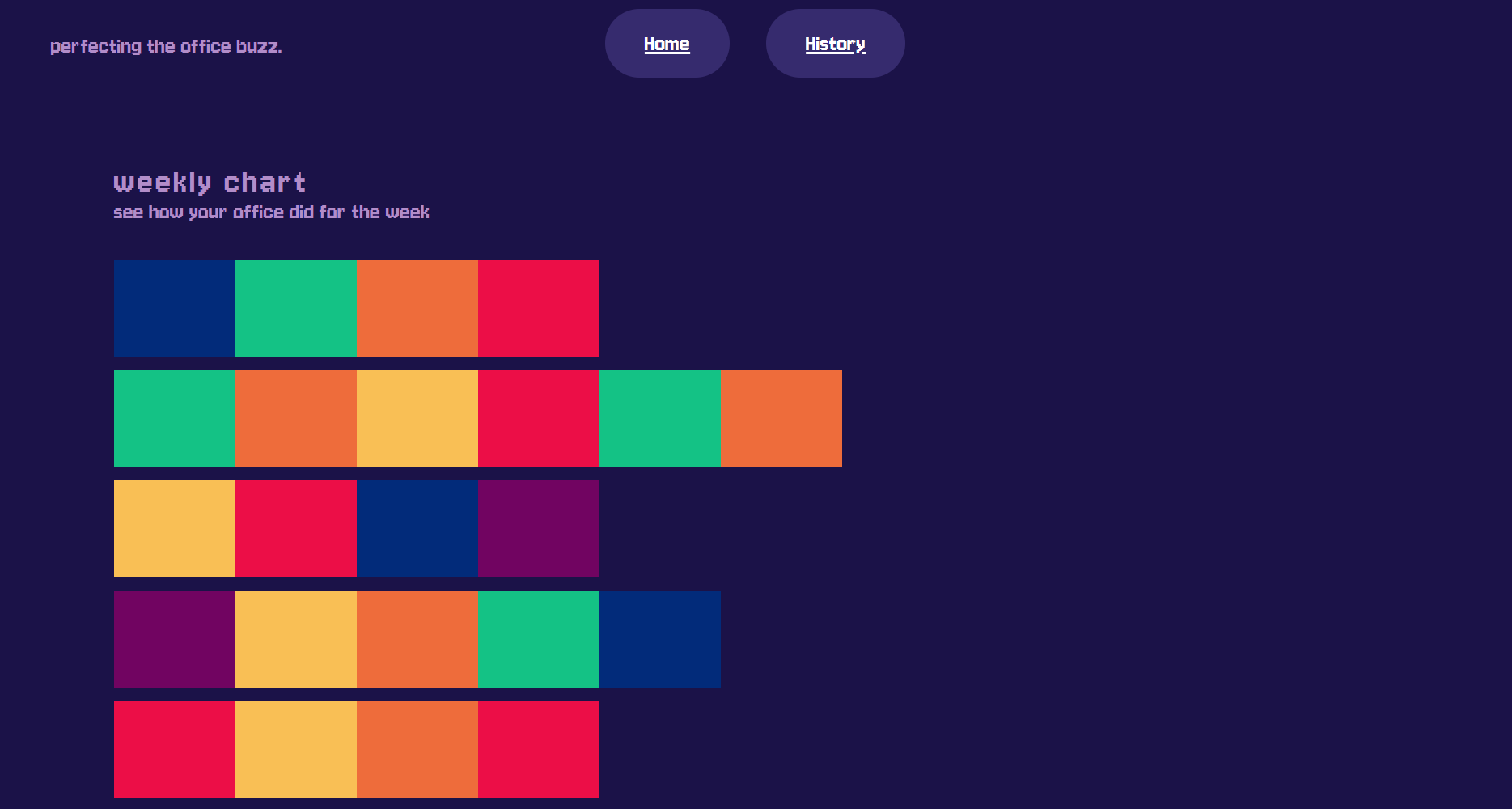
chart of sentiments of conversations throughout the week
-
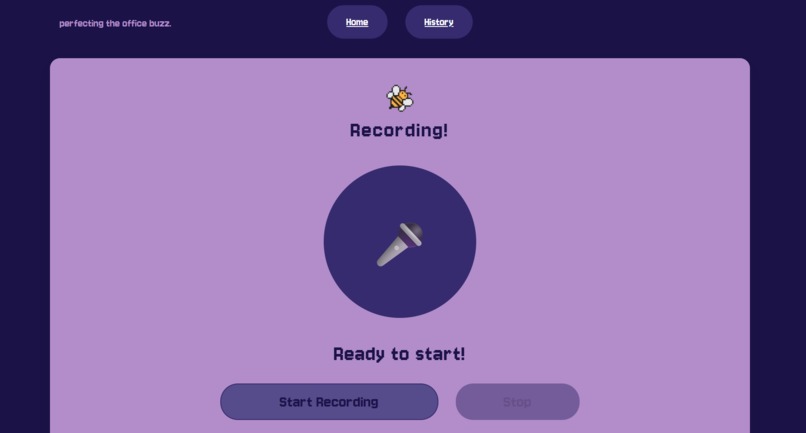
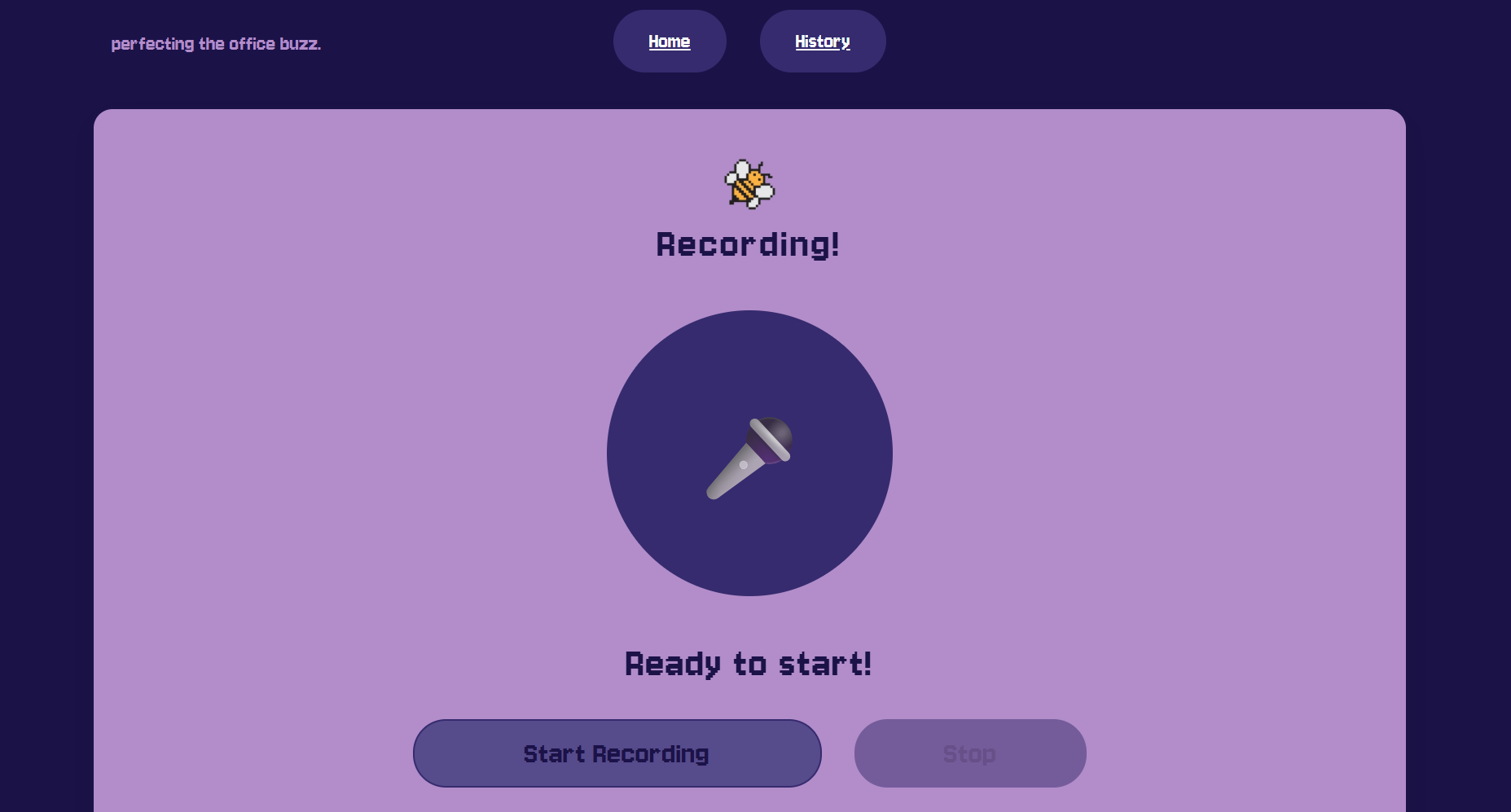
screen before recording
-
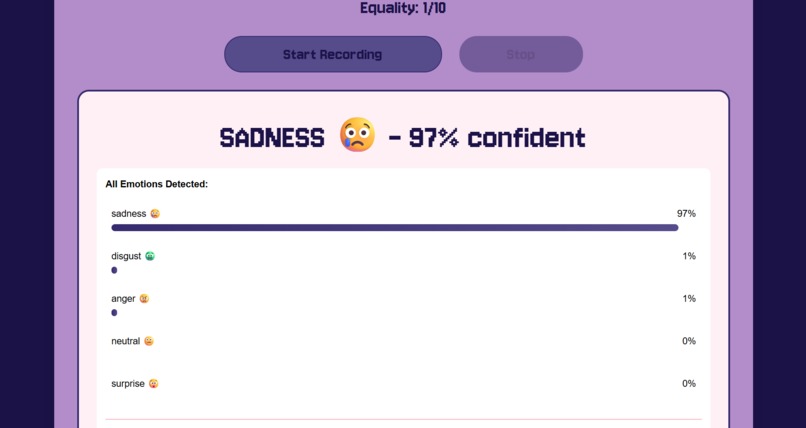
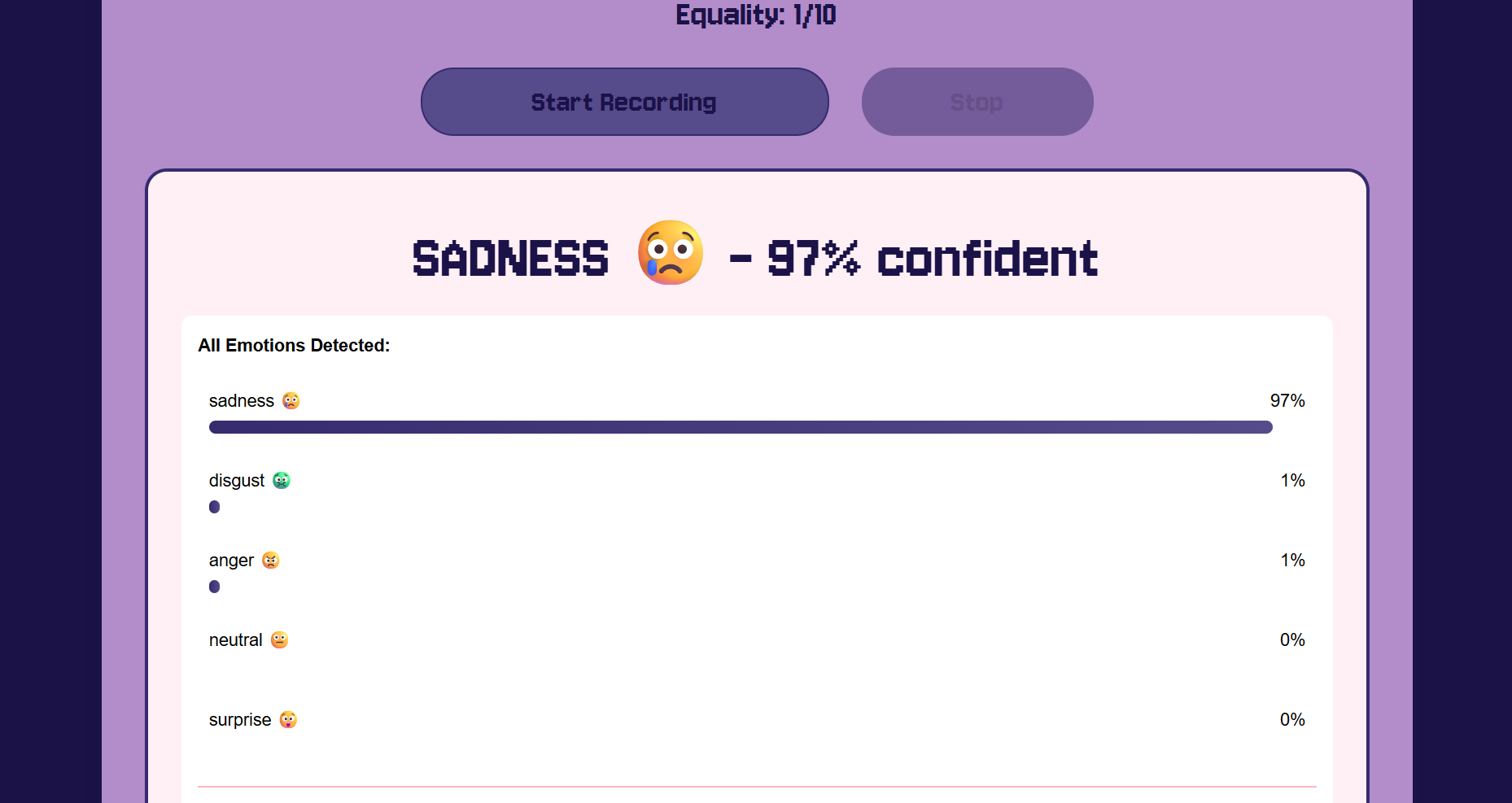
the analytics of the conversation
-
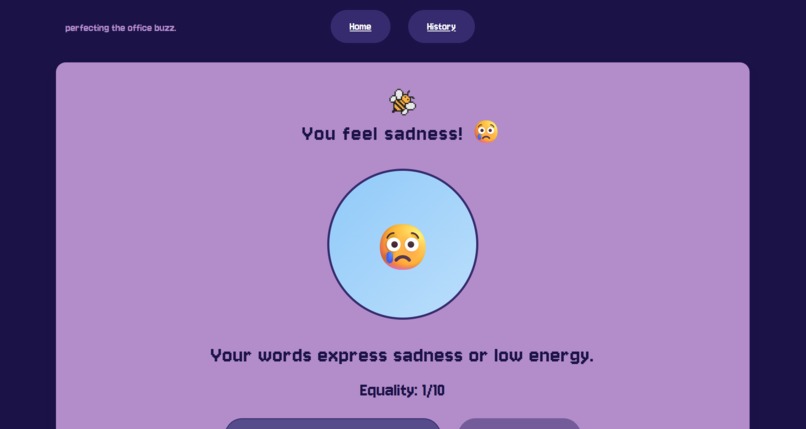
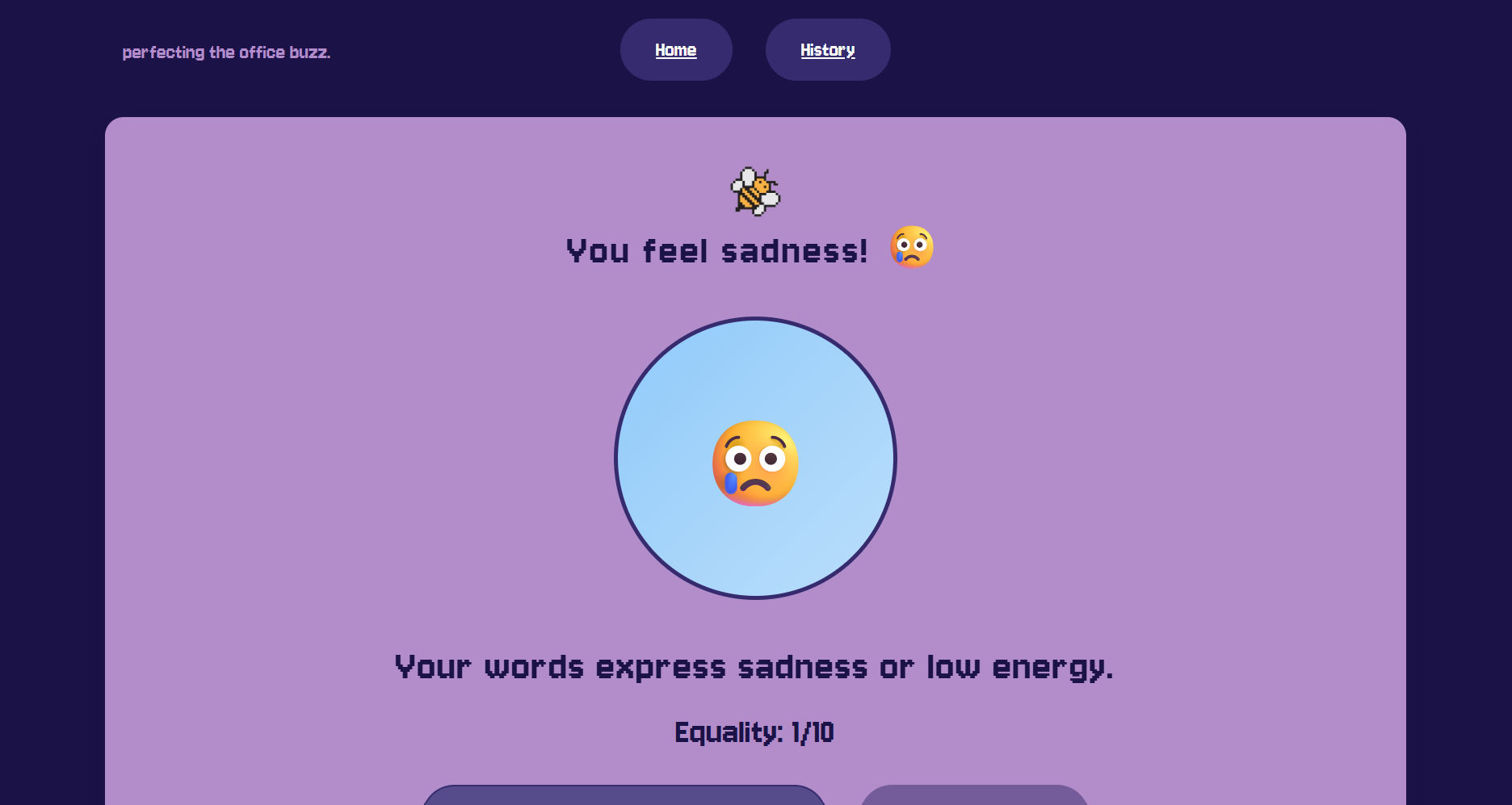
detecting the sentiment of a conversation
Inspiration
As a group of all women, we wanted to address issues surrounding women in the workplace. After hearing several experiences from women of all demographics about the misogyny they face at work, we made it our mission to bring awareness to these issues and make sure that conversations co-workers have in the workspace respect women and marginalized identities. Marginalized communities in workspaces often find it hard to have a community because of the lack of respect they get, leading to internal disagreements about how to best act to gain said respect. But the problem isn't with the marginalized communities - it's with the way the majority demographic perceives them and what companies do to fix this problem in the office. By having a tool that records these conversations and judges how respectful their language is, we can hold companies accountable, force them to actively fix these issues, and build a stronger community of people of marginalized identities. Knowing that the future of the workforce involves us in it, we are determined to find a way to improve the conditions not only for us, but for the future of women in STEM.
What it does
Our program allows users to confidentially record office conversations in real time. The program analyzes the sentiment behind them to see the extent to which the conversations are respectful towards marginalized communities. It also logs all conversations from the past week in a simple calendar, allowing users to see the overall pattern in their company’s office conversations’ tonality and sentiment. If users are experiencing disrespectful conversations, those will be recorded for the public to see. This way, people can observe if a company’s policies are really helpful for equality in the workplace, and companies can improve their inclusion policies.
How we built it
For the main features of our program, we used JavaScript to implement the Hugging Face API in the backend. Specifically, we used a Hugging Face API to transcribe speech to text and had it analyze the tone of the user’s conversations. This was implemented through the Hugging Face model, which was able to detect different emotions and output an overall emotion, which we then associated with a specific color. We then utilized JavaScript to create a conversation sentiment tracker that logs every sentiment of different conversations throughout the week and could allow you to see the analysis for each one. For the front end, we first used Figma to create a prototype and implemented elements to create our final program. Additionally, we built a recording user interface using HTML and CSS, as well as added visual feedback using CSS. Finally, we tested and debugged the speech recognition accuracy.
Challenges we ran into
One of the first challenges we struggled with was allowing the API to work with an API key in the backend, instead of forcing the user to input one themselves. Additionally, we had to create a visual representation of all the past sentiments/equality values throughout the week, which was a long process and involved a lot of features of JavaScript we weren’t familiar with, including incorporating HTML elements with JavaScript. Finally, after we had overcome the challenges with the backend, we struggled to combine the code we each wrote into one program, while also incorporating our Figma design.
Accomplishments that we're proud of
We were able to find one singular API (from HuggingFace) that contained most of the functions that we needed for our project. By only using one API, we were able to simplify our code and optimize our program. For anything the API did not cover, we coded it ourselves to minimize complexity. We figured out how to implement HTML elements using JavaScript and how to manipulate them to create a visual analysis of the sentiments throughout the week.
What we learned
Before this hackathon, we had very minimal experience working with APIs. Through the process of working on our program, we learned how to effectively add APIs to our project while incorporating multiple different API tokens. We also gained valuable experience in the revision and trial-and-error process, learning how to efficiently debug issues and overcome challenges. In regards to the frontend, we also had very little experience working with JavaScript and Figma. To create our program, we learned how to use JavaScript to create a visual representation of data and create HTML elements in JavaScript. We were also able to learn how to incorporate elements from our Figma prototype into the final result, while learning how to utilize new tools in Figma.
What's next for convobee!
We are working to integrate our program into a ring that changes colors in response to the sentiment of the conversation, enabling office workers to be more aware of their tone and adjust their speech accordingly. This tool can change the way conversations are held in the workspace, making sure everyone's voice is valued and heard.
Built With
- api
- css
- figma
- html
- huggingfaceapi
- javascript


Log in or sign up for Devpost to join the conversation.