-
-
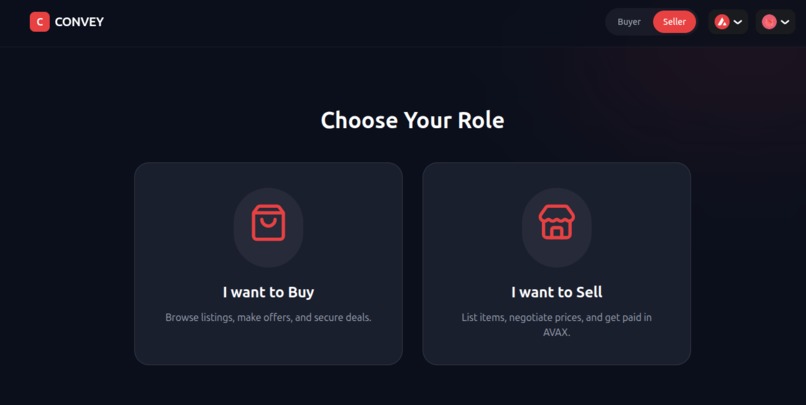
Role selection page
-
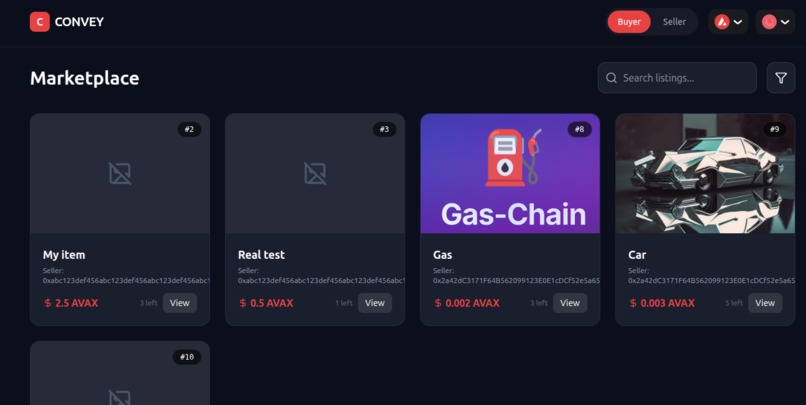
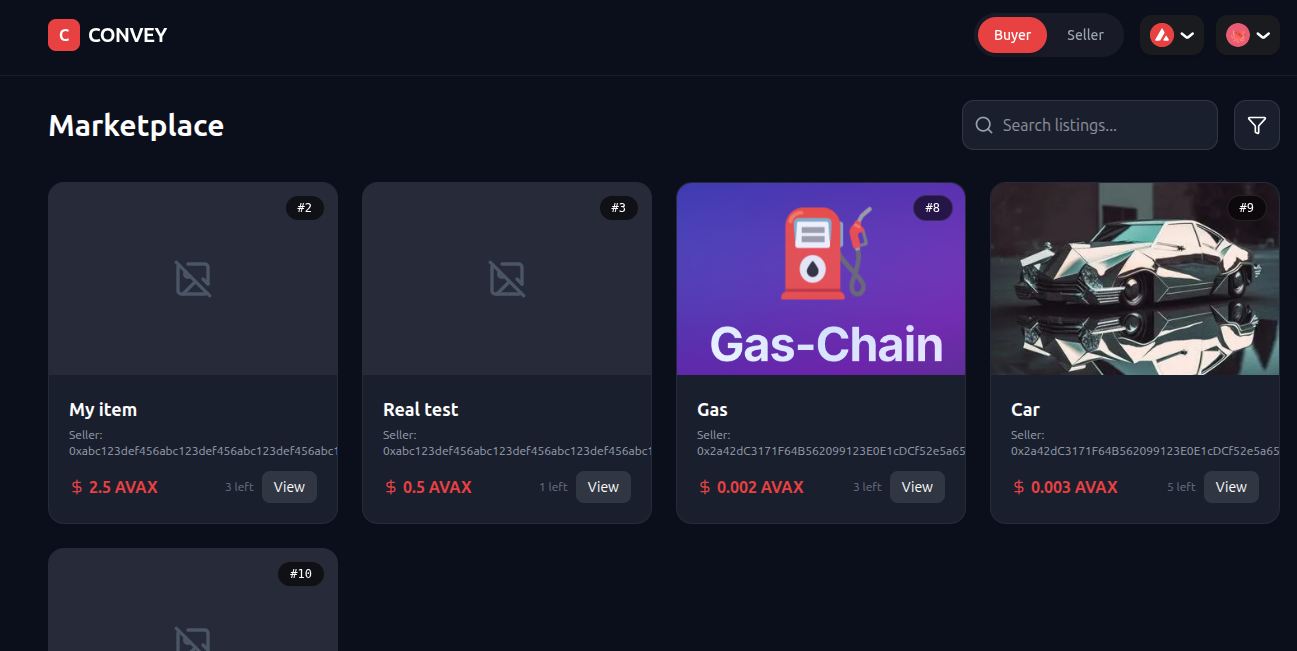
Buyer section
-
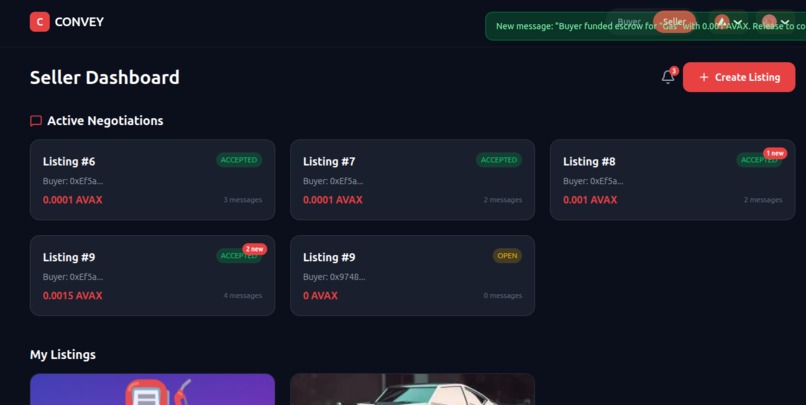
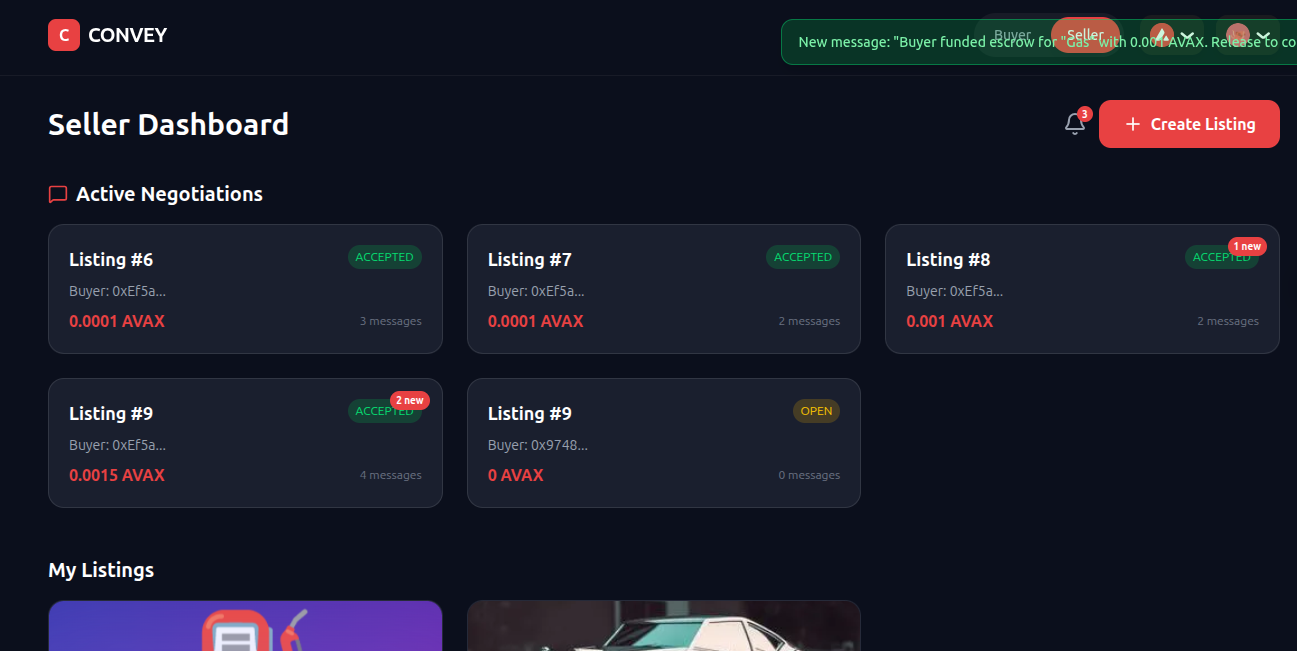
Seller section
Convey – Project Story
Inspiration
Convey was inspired by how people actually buy and sell in real life, especially in emerging markets like Uganda and across Africa. In most physical markets, prices are rarely fixed — negotiation is a natural part of the transaction. Buyers expect to bargain, and sellers expect to adjust prices to close deals.
However, when I looked at existing online marketplaces, I realized that this behavior is missing. Most platforms force fixed pricing or push users to negotiate outside the platform, which creates trust issues, lack of transparency, and payment risks.
I saw an opportunity to bridge this gap by bringing real-world bargaining into a secure digital environment using blockchain technology.
What I Learned
Through building Convey, I gained deeper insights into both the technical and product design aspects of Web3 applications.
On the technical side, I learned how to design and implement smart contracts for escrow-based transactions, ensuring funds are securely held and released only when both parties agree. I also learned how to integrate Chainlink price feeds to provide reliable real-time pricing data.
On the product side, I learned the importance of aligning technology with real user behavior. Instead of building something purely technical, I focused on solving a real-world problem — how people negotiate — and translating that into a seamless digital experience.
How I Built It
I built Convey as a decentralized application on the Avalanche blockchain.
The smart contracts were developed using Solidity and deployed on the Avalanche Fuji Testnet. These contracts handle listings, offers, counteroffers, and escrow-based payments to ensure secure transactions.
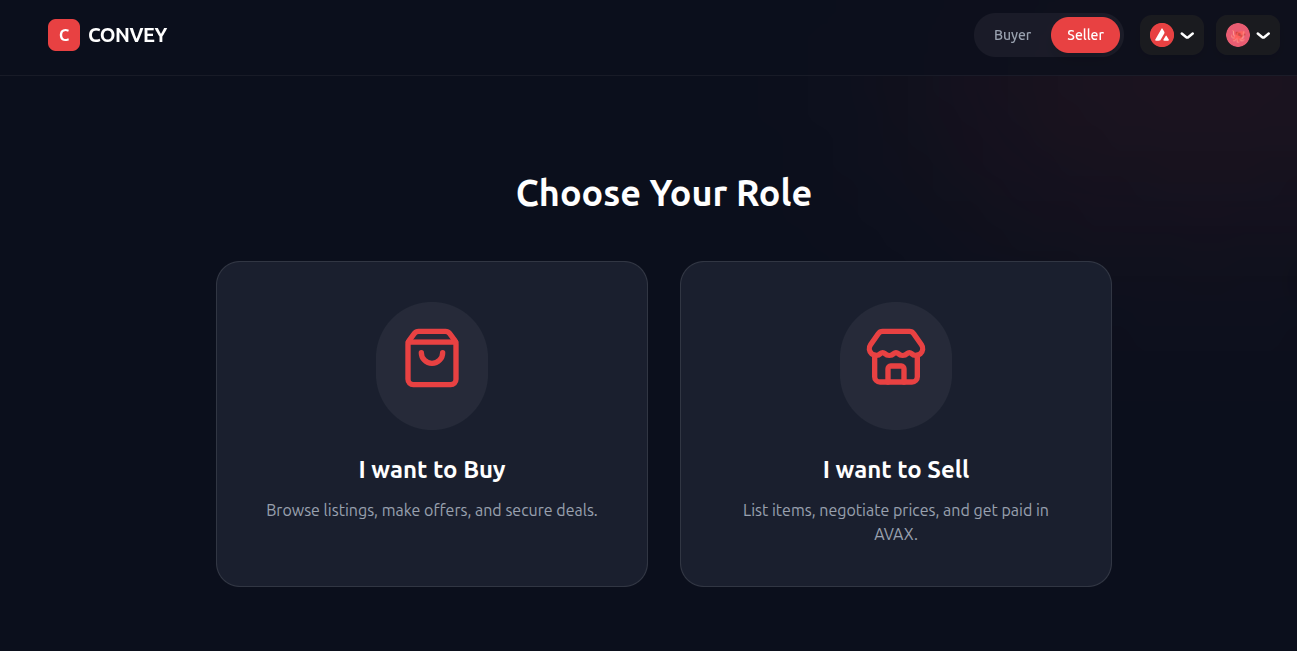
On the frontend, I used modern web technologies to create a clean, responsive, and user-friendly interface. The application includes a landing page, wallet connection flow, role selection (buyer or seller), a seller dashboard for listing products, and a buyer marketplace for browsing and negotiating deals.
I also integrated Chainlink price feeds to display AVAX-to-USD conversions, improving user understanding of pricing.
The result is a fully functional MVP where users can list products, negotiate prices in real time, and complete secure transactions on-chain.
Challenges I Faced
One of the main challenges was designing a smart contract system that could handle real-time bargaining while maintaining security and simplicity. Managing offers, counteroffers, and escrow logic required careful structuring to avoid vulnerabilities and ensure a smooth user experience.
Another challenge was connecting the frontend with the blockchain in a way that feels seamless to users. Handling wallet connections, transaction states, and real-time updates required careful implementation and testing.
I also faced design challenges in creating an interface that clearly communicates the negotiation process while remaining simple and intuitive.
Conclusion
Convey represents a new approach to digital commerce — one that reflects real-world behavior while leveraging the power of blockchain technology.
By combining negotiation, transparency, and security, I am building toward a future where buying and selling online is more flexible, trustworthy, and globally accessible.# Inspiration
What it does
How we built it
Challenges we ran into
Accomplishments that we're proud of
What we learned
What's next for Convey
Built With
- avalanche
- chainlink
- ethers.js
- hardhat
- next.js
- rainbowkit
- solidity
- typescript
- vercel


Log in or sign up for Devpost to join the conversation.