
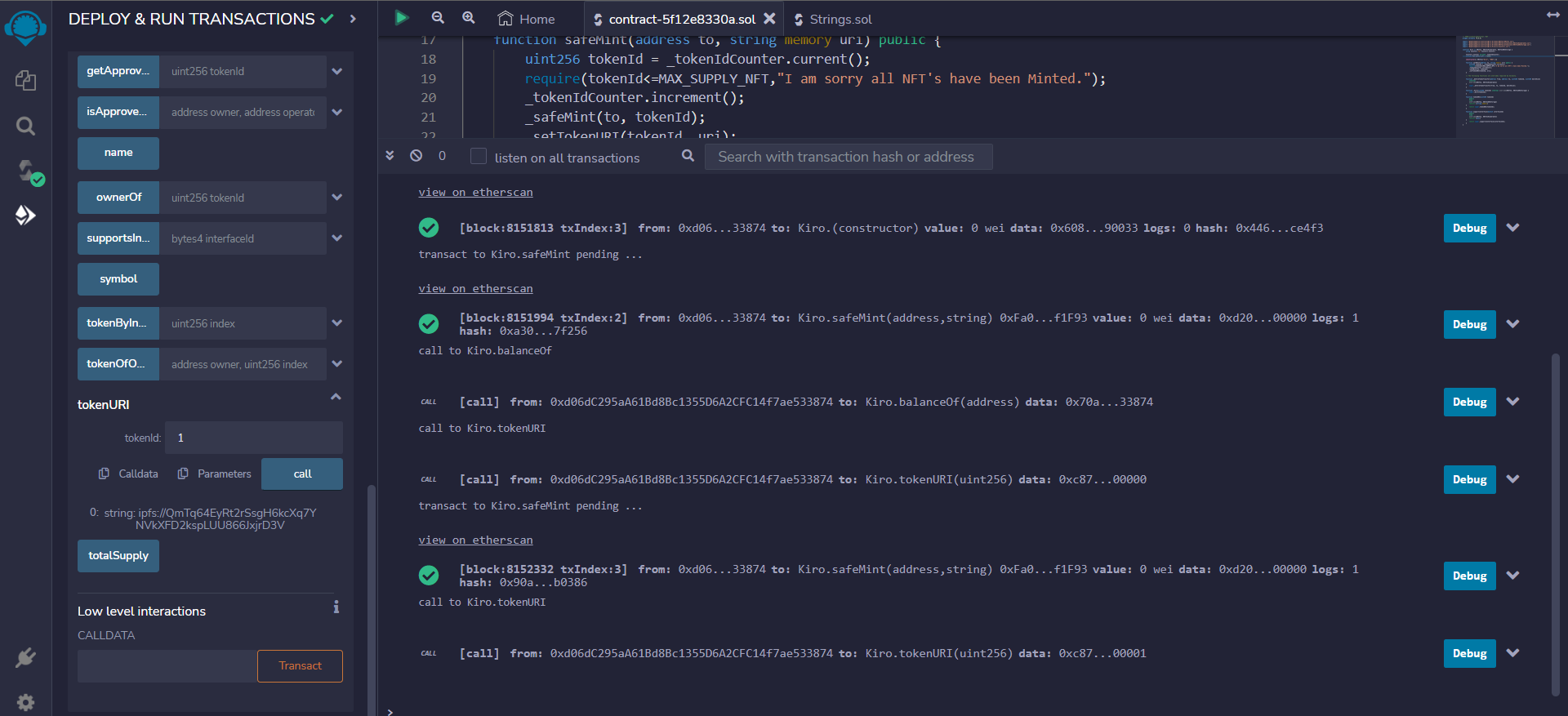
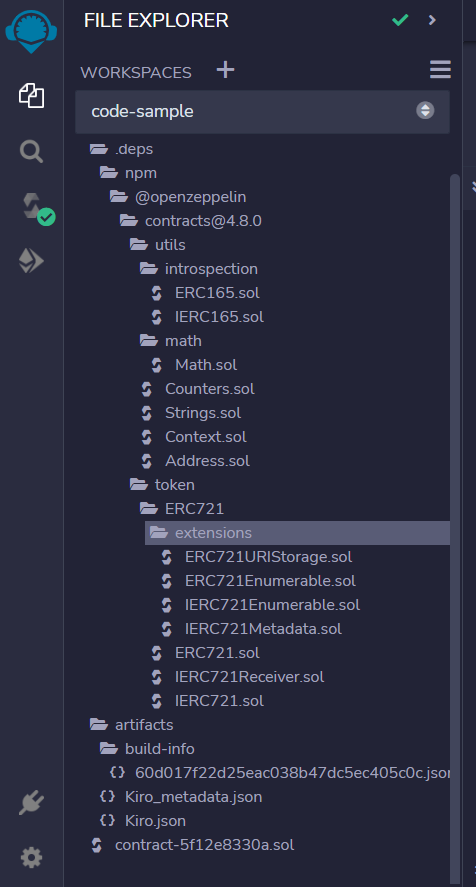


NFT Gateway Project: Introduction NFT (Non-Fungible Token) gateway projects serve as platforms or interfaces that connect creators, collectors, and enthusiasts with the world of non-fungible tokens. These gateways facilitate the creation, management, trading, and showcasing of NFTs within a blockchain ecosystem.
Key Components NFT Creation and Minting:
Smart Contracts: NFT gateways utilize smart contracts to define the rules and standards for creating and minting NFTs. This includes defining ownership, transferability, and other attributes. Metadata and Attributes: Gateways allow creators to attach metadata and attributes to the NFT, providing essential details and characteristics that enhance its value and uniqueness. Marketplace Functionality:
Listing and Auctions: NFT gateways provide a marketplace where creators can list their NFTs for sale or auction, allowing collectors to browse and acquire them. Pricing and Royalties: Creators set the prices for their NFTs and may define royalty percentages, ensuring they receive a portion of the sale price in subsequent resales. User Profiles and Wallet Integration:
User Authentication: Users can create profiles on the platform, which often integrate with cryptocurrency wallets for secure transactions and ownership management. Wallet Connectivity: Integration with various blockchain wallets enables users to securely manage their NFT holdings and conduct transactions. Curation and Discovery:
Featured Collections: NFT gateways often curate featured collections, showcasing notable or trending NFTs to enhance discoverability and exposure for creators. Search and Filters: Users can explore the platform using search filters and categories, aiding in the discovery of specific types of NFTs. Community Engagement:
Forums and Social Integration: NFT gateways may offer forums or integrate with social platforms, allowing creators and collectors to engage in discussions, share insights, and collaborate. Events and Contests: Organizing events, contests, or challenges can foster community engagement and attract new creators and collectors. Licensing and Legal Aspects:
Terms and Conditions: Clear terms and conditions regarding ownership rights, licensing, and responsibilities of users are outlined to ensure legal compliance and protect all parties involved. Intellectual Property Management: Platforms may implement tools to manage intellectual property rights, helping creators protect their work and control its distribution. Benefits and Future Prospects Empowerment of Creators: NFT gateways empower creators by providing a direct route to monetize their digital assets and reach a global audience without intermediaries.
Diversifying Asset Ownership: NFTs enable fractional ownership and unique investment opportunities, allowing a broader range of individuals to participate in the digital art and collectibles market.
Technological Advancements: Ongoing advancements in blockchain technology and decentralized platforms may lead to improved scalability, reduced fees, and enhanced user experiences within NFT gateways.
Sustainability and Environmental Considerations: Future NFT gateways may increasingly focus on sustainable blockchain solutions to address concerns about the environmental impact of blockchain technologies.
Conclusion NFT gateways play a pivotal role in the rapidly evolving world of digital assets, offering a structured platform for creators, collectors, and enthusiasts to interact, transact, and innovate within the burgeoning NFT ecosystem.
Built With
- metamask
- openzepplin
- remix
- solidity


Log in or sign up for Devpost to join the conversation.