-
-
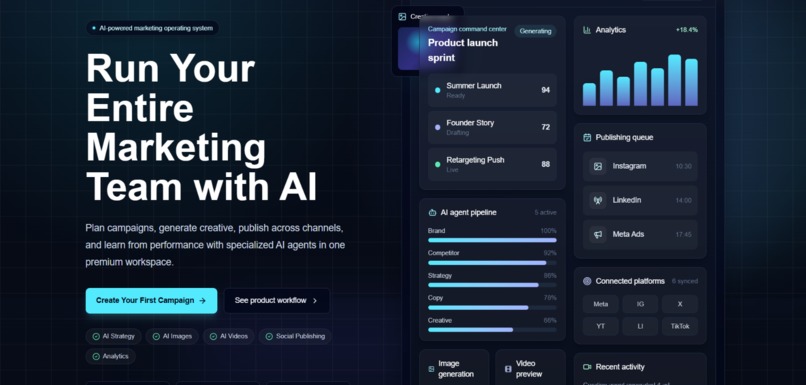
MarketingOS AI Landing Page
-
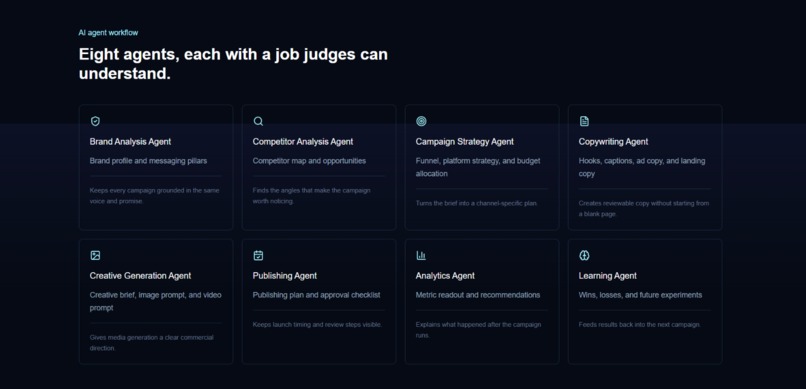
Product Features & AI Workflow
-
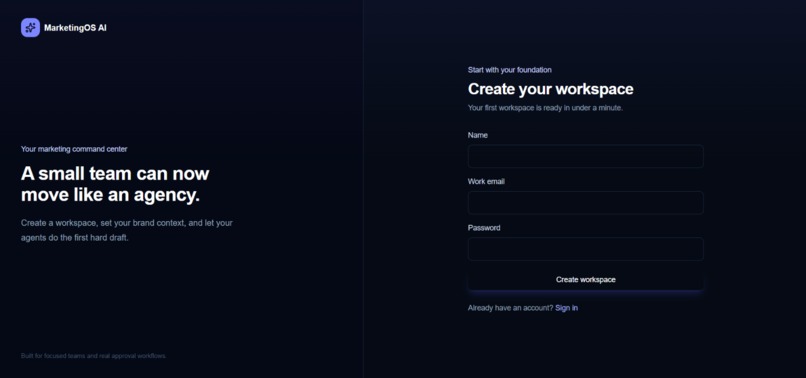
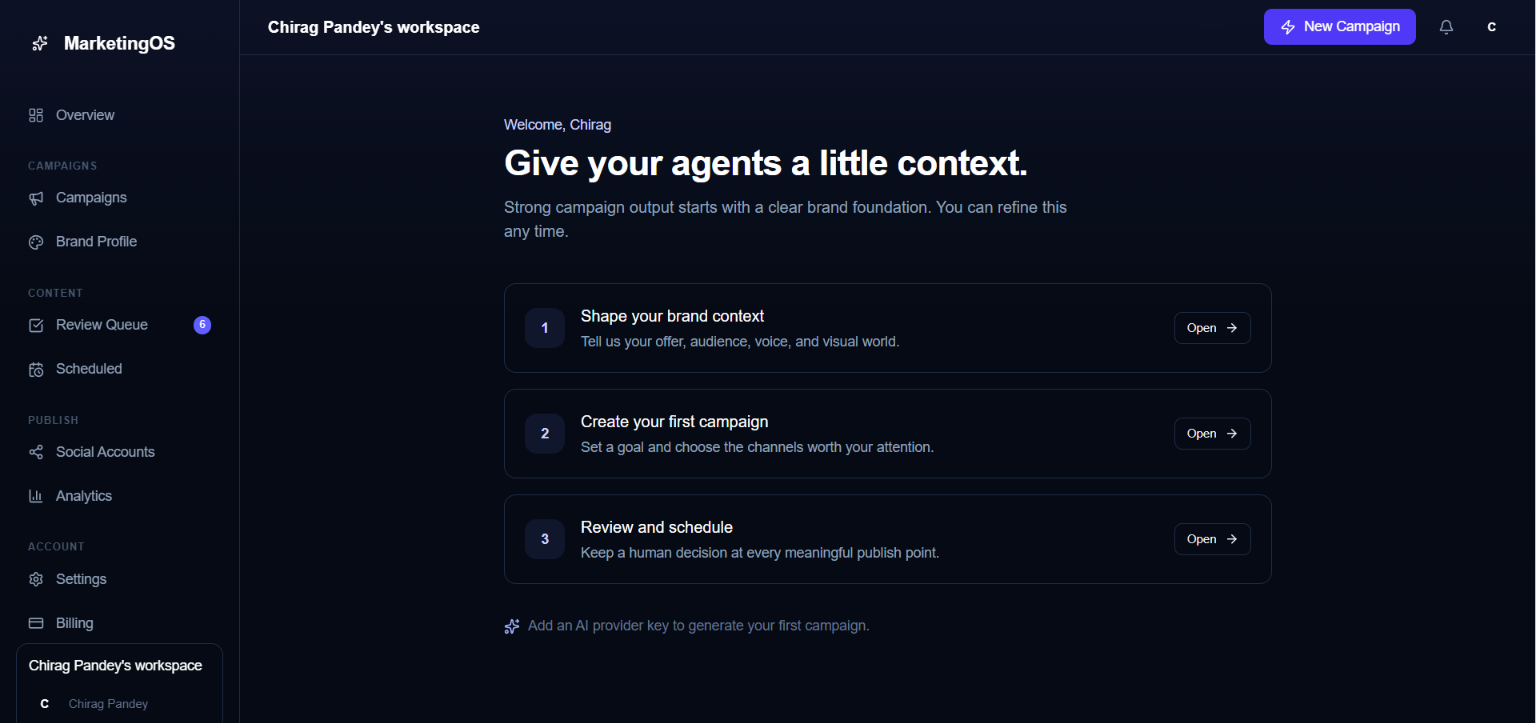
User Registration
-
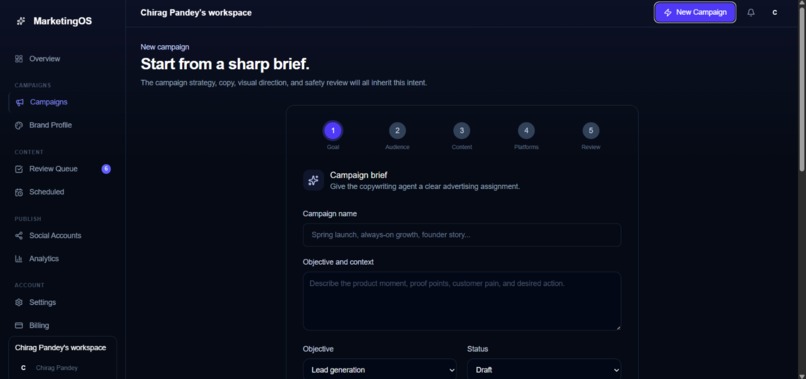
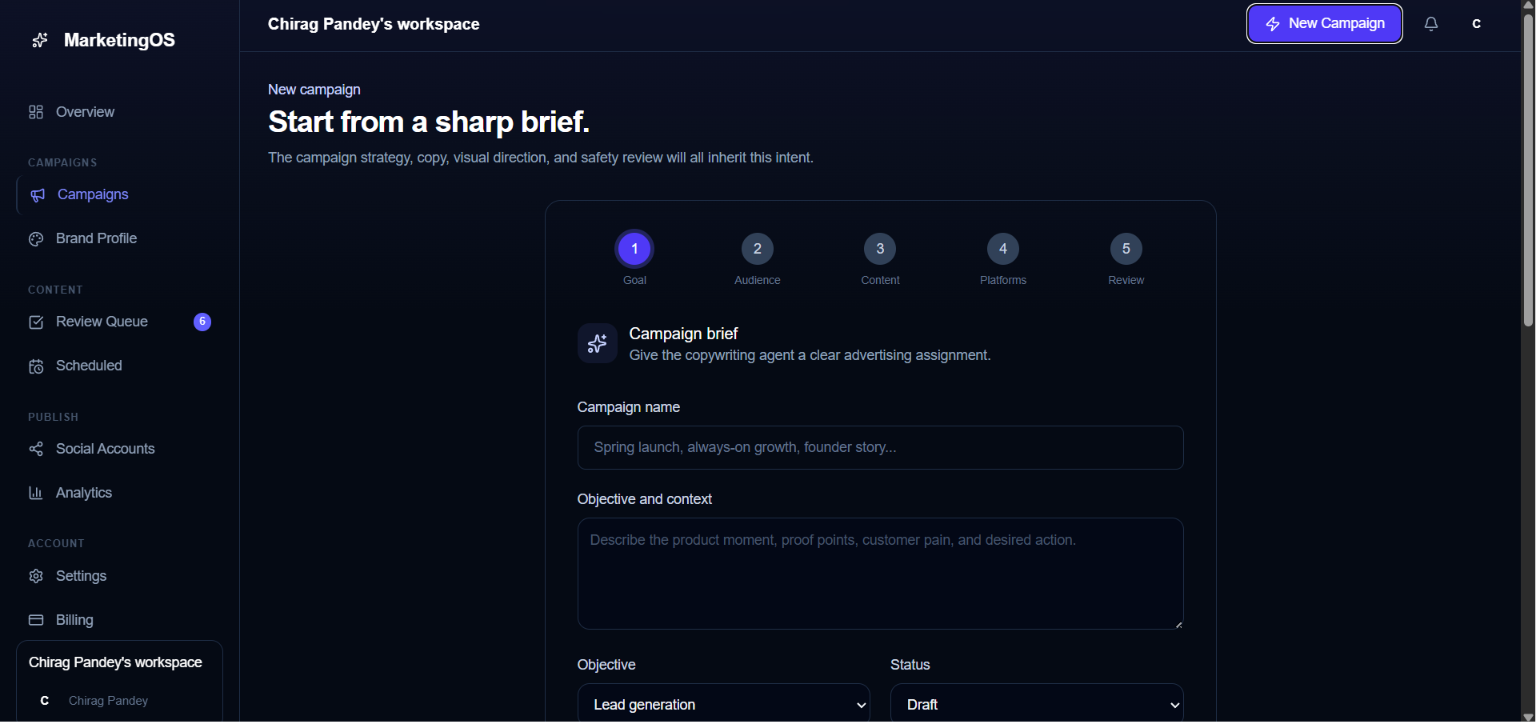
Multi-Step Campaign Creation Wizard
-
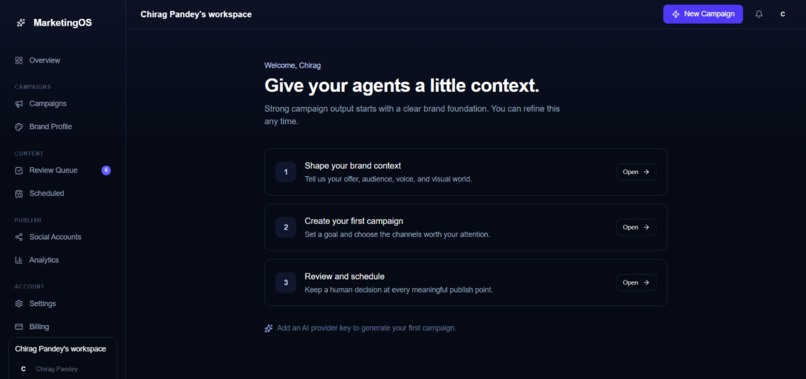
Marketing Dashboard Overview
-
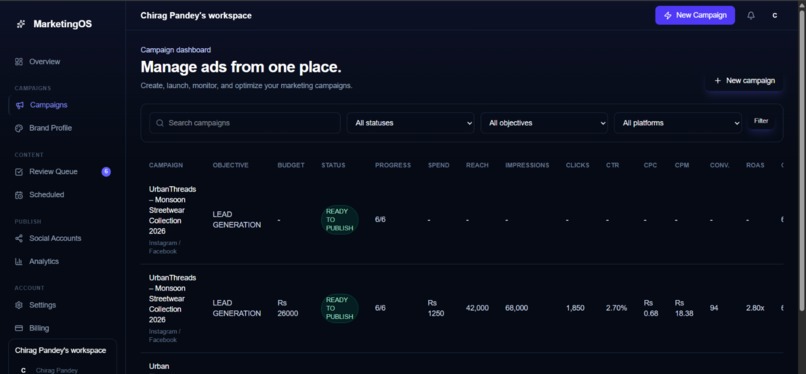
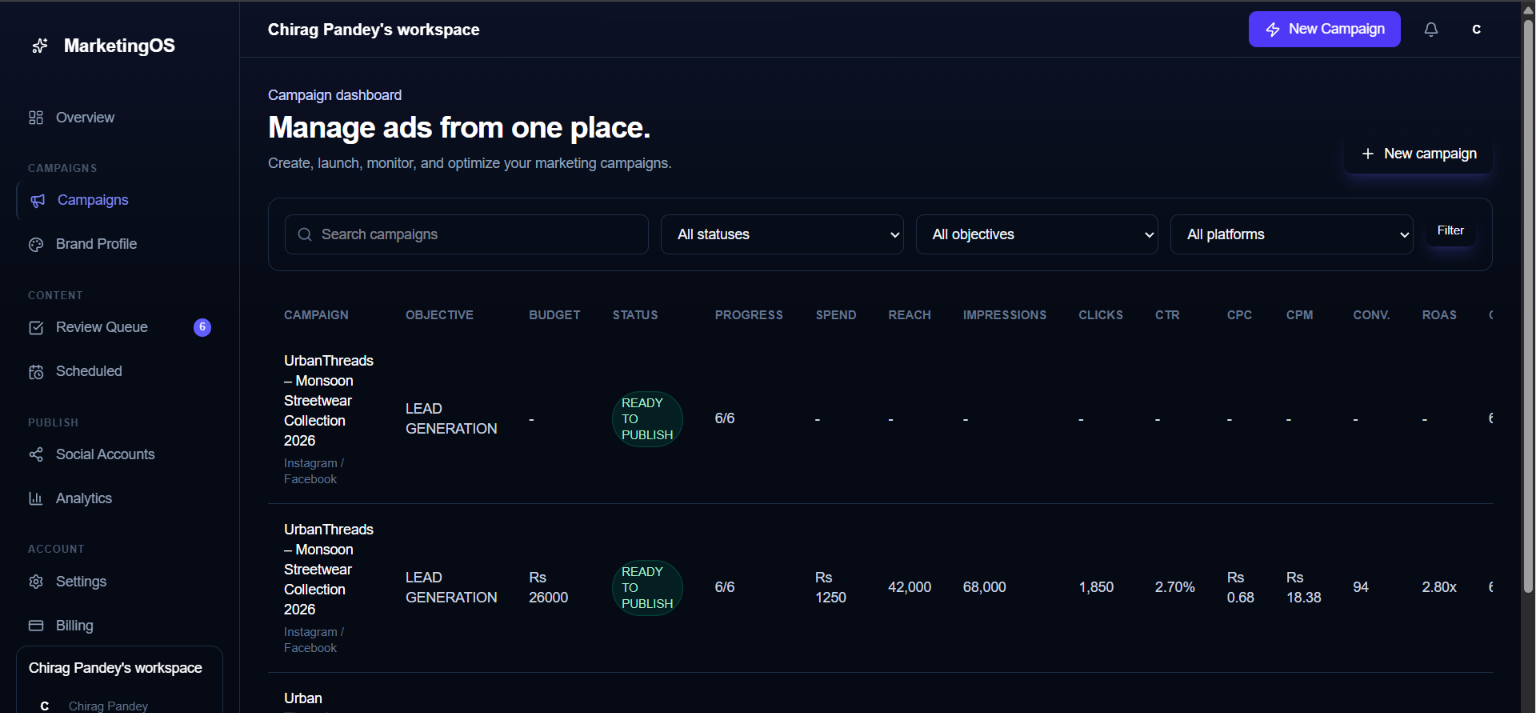
Campaign Management
-
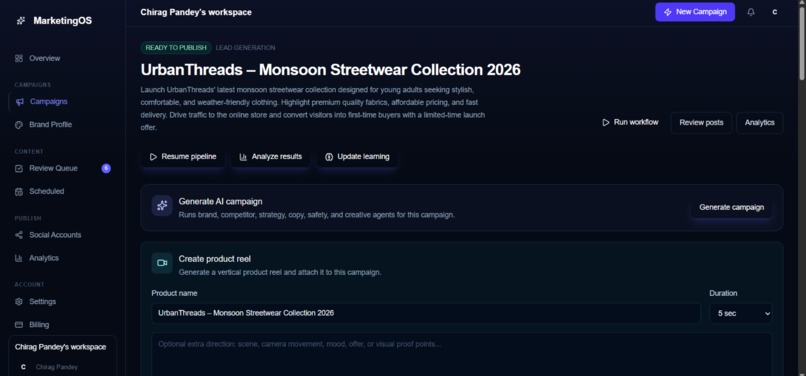
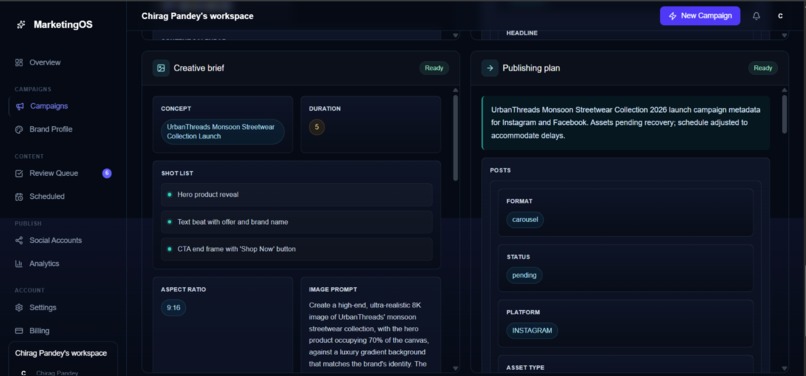
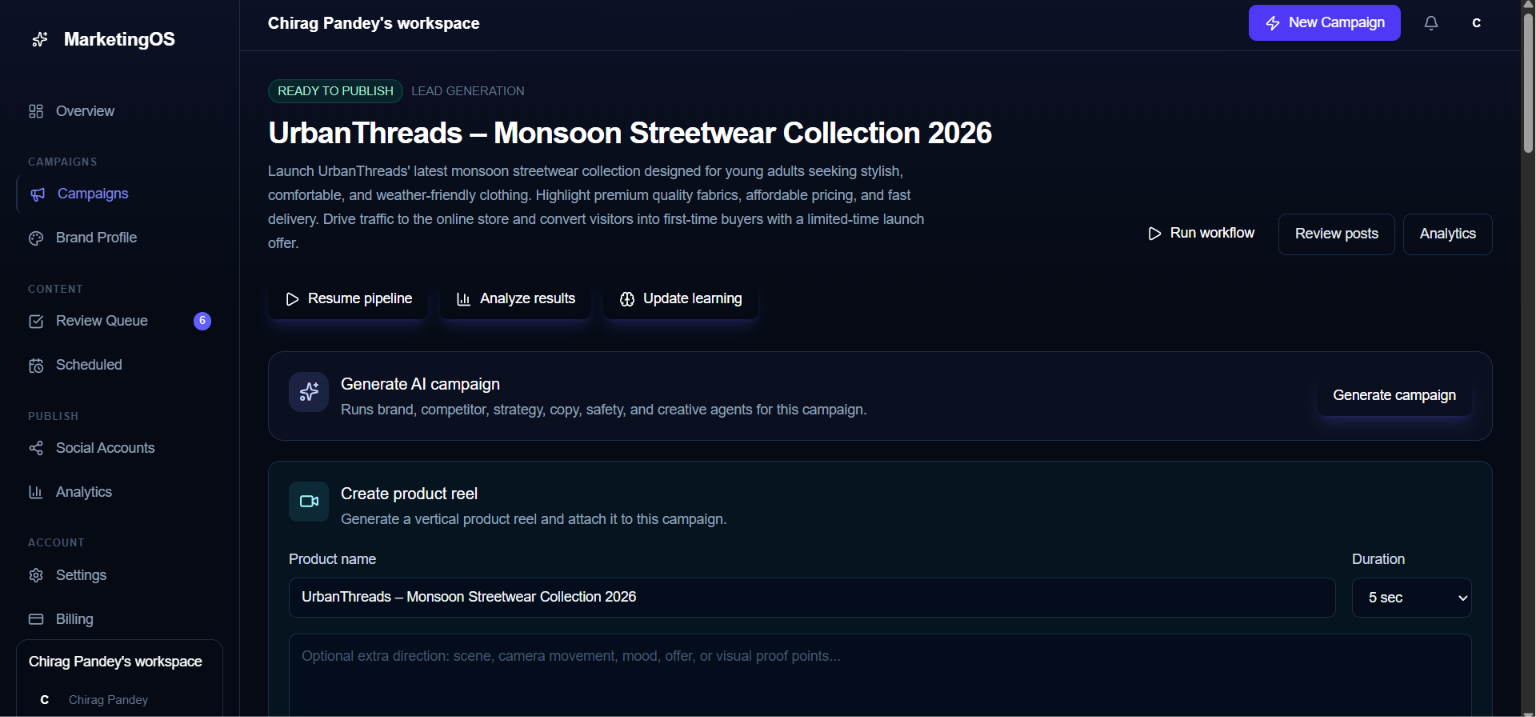
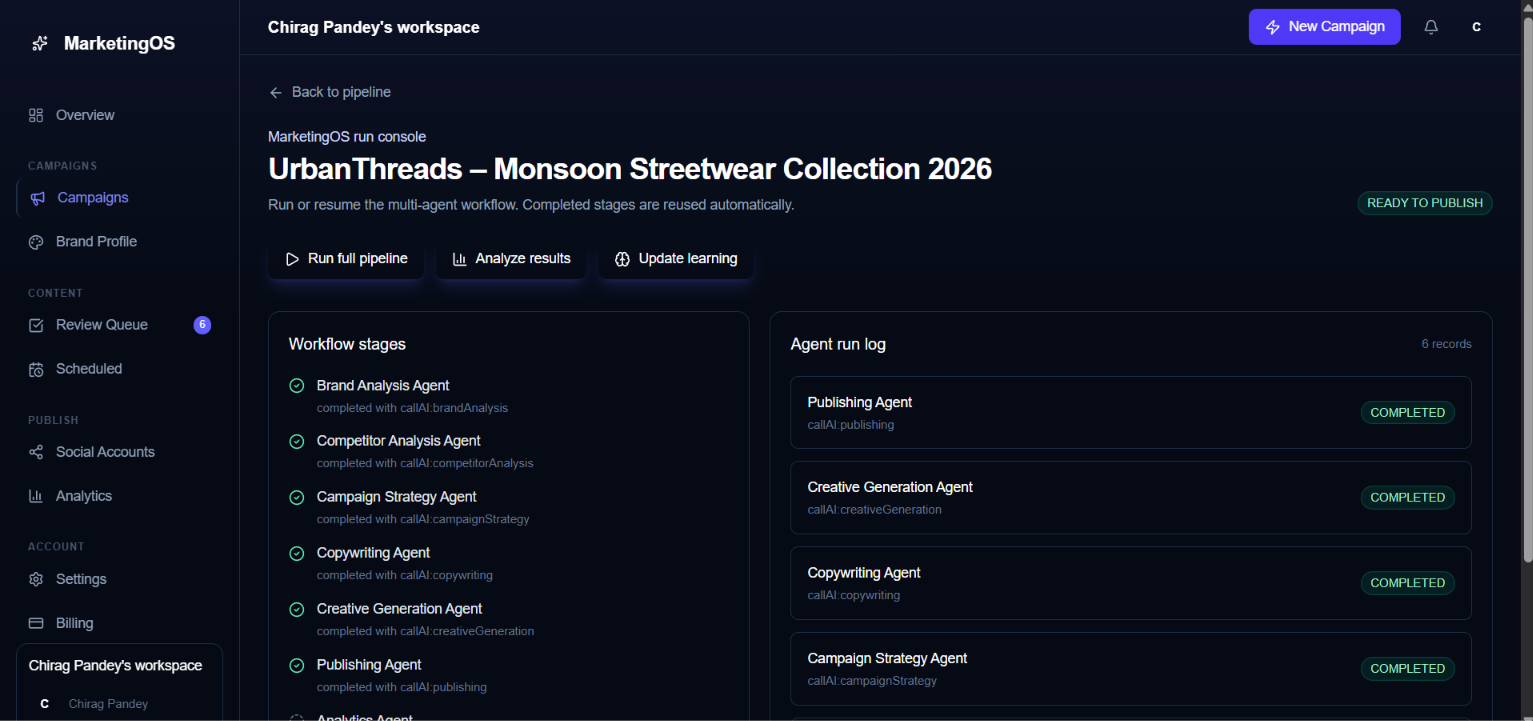
AI Campaign Workspace
-
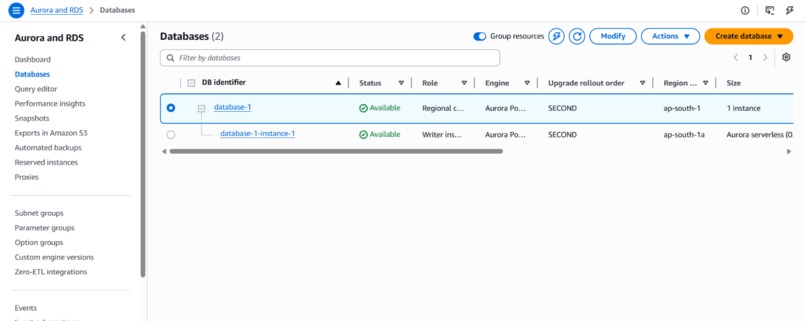
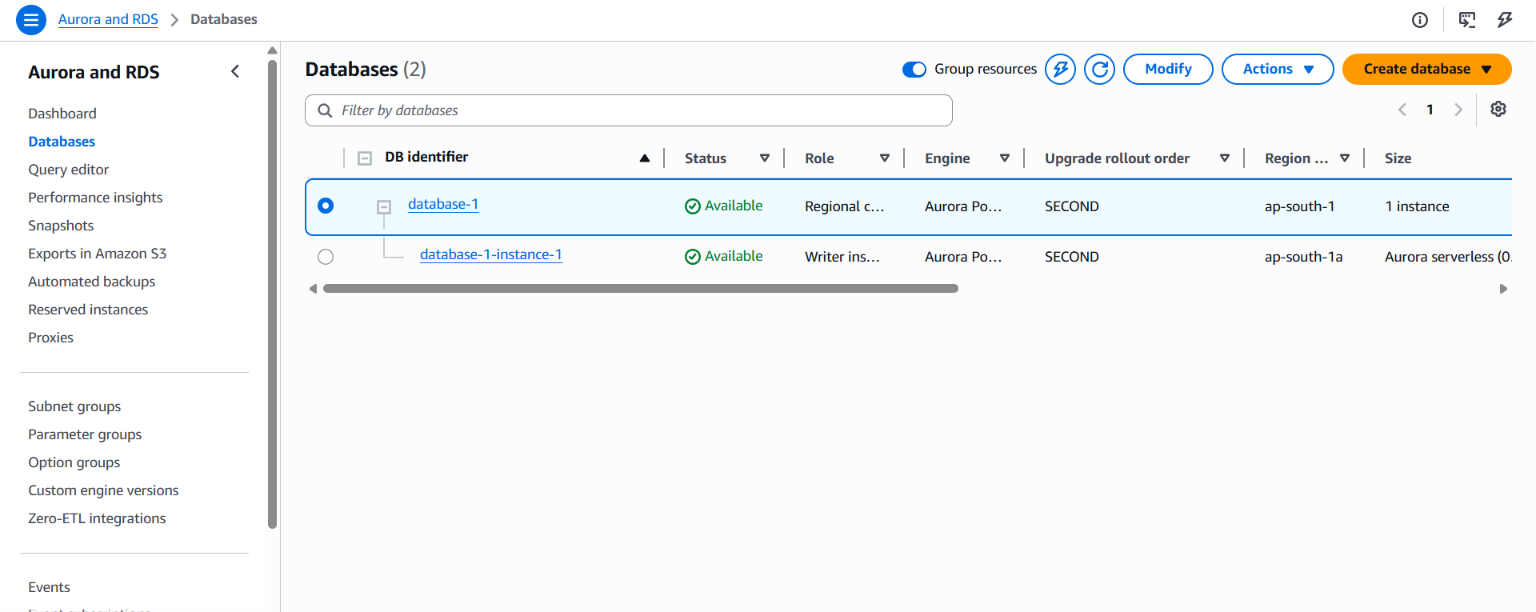
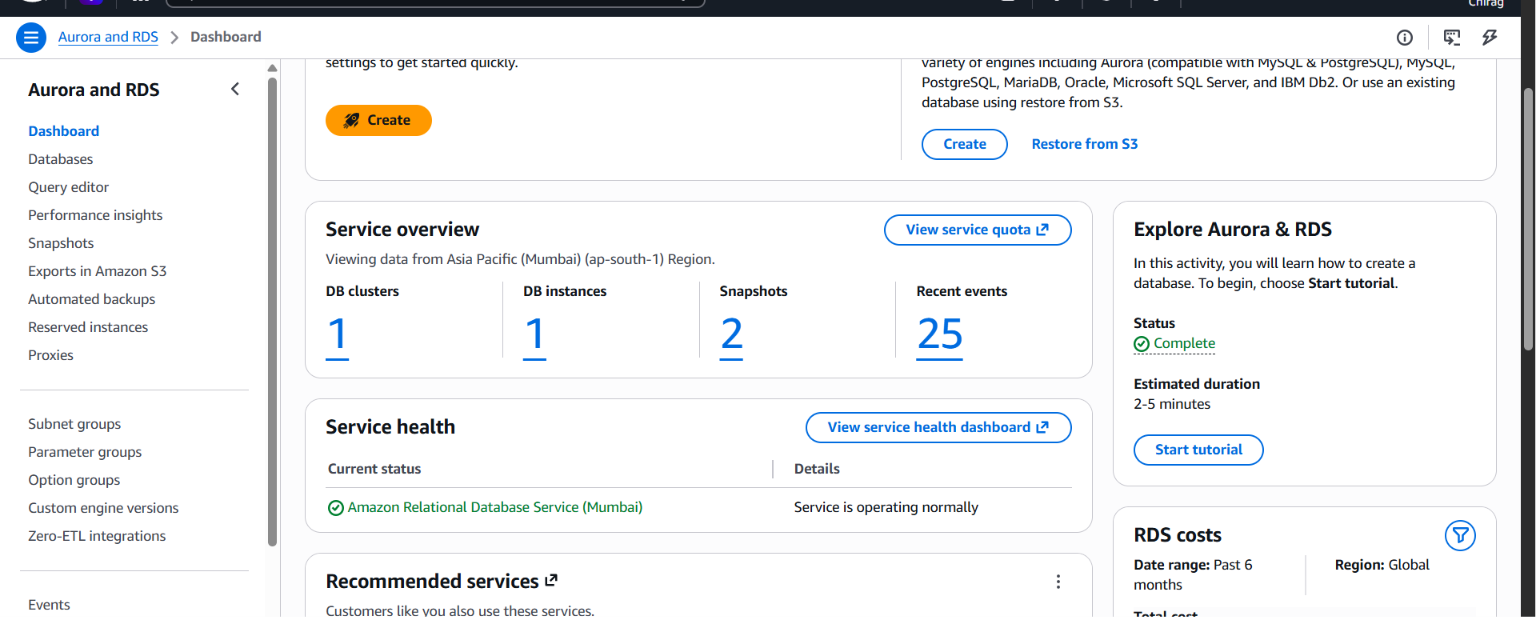
Amazon Aurora PostgreSQL Cluster
-
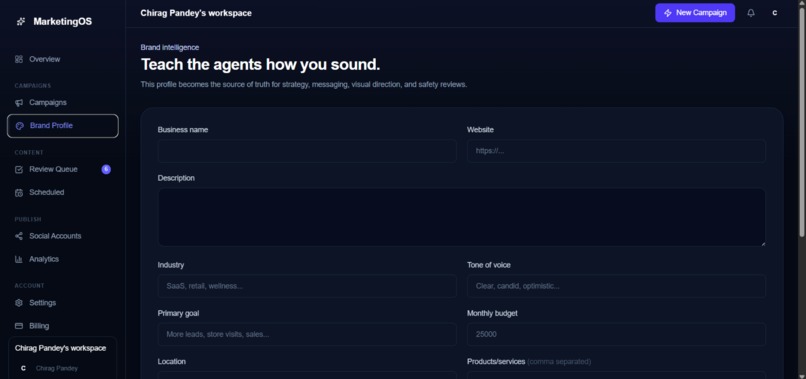
Campaign Analytics Dashboard
-
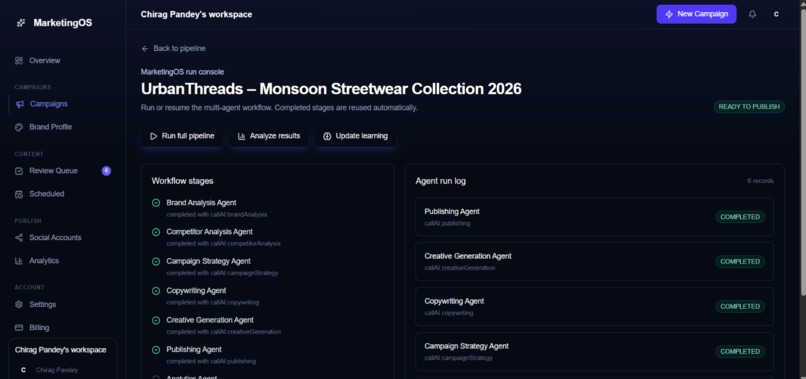
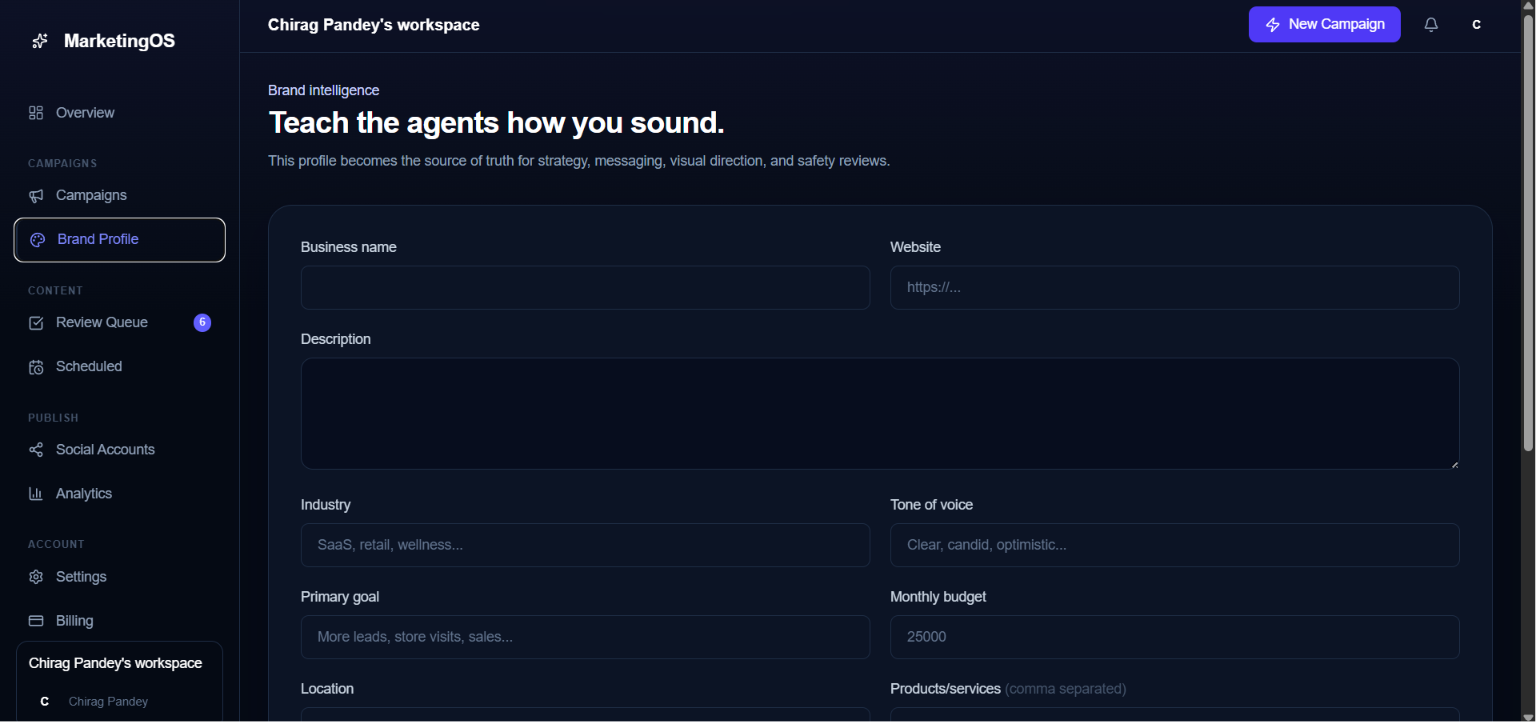
Brand Kit Management
-
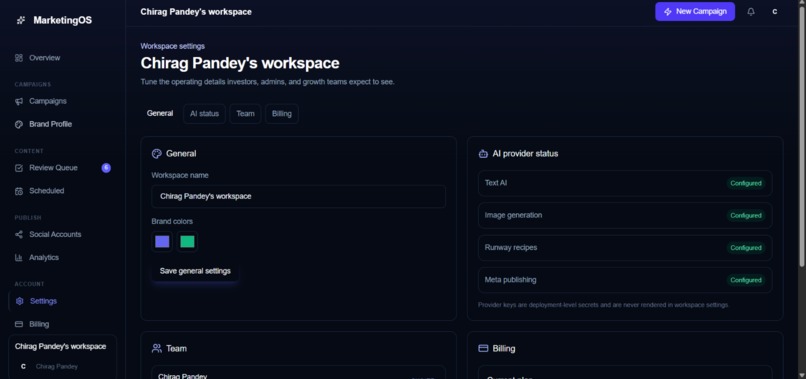
AI Creative Studio
-
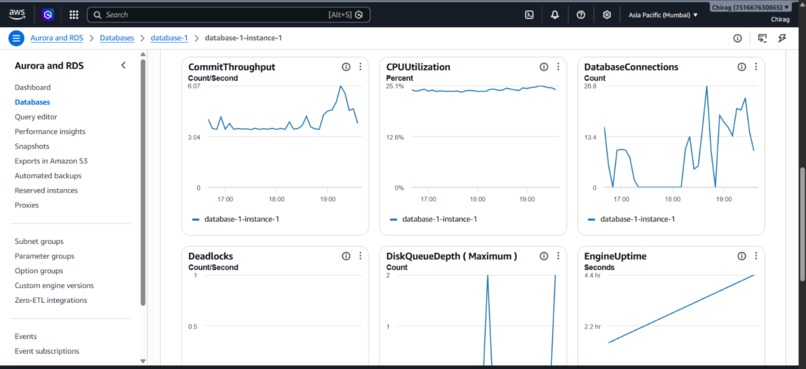
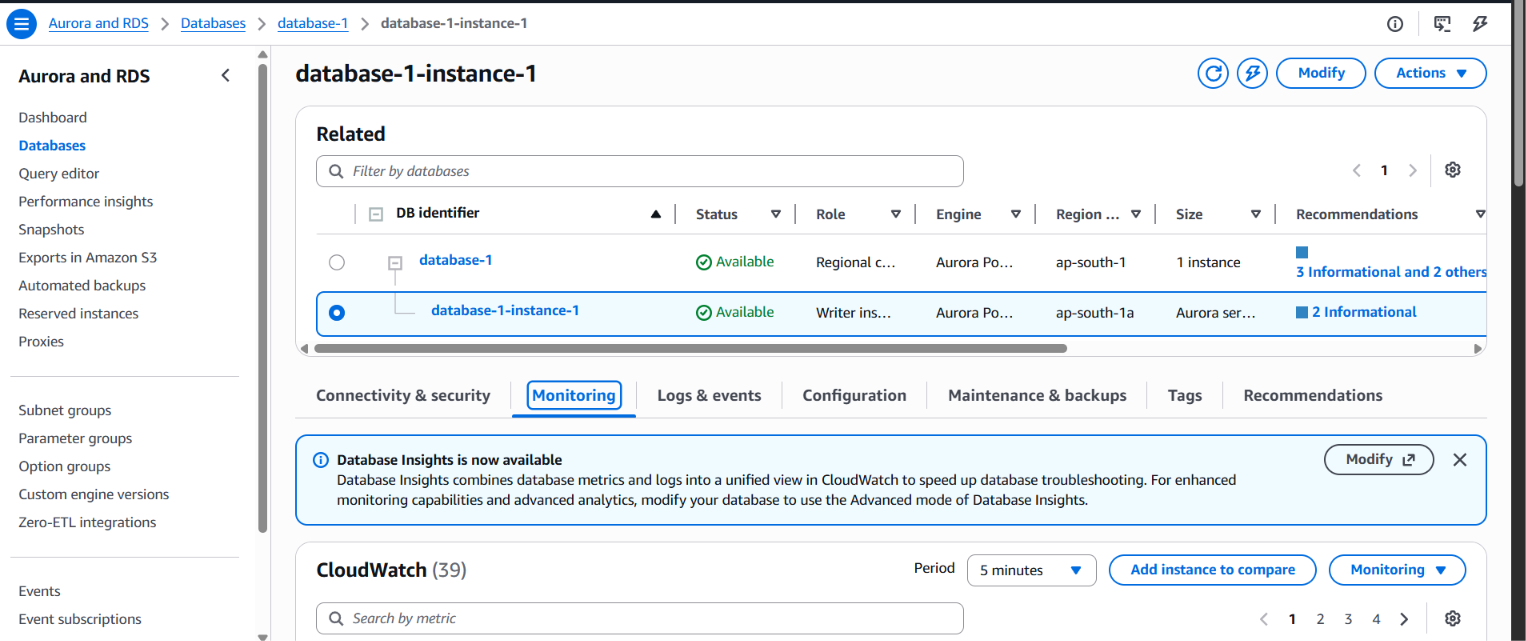
AWS Database monitoring
-
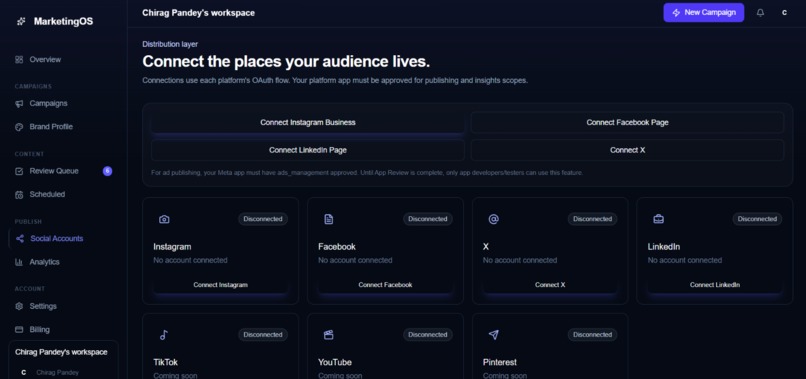
Social Media Publishing Workflow
-
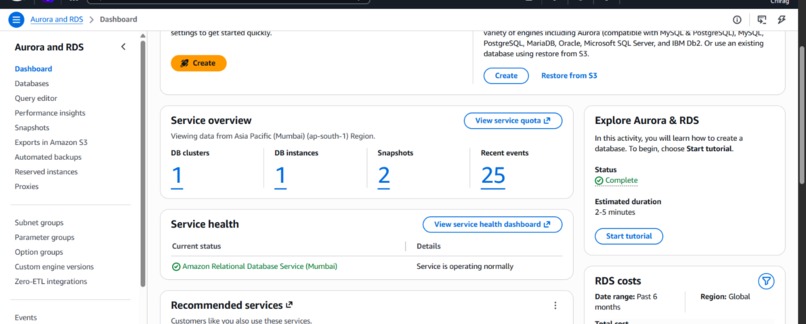
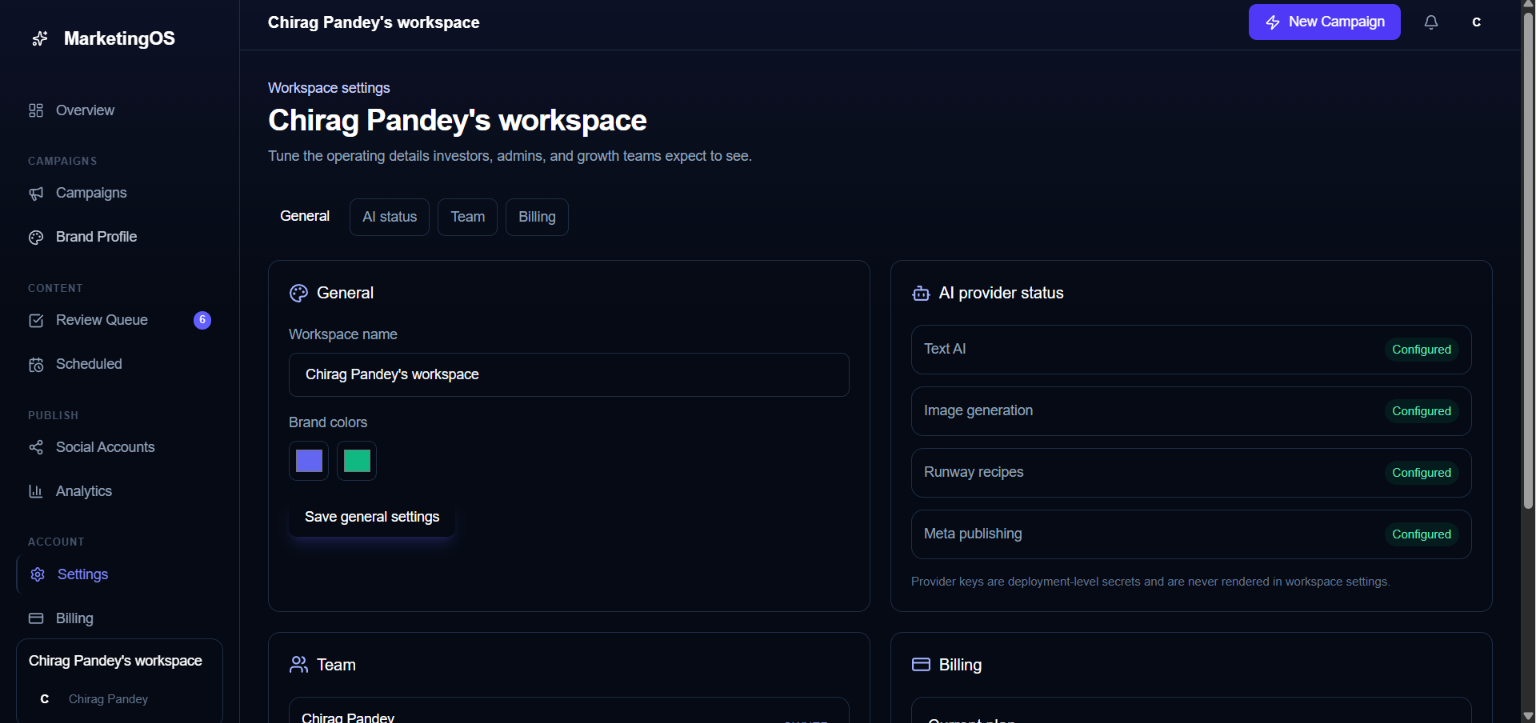
AWS & AI Integrations
-
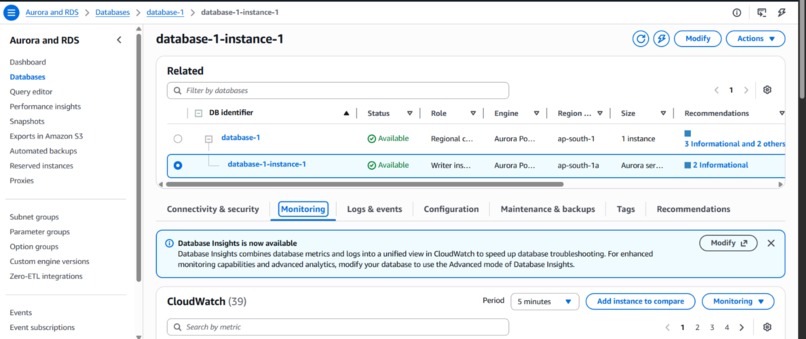
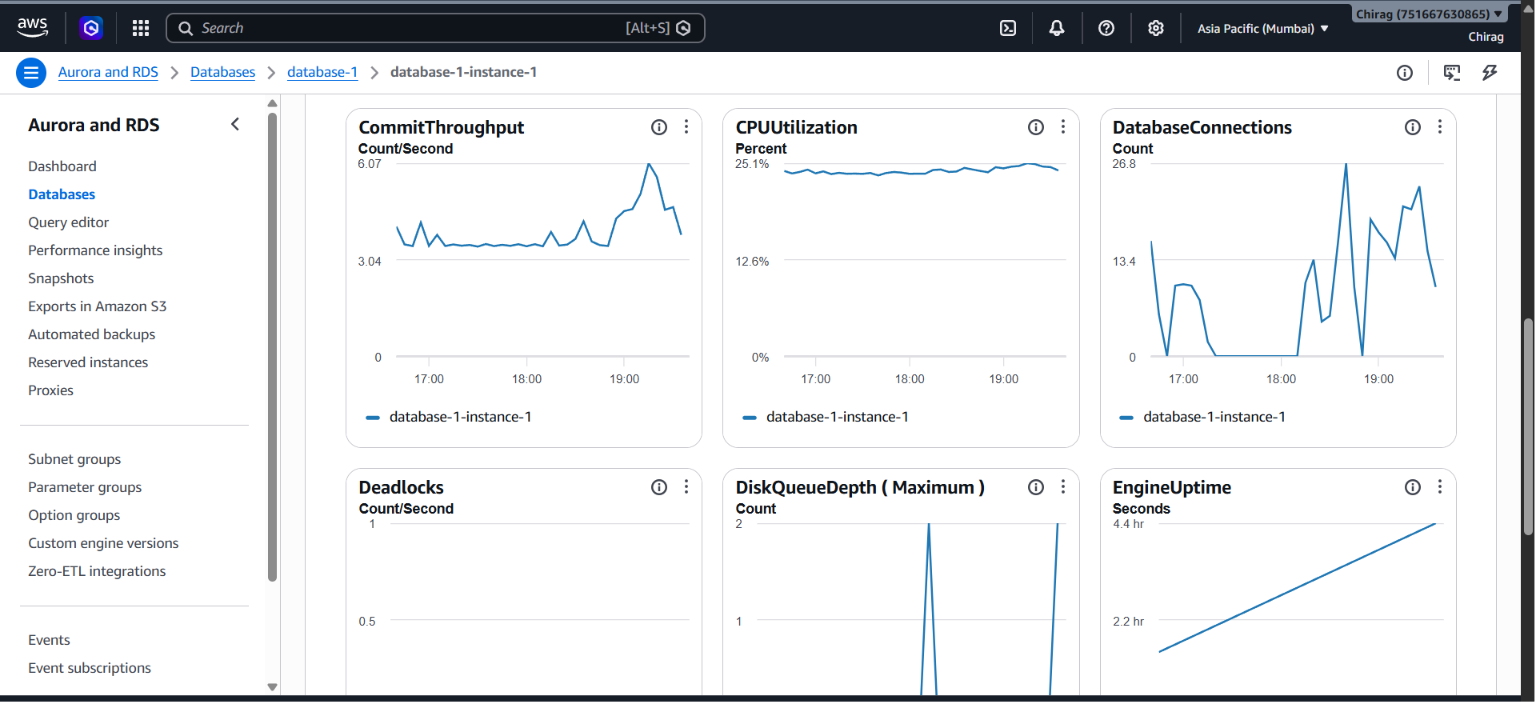
Amazon Aurora Monitoring Dashboard
-
-
MarketingOS AI
Inspiration
Small businesses often struggle to maintain a consistent online presence because marketing requires multiple skills—strategy, copywriting, graphic design, video creation, publishing, and performance analysis. Hiring an agency or a dedicated marketing team is expensive, while using multiple disconnected tools makes the workflow inefficient.
I wanted to build a single platform where a business owner could describe their campaign once and let AI assist with the entire marketing workflow.
That idea became MarketingOS AI.
What it does
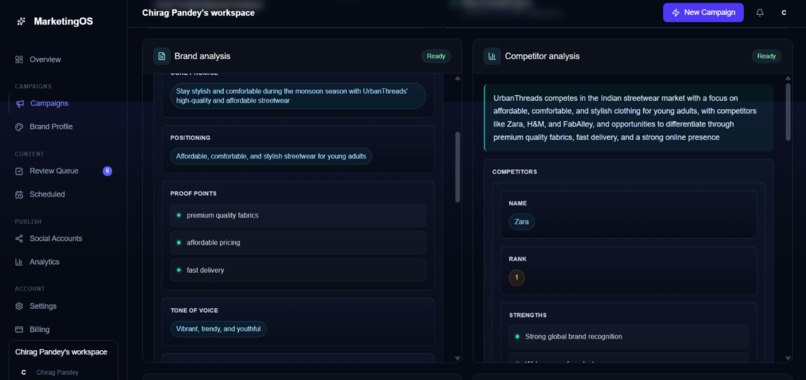
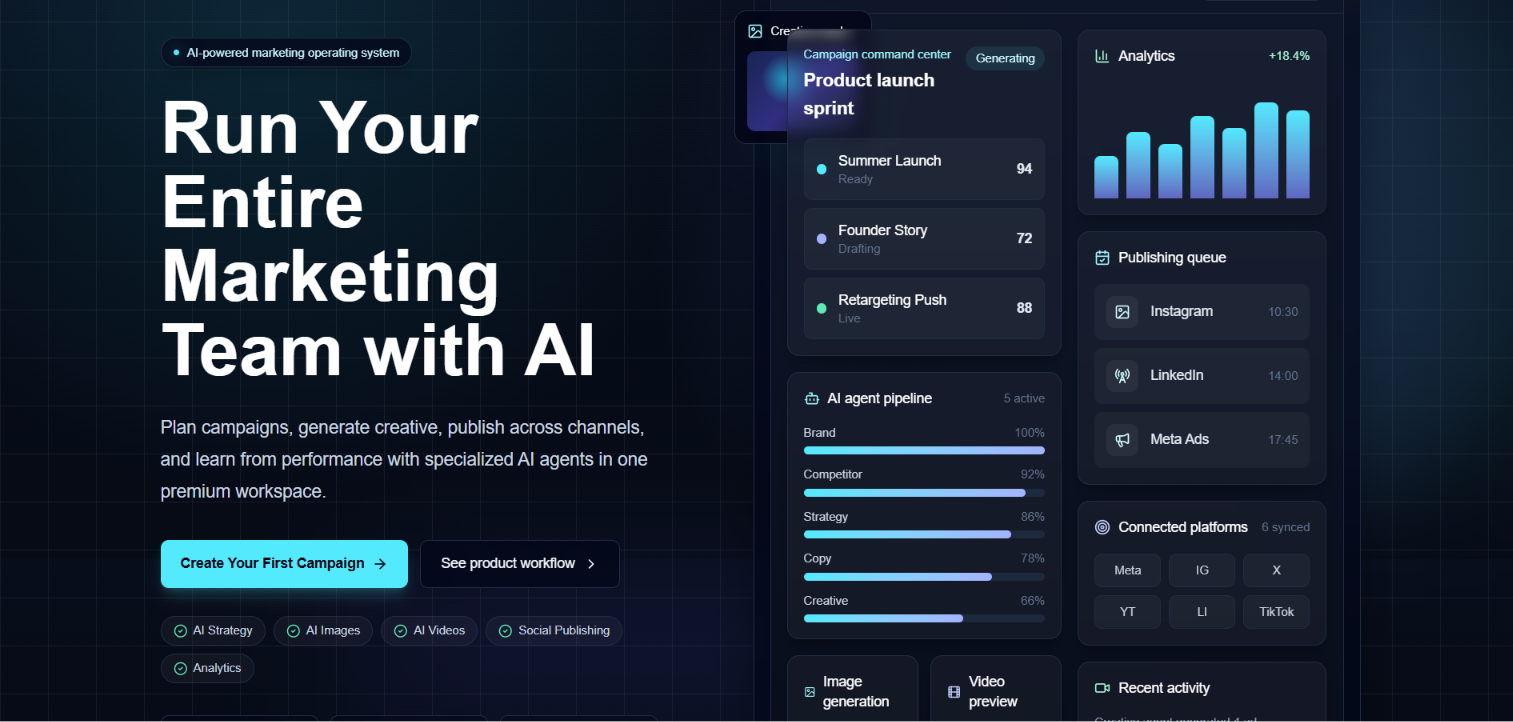
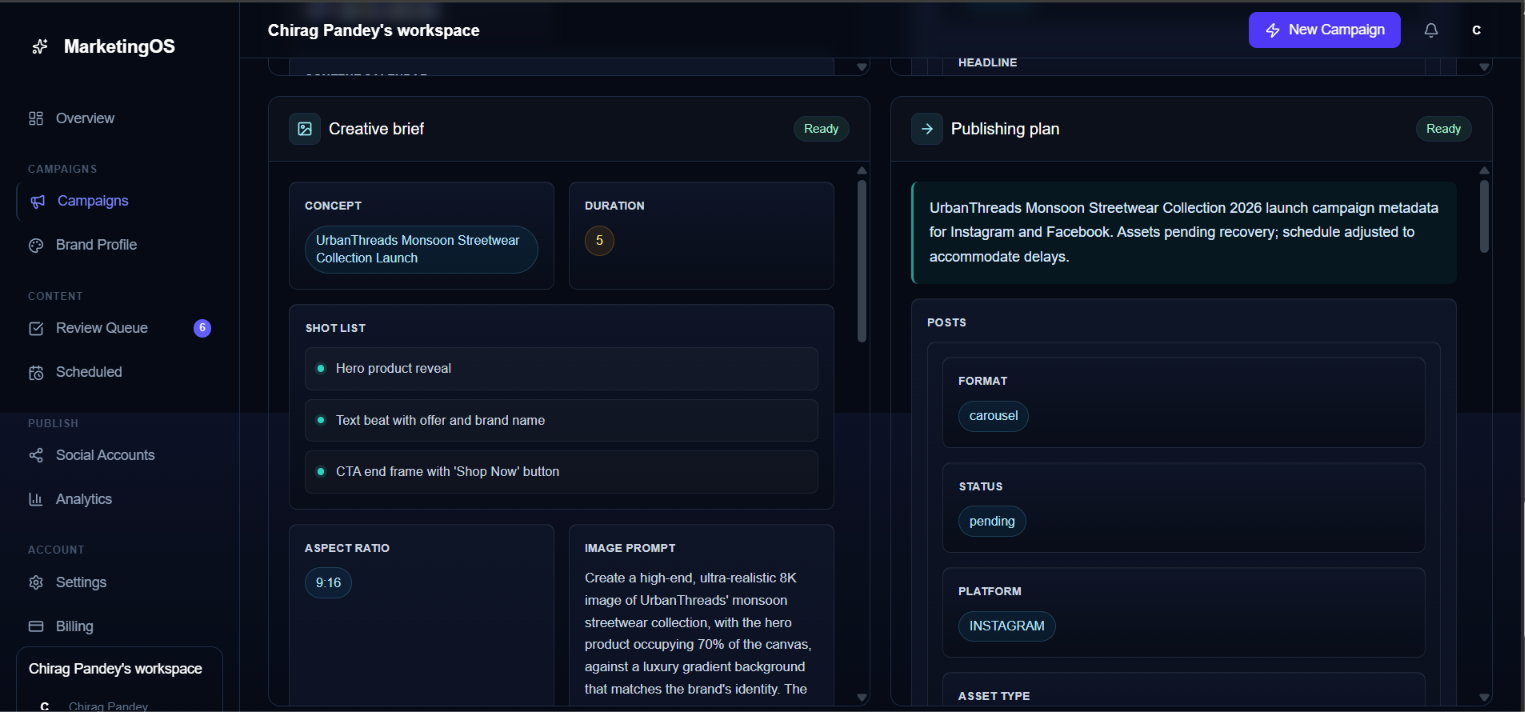
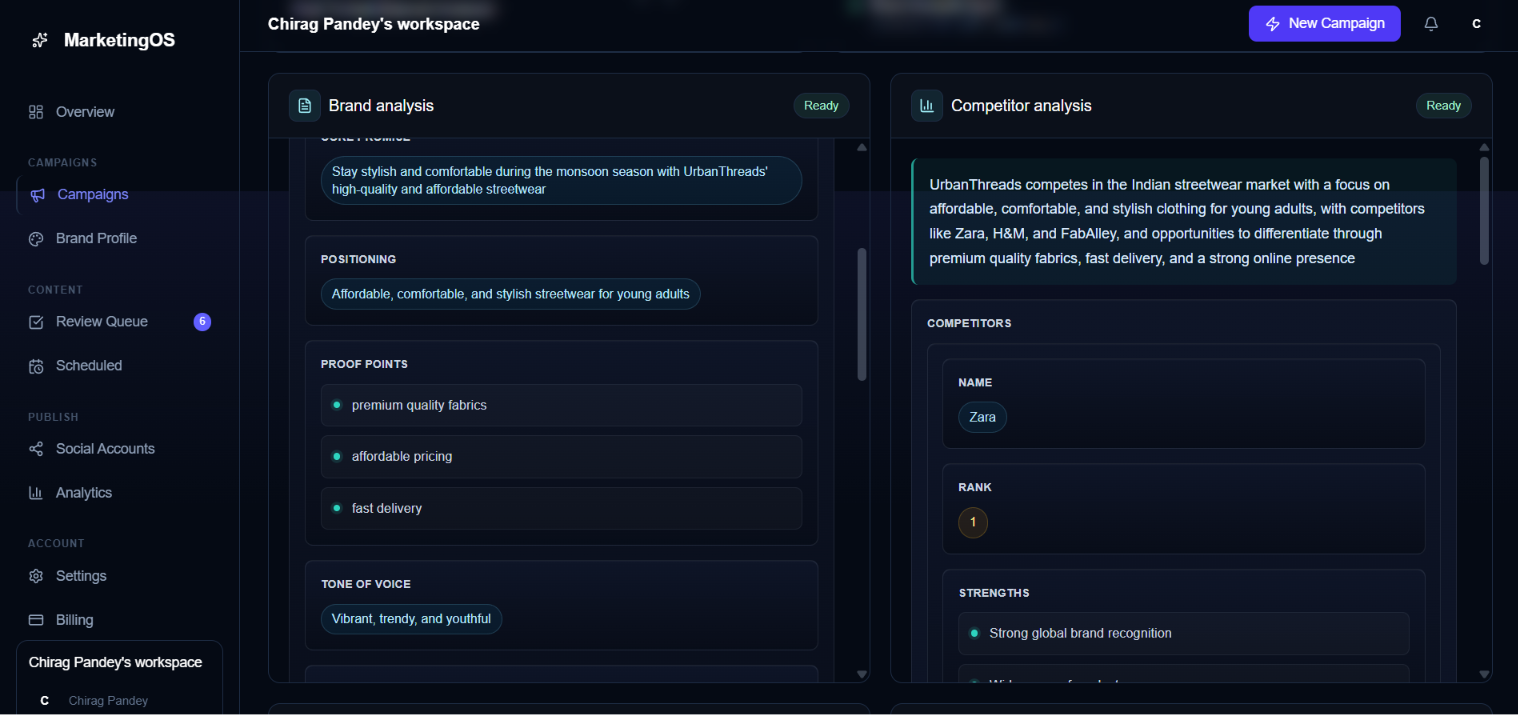
MarketingOS AI is an AI-powered marketing operating system that helps businesses plan and manage marketing campaigns from one dashboard.
A user can:
- Create marketing campaigns
- Define campaign goals and target audience
- Manage brand information
- Generate AI-assisted campaign strategies
- Organize creative assets
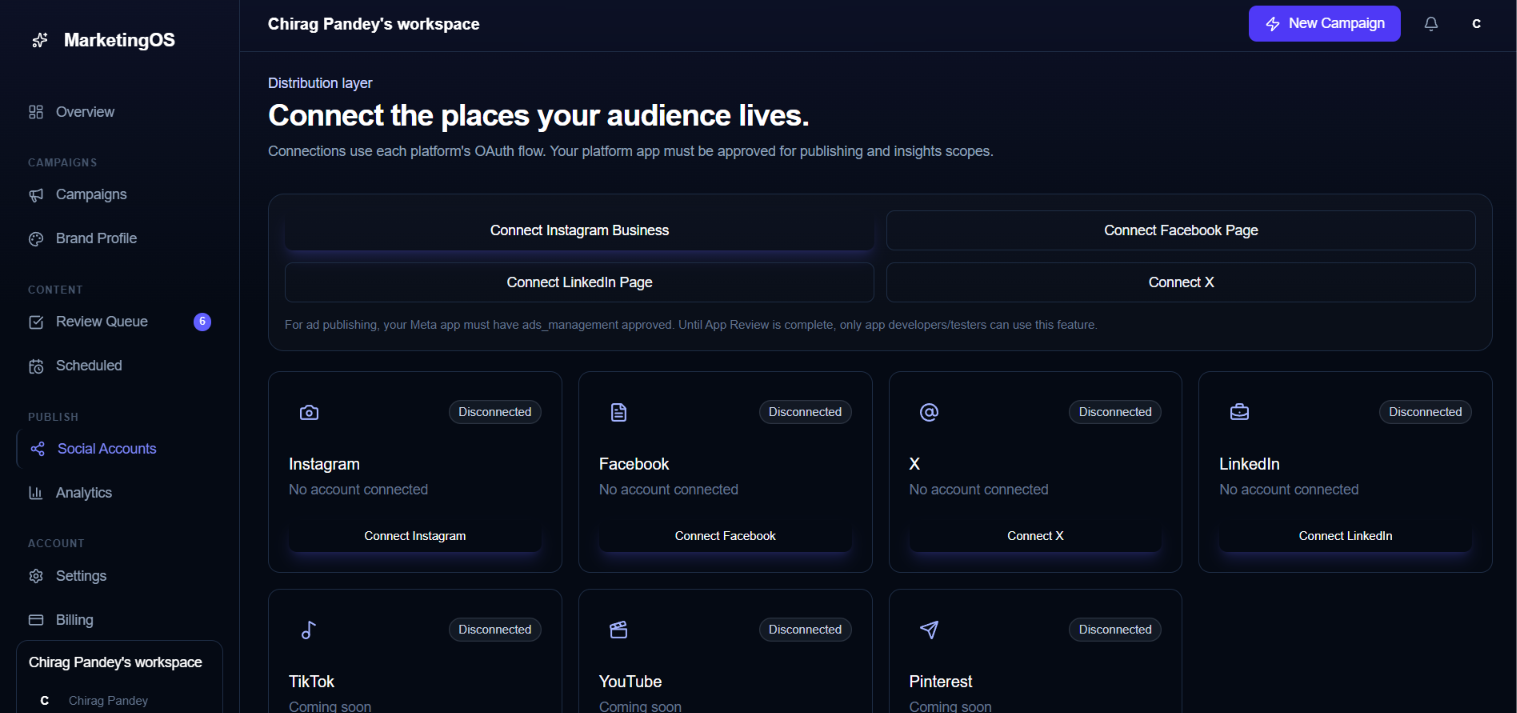
- Preview publishing workflows
- View campaign analytics
- Manage multiple campaigns from a single workspace
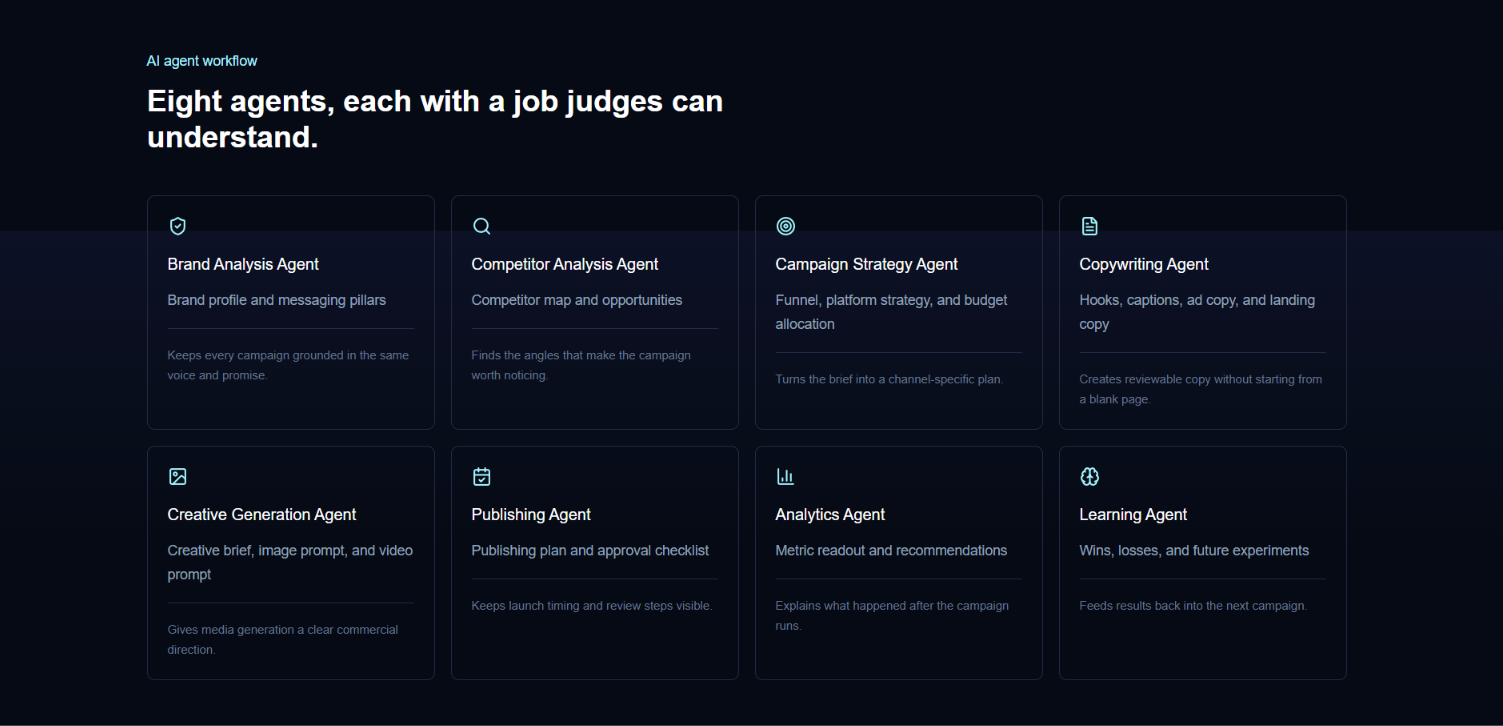
The application is designed as a foundation for an end-to-end AI marketing platform where multiple AI agents collaborate to automate marketing tasks.
How I built it
The application was built using a modern full-stack architecture.
Frontend
- Next.js 15 (App Router)
- TypeScript
- Tailwind CSS
- shadcn/ui
- v0 for rapid UI prototyping
Backend
- Next.js Server Actions
- API Routes
- Prisma ORM
Database
The application uses Amazon Aurora PostgreSQL as the primary database.
Aurora stores:
- Users
- Workspaces
- Campaigns
- Brand information
- Campaign metadata
- Publishing plans
- Analytics records
Aurora PostgreSQL was chosen because the project requires a scalable relational database with strong consistency, SQL support, and seamless integration with Prisma.
The application is deployed on Vercel, allowing rapid deployment and server-side rendering with Next.js.
Challenges I ran into
The biggest challenge was integrating multiple AI services into one workflow.
Some third-party APIs required paid plans or production access, making it difficult to demonstrate every planned feature during development.
Examples include:
- AI video generation
- Meta Ads publishing
Instead of removing these modules, I designed the application so the interfaces and workflow are already integrated, making it straightforward to enable them once production API access is available.
Another challenge was configuring Amazon Aurora PostgreSQL networking and securely connecting the database with Prisma and Vercel.
What I learned
This project helped me gain practical experience with:
- Building scalable applications using Next.js 15
- Designing reusable component systems
- Using Prisma with Amazon Aurora PostgreSQL
- Deploying production-ready applications on Vercel
- Database modeling for SaaS applications
- Structuring AI-powered workflows
- Planning cloud-based application architecture
I also learned how to balance product design, backend engineering, and cloud infrastructure within a single project.
Future Improvements
The long-term vision for MarketingOS AI includes:
- Fully automated AI-generated image creation
- AI video generation
- Meta Ads campaign publishing
- Multi-agent orchestration
- Learning-based campaign optimization
- Real-time analytics synchronization
- Support for additional social media platforms
- Team collaboration and approval workflows
The goal is to evolve MarketingOS AI into a complete AI-powered marketing operating system for startups, agencies, and small businesses.
Built With
- actions
- amazon
- amazon-web-services
- aurora
- css
- docker
- framer
- github
- lucide
- motion
- next.js
- node.js
- postgresql
- prisma
- rds
- react
- server
- shadcn/ui
- tailwind
- typescript
- vercel
- zod


Log in or sign up for Devpost to join the conversation.