-
-
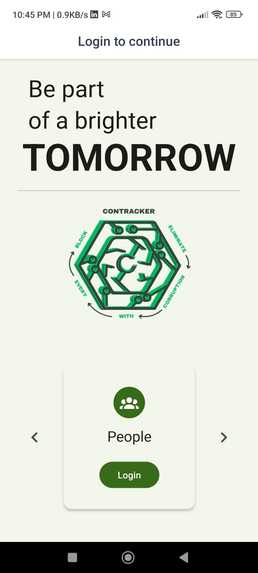
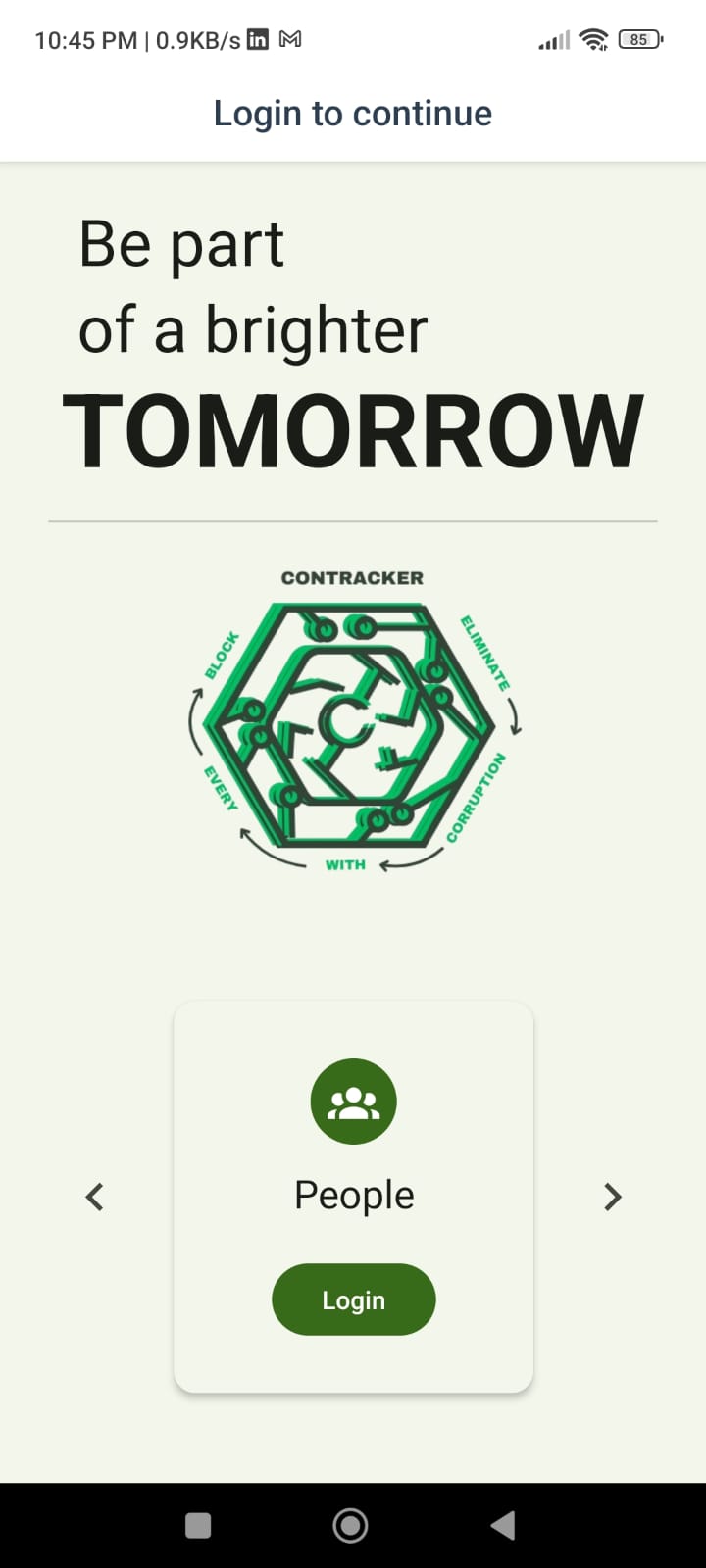
Login
-
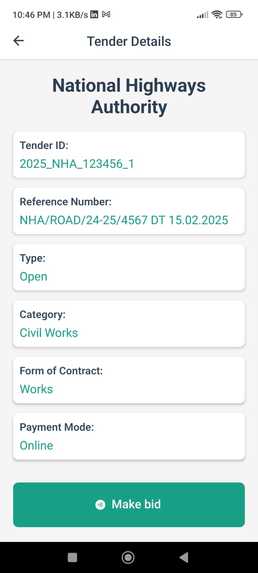
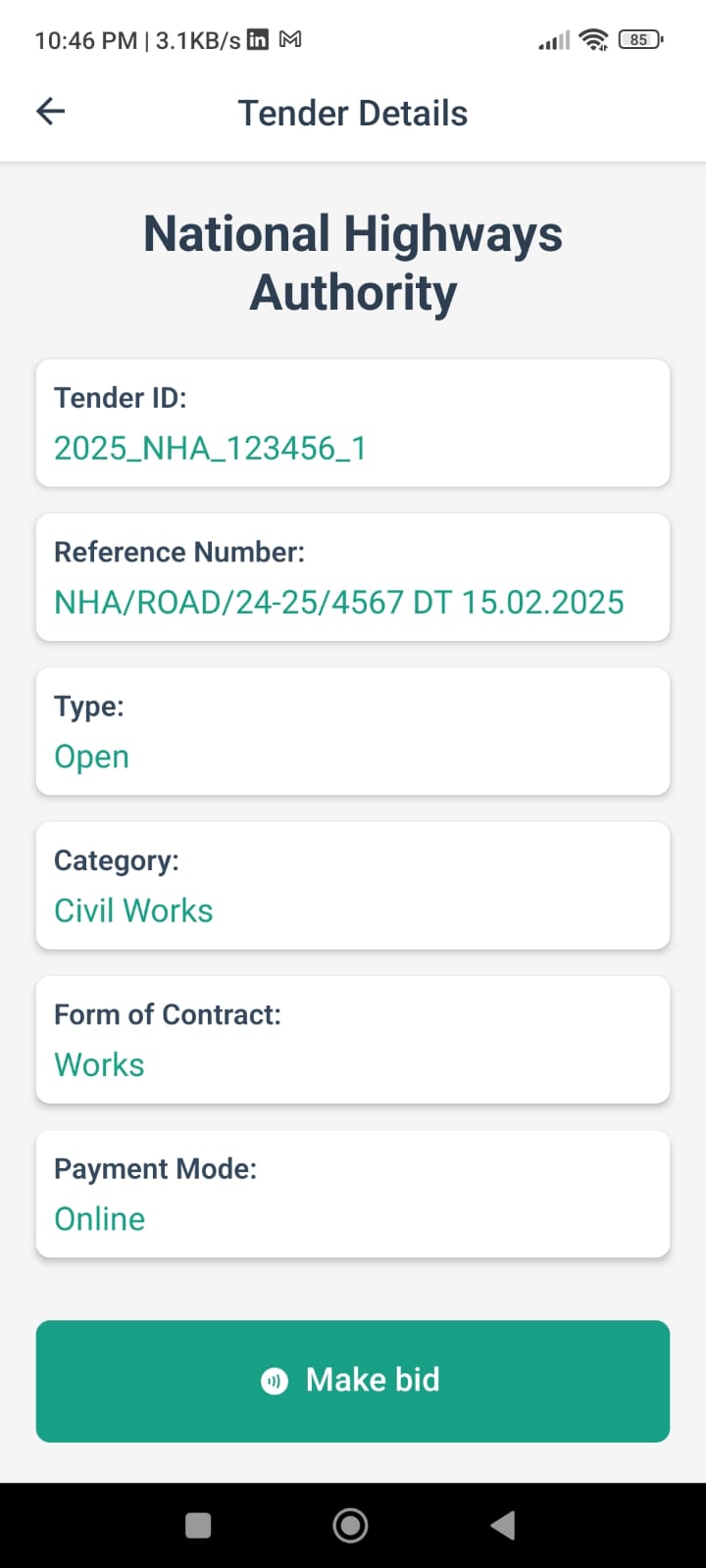
Tender details
-
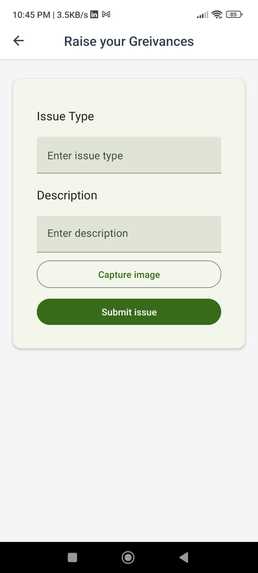
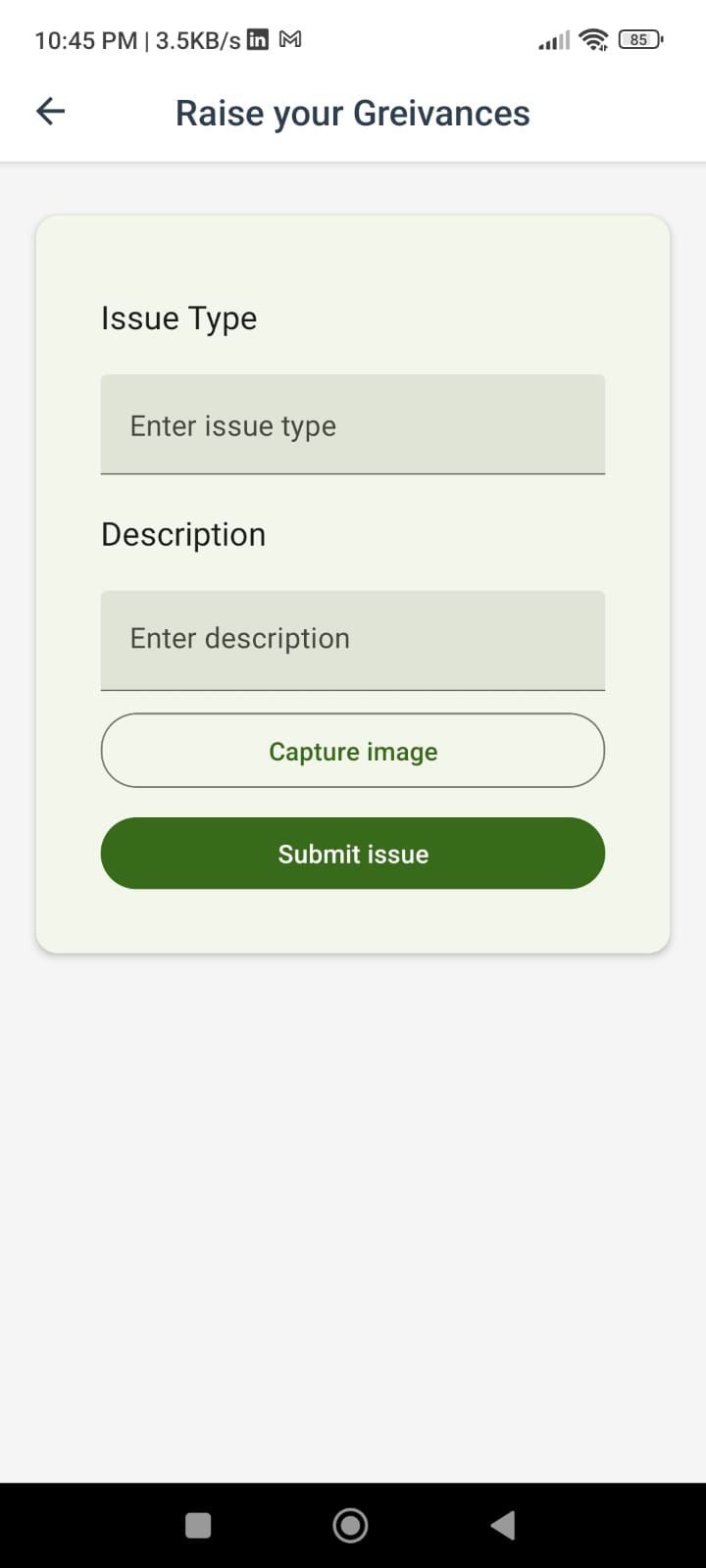
Issue reporting by public
-
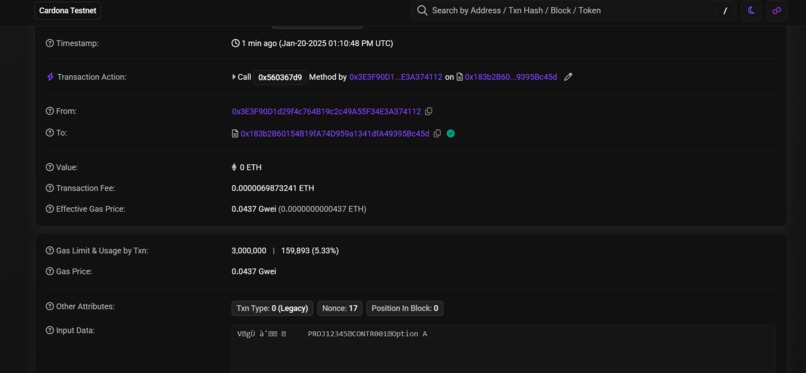
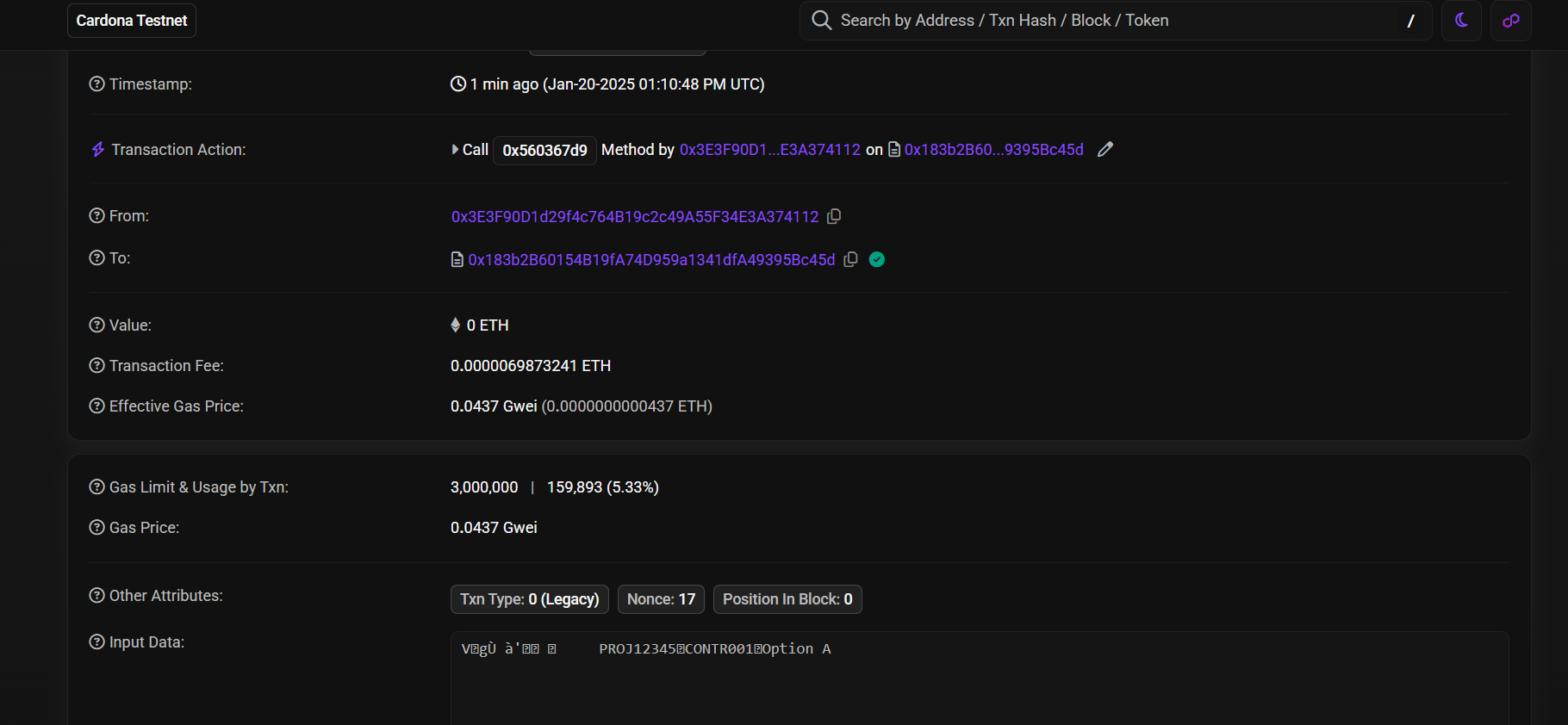
Accessing smart contract deployed in polygon
Inspiration
Public dissatisfaction due to corruption and inefficiency in government tender processes and public works projects inspired us to take action. The lack of a fail-proof mechanism for transparency in tender allocation, verification of spending, and project completion reporting called for an innovative solution to build trust and accountability.
What We Learned
We gained hands-on experience with Web3 technologies, blockchain integration, and the nuances of decentralized systems. Along the way, we learned about the challenges of implementing a transparent and tamper-proof system that could balance the needs of various stakeholders, including the government and citizens.
How We Built It
Our blockchain-based system was developed with the following tech stack:
- Frontend: React Native, MetaMask
- Backend: Node.js, Web3.js, MongoDB
- Blockchain: Ganache, Polygon, Alchemy
- Smart Contracts: Solidity, Truffle
Key Features:
- Citizen Issue Reporting: Users can log public issues (e.g., road damage, waterlogging) and vote on those reported by others.
- Blockchain Voting System: Issues surpassing a set vote threshold are added to the blockchain for tamper-proof documentation.
- Transparent Tender Allocation: Governments respond with proposed solutions and release tenders visible to all stakeholders.
- Tamper-Proof Expenditure Logging: Contractors log expenditures as immutable blockchain records.
- Project Validation: Government panels and citizens vote on project completion for accountability and satisfaction.
- Geo-Fencing: Issues are tagged with exact geolocations, ensuring fair voting based on proximity.
Challenges We Faced
- Weighted Voting System: Designing a mechanism to assign different weights to stakeholder votes without compromising fairness.
- Blockchain Scalability: Handling the high volume of transactions and ensuring cost-effective operations on the Polygon network.
- Consensus Mechanisms: Implementing a 51% majority rule for decision-making across diverse voting scenarios.
Impact
Our system transforms citizens from passive observers to active participants in governance. By eliminating corruption and prioritizing grievances, resources are allocated efficiently, fostering ethical business practices and improving trust in government processes.
Built With
- mongodb
- node.js
- polygon
- react-native
- solidity
- truffle
- web3-js


Log in or sign up for Devpost to join the conversation.