-
-

1. Landing Page
-
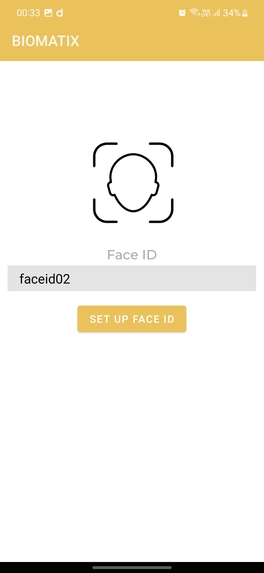
2 . Face Id enrollment
-
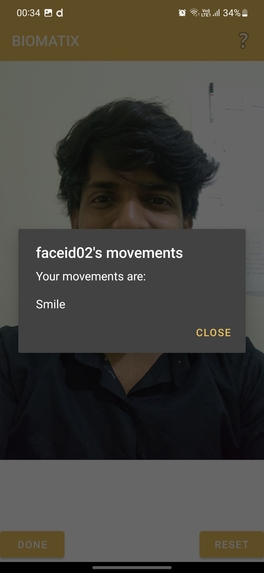
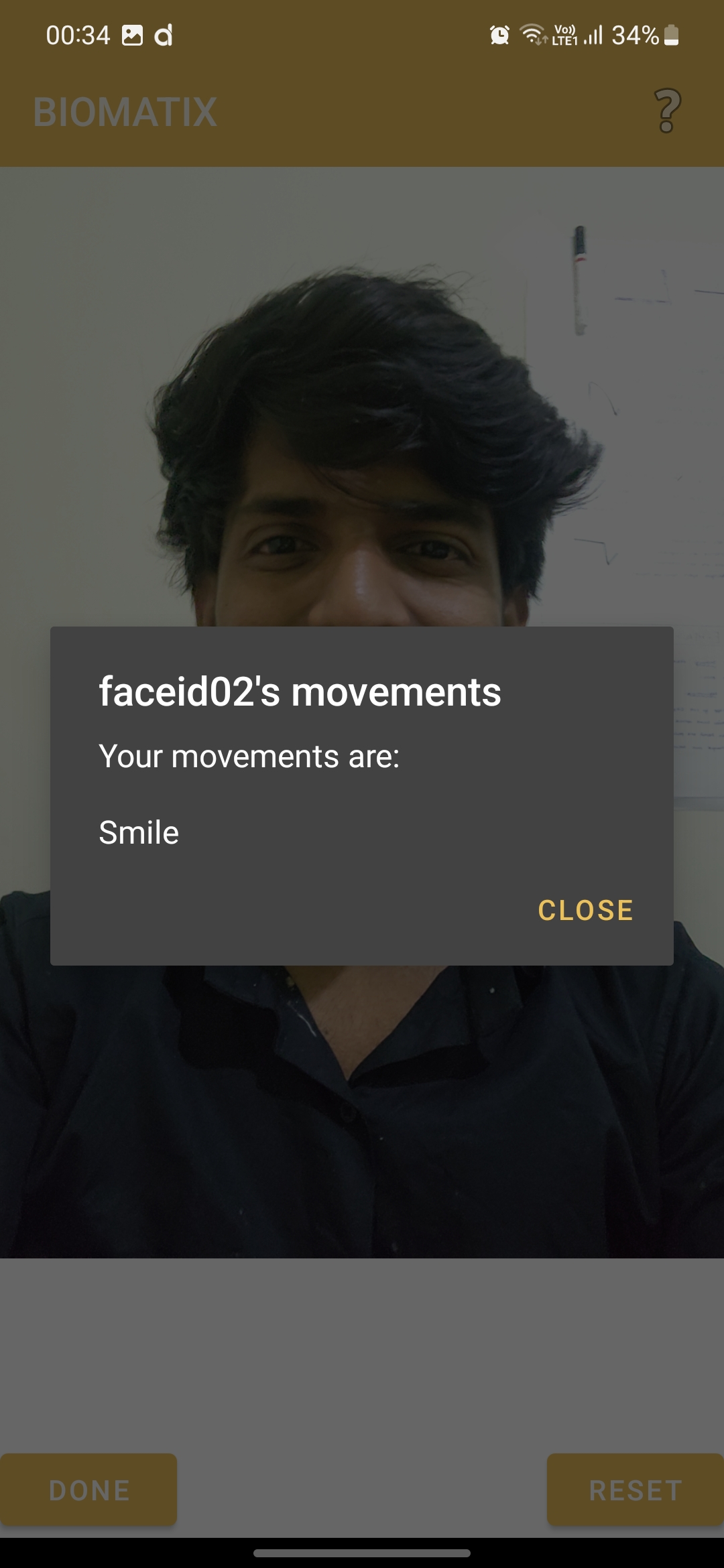
3. Motion Pattern Register
-
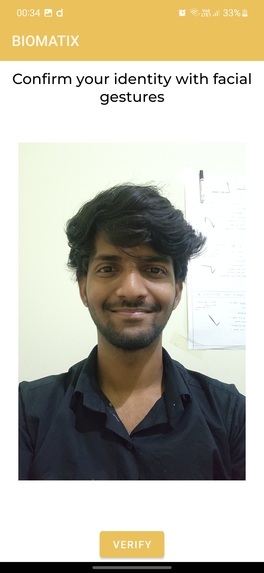
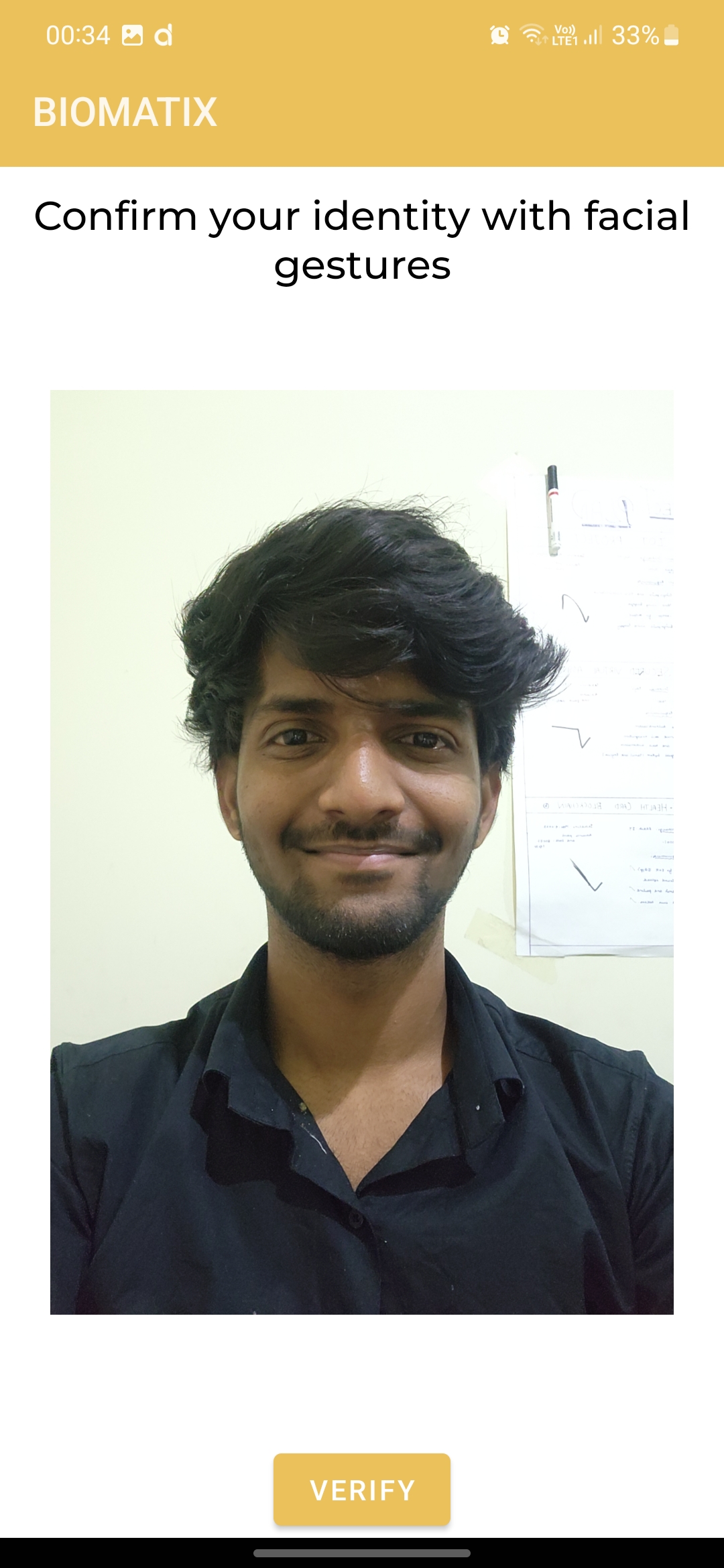
4. Continuous Face and Pattern Recognition and Verfication
-

5. Continuous Authentication Successful


Brief Description of the Problem
While the need to protect sensitive and secure data of individuals and organizations is at an all-time high, the evolving dynamics of the attacks in cybersecurity is rendering most of the existing authentication techniques vulnerable. Weak passwords are easily broken, and stronger ones are not memorable and practical in this busy world. Many of them are proven to be inefficient and to add overhead to the users. Existing biometrics techniques are mostly static and can be replicated by an adversary. Deepfakes and other advanced techniques are also bypassing the latest liveness detection methods
Brief Description of the Invention
The proposed invention uses continuous motion pattern to tackle the issues in the existing authentication techniques to provide a seamless user experience to the end user to efficiently access secure data and for the organizations to ensure that sensitive data is accessible only by the meant individual. This next level of secure digital identity is made possible by detecting details about continuous movement of face, eyes, and voice to provide a unique biometric identity and verifying all these simultaneously in conjunction with an additional color-coding technique to ensure multi-factor and several customizable layers of security in authentication Any non-human or tampered biometric input including impersonation by a similar looking individual is also deterred by the proposed way of authentication.
Novelty
• Biometric motion pattern authentication with focus on simultaneous detection of behavioral features and movements.
Utility
• Enables distinctive and secure authentication verification in case of similar/identical looking individuals. • Strengthens each stage of authentication – Enrollment, recognition, and verification via continuous check of active liveness and individual traits. • Multifactor authentication via customized pattern for enhanced security. • Customizable levels of security depending on the sensitivity of the use cases. • Active liveness detection throughout the authentication phase.
State of the Art
Current biometric authentication solutions are based on comparison of one or more biometric characteristics of an individual including Fingerprint, Eyes, Voice, Face, Vein, and even Behavioral biometrics. Other existing authentication methodologies use text-based passwords, PIN, or pattern. Though the variety of detection techniques have evolved, become more accurate and secure over time, most of them still rely on static recognition of the biometric features or are predictable and are plagued by security concerns such as shoulder surfing, impersonation and needing to have physical contact with detection devices. The proposed solution is foundationally using MOTION PATTERN to recognize any biometrics presented to securely integrate the advantages of biometric recognition and pattern like password providing best of both worlds.
Applications of the proposed solution
Usually, the type of biometric authentication to be deployed and used depends on the level of security needed for various use cases. In the proposed solution, this is configurable and easily customized. The level of security decides the number of verifications that must take place simultaneously and whether random color coding is implemented or not. Active liveness is detected throughout the enrollment and verification process to ensure the user is always present and is not a static image. Case I: For low security: The number of features that must be authenticated are a minimum of two i.e., facial features and the motion pattern made by the face. Motion pattern includes turning left, right, up or down, tilting the head left or right, smiling, iris movements. User's unique motion pattern could be as simple as tilting the head left or right which will be verified during the authentication process. The face and the motion pattern set by the face is detected and verified and the user is allowed access. Case II: For medium security: The number of authentication factors can be increased from two to four-adding simultaneous voice and speech verification to the existing facial features and motion pattern. The user must do the set motion pattern which could be a series of multiple patterns and say a unique word, which the user had set during enrollment. The algorithm recognizes the face, the motion pattern done by the face, the speech, and the voice and only then it authorizes the user to access the system.
What's next for Continuous Authentication using Behavioral Biometrics
For high security: Random color coding can be implemented along with other factors. It is an additional security feature in which the user chooses 2 colors of their choice during enrollment. The 2 colors have different meanings which only the authorized user will be aware of. Color 1: Indicates that the motion pattern set by the user must be done in the same order as set by them Color 2: Indicates that the motion pattern set by the user must be done in the reverse order. Facial features, a sentence, an elaborate series of motion patterns along with random color is simultaneously used for verification to allow access to highly secure facilities or software applications.
Built With
- android-emulator
- android-studio
- kotlin
- sqlite


Log in or sign up for Devpost to join the conversation.