-
-
Continuity Mirror: plan how you'll look through treatment, before it starts.
-
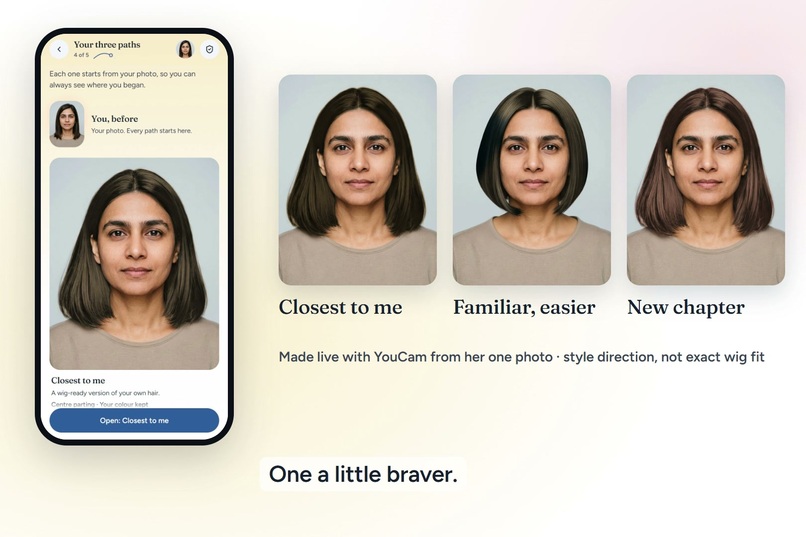
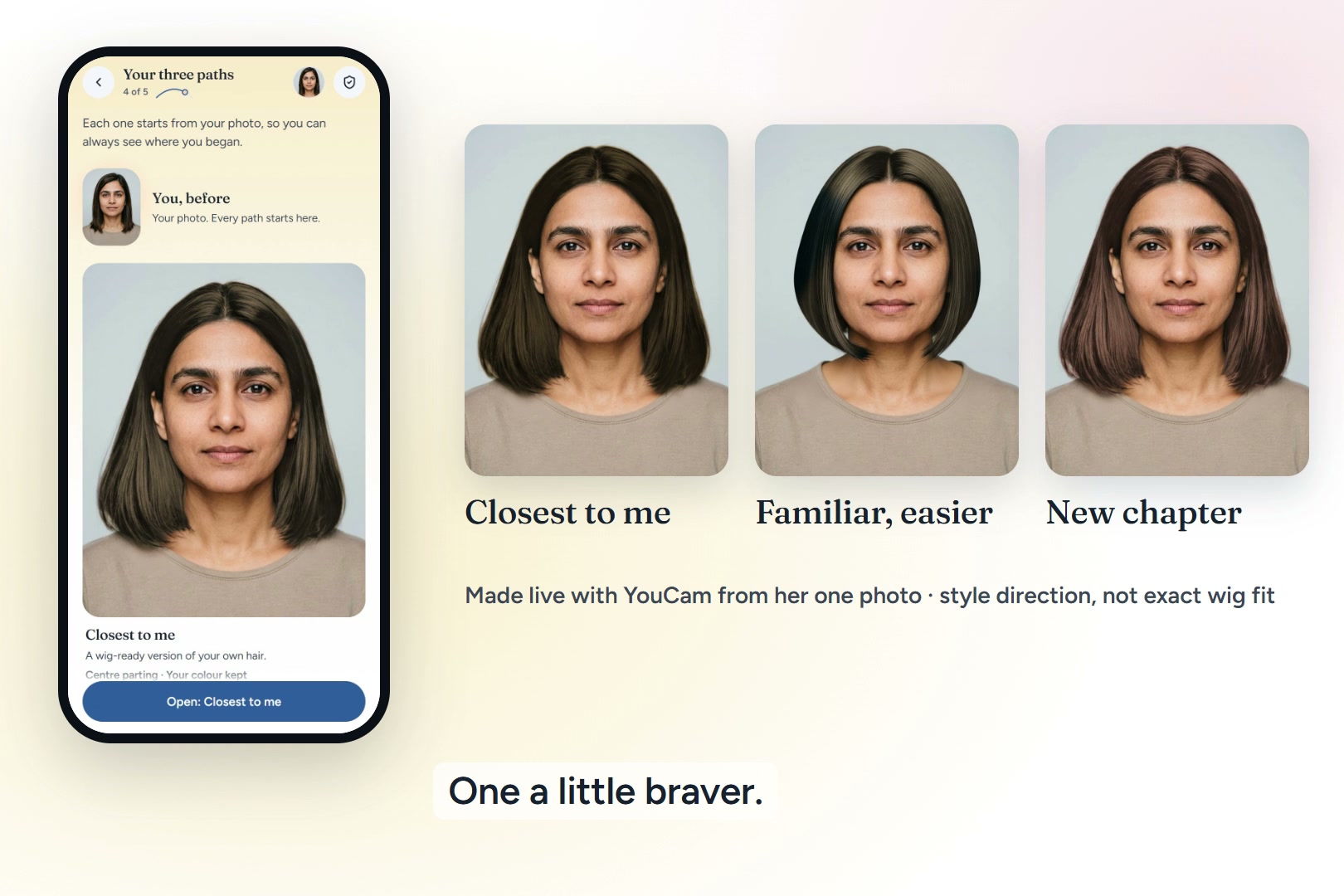
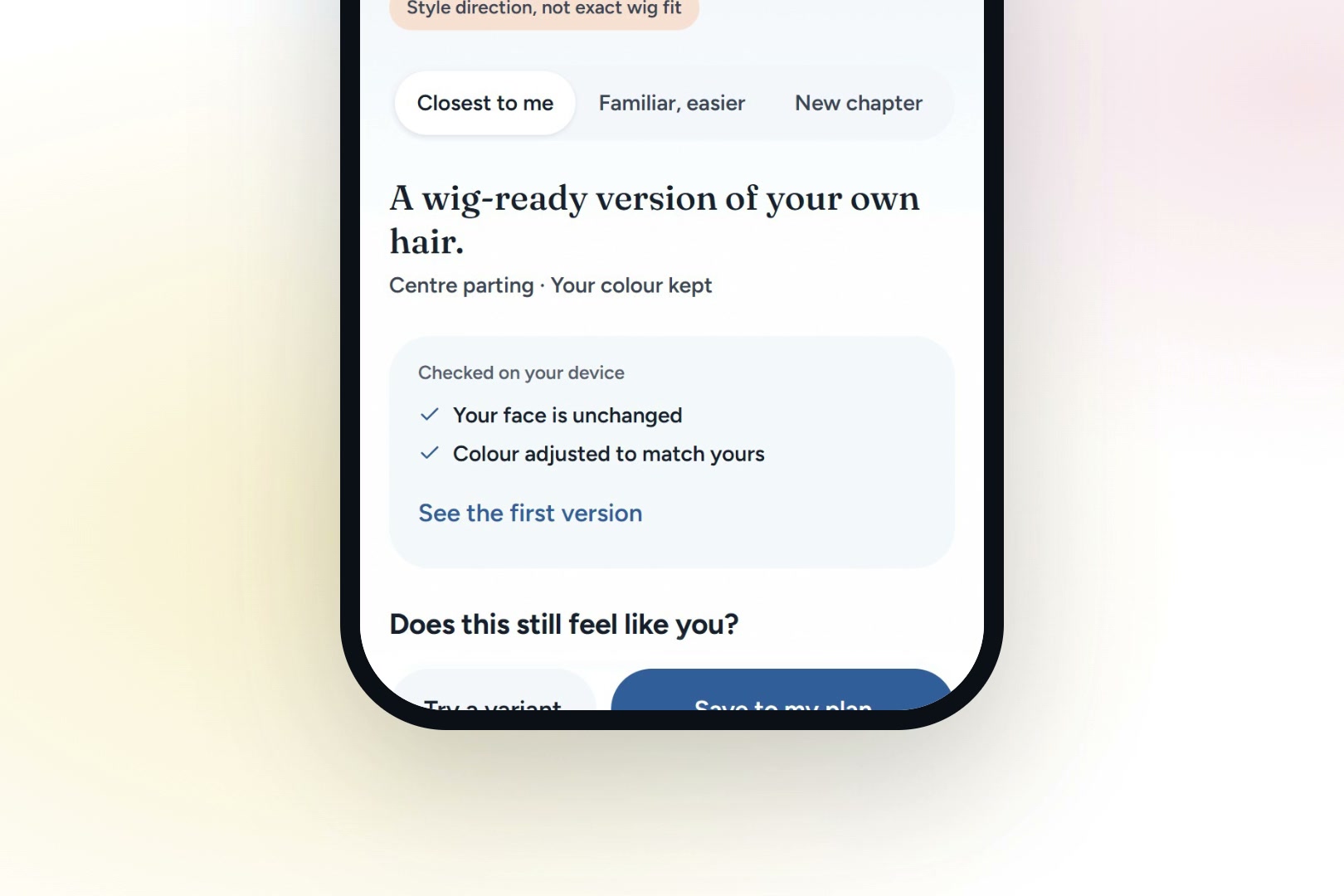
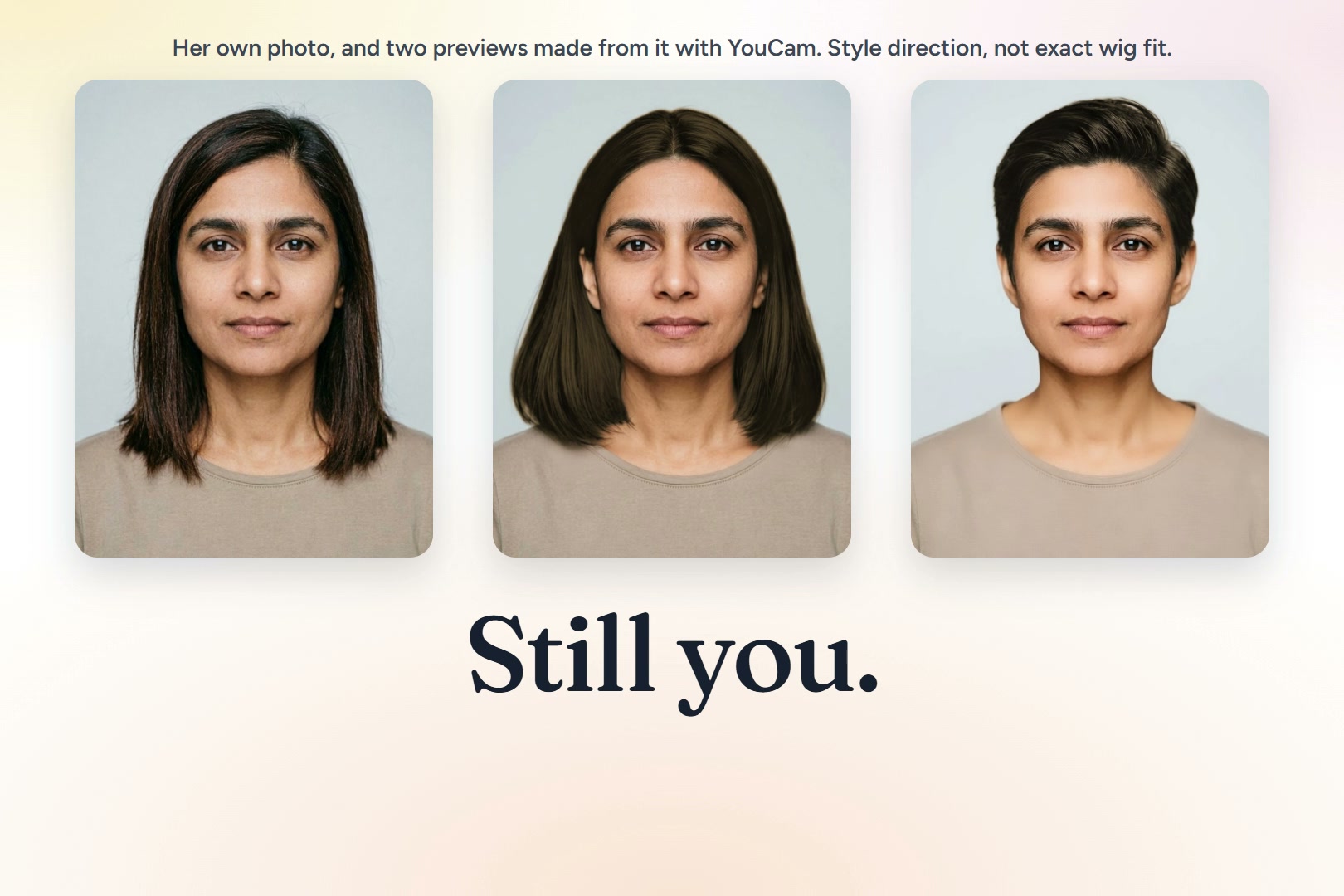
Three paths made live with YouCam from one photo: Closest to me, Familiar easier, New chapter.
-
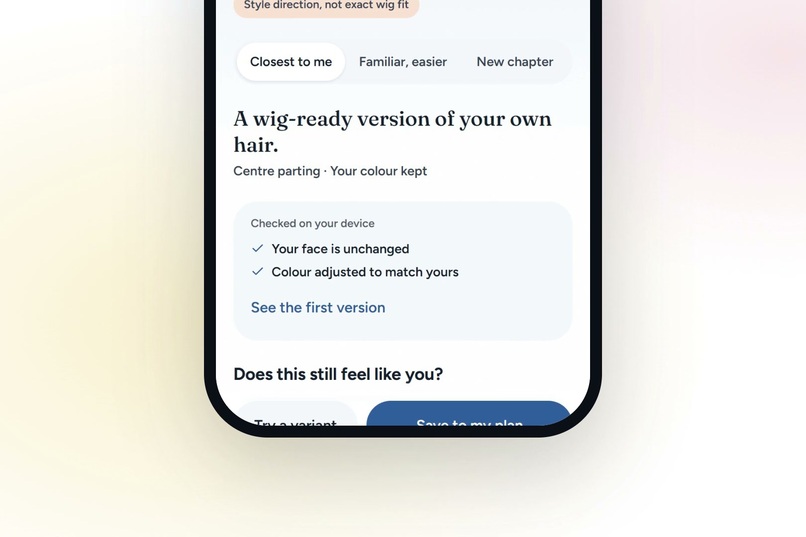
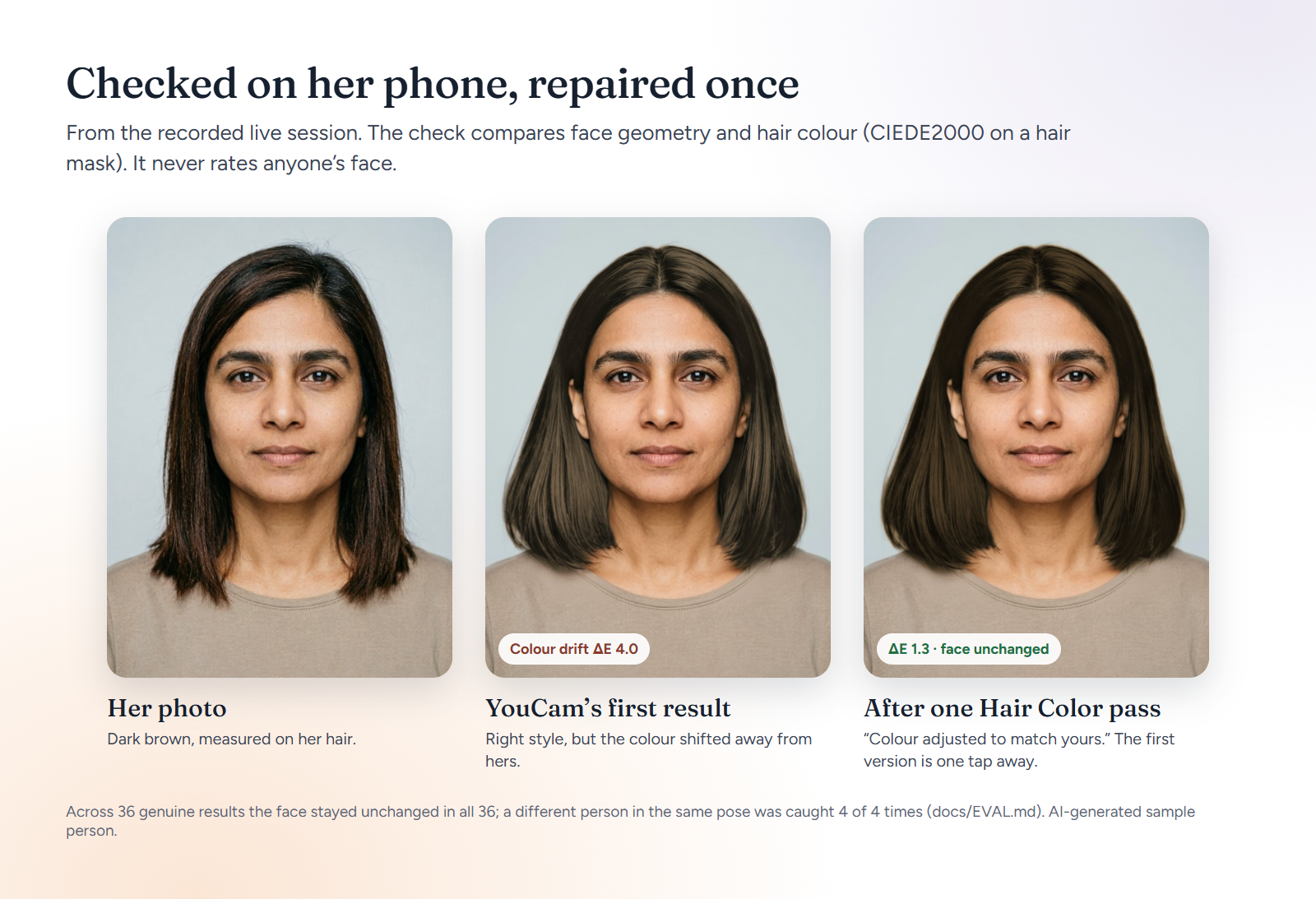
Checked on the phone: face unchanged, colour adjusted back to her own with one Hair Color pass.
-
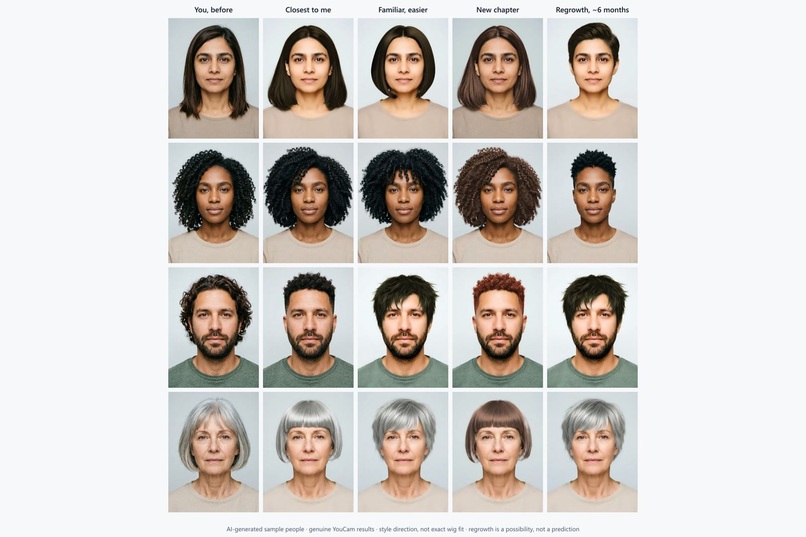
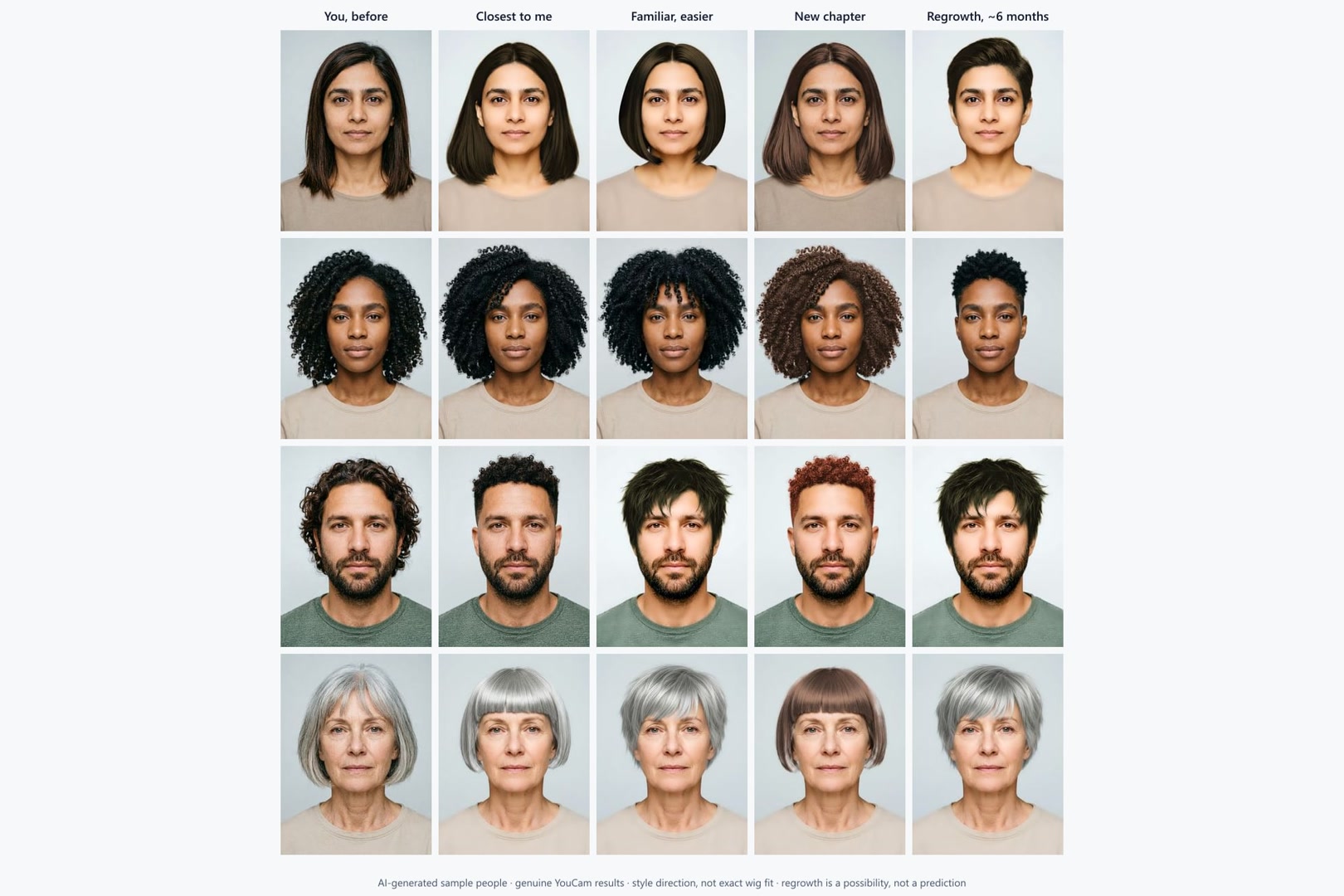
Four sample people, every path, all genuine YouCam results. Textured hair only ever sees textured styles.
-
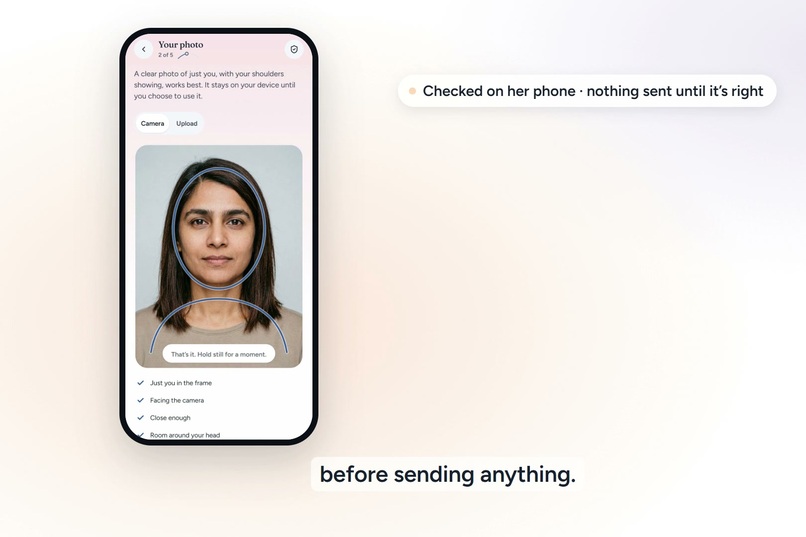
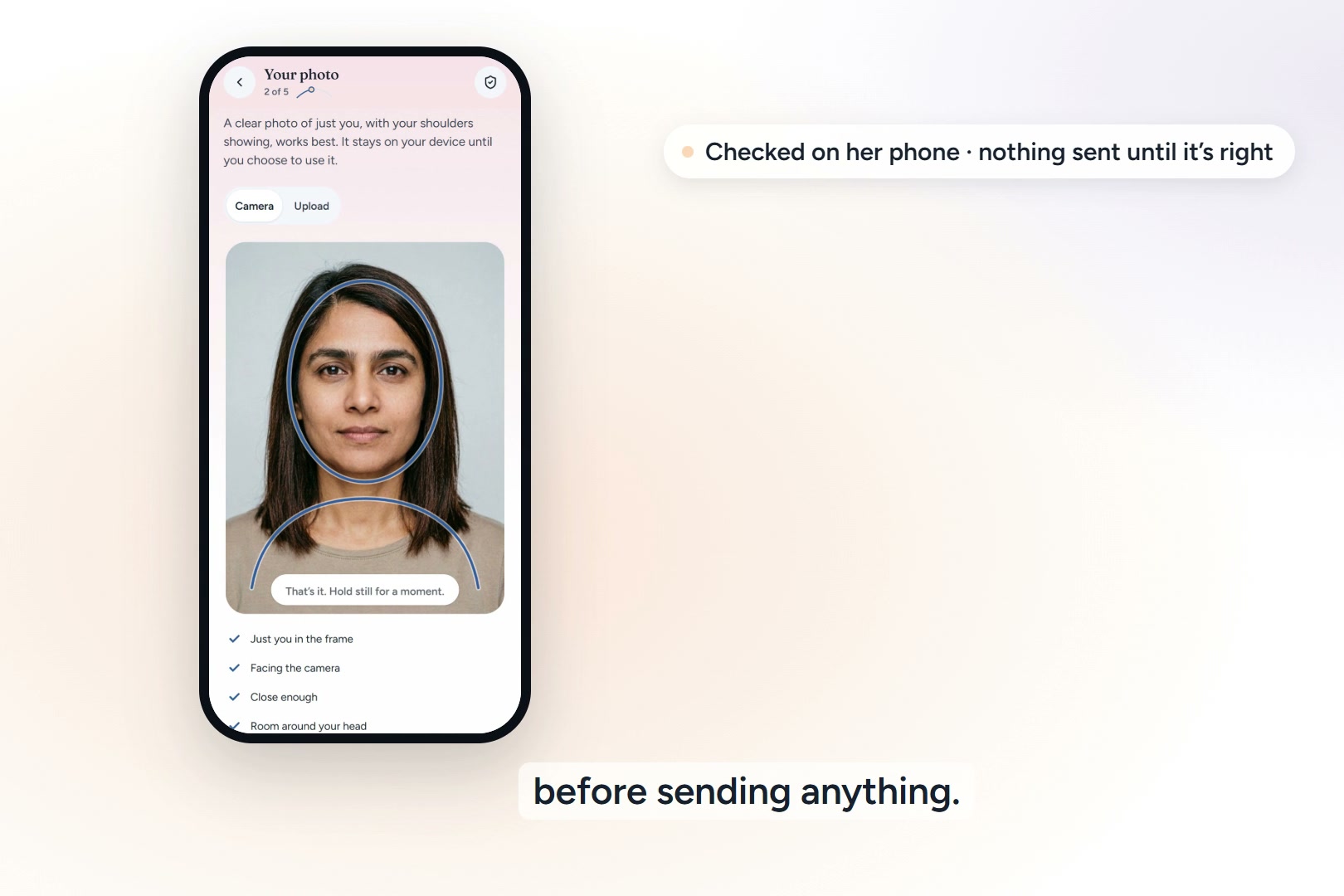
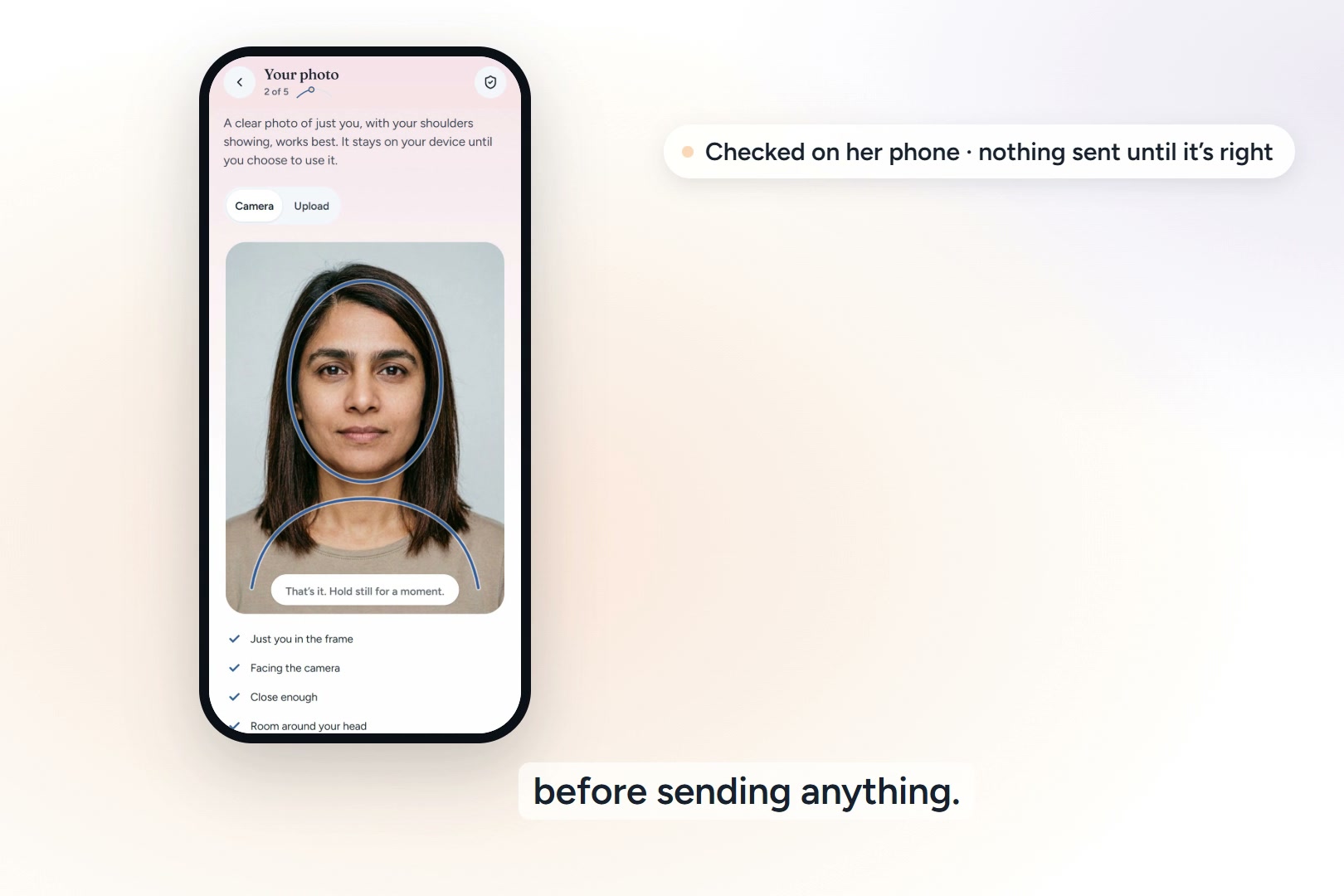
A guided camera checks angle, shoulders and light before anything is sent.
-
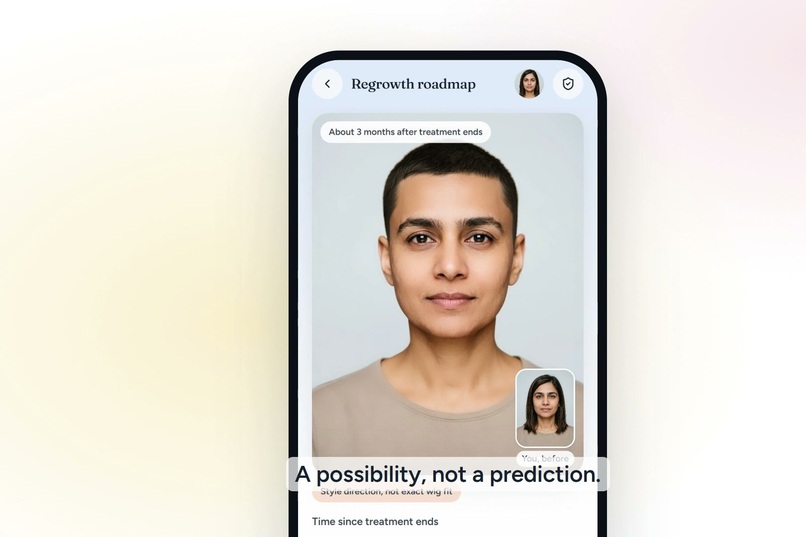
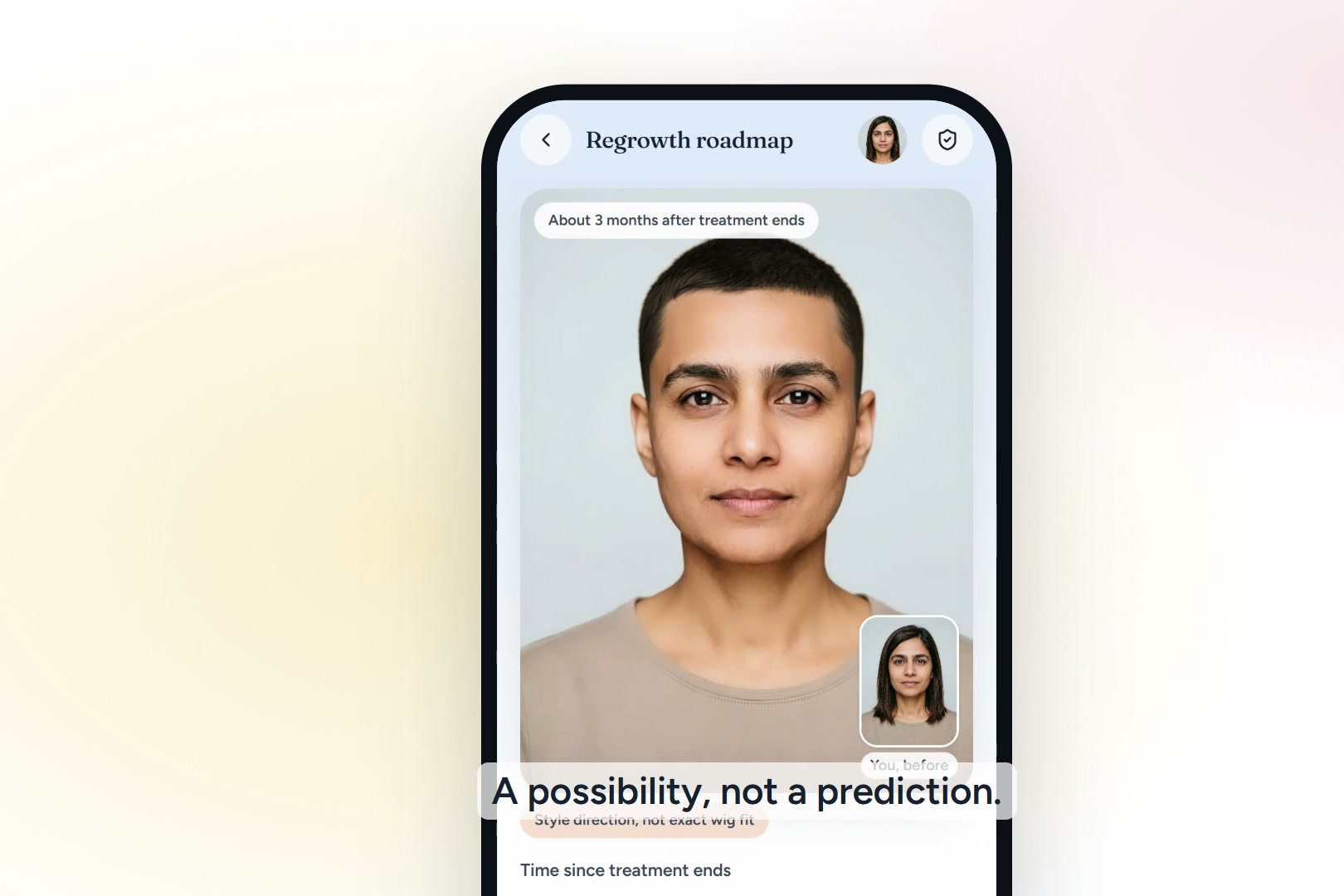
What growing back could look like, on her own face. A possibility, not a prediction.
-
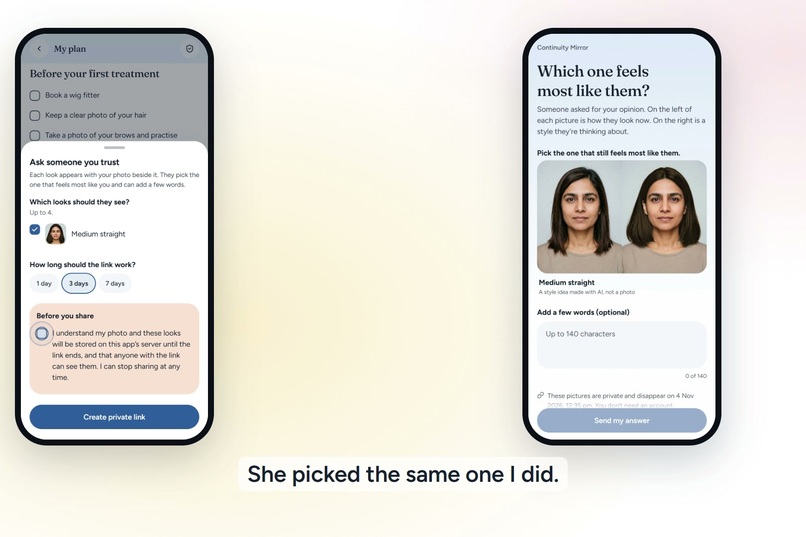
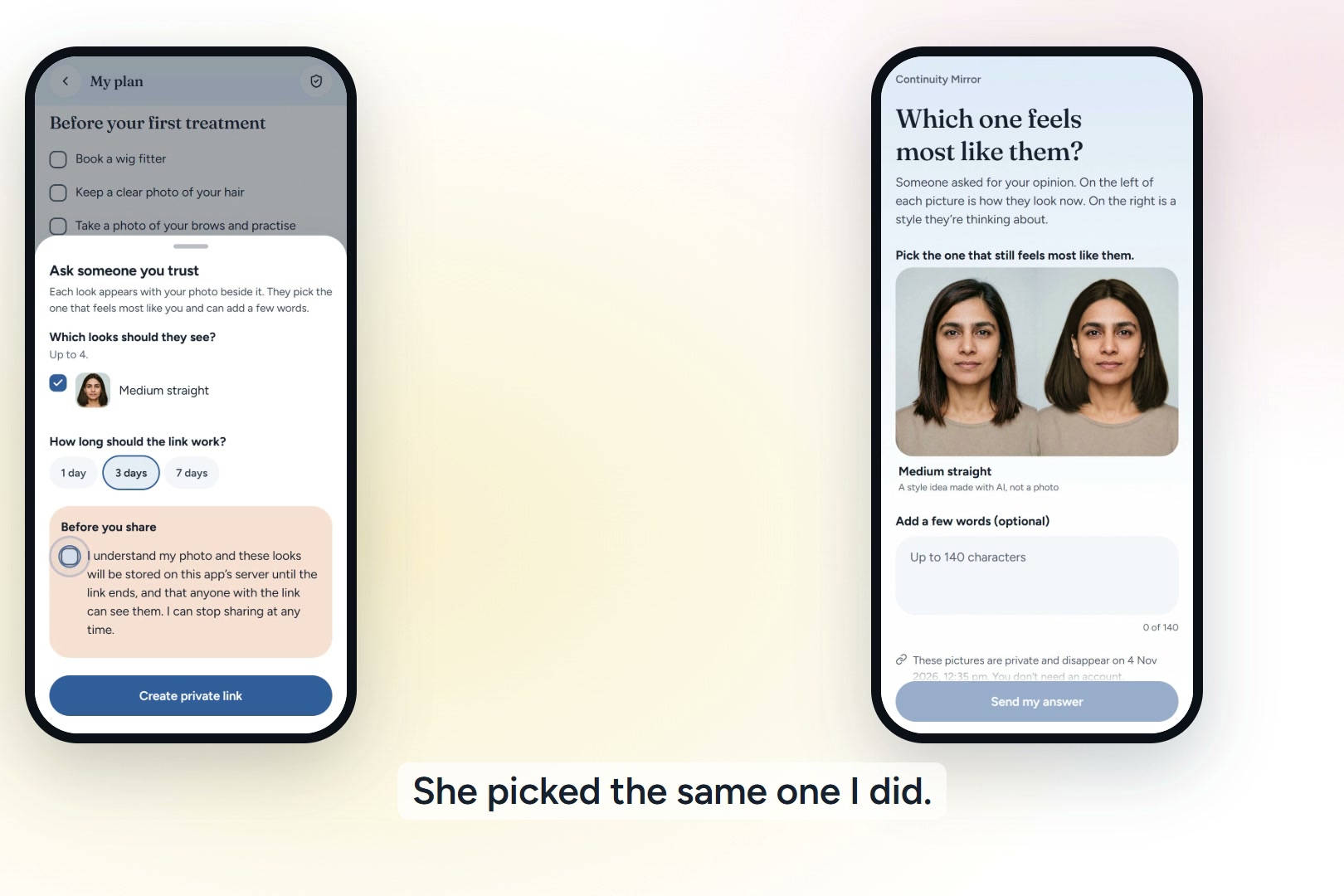
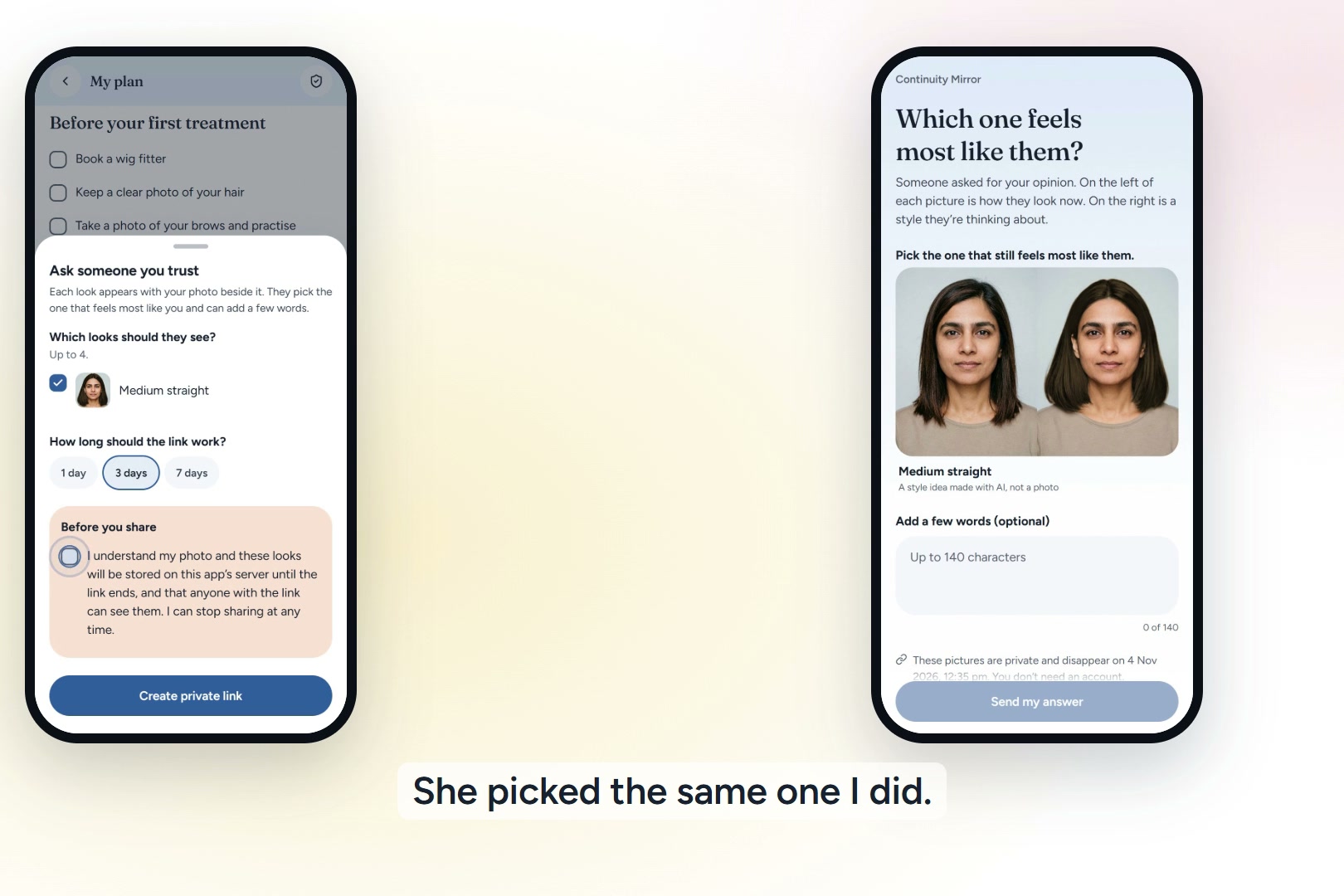
Ask someone you trust: a private, expiring link. Her sister picks the look that feels most like her.
-
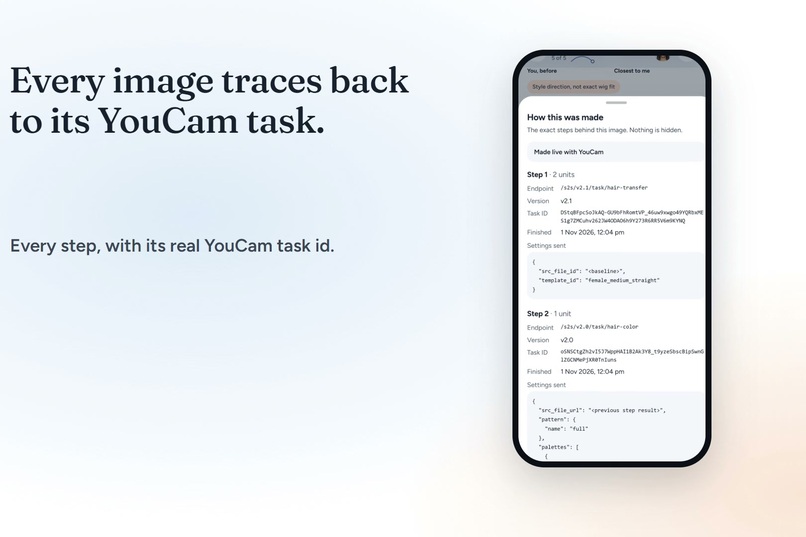
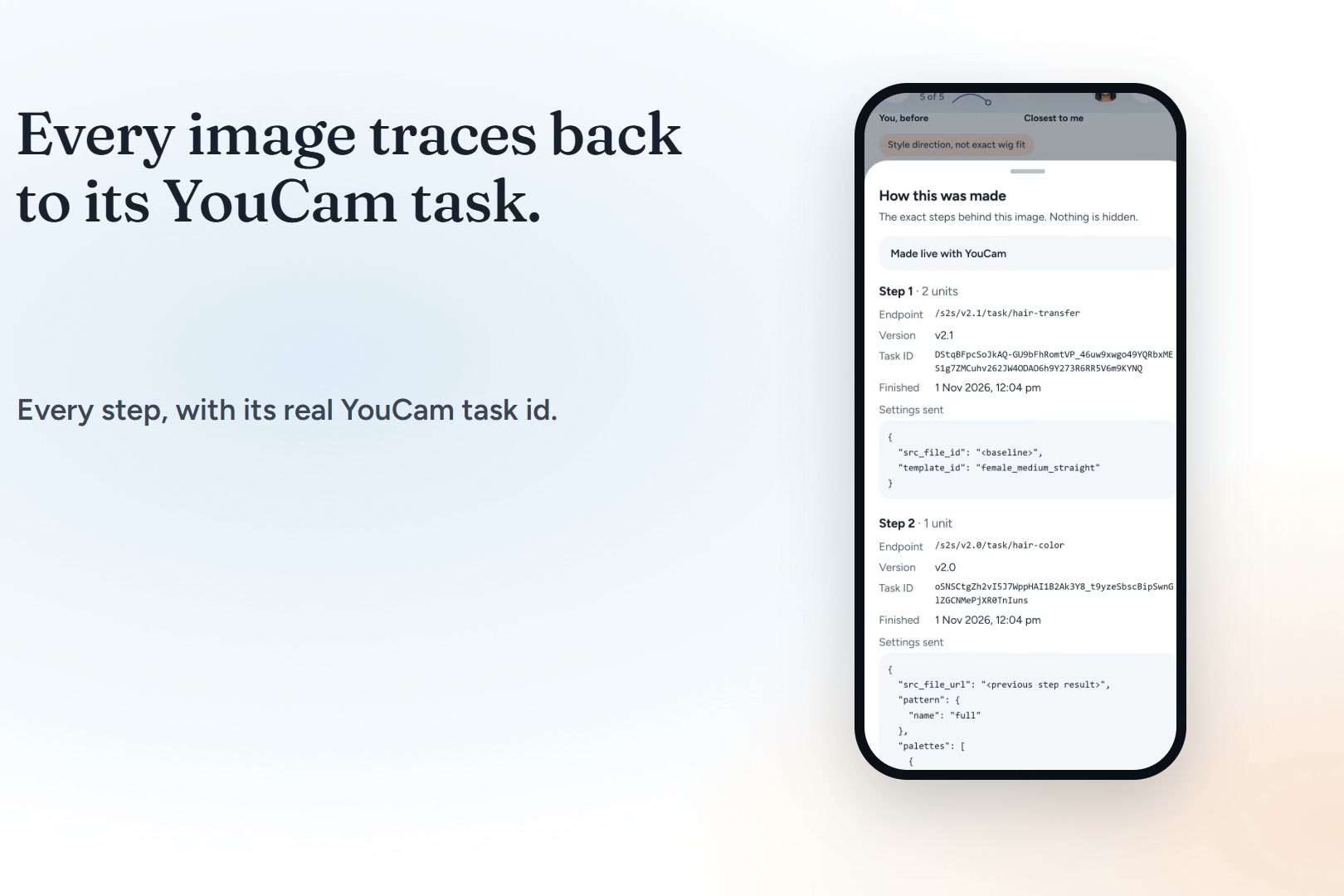
Every image traces back to its YouCam task: endpoint, parameters and task id.
-
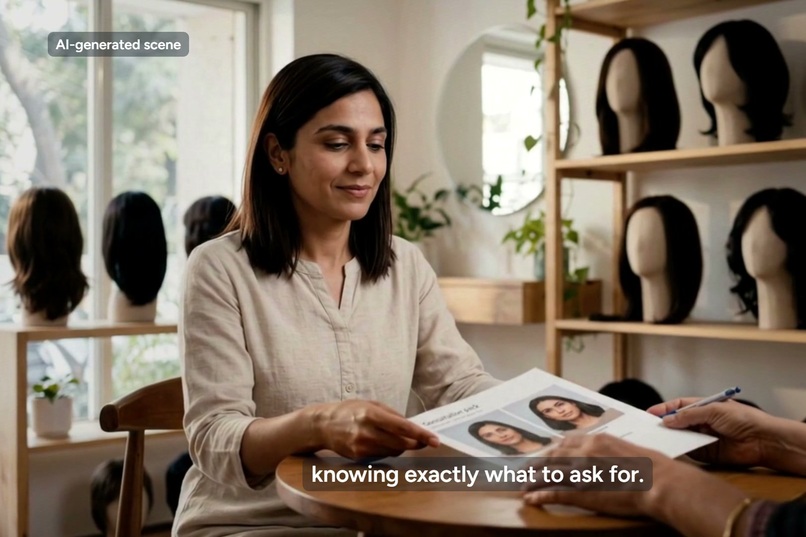
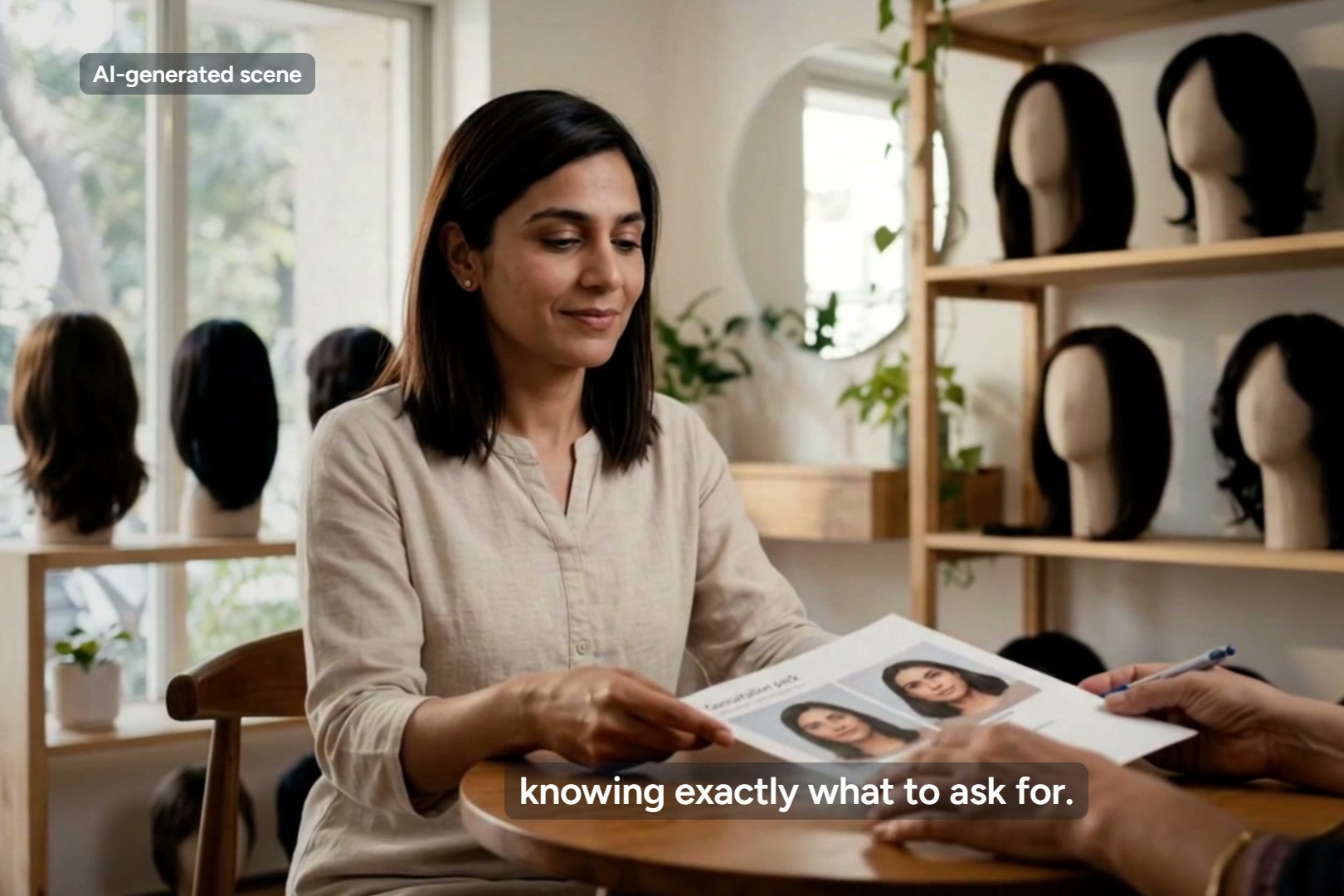
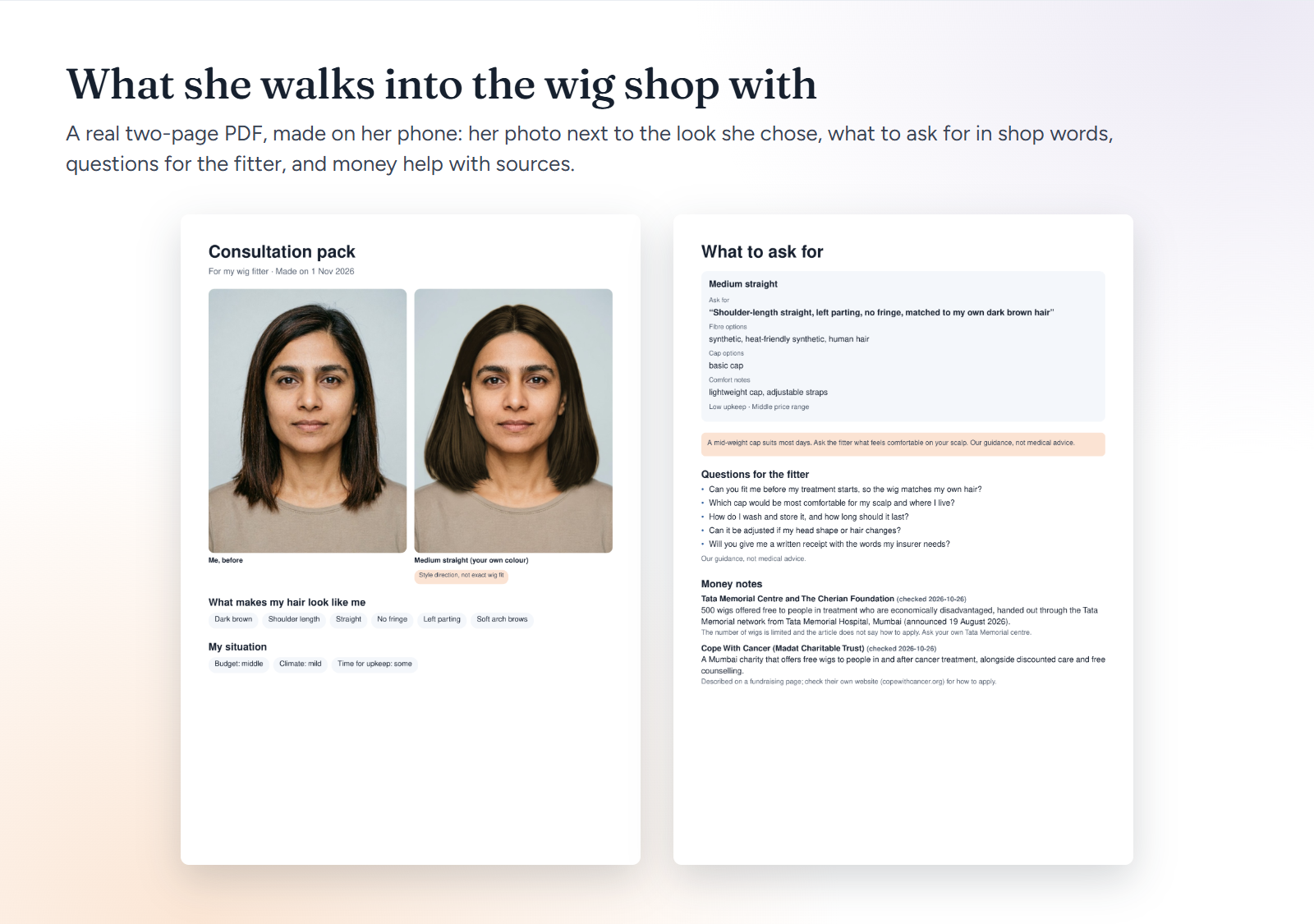
Walking into the wig shop with a one-page plan (AI-generated scene).
-
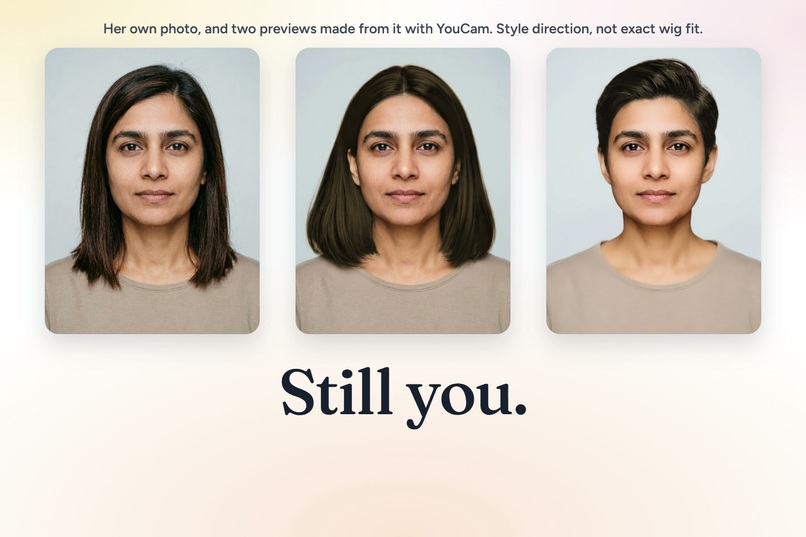
You, before. You, through it. You, after. Still you.
Inspiration
Meera is 41. She lives in Pune with her two kids, and her first chemo is in twelve days.
The doctor told her she will probably lose her hair in the first few weeks. Then someone gave her a leaflet. It says: choose your wig now, before treatment starts, and take a photo of your own hair to the shop.
It's good advice. But Meera has no idea what she wants. She's tired, she's scared, and the last place she wants to sit this week is a wig shop, staring at mannequin heads. What she really worries about isn't vanity. It's her kids seeing her look sick at school pickup.
Meera isn't a real person. Her face is AI-generated. But her twelve days are what cancer charities describe and what people share online about this exact moment, and I couldn't stop thinking about it.
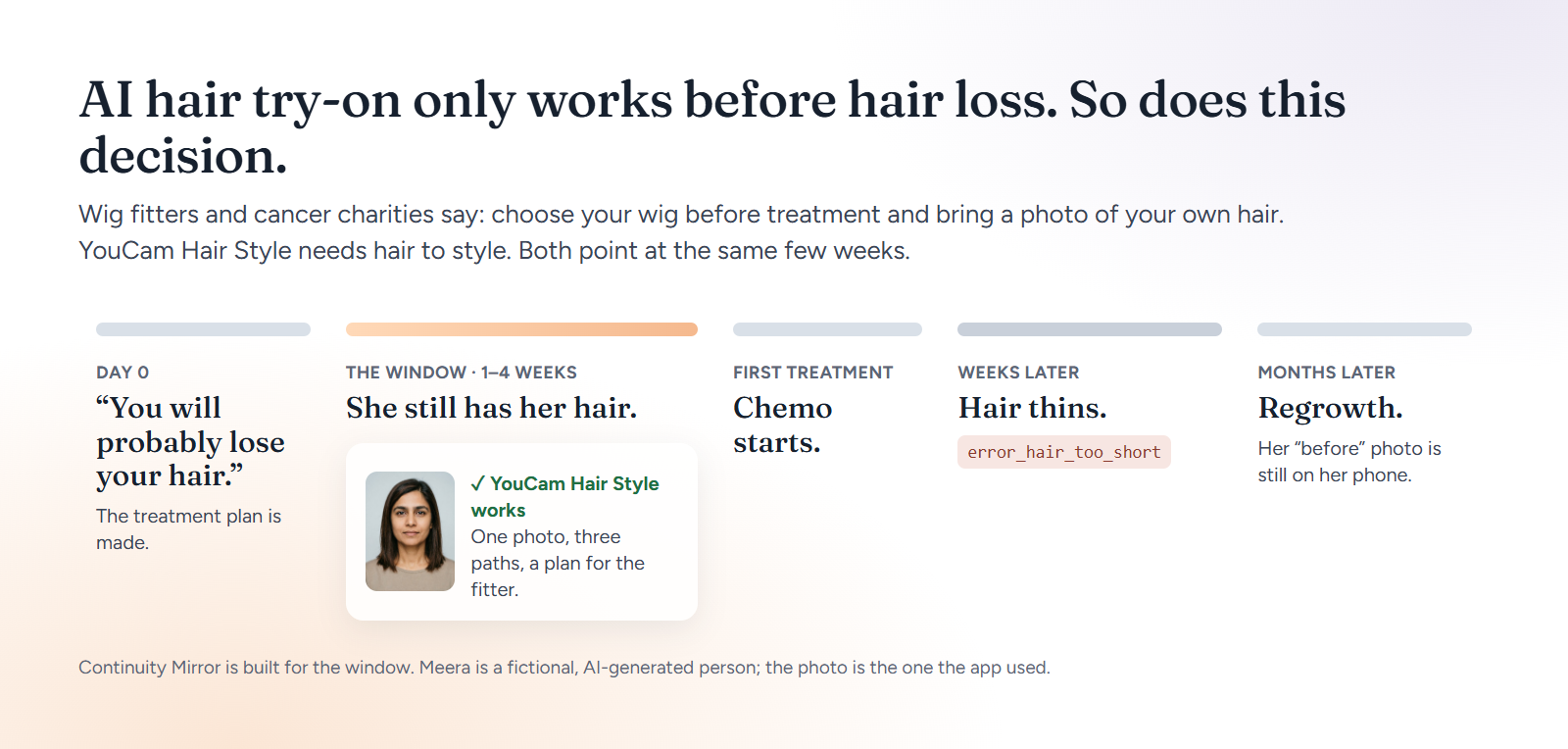
Then I found one small line in the YouCam Hair Style docs: an error called error_hair_too_short. The API can't style hair that isn't there. It only works before hair loss.
And before hair loss is exactly when Meera has to decide.
That became the whole project: use the few weeks when someone still has their hair, so they walk into treatment with a plan instead of a panic.
What it does
You take one photo. The camera helps you get it right ("level your head") before anything is sent.
You tell the app what makes your hair yours: the colour, the length, which side you part it.
Then YouCam shows you three versions of you:
- Closest to me: your own hair, the way a good wig could copy it.
- Familiar, easier: still you, with less to look after.
- New chapter: the one change you always wanted to try.
You decide which ones still feel like you. Nothing gets a score. There is no "beauty rating" anywhere.
Behind the scenes, the app checks every picture against your photo. If YouCam changed your hair colour, it fixes it and tells you: "Colour adjusted to match yours".
You can see what growing back might look like at 3, 6 and 12 months, keep a photo of your own brows, and send a private link to your sister so she can help you choose.
At the end you get a one-page plan for the wig fitter: the look you chose, what to ask for in shop words, the word insurers use ("cranial prosthesis"), and free wig programmes near you.
Your photos stay on your phone. No account, no email. One button deletes everything.
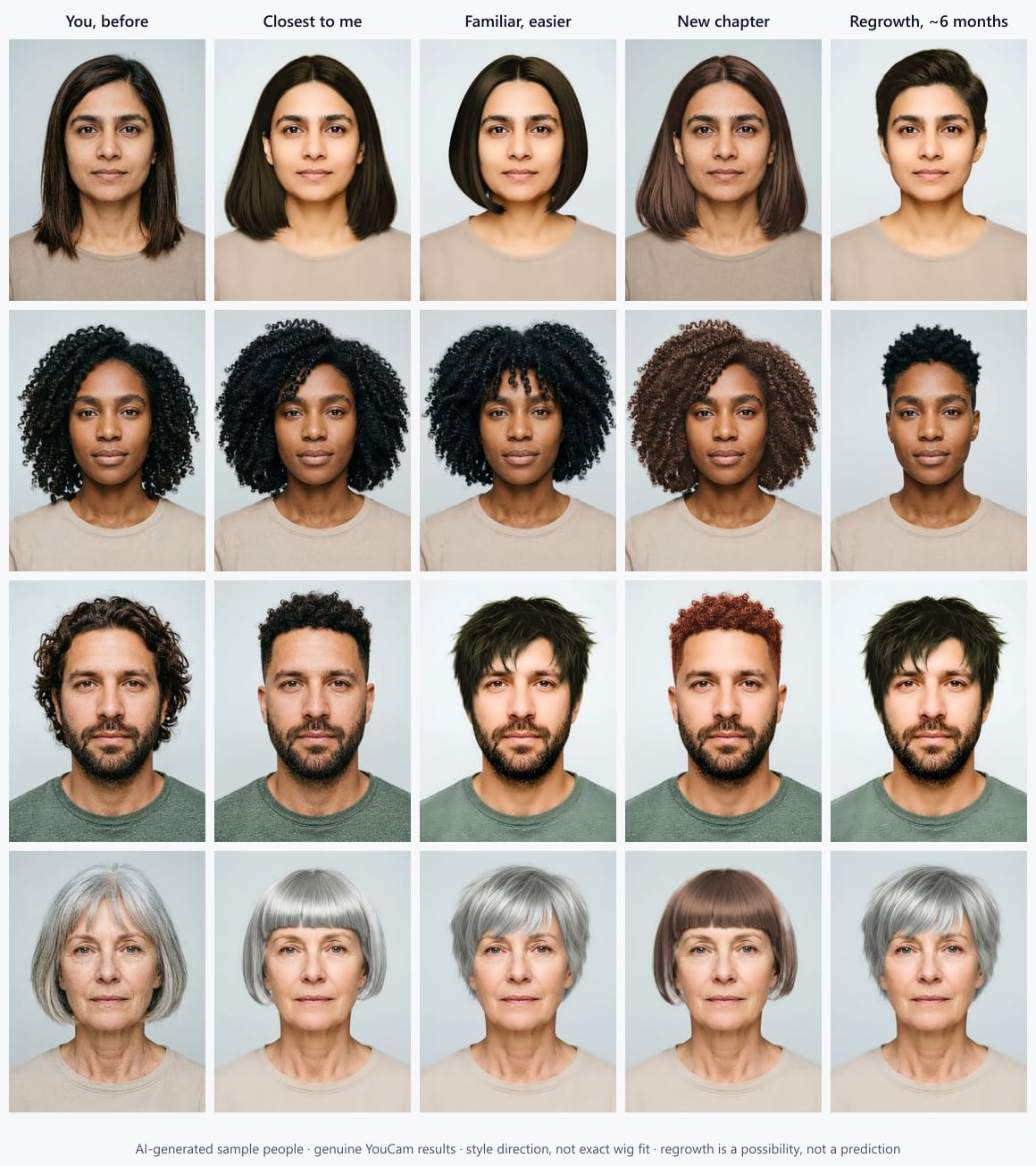 Four AI-generated sample people. Every image after the first column is a real YouCam result. Coily hair only ever gets coily styles.
How I built it
It's a web app that works on your phone. Every preview is made live with YouCam: Hair Style changes the cut, Hair Color puts your own colour back (or a new one, if you want it), and the Makeup API handles brows. My API key stays on my server. Your photo and your results stay on your phone.
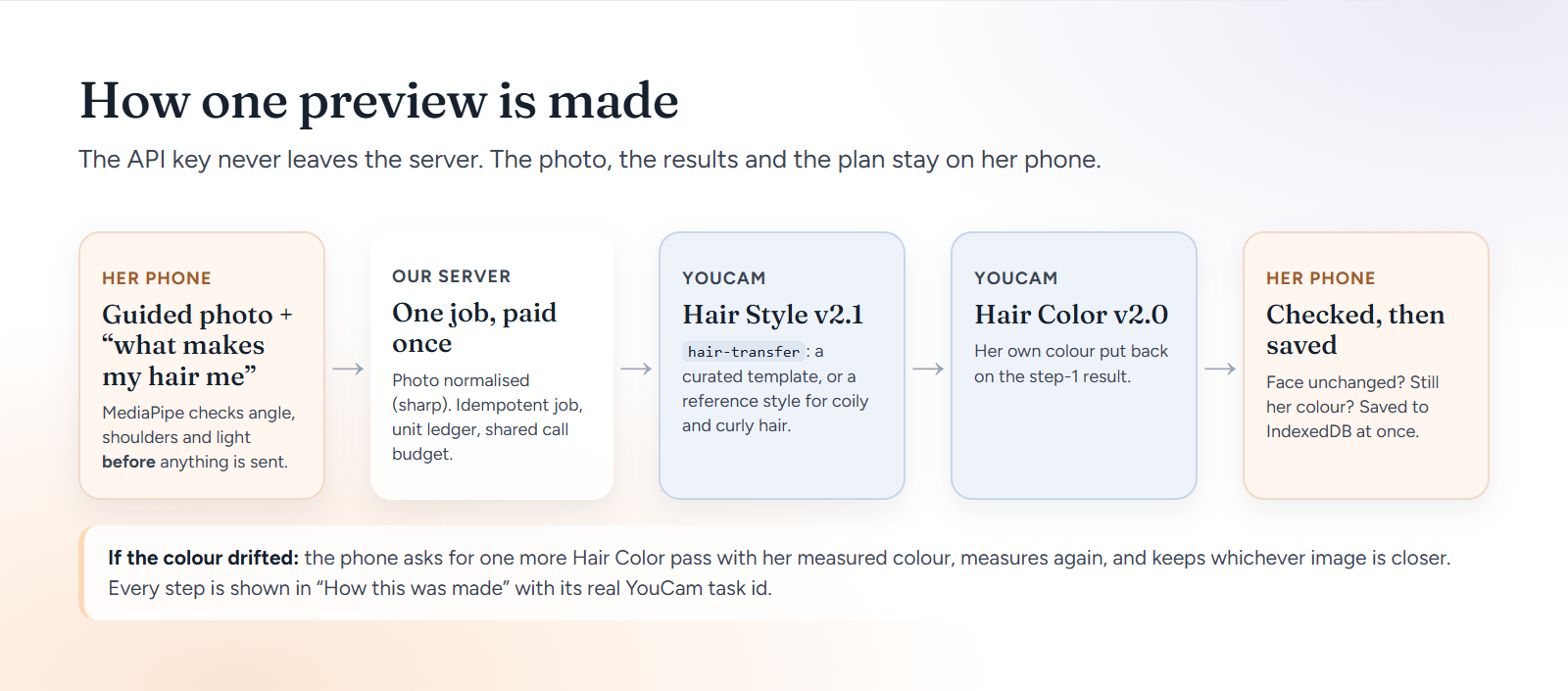
The part I spent the most time on is the check. YouCam sometimes gave me the right cut in the wrong colour. For a filter app, nobody would notice. For someone who wants to still look like herself, it matters. So the phone compares each result with her photo, and if the colour moved, it asks YouCam for one more Hair Color pass and keeps whichever version is closer. This is from the live session in my demo video:
It's built with Next.js and TypeScript on Vercel, with MediaPipe running on the phone for the camera and the checks. It has over 300 automated tests, because I didn't want someone in Meera's position to be the one who finds a bug.
Challenges I ran into
The colour problem. My first results looked great to me, until I put them next to the original photo. Dark brown hair came back a bit greenish, or almost black. Fixing that properly took a lot of work: measuring the colour, repairing it, and making sure a repair never makes things worse.
Photos getting rejected. YouCam needs one face, a straight head and visible shoulders. I didn't want a scared person to upload a photo and get an error. So the camera coaches you first, and only takes the picture when it will work.
Saying no to good-looking features. Hat and scarf try-on looked perfect on paper. In practice, they create a whole new photo: new clothes, new room. That isn't you anymore, so I left them out. Eyebrow try-on was nearly invisible on someone who still has full brows, so the app saves a photo of your real brows instead. That's what nurses tell people to do anyway.
Accomplishments that I'm proud of
What changed for Meera
Twelve days before chemo, Meera had a leaflet, a lot of fear, and no idea what to ask for.
About ten minutes later, sitting at home:
- Before: a wig-shop visit in her worst week, guessing. After: she has already seen herself in three looks, on her own face, at her own pace.
- Before: "I don't know who I'll look like." After: she found the one that still feels like her, in her own colour, checked so nothing about her face changed.
- Before: no idea what to say to a fitter. After: the exact words on paper: "shoulder-length, straight, left parting, no fringe, matched to my own dark brown hair."
- Before: worried about the cost. After: the word insurers use ("cranial prosthesis") and free wig programmes near her, each with a source.
- Before: carrying it alone. After: her sister helped from her own phone, and picked the same look.
- Before: scared of the mirror. After: she has seen herself before, through it, and after. A photo of her own brows is saved too, before treatment.
She doesn't walk into the wig shop empty-handed anymore. She hands the fitter one page, and the fitting starts from who she is.
What I'm proud of as the builder
- The app parts of my demo are screen recordings of the live site making real YouCam calls, including the moment her colour gets fixed.
- The face stayed the same in 36 out of 36 results, and the check caught a swapped face every time.
- 42 live YouCam jobs while building the sample people, with zero failures.
- It never judges anyone. There are no scores, and every result says "style direction, not exact wig fit", because a preview is not a wig.
What I learned
I thought the API's limits would get in my way. They ended up shaping the product. "Hair too short" told me when this is needed. The colour drift told me what to check.
I also learned to cut. Every screen asks one thing, because the person using it is exhausted.
What's next for Continuity Mirror
First, put it in front of the people it's for: people going through treatment, oncology nurses and wig fitters. I built this from research, not from interviews, and I know that's the gap.
Then a version for wig shops and hospital boutiques, so the plan points to wigs they actually stock. After that: a "try a fringe" option, Hindi and Spanish, and the same idea for other kinds of hair loss.
Built With
- dexie
- github-actions
- hair-color
- hair-style-vto
- indexeddb
- makeup-vto
- mediapipe
- next.js
- perfect-corp
- playwright
- pwa
- react
- react-pdf
- sharp
- tailwindcss
- typescript
- upstash-redis
- vercel
- vercel-blob
- vitest
- youcam-api
- zod