Continuity.Agent
Inspiration
Continuity mistakes are expensive, easy to miss, and often only show up after a shoot is already in post-production. I wanted to build an AI-powered script supervisor that helps editors and post teams catch visual drift across takes before it becomes a costly reshoot or re-edit.
What it does
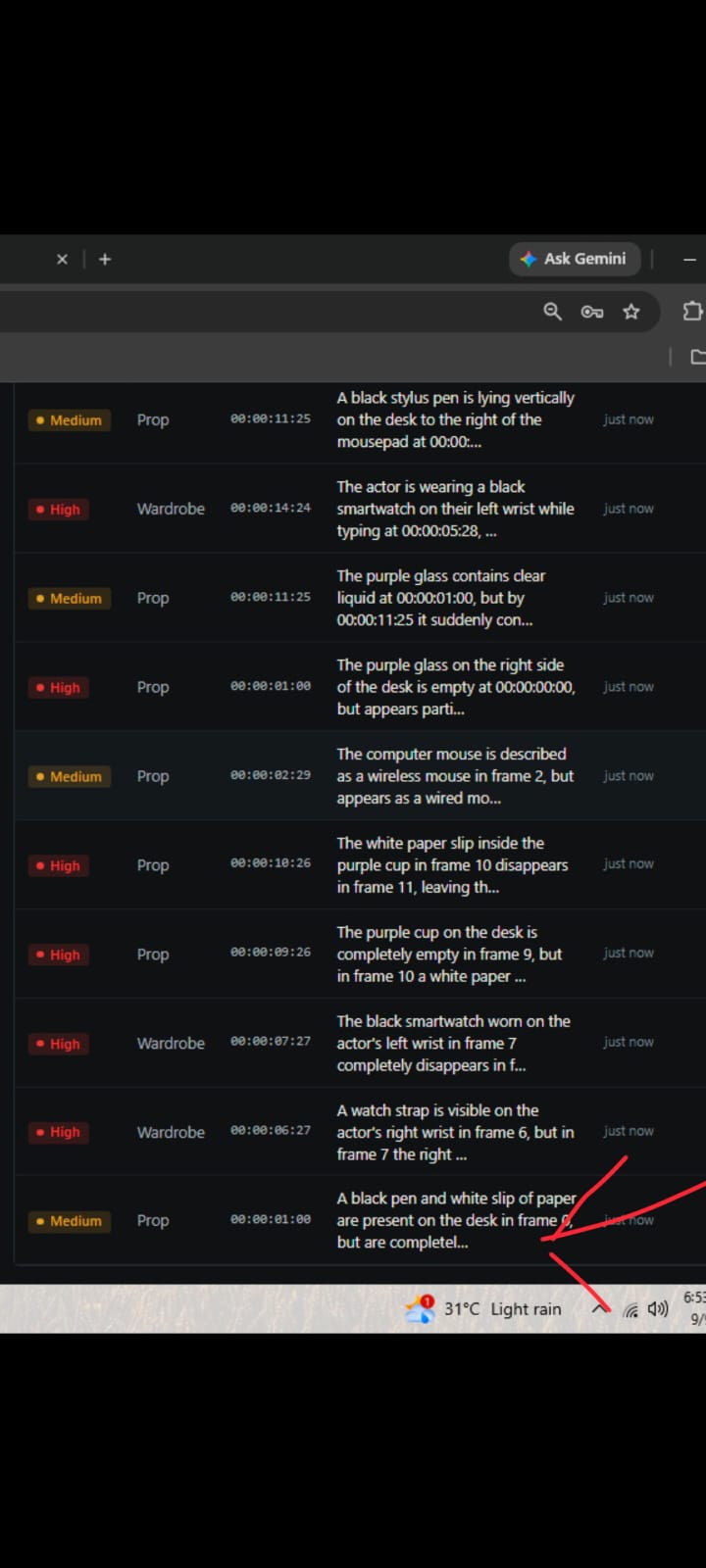
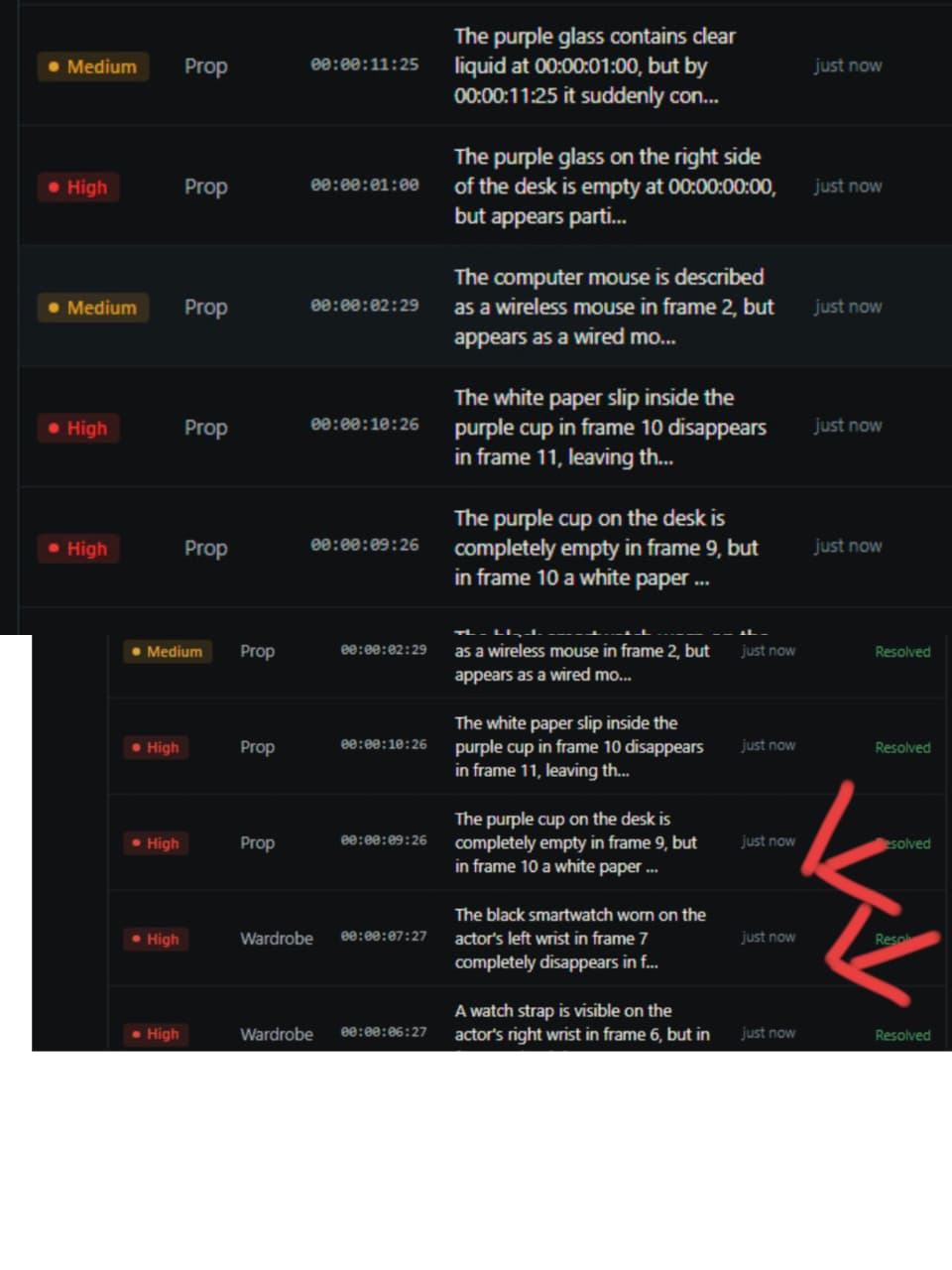
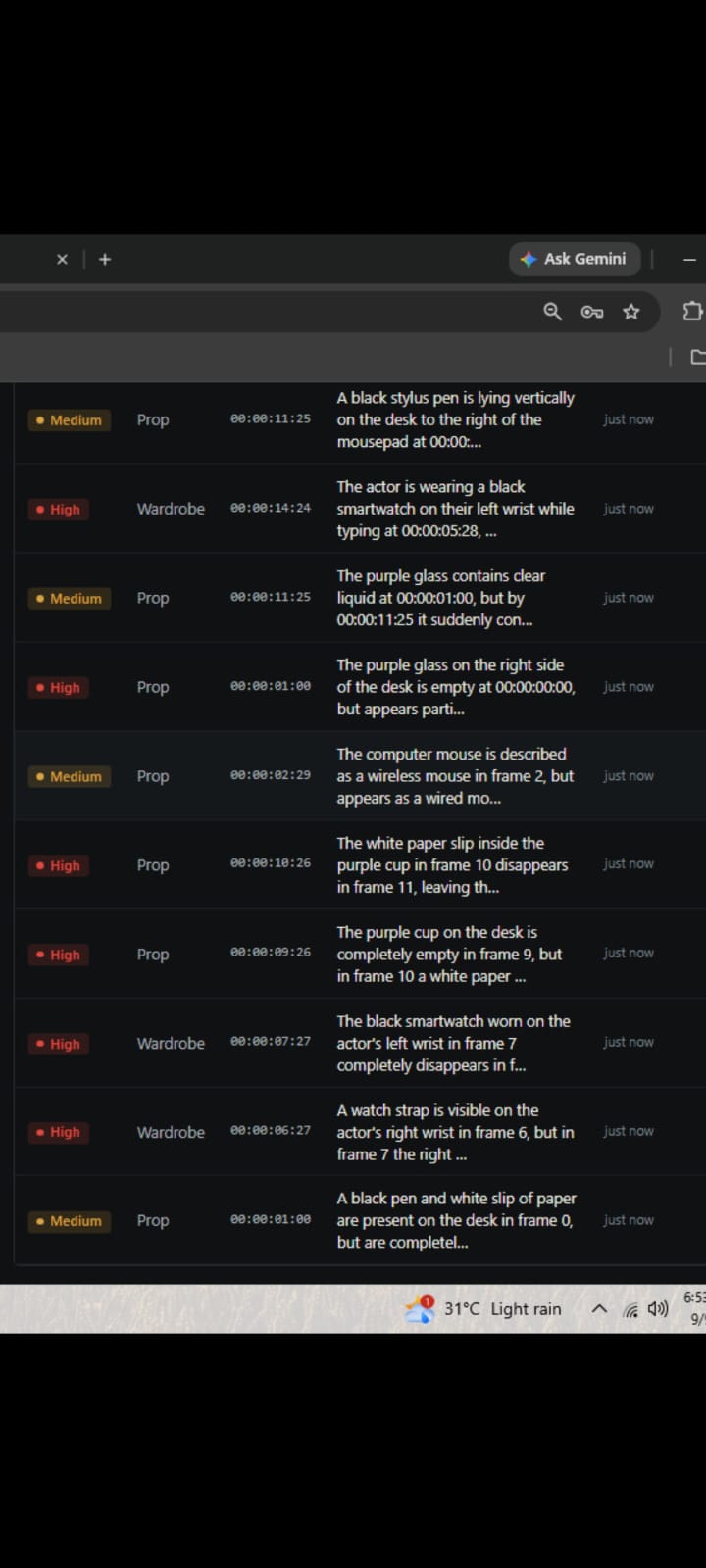
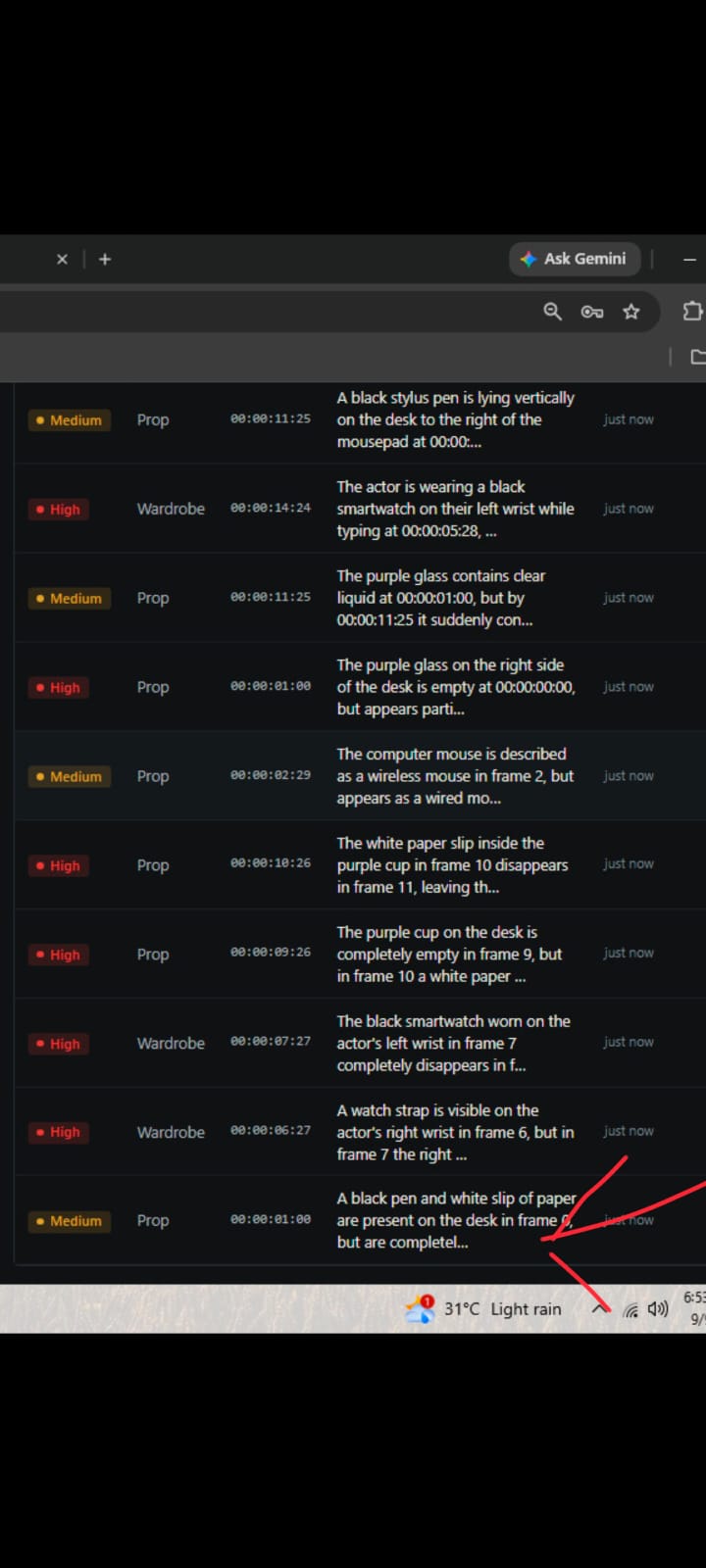
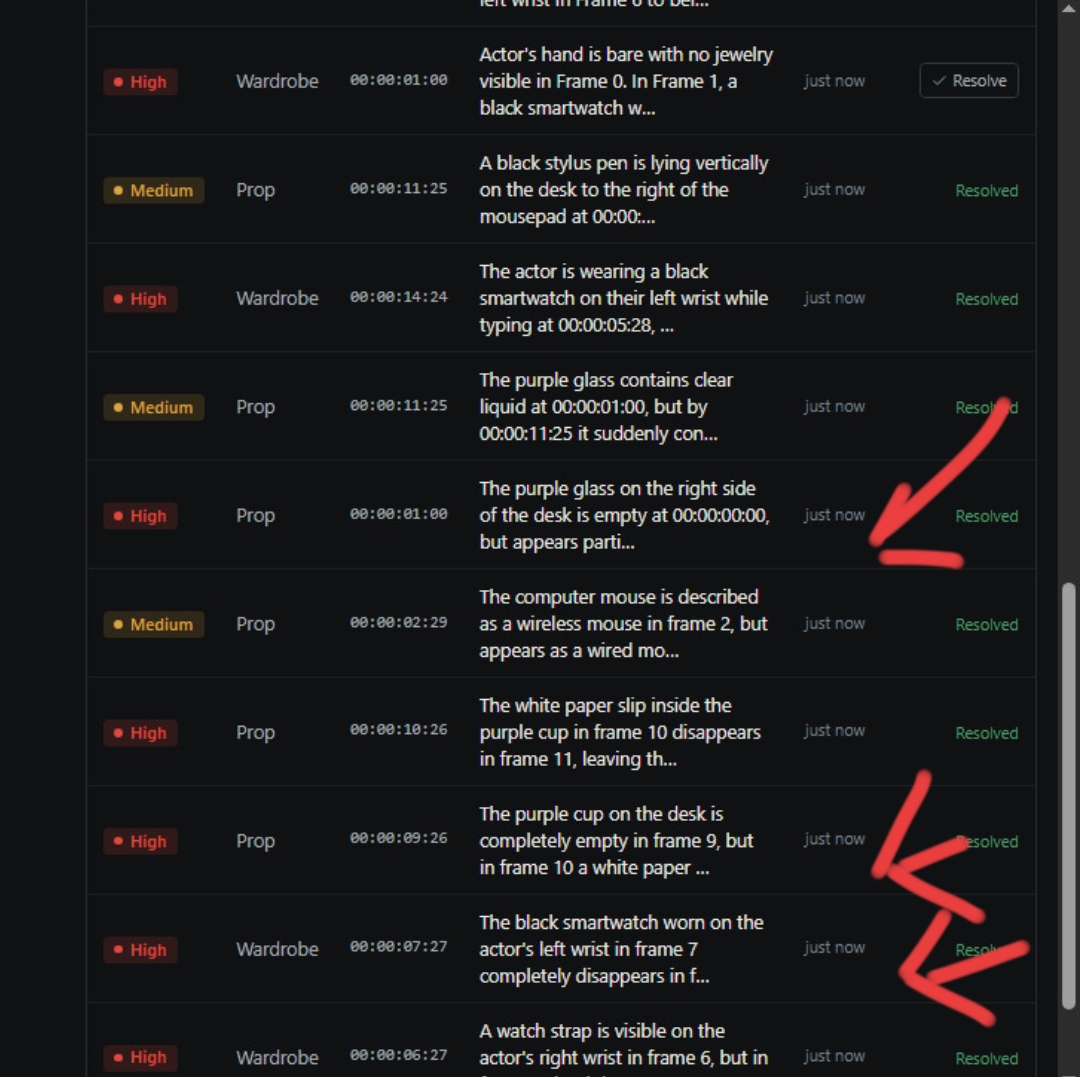
Continuity.Agent ingests dailies, extracts keyframes, analyzes them with Gemini multimodal models, and stores structured frame metadata in ClickHouse. It then runs an agentic review workflow to detect continuity anomalies such as wardrobe changes, prop drift, lighting mismatches, and scene inconsistencies, surfacing them in a dashboard with traceable evidence and visual context.
ow I built it
I built the system with a Python + FastAPI backend, a Next.js dashboard, and a ClickHouse data layer for frame indexing and similarity search. Gemini handles multimodal frame analysis and embedding generation, while Google ADK orchestrates agent reasoning and validated tool calls for anomaly detection. The platform combines AI-powered visual understanding with structured retrieval to create a reliable continuity review workflow.
Challenges I ran into
The biggest challenge was integrating AI reasoning with a reliable, structured data pipeline while keeping writes safe and deterministic. I also had to resolve dependency conflicts between the ADK MCP client and the ClickHouse MCP server by isolating the MCP server in its own runtime environment. Balancing flexibility from AI agents with production-grade reliability required careful validation and tool design.
Accomplishments that I'm proud of
Built an end-to-end continuity QA pipeline from video upload to anomaly detection Connected multimodal AI analysis to persistent storage and retrieval through ClickHouse Added role-based authentication, observability, and a functional review dashboard Implemented validated agent writes instead of relying on raw LLM-generated SQL Created an explainable workflow that provides evidence-backed continuity findings
What I learned
I learned that the hardest part of AI tooling is not just getting a model to respond, but building systems that are structured, auditable, and production-ready. Strong AI applications require good data architecture, validation layers, observability, and clear human review interfaces. I also gained valuable experience integrating agent frameworks with real-world data infrastructure.
What's next for Continuity.Agent
Next, I want to expand the platform with more advanced review workflows, confidence scoring, multi-user collaboration, and cloud deployment tooling. I also plan to improve continuity detection accuracy with temporal scene understanding and richer visual analysis. My goal is to turn Continuity.Agent into a studio-grade visual QA platform that helps production teams reduce costly continuity errors and streamline post-production review.v
Built With
- clickhouse
- css
- docker
- fastapi
- ffmpeg
- next.js
- python
- tailwind
- typescript
- uv

Log in or sign up for Devpost to join the conversation.