-
-
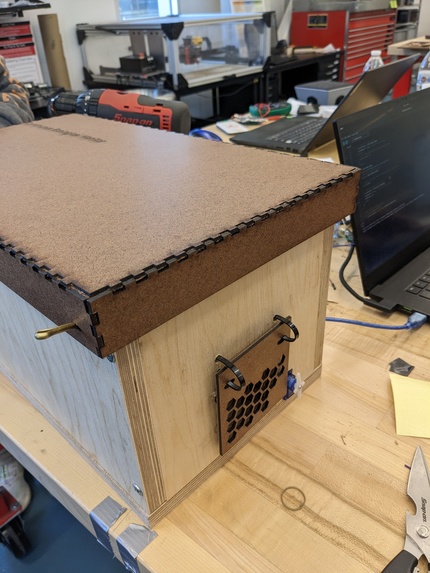
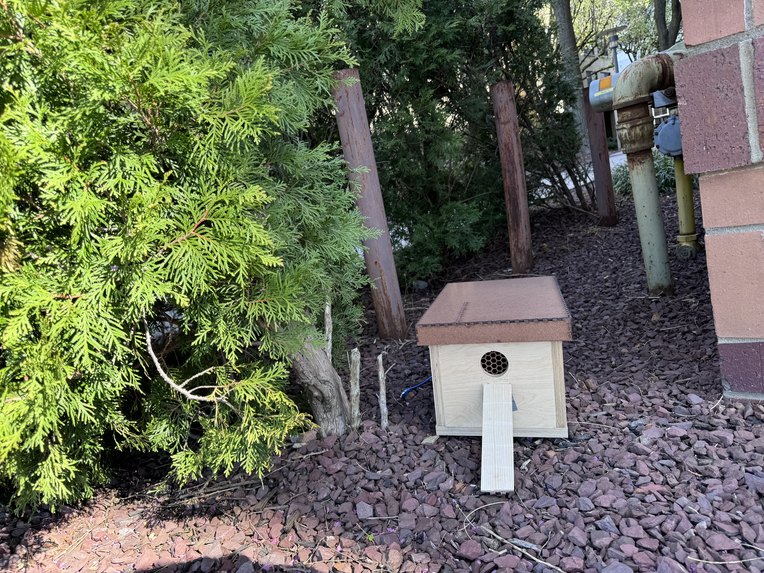
Door View
-
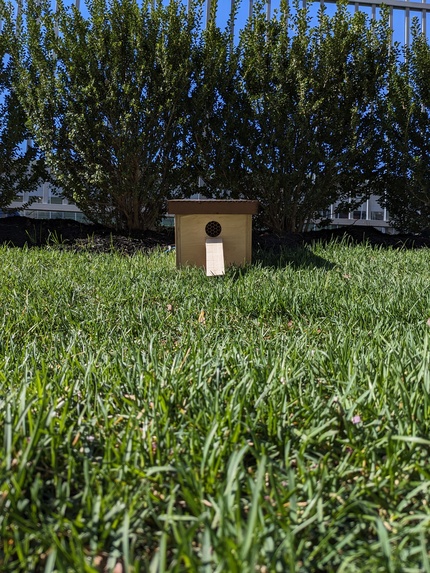
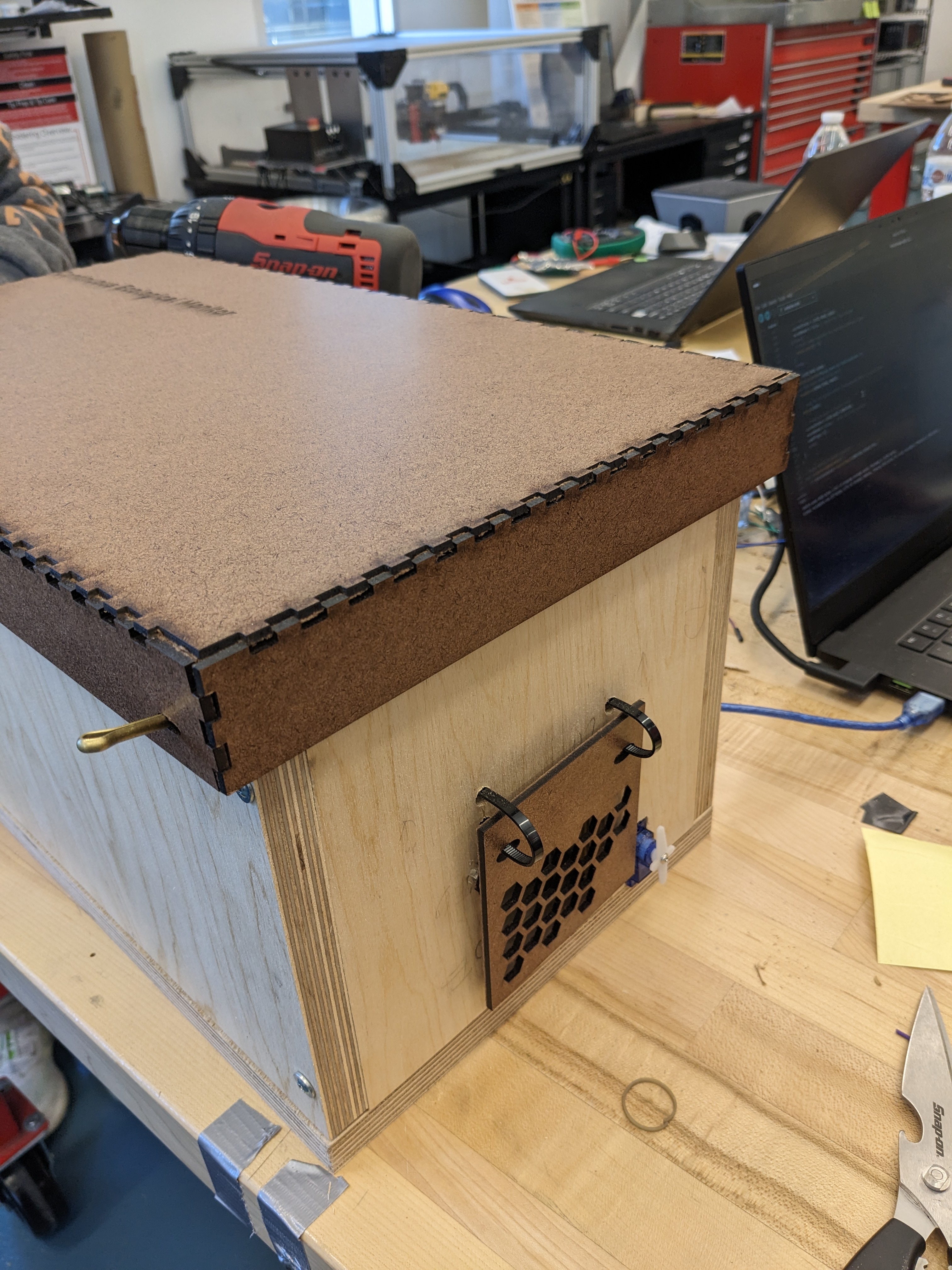
Front view
-
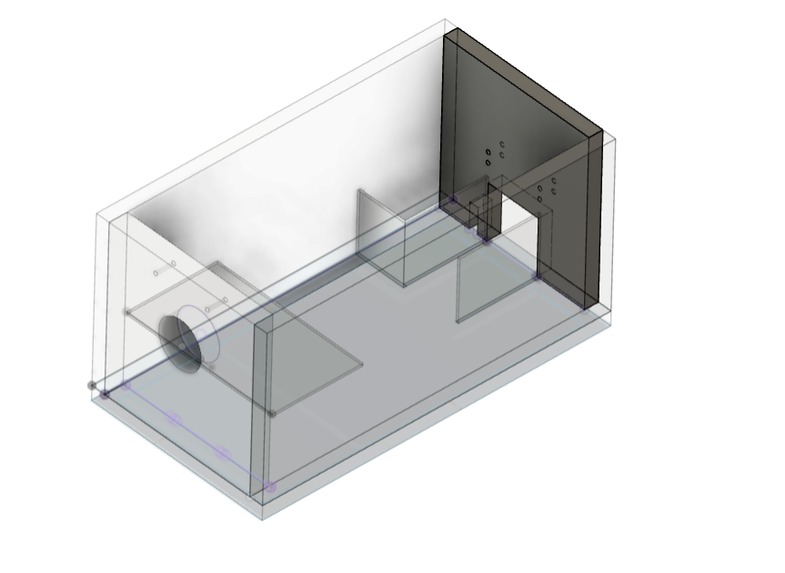
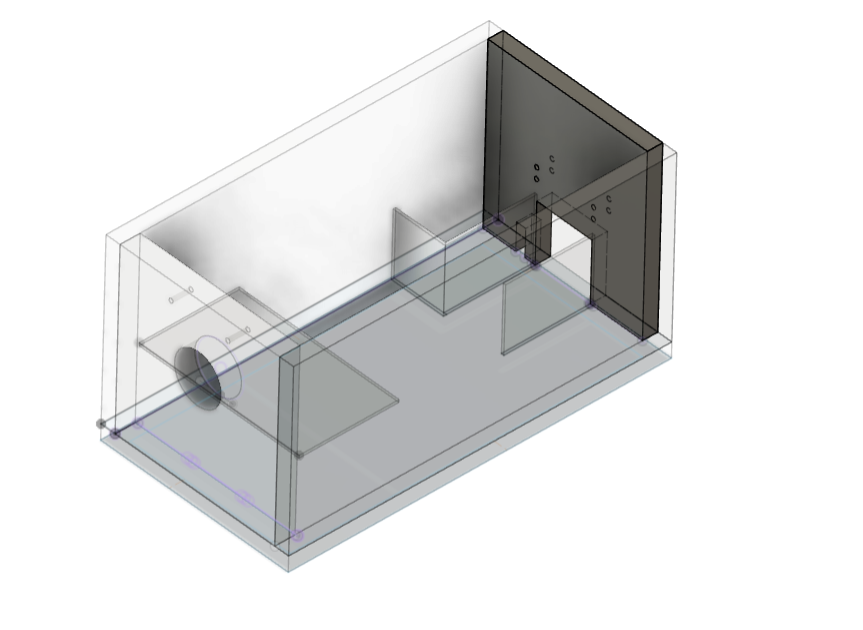
Isometric CAD
-
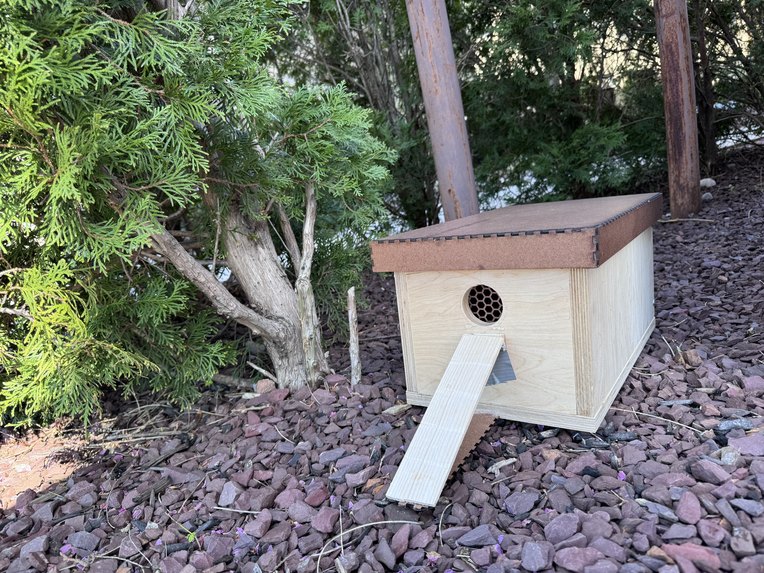
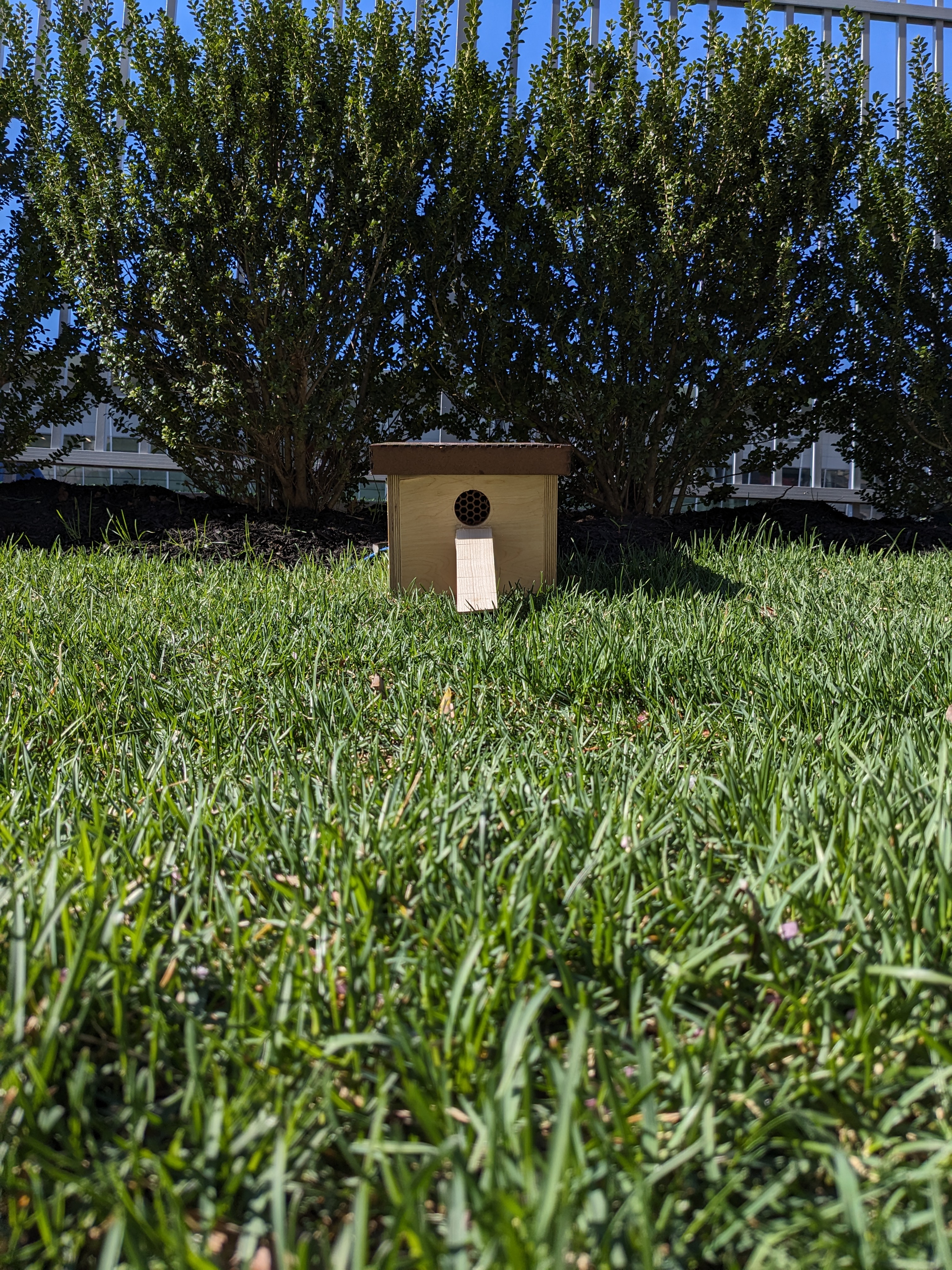
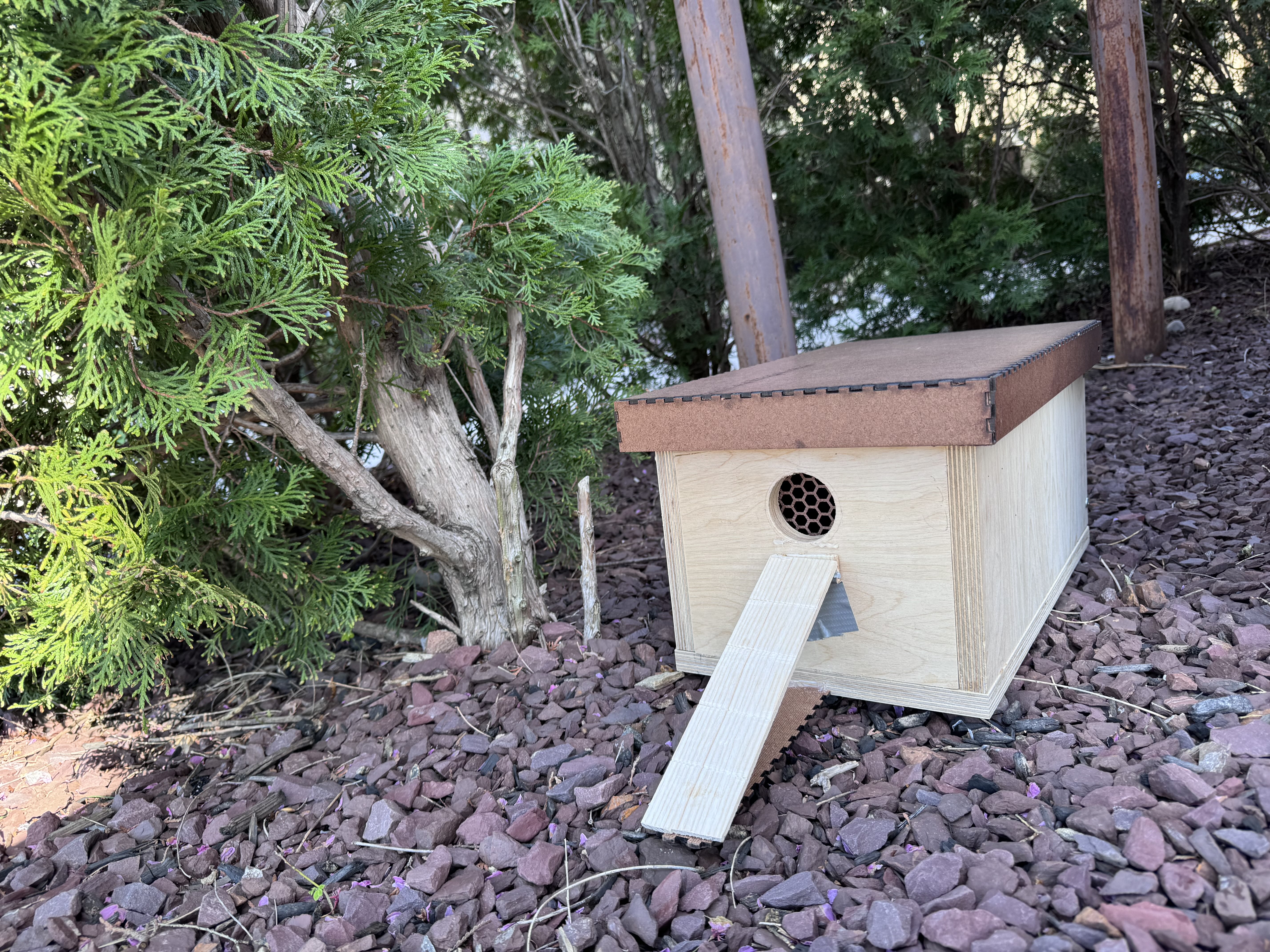
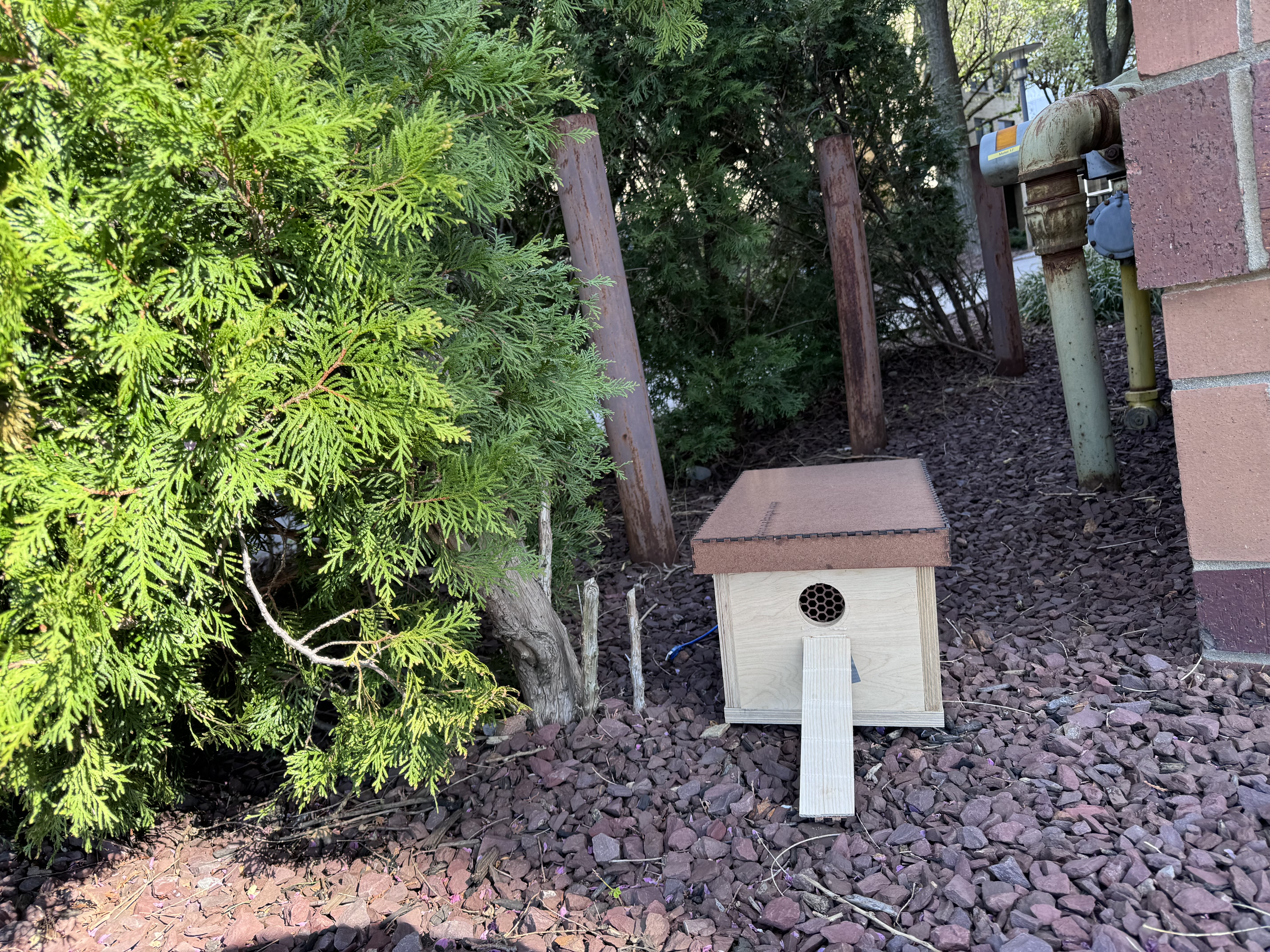
real life use
-
Inspiration
Our teammate is a student majoring in ecology and discussed the common drawbacks of wildlife monitoring though his personal involvement. Current methods of monitoring wildlife populations involve frequent, manual in-person checks to confirm presence of, identify, collect data on, and release animals caught with box traps placed in an area designated for monitoring. This can lead to inefficient time spent checking many empty traps, and increased stress for the animal due to being trapped and handled.
What it does
The CEM Box is a streamlined method of collecting data on wildlife. It can be placed flush with a fence, forest edge, or other landscape feature to funnel an animal up a slope (dirt, wooden, etc.) into the CEM Box, where it will be examined in a non-intrusive and timely manner, then automatically released. The data collection of the CEM Box can help determine population counts and density, spatial distribution, habitat data, and be used to limit disease spread. It also increases the ability to detect the presence of an elusive animal, a target species for conservation, or even agricultural pests.
How we built it
The structure of the device was first modeled in CAD software to dimension all the piece specifications needed. Laser cutting and mechanical assembly was used to manufacture the device. Meanwhile, the electronics were preplanned to meet the function of this device.
Challenges we ran into
Learning to use the Arduino camera and lasercut construction, acquisition of materials and tools shortage
Accomplishments that we're proud of
What we learned
What's next for Continuous Ecological Monitor
Successfully implementing the camera and other additional sensors, more sturdy construction

Log in or sign up for Devpost to join the conversation.