-
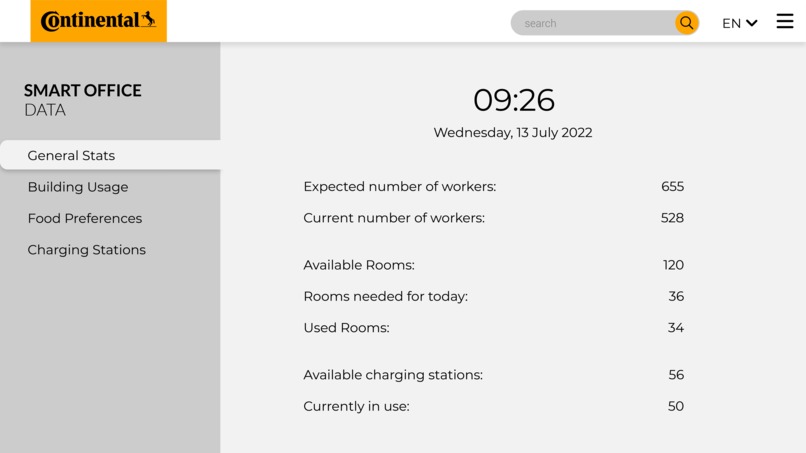
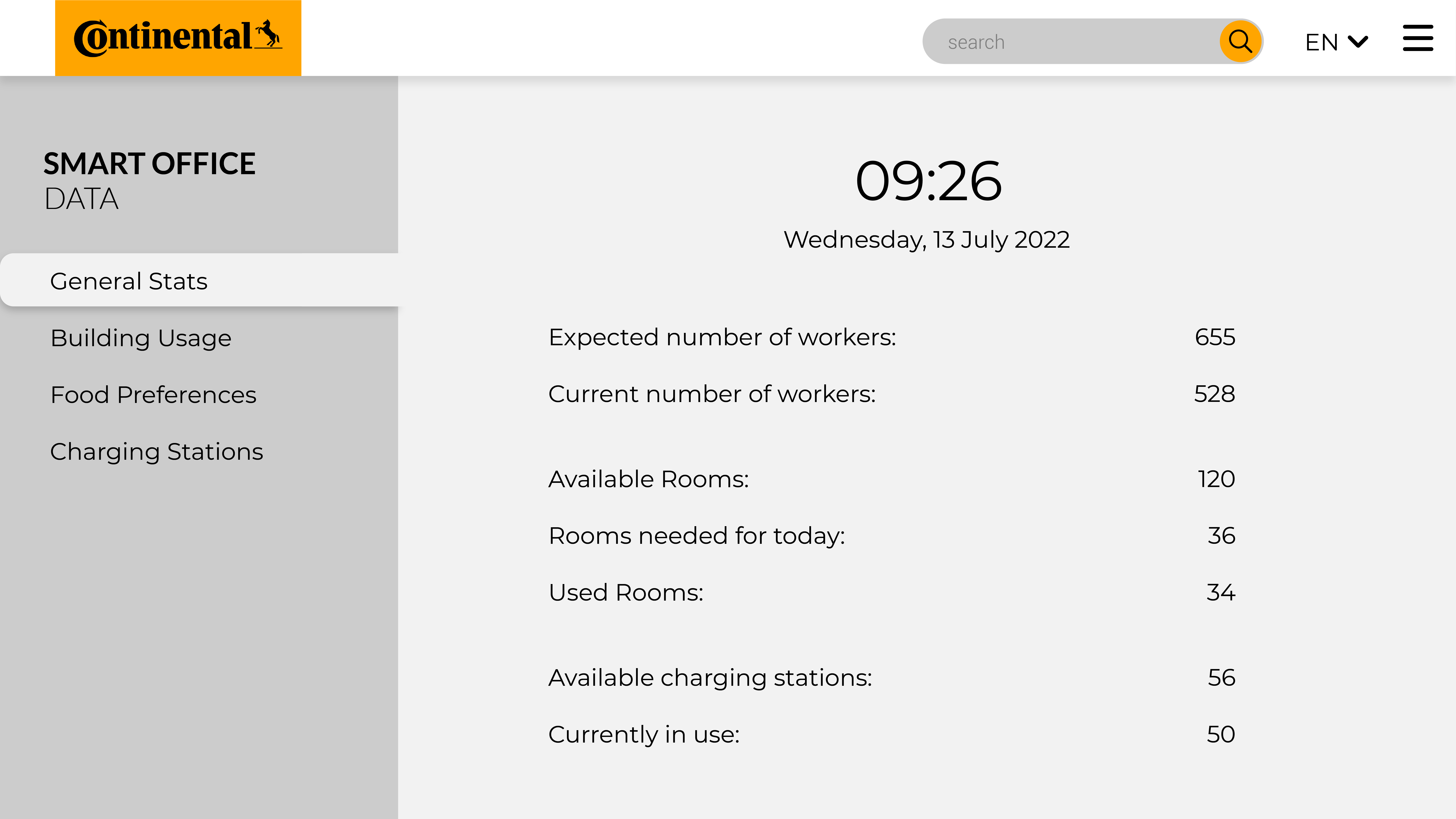
General Stats
-
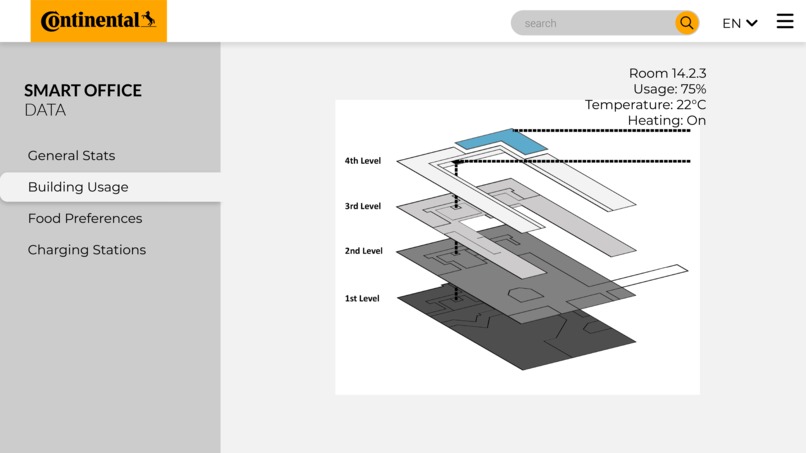
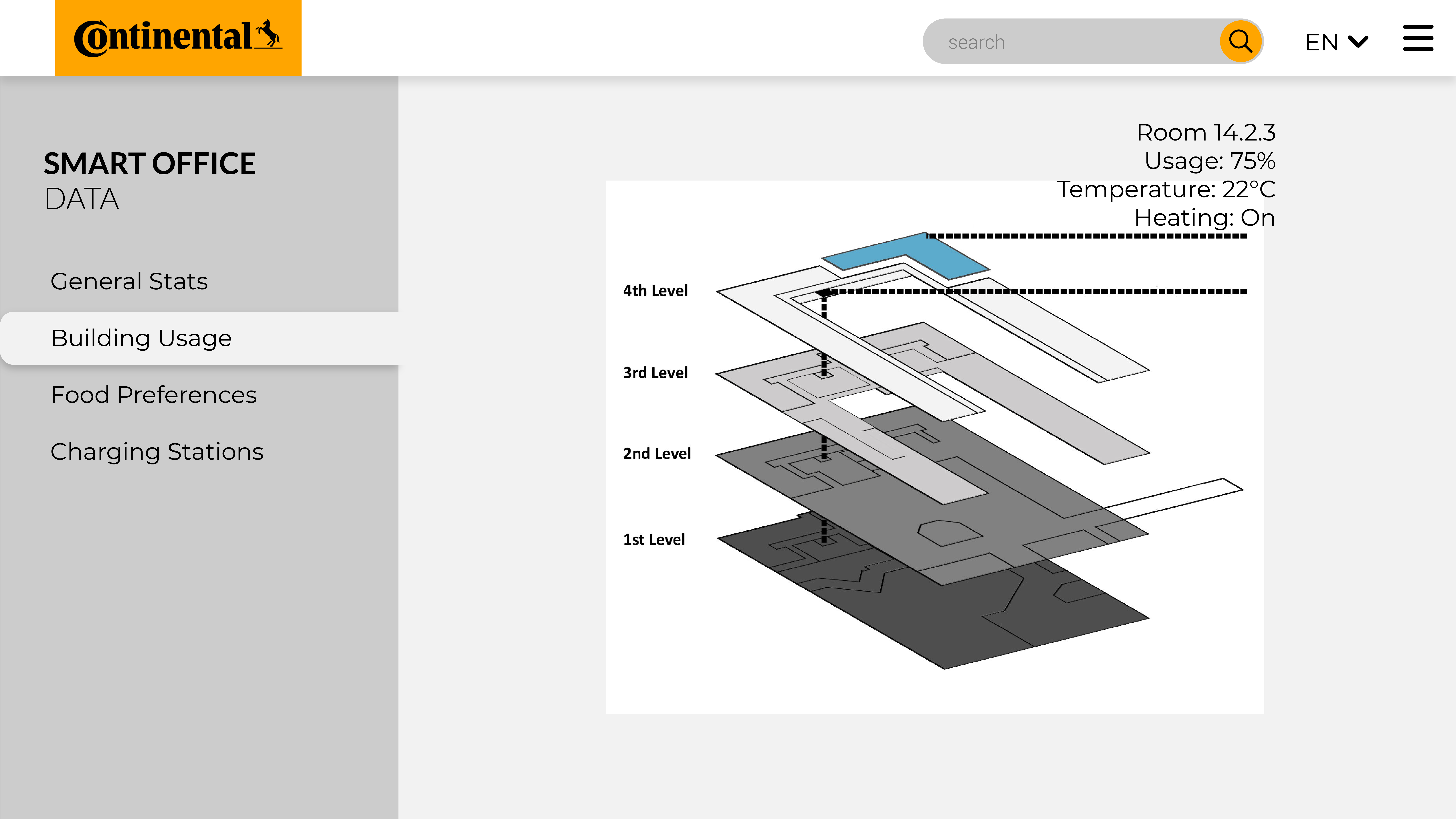
Room Allocation
-
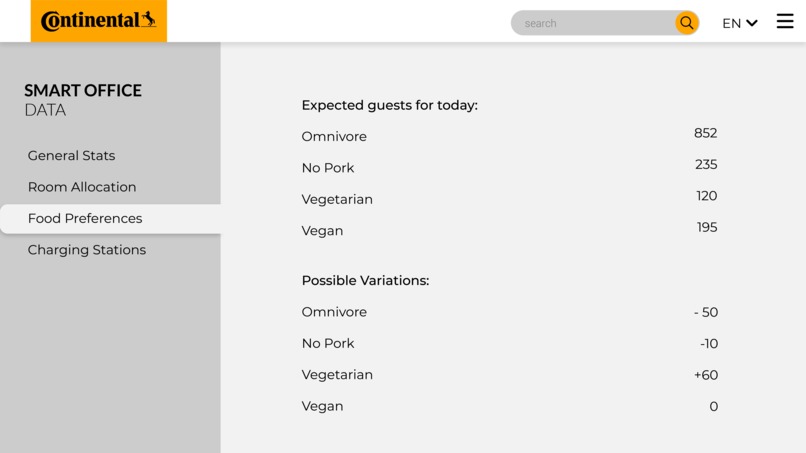
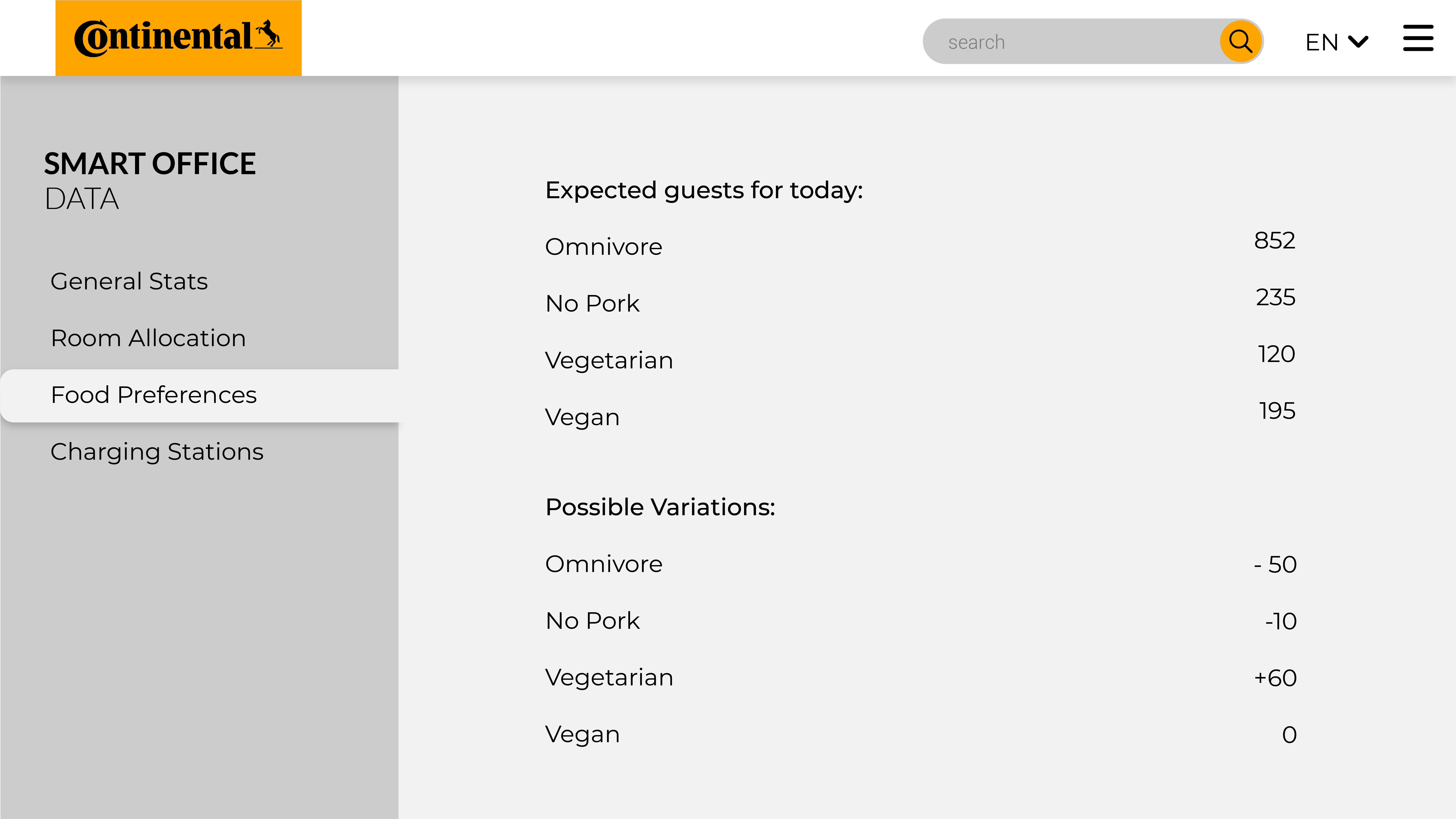
Food Preferences - Raw Data
-
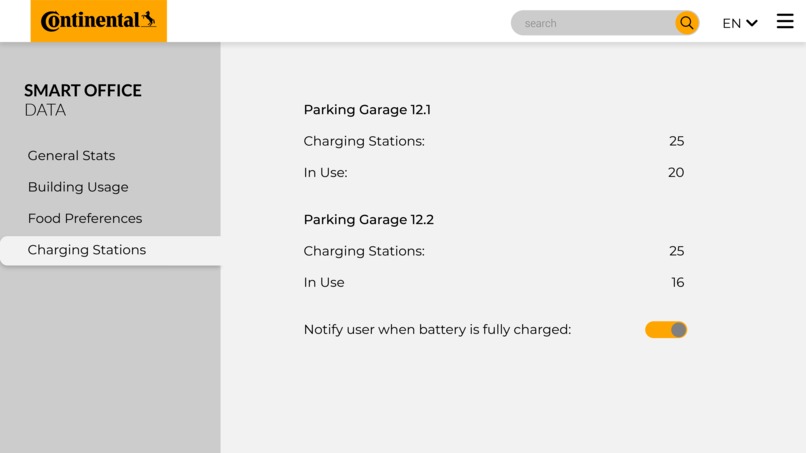
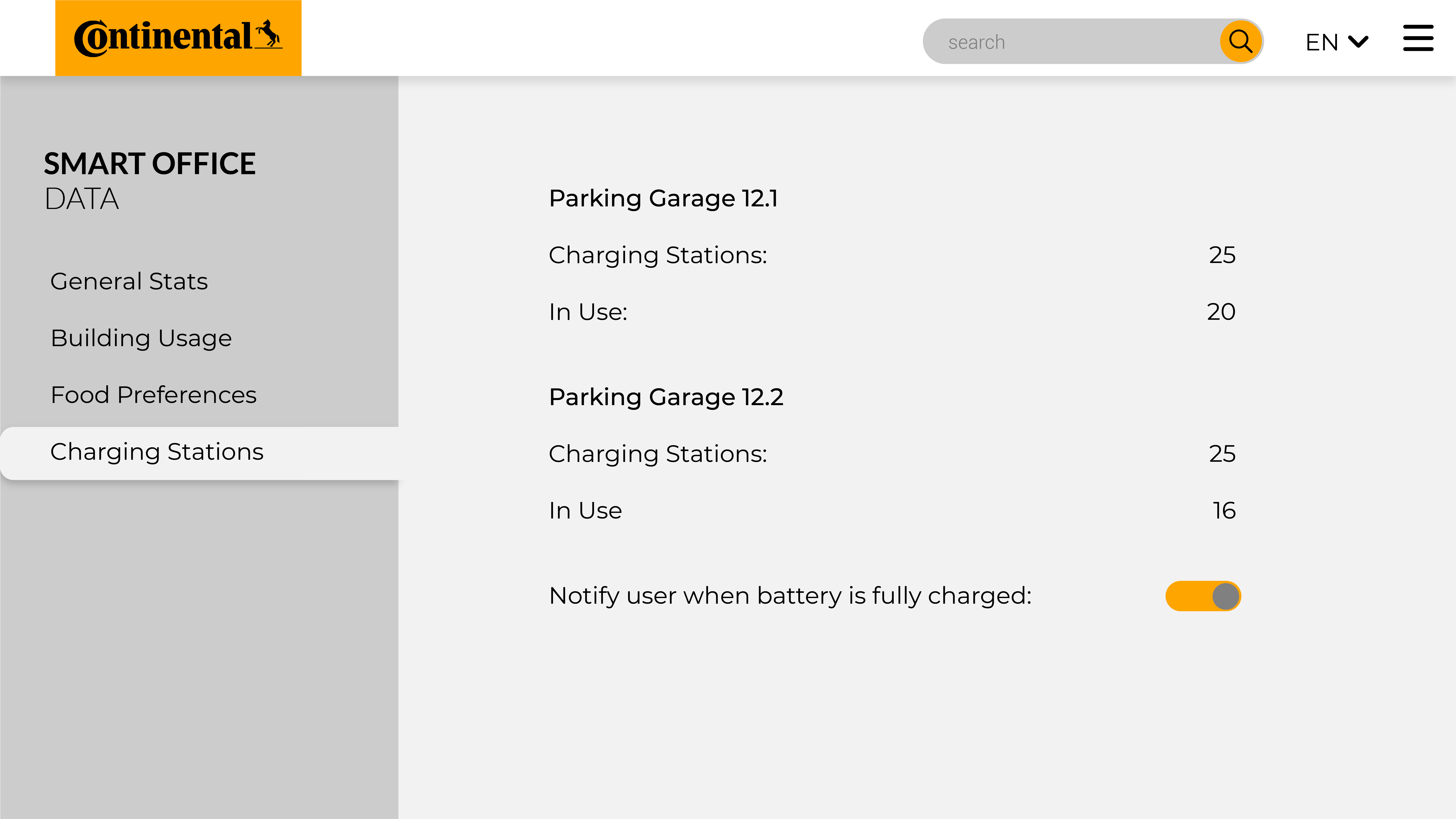
Organisation for Charging Stations
-
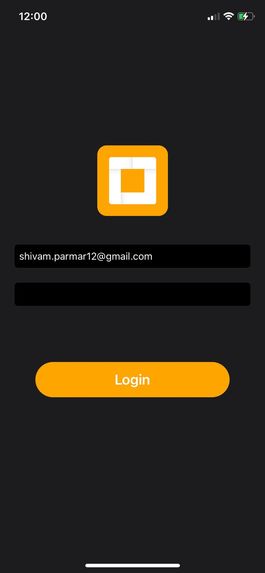
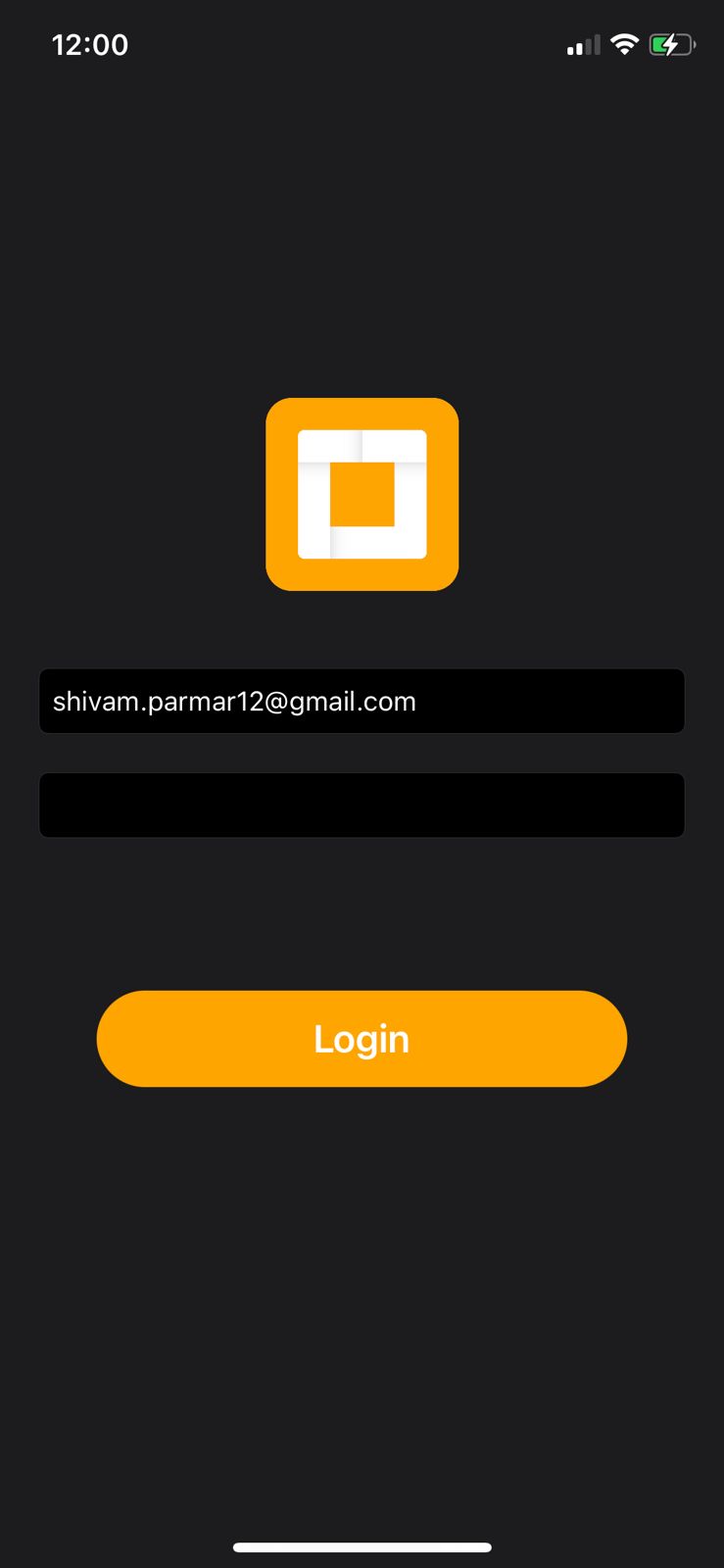
Log-in on the App
-
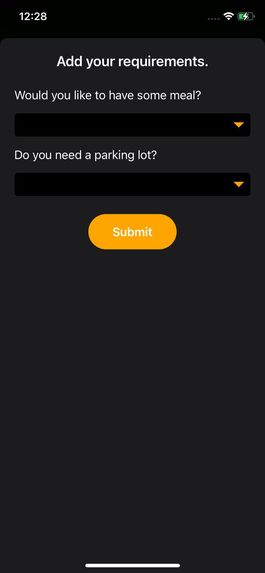
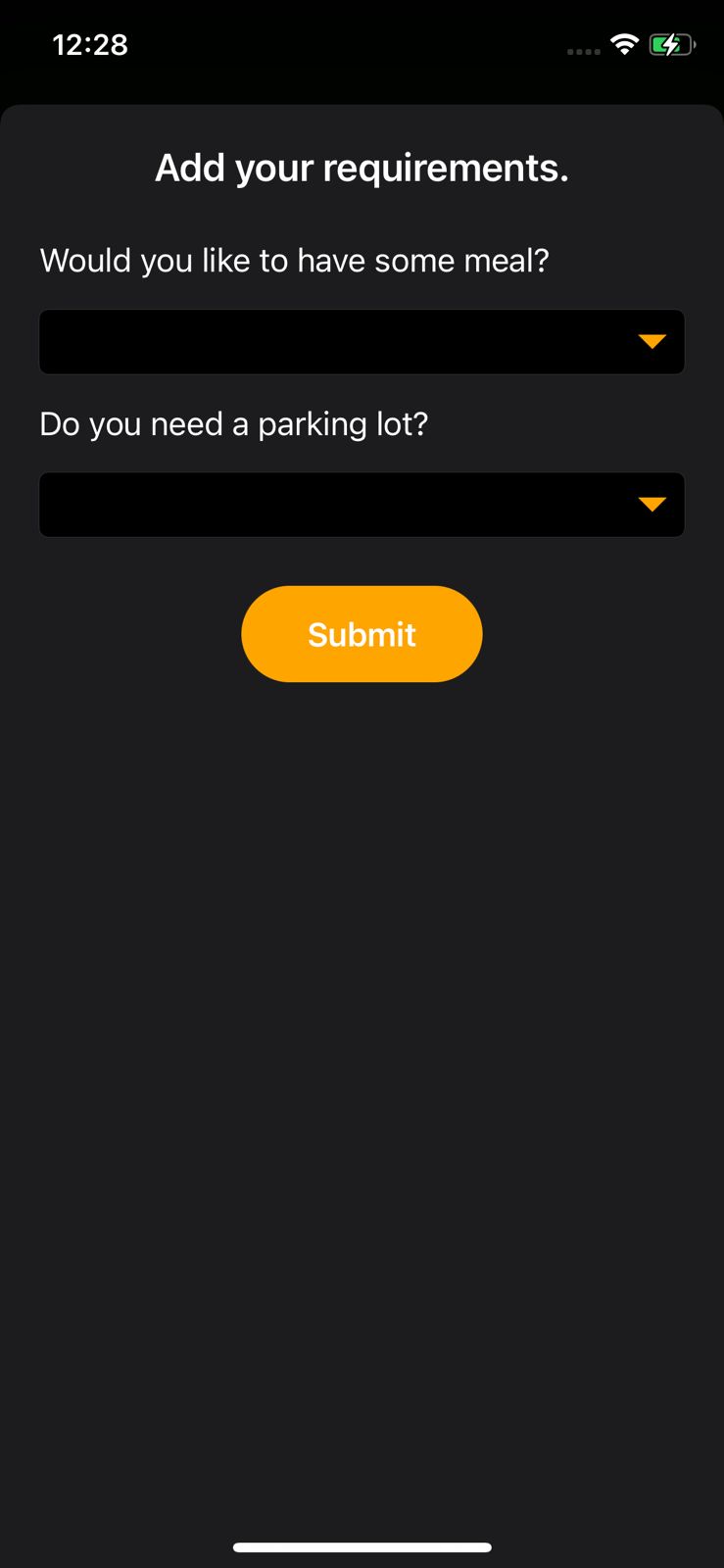
Information Exchange
Inspiration
The lack of optimization of resources in buildings and working places hinders the sustainability plans that companies aim at adopting. This is notably seen in light, energy and heating management in addition to the planning of resource distribution especially in times where flexibility of home office is a factor that heavily influences the equation . Our goal is to coordinate the human element that is a huge part of the decision making behind these issues and to organize it in such a way to ensure higher levels of sustainability.
What it does
We provide an API, a web interface and an iOS app centered around a registration requirement to access the on-site offices by also providing other small yet very essential information such as the need for a parking slot and whether the usage of the canteen is planned. The app divides the on-site workers into rooms which optimizes the energy by not allowing the usage of non granted rooms. (This can in the future be enforced by a microcontroller that communicates with our database and unlocks the rooms within a hallway for general usage and does not allow the sporadic usage of other rooms by keeping them locked).
How we built it
The API was created with Django REST framework, the web app frontend was developed with React and the iOS app was developed with Swift. The hosting occurred with a heroku server.
Challenges we ran into
We wanted to eventually bring a comprehensive solution with hardware based on microcontrollers which communicate with the database to enforce the minimum usage of rooms and as a result hinder energy wasting. However, the time was not enough as we were focused on developing the three elements of our software solution. An additional obstacle was the problems that the Rest framework of Django will pose along the way. Even though it's simple in nature but mixing data from different tables and applying filters is not as straightforward as was imagined.
Accomplishments that we're proud of
We have managed to create functioning prototypes of three different products. Each one of these three elements were necessary on their own as they served different purposes and were targeted to different demographics; the app is targeted to workers in big companies and the web app is targeted to people in management roles where data overviews are provided to depict the evolution of sustainability of the company. The API serves both these developed apps.
What we learned
We have refined our approach of tackling software projects through our communication that ranged from group meetings to one-on-one collaborations and putting all meaningful thoughts to the development of the project into ink so to avoid any misunderstandings and have a solid foundation for the development phase.
What's next for Team Daytime Owls: Office Sustainability
Our aim is to finalize the remaining functionalities to get all its benefits. With the implementation of an AI we could offer a margin error for the food quantities based on past data and even weather patterns. Also, we plan to offer E-Car drivers the possibility to monitor their battery status on charging stations to avoid having occupied lots and missused energy. We also want to extend the product range to incorporate hardware that would not only stop workers from hopping to random empty rooms but also locks the area around it to save resources.

Log in or sign up for Devpost to join the conversation.