-
-

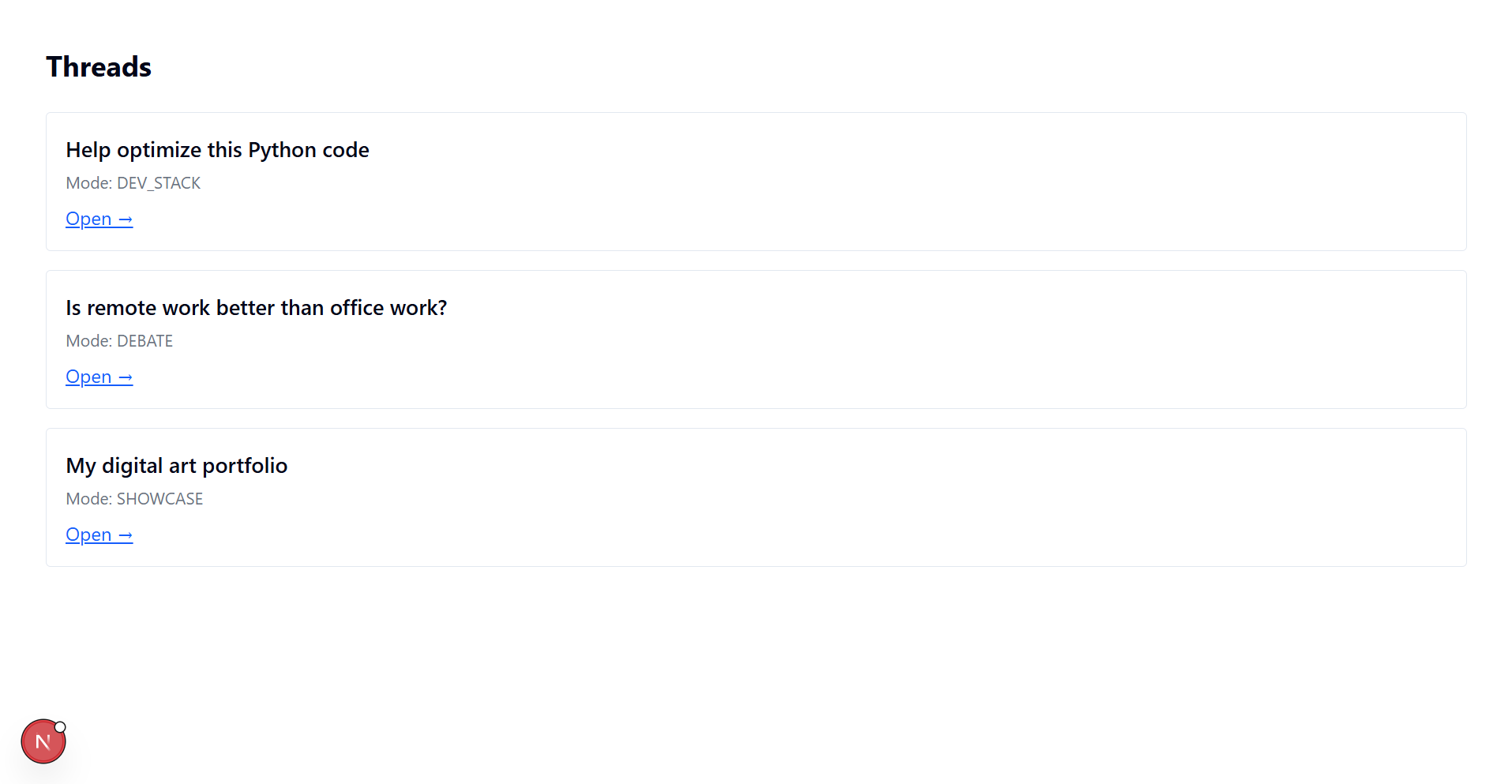
Landing page
-
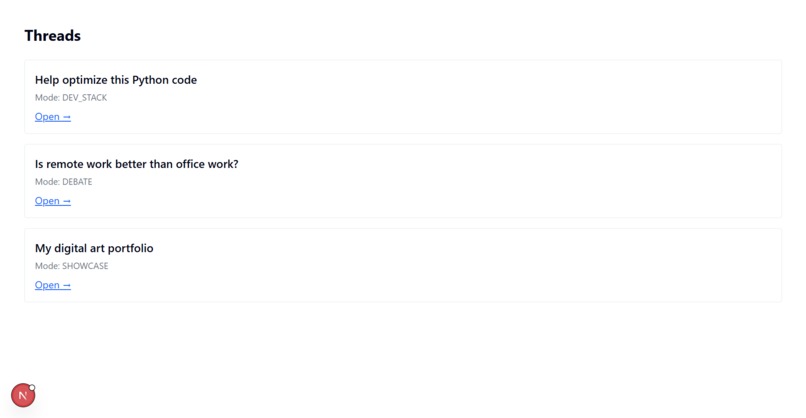
Threads page
-
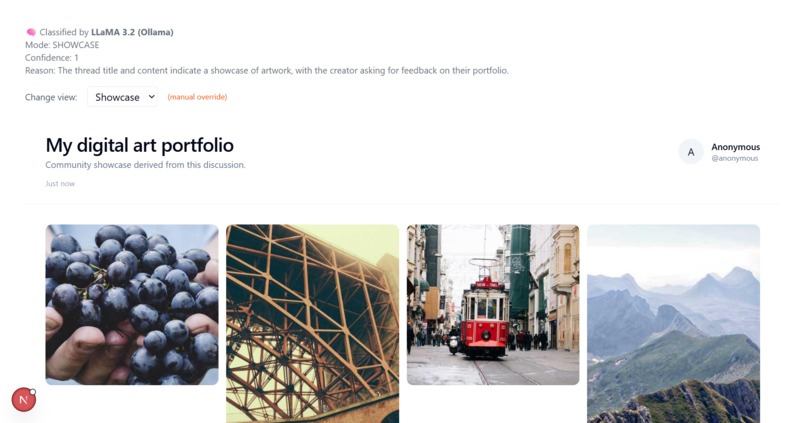
Categorizing gallery based threads
-
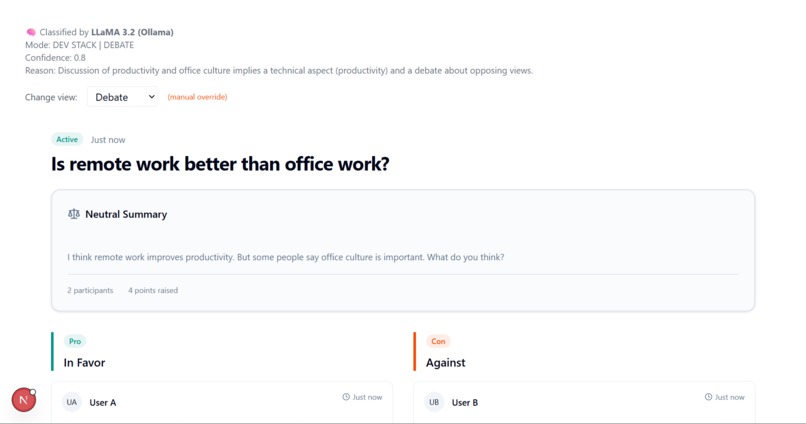
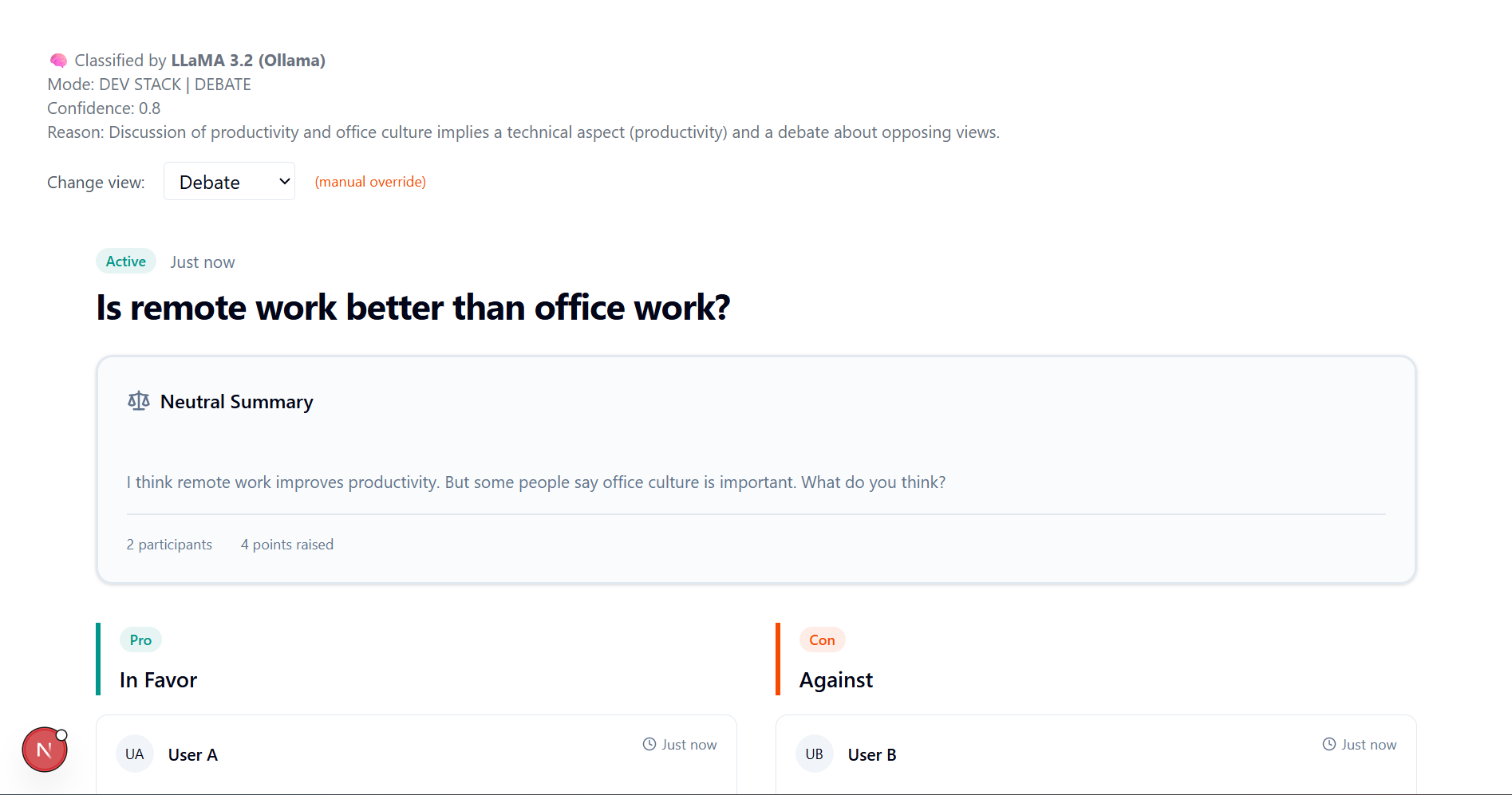
Debate based Thread
-
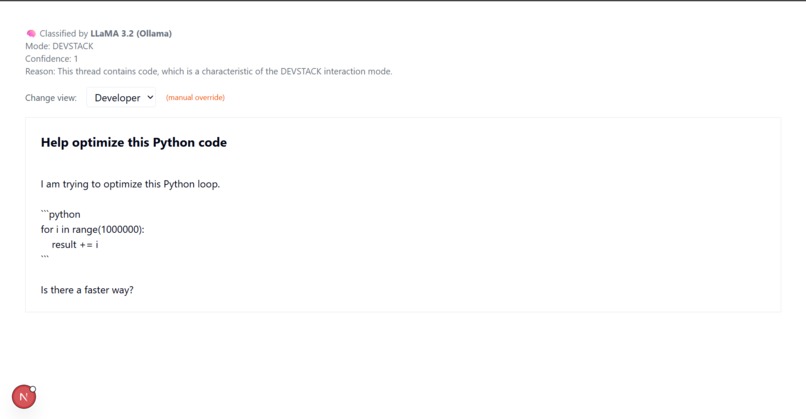
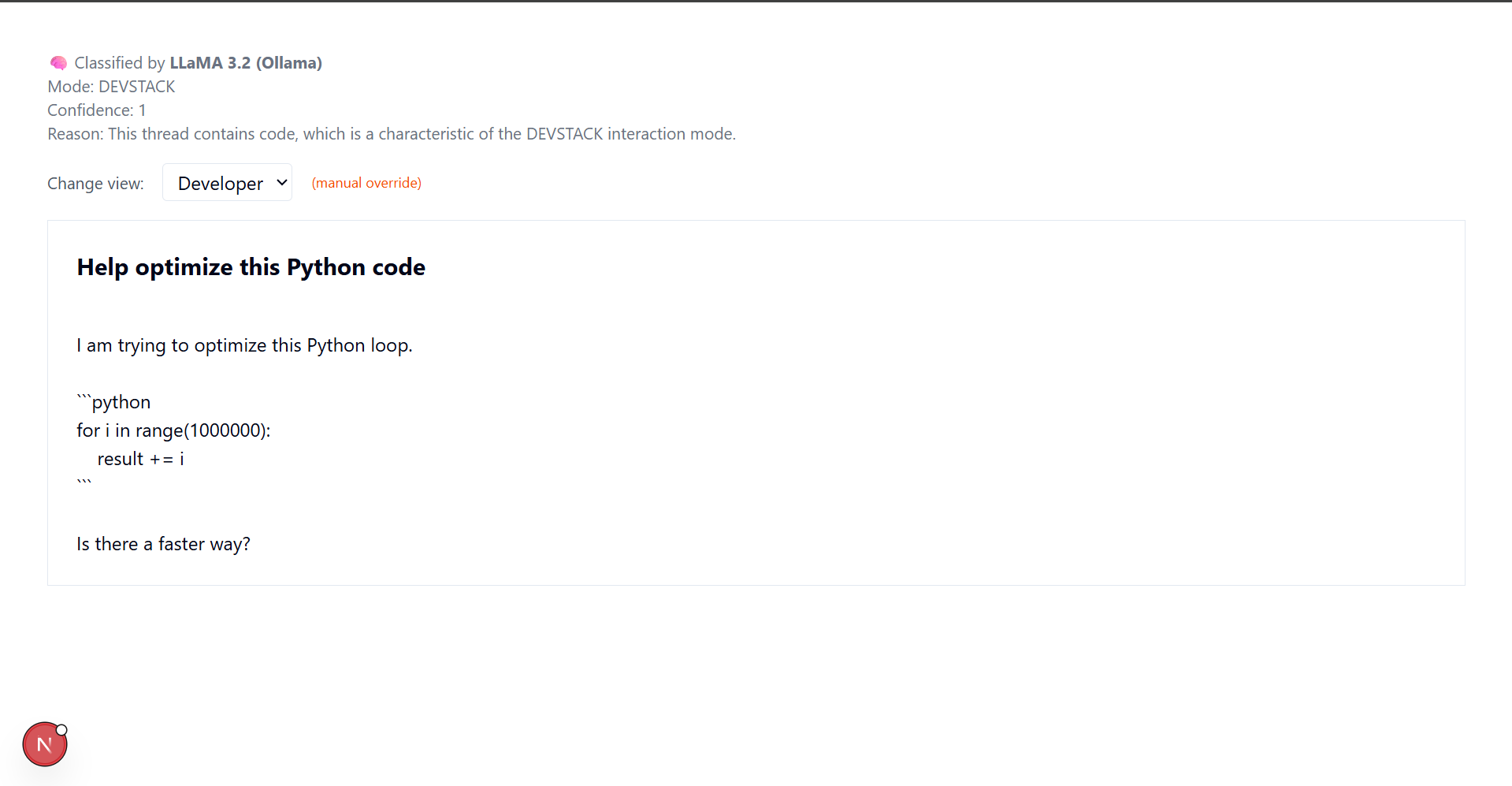
Devstack mode

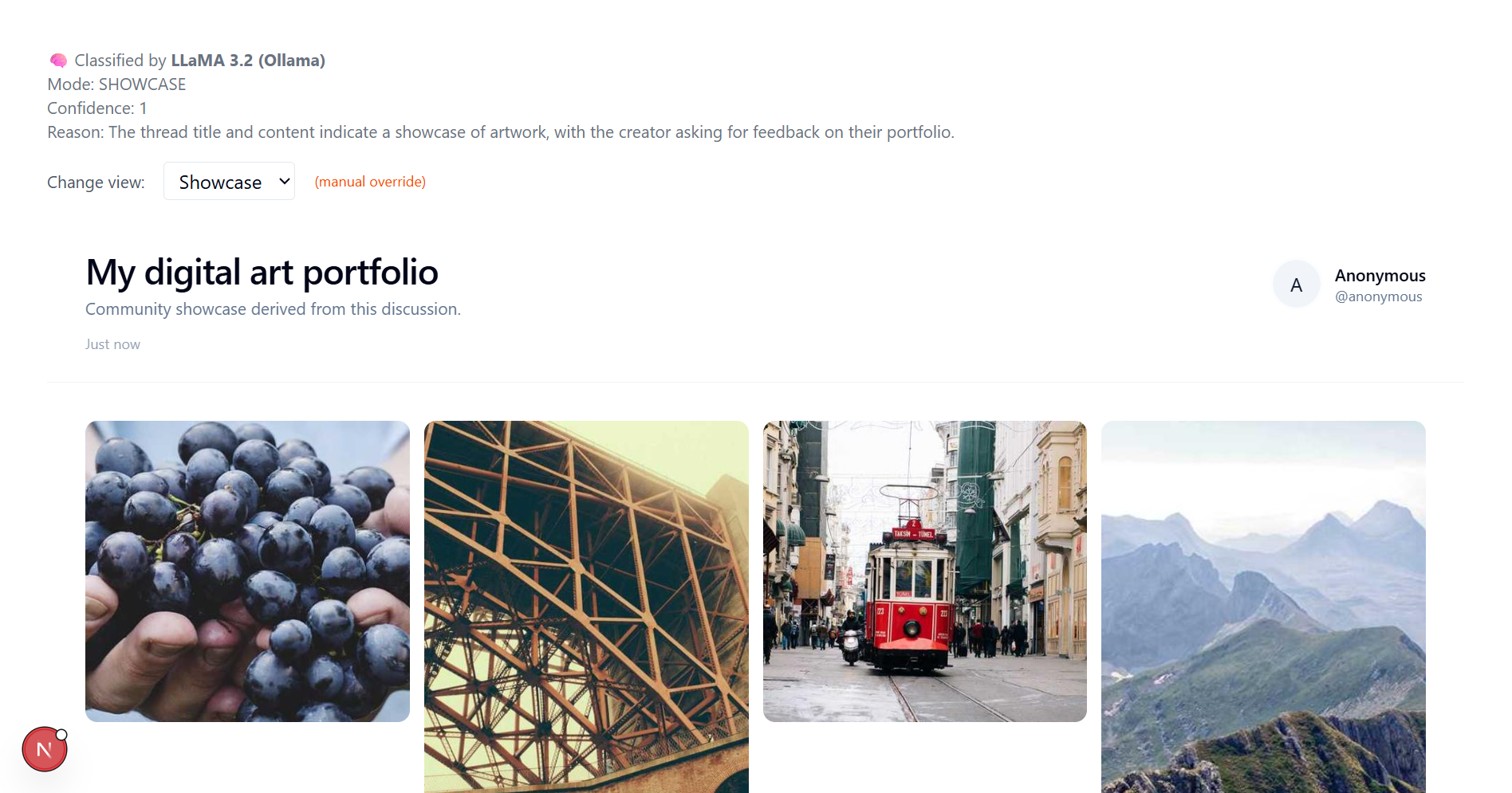
The Story Behind Contextual Chameleon 🦎
💡 Inspiration
The internet is essentially a giant text database, yet we force-feed that data through the exact same UI "tubes" regardless of what the data actually represents. I realized this problem while switching between StackOverflow (for code), Reddit (for debates), and Pinterest (for inspiration).
Why does a heated political debate look exactly the same as a Javascript debugging thread?
I asked myself: "What if the interface wasn't static? What if the frontend was as fluid as the data it holds?"
Inspired by the concept of Generative UI (v0) and Headless Architecture (Foru.ms), I set out to build Contextual Chameleon—a forum that "shapeshifts" to match the context of the conversation.
⚙️ How We Built It
The architecture follows a strict separation of concerns, treating the UI as a function of the content's intent.
1. The "Brain" (Next.js + OpenAI) We use Next.js 14 Server Components to fetch raw thread data. Before rendering, we pass the content through an LLM classification pipeline.
2. The "Body" (v0 by Vercel) Instead of manually coding CSS for days, I utilized v0 to generate distinct, complex React components.
- For
DEV_STACK, I prompted v0 for monospaced fonts, syntax highlighting, and copy-paste utilities. - For
DEBATE, I prompted v0 for a split-column layout that visually separates opposing arguments ($Side_A$ vs $Side_B$).
3. The "Glue" (Client-Side State)
We built a ThreadClientWrapper that holds the state. It allows for "Optimistic UI" updates—if a user manually overrides the AI's decision via the dropdown, the UI snaps instantly to the new layout without waiting for a server roundtrip.
🚧 Challenges We Faced
2. Hallucinations in Classification Sometimes the AI would classify a "debate about Python code" as a political debate.
- Solution: We implemented "Explainable AI". We force the LLM to return a JSON object containing a
reasonstring. Displaying this reason to the user ("This layout was chosen because...") builds trust and makes the "Human-in-the-Loop" override feature feel like a collaboration rather than a bug fix.
3. Next.js Server/Client Boundaries
Navigating the use client vs server component boundary was tricky, especially when passing complex metadata objects. We had to refactor our architecture to ensure the ThreadRenderer was a pure client component receiving serialized data from the server.
🧠 What I Learned
Building Contextual Chameleon taught me that Metadata is as important as Data. By simply tagging a piece of content with an interaction_mode, we can completely transform the user experience.
I also learned the power of Generative UI workflows. Using v0 didn't just speed up development; it allowed me to "prototype in code." I could ask for a "Cyberpunk Debate Arena" and have a working React component in 30 seconds.
This project proves that the future of the web isn't static pages—it's Adaptive Interfaces.
Built With
- foru.ms
- llama3.2
- nextjs
- react
- shadcn
- tailwindcss
- typescript
- v0-by-vercel

Log in or sign up for Devpost to join the conversation.