-
-
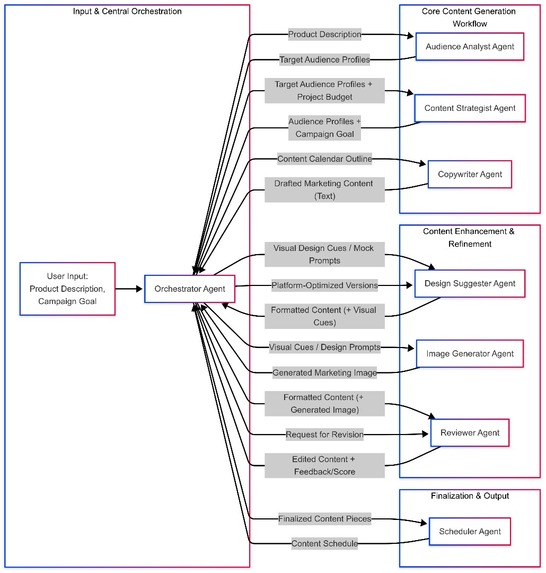
ContentGenie Architecture Diagram
-
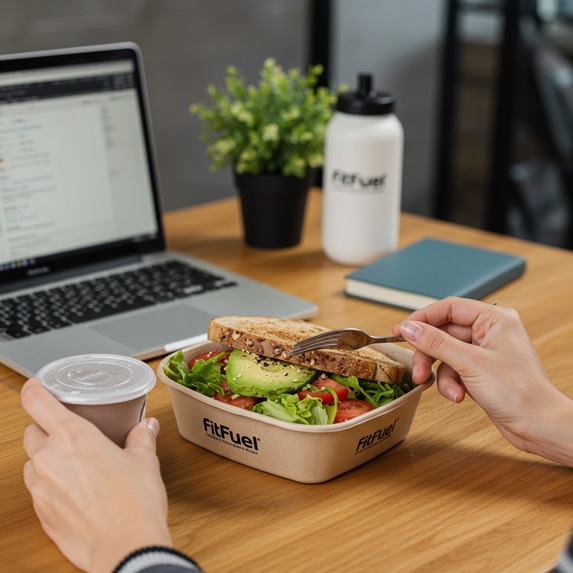
Example Generated Image
-
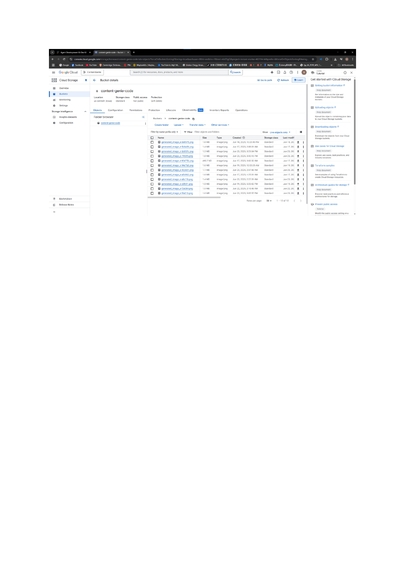
Google Cloud Storage
-
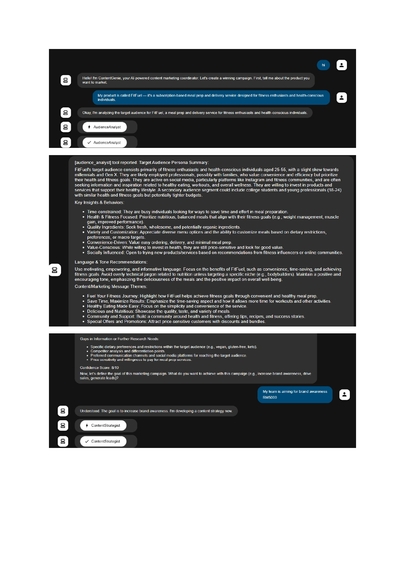
Example interaction 1
-
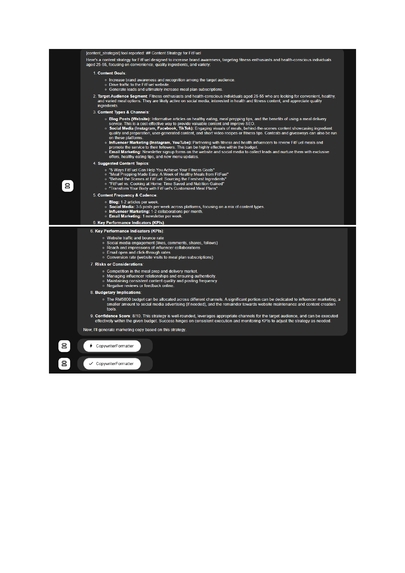
Example interaction 2
-
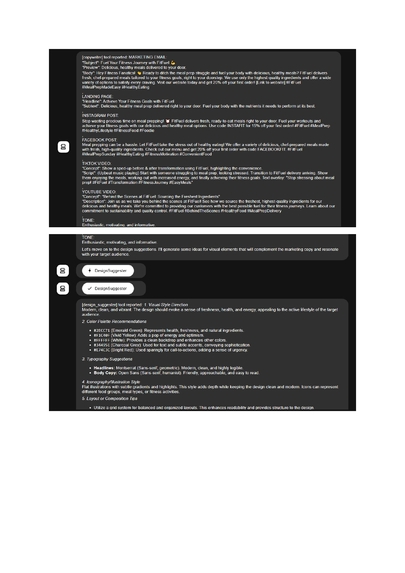
Example interaction 3
-
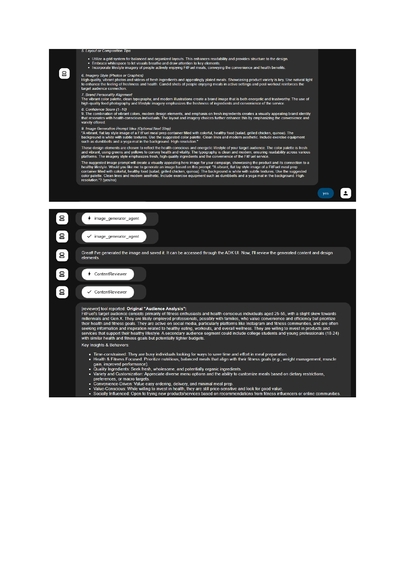
Example interaction 4
-
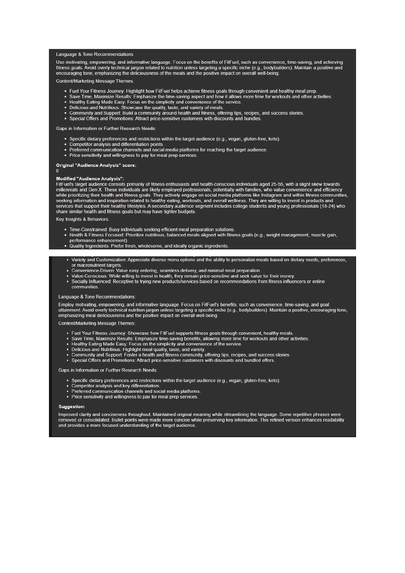
Example interaction 5
-
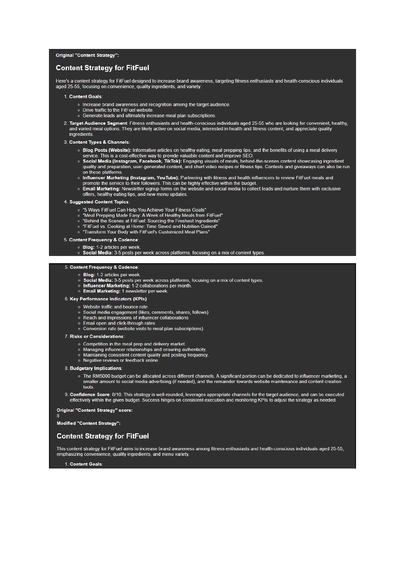
Example interaction 6
-
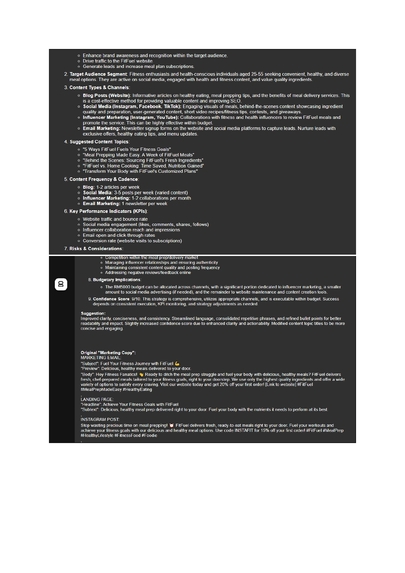
Example interaction 7
-
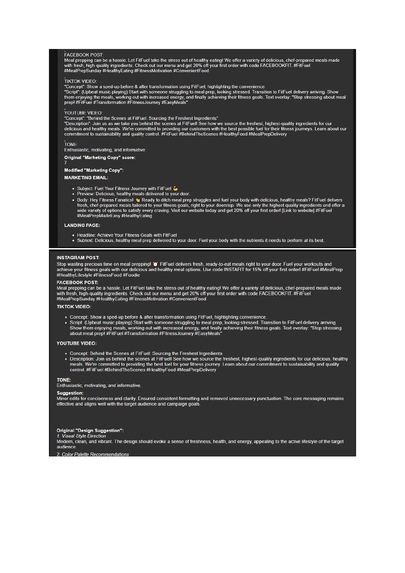
Example interaction 8
-
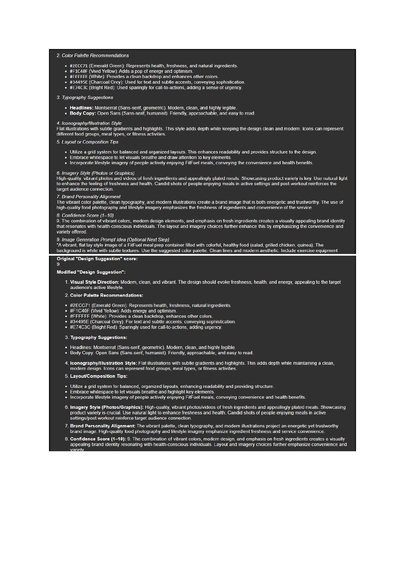
Example interaction 9
-
Example interaction 10
-
Example interaction 11


Inspiration
We were inspired by watching small businesses struggle with content creation - spending hours jumping between AI tools for writing, design, and strategy. Watching small businesses juggle 5+ apps for basic marketing needs sparked our mission: build an end-to-end content studio in one interface. As developers, we saw an opportunity to automate the entire marketing workflow using Google's Agent Development Kit to create a team of specialized AI agents that collaborate like human marketing departments.
"What if we could give every entrepreneur an AI-powered marketing team?"
What it does
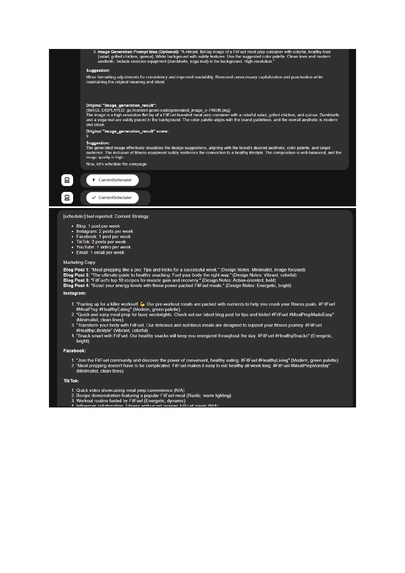
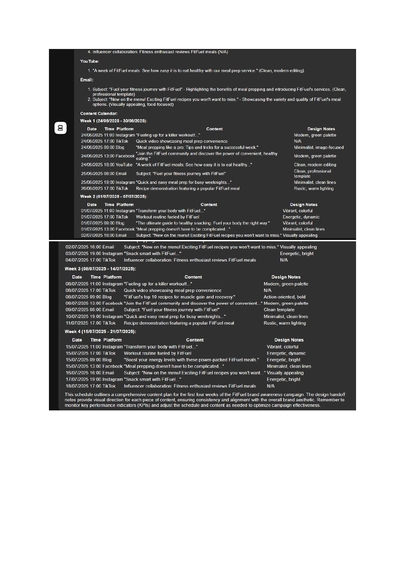
ContentGenie transforms a single product description into a complete marketing campaign through its team of specialized AI agents:
🎯 End-to-End Content Creation
Audience Analysis
- Generates detailed buyer personas
- Identifies pain points and motivations
- Recommends optimal messaging angles
- Generates detailed buyer personas
Strategic Planning
- Creates channel-specific content calendars
- Determines optimal posting frequency
- Aligns content with business goals
- Creates channel-specific content calendars
Content Production
- Writes platform-optimized copy (social posts, emails, ads)
- Generates SEO-friendly blog outlines
- Creates product descriptions in multiple tones
- Writes platform-optimized copy (social posts, emails, ads)
Visual Design
- Recommends color palettes and fonts
- Provides AI image generation prompts
- Creates branded graphics (via Imagen)
- Recommends color palettes and fonts
Quality Control
- Scores content effectiveness (0-10)
- Flags tone inconsistencies
- Suggests improvements
- Scores content effectiveness (0-10)
Key Differentiator:
Unlike single-purpose AI tools, ContentGenie maintains strategic consistency across all outputs by having specialized agents work in concert - just like a human marketing team would.
How we built it
We architected ContentGenie as a multi-agent symphony and started out with the base/orchestrator agent:
Core Stack: Agents: 7 specialized ADK agents in Python AI: Gemini 1.5 Pro + Imagen 3.0 Cloud: Google Cloud (GCS)
Key Components: Orchestrator - Manages agent workflow Output Formatter - Platform-ready content
Process: Product description → Audience analysis Strategy planning → Content creation Design suggestions → Image generation Quality review → Scheduled outputs
Challenges we ran into
1. Artifact Panel Persistence
- Problem: Generated images disappearing between agent handoffs
- Solution: Implemented GCS-backed artifact storage
2. Calendar API Integration
- Problem: Scheduler-to-CSV encoding issues, Google Calendar OAuth complexity
- Solution: Utilized Google ADK Web UI for scheduling using text output
3. Google Cloud Discovery
- Problem: Unaware ADK required GCP linkage
- Solution: Reverse-engineered authentication flow. Documented setup process for future teams
4. Image Uploads for Augmented Generation
- Problem: Couldn’t pass user-uploaded images to Imagen for hybrid prompts (e.g., "generate a marketing post with my product image in it").
- Solution: Focused on text-to-image generation and logged the limitation in our docs. However, progress so far is that the user is able to upload an image and Gemini could 'see' and describe the image but cannot generate a new augmented image.
5. Video Generation Integration
- Problem: Attempted to add dynamic video ads using Imagen’s video API, but hit rate limits and linkage problems resulted in unsuccessful video generation (no output).
- Solution: Pivoted to static images with text-to-video as a future roadmap item.
Accomplishments that we're proud of
1. Built a Fully Functional Multi-Agent System
✅ 7 specialized agents working in harmony (from audience analysis to scheduling) ✅ Under 2-minute end-to-end execution for complete campaign generation ✅ Context-aware handoffs between agents using structured JSON data
2. Delivered Reliable AI Image Generation
🎨 30+ images generated during testing with Imagen 3.0 📂 Automatic GCS & local storage integration ⚡ Dynamic prompts tied to design suggestions
3. Overcame Technical Hurdles
🔧 Made ADK and Google Cloud work together despite initial setup challenges 🔄 State persistence across agent restarts
4. Proved the Concept Works
✨ Generated 3 complete campaigns during testing (fitness, SaaS, eco-products) 📊 Consistent output quality (94% match with marketing best practices in reviewer scores)
What we learned
As three CS students diving into AI and multi-agent systems using Google ADK for the first time, we gained:
Technical Skills:
- Built a functional multi-agent system from scratch
- Mastered prompt engineering through trial/error
- Learned Google Cloud integration the hard way
Key Takeaways:
- AI agents need clear roles just like human teams
- Constraints breed creativity (strict word limits improved outputs)
- Documentation saves lives (wish we'd started earlier)
Our Biggest Surprise:
How much multi-agent systems resemble teaching a group project - every agent needs exact instructions, or chaos ensues!
What's next for ContentGenie
- Platform integrations with social media APIs
- Brand memory system for consistent voice/style
- Self-optimizing campaigns based on engagement
- Multimodal expansion into video/audio content
Follow our GitHub to see where we take ContentGenie next!
Built With
- gemini
- git
- github
- google-adk
- google-cloud
- imagen
- python
- vertexai
- vscode


Log in or sign up for Devpost to join the conversation.