-
-

Circuit
-

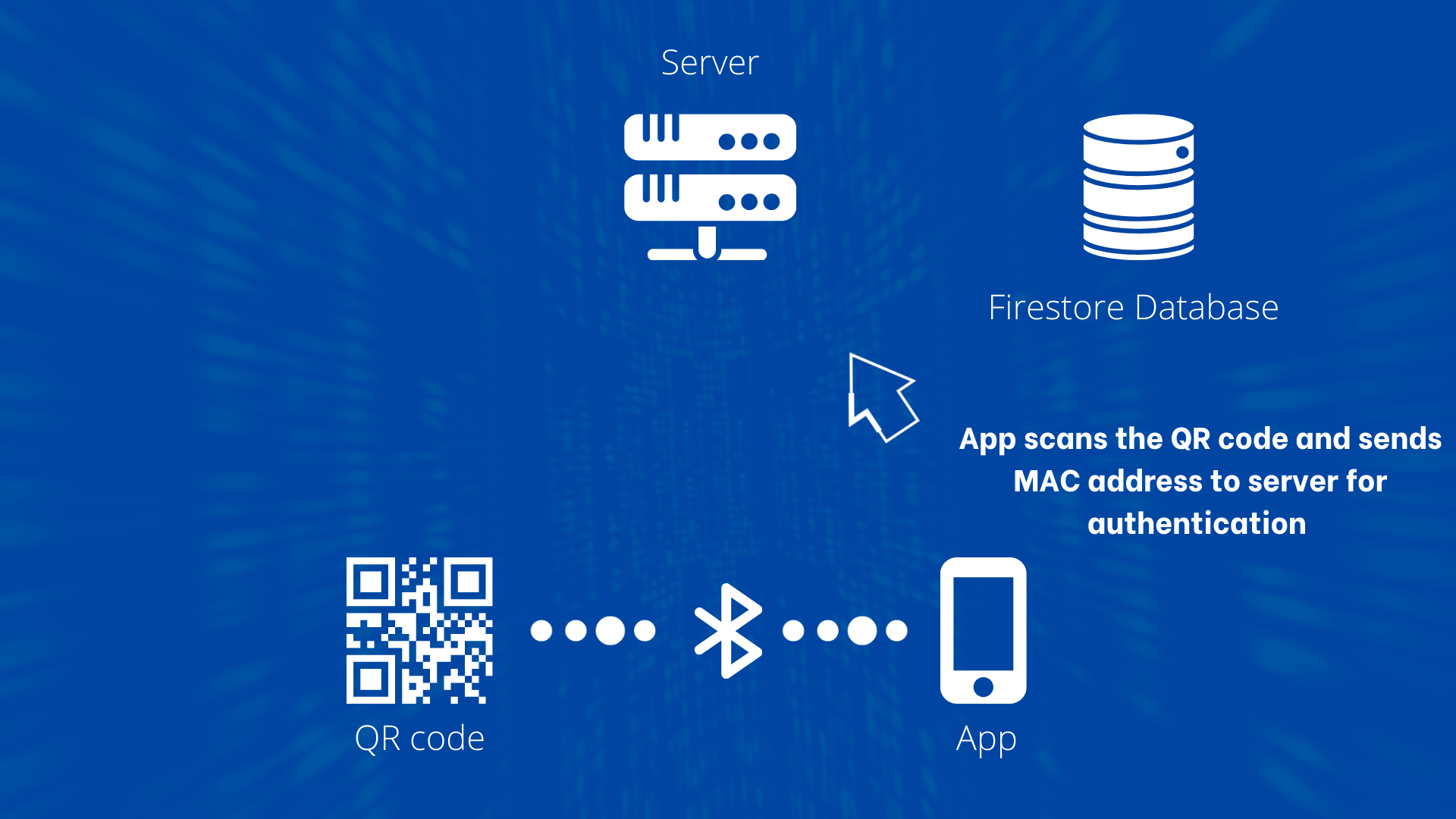
Working 1
-
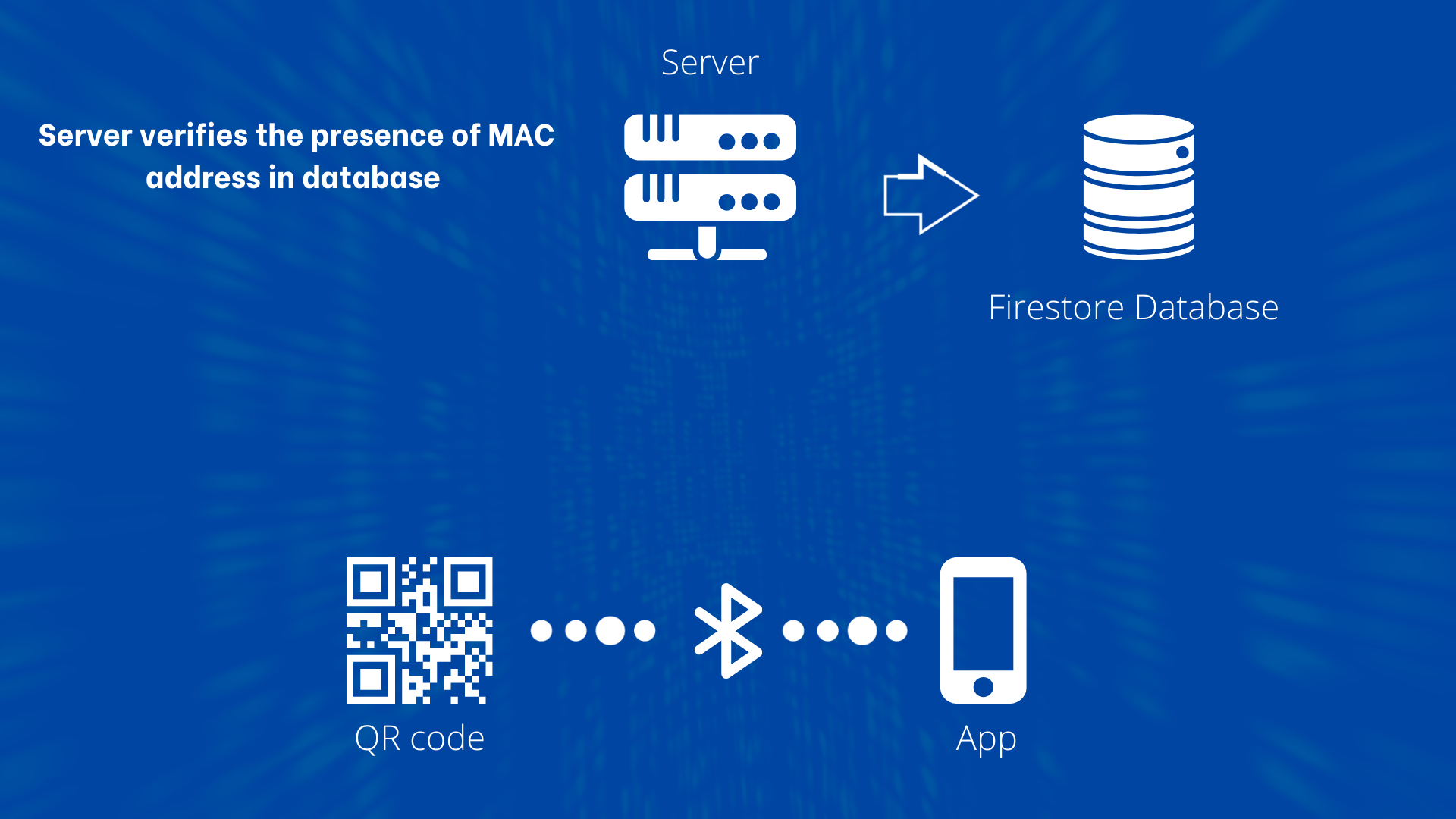
Working 2
-
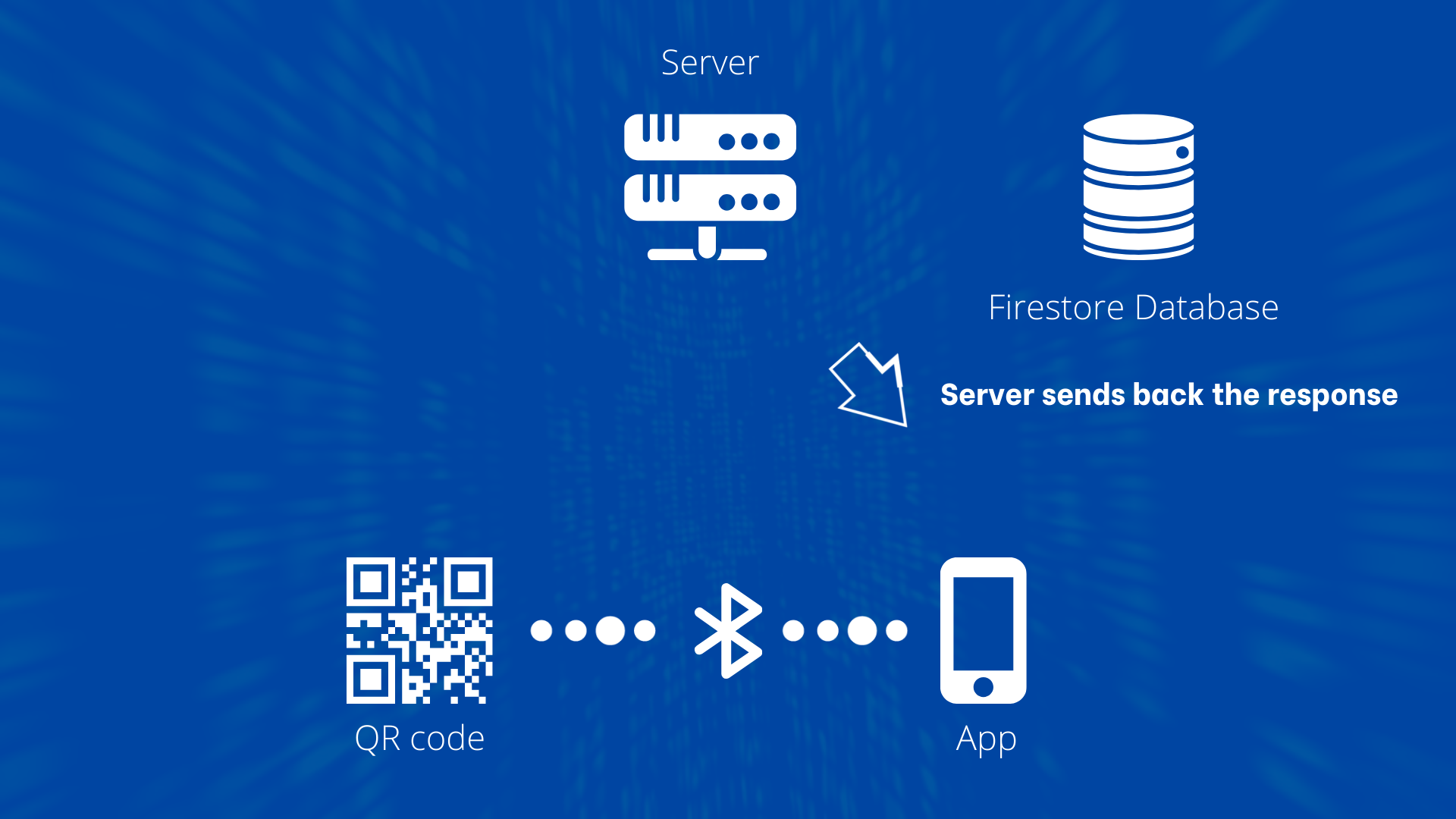
Working 3
-
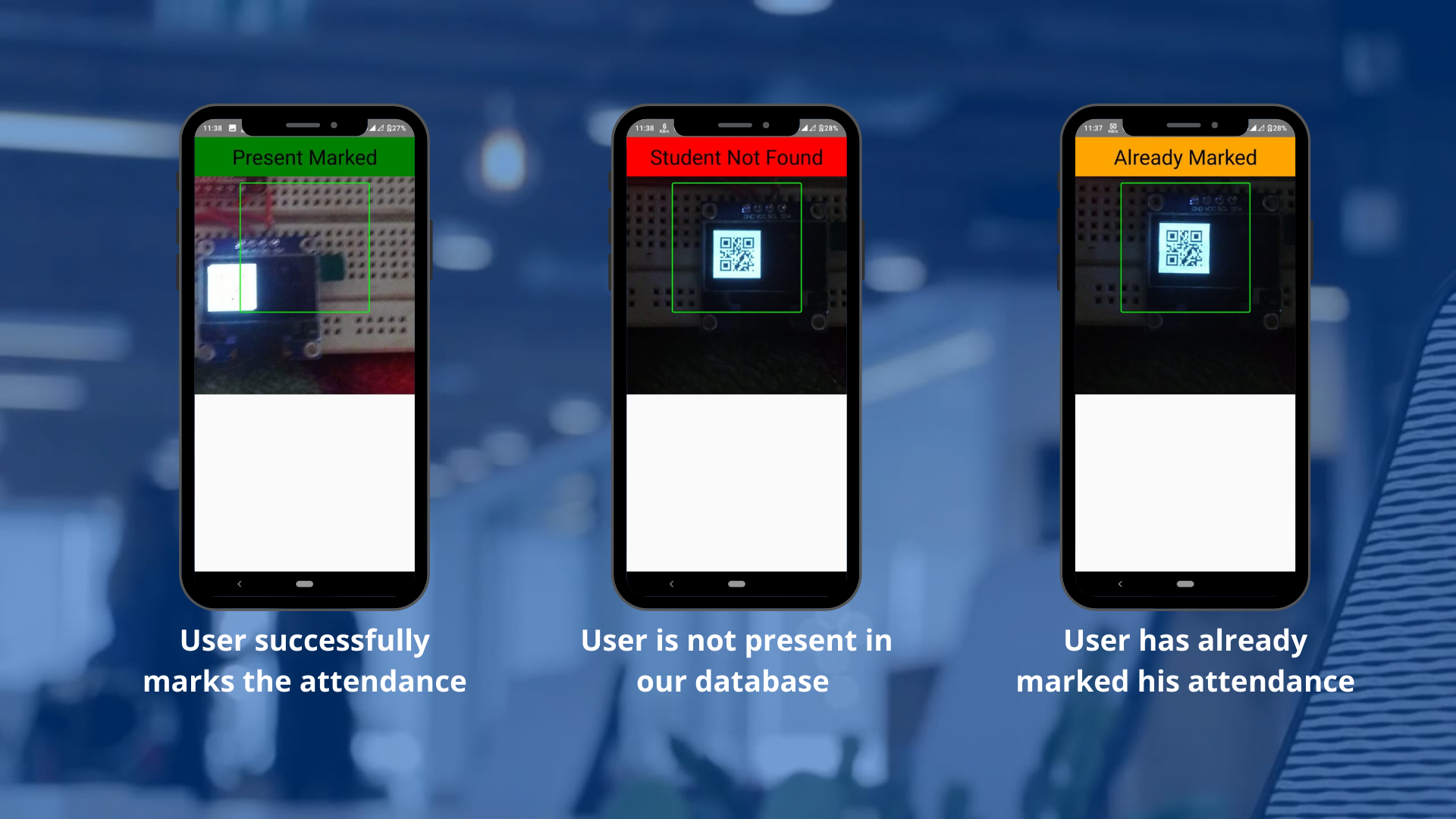
Working 4
-

App Interface on different responses

Inspiration
In the wake of COVID19 traditional biometric methods (Fingerprint) of taking attendance became obsolete. Most organizations that relied on biometric attendance systems for their attendance management had to switch to traditional manual methods for attendance management.
What it does
CAS provides organizations with a contactless way of managing their employee's attendance. Thus it helps in preventing contagious diseases that spread from surfaces that come in contact with many people such as the fingerprint panel.
How we built it
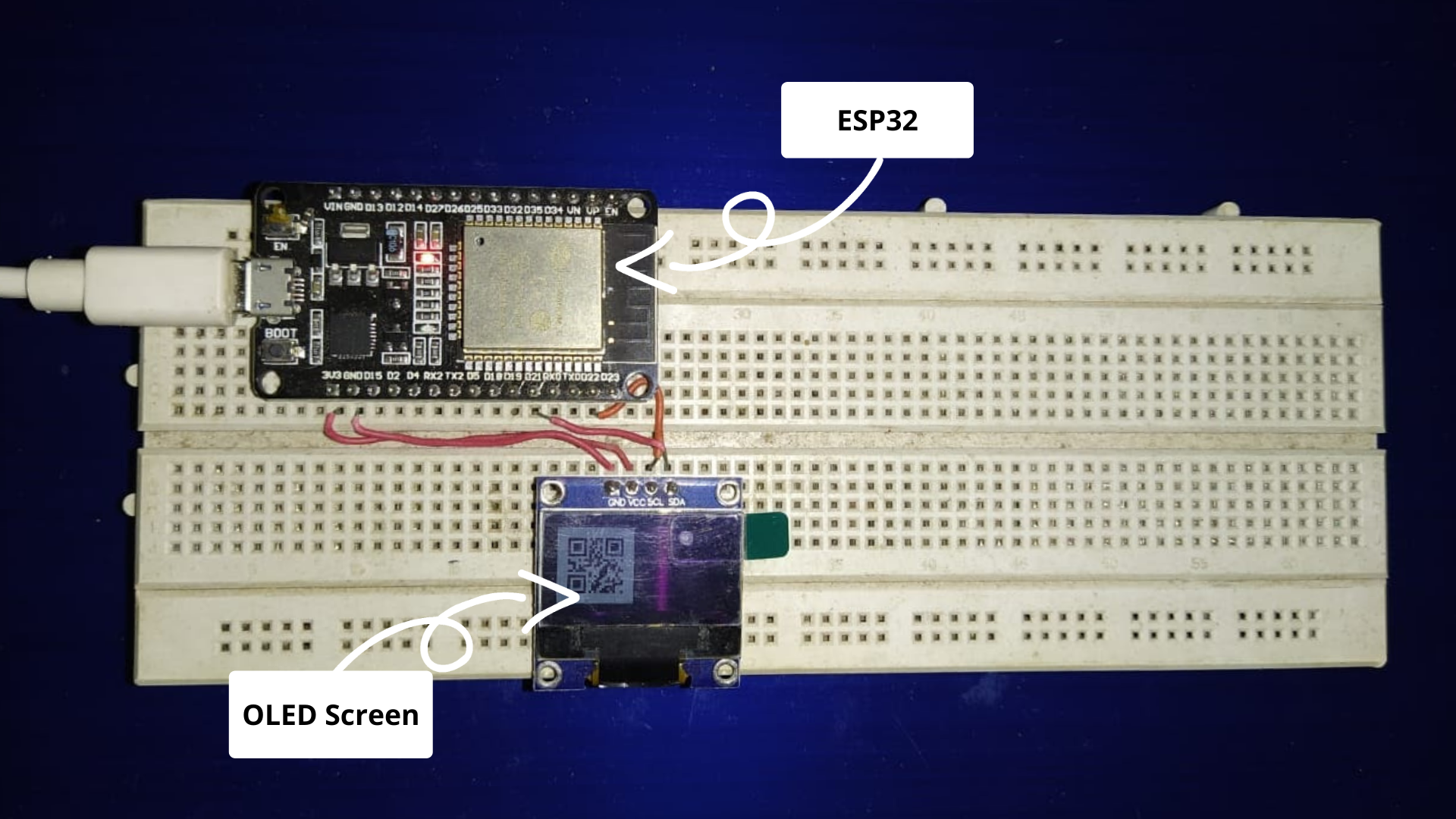
- The ESP32 microcontroller was flashed with micropython. Thus, the code was written in python.
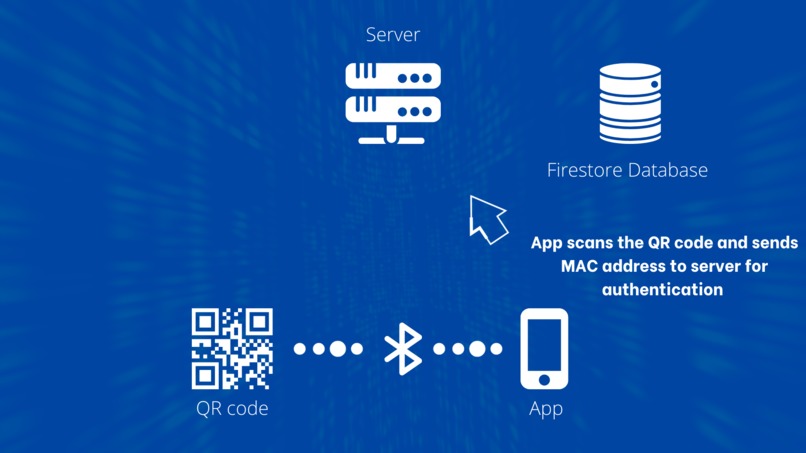
- ESP32 creates a BLE (Bluetooth Low Energy) beacon for proximity verification and displays a QRcode on an OLED display.
- The API was built using flask framework for better integration of python code used in micropython.
- Android App was built in React-native for fast development and easy access to libraries used for QRcode scanning and Bluetooth proximity.
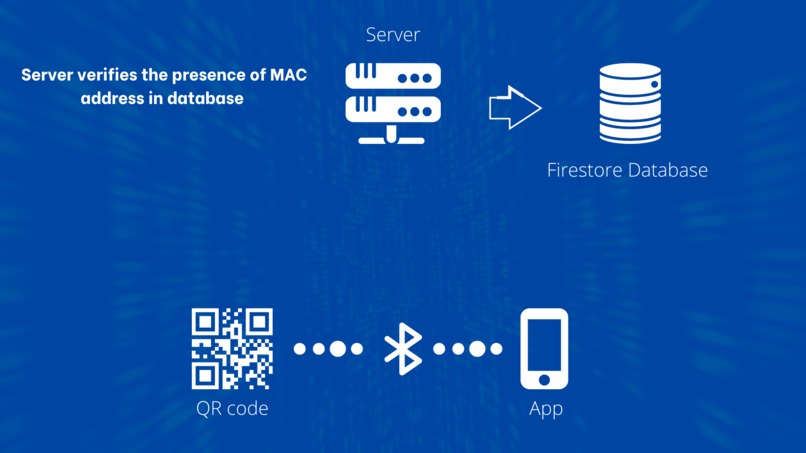
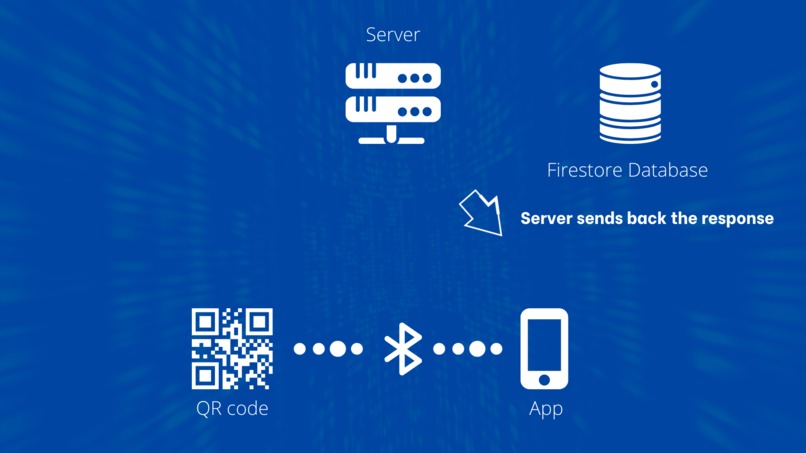
- Google firestore database was used for storing MAC addresses
Challenges we ran into
Initially we planned to implement our backend APIs using ExpressJS, but we were not getting a library for QRcode generation that can be integrated with micropython. So halfway we had to switch to flask framework for API generation.
Accomplishments that we're proud of
We are proud that we were able to address a real world problem using our project in the given time frame.
What we learned
- Integration of different frameworks.
- Coding with better space complexity because of storage limitation on ESP32.
What's next for CAS - Contactless Attendance System
We plan to develop a full-stack system for CAS that will provide dedicated dashboards for users and admins.
Built With
- firebase
- flask
- google-cloud
- javascript
- micropython
- nosql
- python
- react-native

Log in or sign up for Devpost to join the conversation.