-
-
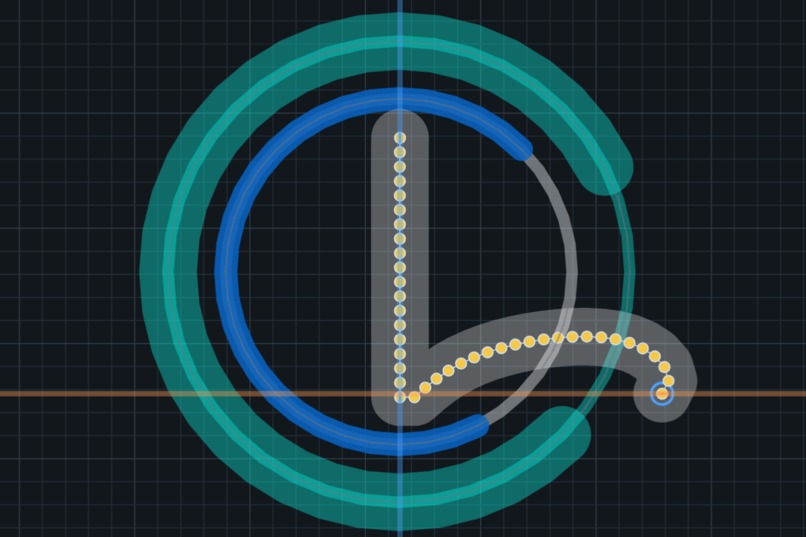
ConstraintCurveLab (CCL)
-
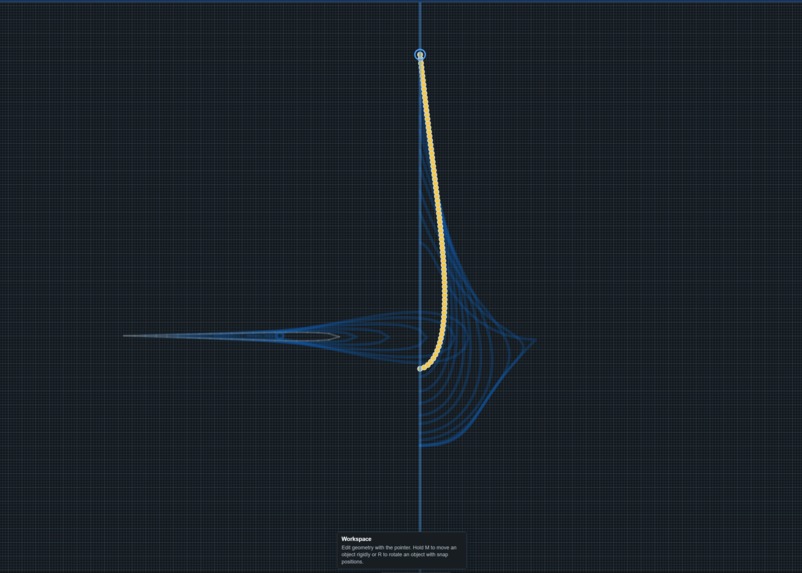
Full-screen geometry editing workspace
-
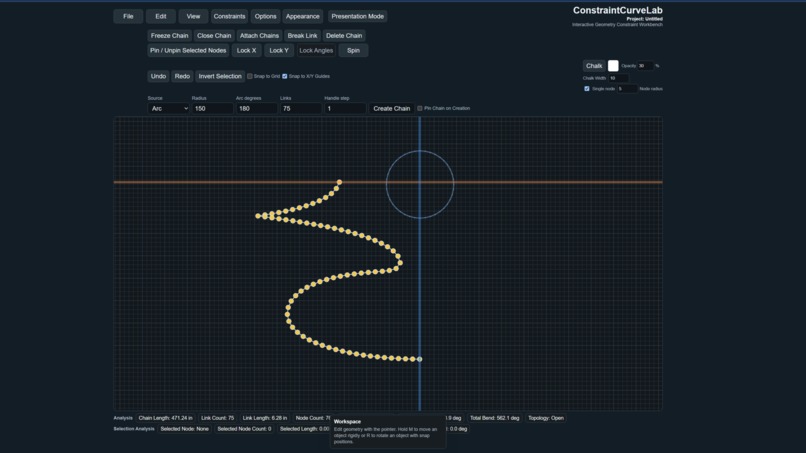
Real-time constrained curve exploration
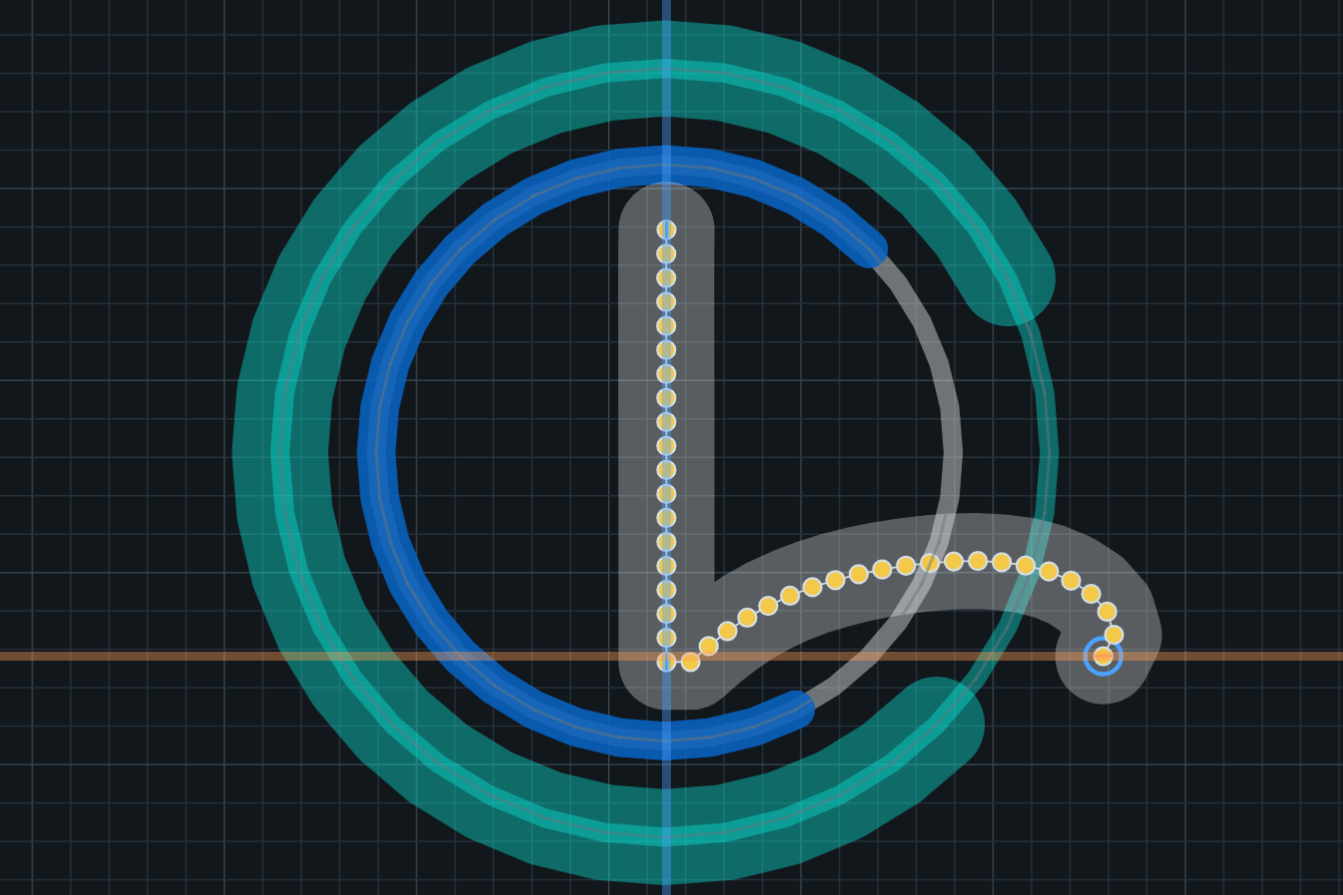
ConstraintCurveLab
Inspiration
ConstraintCurveLab (CCL) began as a simple one-function tool to help me experiment with a fixed-length profile that I could then import into 3D modeling software to help create a form.
What it does
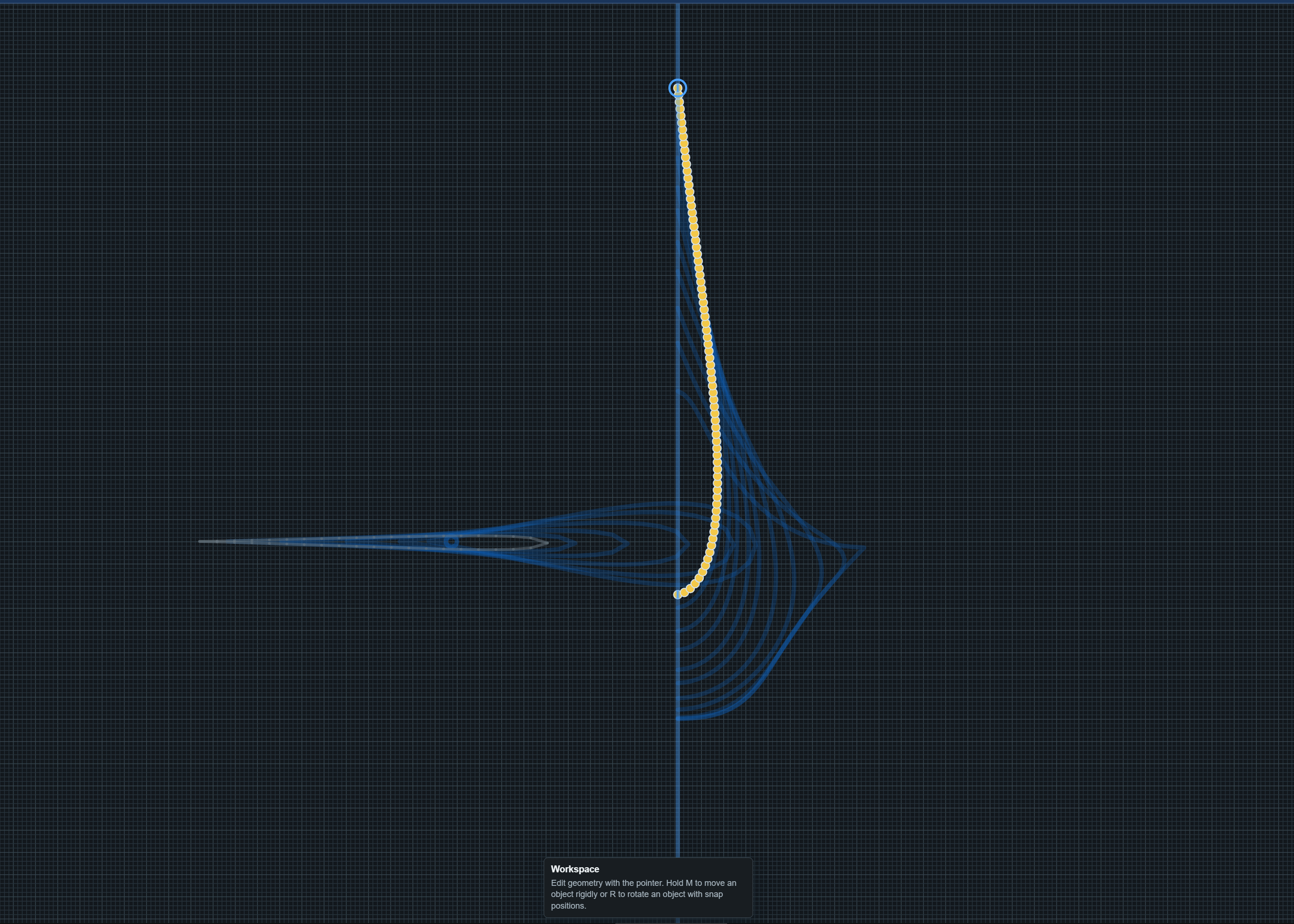
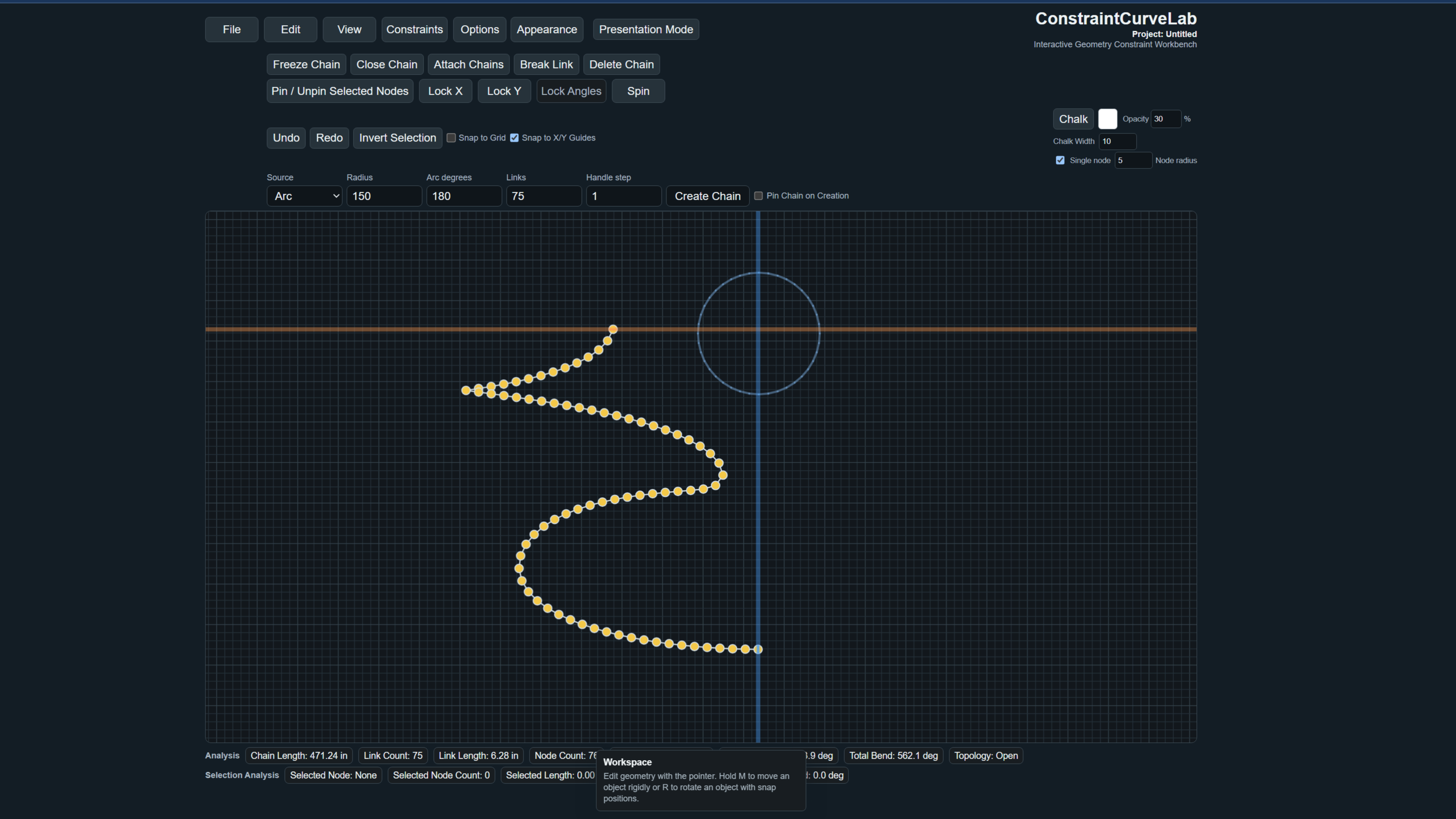
CCL lets you experiment with fixed-length curves while maintaining geometric constraints in real time.
I added features like pin constraints, axis locking, endpoint locking, rotational constraints, chalk visualization for exploring motion, and SVG export for use in other design workflows.
How I built it
I am not a strong programmer, so I approached this project one small step at a time. I described what I wanted to build and worked through the ideas with ChatGPT. It translated those ideas into clear instructions for Codex, which then implemented each step. Each small experiment yielded new ideas that added to the complexity and function of the project.
Challenges I ran into
Aside from the technical challenges of interface design and solver methodology, my biggest challenge was communicating intent. My background is in art, and although I know what I’m trying to create, it can be difficult to translate that vision into another field of expertise.
Accomplishments that I'm proud of
I'm proud that ConstraintCurveLab evolved from a single-purpose engineering tool into a reusable geometry workbench.
What I learned
Each small step adds to the complexity of an idea. If you start with the basics: complexity will arise.
What's next
Future work will focus on additional constraint types, more advanced editing workflows, improved export capabilities, while maintaining a smooth feel and comfortable behavior.


Log in or sign up for Devpost to join the conversation.