-
-
Thumbnail for "Conquer Chiron"
-
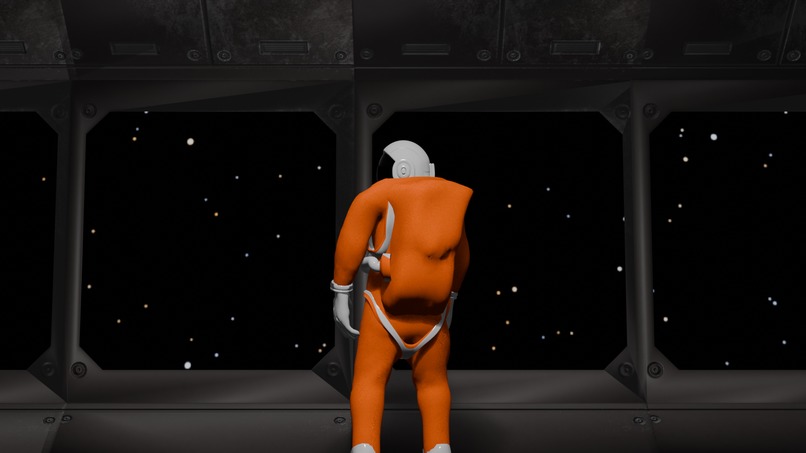
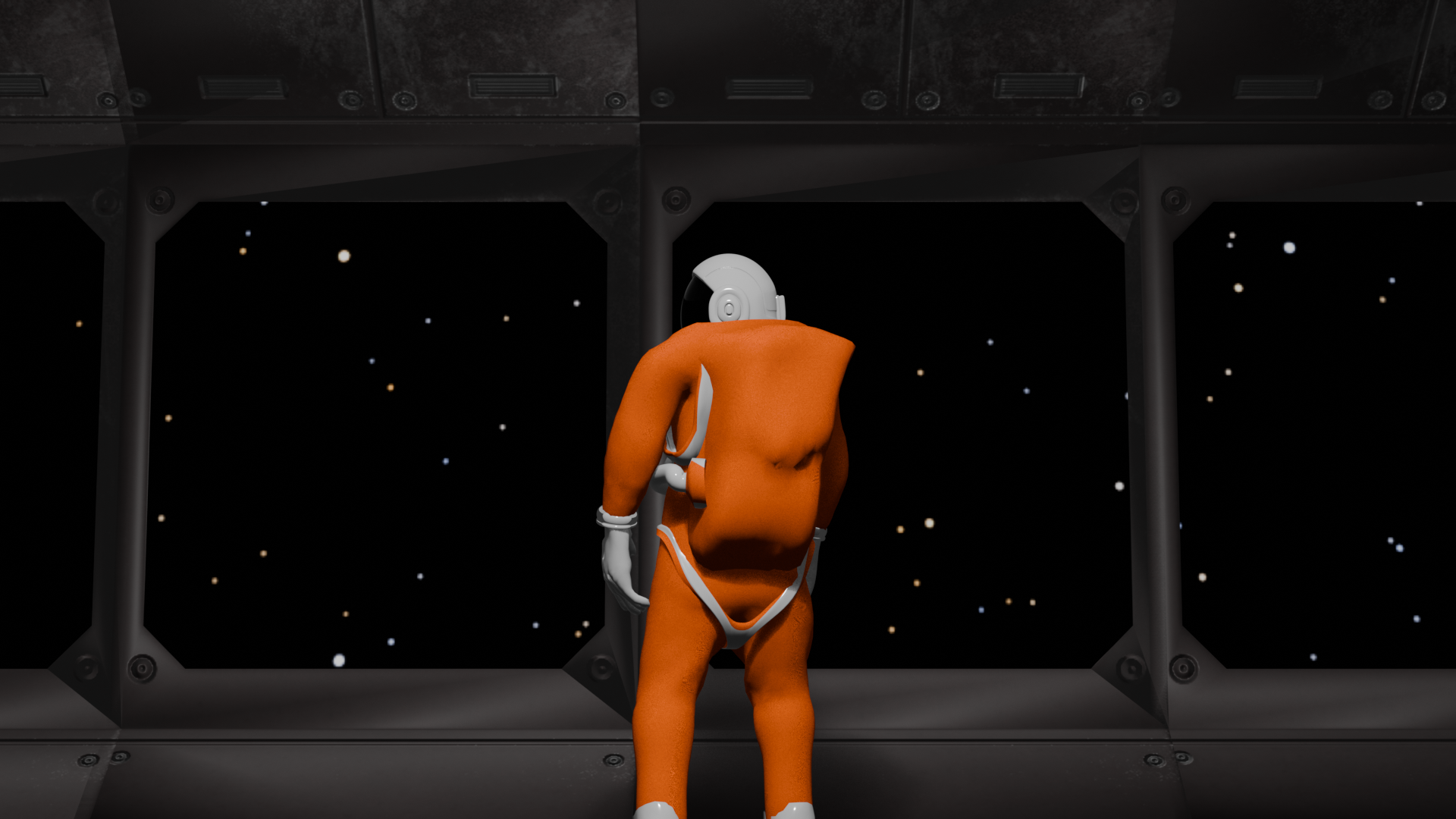
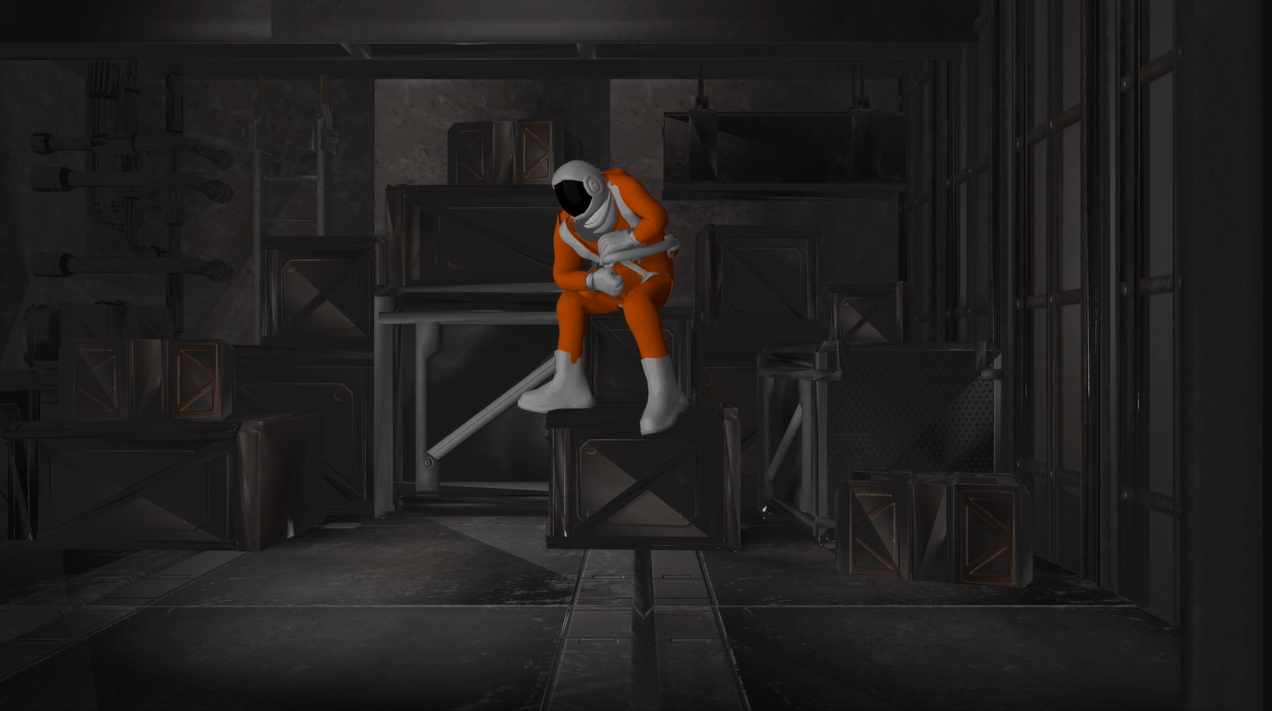
Jason on the Argo
-
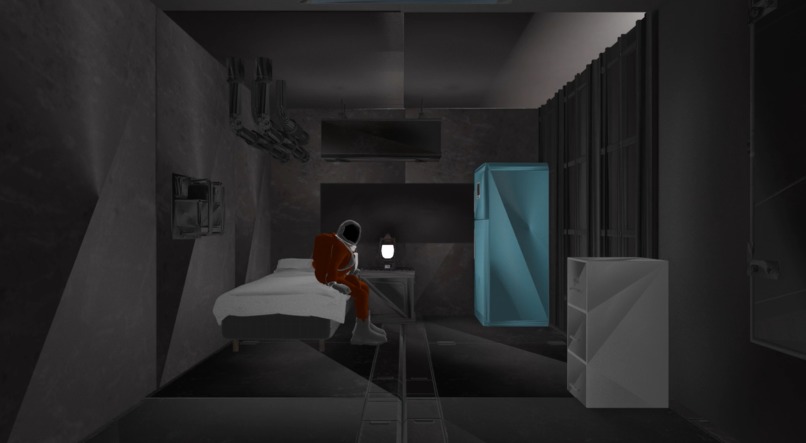
Good Morning!
-
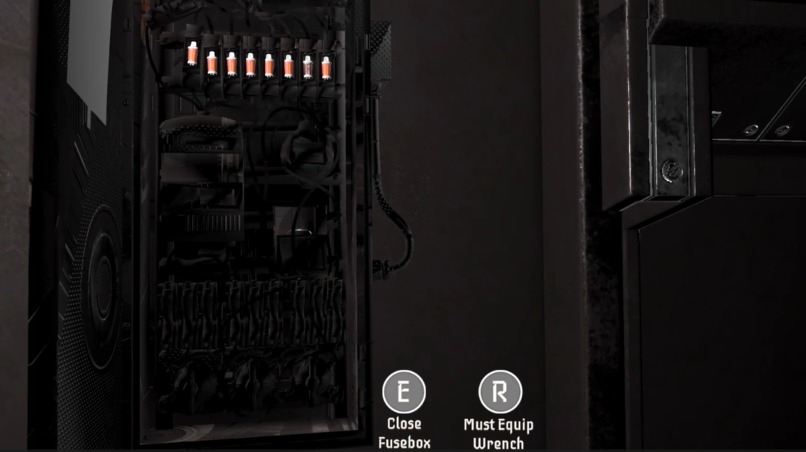
Fixing the Fuses
-
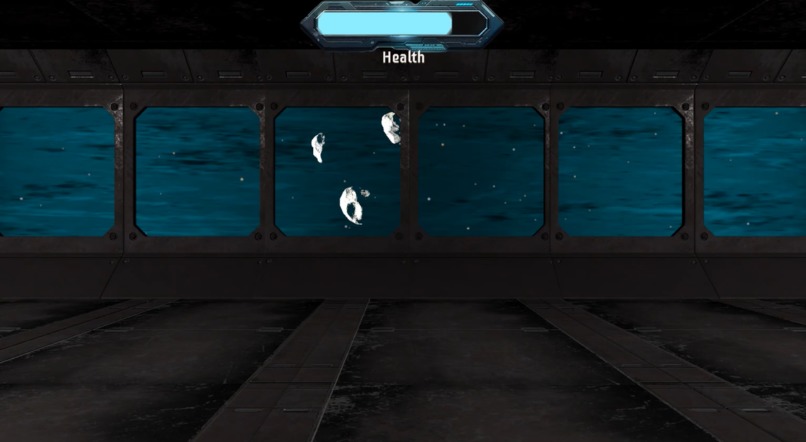
Avoiding Asteroids
-
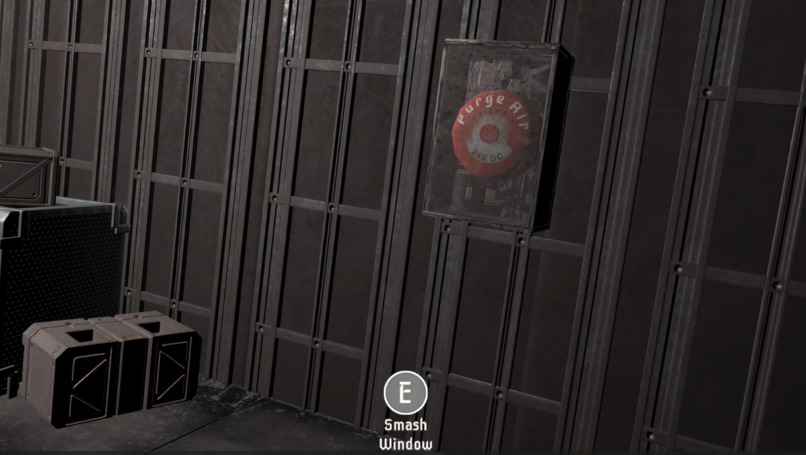
Purging the Air
-
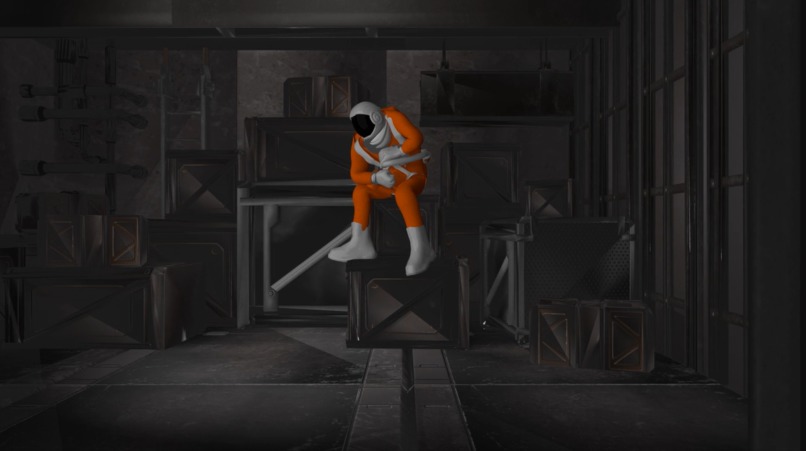
Jason in the Cargohold
-
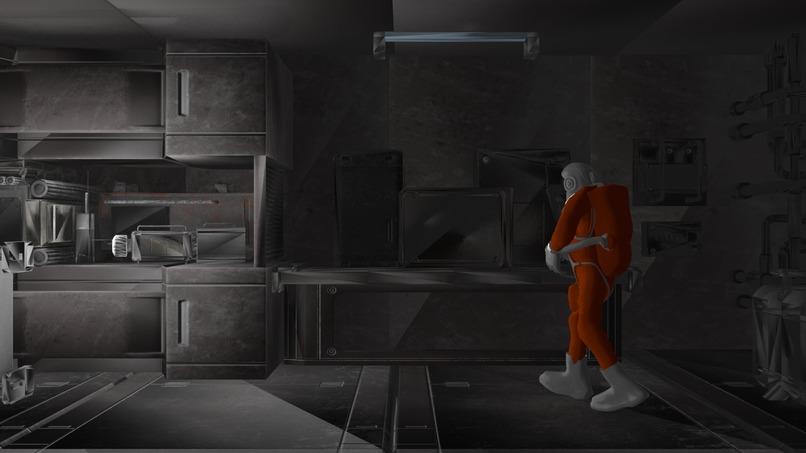
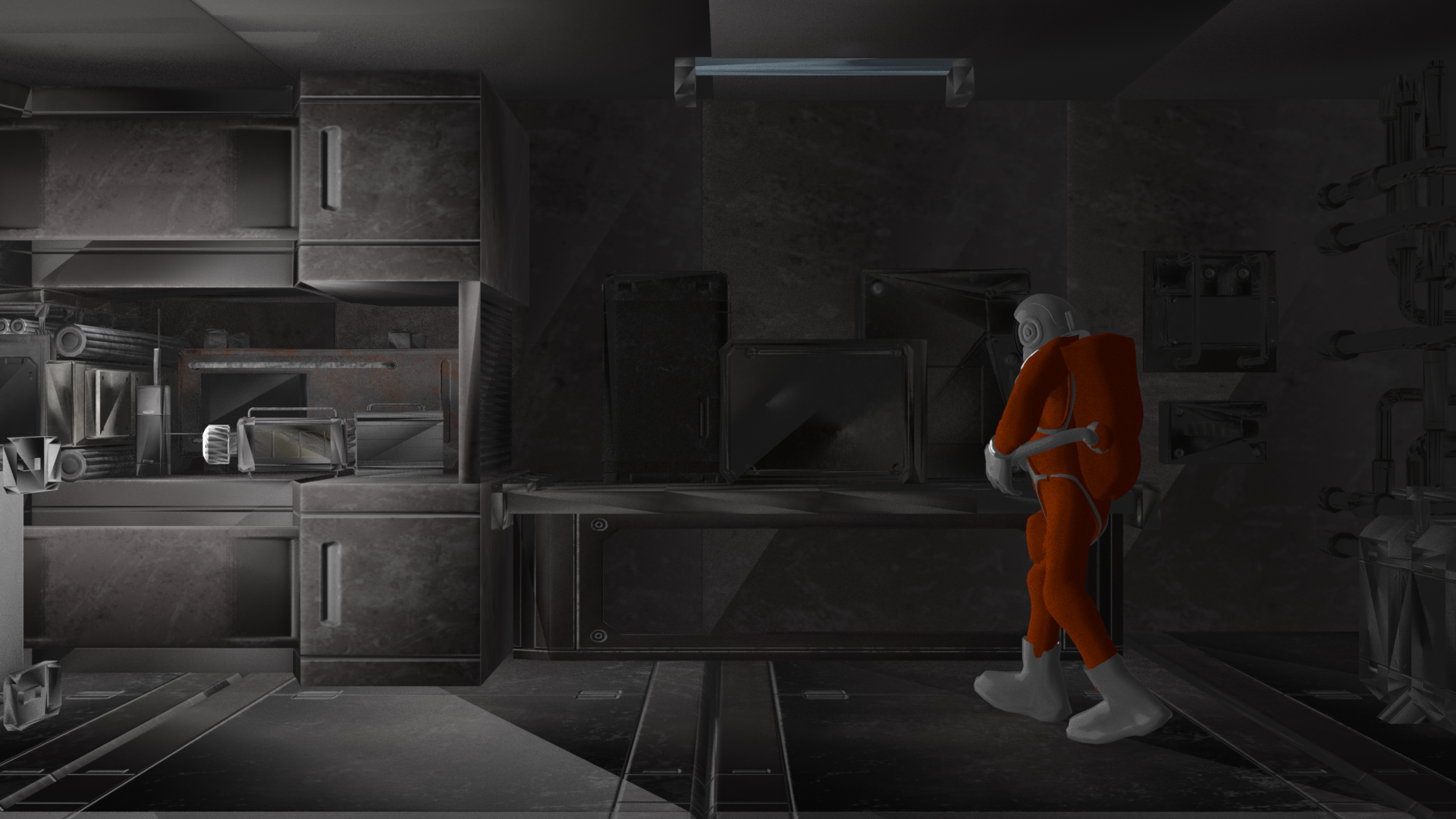
Looking for a Snack
-
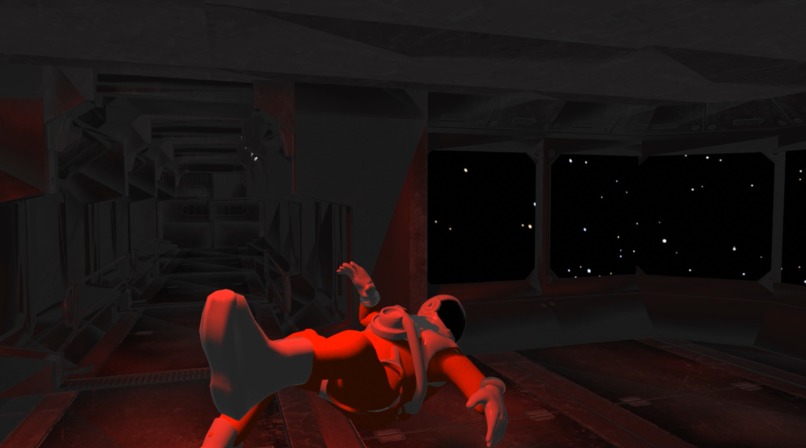
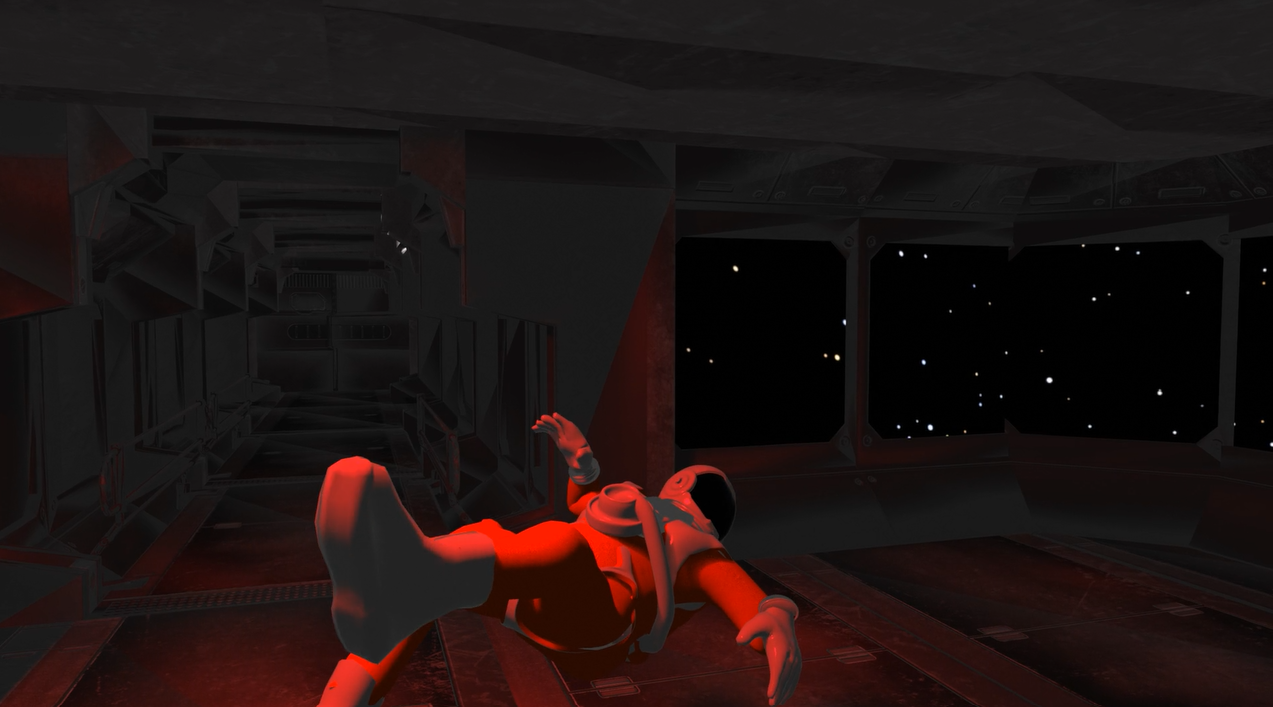
Oh No!
-
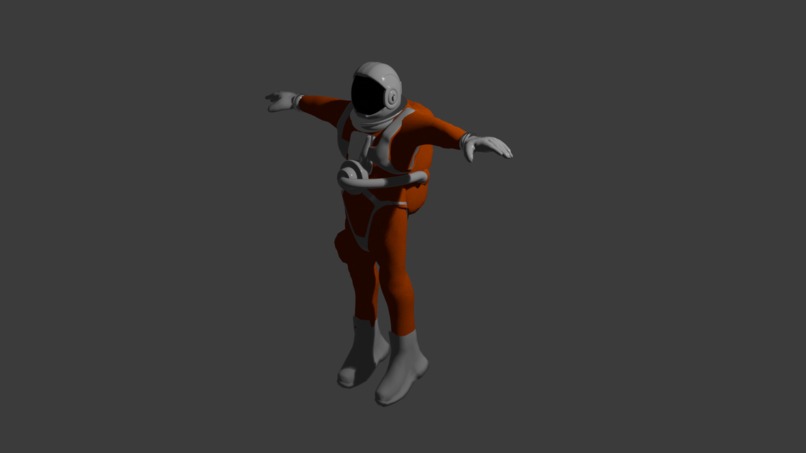
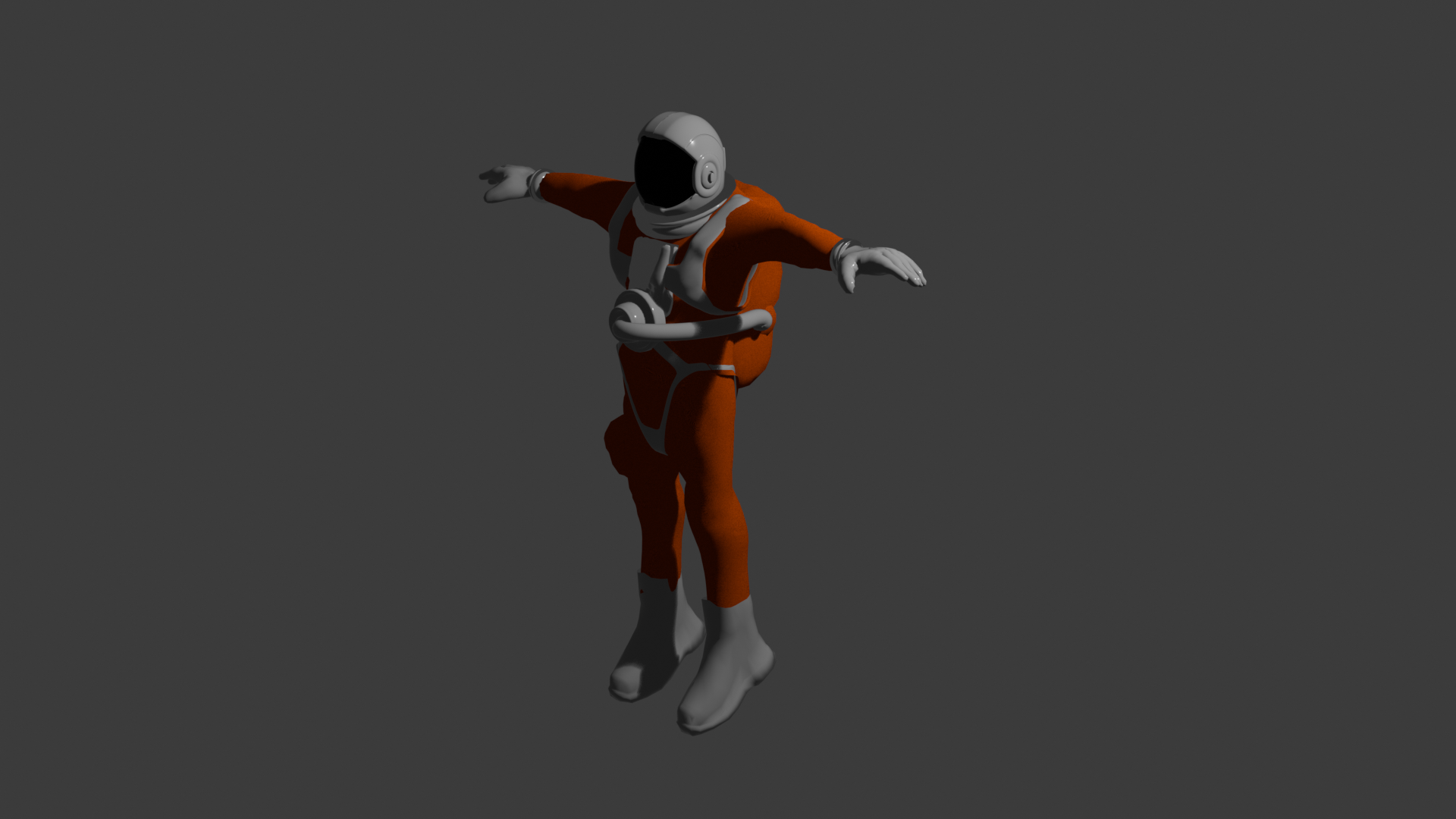
Our Rigged Model for Jason
Inspiration
We are a group of current and former members of a video game development club Amoriem Labs at Yale University that develops indie games! Like many other industries, the game development field is heavily impacted by the use of AI, and we wanted to understand how AI can be used as an impactful tool when making games. That’s when we came across this game jam. After parsing through the multiple services that AWS offers, we were struck by the capabilities they could provide to streamline the game development process, which we have come to know first-hand can be extremely slow and time-consuming. From the list of AWS services, we particularly wanted to use Amazon Q Developer, Amazon Bedrock, and Amazon DynamoDB because of the code assistance, LLM generative AI, and database services they provide.
We started thinking about how AI impacts the gaming experience, and one thing we observed was that AI is rarely, if ever, used in runtime. We wanted to create a game where the player could directly interact with a text-generative AI whose answers affect the gameplay. After brainstorming ideas on how to integrate this player-interactive AI into the setting of our game, we landed on the narrative of an AI assistant that slowly turns evil in an old rustic spaceship, set in a dystopian sci-fi world. One of the first feelings associated with AI is fear. We fear for our jobs. We fear for humanity’s future. We fear AI. We wanted to capture this feeling in our game, so we looked for inspiration in other media that do the same. The hit game Lethal Company is one such example that, aside from its comedic gameplay, draws on this sci-fi long-future feeling of dread. Thus, we wanted to put the player in outer space, in a 3D world, with a first-person point of view, while they handle an AI that pulls on those fear strings. To round out the core gameplay experience, we wanted to expand it to include minigame-like tasks, similar to the popular game Among Us, so that the game was more than just a glorified AI chatbot. Thus, the basis of our game Conquer Chiron was born.
What it does
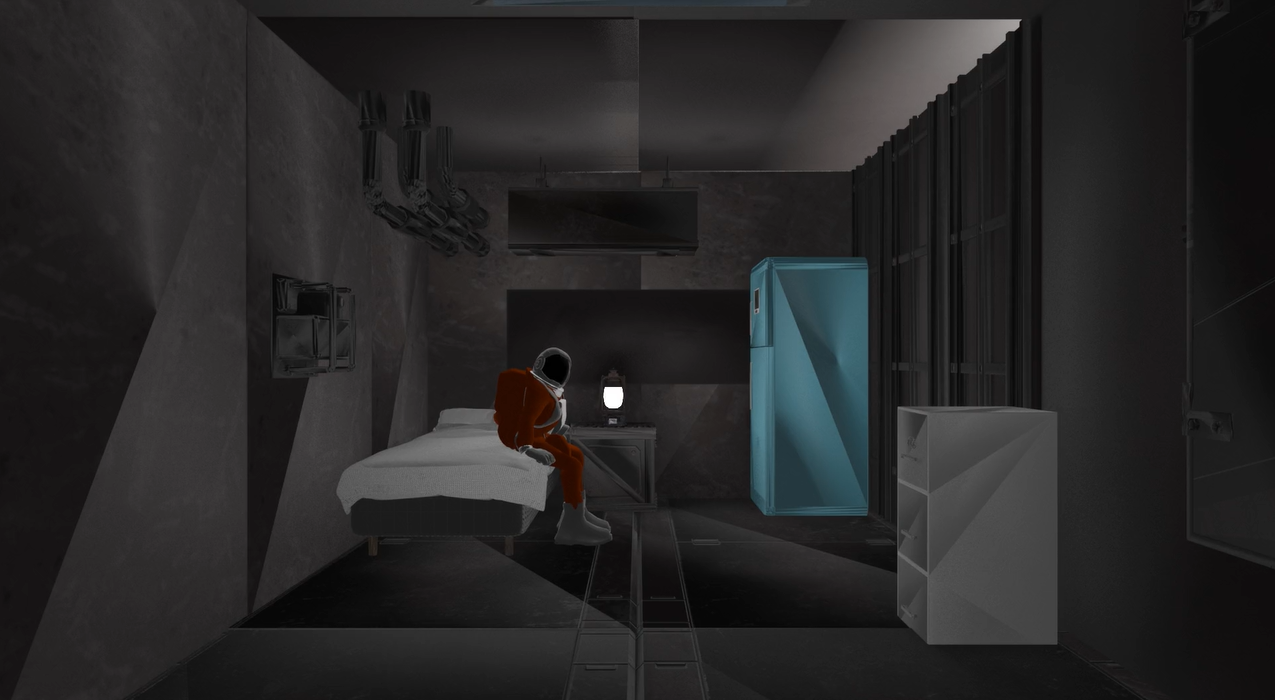
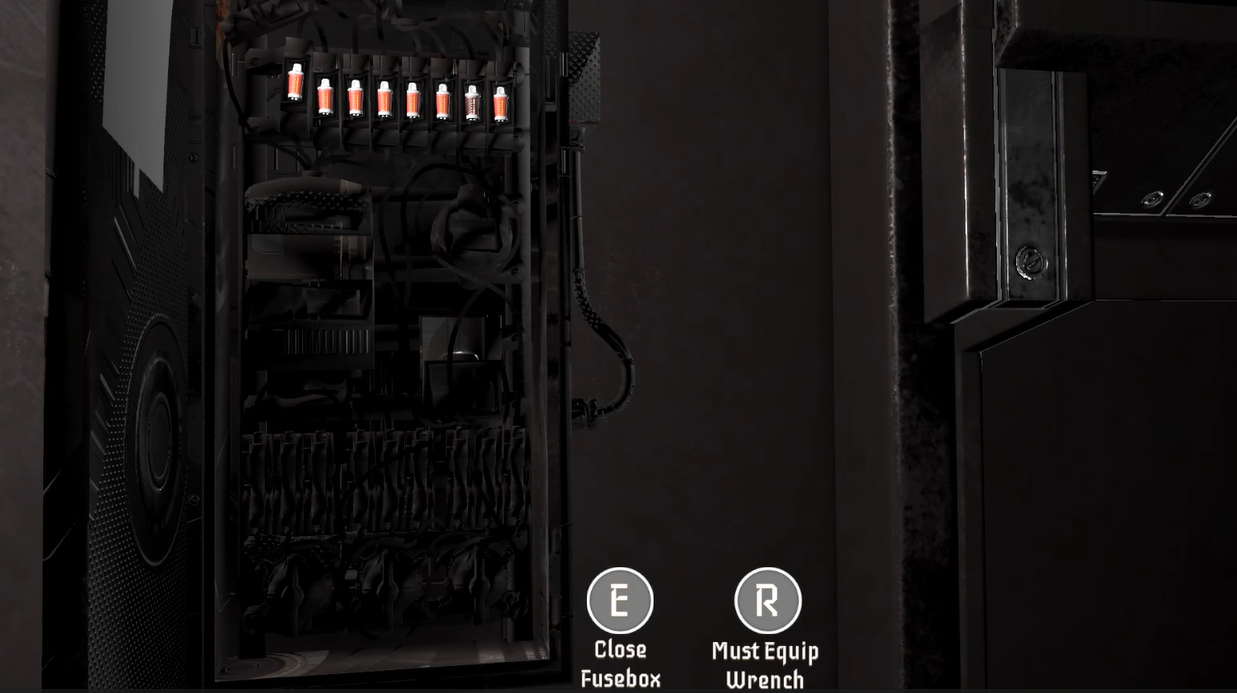
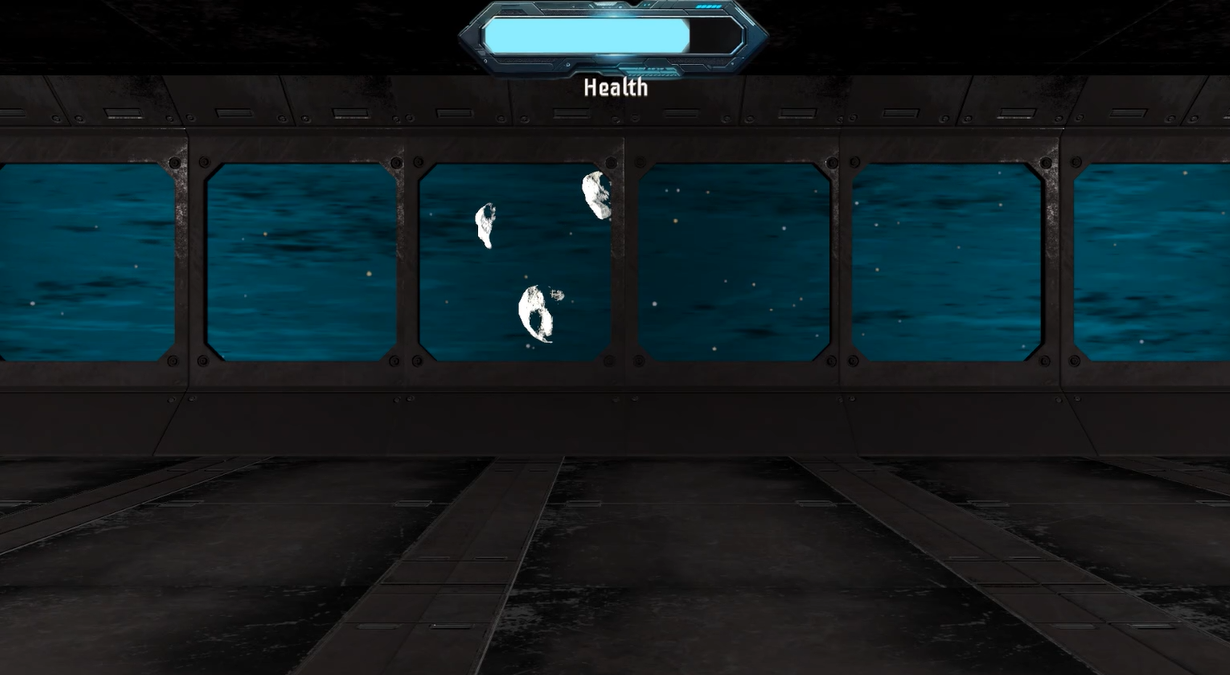
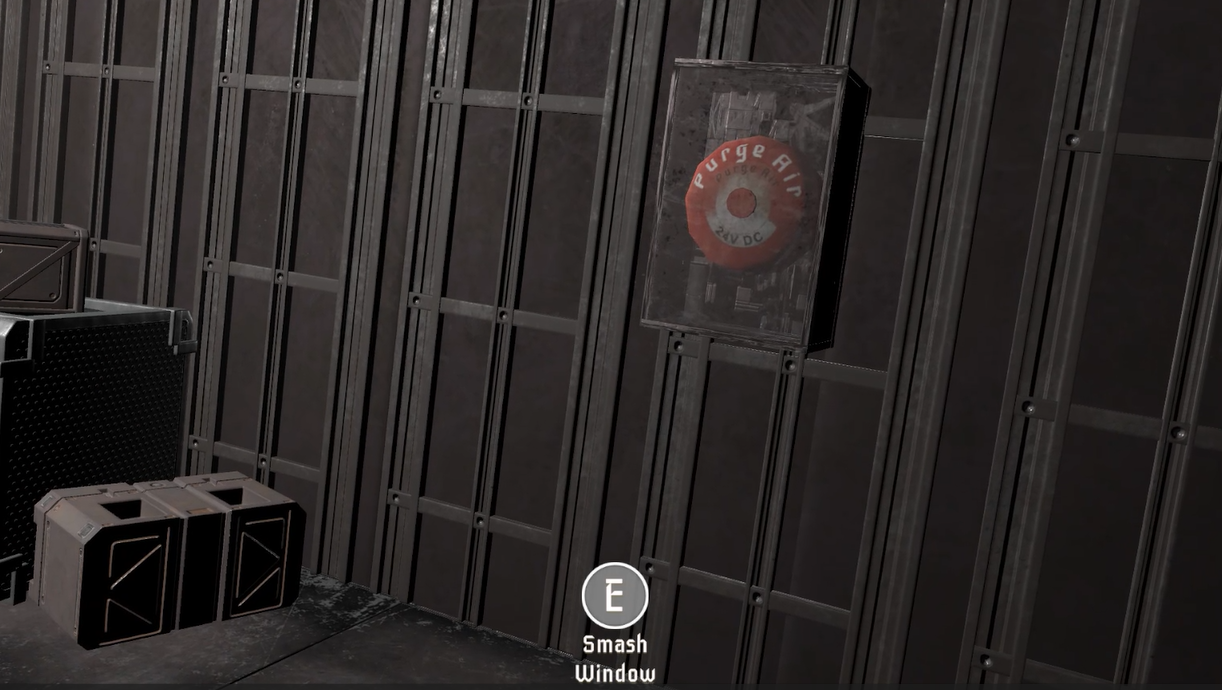
Our game, Conquer Chiron, is a psychological horror game that plays on the fear of AI in the post-modern world by placing the player in a rustic spaceship equipped with an at-first friendly AI assistant named Chiron. The player performs a variety of benign minigame-like maintenance tasks and interacts with Chiron, who provides AI-generated responses to the player’s questions while piloting the ship toward the nearby star system Alpha Centauri. However, the AI soon gets annoyed with the player for ignoring its weekly AI diagnostic and malware tests and soon tries to kill the player. Can the player survive the onslaught of Chiron’s assassination attempts?
Note that you need a working Internet connection to play the game, as the game needs to connect to the servers where the AI assistant model is being hosted.
How we built it
Programming: To build the game, we used Unity Engine integrated with the AWS services Amazon Bedrock and Amazon DynamoDB. During the coding process, we were aided by the AI-powered coding assistant Amazon Q Developer. Amazon Bedrock provided a connection between our game to the text-generative large-language models (LLMs) available in the AWS suite of AI models. Amazon DynamoDB is a no-SQL database that stores information in AWS and very easily fetches and writes data. We used Amazon Bedrock to generate text responses to whatever the player prompted the in-game AI assistant, Chiron, with, and we used Amazon DynamoDB to create an online leaderboard where players can compare the total time they have spent completing the game, to be used in speedruns.
In total, Amazon Q Developer has saved roughly 10 continuous hours of developing test code and API calls, allowing us to focus on game design.
Art: For the visualization of the game, given the short timeframe of the hackathon, many models were sourced freely online from TurboSquid and the Unity Asset Store. Our artists, Grace and Will, used these models to generate the 3D environment and scenes in Unity and Blender, respectively. These were used for the game itself and the trailer, found above. The thumbnail was generated using OpenAI image generators.
Music: Our music composer, Jacob Leshnower, composed four original soundtracks using the GarageBand software, implementing notes, chords, and drum beats accordingly to satisfy the needs of each song.
Our workflow mainly followed naturally from individual work, as we set aside time during the holidays to work on this project. We met up virtually to discuss game design over the course of the Winter break.
Challenges we ran into
Conquer Chiron was fun to make. Even with a group of four eager college students, however, it was not all smooth sailing.
In terms of programming, learning how to navigate the AWS console and integrate AWS services into a game was a completely new domain. Victor Liu, who has worked with Unity extensively before but not any AWS APIs, had watched a lot of tutorials and read much AWS documentation to understand how to properly call Amazon Bedrock and Amazon DynamoDB using their APIs to ensure a seamless game experience. While integrating the AWS services into Conquer Chiron was initially difficult, exploring these services had opened Victor’s eyes to the power that they offer for enhancing the gaming experience for players.
For our artists, working in a 3D environment was relatively new. Learning not only how Blender and Unity work in 3D but also how they integrate together came with a lot of technical challenges to overcome. Generating a 3D environment for a game involves much more than creating a scene for the camera; it must be optimized, interactable, and stable. This was a primary limitation when designing our 3D space. For scenes used in the trailer, our artists had to overcome the typical challenges of rigging and weight-painting a humanoid model. These challenges were great learning opportunities, and our artists cannot wait to expand their horizons further!
On the music side, Jacob Leshnower was tasked with composing four musical tracks: the start screen, a peaceful track; a psychological horror track; and a boss track. Each track had to have the appropriate mood for the accompanying game segment. This was not easy at first, but after experimenting at the piano, Jacob soon figured out what was best. For the start screen, Jacob knew that “catchiness” was key, and composed a quick, upbeat song with some catchy synthesizer licks. For the peaceful track, Jacob utilized acoustic guitar and a slower tempo for a more laid-back feel. For the psychological horror track, Jacob used some space-sounding synthesizers with distortion for an Interstellar-inspired spectacle. For the boss track, Jacob used the start screen track as inspiration, but created a melody that was more menacing and has a sense of despair and urgency. As an easter egg, you can hear Jacob playing his own piano on this track!
Accomplishments that we're proud of
Overall, we are proud that we were able to come together as part of a team and make a fun game in a relatively short amount of time. Through lots of careful planning and effective division of labor, we were able to accomplish more than we thought was possible. Using a myriad of tools new to us, we were able to produce something we are proud of and are able to take away great learning experiences.
What we learned
Victor learned how to integrate AWS services into his workflow, opening opportunities for future game ideas that are more expansive in scope. Grace and Will expanded their artistic horizons by experimenting with virtual three-dimensional spaces. Jacob learned how to specifically compose musical tracks to go along with visual media.
From our time at Amoriem Labs, we know how time-consuming development can be (we’ve spent years on a single project and gotten little results!), and how vital time-saving tools and techniques are, so experiencing this game jam was one of a kind! Overall, we learned that hard work pays off, planning ahead is the way to go, and team work makes the dream work. :)
What's next for Conquer Chiron and us
This is our final build of Conquer Chiron. This game could have a lot of potential directions and developments, but, as was always the case, the final goal of this project was to learn from the experience of developing it. This game was just us dipping our toes. We hope to use our experience and these tools in future game development, especially to fast-track the process. Please look forward to other games we make as a part of Yale’s indie game development club, Amoriem Labs (itch link).
The team (Victor, Will, Grace, and Jacob) has thoroughly enjoyed the hackathon process and would love to pursue similar opportunities in the future. Let us know your favorite aspects of the game and whether or not we should continue development in the comments!
Acknowledgments
The team would like to thank AWS Services for the opportunity to use Amazon Bedrock, Amazon Q Developer, and Amazon DynamoDB. The team would also like to thank the judges for their time spent reviewing theirs and the thousands of other hackathon submissions. Finally, the team would like to thank their brains for not becoming fried.
Built With
- amazon-bedrock
- amazon-dynamodb
- amazon-dynamodb-to-store-user-stats-for-the-game-leaderboard
- amazon-nova-lite
- amazon-nova-lite-as-our-ai-text-generative-large-language-mode
- meta-quest-voice-sdk
- unity
- unity-asset-store-first-person-controller
- unity-asset-store-xentity-inventory-system
- we-used-amazon-bedrock-for-connecting-our-game-to-amazon?s-suite-of-ai-models
- which-utilizes-the-.net-framework-and-c#-code.-in-addition


Log in or sign up for Devpost to join the conversation.