-
-
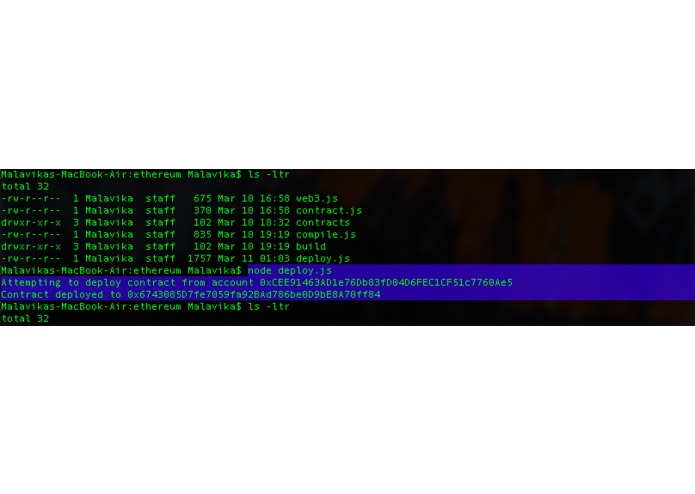
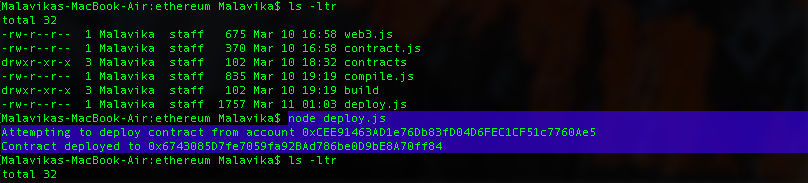
Successfully deploying a smart contract
-
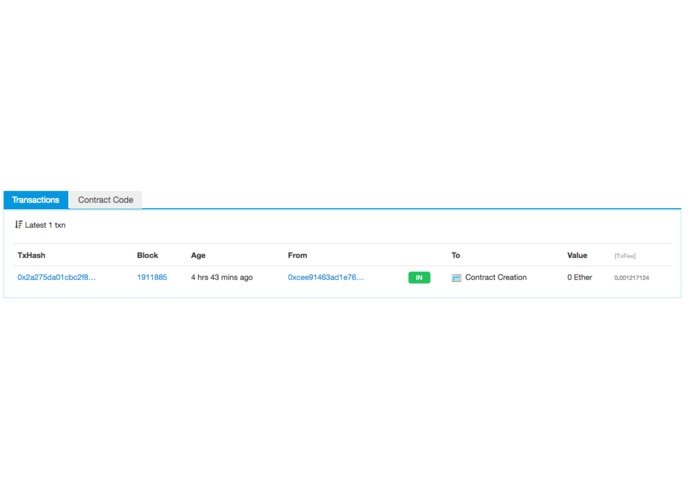
Deployment tracked on Etherscan
-
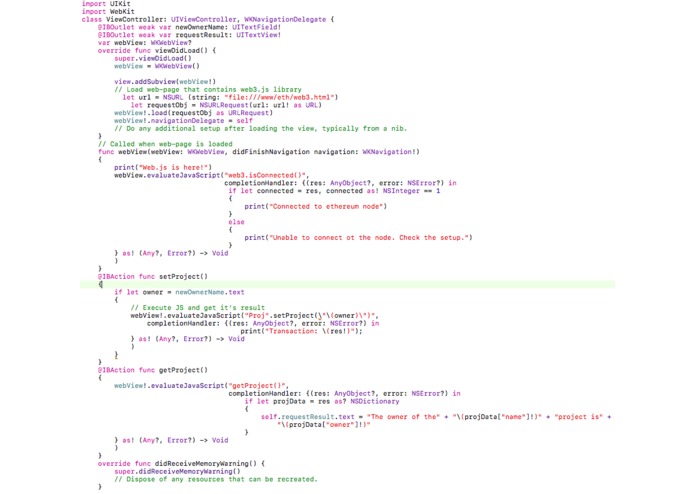
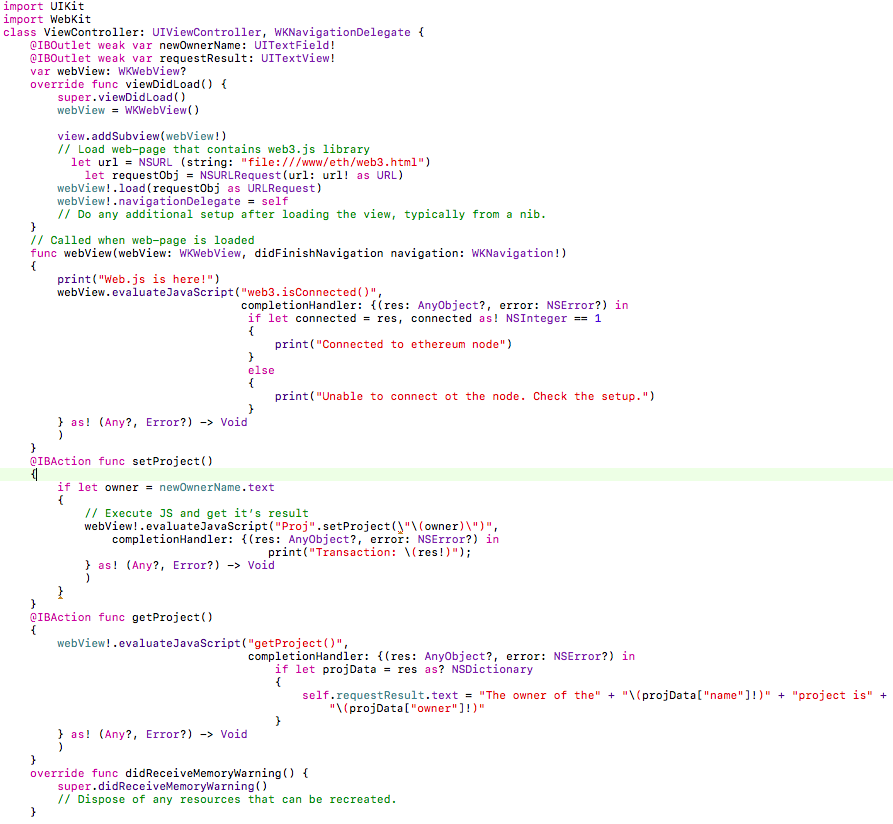
The ViewController that uses web3.js to connect the UI and Blockchain
-
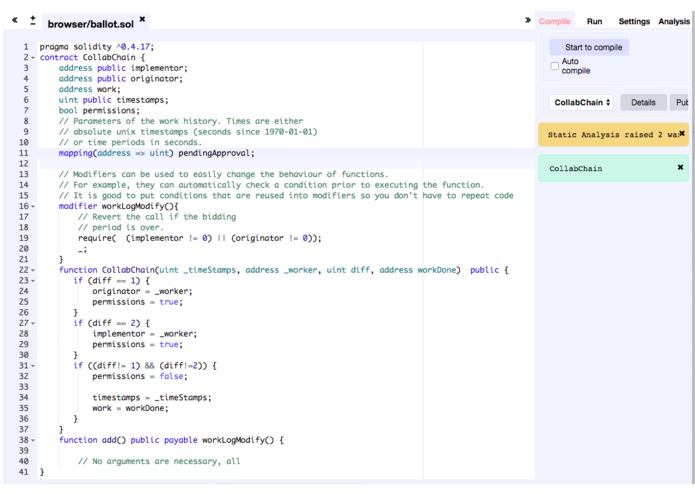
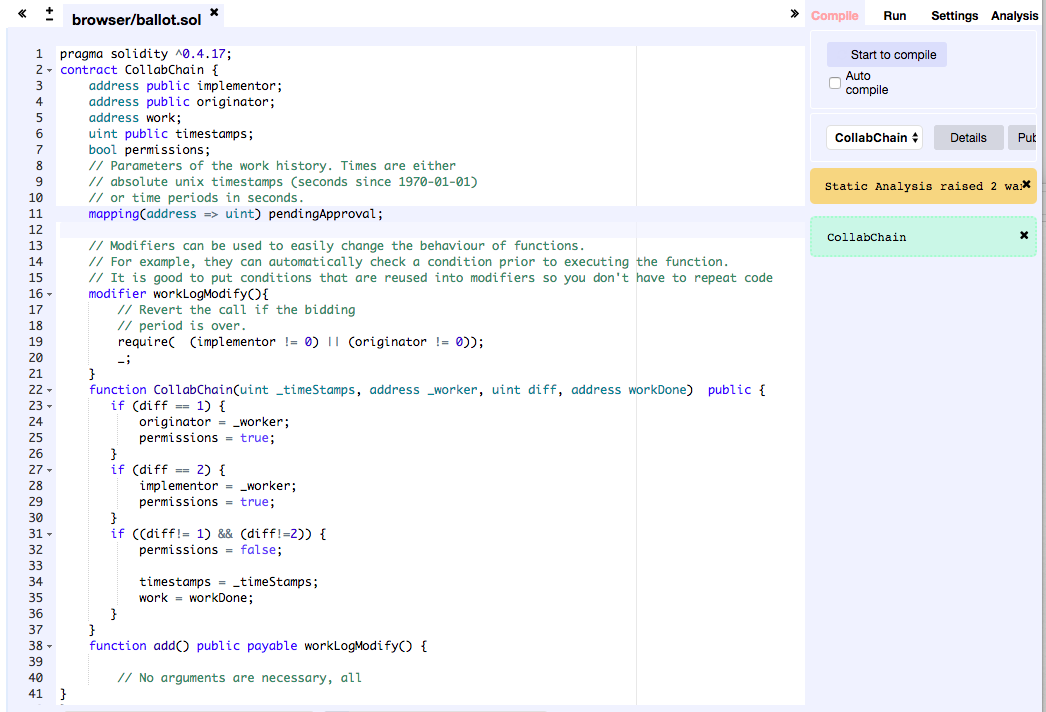
The smart contract test version 1.3
-
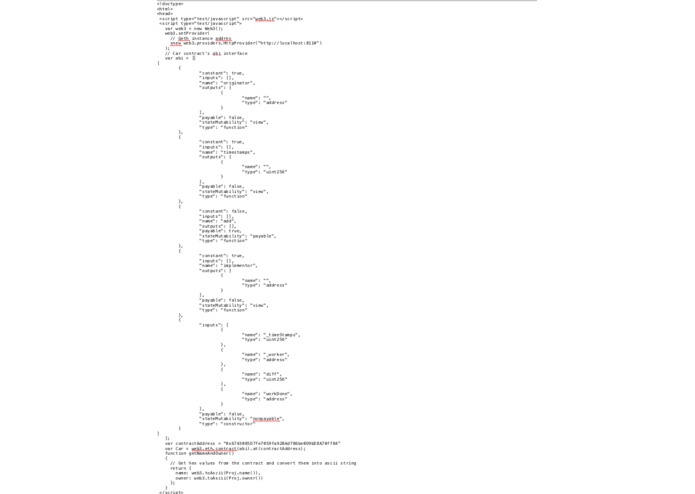
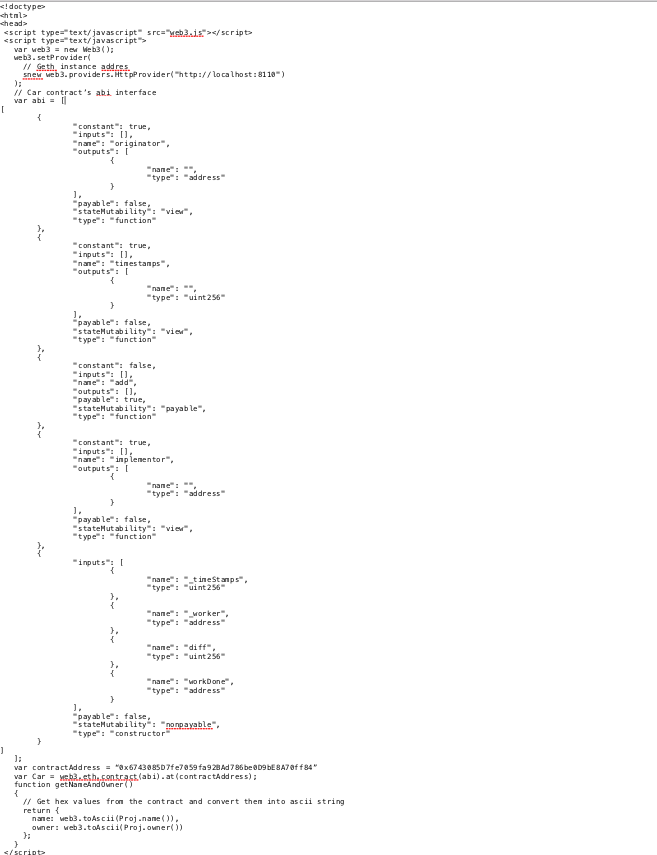
The web3.html file that connects the smart contract and the UI

Inspiration
Ever had an amazing idea that you didn't know how to implement? Or an idea that you were too afraid to share with the community, in case other people developed it without you? These are two issues that many young aspiring entrepreneurs, especially high school and college students, face when developing their products. They have great ideas, but don't have the specialized skillset to implement them, and are often afraid to look to more experienced developers for help in case their underdeveloped idea is stolen. On the other side of the spectrum, many developers are eager to contribute to projects, but can't easily find opportunities where the general public can contribute to a product. Our app, ConneXChain, aims to fix this problem with a two pronged approach.
What it does
ConneXChain gives users the ability to safely share their ideas and open them to contributions from experienced developers, while preserving IP rights by logging each modification to a timestamped immutable blockchain. Each contributor is either classified as an originator if they come up with the idea, or an implementor if they help develop the idea. Additionally, the contributors of each project are rewarded with ethereum cryptocurrency when it's finished, providing a greater incentive that fosters competitive collaboration and innovation, which differs from many collaborative platforms that exist today. Once projects are finished, investors can browse through these products through our platforms as well, helping the go to market process for these projects more streamlined and probable.
How we built it
ConneXChain's front end UI is an IOS application built using Swift with XCode. The front end would connect to the back end and smart contracts through web3.js. The back end consists of the smart contract, the blockchain that all the user inputted information is stored on, and the local network it is deployed to.
Challenges we ran into
One of the challenges we ran into was navigating through writing the smart contract, since none of us were familiar with javascript and had minimal experience in the Solidity programming language. We also ran into a problem trying to connect the front end UI to the back end blockchain through web3.js, since we were not familiar with the interface. We also encountered some difficulties trying to enable scrolling functionalities and displaying different tabs while using swift.
Accomplishments that we're proud of
We were able to fix many of the problems that we encountered. The smartContract example was finished and deployed to the local test network successfully. We were able to successfully write up the web3.js interface as well. The UI is functional and contains features that enhance the performance our application. We're especially proud of figuring out how to implement this app with a blockchain in the back end, since this was a new experience for us and our first time really working with it and the various features that come with it.
What we learned
We learned how to successfully deploy a smart contract to a local test network, and how to use Solidity to write this smart contract. We also learned about the applications of web3.js, and how it can be useful in connecting a blockchain to the front end UI. We also improved our understanding of Swift and got better at using Xcode to program different functionalities.
What's next for ConneXChain
We are pursuing an android mobile app interface in addition to the IOS app, which would be connected to the smartContract through the java Android Library. We would like to be able to successfully connect the deployed smart contract to the IOS app through the web3.js system without encountering errors from time to time. We are also going to work to put these apps on the App Store and Play Store and make them available for public use.
Built With
- blockchain
- ethereum
- ios
- swift
- xcode


Log in or sign up for Devpost to join the conversation.