-
-

Apps logo
-
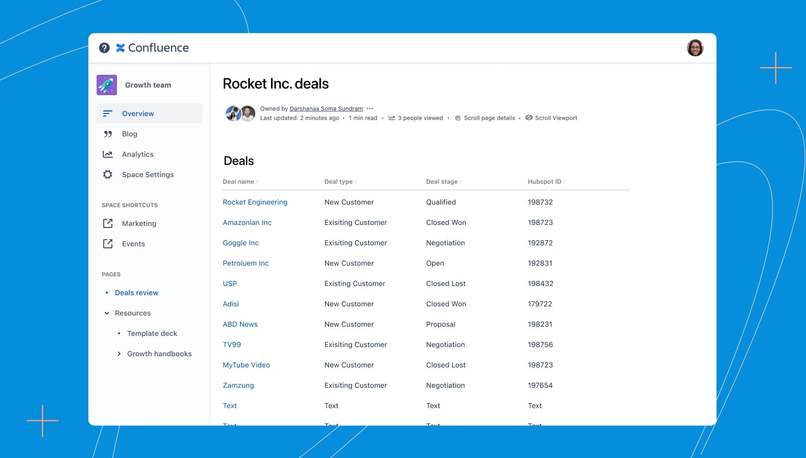
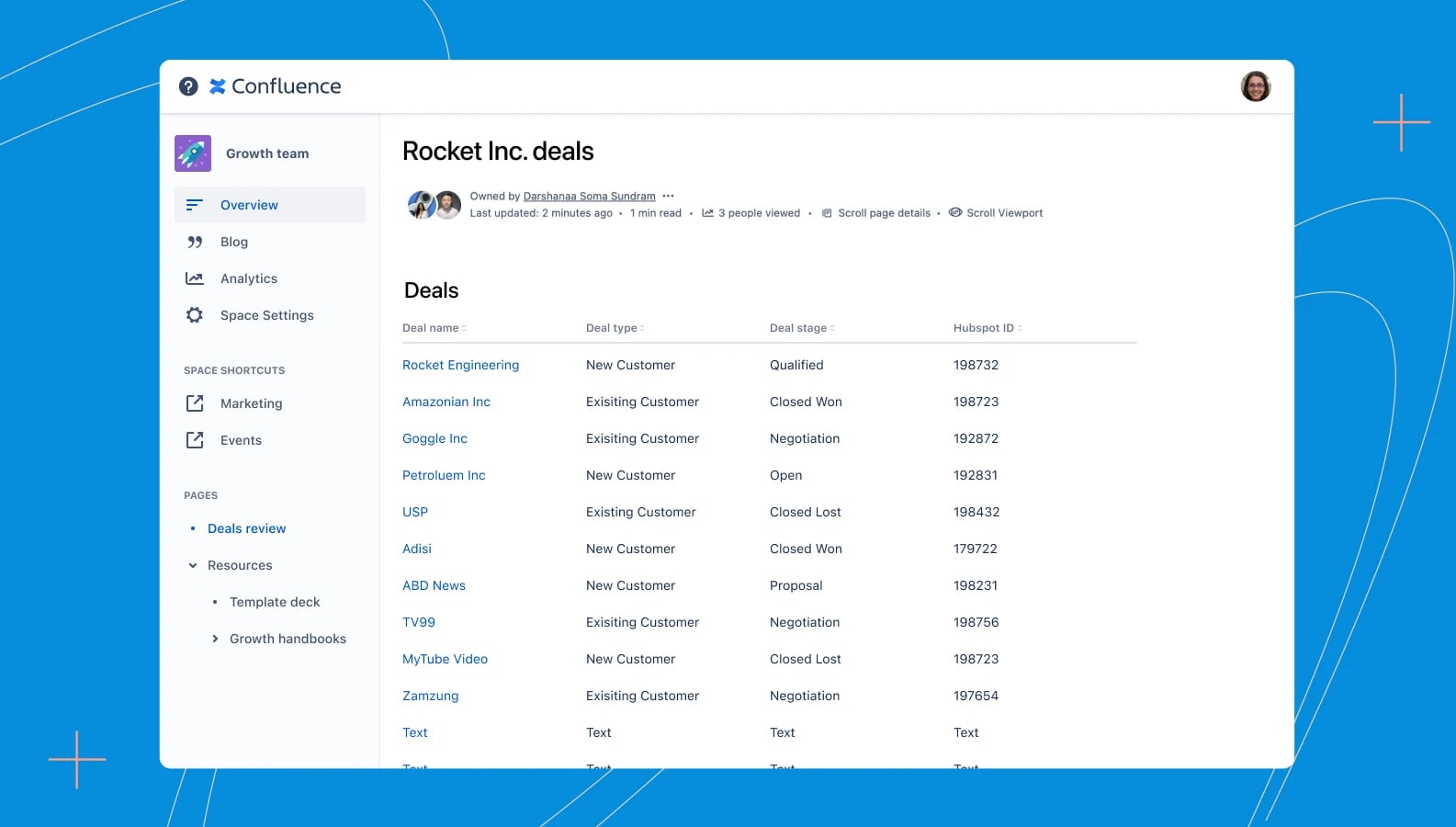
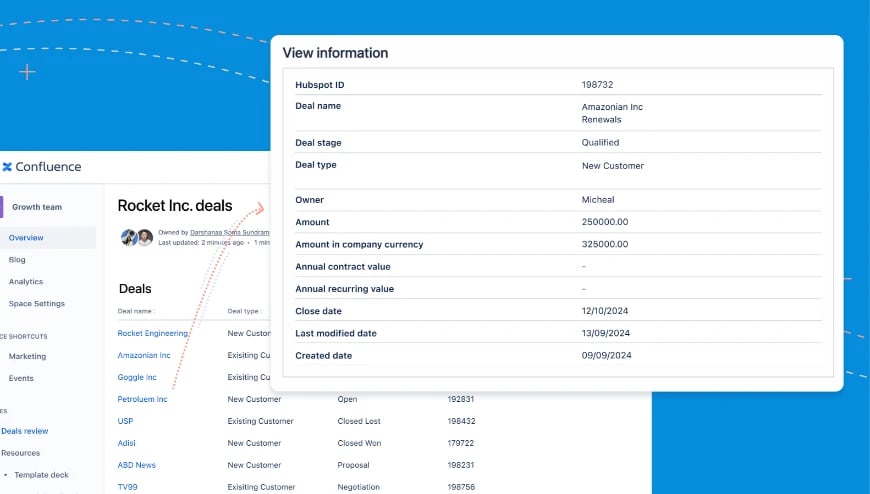
Display filtered HubSpot tables on Confluence
-
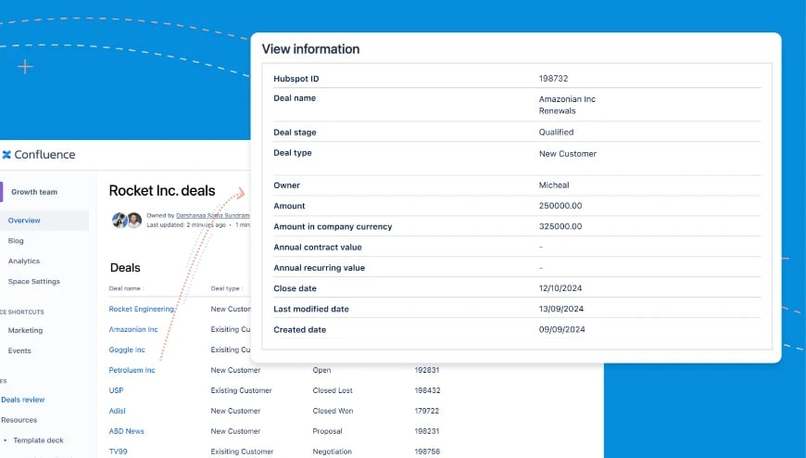
Retrieve more object information within Confluence
-
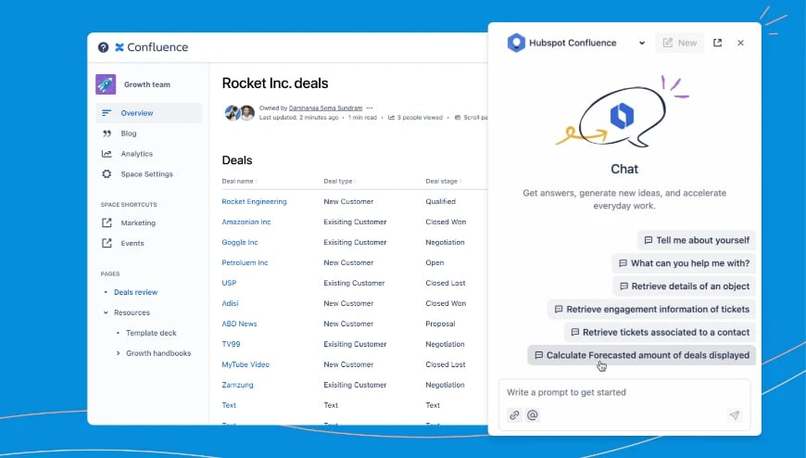
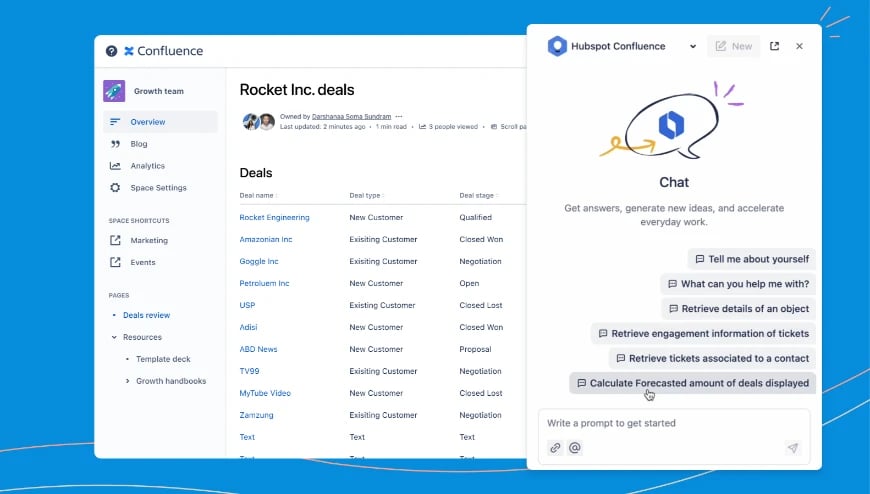
Gain more context about HubSpot objects with Rovo

About the Project
The idea for Connector for HubSpot and Confluence came from a recurring challenge we observed in organizations: the disconnection between customer-facing teams and operational data. Sales, marketing, and customer success teams often work in silos, struggling to share crucial insights that drive business growth. We envisioned a solution that would bridge this gap, empowering teams to collaborate seamlessly while staying aligned on shared goals.
Our inspiration stemmed from conversations with colleagues and industry peers who expressed a need for integrated tools that streamline workflows, reduce redundancy, and improve productivity. We realized that Confluence and HubSpot, two widely used platforms, lacked an intuitive way to communicate. This gap motivated us to create a connector that eliminates friction, fosters collaboration, and unlocks the true potential of these tools.
What We Learned
Building this project was a journey of discovery. We gained a deeper understanding of both the HubSpot and Atlassian ecosystems, from APIs to user experience expectations. Here are some key takeaways:
- API Mastery: Developing integrations taught us the intricacies of authentication, data synchronization, and rate limits for both platforms.
- User-Centric Design: We learned the importance of delivering a smooth user experience to ensure adoption by diverse teams.
- Collaboration Across Functions: Realizing the challenges users face reinforced the value of creating a solution that serves multiple departments.
How We Built It
The development process involved:
Planning & Research:
- Mapping user journeys and identifying the critical pain points in existing workflows.
- Studying the HubSpot and Confluence APIs to define the scope of integration.
- Mapping user journeys and identifying the critical pain points in existing workflows.
Building the Connector:
- Backend: Built using SST (Serverless Stack) and AWS Lambda, which serve as the foundation for our OAuth implementation. This approach ensures secure, scalable authentication and seamless data synchronization.
- Frontend: Designed to provide users with an intuitive interface for connecting and syncing data.
- HubSpot Integration: Implemented via HubSpot's API to pull and push customer information dynamically.
- Backend: Built using SST (Serverless Stack) and AWS Lambda, which serve as the foundation for our OAuth implementation. This approach ensures secure, scalable authentication and seamless data synchronization.
Testing:
- Conducted rigorous testing to ensure robust data synchronization and user-friendly error handling.
- Conducted rigorous testing to ensure robust data synchronization and user-friendly error handling.
Feedback Loop:
- Gathered feedback from beta testers to refine the app's features and usability.
Challenges We Faced
- API Complexities: Managing data synchronization between two systems with different structures and formats required careful handling of edge cases.
- Performance Optimization: Ensuring real-time updates without overloading systems or exceeding API rate limits was a challenge.
- User Adoption: Striking the right balance between simplicity and functionality to encourage adoption by both technical and non-technical users.
Despite these challenges, the experience was immensely rewarding. It allowed us to build something that we believe can genuinely enhance team collaboration and decision-making.
Built With
- amazon-web-services
- api
- forge
- forgestorage
- hubspot
- javascript
- rovo
- typescript


Log in or sign up for Devpost to join the conversation.