-
-
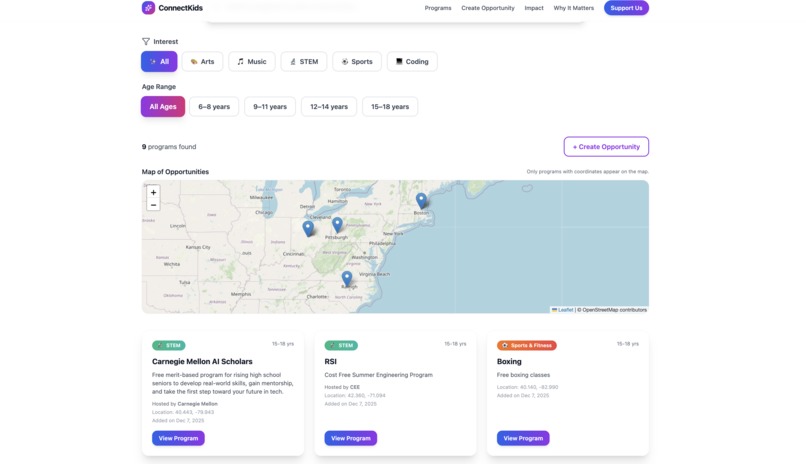
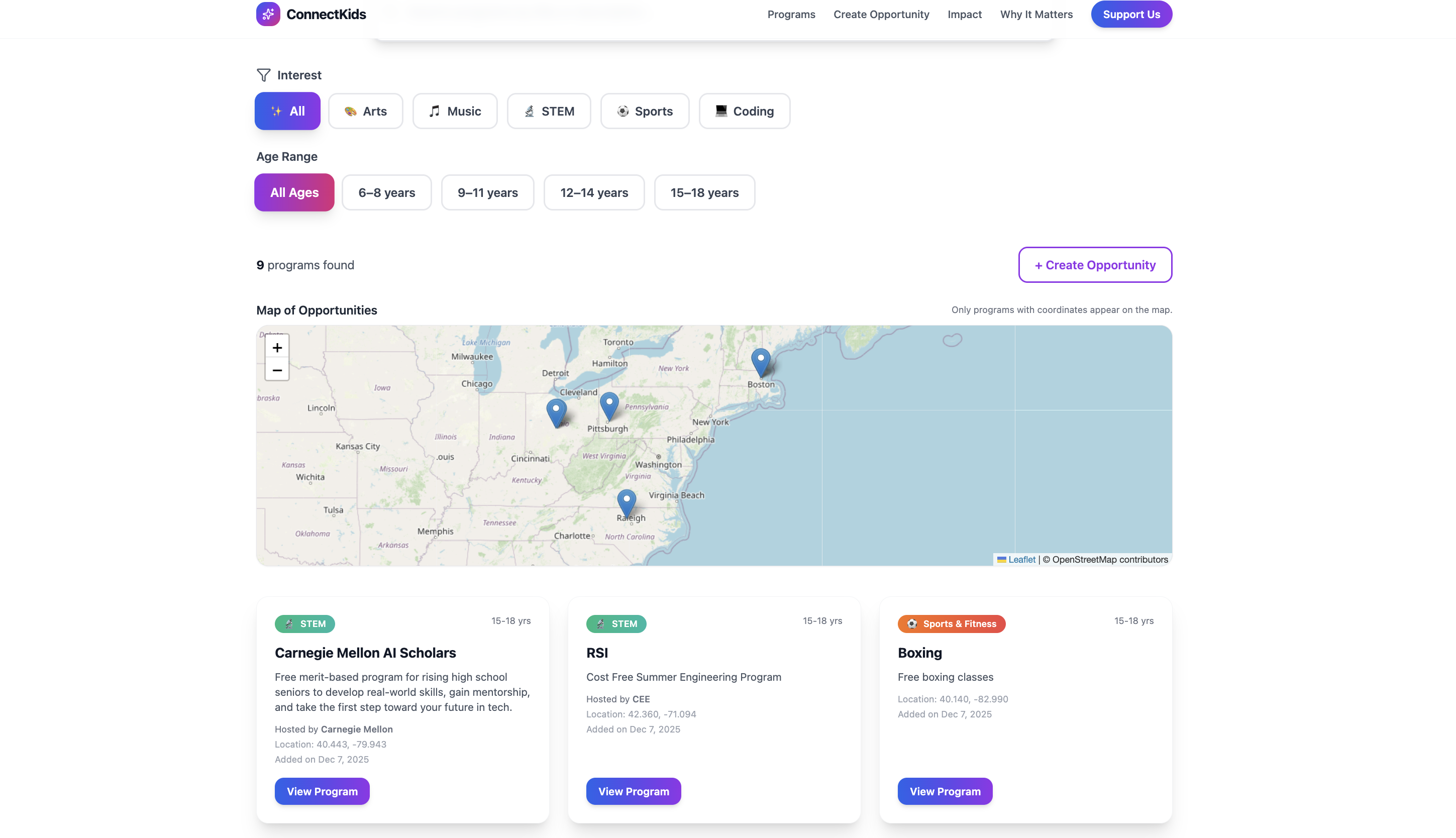
Opportunities Page
-
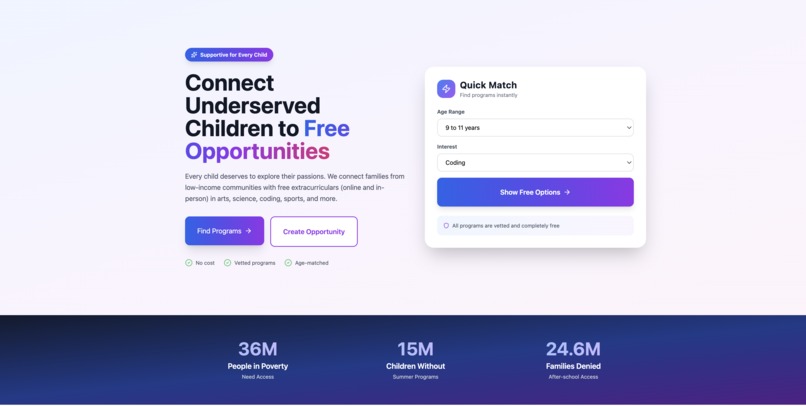
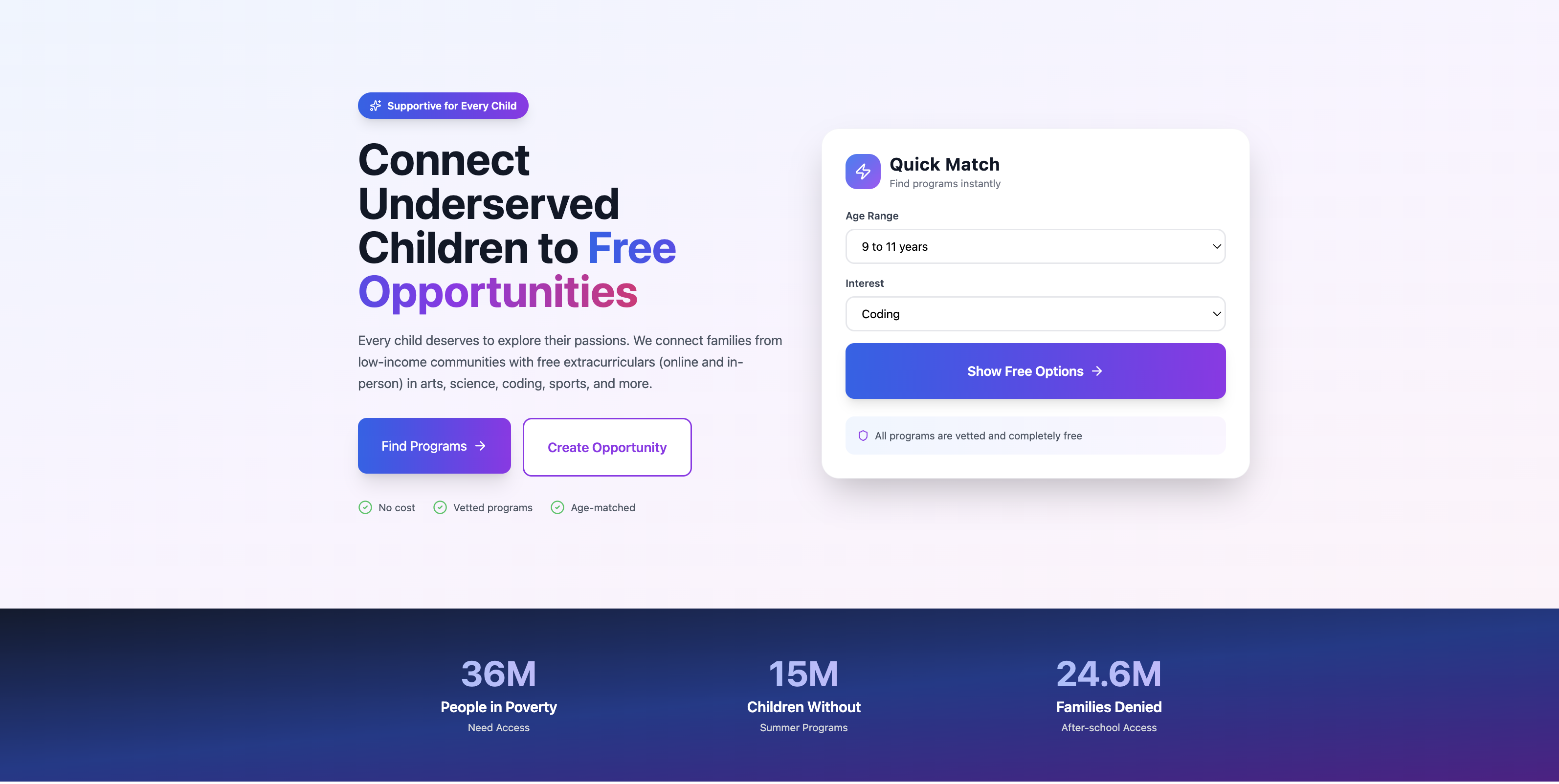
Homepage
-
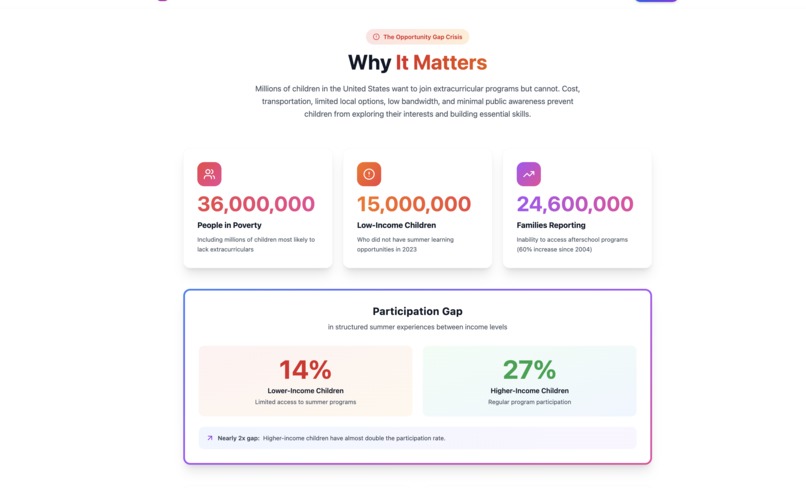
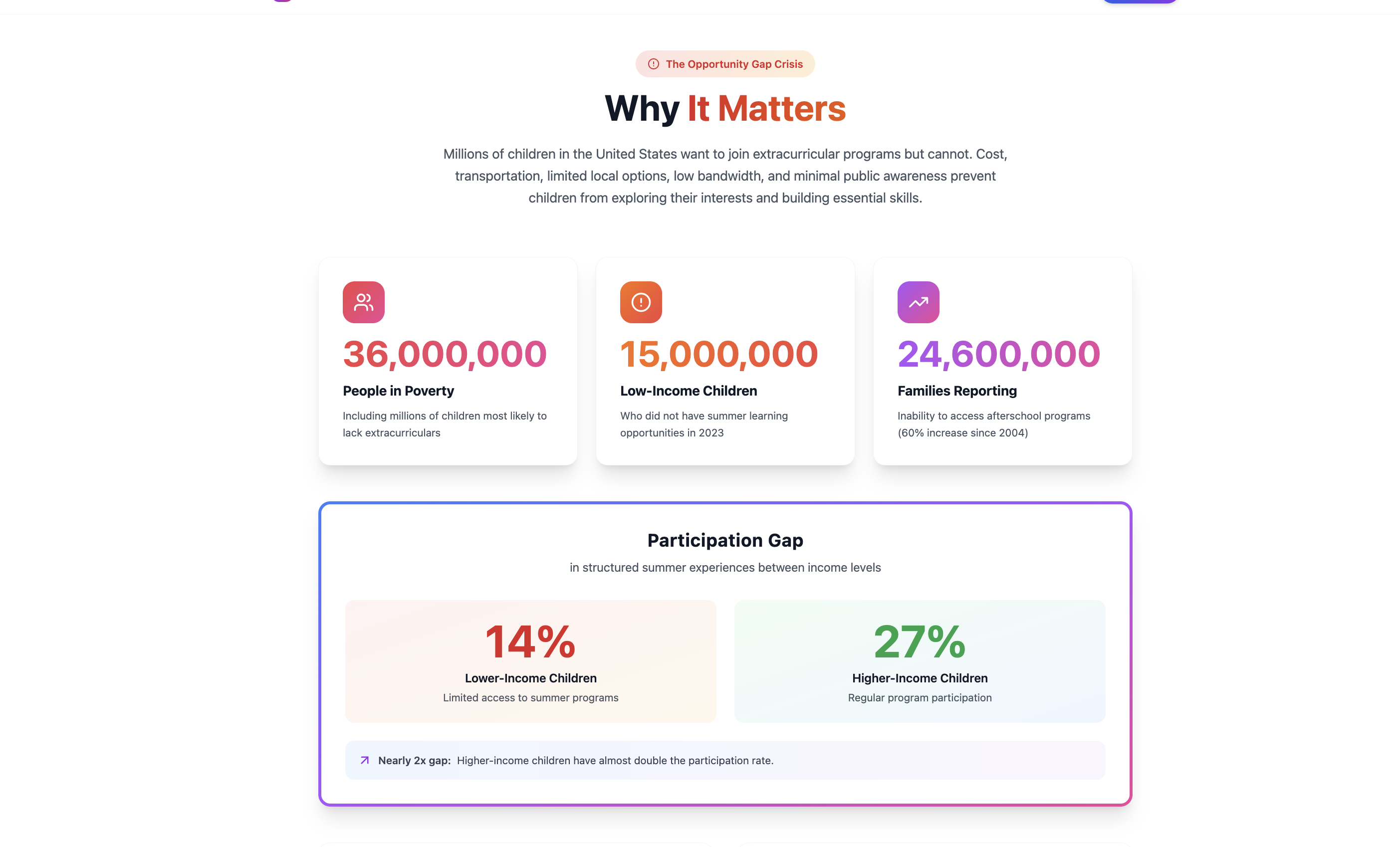
Importance Page
-
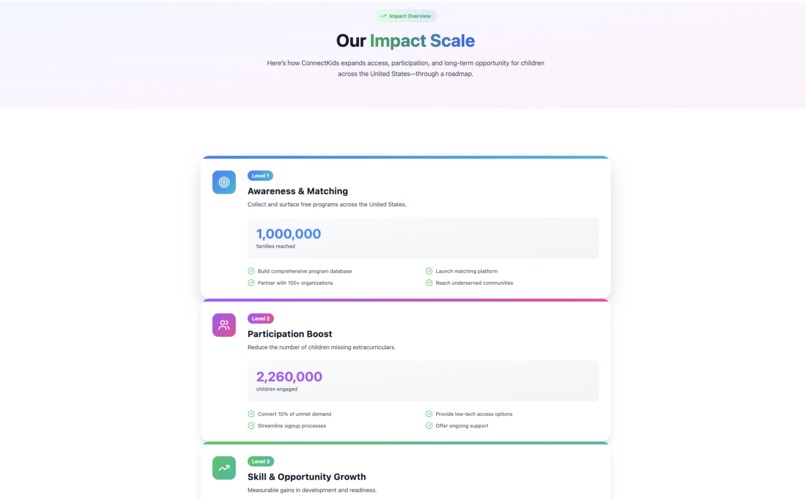
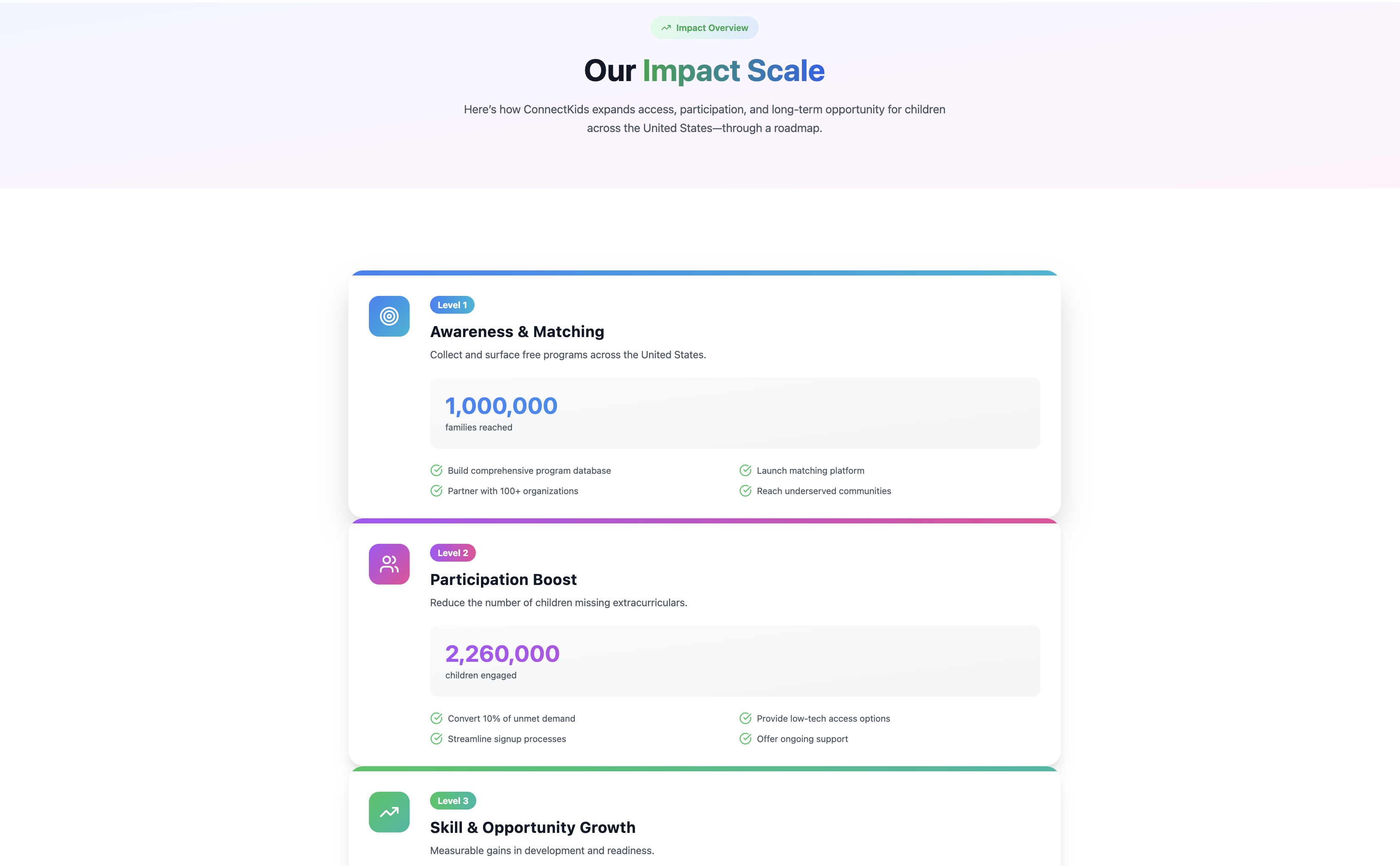
Impact Scale Page
Inspiration
In a school environment, there are students from many different cultures and family beliefs, but many people forget the fact that everyone comes from different economic backgrounds. On one side of the spectrum, a family may own a 6-figure business. On the other hand, however, some families struggle to pay the dues for a school club that the student finds interesting. This has been experienced by our group firsthand. Simple classroom discussions, for example, exploit this harsh reality; take the question, “What is everyone doing this weekend?” This question was asked of the students in our class on the first day of school. Such a straightforward question didn’t seem like a big deal. The first student displayed their excitement for a basketball camp. The second student rambled on about their weekly violin lessons. Finally, one last student was called upon to answer the question. She hesitated for a few seconds but eventually responded. She said, “I don’t have anything fun planned for this weekend”. It may have been such a simple answer, but that answer was the result of a much deeper issue. We came to learn that she had a single mom who was struggling to find a job. As heartbreaking as it was, she didn’t have the opportunity to do anything she loved, just because of her financial situation. This is just one situation in a much more widespread calamity. Students like her are why our group decided to create ConnectKids, a platform that helps financially struggling students find and connect with their passions.
What it does
ConnectKids is a platform that allows for efficient opportunity discovery, as it supports students, especially from low-income backgrounds, who lack access to enrichment programs. The design allows families to look into extracurricular activities by age, specific interest, and location through an interactive map for easy geographic access. What makes ConnectKids unique is that it allows individuals to explore free and hard-to-find programs, providing them links and descriptions to registration pages. It also allows organizations, teachers, and students to establish new opportunities through an in-website form, which expands the scope of the platform. This results in a community-powered model that provides the youth with an equal chance to explore STEM, arts, sports, music, and more.
How we built it
Front-end We designed a responsive interface using clean HTML and CSS. We focused on clarity, smooth flow, and friendly visuals. Features like filters, animated counters, and role-based layouts help the site feel polished while remaining lightweight. Opportunities Engine Organizers can submit opportunities through a form that saves entries locally. Families can search by age and interest and see results update instantly. This represents a stimulation that can seamlessly connect to an active, working database and effective APIs. The platform lets us create, test, and expand API routes quickly. It is built to handle data coming from program providers, organizers, or future government feeds. This makes ConnectKids flexible enough to work with national program directories, nonprofit data sources, or school district systems as it grows. Design and UX We used a bright and welcoming theme, so the site feels accessible to children and families. We kept navigation simple, buttons clear, and pages lightweight so anyone can use it even with a slower internet. Team Workflow We used GitHub to collaborate and push features in small chunks. This helped us stay coordinated and keep shipping even while working under tight time pressure.
Challenges we ran into
Making the site look polished in a short amount of time We had to balance speed with quality. We wanted the site to feel friendly and modern, so we paid attention to details like spacing, icon use, and colors. Every small improvement adds up. Making the platform useful for every community Kids in big cities and kids in rural areas face very different barriers. We had to design filters and categories that made sense, no matter where a family lives. Javascript Integration We had a bit of trouble integrating the JavaScript code with the rest of the files.
Accomplishments that we're proud of
Identifying a real equity gap in our community and building a tool designed to solve it. Creating a functional platform where users can search, filter, and discover free or low-cost opportunities. Successfully integrating a mapping system that shows activities based on location. Building a submission form that allows community members and organizations to add opportunities instantly. Learning new technical skills — from front-end development to organizing community-sourced data. Receiving positive feedback from peers and adults who said ConnectKids could genuinely help families. Transforming a social problem into a scalable, tech-driven solution, we believe can grow beyond our school and community.
What we learned
We now better understand how to incorporate JavaScript and utilize back-end functions into our websites and are much more comfortable with the local storage elements in order to save all the data of the website. While we were researching our topic, we came to understand the scale of the issue, which motivated us to realize that everyone wants to make an impact on the future, because, no matter their background, everyone can make our world better if given the opportunity.
What's next for ConnectKids
Expand the database with more community-submitted opportunities. Create real-time notifications when new opportunities are posted. Add a verification system to ensure programs are safe and trustworthy. Partner with schools, libraries, and community centers to grow the platform. Develop a mobile app version for easier access on the go. Introduce automatic updating or archiving of expired opportunities. Scale ConnectKids from a local project to a statewide or national platform.

Log in or sign up for Devpost to join the conversation.