-
-
IngredientAI
-
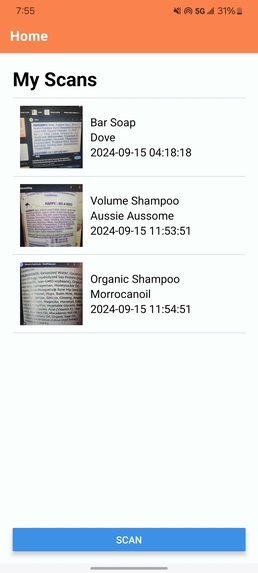
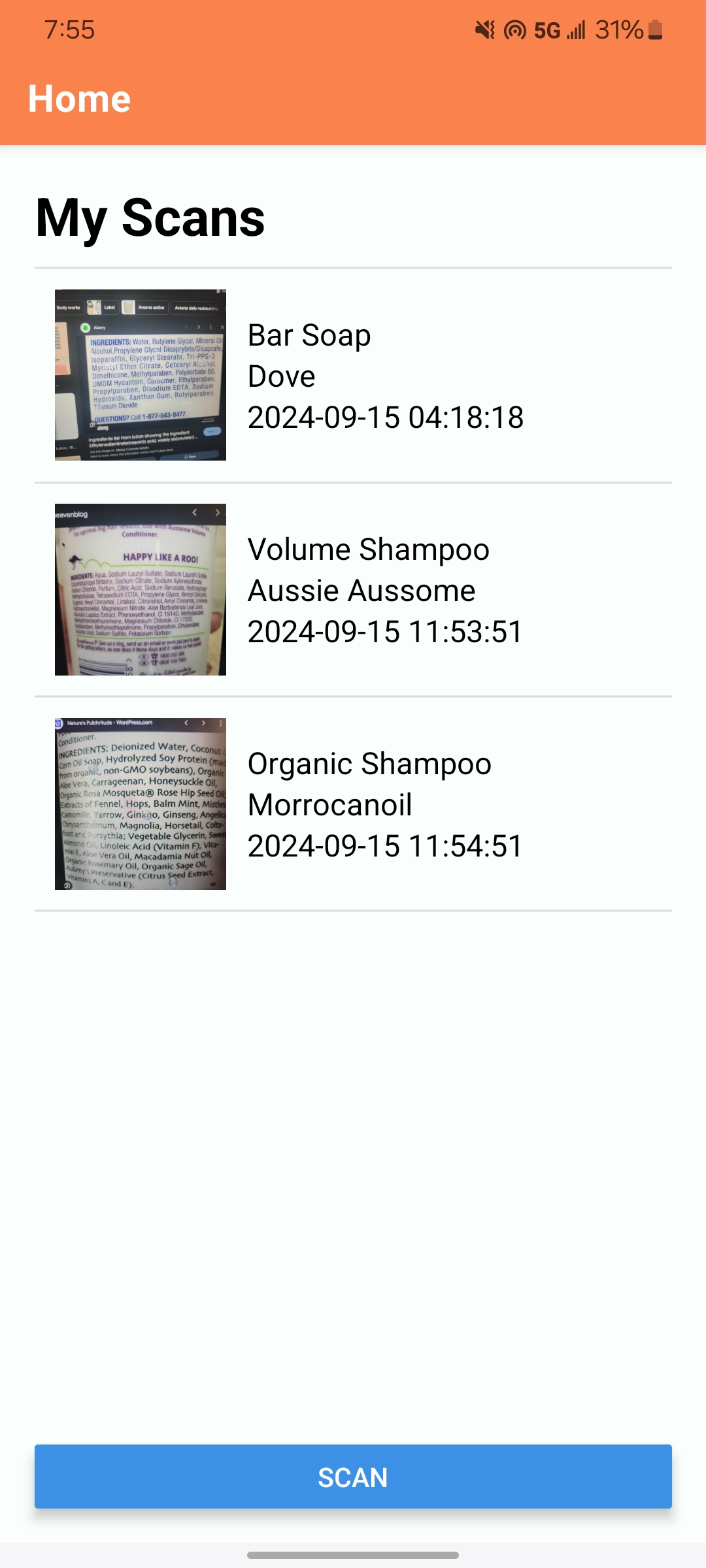
Home Screen
-
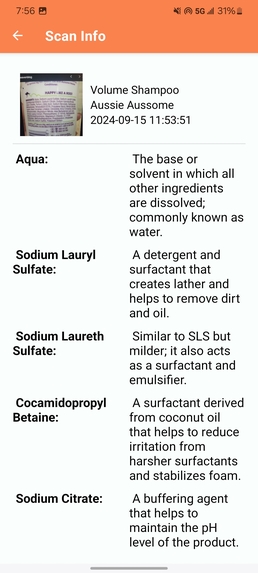
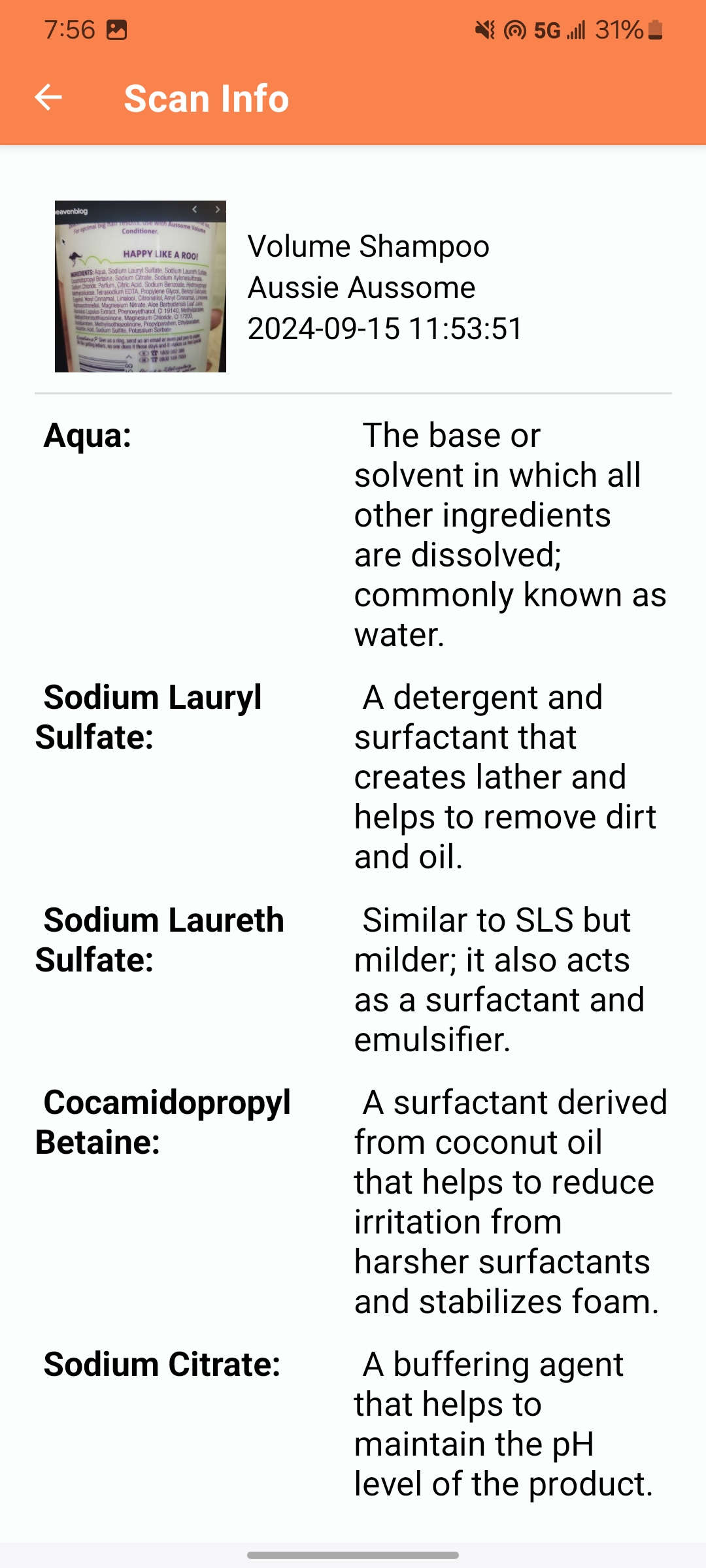
Scan Information Screen
-
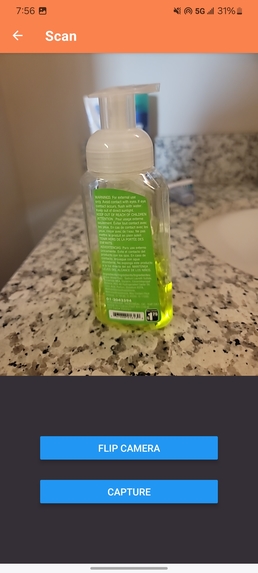
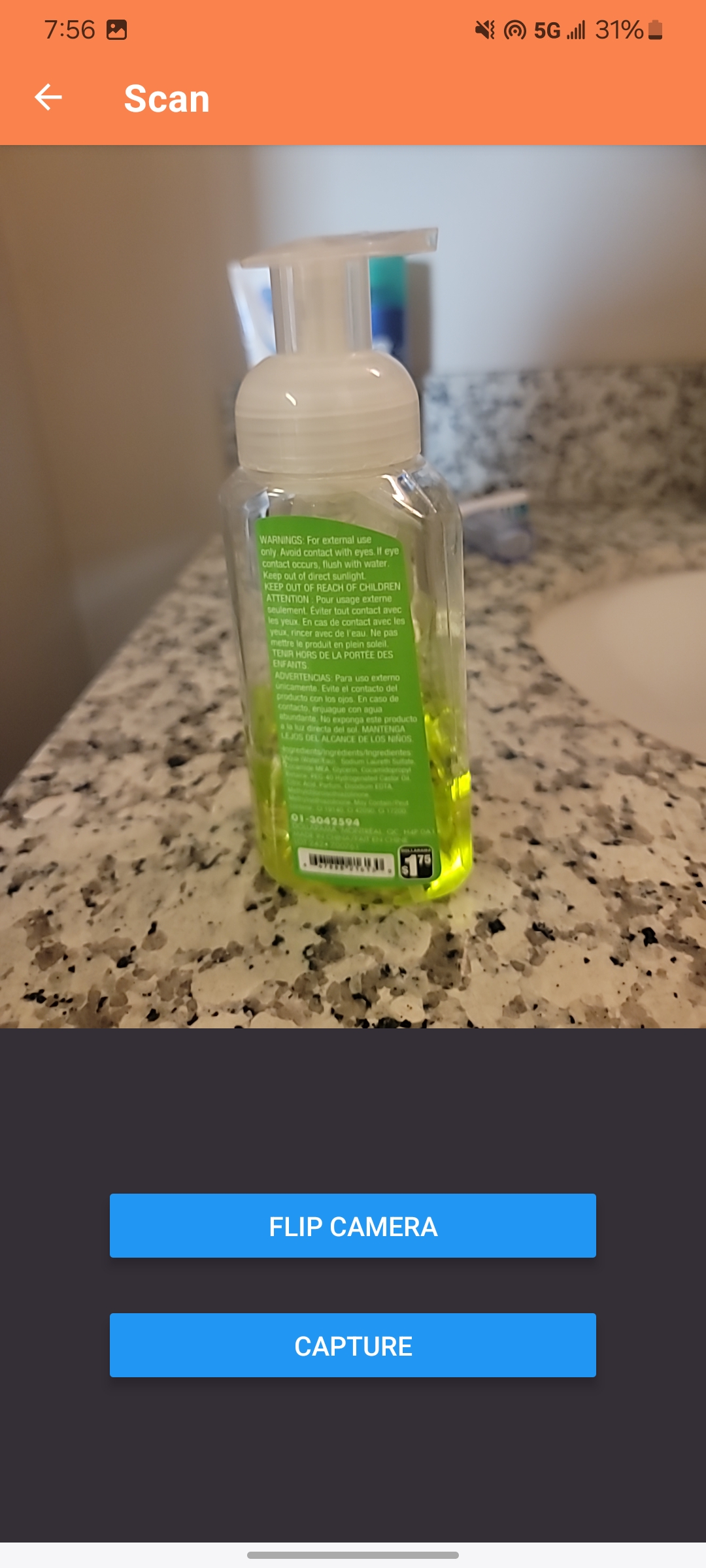
Scanning Screen
Inspiration
The idea for IngredientAI came from my personal frustration with navigating complex and often misleading ingredient labels on beauty and personal care products. I realized that many consumers struggle to understand what these ingredients actually do and whether they are safe. The lack of accessible information often leaves people in the dark about what they are using daily. I wanted to create a tool that brings transparency to this process, empowering users to make healthier and more informed choices about the products they use.
What it does
The idea for IngredientAI was born out of the frustration of navigating complex and often misleading ingredient labels on beauty and personal care products. I realized that many consumers struggle to understand what these ingredients actually do and whether they are safe. The lack of accessible information often leaves people in the dark about what they are using daily. I wanted to create a tool that brings transparency to this process, empowering users to make healthier and more informed choices about the products they use.
How I built It
The frontend is built using React Native and ran using Expo. Users interact with a FlatList component that accesses a backend database powered by Convex. Text extracted from images as well as generates ingredient descriptions is all done through OpenAI's gpt-4o-mini large-language model.
Challenges I ran into
A big challenge that I come across was figuring out how to extract text from images. Originally, I planned on setting up a server-side script that makes use of Tesseract.js's OCR capabilities. However, after some testing, I realized that I did not have enough time to fine tune Tesseract so that it extracts text from images under a variety of different lighting. For IngredientAI to be used by consumers, it must be able to work under a wide variety of circumstances. To solve this issue, I decided it would be best for me to use OpenAI's new Vision capabilities. I did not go with this originally because I wanted to minimize the amount of OpenAI API calls I made. However, under time constraints, this was the best option.
Accomplishments that I'm proud of
I am extremely proud of how far my App Development has come. At a previous hackathon in March, I had used React Native for the very first time. At that hackathon, I was completely clueless with the technology. A lot of my code was copy/pasted from ChatGPT and I did not have a proper understanding of how it worked. Now, this weekend, I was able to create a fully functional mobile application that has organized (enough) code that allows me to expand on this project in the future.
What I learned
Every hackathon, my goal is to learn at least one new technology. This weekend, I decided to use Convex for the very first time. I really appreciated the amount of resources that Convex provides for learning their technology. It was especially convenient that they had a dedicated page for hackathon projects. It made setting up my database extremely fast and convenient, and as we know, speed is key in a hackathon.
What's next for IngredientAI
My aim is to eventually bring IngredientAI to app stores. This is an app I would personally find use for, and I would like to share that with others. Future improvements and features include:
- Categorization and visualization of ingredient data
- Suggested products section
- One-button multi-store checkout
I hope you all get the chance to try out IngredientAI in the near future!


Log in or sign up for Devpost to join the conversation.